

Free Gbarpolu County Travel Guide & Mobile App
Explore Gbarpolu County with free travel guides. Discover regional history, expert tips, proposed trips, and audio guides on web or mobile app.


Explore Gbarpolu County in Liberia for forest landscapes, Gola heritage, rural communities and carefully planned journeys into the interior.
Read more about Gbarpolu County
When is the best time to visit Gbarpolu County?
Best: January–March · 29–30°C| Month | High (°C) | Rainfall (mm) |
|---|---|---|
| January (best) | 29 | 5 |
| February (best) | 30 | 11 |
| March (best) | 30 | 30 |
| April | 30 | 100 |
| May | 31 | 151 |
| June | 30 | 201 |
| July | 30 | 250 |
| August | 30 | 271 |
| September | 30 | 230 |
| October | 30 | 171 |
| November | 29 | 130 |
| December | 29 | 70 |
Getting to and around Gbarpolu County
How to get there
Transportation
Top city travel guides in Gbarpolu County
The cities of Gbarpolu County, and the easiest places to base yourself.
-

-


Swipe for more cities
Destinations in Gbarpolu County
Resorts, valleys and scenic spots worth a trip of their own.

Swipe for more destinations
Best attractions in Gbarpolu County
-
Tourist attraction
National Museum of Liberia
Explore Liberia's heritage at the National Museum of Liberia in Monrovia, showcasing the nation's history, culture, and artistic achievements.
-
Tourist attraction
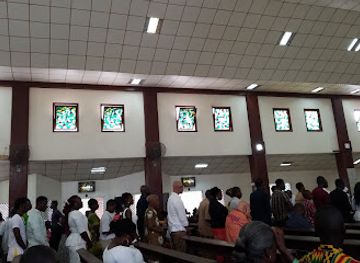
Sacred Heart Cathedral Church
Discover Monrovia's Sacred Heart Cathedral: a blend of Gothic architecture and Liberian spirituality in the heart of the city.
-
Hiking area
Bong Mine Blue Lake
Discover the stunning azure waters of Bong Mine Blue Lake, a Liberian gem offering hiking and serene natural beauty near Camp Watefall.
-
Park
Chevron Park
Escape the city bustle at Chevron Park: a green oasis in Monrovia offering relaxation, recreation, and scenic views.


Best landmarks in Gbarpolu County
-
Museum
National Museum of Liberia
Discover Liberia's vibrant history and culture at the National Museum of Liberia, a must-visit for tourists in Monrovia.
-
Tourist attraction
Kpatawee Waterfall
Discover the breathtaking beauty of Kpatawee Waterfall in Lawe, Liberia - a serene escape into nature's splendor.
-
 Hotel
Nana's Lodge
Discover the tranquility and beauty of Nana's Lodge in Robertsport, Liberia, where stunning coastlines meet warm hospitality and local culture.
-
Hotel
Passion Hotel 2
Discover comfort and local hospitality at Passion Hotel 2 in Gbarnga, Liberia, your perfect retreat for exploring rich cultural experiences.


Explore Gbarpolu County on the map
Plan your trip on one map. See where the top cities, national parks and sights are, and book hotels and experiences in a few clicks.
Best hotels in Gbarpolu County
Best restaurants in Gbarpolu County
Gbarpolu has a small and informal dining scene, concentrated in Bopolu and shaped by household cooking, market stalls and simple local eateries rather than a developed restaurant industry. Rice, cassava, plantain, greens, beans, chicken and freshwater fish are common components of Liberian meals, often accompanied by pepper sauces or stews. Palm oil and locally grown produce are important flavours, while seasonal availability influences what appears in markets and roadside kitchens. Visitors may find simple cooked meals, snacks and drinks through local vendors, but should not expect extensive menus, refrigeration or reliable evening service. Food bought from a busy, clean stall and eaten soon after cooking is generally the practical choice; travellers should carry sealed drinking water and be cautious with uncooked food. Restaurant standards and opening arrangements can change, so accommodation hosts or trusted local contacts are the best source of current recommendations. Bringing preferred snacks is sensible for long journeys beyond Bopolu.
-
Grill
Geeta's Bar & Restaurant
Savor authentic Liberian flavors at Geeta's Bar & Restaurant - where every meal tells a story.
-
Restaurant
Loleyah Bar & Restaurant
Experience authentic Liberian cuisine at Loleyah Bar & Restaurant in Gbarnga – a delightful culinary escape for every traveler.


Best bars in Gbarpolu County
Gbarpolu does not have a major nightclub circuit. Evening social life is concentrated in modest local bars, small drinking spots, food stalls and informal gatherings in Bopolu and other populated places, with music and conversation more prominent than organised late-night entertainment. Beer and palm-based drinks may be available, alongside soft drinks and water, but selection and opening arrangements vary considerably. In rural areas, darkness, limited electricity and transport constraints mean that evenings usually finish early, and visitors should avoid walking unfamiliar roads after nightfall. Hotels or guesthouses may provide a simple place to relax, while community events and celebrations occur according to local schedules rather than a fixed tourist calendar. Visitors should ask before taking photographs, respect noise levels near homes and places of worship, and arrange their return transport in advance rather than assuming taxis will remain available late.
-
Cigar shop
Savvy Lounge
Discover the rich flavors and vibrant social scene of Savvy Lounge, Monrovia's premier destination for premium cigars and unforgettable experiences.
-
Grill
Geeta's Bar & Restaurant
Discover the vibrant culinary scene at Geeta's Bar & Restaurant in Gbarnga, Liberia, where delicious grilled dishes meet warm hospitality.
-
Lounge
Shooters Sports Bar & Lounge
Discover the vibrant nightlife at Shooters Sports Bar & Lounge in Monrovia, where delightful cuisine meets thrilling entertainment in a chic atmosphere.
-
Bar
Vibes Lounge &Grill
Discover the lively spirit of Monrovia at Vibes Lounge & Grill, where great food, exquisite drinks, and vibrant entertainment come together.


Best nightclubs in Gbarpolu County
Gbarpolu does not have a major nightclub circuit. Evening social life is concentrated in modest local bars, small drinking spots, food stalls and informal gatherings in Bopolu and other populated places, with music and conversation more prominent than organised late-night entertainment. Beer and palm-based drinks may be available, alongside soft drinks and water, but selection and opening arrangements vary considerably. In rural areas, darkness, limited electricity and transport constraints mean that evenings usually finish early, and visitors should avoid walking unfamiliar roads after nightfall. Hotels or guesthouses may provide a simple place to relax, while community events and celebrations occur according to local schedules rather than a fixed tourist calendar. Visitors should ask before taking photographs, respect noise levels near homes and places of worship, and arrange their return transport in advance rather than assuming taxis will remain available late.
-
Night club
CITY VIEWE NIGHT CLUB
Discover the energy of Kakata's nightlife at City View Night Club, where music and dance come alive in a vibrant setting.

Best shops in Gbarpolu County
Shopping in Gbarpolu is practical and local, with Bopolu’s market activity providing the main opportunity to buy food, household goods, clothing, phone credit and travel supplies. Rural markets and roadside sellers offer seasonal produce such as cassava, plantains, rice and vegetables, as well as prepared snacks and locally made drinks. Visitors may find woven items, carved objects or other craft products through individual makers, but availability is not consistent and purchases should be made directly and respectfully rather than treating cultural objects as commodities. Gold and diamonds may circulate informally in the wider region, but travellers should not buy minerals without clear legal provenance and proper documentation. Useful souvenirs include packaged Liberian foods, responsibly sourced craftwork and textiles when available. There are no large shopping centres or dependable luxury-retail districts, so carry essential toiletries, specialist equipment, batteries and medicines from Monrovia or another major Liberian town before travelling into the county.
-
Store
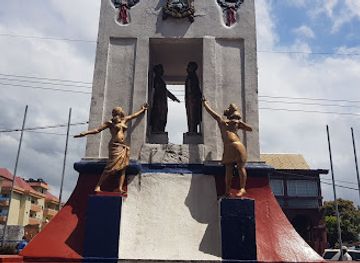
Torre Sitio Liberia . Construida Por ING RUIZ
Experience the charm of Torre Sitio Liberia, a cultural landmark offering unique local products and rich history in the heart of Liberia.
-
Computer accessories store
CLASS STATIONERY
Explore CLASS STATIONERY in Monrovia for high-quality computer accessories that meet all your tech needs, all in a welcoming atmosphere.
-
Electronics store
Dennis Electronic Shop
Explore top-quality electronics and exceptional service at Dennis Electronic Shop in Gbarnga, Liberia.
-
Electronics store
JONAH's Electronics Business CENTER
Explore cutting-edge electronics at JONAH's Electronics Business CENTER in Zorzor, Liberia – where technology meets local charm.


Get your free copy of our complete guide to Gbarpolu County, delivered straight to you.
Everything on this page, from attractions and restaurants to essentials and local phrases, in one PDF you can read offline, print or share.
Already have an account? Sign in
Your Gbarpolu County guide is ready.
We'll send it to · Not you? Sign out

Getting your guide ready…
We are putting together a fresh copy of the Gbarpolu County guide. This can take up to a minute.
This can take a few moments. If your browser asks, choose Allow so the download can start. You'll find the guide in your Downloads folder.
Nothing happened? Download it again
Sorry, the guide is taking longer than usual. Please try again in a minute, or get it by email instead.
Gbarpolu County essentials
Currency and Payment
Safety
Emergency Situations
Do's and Don'ts
Local Tips
From Eve
Local phrases worth knowing
You don't need to get them perfect. A few words go a long way, and locals appreciate the effort.
Basics
| English | Local | Say it |
|---|---|---|
| Hello | Kɛlɛ | [keh-leh] |
| Goodbye | Wɔ nɔɔ | [wo no] |
| Yes | Iye | [ee-yeh] |
| No | Dɔɔ | [doh] |
| Please/You're welcome | Bɔlɛ | [bo-leh] |
| Thank you | Tɛŋk yu | [tenk yoo] |
| Excuse me/Sorry | Sɔɔrɛ | [sor-reh] |
| How are you? | Wɛ nɔ? | [weh noh?] |
| Fine. And you? | Mɛ fɛ. Nɔ wɛ? | [meh feh. noh weh?] |
| Do you speak English? | Yu spik Ingli? | [yoo speek ing-lee?] |
| I don't understand | Mɛ nɔt undɛrstan | [meh not un-der-stan] |
Eating & Drinking
| English | Local | Say it |
|---|---|---|
| I'd like to see the menu, please | Mɛ wan sɪ menu, bɔlɛ | [meh wan see meh-noo, bo-leh] |
| I don't eat meat | Mɛ nɔt it miit | [meh not eet meet] |
| Cheers! | Tɛŋk yu! | [tenk yoo!] |
| I would like to pay, please | Mɛ wan peɪ, bɔlɛ | [meh wan pay, bo-leh] |
Emergencies
| English | Local | Say it |
|---|---|---|
| Help! | Hɛlp! | [help!] |
| Go away! | Gɔ awei! | [go away!] |
| Call the Police! | Kɔl di Pɔlɪs! | [call dee po-lees!] |
| Call a doctor! | Kɔl a dɔkta! | [call a dock-tah!] |
| I'm lost | Mɛ lɔst | [meh lost] |
| I'm ill | Mɛ il | [meh ill] |
Shopping
| English | Local | Say it |
|---|---|---|
| I'd like to buy... | Mɛ wan bɔy... | [meh wan boy...] |
| I'm just looking | Mɛ jɔs lʊkɪŋ | [meh joss looking] |
| How much is it? | Wɛ mɔt is it? | [weh mot is it?] |
| That's too expensive | Dat nɔt bɔlɛ | [dat not bo-leh] |
| Can you lower the price? | Yu kɛn lɔwɛ di praɪs? | [yoo ken lo-weh dee price?] |
Time & Numbers
| English | Local | Say it |
|---|---|---|
| What time is it? | Wɛt taɪm is it? | [weh time is it?] |
| It's one o'clock | It is wʌn ɔ'klɔk | [it is wun o-clock] |
| Half past (10) | Hæf pæst (tɛn) | [haf past (ten)] |
| Morning | Mɔrnɪŋ | [mor-ning] |
| Afternoon | Aftɚnun | [af-ter-noon] |
| Evening | Ivɪnɪŋ | [eve-ning] |
| Yesterday | Jɛstɚdeɪ | [yes-ter-day] |
| Today | Tədeɪ | [to-day] |
| Tomorrow | Təmaɹoʊ | [to-morrow] |
| 1 | Wʌn | [wun] |
| 2 | Tu | [too] |
| 3 | θri | [three] |
| 4 | Fɔr | [for] |
| 5 | Faɪv | [five] |
| 6 | Sɪks | [six] |
| 7 | Sɛvən | [sev-en] |
| 8 | Eɪt | [eight] |
| 9 | Naɪn | [nine] |
| 10 | Tɛn | [ten] |
Transport & Directions
| English | Local | Say it |
|---|---|---|
| Where's a/the...? | Wɛr iz a/di...? | [we're is a/dee...?] |
| What's the address? | Wɛt ði ædrɛs? | [wet thee ad-res?] |
| Can you show me (on the map)? | Yu kæn shoʊ mi (ɔn ðə mæp)? | [yoo kan sho me (on the map)?] |
| When's the next (bus)? | Wɛn iz ðə nɛkst (bʌs)? | [when is the next (bus)?] |
| A ticket (to ....) | A tɪkɪt (tu ...) | [a tick-it (to ...)] |
History of Gbarpolu County
Gola Kingdoms and Upper Guinean Forest Society
Before the creation of modern Liberia, the area now called Gbarpolu was part of a network of Gola-speaking communities and political authorities linked by farming, hunting, forest use and regional trade. Gola societies were organised through towns, chiefdoms and kinship networks rather than a single centralised state covering the whole county. Trade routes connected the forest interior with neighbouring areas of present-day Sierra Leone, Guinea and Liberia. The era left a continuing cultural legacy in language, customary authority, settlement patterns and knowledge of the forest.
Bopolu as a Nineteenth-Century Trading Centre
Bopolu became one of the better-known political and commercial centres of the north-western interior during the nineteenth century. Its position within the Gola region made it important in exchanges involving agricultural goods, forest products and regional traders. European and Liberian accounts of the period often described interior politics through the limited vocabulary of colonial-era observers, but local authorities retained their own systems of power and diplomacy. Bopolu’s historical significance today rests on this role as a meeting point between the forest interior and wider West African trading networks.
Incorporation into the Liberian Republic
During the late nineteenth and early twentieth centuries, the expanding Liberian state extended administrative authority into the interior through treaties, appointed officials, courts, taxation and new county structures. This process did not erase existing systems of customary leadership, but it placed local communities within the political framework of the Republic of Liberia. Roads and administrative links developed slowly, and the area remained predominantly rural. The resulting coexistence of county government, chiefly authority, local land practices and communal institutions still influences how visitors should approach the region.
Forestry, Agriculture and Artisanal Mining
In the twentieth century, Gbarpolu’s economy continued to depend mainly on subsistence and smallholder agriculture, forest resources and local trade. Rice, cassava, plantains and other crops have been important to rural livelihoods, while timber extraction and artisanal mining have periodically attracted workers and traders. Gold and diamond digging have provided income for some communities but have also raised concerns about environmental damage, land access and unsafe working conditions. These economic activities help explain the county’s contemporary landscape, where forest conservation and resource use often exist in close proximity.
Civil War and Post-war Recovery
Liberia’s civil wars severely disrupted communities across the north-west, damaging public institutions, transport links, livelihoods and access to education and healthcare. Population movements and the return of displaced people altered many local communities. Since the end of the wars, reconstruction has proceeded unevenly, with roads, schools, clinics and administrative services improving gradually but remaining limited in remote areas. The county’s current travel conditions, including the scarcity of established visitor infrastructure, are partly a consequence of this disrupted recent history.
Creation of Gbarpolu County and the Gola Forest National Park
Gbarpolu was established as a separate county in 2001, strengthening the administrative importance of Bopolu and giving the area a distinct place within Liberia’s contemporary governance system. In the following years, conservation planning focused greater attention on the remaining Upper Guinean rainforest. The Gola Forest National Park, established in 2016, includes forest landscapes in Gbarpolu and neighbouring Grand Cape Mount County. Its creation reflects Liberia’s effort to protect biodiversity while addressing the rights, livelihoods and participation of forest communities.
Gbarpolu County in Photos
Browse through our photo collection highlighting the charm and character of the destination.
Neighbouring regions of Gbarpolu County
The closest regions to Gbarpolu County, if you have time for more than one.
-

-

-

-

-


Swipe for more regions
Explore more

Explore more of Liberia
Discover Liberia: where pristine beaches meet lush rainforests, and vibrant culture blends with rich history in the heart of West Africa.
Explore Liberia