

Ruggell Region, Liechtenstein Travel Guide
Explore the serene landscapes and cultural heritage of the Ruggell Region in Liechtenstein, a perfect getaway for nature enthusiasts and history buffs alike.
Nestled in the northernmost part of Liechtenstein, the Ruggell Region is a serene and picturesque area that offers visitors a unique blend of natural beauty and cultural heritage. This charming region is perfect for those looking to escape the hustle and bustle of city life and immerse themselves in the tranquility of the countryside. The Ruggeller Riet Nature Reserve is a highlight of the region, offering a stunning landscape of wetlands, meadows, and a rich variety of flora and fauna. It is a paradise for nature lovers and bird watchers, with well-maintained walking and cycling paths that allow you to explore the area at your own pace. The reserve changes with the seasons, offering a different but equally captivating experience each time you visit. In addition to its natural attractions, the Ruggell Region is home to several historical and cultural sites. The St. Fridolin Church, with its beautiful architecture and serene atmosphere, is a must-visit. The nearby village of Ruggell itself is quaint and inviting, with traditional buildings and friendly locals who are always ready to share stories about the region's history and traditions. Whether you're interested in hiking, cycling, or simply enjoying the peaceful surroundings, the Ruggell Region has something to offer everyone.

Know before you go
Hi, I'm Eve. Here are a few practical things to know before exploring Ruggell Region.
- Visit early in the morning to enjoy the tranquility of the Ruggeller Riet Nature Reserve and spot more wildlife.
- Carry binoculars for bird watching, as the reserve is home to many rare species.
- Rent a bicycle to explore the numerous cycling paths around the region.
- Check the local events calendar – Ruggell often hosts traditional festivals and cultural events.
- Bring a picnic to enjoy in the scenic meadows of the nature reserve.
Top City Travel Guides in Ruggell Region
The cities of Ruggell Region, and the easiest places to base yourself.

Destinations in Ruggell Region
Resorts, valleys and scenic spots worth a trip of their own.
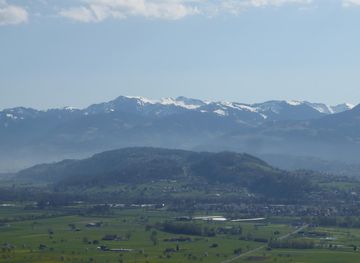
Explore Ruggell Region: Things to Do, Places to Eat, Hotels & More
Handpicked recommendations for top attractions, local dining, accommodations, and more

Top Attractions & Sightseeing in Ruggell Region
Top-rated picks
Best Attractions

Küefer-Martis-Huus
Explore Küefer-Martis-Huus, a historical landmark in Ruggell, Liechtenstein, where captivating local stories and beautiful architecture await.

Lawena Museum
Experience the rich heritage and artistry of Liechtenstein at the Lawena Museum in Triesen, a serene cultural haven amidst stunning landscapes.

Cellars of the Prince of Liechtenstein
Experience centuries of royal winemaking tradition in the heart of Vaduz. Sample exquisite wines from the Prince of Liechtenstein's cellars.

Kathedrale St. Florin
Discover Vaduz Cathedral: A neo-Gothic masterpiece, Liechtenstein's spiritual heart, and final resting place of royalty. Open daily, free entry!

Best landmarks in Ruggell Region
Top-rated picks
Best Landmarks

Vaduz Castle
Discover the historic Vaduz Castle, a stunning medieval fortress overlooking the capital of Liechtenstein, rich in culture and breathtaking views.

Burg Gutenberg
Discover the enchanting Burg Gutenberg, a historical castle and vibrant live music venue in Balzers, offering stunning views and cultural experiences.

Vaduz Citytrain AG
Discover the enchanting sights of Vaduz with Vaduz Citytrain, a delightful way to explore Liechtenstein's rich history and picturesque landscapes.

Alte Rheinbrücke
Explore the Alte Rheinbrücke, an iconic wooden bridge connecting Switzerland and Liechtenstein, offering stunning views and rich history.

Best restaurants in Ruggell Region
Top-rated picks
Best Restaurants

Casino Admiral Ruggell
Discover the perfect blend of gourmet dining and thrilling gaming at Casino Admiral Ruggell – an unforgettable experience awaits you!

New Castle
Experience exquisite cuisine at New Castle in Vaduz - where local flavors meet culinary artistry.

Brasserie Burg
Experience culinary delight at Brasserie Burg in Vaduz—savor gourmet burgers and authentic Italian dishes in a charming atmosphere.

TANG
Discover authentic Chinese cuisine at TANG in Ruggell – where tradition meets taste in every dish.

Best bars in Ruggell Region
Top-rated picks
Best Bars

Casino Admiral Ruggell
Discover the excitement of fine dining and gaming at Casino Admiral Ruggell, where culinary delights meet thrilling entertainment in a vibrant atmosphere.

Casino Schaanwald Liechtenstein
Discover the allure of Casino Schaanwald, where thrilling gaming meets exquisite dining in the heart of Liechtenstein.

Brasserie Burg
Experience the charm of Vaduz at Brasserie Burg, where delicious international cuisine meets local hospitality.

TANG
Discover the authentic taste of China at TANG, Ruggell's premier Chinese restaurant offering delightful dishes in a warm atmosphere.

Best nightclubs in Ruggell Region
Top-rated picks
Best Nightclubs

Black Pearl Bar
Discover the vibrant nightlife of Schaan at Black Pearl Bar—where cocktails meet a cozy, welcoming atmosphere.

Zwei Bar
Experience the vibrant nightlife of Vaduz at Zwei Bar, where crafted cocktails and lively atmosphere await every visitor.

Take 5 Vaduz
Experience the vibrant nightlife at Take 5 Vaduz in Triesen, where locals and tourists gather for great drinks and lively entertainment.

rauch club
Experience the vibrant nightlife of Feldkirch at Rauch Club, where unforgettable parties and unique events await every night.

Best shops in Ruggell Region
Top-rated picks
Best Shops

Migros-Supermarkt - Schaan
Explore the Migros-Supermarkt in Schaan for a delightful shopping experience featuring local produce, gourmet foods, and unique Swiss specialties.

Migros-Partner - FL - Ruggell
Discover the flavors of Liechtenstein at Migros-Partner - FL - Ruggell, your go-to supermarket for fresh produce, baked goods, and local specialties.

American Bagel&Coffee Co.
Discover a delightful coffee shop in Vaduz, serving fresh bagels and rich coffee in a cozy atmosphere, perfect for tourists and locals alike.

Kokon
Discover the authentic flavors of Italy at Kokon, a welcoming restaurant in Ruggell offering exquisite dining experiences.

Explore Ruggell Region on the Map
A handpicked selection of must-see spots in Ruggell Region, mapped for you.
Ruggell Region Essentials
-
Ruggell, the northernmost municipality in Liechtenstein, is accessible primarily by road. The nearest international airports are Zurich Airport in Switzerland (approximately 115 kilometers away) and Friedrichshafen Airport in Germany (about 85 kilometers away). From these airports, you can rent a car or take a train to the nearby town of Buchs in Switzerland or Feldkirch in Austria, and then continue by bus or taxi to Ruggell. Public transportation options are reliable and well-connected.
-
Ruggell is a small and walkable town. For longer distances, local buses connect Ruggell with other parts of Liechtenstein and neighboring countries. Taxis are available but may be more expensive. Renting a car can be a convenient option if you plan to explore other regions. Cycling is also a popular mode of transport, with several well-maintained bike paths available.
-
The official currency of Liechtenstein is the Swiss Franc (CHF). Credit and debit cards are widely accepted, but it is advisable to carry some cash for small purchases, especially in rural areas. ATMs are readily available in Ruggell and other parts of Liechtenstein. Currency exchange services are also available in banks and at airports.
-
Ruggell is known for its low crime rate, making it a very safe destination for tourists. However, it is always wise to take standard precautions such as keeping an eye on your belongings in crowded places and avoiding poorly lit areas at night. There are no specific neighborhoods with high crime rates targeting tourists.
-
In case of an emergency, dial 112 for immediate assistance. This is the general emergency number for police, medical, and fire services in Liechtenstein. The nearest hospital is in Vaduz, about 15 kilometers away. Pharmacies are available for minor health issues, and it is recommended to have travel insurance that covers medical emergencies.
-
Fashion: Do dress smart-casual, as locals tend to dress neatly. Avoid overly casual or revealing clothing. Religion: Do respect local customs and traditions. When visiting religious sites, dress modestly and remain quiet. Public Transport: Do be punctual and buy your ticket before boarding. Don't eat or drink on public transport. Greetings: Do greet people with a friendly 'Grüß Gott' or 'Hallo.' A firm handshake is also common. Eating & Drinking: Do try local specialties and be polite when offered food. Don't leave food on your plate, as it is considered wasteful.
-
To experience Ruggell like a local, visit the Ruggeller Riet Nature Reserve, which offers beautiful walking trails and birdwatching opportunities. Engage with locals at the weekly markets where you can buy fresh produce and local crafts. Don’t miss the annual Ruggell Village Festival, a great opportunity to experience local culture, music, and cuisine. Renting a bicycle to explore the scenic countryside is highly recommended.
When is the best time to visit Ruggell Region?
Useful Local Phrases for Ruggell Region
You don't need to speak the language perfectly. Even learning a few simple words can make conversations warmer—and locals usually appreciate the effort.
— Eve

Here are the phrases I use most often in Ruggell Region. Try a few—you'll be surprised how far they go! 😊
❤️
-
- HelloHallo
[Hah-loh] - GoodbyeAuf Wiedersehen
[Owf Veed-er-zay-en] - YesJa
[Yah] - NoNein
[Nyn] - Please/You're welcomeBitte
[Bit-tuh] - Thank youDanke
[Dahn-keh] - Excuse me/SorryEntschuldigung
[Ent-shool-dee-goong] - How are you?Wie geht's?
[Vee gate's?] - Fine. And you?Gut. Und dir?
[Gooot. Oond deer?] - Do you speak English?Sprechen Sie Englisch?
[Shpreh-ken Zee Eng-lish?] - I don't understandIch verstehe nicht
[Ish fer-shteh-eh nikht]
- HelloHallo
-
- I'd like to see the menu, pleaseIch möchte die Speisekarte sehen, bitte
[Ish mer-shtay dee Spy-zuh-kar-teh zay-en, bit-tuh] - I don't eat meatIch esse kein Fleisch
[Ish ess-eh kyn Flysh] - Cheers!Prost!
[Prohst!] - I would like to pay, pleaseIch möchte bezahlen, bitte
[Ish mer-shtay be-tsah-len, bit-tuh]
- I'd like to see the menu, pleaseIch möchte die Speisekarte sehen, bitte
-
- Help!Hilfe!
[Hil-feh!] - Go away!Geh weg!
[Gay vek!] - Call the Police!Rufen Sie die Polizei!
[Roo-fen Zee dee Pol-ee-tsai!] - Call a doctor!Rufen Sie einen Arzt!
[Roo-fen Zee eye-nen Arts-t!] - I'm lostIch habe mich verlaufen
[Ish hah-bee mikh fer-lau-fen] - I'm illIch bin krank
[Ish bin krunk]
- Help!Hilfe!
-
- I'd like to buy...Ich möchte ... kaufen
[Ish mer-shtay ... kow-fen] - I'm just lookingIch schaue nur
[Ish shau-eh noor] - How much is it?Wie viel kostet es?
[Vee feel kost-et es?] - That's too expensiveDas ist zu teuer
[Das ist tsu toy-er] - Can you lower the price?Könnten Sie den Preis senken?
[Kurn-ten Zee den Price sen-ken?]
- I'd like to buy...Ich möchte ... kaufen
-
- What time is it?Wie spät ist es?
[Vee shpate ist es?] - It's one o'clockEs ist eins
[Es ist ayns] - Half past (10)Halb nach (10)
[Halb nahkh (10)] - MorningMorgen
[Mor-gen] - AfternoonNachmittag
[Nahkh-mit-tahg] - EveningAbend
[Ah-bend] - YesterdayGestern
[Gest-ern] - TodayHeute
[Hoy-teh] - TomorrowMorgen
[Mor-gen] - 1Eins
[Ayns] - 2Zwei
[Tsvy] - 3Drei
[Dry] - 4Vier
[Feer] - 5Fünf
[Fünf] - 6Sechs
[Zex] - 7Sieben
[Zee-ben] - 8Acht
[Akh-t] - 9Neun
[Noyn] - 10Zehn
[Tsen]
- What time is it?Wie spät ist es?
-
- Where's a/the...?Wo ist ein/das ...?
[Vo ist ayn/das ...?] - What's the address?Wie lautet die Adresse?
[Vee lout-et dee Ah-dress-eh?] - Can you show me (on the map)?Könnten Sie mir (auf der Karte) zeigen?
[Kurn-ten Zee meer (owf der Kar-teh) tsigh-en?] - When's the next (bus)?Wann kommt der nächste (Bus)?
[Vahn komt der nay-sht-eh (Bus)?] - A ticket (to ....)Ein Ticket (nach ...)
[Ayn Tee-ket (nahkh ...)]
- Where's a/the...?Wo ist ein/das ...?
History of Ruggell Region
-
The Ruggell region, located in the northernmost part of Liechtenstein, has been inhabited since prehistoric times. Archaeological excavations have unearthed tools and artifacts from the Neolithic period, indicating early human settlement. These findings provide a glimpse into the lives of the region's earliest inhabitants, who relied on hunting, fishing, and rudimentary agriculture for sustenance.
-
During the Roman era, the Ruggell region became part of the Roman province of Raetia. Evidence of Roman presence, including remnants of roads and fortifications, demonstrates the strategic importance of the area. The Romans introduced advanced agricultural techniques and infrastructure, contributing to the region's development and integration into the broader Roman world.
-
In the medieval period, the Ruggell region was under the control of various feudal lords. The area's strategic location along trade routes made it a valuable asset. It wasn't until the 17th century that the region became part of the Principality of Liechtenstein, established in 1719. The unification of local territories under the House of Liechtenstein laid the foundation for the modern state.
-
The 19th century saw significant agricultural development in the Ruggell region. The fertile floodplain of the Rhine River provided ideal conditions for farming. Local farmers adopted modern agricultural practices, leading to increased productivity and prosperity. This period also saw the construction of infrastructure such as roads and drainage systems to support agricultural activities.
-
During World War II, Liechtenstein, including the Ruggell region, maintained a stance of neutrality. Despite its proximity to conflict zones, the principality successfully avoided direct involvement in the war. This period of neutrality allowed the region to focus on internal development and economic stability, setting the stage for post-war growth.
-
In the latter half of the 20th century, the Ruggell region experienced significant modernization and economic growth. Industrialization, coupled with the development of the financial sector, transformed the local economy. The establishment of businesses and industries provided employment opportunities and contributed to the region's prosperity. Today, Ruggell is known for its blend of traditional charm and modern amenities.
-
The Ruggell region is rich in cultural heritage, with traditions and customs that have been passed down through generations. Local festivals, such as the annual 'Ruggeller Riet' celebration, showcase the region's vibrant culture and community spirit. These events offer visitors a chance to experience traditional music, dance, and culinary delights, providing a deeper understanding of the region's cultural identity.
Neighbouring Regions of Ruggell Region
The closest regions to Ruggell Region, if you have time for more than one.


Your all‑in‑one travel companion app
Explore expert travel guides, compare and book tours, experiences, hotels, and more—all from the palm of your hand. Download now for seamless trip planning wherever your wanderlust takes you.


Explore More of Liechtenstein

Looking beyond Ruggell Region? Discover Liechtenstein for broader travel guides, local hot-spots, and regional highlights.
Explore LiechtensteinRuggell Region in Photos
Browse through our photo collection highlighting the charm and character of the destination.


Ruggell Region: A Tranquil Gem in Liechtenstein
Nestled in the northernmost part of Liechtenstein, the Ruggell Region is a serene and picturesque area that offers visitors a unique blend of natural beauty and cultural heritage. This charming region is perfect for those looking to escape the hustle and bustle of city life and immerse themselves in the tranquility of the countryside. The Ruggeller Riet Nature Reserve is a highlight of the region, offering a stunning landscape of wetlands, meadows, and a rich variety of flora and fauna. It is a paradise for nature lovers and bird watchers, with well-maintained walking and cycling paths that allow you to explore the area at your own pace. The reserve changes with the seasons, offering a different but equally captivating experience each time you visit. In addition to its natural attractions, the Ruggell Region is home to several historical and cultural sites. The St. Fridolin Church, with its beautiful architecture and serene atmosphere, is a must-visit. The nearby village of Ruggell itself is quaint and inviting, with traditional buildings and friendly locals who are always ready to share stories about the region's history and traditions. Whether you're interested in hiking, cycling, or simply enjoying the peaceful surroundings, the Ruggell Region has something to offer everyone.