

Free Suvalkija Travel Guide & Mobile App
Explore Suvalkija with free travel guides. Discover regional history, expert tips, proposed trips, and audio guides on web or mobile app.


Explore Suvalkija’s fertile landscapes, manor houses, market towns, literary heritage and lakes in south-western Lithuania.
Read more about Suvalkija
When is the best time to visit Suvalkija?
Best: June–August · 22–24°C| Month | High (°C) | Rainfall (mm) |
|---|---|---|
| January | -2 | 40 |
| February | -1 | 35 |
| March | 6 | 40 |
| April | 13 | 45 |
| May | 19 | 55 |
| June (best) | 22 | 65 |
| July (best) | 24 | 70 |
| August (best) | 23 | 65 |
| September | 18 | 55 |
| October | 13 | 50 |
| November | 6 | 45 |
| December | 1 | 45 |
Getting to and around Suvalkija
How to get there
Transportation
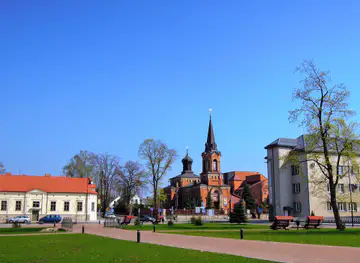
Top city travel guides in Suvalkija
The cities of Suvalkija, and the easiest places to base yourself.
-

-
-


Swipe for more cities
Destinations in Suvalkija
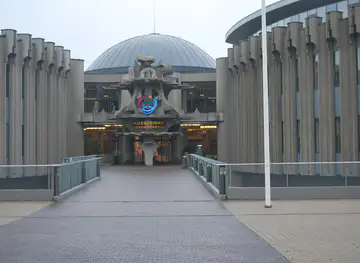
Resorts, valleys and scenic spots worth a trip of their own.
-

-


Swipe for more destinations
Best attractions in Suvalkija
Suvalkija’s attractions are spread across an open agricultural landscape rather than concentrated in one major resort. Marijampolė offers museums, churches, public art and a useful introduction to the region’s civic history, while Vilkaviškis and Šakiai retain the character of historic market towns. Manor heritage is a major theme: Paežeriai Manor near Vilkaviškis, Zypliai Manor near Lukšiai and Gelgaudiškis Manor illustrate different architectural settings and the changing fortunes of Lithuania’s estates. The region’s national-revival story can be explored through the memorial places associated with Jonas Basanavičius and Vincas Kudirka. Nature-based visits include Vištytis Regional Park, where lake shores, woodland and rural settlement create opportunities for walking, cycling and quiet observation. The Nemunas landscape in northern Suvalkija adds river views, bluffs and historic estate surroundings. Smaller museums, churches and local cultural centres are particularly worthwhile for visitors interested in ordinary rural life, twentieth-century upheaval and Lithuanian literature. Because many sites have seasonal or limited opening arrangements, the region rewards advance planning and a flexible itinerary.
-
Tourist attraction
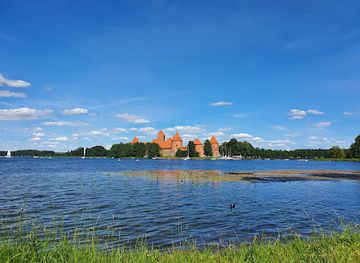
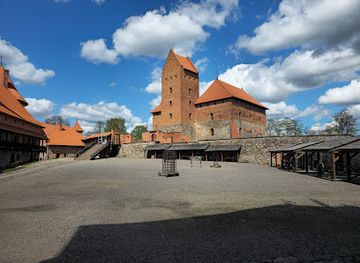
Trakai Island Castle
Discover Trakai Island Castle, a medieval gem in Lithuania offering breathtaking views, rich history, and enchanting experiences for every traveler.
-
 Tourist attraction
Curonian Spit National Park
Explore the stunning landscapes, diverse wildlife, and rich cultural heritage of Curonian Spit National Park, a UNESCO World Heritage site.
-
Tourist attraction
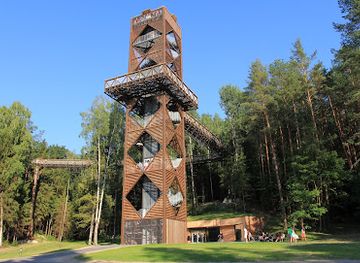
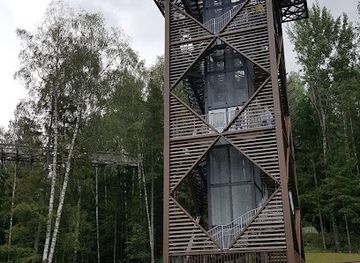
Treetop walking path and information centre
Explore the Treetop Walking Path in Anykščiai for stunning views and an immersive experience in Lithuania's natural beauty.
-
Tourist attraction
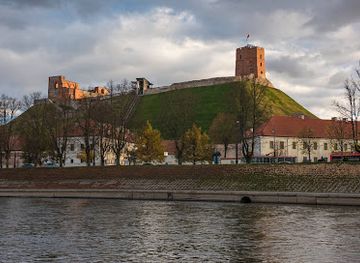
Gediminas Castle Tower
Explore Gediminas Castle Tower, a historic fortress in Vilnius offering stunning views and a glimpse into Lithuania's rich heritage.
Best landmarks in Suvalkija
Suvalkija’s most recognisable landmarks express its agricultural, architectural and national-revival history. The red-brick and historic buildings of Marijampolė provide an urban reference point, while the Basilica of Saint Michael the Archangel and other churches in the regional towns reflect longstanding religious and civic traditions. Paežeriai Manor near Vilkaviškis is noted for its neoclassical architecture and lakeside setting; Zypliai Manor near Lukšiai places an estate complex within the cultural landscape of the Šakiai district; and Gelgaudiškis Manor stands near the Nemunas in a wooded estate environment. The memorial birthplace of Jonas Basanavičius at Ožkabaliai is one of the region’s most meaningful national landmarks, linking the countryside with the Lithuanian revival. Vincas Kudirka’s memorial places around the town named Kudirkos Naumiestis similarly commemorate a writer, doctor and statesman whose work shaped modern Lithuania. Vištytis Lake and the surrounding protected terrain provide a natural landmark, marking the region’s western landscape near the frontier. Together these sites show how Suvalkija’s identity is built from manor culture, civic memory, open farmland and borderland geography.
-
Castle
Trakai Island Castle
Discover the enchanting Trakai Island Castle, a medieval fortress surrounded by stunning lakes, rich history, and vibrant cultural experiences in Lithuania.
-
Tourist attraction
Treetop walking path and information centre
Explore the enchanting Treetop Walking Path in Anykščiai, Lithuania, and immerse yourself in breathtaking views and nature's wonders from above.
-
History museum
Gediminas Castle Tower
Explore the Gediminas Castle Tower in Vilnius, a historic fortress with breathtaking views and insights into Lithuania's rich past.
-
Religious destination
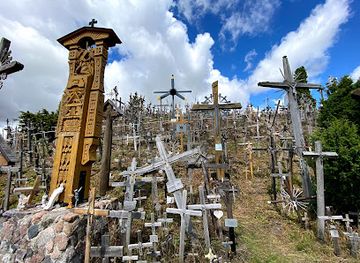
Hill of Crosses
Discover the Hill of Crosses in Lithuania, a sacred site rich in history and spirituality, offering a unique glimpse into the resilience of the human spirit.
Explore Suvalkija on the map
Plan your trip on one map. See where the top cities, national parks and sights are, and book hotels and experiences in a few clicks.
Best hotels in Suvalkija
Best restaurants in Suvalkija
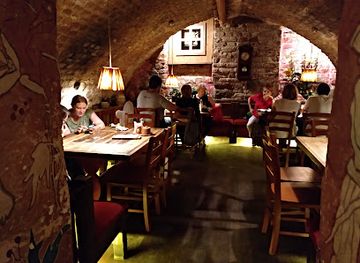
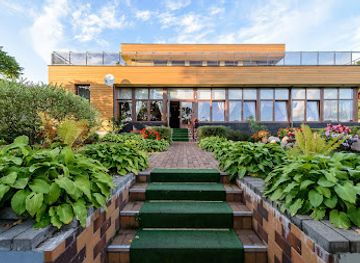
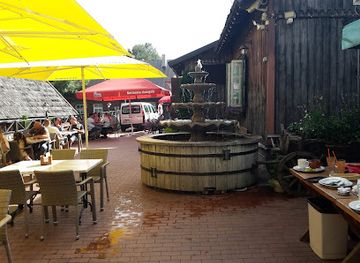
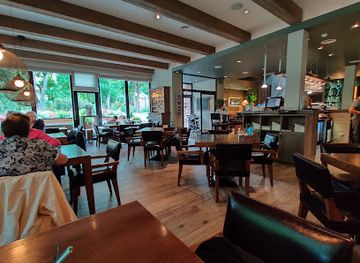
Dining in Suvalkija reflects Lithuania’s farming traditions and the produce of a fertile south-western region. In Marijampolė, Vilkaviškis and other larger towns, cafés and restaurants combine familiar Lithuanian cooking with modern European menus, while rural inns tend to offer more substantial, traditional meals. Expect rye bread, potatoes, dairy products, seasonal vegetables, mushrooms, berries, honey and smoked or cured meats, with recipes varying between households rather than belonging to a single officially defined Suvalkijan cuisine. Dumplings, potato dishes, soups and baked goods are common features of Lithuanian dining, and the national tradition of celebratory cakes such as šakotis may appear at special occasions. Markets and farm shops are useful for finding local honey, preserves, fresh dairy produce and bread. Visitors should distinguish everyday regional food from dishes marketed across the whole country: much of what is served in Suvalkija is Lithuanian rather than exclusively local, but the agricultural setting gives the ingredients a clear regional context.
-
Lithuanian
Etno Dvaras
Experience authentic Lithuanian cuisine at Etno Dvaras in Vilnius – where tradition meets flavor.
-
Lithuanian
ETNO Dvaras Restaurant
Experience authentic Lithuanian cuisine at ETNO Dvaras Restaurant in Druskininkai - a culinary journey through tradition and flavor.
-
Restaurant
Senoji kibininė
Discover authentic Lithuanian flavors at Senoji Kibininė in Trakai - home of traditional kibinai and warm hospitality.
-
European
Sicilia restoranas - vyninė
Discover the flavors of Europe at Sicilia Restoranas in Druskininkai - where exquisite cuisine meets warm hospitality.
Best bars in Suvalkija
Evening life in Suvalkija is concentrated in Marijampolė and the larger market towns rather than organised around a major clubbing district. Marijampolė has the broadest choice of cafés, bars, restaurants and occasional live-music or cultural events, while Vilkaviškis and Šakiai offer quieter town-centre venues. Traditional pubs and restaurant-bars remain more typical than late-night nightclubs, and in smaller communities social life often follows local events, concerts and seasonal celebrations. Rural manor sites and protected areas are primarily daytime destinations, so visitors staying outside the towns should plan evening meals and transport in advance. Breweries, cafés and contemporary bars provide alternatives to alcohol-focused nightlife, and cultural programmes at theatres or community centres may be more representative of local evening life than late-night entertainment. Opening arrangements can vary, particularly outside the largest towns.
-
Lithuanian
ETNO Dvaras Restaurant
Discover authentic Lithuanian flavors at ETNO Dvaras Restaurant, where traditional cuisine meets a warm atmosphere in Druskininkai.
-
European
Sicilia restoranas - vyninė
Experience exquisite European cuisine and fine wines at Sicilia Restoranas in Druskininkai, where every meal is a celebration of flavor and hospitality.
-
Ski resort
Snow Arena Druskininkai
Experience year-round winter thrill at Snow Arena Druskininkai, the ultimate indoor skiing destination for adventurers and families alike.
-
Pub
Uncle Sam's American pub
Experience the vibrant atmosphere and delicious American comfort food at Uncle Sam's American Pub in Vilnius, where fun meets flavor.
Best nightclubs in Suvalkija
Evening life in Suvalkija is concentrated in Marijampolė and the larger market towns rather than organised around a major clubbing district. Marijampolė has the broadest choice of cafés, bars, restaurants and occasional live-music or cultural events, while Vilkaviškis and Šakiai offer quieter town-centre venues. Traditional pubs and restaurant-bars remain more typical than late-night nightclubs, and in smaller communities social life often follows local events, concerts and seasonal celebrations. Rural manor sites and protected areas are primarily daytime destinations, so visitors staying outside the towns should plan evening meals and transport in advance. Breweries, cafés and contemporary bars provide alternatives to alcohol-focused nightlife, and cultural programmes at theatres or community centres may be more representative of local evening life than late-night entertainment. Opening arrangements can vary, particularly outside the largest towns.
-
Tourist attraction
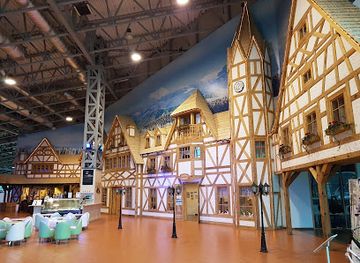
Snow Arena Druskininkai
Discover year-round winter fun at Snow Arena Druskininkai – the ultimate indoor ski resort for all ages!
-
Night club
Tamsta Club
Discover the heart of Vilnius nightlife at Tamsta Club, where live music and exciting performances await every night.
-
Restaurant
Dangaus skliautas
Experience the vibrant flavors and live music at Dangaus skliautas, a culinary gem in Druskininkai that celebrates local culture.
-
Night club
Rumor Lounge & Club
Discover the nightlife of Vilnius at Rumor Lounge & Club, where music, cocktails, and excitement await every night.


Best shops in Suvalkija
Shopping in Suvalkija is centred on the ordinary high streets, supermarkets, independent stores and markets of Marijampolė, Vilkaviškis and Šakiai rather than large-scale luxury retail. Marijampolė offers the broadest choice for clothing, books, household goods and cafés, while smaller towns are useful for local food shops and a slower market-town atmosphere. Farmers’ markets and seasonal stalls may offer honey, berries, preserves, rye bread, dairy products, smoked meats and other produce from the surrounding agricultural districts. Craft and cultural centres connected with manor estates or local museums can be good places to look for ceramics, textiles, woodwork and small regional souvenirs, although availability changes. Lithuanian amber and linen are national products rather than exclusive emblems of Suvalkija, but they are widely available for visitors seeking practical gifts. At rural markets, carry small euro notes and ask about provenance when buying food or handmade goods, as not every item sold in the region is produced locally.
-
Shopping mall
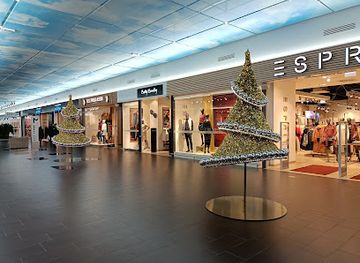
MEGA
Discover MEGA in Kaunas: A Shopping Paradise Filled with Fashion, Fun, and Family-Friendly Activities.
-
Outlet mall
Outlet Park
Discover unbeatable discounts and diverse dining options at Outlet Park, the ultimate shopping destination in Vilnius, Lithuania.
-
Museum
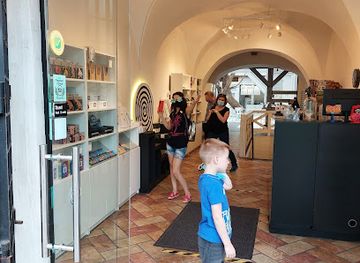
Vilnius Museum of Illusions
Experience the extraordinary at Vilnius Museum of Illusions, where art and science collide to create mesmerizing optical phenomena and interactive fun.
-
Park
Vijunele Park
Discover tranquility and adventure at Vijunele Park, a delightful green retreat in the heart of Druskininkai, Lithuania.

Get your free copy of our complete guide to Suvalkija, delivered straight to you.
Everything on this page, from attractions and restaurants to essentials and local phrases, in one PDF you can read offline, print or share.
Already have an account? Sign in
Your Suvalkija guide is ready.
We'll send it to · Not you? Sign out

Getting your guide ready…
We are putting together a fresh copy of the Suvalkija guide. This can take up to a minute.
This can take a few moments. If your browser asks, choose Allow so the download can start. You'll find the guide in your Downloads folder.
Nothing happened? Download it again
Sorry, the guide is taking longer than usual. Please try again in a minute, or get it by email instead.
Suvalkija essentials
Currency and Payment
Safety
Emergency Situations
Do's and Don'ts
Local Tips
From Eve
Local phrases worth knowing
You don't need to get them perfect. A few words go a long way, and locals appreciate the effort.
Basics
| English | Local | Say it |
|---|---|---|
| Hello | Labas | [lah-bahs] |
| Goodbye | Iki pasimatymo | [ee-kee pah-see-mah-tee-moh] |
| Yes | Taip | [type] |
| No | Ne | [neh] |
| Please/You're welcome | Prašau | [prah-shau] |
| Thank you | Ačiū | [ah-choo] |
| Excuse me/Sorry | Atsiprašau | [ah-tsee-prah-shau] |
| How are you? | Kaip sekasi? | [kai-p seh-kah-see] |
| Fine. And you? | Gerai. O tu? | [geh-rai. oh too] |
| Do you speak English? | Ar kalbate angliškai? | [ahr kahl-bah-teh ahn-glee-ski] |
| I don't understand | Aš nesuprantu | [ahsh neh-soo-prahn-too] |
Eating & Drinking
| English | Local | Say it |
|---|---|---|
| I'd like to see the menu, please | Norėčiau pamatyti meniu, prašau | [nor-eh-choo pah-mah-tee-tee meh-nee-oo, prah-shau] |
| I don't eat meat | Aš nevalgau mėsos | [ahsh neh-vahl-gau meh-sohs] |
| Cheers! | Į sveikatą! | [ee svay-kah-tah] |
| I would like to pay, please | Norėčiau sumokėti, prašau | [nor-eh-choo soo-moh-keh-tee, prah-shau] |
Emergencies
| English | Local | Say it |
|---|---|---|
| Help! | Pagalba! | [pah-gahl-bah] |
| Go away! | Eik šalin! | [eyk shah-leen] |
| Call the Police! | Kviečkite policiją! | [kvee-ehch-kee-teh poh-lee-tsi-yah] |
| Call a doctor! | Kviečkite gydytoją! | [kvee-ehch-kee-teh gee-dee-toh-yah] |
| I'm lost | Aš pasiklydau | [ahsh pah-see-klee-dau] |
| I'm ill | Aš sergu | [ahsh ser-goo] |
Shopping
| English | Local | Say it |
|---|---|---|
| I'd like to buy... | Norėčiau pirkti... | [nor-eh-choo peer-ktee] |
| I'm just looking | Aš tik žiūriu | [ahsh teek zhoo-ree-oo] |
| How much is it? | Kiek tai kainuoja? | [kee-ehk tie kah-ee-noo-yah] |
| That's too expensive | Tai per brangu | [tie pehr brahn-goo] |
| Can you lower the price? | Ar galite sumažinti kainą? | [ahr gah-lee-teh soo-mah-zin-tee kah-ee-nah] |
Time & Numbers
| English | Local | Say it |
|---|---|---|
| What time is it? | Kiek valandų? | [kee-ehk vah-lahn-doo] |
| It's one o'clock | Yra viena valanda | [ee-rah vyen-ah vah-lahn-dah] |
| Half past (10) | Pusė (dešimt) | [poo-seh (deh-sheemt)] |
| Morning | Ryte | [ree-teh] |
| Afternoon | Popietė | [poh-pee-eh-teh] |
| Evening | Vakare | [vah-kah-reh] |
| Yesterday | Vakar | [vah-kar] |
| Today | Šiandien | [shee-an-dyen] |
| Tomorrow | Rytoj | [ree-toy] |
| 1 | 1 | [1] |
| 2 | 2 | [2] |
| 3 | 3 | [3] |
| 4 | 4 | [4] |
| 5 | 5 | [5] |
| 6 | 6 | [6] |
| 7 | 7 | [7] |
| 8 | 8 | [8] |
| 9 | 9 | [9] |
| 10 | 10 | [10] |
Transport & Directions
| English | Local | Say it |
|---|---|---|
| Where's a/the...? | Kur yra...? | [koor ee-rah] |
| What's the address? | Koks yra adresas? | [koks ee-rah ah-dreh-sahs] |
| Can you show me (on the map)? | Ar galite man parodyti (žemėlapyje)? | [ahr gah-lee-teh mahn pah-roh-dee-tee (zheh-meh-lah-pee-yeh)] |
| When's the next (bus)? | Kada atvažiuos kitas (autobusas)? | [kah-dah aht-vah-zhoo-ohs kee-tahs (ow-toh-boo-sahs)] |
| A ticket (to ....) | Bilietas (iki ....) | [bee-lee-eh-tahs (ee-kee)] |
History of Suvalkija
Sūduvian and Yotvingian Heritage
The region’s name reflects the historic Sūduvian, or Sudovian, lands, associated with Baltic communities living in south-western Lithuania and neighbouring areas before the formation of the modern state. Medieval sources also refer to Yotvingians, a related Baltic people whose territories extended across parts of the area. Archaeological evidence, place names and fortified-hill sites preserve traces of this early landscape, although the boundaries and identities described in medieval sources do not correspond neatly to the modern ethnographic region. Today, this ancient heritage forms an important part of Suvalkija’s historical background rather than a continuous political tradition.
The Grand Duchy and Borderland Settlement
During the medieval and early modern periods, the lands of present-day Suvalkija belonged within the wider political world of the Grand Duchy of Lithuania and later the Polish-Lithuanian Commonwealth. Settlement, estates, religious institutions and market towns developed unevenly across the region, while the Nemunas served as a major route for movement and trade. The area’s western position also gave it a borderland character, with political changes in Prussia and later the Russian Empire influencing administration, commerce and population patterns. Towns such as Virbalis gained importance from their position on routes linking Lithuania with Prussia.
Manors, Reform and Agricultural Change
From the eighteenth century into the nineteenth, Suvalkija was shaped by estates, land reform and increasingly productive agriculture. Manor centres such as Paežeriai, Zypliai and Gelgaudiškis controlled substantial rural territories and introduced architectural, administrative and landscape changes that remain visible today. Compared with some other Lithuanian regions, Suvalkija became strongly associated with commercial farming and relatively prosperous peasant households. Its open fields, substantial villages and market towns reflect this agricultural development, although the region also experienced the disruptions caused by imperial policy, social inequality and later wars.
The Lithuanian Press Ban and National Revival
Between 1864 and 1904, the Russian imperial authorities restricted Lithuanian publications in the Latin alphabet. Suvalkija became one of the important centres of the movement that preserved Lithuanian language and encouraged national political consciousness. Clergy, teachers, book smugglers and writers circulated forbidden publications, while schools and intellectual networks helped connect rural communities with the wider national movement. Marijampolė’s educational institutions were particularly influential. The region is also closely associated with Jonas Basanavičius, a leading figure of the Lithuanian national revival, and Vincas Kudirka, author of the national anthem and an important publicist.
Independence, War and the Interwar Republic
The establishment of the Republic of Lithuania in 1918 brought new administrative and cultural frameworks to Suvalkija. Marijampolė developed as a regional centre, while smaller towns gained civic buildings, schools and public institutions. The period was also marked by the challenges of border politics, economic reconstruction and the Wars of Independence. Interwar architecture and the continued prominence of agriculture remain visible reminders of this era. Suvalkija’s educated rural population and national-revival traditions contributed significantly to the civic life of the new state.
Occupation, War and Soviet Rule
The Second World War and the occupations that followed transformed Suvalkija’s towns and villages. The region suffered from military destruction, mass displacement and the Holocaust, which destroyed long-established Jewish communities in places including Marijampolė, Vilkaviškis and Šakiai. Under Soviet rule, private farms were collectivised and estates, religious institutions and civic organisations were reorganised or suppressed. Industrial activity expanded in some towns, but rural life remained central. Memorials, restored churches, former manor properties and local museums now preserve parts of a history that also includes loss and forced political change.
Post-Soviet Suvalkija
After Lithuania restored its independence in 1990, Suvalkija underwent the difficult transition from a Soviet agricultural system to private farming and a market economy. Marijampolė strengthened its role as a service, education and logistics centre, while smaller towns adapted through local enterprise, heritage conservation and cross-border connections. Lithuania’s membership of the European Union further integrated the region with Poland and the wider Baltic economy. Contemporary Suvalkija combines large-scale agriculture with cultural tourism, protected landscapes and renewed interest in the lives of its writers, civic activists and historic communities.
Suvalkija in Photos
Browse through our photo collection highlighting the charm and character of the destination.
Neighbouring regions of Suvalkija
The closest regions to Suvalkija, if you have time for more than one.
-

-

-

-

-


Swipe for more regions
Explore more

Explore more of Lithuania
Discover Lithuania, a captivating blend of medieval charm, natural beauty, and vibrant culture, offering a unique and enriching travel experience in the heart of the Baltics.
Explore Lithuania