

Free Dzūkija Travel Guide & Mobile App
Explore Dzūkija with free travel guides. Discover regional history, expert tips, proposed trips, and audio guides on web or mobile app.


Explore Dzūkija’s pine forests, river valleys, spa towns, wooden villages and mushroom-rich culinary traditions in southern Lithuania.
Read more about Dzūkija
When is the best time to visit Dzūkija?
Best: June–August · 22–24°C| Month | High (°C) | Rainfall (mm) |
|---|---|---|
| January | -1 | 45 |
| February | 0 | 35 |
| March | 6 | 40 |
| April | 13 | 45 |
| May | 20 | 55 |
| June (best) | 22 | 70 |
| July (best) | 24 | 80 |
| August (best) | 23 | 75 |
| September | 18 | 60 |
| October | 12 | 55 |
| November | 6 | 50 |
| December | 2 | 45 |
Getting to and around Dzūkija
How to get there
Transportation
Top city travel guides in Dzūkija
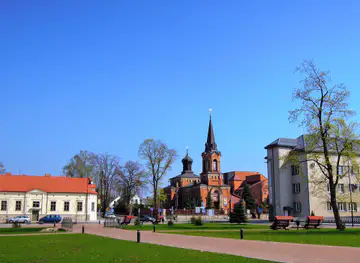
The cities of Dzūkija, and the easiest places to base yourself.
-

-

-
-

-


Swipe for more cities
Destinations in Dzūkija
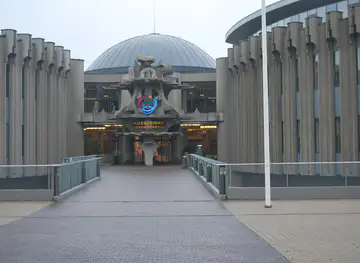
Resorts, valleys and scenic spots worth a trip of their own.
-

-

-

-
-


Swipe for more destinations
Best attractions in Dzūkija
Dzūkija’s attractions are shaped more by forest, rivers and living rural heritage than by a concentration of monumental architecture. Dzūkija National Park offers marked walking and cycling routes, canoeing opportunities on suitable waterways, traditional villages and viewpoints around the Ūla and Merkys valleys. Marcinkonys provides insight into local culture, while Zervynos is valued for its preserved timber houses and village plan. The Čepkeliai marshland, protected as a nature reserve, is an important wetland landscape visited under controlled conditions rather than as an unrestricted recreation site. Druskininkai supplies a contrasting range of spa, wellness, cultural and family activities, with parks and cycling routes integrated into the resort setting. Alytus combines riverside recreation with museums, galleries and urban green space, while Merkinė and Liškiava bring together history, churches, archaeological traces and elevated river views. Forest museums, craft centres, seasonal food events and small local exhibitions add depth to an itinerary, particularly when weather makes long outdoor activities less practical.
-
Tourist attraction
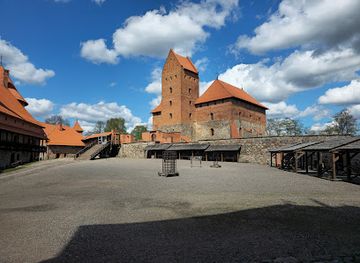
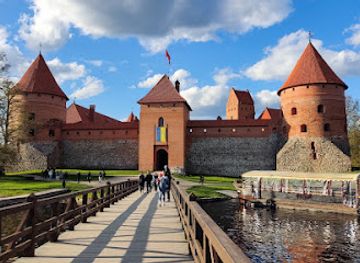
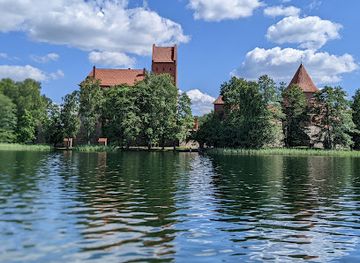
Trakai Island Castle
Explore the enchanting Trakai Island Castle, a historic gem surrounded by picturesque lakes and stunning landscapes. Experience Lithuania's medieval heritage.
-
Water park
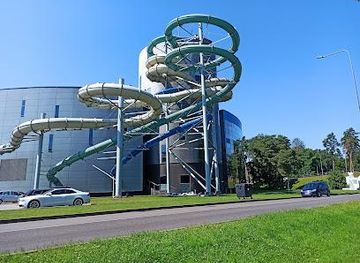
Druskininkai Aquapark
Experience the ultimate water adventure at Druskininkai Aquapark, a thrilling destination for families and fun-seekers in Lithuania.
-
Observation deck
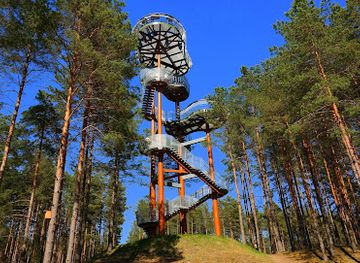
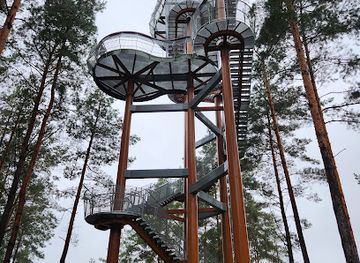
Merkinė observation tower
Experience stunning panoramic views from the Merkinė Observation Tower, a must-visit destination in Dzūkija National Park, Lithuania.
-
National park
Trakai Historical National Park
Explore the natural beauty and rich history of Trakai Historical National Park, where stunning landscapes meet vibrant cultural heritage.
Best landmarks in Dzūkija
The most recognisable landmarks of Dzūkija include the hilltop Church of the Assumption of the Blessed Virgin Mary in Liškiava and its former Dominican monastery, an important Baroque ensemble above the Nemunas. Merkinė’s Church of the Assumption and the town’s elevated position near the Nemunas–Merkys confluence express the settlement’s long strategic and religious importance. The preserved wooden village of Zervynos is a landmark of rural architecture, with traditional houses and outbuildings arranged within a forest setting. Druskininkai’s historic spa buildings and resort parks reflect the town’s development around mineral-water treatment, while Alytus is marked by its bridges, riverside landscapes and urban relationship with the Nemunas. In the natural landscape, the Ūla riverbanks, Dainava’s pine forests and the extensive Čepkeliai marshes are defining regional features. These places represent different facets of Dzūkija: sacred architecture, timber settlement, resort history, river geography and protected woodland rather than a single dominant monument.
-
Castle
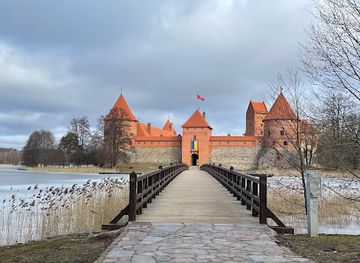
Trakai Island Castle
Explore the enchanting Trakai Island Castle, a stunning fortress steeped in history and surrounded by breathtaking waters in Lithuania.
-
 History museum
Gediminas Castle Tower
Explore Gediminas Castle Tower in Vilnius: a historic fortress with breathtaking views and rich Lithuanian culture waiting to be discovered.
-
Religious destination
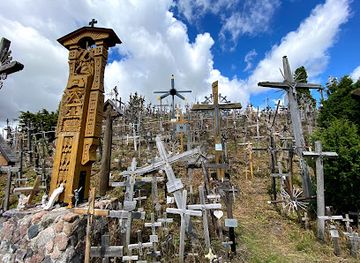
Hill of Crosses
Experience the profound spirituality and resilience of Lithuania at the Hill of Crosses, a stunning pilgrimage site adorned with thousands of crosses.
-
Castle
Kaunas Castle
Explore Kaunas Castle, a stunning medieval fortress and cultural landmark that offers a glimpse into Lithuania's rich history and breathtaking views.
Explore Dzūkija on the map
Plan your trip on one map. See where the top cities, national parks and sights are, and book hotels and experiences in a few clicks.
Best hotels in Dzūkija
Best restaurants in Dzūkija
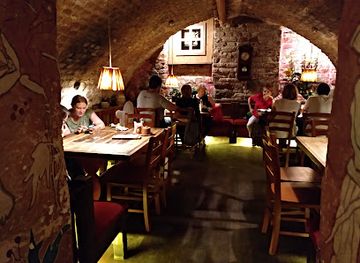
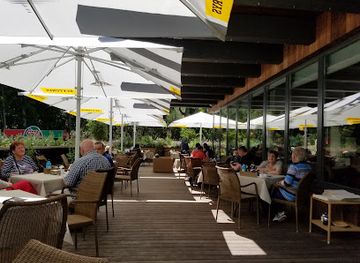
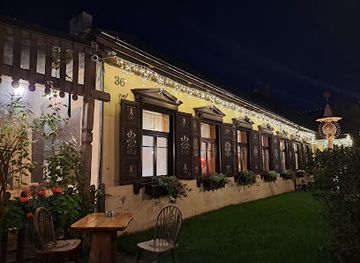
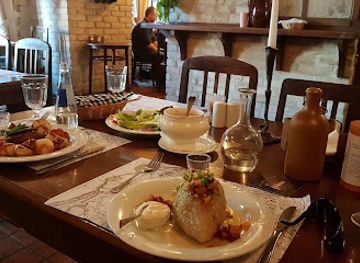
Dzūkian food reflects the resources of sandy woodland and small farms. Mushrooms, bilberries, cranberries, honey and herbal products appear in markets, preserves and seasonal dishes, while buckwheat, potatoes and rye remain important ingredients in traditional home cooking. Local specialities are often presented through simple rural recipes rather than elaborate restaurant menus, and visitors may encounter mushroom soups, buckwheat preparations, potato dishes, smoked foods and regional pastries. Druskininkai and Alytus offer the widest choice of restaurants, cafés and bakeries, including contemporary Lithuanian cooking and international options. In villages and smaller towns, guesthouses, roadside cafés and traditional inns may provide more limited but locally grounded meals, often requiring advance planning outside busy periods. Farmers’ markets and food festivals are useful places to find forest products, honey, preserves and baked goods, although seasonal availability varies. Lithuanian beer, kvass and herbal teas commonly accompany meals, while the growing craft-food scene should be distinguished from older household traditions.
-
Lithuanian
Etno Dvaras
Discover the flavors of Lithuania at Etno Dvaras – where tradition meets taste in every delightful dish.
-
European
Sicilia restoranas - vyninė
Experience exquisite European dining at Sicilia Restoranas - Vyninė in Druskininkai; where culinary art meets exceptional wines.
-
Lithuanian
Senoji trobelė
Experience authentic Lithuanian cuisine at Senoji Trobelė in Vilnius—where tradition meets flavor in every dish.
-
Lithuanian
Žemaičių ąsotis
Experience authentic Lithuanian cuisine at Žemaičių ąsotis in Vilnius—where tradition meets flavor in every dish.
Best bars in Dzūkija
Evening life in Dzūkija is concentrated in Druskininkai and Alytus rather than distributed across the forest villages. Druskininkai has the broadest choice of hotel bars, cafés, restaurants and relaxed evening venues, reflecting its long-standing resort economy and year-round visitor base. Alytus provides a more local urban scene with pubs, bars, cultural events and occasional live music. In Varėna and smaller settlements, nightlife generally centres on traditional pubs, guesthouse dining, community events and seasonal festivals rather than clubs. Rural evenings are quieter, and visitors should not expect late-night transport between villages. Local breweries and Lithuanian drinks may appear on menus, but alcohol is not central to every social experience; concerts, spa facilities, riverside walks and cultural programmes can be equally characteristic ways to spend an evening.
-
Restaurant
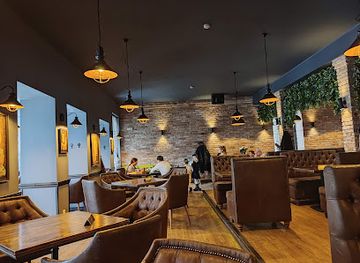
Dzūkų alaus restoranas
Discover the flavors of Lithuania at Dzūkų Alaus Restoranas, a cozy eatery in Alytus offering traditional dishes and local brews.
-
Pub
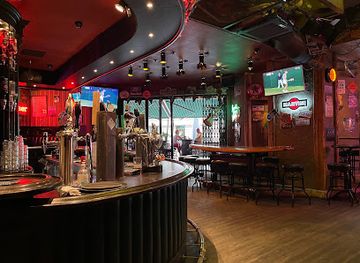
Uncle Sam's American pub
Discover the vibrant atmosphere of Uncle Sam's American Pub in Vilnius, where American cuisine meets local culture in a lively setting.
-
Family-friendly
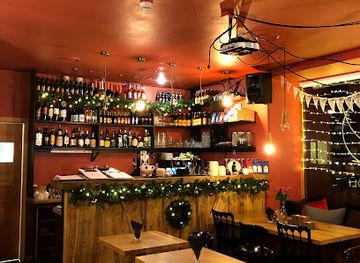
Toli Toli
Discover Toli Toli in Druskininkai, a family-friendly restaurant serving delicious dishes in a cozy atmosphere, perfect for your culinary adventures.
-
Restaurant
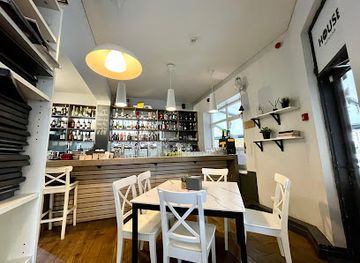
The House, Restoranas, Delvira
Experience the flavors of Lithuania at The House, Restoranas, Delvira, a top-rated restaurant and guest house in charming Druskininkai.
Best nightclubs in Dzūkija
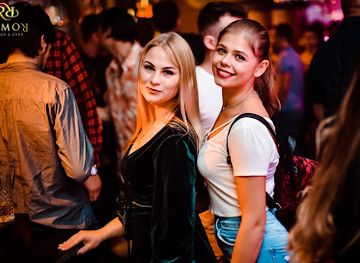
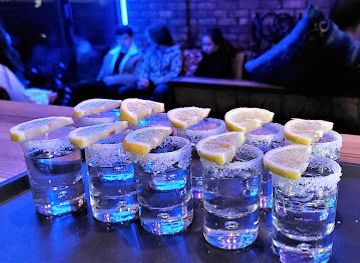
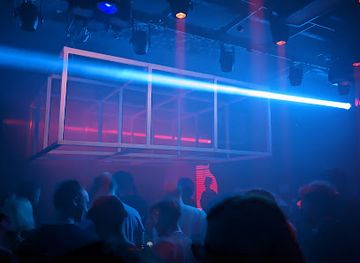
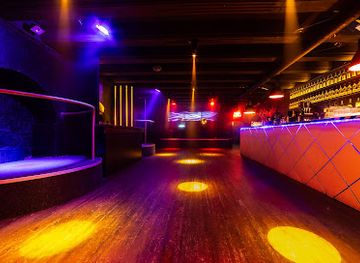
Evening life in Dzūkija is concentrated in Druskininkai and Alytus rather than distributed across the forest villages. Druskininkai has the broadest choice of hotel bars, cafés, restaurants and relaxed evening venues, reflecting its long-standing resort economy and year-round visitor base. Alytus provides a more local urban scene with pubs, bars, cultural events and occasional live music. In Varėna and smaller settlements, nightlife generally centres on traditional pubs, guesthouse dining, community events and seasonal festivals rather than clubs. Rural evenings are quieter, and visitors should not expect late-night transport between villages. Local breweries and Lithuanian drinks may appear on menus, but alcohol is not central to every social experience; concerts, spa facilities, riverside walks and cultural programmes can be equally characteristic ways to spend an evening.
-
Night club
Rumor Lounge & Club
Experience the vibrant nightlife of Vilnius at Rumor Lounge & Club, where music, dance, and excitement come together for an unforgettable evening.
-
Night club
Lithuanian Wild Club, kaljano ir arbatos klubas
Experience the vibrant nightlife at Lithuanian Wild Club in Vilnius, where music, relaxation, and the best hookah await you.
-
Night club
Opium Club
Experience the electrifying nightlife at Opium Club, Vilnius' top destination for unforgettable parties and diverse music.
-
Night club
DejaVu Party Bar
Discover the vibrant nightlife of Kaunas at DejaVu Party Bar, where music, dancing, and unforgettable moments await.
Best shops in Dzūkija
Shopping in Dzūkija is best approached through local produce, crafts and independent shops rather than large-scale retail tourism. Alytus and Druskininkai have the widest selection of supermarkets, bookshops, galleries, clothing stores and practical services, while Druskininkai also has resort-oriented retail and shops selling wellness products. Market stalls and seasonal fairs may offer honey, mushroom preserves, berry products, herbal preparations, baked goods and other foods associated with the forest economy. In smaller towns and villages, opening arrangements can be limited, so visitors should buy essentials before heading into the national park or remote countryside. Look for locally made textiles, woodwork, ceramics, woven items and small artworks at craft centres, museums and cultural events, checking that products are genuinely made in the region. A useful souvenir is often a durable food product or craft object with clear provenance rather than a generic Lithuanian gift sold throughout the country.
-
Outlet mall
Outlet Park
Explore the ultimate shopping experience at Outlet Park, Vilnius – where fashion meets great discounts and delightful dining.
-
Park
Grūto Parkas
Explore Grūto Parkas in Lithuania, where history, art, and nature converge in an unforgettable outdoor museum experience.
-
National park
Dzūkijos nacionalinio parko ir Čepkelių valstybinio gamtinio rezervato direkcija
Discover the enchanting landscapes and diverse wildlife of Dzūkijos National Park and Čepkelių State Reserve in Lithuania, a haven for nature lovers and outdoor adventurers.
-
National park
Trakai Historical National Park
Discover the stunning landscapes and rich cultural heritage of Trakai Historical National Park, the crown jewel of Lithuania's natural wonders.

Get your free copy of our complete guide to Dzūkija, delivered straight to you.
Everything on this page, from attractions and restaurants to essentials and local phrases, in one PDF you can read offline, print or share.
Already have an account? Sign in
Your Dzūkija guide is ready.
We'll send it to · Not you? Sign out

Getting your guide ready…
We are putting together a fresh copy of the Dzūkija guide. This can take up to a minute.
This can take a few moments. If your browser asks, choose Allow so the download can start. You'll find the guide in your Downloads folder.
Nothing happened? Download it again
Sorry, the guide is taking longer than usual. Please try again in a minute, or get it by email instead.
Dzūkija essentials
Currency and Payment
Safety
Emergency Situations
Do's and Don'ts
Local Tips
From Eve
Local phrases worth knowing
You don't need to get them perfect. A few words go a long way, and locals appreciate the effort.
Basics
| English | Local | Say it |
|---|---|---|
| Hello | Labas | [lah-bahs] |
| Goodbye | Viso gero | [vee-so geh-ro] |
| Yes | Taip | [type] |
| No | Ne | [neh] |
| Please/You're welcome | Prašau | [prah-show] |
| Thank you | Ačiū | [ah-choo] |
| Excuse me/Sorry | Atsiprašau | [ah-tsee-prah-show] |
| How are you? | Kaip sekasi? | [kai-p seh-kah-see] |
| Fine. And you? | Gerai. O tu? | [geh-rai. oh too?] |
| Do you speak English? | Ar kalbi angliškai? | [ar kal-bee ahn-glee-ski] |
| I don't understand | Aš nesuprantu | [ahsh neh-soo-prahn-too] |
Eating & Drinking
| English | Local | Say it |
|---|---|---|
| I'd like to see the menu, please | Norėčiau pamatyti meniu, prašau | [noh-reh-choo pah-mah-tee-tee meh-nyoo, prah-show] |
| I don't eat meat | Aš nevalgau mėsos | [ahsh neh-vahl-gau meh-sohs] |
| Cheers! | Į sveikatą! | [ee svei-kah-tah] |
| I would like to pay, please | Norėčiau sumokėti, prašau | [noh-reh-choo soo-moh-keh-tee, prah-show] |
Emergencies
| English | Local | Say it |
|---|---|---|
| Help! | Pagalba! | [pah-gahl-bah] |
| Go away! | Eik šalin! | [eyk shah-lin] |
| Call the Police! | Skambinkite policijai! | [skam-bin-kee-teh poh-li-tsi-yai] |
| Call a doctor! | Skambinkite gydytojui! | [skam-bin-kee-teh gee-dih-toh-yui] |
| I'm lost | Aš pasiklydau | [ahsh pah-see-klee-dau] |
| I'm ill | Aš sergu | [ahsh sehr-goo] |
Shopping
| English | Local | Say it |
|---|---|---|
| I'd like to buy... | Norėčiau pirkti... | [noh-reh-choo peer-ktee] |
| I'm just looking | Aš tik žiūriu | [ahsh tik zhoo-ree-oo] |
| How much is it? | Kiek tai kainuoja? | [kee-ek tai kai-noo-yah] |
| That's too expensive | Tai per brangu | [tai pehr brahn-goo] |
| Can you lower the price? | Ar galite sumažinti kainą? | [ar gah-lee-teh soo-mah-zin-tee kai-nah] |
Time & Numbers
| English | Local | Say it |
|---|---|---|
| What time is it? | Kiek dabar valandų? | [kee-ek dah-bar vah-lahn-doo] |
| It's one o'clock | Dabar viena valanda | [dah-bar vee-eh-nah vah-lahn-dah] |
| Half past (10) | Pusė (dešimt) | [poo-seh (deh-sheemt)] |
| Morning | Rytas | [ree-tahs] |
| Afternoon | Pietūs | [pee-eh-toos] |
| Evening | Vakaras | [vah-kah-rahs] |
| Yesterday | Vakar | [vah-kahr] |
| Today | Šiandien | [shee-ahn-dyen] |
| Tomorrow | Rytoj | [ree-toy] |
| 1 | 1 | [vienas] |
| 2 | 2 | [du] |
| 3 | 3 | [trys] |
| 4 | 4 | [keturi] |
| 5 | 5 | [penki] |
| 6 | 6 | [šeši] |
| 7 | 7 | [septyni] |
| 8 | 8 | [aštuoni] |
| 9 | 9 | [devyni] |
| 10 | 10 | [dešimt] |
Transport & Directions
| English | Local | Say it |
|---|---|---|
| Where's a/the...? | Kur yra...? | [kur ee-rah] |
| What's the address? | Koks adresas? | [koks ah-dreh-sahs] |
| Can you show me (on the map)? | Ar galite man parodyti (ant žemėlapio)? | [ar gah-lee-teh mahn pah-roh-dee-tee (ahnt zheh-meh-lah-pyoh)] |
| When's the next (bus)? | Kada bus kitas (autobusas)? | [kah-dah boos ki-tahs (au-toh-boo-sahs)] |
| A ticket (to ....) | Bilietas (į ....) | [bee-lee-eh-tahs (ee ....)] |
History of Dzūkija
Yotvingian and Early Baltic Heritage
Before the formation of the Grand Duchy of Lithuania, southern Lithuania was inhabited and influenced by Baltic communities including the Yotvingians, known in historical sources as a western Baltic people. Their territory extended across parts of what are now Lithuania, Poland and Belarus, so archaeological evidence in Dzūkija forms part of a wider regional picture rather than a single modern ethnic boundary. Hillforts, burial sites and place-name evidence preserve traces of these early communities, although many interpretations remain complex. The forested landscape and river corridors later continued to shape settlement, movement and local livelihoods.
Dzūkija in the Grand Duchy of Lithuania
From the medieval period, the lands of present-day Dzūkija formed part of the expanding Grand Duchy of Lithuania. Settlements developed along the Nemunas and other rivers, while forests supplied timber, game, honey and other resources. Merkinė became an important town at a strategic river junction and received urban rights in the sixteenth century. Religious foundations and noble estates also shaped the cultural landscape, with Liškiava becoming associated with its church and Dominican monastery. Political borders changed over the centuries, but the region remained closely connected to Lithuania’s wooded southern frontier.
Forest Economy and Rural Communities
For centuries, Dzūkija’s sandy soils and extensive forests encouraged a mixed rural economy based on small-scale agriculture, forestry, fishing, beekeeping and the gathering of mushrooms and berries. Villages often developed distinctive timber architecture, with houses and farm buildings arranged along narrow roads or clearings. Limited agricultural prosperity helped preserve some local forms of speech, craft and custom, while seasonal work connected communities to nearby estates and towns. The forest was not merely scenery: it was a source of food, fuel, building materials and supplementary income.
Nineteenth-Century Rule and National Revival
After the partitions of the Polish-Lithuanian Commonwealth, much of Dzūkija came under the Russian Empire. Administrative changes, restrictions on Lithuanian cultural expression and the economic effects of imperial rule formed the background to the nineteenth-century national revival. Book smugglers helped circulate Lithuanian publications after the press ban introduced in 1864, although the movement was broader than Dzūkija alone. Rural communities preserved language and customs in a period when political control was imposed from outside, contributing to the cultural foundations of modern Lithuania.
The Independent Republic and Interwar Change
Lithuania’s independence in 1918 brought new institutions and infrastructure to the region, although southern districts remained predominantly rural. Roads, rail links and developing resort facilities gradually strengthened connections between forest settlements, Alytus, Varėna and Druskininkai. Druskininkai’s reputation as a spa resort had older roots and continued to develop during the interwar period, when visitors were drawn by mineral waters, climate and woodland surroundings. The interwar decades also encouraged the systematic study and presentation of regional language, architecture and folklore.
War, Occupation and Resistance
Dzūkija experienced the upheavals of the Second World War, the Holocaust and successive Soviet and German occupations. Jewish communities that had been part of the social life of towns such as Alytus, Merkinė and Druskininkai were destroyed during the Holocaust. After the war, armed Lithuanian resistance operated in the forests against Soviet rule, and southern Lithuania became associated with several partisan districts and commanders. Memorials and museums today document both the human cost of occupation and the difficult choices faced by civilians, rather than presenting the forest solely as a romantic landscape.
Soviet Modernisation and Contemporary Dzūkija
The Soviet period brought collectivisation, industrial employment, population movement and changes to village life, while Druskininkai was developed as a major sanatorium resort. Forest management and restrictions on movement altered traditional relationships with the land. Since the restoration of Lithuanian independence in 1990, protected landscapes, cultural tourism, wellness travel and small-scale food production have become increasingly important. Dzūkija National Park and Čepkeliai State Nature Reserve now help conserve habitats and local heritage, while Alytus and Druskininkai provide the region’s main urban services and cultural institutions.
Dzūkija in Photos
Browse through our photo collection highlighting the charm and character of the destination.
Neighbouring regions of Dzūkija
The closest regions to Dzūkija, if you have time for more than one.
-

-

-

-

-


Swipe for more regions
Explore more

Explore more of Lithuania
Discover Lithuania, a captivating blend of medieval charm, natural beauty, and vibrant culture, offering a unique and enriching travel experience in the heart of the Baltics.
Explore Lithuania