

Free Kaunas Region Travel Guide & Mobile App
Explore Kaunas Region with free travel guides. Discover regional history, expert tips, proposed trips, and audio guides on web or mobile app.


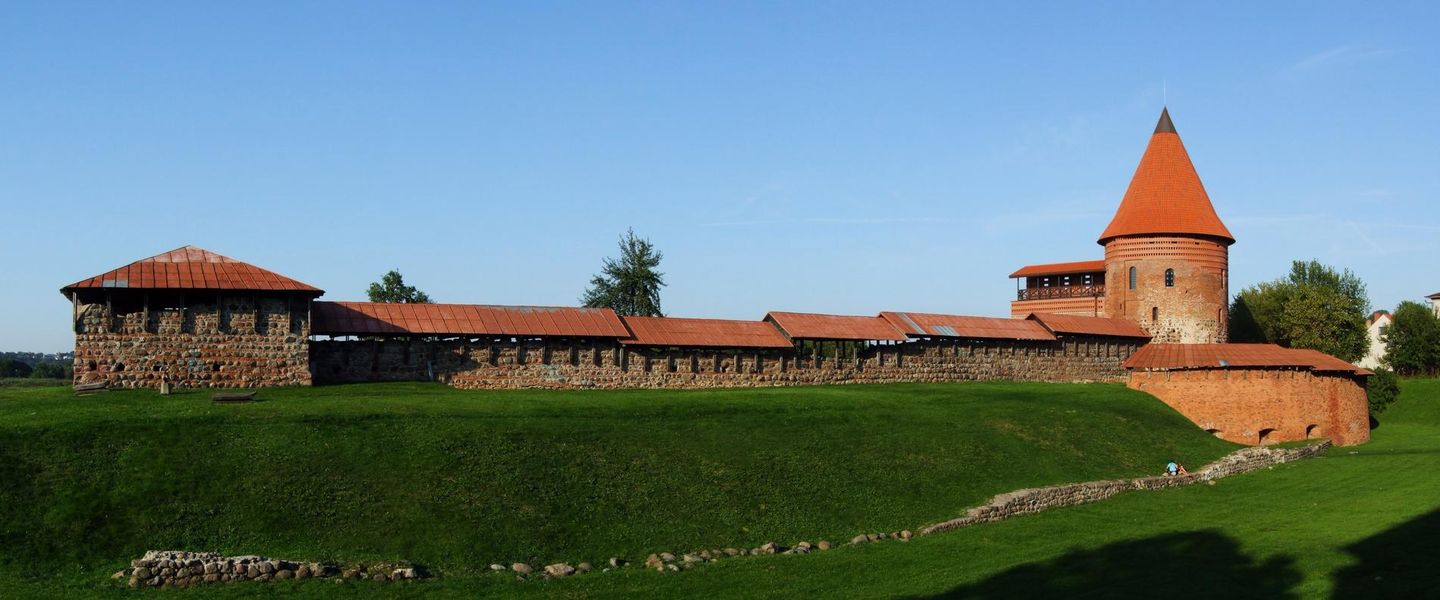


Explore Kaunas Region for interwar architecture, river landscapes, historic towns, museums, forested spa country and Lithuania’s rural heritage.
Read more about Kaunas Region
When is the best time to visit Kaunas Region?
Best: June–August · 22–24°C| Month | High (°C) | Rainfall (mm) |
|---|---|---|
| January | -1 | 35 |
| February | 0 | 30 |
| March | 5 | 35 |
| April | 13 | 40 |
| May | 19 | 45 |
| June (best) | 22 | 60 |
| July (best) | 24 | 65 |
| August (best) | 23 | 70 |
| September | 18 | 50 |
| October | 13 | 45 |
| November | 6 | 45 |
| December | 1 | 40 |
Getting to and around Kaunas Region
How to get there
Transportation
Top city travel guides in Kaunas Region
The cities of Kaunas Region, and the easiest places to base yourself.
-

-

-
-

-
-


Swipe for more cities
Destinations in Kaunas Region
Resorts, valleys and scenic spots worth a trip of their own.
-

-


Swipe for more destinations
Best attractions in Kaunas Region
Kaunas Region offers a broad mixture of urban culture, historic sites and river-country recreation. In Kaunas, visitors can explore the medieval castle area, Old Town, interwar modernist buildings, art museums, the Ninth Fort and the Pažaislis Monastery complex. The city’s museums range from national art and literature to the history of occupation and everyday life. Outside the city, the Lithuanian Open-Air Museum at Rumšiškės presents traditional buildings, landscapes and rural customs from different parts of the country, making it one of the region’s most substantial cultural attractions. Kėdainiai provides a compact historic townscape, while Birštonas focuses on spa traditions, pine woods, walking and cycling beside the Nemunas. Prienai and the surrounding Nemunas valley are suited to scenic drives, outdoor routes and quieter countryside exploration. Manor estates, churches, small museums and agricultural landscapes add variety across the county, although many rural sites have limited public transport and seasonal opening arrangements. Visitors interested in nature should look for marked paths and viewpoints around the Nemunas loops, forests and river terraces rather than expecting a single large national park experience.
-
Park
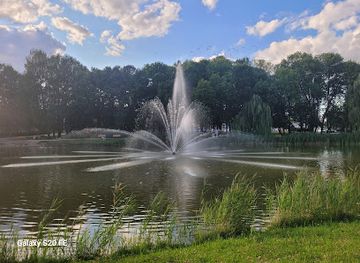
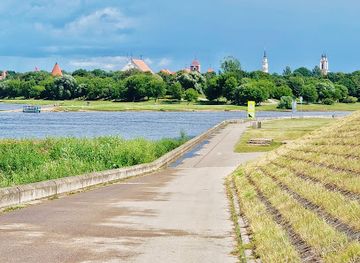
Nemunas and Neris Confluence Park
Explore the breathtaking Nemunas and Neris Confluence Park in Kaunas, a serene blend of nature and culture at the rivers' meeting point.
-
Museum
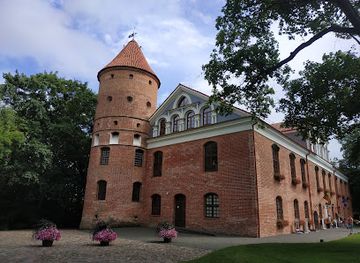
Raudondvaris
Explore the historical Raudondvaris Castle in Kaunas District, a captivating museum filled with rich Lithuanian heritage and breathtaking gardens.
-
Castle
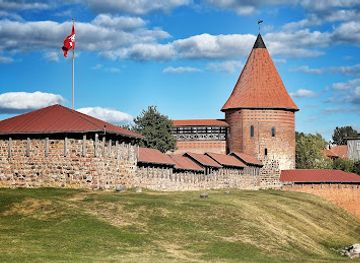
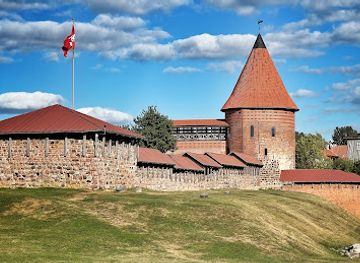
Kaunas Castle
Explore Kaunas Castle, a historical gem in Lithuania, offering stunning architecture, engaging exhibits, and breathtaking views of the Neris River.
-
Park
Kalniečių parkas
Explore Kalniečių Parkas in Kaunas, Lithuania - a serene park perfect for relaxation, recreation, and cultural experiences amidst picturesque landscapes.
Best landmarks in Kaunas Region
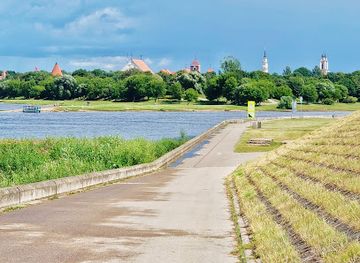
Kaunas Castle, standing near the junction of the Nemunas and Neris, is the region’s clearest medieval landmark and a reminder of the city’s strategic role in the Grand Duchy of Lithuania. The red-brick Church of Vytautas the Great on the riverfront and the Gothic detail of Kaunas Cathedral Basilica help define the historic centre. On the eastern side of the city, Pažaislis Monastery forms one of Lithuania’s most important Baroque ensembles, set in a wooded landscape above the Nemunas reservoir. The Ninth Fort memorial complex is a solemn landmark of twentieth-century persecution and mass murder. Kėdainiai’s historic centre is significant for its surviving market squares, churches and evidence of a multi-confessional trading town. In Birštonas and the wider Prienai district, the Nemunas itself becomes a geographical landmark: broad bends, wooded slopes and river terraces shape the identity of the spa landscape. The interwar modernist streets of Kaunas are also a landmark in their own right, expressing the ambitions of Lithuania’s temporary capital through villas, civic buildings and apartment blocks rather than through a single monument.
-
Arena
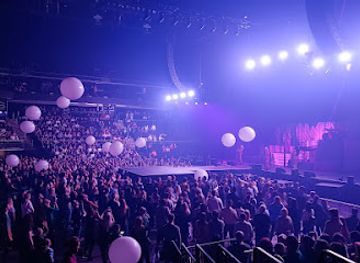
Žalgirio arena
Discover the excitement of Žalgirio Arena in Kaunas, Lithuania - a premier venue for sports, concerts, and cultural events.
-
Park
Nemunas and Neris Confluence Park
Explore the natural beauty of Nemunas and Neris Confluence Park, a serene escape in Kaunas with stunning views and recreational opportunities.
-
Castle
Kaunas Castle
Explore Kaunas Castle, a stunning medieval fortress steeped in history and surrounded by beautiful landscapes in the heart of Lithuania.
-
Park
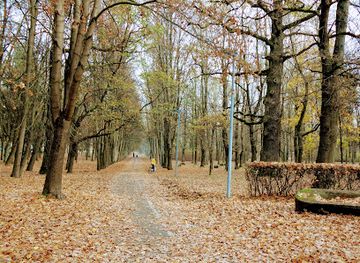
Oak-Wood Park
Discover the peaceful charm of Oak-Wood Park in Kaunas, a lush escape perfect for nature lovers and family outings.
Explore Kaunas Region on the map
Plan your trip on one map. See where the top cities, national parks and sights are, and book hotels and experiences in a few clicks.
Best hotels in Kaunas Region
Best restaurants in Kaunas Region
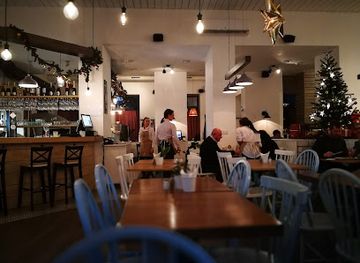
Dining in Kaunas Region ranges from contemporary restaurants and cafés in Kaunas to traditional inns, bakeries and family-run establishments in smaller towns. Lithuanian cooking is represented by rye bread, potatoes, dairy products, mushrooms, berries and seasonal vegetables, with dishes such as cepelinai, kugelis and cold beetroot soup appearing alongside modern interpretations. Rural markets and farm shops are useful places to look for honey, preserves, smoked products, cheeses and baked goods, although availability varies by season and location. Birštonas combines spa-town cafés with restaurants serving Lithuanian and European food, while Kėdainiai offers a chance to eat in a historic setting. Kaunas has the widest choice of international cuisines, vegetarian options and craft-beverage venues, but the most distinctive regional experience often comes from sampling simple Lithuanian produce rather than seeking elaborate menus. Local beer and kvass are common choices, while non-alcoholic herbal drinks and berry preparations also reflect the country’s pantry.
-
Italian
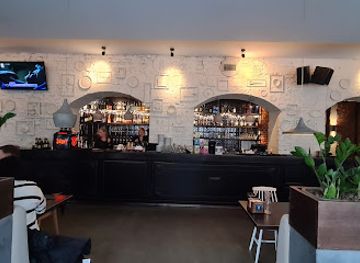
CASA DELLA PASTA - Laisvės al. 27
Discover authentic Italian flavors at Casa della Pasta in Kaunas – where every dish tells a story.
-
Family-friendly
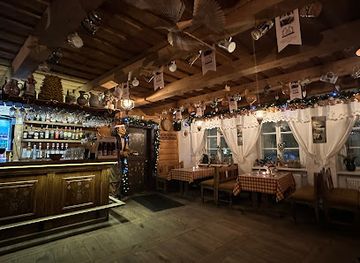
"Bernelių užeiga" senamiestyje
Savor authentic Lithuanian flavors at Bernelių užeiga – where tradition meets family-friendly dining in Kaunas.
-
Restaurant
Talutti - Bakes'n'Shakes City
Discover delicious baked treats and refreshing shakes at Talutti - Bakes'n'Shakes City in Kaunas, where culinary delight meets local charm.
-
Restaurant
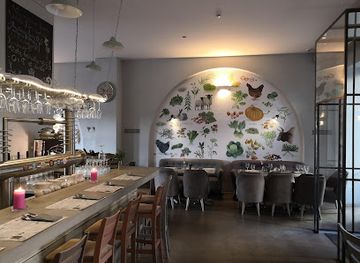
Višta puode
Discover authentic Lithuanian cuisine at Višta Puode – where tradition meets modern taste in the heart of Kaunas.
Best bars in Kaunas Region
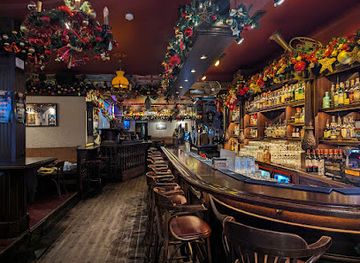
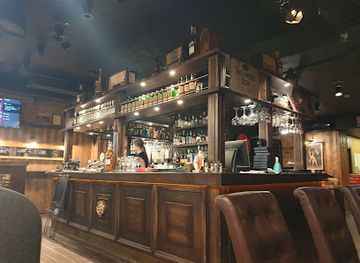
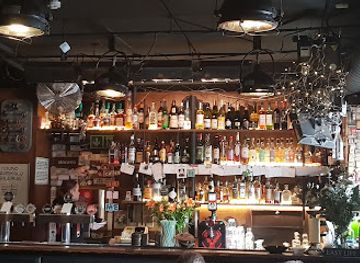
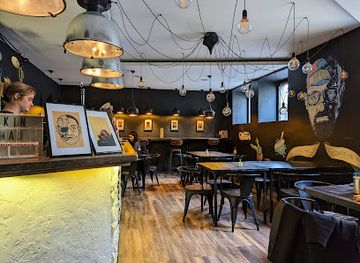
Kaunas is the region’s main evening centre, with traditional pubs, modern bars, cafés, live-music spaces and a modest selection of dance venues concentrated around the central districts. The city’s student population supports a changing programme of cultural events and late-evening activity, although individual venues and opening arrangements are subject to change. In Birštonas, evening life is generally quieter and linked to spa hotels, restaurants, hotel bars and seasonal cultural programming rather than a large club scene. Kėdainiai, Jonava, Prienai and Raseiniai have local pubs, cafés and occasional live entertainment, but nightlife is more community-oriented and usually ends earlier than in Kaunas. Across the rural county, historic inns and restaurant bars are more relevant than nightclubs; booking transport in advance is sensible if staying outside a town, particularly after evening events.
-
Sports bar
rePUBlic No.1
Immerse yourself in the lively atmosphere of rePUBlic No.1, Kaunas' premier sports bar and pub for great drinks, food, and entertainment.
-
Pub
Džem'pub
Discover Džem'pub in Kaunas: where breathtaking views meet live music and an unforgettable nightlife experience.
-
Pub
Kultura!
Discover Kultura! in Kaunas - where local culture meets delicious food and a vibrant pub atmosphere, perfect for unwinding after a day of exploration.
-
Bar
Baking Mad Hidden Lab
Explore the enchanting Baking Mad Hidden Lab in Kaunas, where culinary creativity meets delightful flavors in a vibrant gastropub atmosphere.
Best nightclubs in Kaunas Region
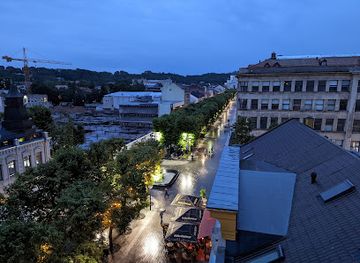
Kaunas is the region’s main evening centre, with traditional pubs, modern bars, cafés, live-music spaces and a modest selection of dance venues concentrated around the central districts. The city’s student population supports a changing programme of cultural events and late-evening activity, although individual venues and opening arrangements are subject to change. In Birštonas, evening life is generally quieter and linked to spa hotels, restaurants, hotel bars and seasonal cultural programming rather than a large club scene. Kėdainiai, Jonava, Prienai and Raseiniai have local pubs, cafés and occasional live entertainment, but nightlife is more community-oriented and usually ends earlier than in Kaunas. Across the rural county, historic inns and restaurant bars are more relevant than nightclubs; booking transport in advance is sensible if staying outside a town, particularly after evening events.
-
Night club
Džem'pub
Discover the vibrant nightlife of Kaunas at Džem'pub, where live music and a lively atmosphere come together for an unforgettable experience.
-
Night club
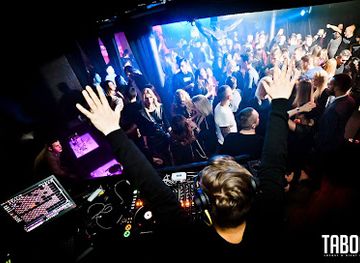
Taboo
Discover the vibrant nightlife at Taboo in Kaunas, where music, style, and energy come together for an unforgettable night out.
-
Night club
DejaVu Party Bar
Dive into Kaunas' vibrant nightlife at DejaVu Party Bar, where music, dancing, and unforgettable memories await you.
-
Night club
Haxan Club
Discover the thrilling nightlife of Kaunas at Haxan Club, where electrifying music and a lively atmosphere come together for an unforgettable experience.

Best shops in Kaunas Region
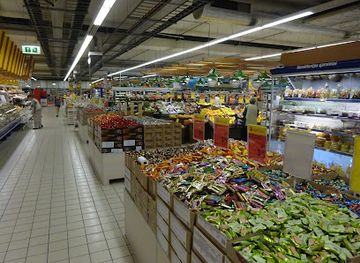
Kaunas provides the region’s broadest shopping choice, from central high streets and department stores to independent design shops, bookshops, galleries and food retailers. The city is a practical place to find Lithuanian ceramics, linen goods, amber jewellery, natural cosmetics and contemporary craft, although quality and provenance vary. Kėdainiai and other county towns offer smaller-scale high streets, bakeries, specialist food shops and occasional market stalls rather than extensive retail districts. Farmers’ markets and seasonal fairs are useful for rye bread, honey, preserves, smoked foods, dairy products and berry products from central Lithuania. Around Birštonas, visitors will find spa-related goods, local produce and handcrafted souvenirs, while the open-air museum at Rumšiškės provides context for traditional rural crafts and may have craft-related sales during organised events. For more distinctive purchases, look for clearly labelled Lithuanian-made textiles, ceramics, woodwork and food products instead of generic souvenirs.
-
Shopping mall
MEGA
Unveil the ultimate shopping experience at MEGA, Kaunas' top shopping mall with diverse stores, dining, and entertainment options.
-
Shopping mall
Kauno AKROPOLIS
Experience the ultimate shopping and entertainment destination at Kauno AKROPOLIS, where fashion meets fun in the heart of Kaunas.
-
Shopping mall
Shopping Center "Urmas", Kaunas
Explore Shopping Center 'Urmas' in Kaunas: A Retail Paradise with Local Flavors and Unique Finds.
-
Shopping mall
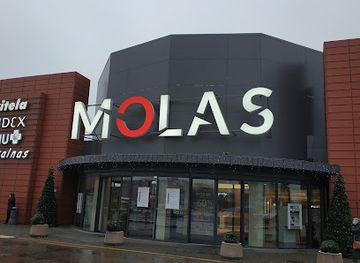
Molas
Discover the ultimate shopping experience in Kaunas at Molas, featuring a diverse range of shops, dining, and entertainment options for all ages.


Get your free copy of our complete guide to Kaunas Region, delivered straight to you.
Everything on this page, from attractions and restaurants to essentials and local phrases, in one PDF you can read offline, print or share.
Already have an account? Sign in
Your Kaunas Region guide is ready.
We'll send it to · Not you? Sign out

Getting your guide ready…
We are putting together a fresh copy of the Kaunas Region guide. This can take up to a minute.
This can take a few moments. If your browser asks, choose Allow so the download can start. You'll find the guide in your Downloads folder.
Nothing happened? Download it again
Sorry, the guide is taking longer than usual. Please try again in a minute, or get it by email instead.
Kaunas Region essentials
Currency and Payment
Safety
Emergency Situations
Do's and Don'ts
Local Tips
From Eve
Local phrases worth knowing
You don't need to get them perfect. A few words go a long way, and locals appreciate the effort.
Basics
| English | Local | Say it |
|---|---|---|
| Hello | Labas | [lah-bahs] |
| Goodbye | Viso gero | [vee-so geh-ro] |
| Yes | Taip | [type] |
| No | Ne | [neh] |
| Please/You're welcome | Prašom | [prah-shom] |
| Thank you | Ačiū | [ah-choo] |
| Excuse me/Sorry | Atsiprašau | [ah-tsee-prah-shau] |
| How are you? | Kaip sekasi? | [kai pseh-kah-see] |
| Fine. And you? | Gerai. O tu? | [geh-rai. oh too?] |
| Do you speak English? | Ar kalbate angliškai? | [ar kahl-bah-teh ahn-gleesh-kai] |
| I don't understand | Aš nesuprantu | [ahsh neh-soo-prahn-too] |
Eating & Drinking
| English | Local | Say it |
|---|---|---|
| I'd like to see the menu, please | Norėčiau pamatyti meniu, prašom | [noh-reh-chow pah-mah-tee-tee meh-nyoo, prah-shom] |
| I don't eat meat | Aš nevalgau mėsos | [ahsh neh-vahl-gow meh-sohs] |
| Cheers! | Į sveikatą! | [ee svay-kah-tah] |
| I would like to pay, please | Norėčiau sumokėti, prašom | [noh-reh-chow soo-moh-keh-tee, prah-shom] |
Emergencies
| English | Local | Say it |
|---|---|---|
| Help! | Pagalbos! | [pah-gahl-bohs] |
| Go away! | Eik šalin! | [ayk shah-lin] |
| Call the Police! | Kviesti policiją! | [kvee-eh-stee poh-lee-tsi-yah] |
| Call a doctor! | Kviesti gydytoją! | [kvee-eh-stee gee-dee-toh-yah] |
| I'm lost | Aš pasiklydau | [ahsh pah-see-klee-dow] |
| I'm ill | Aš sergu | [ahsh sehr-goo] |
Shopping
| English | Local | Say it |
|---|---|---|
| I'd like to buy... | Norėčiau pirkti... | [noh-reh-chow peer-ktee] |
| I'm just looking | Tiesiog žiūriu | [tyeh-syohg zhoo-ree-oo] |
| How much is it? | Kiek tai kainuoja? | [kee-ehk tai kai-noo-yah] |
| That's too expensive | Tai per brangu | [tai pehr brahn-goo] |
| Can you lower the price? | Ar galite sumažinti kainą? | [ar gah-lee-teh soo-mah-zin-tee kai-nah] |
Time & Numbers
| English | Local | Say it |
|---|---|---|
| What time is it? | Kiek valandų? | [kee-ehk vah-lahn-doo] |
| It's one o'clock | Yra viena valanda | [ee-rah vyen-ah vah-lahn-dah] |
| Half past (10) | Pusė dešimt | [poo-seh deh-sheemt] |
| Morning | Rytas | [ree-tahs] |
| Afternoon | Pietūs | [pyeh-too] |
| Evening | Vakaras | [vah-kah-ras] |
| Yesterday | Vakar | [vah-kar] |
| Today | Šiandien | [shee-ahn-dyen] |
| Tomorrow | Rytoj | [ree-toy] |
| 1 | Vienas | [vyen-as] |
| 2 | Du | [doo] |
| 3 | Tris | [trees] |
| 4 | Keturi | [keh-too-ree] |
| 5 | Penkis | [pen-kees] |
| 6 | Šeši | [sheh-shee] |
| 7 | Septyni | [sep-tee-nee] |
| 8 | Aštuoni | [ahsh-too-nee] |
| 9 | Devyni | [deh-vee-nee] |
| 10 | Dešimt | [deh-sheemt] |
Transport & Directions
| English | Local | Say it |
|---|---|---|
| Where's a/the...? | Kur yra...? | [koor ee-rah] |
| What's the address? | Koks adresas? | [koks ah-drehsahs] |
| Can you show me (on the map)? | Ar galite man parodyti (žemėlapyje)? | [ar gah-lee-teh mahn pah-roh-dee-tee (zyeh-mah-lah-pee-yeh)] |
| When's the next (bus)? | Kada bus kitas (autobusas)? | [kah-dah boos kee-tahs (ow-toh-boo-sahs)] |
| A ticket (to ....) | Bilietas (į ....) | [bee-lee-eh-tahs (ee ....)] |
History of Kaunas Region
Early Settlement and the Nemunas River World
Central Lithuania has been settled since prehistoric times, and the valleys of the Nemunas and Neris provided routes for movement, fishing, farming and trade. Archaeological evidence across the county includes burial sites, hillforts and traces of settlements associated with the Baltic communities that preceded the medieval Lithuanian state. The rivers shaped both defence and commerce: elevated sites offered protection, while navigable stretches linked inland communities with wider regional networks. This long relationship with waterways remains visible in the county’s landscapes and helps explain why Kaunas developed at the meeting point of two major rivers.
The Medieval Grand Duchy and Kaunas Castle
During the thirteenth and fourteenth centuries, the area became strategically important within the Grand Duchy of Lithuania. Kaunas Castle, built near the confluence of the Nemunas and Neris, guarded a significant frontier and river route during conflicts with the Teutonic Order. The settlement that grew around it acquired urban privileges and developed as a centre of trade and administration. Medieval Kaunas was repeatedly affected by warfare and flooding, yet its position endured. The castle remains the most visible reminder of the city’s role in the military and commercial history of the Grand Duchy.
Trade, Religious Communities and the Grand Duchy’s Towns
From the sixteenth century onwards, towns such as Kėdainiai benefited from regional trade and the patronage of powerful noble families, especially the Radziwiłłs. Kėdainiai’s urban character was shaped by its market functions and by residents from different religious and ethnic communities, including Lutherans, Calvinists, Catholics, Orthodox Christians and Jews. Its surviving churches, former market spaces and street plan reflect this plural past. Across the county, manor estates and church foundations also influenced landholding, education and local administration, leaving a layered architectural legacy that extends beyond the major cities.
Partitions of the Polish–Lithuanian Commonwealth
The partitions of the Polish–Lithuanian Commonwealth at the end of the eighteenth century brought most of present-day Kaunas Region under the Russian Empire. Administrative systems, military priorities and restrictions on political and cultural life changed the relationship between local institutions and imperial power. The 1863 uprising against Russian rule affected communities across central Lithuania, while later nineteenth-century developments encouraged new forms of education, publishing and national consciousness. Railways and improved roads gradually connected Kaunas and the surrounding towns more closely with imperial markets, helping to transform the region’s economy and mobility.
Kaunas as Lithuania’s Temporary Capital, 1919–1940
When Vilnius was incorporated into Poland after the First World War, Kaunas became the temporary capital of the Republic of Lithuania. Government ministries, diplomatic missions, universities, cultural institutions and businesses concentrated there, transforming the city into a modern national centre. The interwar period produced the distinctive modernist architecture now associated with Kaunas, particularly in the New Town and Žaliakalnis. The capital’s influence extended across the surrounding county through administration, education, transport and industry. This era remains central to the region’s identity and is one of the clearest ways to understand its twentieth-century streetscapes.
Occupation, War and the Ninth Fort
The Second World War and the subsequent Soviet occupation brought severe political violence and demographic upheaval. The Ninth Fort, originally part of a nineteenth-century defensive complex, became a prison and a major site of mass murder during the Nazi occupation; many thousands of Jews from Lithuania and other European countries were killed there. After the war, Soviet rule reshaped public life, industry and urban development, while deportations and repression affected families throughout the region. Today, museums and memorials in Kaunas and elsewhere preserve evidence of these events and encourage a more complete understanding of Lithuania’s difficult twentieth century.
Independence, European Integration and Regional Renewal
Lithuania restored its independence in 1990–91, and Kaunas Region subsequently underwent major economic and cultural change. Kaunas developed as a university, technology, business and cultural centre, while roads and air connections strengthened its links with the rest of Lithuania and Europe. Historic districts, interwar buildings and riverfront spaces have seen substantial conservation and public investment. The region’s tourism profile has also broadened: visitors now combine Kaunas’s modernist heritage with rural museums, spa landscapes, historic towns and outdoor activities along the Nemunas. This renewal complements rather than replaces the county’s older agricultural and industrial traditions.
Kaunas Region in Photos
Browse through our photo collection highlighting the charm and character of the destination.
Neighbouring regions of Kaunas Region
The closest regions to Kaunas Region, if you have time for more than one.
-

-

-

-

-


Swipe for more regions

