

Free Aukštaitija Travel Guide & Mobile App
Explore Aukštaitija with free travel guides. Discover regional history, expert tips, proposed trips, and audio guides on web or mobile app.


Explore Aukštaitija’s glacial lakes, pine forests, manor towns, traditional villages and outdoor landscapes across north-eastern Lithuania.
Read more about Aukštaitija
When is the best time to visit Aukštaitija?
Best: June–August · 23–25°C| Month | High (°C) | Rainfall (mm) |
|---|---|---|
| January | -2 | 40 |
| February | 0 | 35 |
| March | 6 | 40 |
| April | 13 | 45 |
| May | 19 | 50 |
| June (best) | 23 | 60 |
| July (best) | 25 | 70 |
| August (best) | 23 | 60 |
| September | 18 | 55 |
| October | 11 | 50 |
| November | 4 | 45 |
| December | 1 | 40 |
Getting to and around Aukštaitija
How to get there
Transportation
Top city travel guides in Aukštaitija
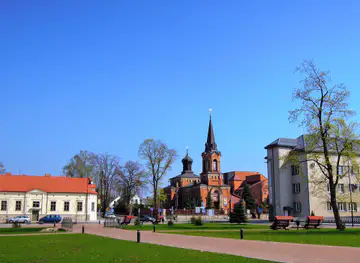
The cities of Aukštaitija, and the easiest places to base yourself.
-

-

-
-

-
-


Swipe for more cities
Destinations in Aukštaitija
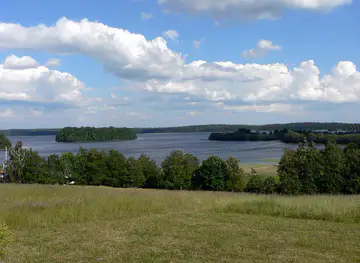
Resorts, valleys and scenic spots worth a trip of their own.
-

-

-
-


Swipe for more destinations
Best attractions in Aukštaitija
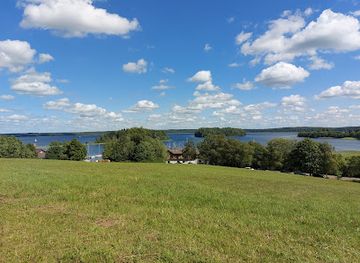
Aukštaitija’s attractions are closely tied to its glacial landscape and dispersed rural culture. Aukštaitija National Park near Ignalina offers lake excursions, forest walking, cycling and villages with traditional building forms, while Labanoras Regional Park provides extensive woodland scenery and trails in the south-eastern part of the region. Anykščiai Regional Park combines river landscapes, literary heritage and outdoor activities around Anykščiai, and Gražutė Regional Park near Zarasai is suited to paddling, fishing and quiet lakeside exploration. In the north, Biržai Regional Park interprets karst geology around sinkholes and underground waterways. Historic estates and museums add a cultural dimension: Rokiškis Manor presents aristocratic and local history, while regional museums in Anykščiai and other towns explore literature, crafts, rural life and transport. The most rewarding itineraries mix planned visits with time on foot or on the water, since the region’s character lies less in a concentration of major monuments than in the relationship between settlements, forests, lakes and agricultural landscapes.
-
Tourist attraction
Treetop walking path and information centre
Discover the breathtaking Treetop Walking Path in Anykščiai, an unparalleled attraction where nature and adventure meet above the forest floor.
-
Park
Anykščiai Regional Park
Explore the stunning landscapes, diverse wildlife, and rich culture of Anykščiai Regional Park – Lithuania's natural gem.
-
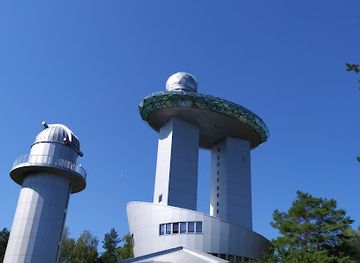
Museum of space history
Lithuanian Museum of Ethnocosmology
Unveil the mysteries of the universe at the Lithuanian Museum of Ethnocosmology, where space exploration meets cultural heritage in a stunning natural setting.
-
National park
Žemaitijos nacionalinis parkas
Discover the natural wonders of Žemaitijos Nacionalinis Parkas, a stunning national park in Lithuania perfect for outdoor adventures and serene getaways.

Best landmarks in Aukštaitija
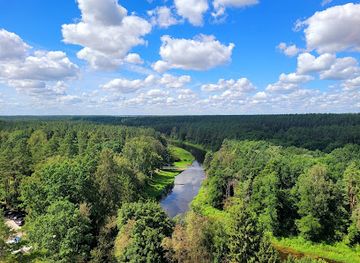
Aukštaitija’s landmarks range from fortified remains and manor architecture to geological and natural features. Biržai Castle is the region’s most substantial defensive landmark, with surviving fortress structures recalling the town’s strategic position and the power of the Radziwiłł family. Rokiškis Manor and its associated ensemble represent the influence of landed estates on northern Aukštaitian society, while the churches and historic streets of towns such as Anykščiai, Utena and Zarasai provide a more intimate architectural record. In Anykščiai, the narrow Šventoji River valley and the town’s literary associations give the surrounding landscape cultural as well as geographical significance. Northern Aukštaitija’s karst sinkholes, especially within the Biržai area, are distinctive natural landmarks produced by soluble rock and underground water. Farther east, the interconnected lakes and wooded elevations of Aukštaitija National Park form a broad landmark landscape rather than one isolated monument. Traditional wooden farm buildings, sacred sites and old cemetery landscapes complete a regional heritage shaped by settlement, agriculture and water.
-
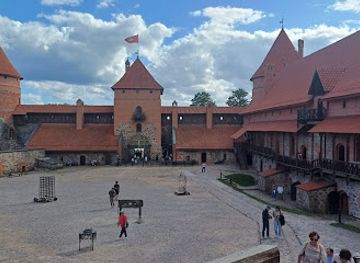
Castle
Trakai Island Castle
Explore the enchanting Trakai Island Castle, a stunning medieval fortress surrounded by serene waters, rich history, and vibrant culture in Lithuania.
-
National park
Curonian Spit National Park
Discover Curonian Spit National Park, a stunning UNESCO World Heritage site known for its breathtaking landscapes, diverse wildlife, and rich cultural heritage.
-
History museum
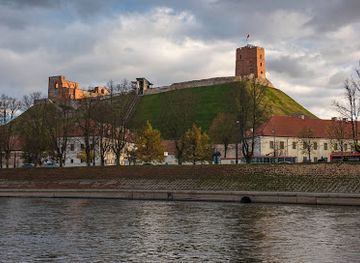
Gediminas Castle Tower
Explore Gediminas Castle Tower, a historical icon in Vilnius, offering stunning views and a deep dive into Lithuania's rich history.
-
Religious destination
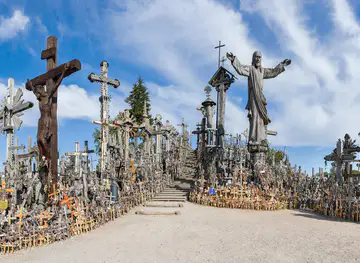
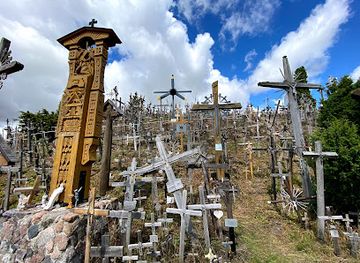
Hill of Crosses
Explore the Hill of Crosses in Lithuania, a mesmerizing pilgrimage site symbolizing faith and resilience amid a stunning landscape.
Explore Aukštaitija on the map
Plan your trip on one map. See where the top cities, national parks and sights are, and book hotels and experiences in a few clicks.
Best hotels in Aukštaitija
Best restaurants in Aukštaitija
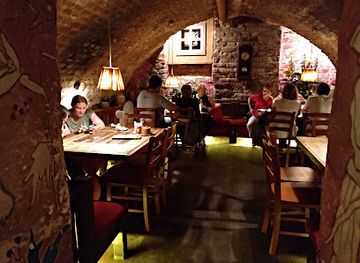
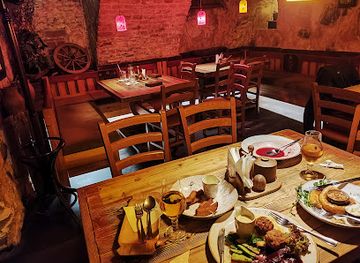
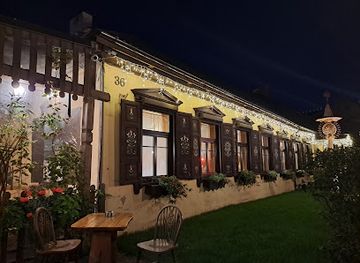
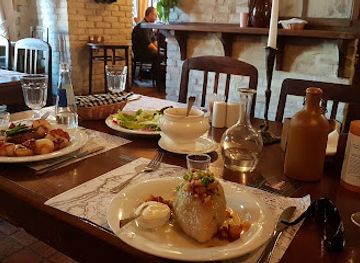
Dining in Aukštaitija reflects Lithuania’s wider rural food culture while making particularly good use of forest and freshwater produce. Look for dark rye bread, potatoes prepared in several forms, curd cheese, sour cream, mushrooms, berries and freshwater fish, with menus varying according to season and locality. Traditional restaurants, rural tourism homesteads and town cafés may serve cepelinai, potato pancakes, soups and baked goods, although these dishes belong to Lithuanian cuisine more broadly rather than exclusively to Aukštaitija. In the Biržai area, brewing has a long local association, and regional producers may offer traditional beer alongside food. Markets and farm shops are useful for berries, preserves, honey and smoked products, while Anykščiai, Utena, Rokiškis and other larger towns provide the widest choice of contemporary restaurants, bakeries and cafés. In remote districts, opening arrangements can be limited outside the main season, so plan meals before setting out for a full day in a national or regional park.
-
Lithuanian
Etno Dvaras
Savor the essence of Lithuania at Etno Dvaras – where traditional flavors meet modern hospitality in Vilnius.
-
Pub
Šnekutis
Discover authentic Lithuanian cuisine and craft beers at Šnekutis, Vilnius' charming pub that brings locals and tourists together.
-
Lithuanian
Senoji trobelė
Discover authentic Lithuanian flavors at Senoji Trobelė in Vilnius – where tradition meets taste in every bite.
-
Lithuanian
Žemaičių ąsotis
Experience authentic Lithuanian flavors at Žemaičių ąsotis, where every dish tells a story of tradition and culinary heritage.
Best bars in Aukštaitija
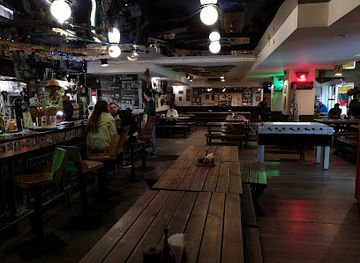
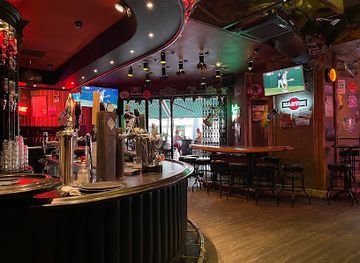
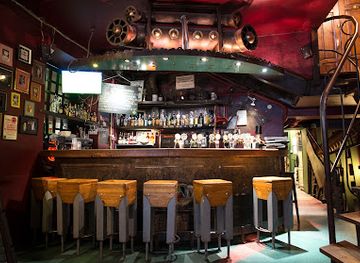
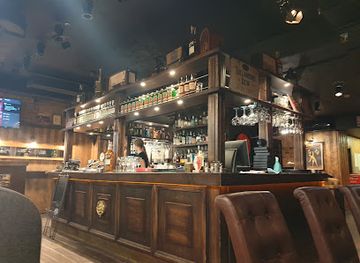
Evening life in Aukštaitija is generally modest and town-based rather than centred on a major club scene. Anykščiai, Utena, Panevėžys on the western edge of the broader region, Zarasai and other larger centres offer cafés, restaurants, hotel bars and occasional live music, while smaller towns tend to rely on traditional pubs and local gathering places. Biržai’s brewing heritage gives the northern district a particular connection with beer culture, but drinking is not the only way to experience the region after dark: summer concerts, cultural events and evening walks around town centres can be more characteristic. Rural accommodation may be quiet once dinner is finished, and some places operate seasonally, so check arrangements locally rather than expecting late-night service. Visitors should drink responsibly, arrange transport in advance outside town centres and avoid driving after consuming alcohol.
-
Pub
Šnekutis
Experience the heart of Vilnius at Šnekutis, a vibrant pub with local beers and hearty Lithuanian cuisine in a welcoming atmosphere.
-
Pub
Uncle Sam's American pub
Experience the vibrant atmosphere and delicious American cuisine at Uncle Sam's American Pub in Vilnius, a perfect spot for relaxation and fun.
-
Restaurant
BIX Baras
Experience the vibrant atmosphere and delicious local cuisine at BIX Baras, a must-visit restaurant and pub in Vilnius.
-
Pub
Džem'pub
Experience the vibrant atmosphere of Džem'pub in Kaunas, where live music, great drinks, and unforgettable nights await.
Best nightclubs in Aukštaitija
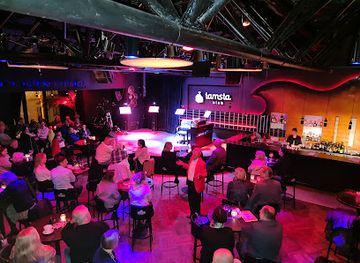
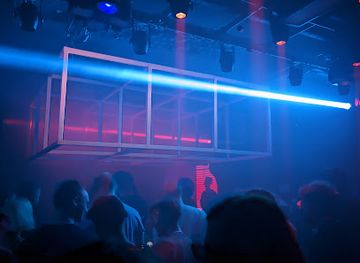
Evening life in Aukštaitija is generally modest and town-based rather than centred on a major club scene. Anykščiai, Utena, Panevėžys on the western edge of the broader region, Zarasai and other larger centres offer cafés, restaurants, hotel bars and occasional live music, while smaller towns tend to rely on traditional pubs and local gathering places. Biržai’s brewing heritage gives the northern district a particular connection with beer culture, but drinking is not the only way to experience the region after dark: summer concerts, cultural events and evening walks around town centres can be more characteristic. Rural accommodation may be quiet once dinner is finished, and some places operate seasonally, so check arrangements locally rather than expecting late-night service. Visitors should drink responsibly, arrange transport in advance outside town centres and avoid driving after consuming alcohol.
-
Live Music
Tamsta Club
Experience the vibrant pulse of Vilnius at Tamsta Club, where live music, exceptional performances, and unforgettable nights await you.
-
Bar
Rumor Lounge & Club
Discover the pulsating nightlife of Vilnius at Rumor Lounge & Club, where great music, drinks, and ambiance come together for an unforgettable experience.
-
Night club
Opium Club
Discover the pulsating heartbeat of Vilnius nightlife at Opium Club, an electrifying venue for music lovers and party-goers alike.
-
Night club
DejaVu Party Bar
Dance the night away at DejaVu Party Bar, a vibrant night club in Kaunas where unforgettable memories are made in a lively atmosphere.

Best shops in Aukštaitija
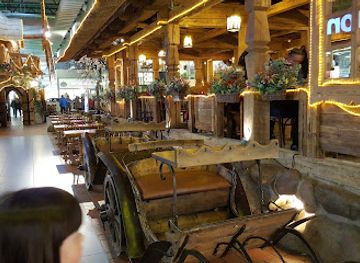
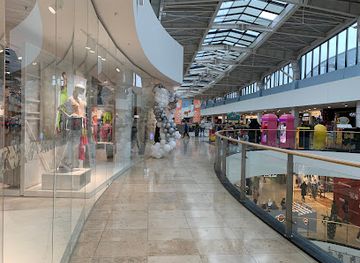
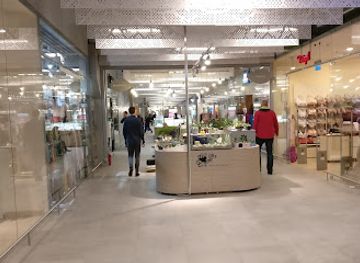
Shopping in Aukštaitija is concentrated in the high streets and markets of towns such as Anykščiai, Utena, Rokiškis, Zarasai and Biržai rather than in large destination retail complexes. Independent food shops, bakeries and seasonal markets are useful places to find rye bread, honey, berry preserves, herbal products, smoked foods and other produce from the surrounding countryside. Rural craft centres and museums may sell woven textiles, carved wooden objects, ceramics, straw work and locally made souvenirs, although selection and opening arrangements vary. Rokiškis and Anykščiai provide stronger choices for cultural gifts, books and craft products, while smaller market towns are better for everyday regional food. Farmers’ markets are often seasonal and market days differ between towns, so confirm locally before making a special journey. Choose products with clear provenance and remember that wild plants, fungi and other natural materials may be subject to collection restrictions.
-
Shopping mall
Kauno AKROPOLIS
Discover the vibrant shopping experience at Kauno AKROPOLIS, where fashion, food, and fun come together in the heart of Kaunas.
-
Shopping mall
AKROPOLIS Vilnius
Experience shopping, dining, and entertainment all in one place at AKROPOLIS Vilnius, a vibrant shopping mall in the heart of Lithuania.
-
Shopping mall
Ozas
Explore Ozas in Vilnius: A shopping mall where modern retail meets entertainment, perfect for all visitors seeking fun and fashion.
-
Outlet mall
Outlet Park
Explore Outlet Park in Vilnius for unbeatable deals on top brands and an enjoyable shopping experience amidst stunning architecture.

Get your free copy of our complete guide to Aukštaitija, delivered straight to you.
Everything on this page, from attractions and restaurants to essentials and local phrases, in one PDF you can read offline, print or share.
Already have an account? Sign in
Your Aukštaitija guide is ready.
We'll send it to · Not you? Sign out

Getting your guide ready…
We are putting together a fresh copy of the Aukštaitija guide. This can take up to a minute.
This can take a few moments. If your browser asks, choose Allow so the download can start. You'll find the guide in your Downloads folder.
Nothing happened? Download it again
Sorry, the guide is taking longer than usual. Please try again in a minute, or get it by email instead.
Aukštaitija essentials
Currency and Payment
Safety
Emergency Situations
Do's and Don'ts
Local Tips
From Eve
Local phrases worth knowing
You don't need to get them perfect. A few words go a long way, and locals appreciate the effort.
Basics
| English | Local | Say it |
|---|---|---|
| Hello | Labas | [lah-bas] |
| Goodbye | Viso gero | [vee-so geh-ro] |
| Yes | Taip | [taip] |
| No | Ne | [neh] |
| Please/You're welcome | Prašome | [prah-shoh-meh] |
| Thank you | Ačiū | [ah-choo] |
| Excuse me/Sorry | Atsiprašau | [ah-tsi-prah-shau] |
| How are you? | Kaip sekasi? | [kaip seh-kah-see] |
| Fine. And you? | Gerai. O kaip tu? | [geh-rai. oh kaip too] |
| Do you speak English? | Ar kalbate angliškai? | [ar kahl-bah-teh ahn-gli-shkai] |
| I don't understand | Aš nesuprantu | [ahsh neh-soo-prahn-too] |
Eating & Drinking
| English | Local | Say it |
|---|---|---|
| I'd like to see the menu, please | Norėčiau pamatyti meniu, prašome | [noh-reh-choo pah-mah-tee-tee meh-nee-ooh, prah-shoh-meh] |
| I don't eat meat | Aš nevalgau mėsos | [ahsh neh-vahl-gau meh-sohs] |
| Cheers! | Į sveikatą! | [ee sveh-kah-tah] |
| I would like to pay, please | Norėčiau sumokėti, prašome | [noh-reh-choo soo-moh-keh-ti, prah-shoh-meh] |
Emergencies
| English | Local | Say it |
|---|---|---|
| Help! | Pagalba! | [pah-gahl-bah] |
| Go away! | Eik šalin! | [eyk shah-leen] |
| Call the Police! | Skambinkite policijai! | [skahm-been-kiteh poh-lee-tsee-yai] |
| Call a doctor! | Skambinkite daktarui! | [skahm-been-kiteh dahk-tah-roo] |
| I'm lost | Aš pasiklydau | [ahsh pah-see-kleed-ow] |
| I'm ill | Aš sergu | [ahsh sehr-goo] |
Shopping
| English | Local | Say it |
|---|---|---|
| I'd like to buy... | Norėčiau nusipirkti... | [noh-reh-choo noo-see-peer-ktee] |
| I'm just looking | Aš tik žiūriu | [ahsh teek zhoo-ree-oo] |
| How much is it? | Kiek tai kainuoja? | [kyek tai kai-noo-yah] |
| That's too expensive | Tai per brangu | [tai pehr brahn-goo] |
| Can you lower the price? | Ar galite sumažinti kainą? | [ar gah-lee-teh soo-mah-zin-tee kai-nah] |
Time & Numbers
| English | Local | Say it |
|---|---|---|
| What time is it? | Kiek valandų? | [kyek vah-lahn-doo] |
| It's one o'clock | Yra viena valanda | [ee-rah vee-eh-nah vah-lahn-dah] |
| Half past (10) | Pusė dešimt | [poo-seh deh-shimt] |
| Morning | Rytas | [ree-tahs] |
| Afternoon | Pietus | [pee-eh-toos] |
| Evening | Vakaras | [vah-kah-rahs] |
| Yesterday | Vakar | [vah-kar] |
| Today | Šiandien | [shyan-dyehn] |
| Tomorrow | Rytoj | [ree-toy] |
| 1 | 1 | [1] |
| 2 | 2 | [2] |
| 3 | 3 | [3] |
| 4 | 4 | [4] |
| 5 | 5 | [5] |
| 6 | 6 | [6] |
| 7 | 7 | [7] |
| 8 | 8 | [8] |
| 9 | 9 | [9] |
| 10 | 10 | [10] |
Transport & Directions
| English | Local | Say it |
|---|---|---|
| Where's a/the...? | Kur yra...? | [koor ee-rah] |
| What's the address? | Koks adresas? | [koks ah-dreh-sahs] |
| Can you show me (on the map)? | Ar galite man parodyti (žemėlapyje)? | [ar gah-lee-teh mahn pah-roh-dee-tee (zyeh-meh-lah-pee-yeh)] |
| When's the next (bus)? | Kada bus kitas (autobusas)? | [kah-dah boos kee-tahs (ow-toh-boo-sahs)] |
| A ticket (to ....) | Bilietas (į ...) | [bee-lee-eh-tahs (ee ...)] |
History of Aukštaitija
Early Baltic Settlement and Hillforts
Aukštaitija was settled by Baltic communities long before Lithuania became a unified state. Iron Age hillforts, burial sites and settlement remains reflect societies organised around farming, craft production, trade and local authority. Many hillforts occupy naturally defensible elevations beside rivers or lakes, although some are now represented only by earthworks. Their distribution helps explain the region’s later political importance: waterways and upland routes connected communities across the north-eastern Lithuanian landscape. Archaeological evidence also shows that the region was linked to wider Baltic networks rather than developing in isolation.
Aukštaitija and the Grand Duchy of Lithuania
During the formation and expansion of the Grand Duchy of Lithuania, Aukštaitija became one of the historic lands around which the Lithuanian state developed. Its forests, river routes and settlements occupied the inland core of the Grand Duchy, while local strongholds and estates supported administration and defence. The region’s towns later acquired churches, market functions and manor houses as Christianity, state institutions and noble landholding became more established. The name Aukštaitija, commonly translated as the highlands, came to signify both a geographical area and an important strand of Lithuanian historical identity.
Christianisation, Estates and Market Towns
From the late medieval period onwards, Christian institutions and noble estates reshaped the region’s settlements. Parish churches became focal points for communities, while manors organised agriculture, forestry and administration across large rural areas. Market towns such as Anykščiai, Biržai, Rokiškis and Utena connected farmers and craftsmen with regional trade routes. Surviving churches, town plans, manor buildings and estate parks preserve parts of this transformation. The architectural record is varied, combining masonry churches and aristocratic residences with timber houses and farm buildings that remained characteristic of rural Aukštaitija.
Biržai and the Northern Borderlands
Northern Aukštaitija, particularly around Biržai, developed in a borderland shaped by rivalry between the Grand Duchy of Lithuania and Sweden. Biržai Castle was established by the powerful Radziwiłł family and became an important defensive and administrative centre. The town’s later history was also influenced by religious diversity, agriculture and brewing traditions. The surviving fortress remains and associated town heritage illustrate how aristocratic power, military strategy and commercial life intersected in a region exposed to conflict and changing political alliances.
Religious Communities and Jewish Life
Before the Second World War, Aukštaitian towns and market centres contained Catholic, Orthodox, Protestant and Jewish communities, with Jewish residents playing important roles in trade, crafts and urban commerce. Synagogues, cemeteries and archival traces preserve evidence of this once-diverse social landscape, although much of the population was destroyed during the Holocaust. Soviet-era migration and post-war demographic change further altered the towns. Understanding this history adds depth to visits to historic squares, former Jewish quarters and surviving religious buildings, and places regional heritage within Lithuania’s wider multicultural past.
Literature, Language and National Revival
Aukštaitija contributed significantly to the development of modern Lithuanian cultural identity. The Anykščiai area is associated with the nineteenth-century writer Antanas Baranauskas and the poet and priest Antanas Vienuolis, while the region’s villages preserved dialects, songs, stories and customary practices that later became important to ethnographers and national revivalists. In the nineteenth century, restrictions on Lithuanian-language publishing encouraged networks of book smugglers and clandestine readers across the country, including the region. Museums and memorial houses now interpret this literary and linguistic heritage.
Soviet Transformation and Contemporary Conservation
The twentieth century brought war, occupation, collectivisation and major changes to rural settlement. Traditional farms were reorganised, some villages declined and towns received new industrial and residential districts. At the same time, the forests and lakes became subject to state planning, including protected-area designations that now help conserve important habitats and landscapes. Since Lithuania regained independence in 1990, Aukštaitija has increasingly developed nature-based tourism, cultural routes, regional museums and restored manor sites while retaining agriculture and forestry as important parts of its economy.
Aukštaitija in Photos
Browse through our photo collection highlighting the charm and character of the destination.
Neighbouring regions of Aukštaitija
The closest regions to Aukštaitija, if you have time for more than one.
-

-

-

-

-


Swipe for more regions
Explore more

Explore more of Lithuania
Discover Lithuania, a captivating blend of medieval charm, natural beauty, and vibrant culture, offering a unique and enriching travel experience in the heart of the Baltics.
Explore Lithuania