

Free Vilnius Region Travel Guide & Mobile App
Explore Vilnius Region with free travel guides. Discover regional history, expert tips, proposed trips, and audio guides on web or mobile app.


Explore Vilnius Region for Baroque Vilnius, Trakai Castle, ancient Kernavė, forested lakes, multicultural heritage and accessible countryside.
Read more about Vilnius Region
When is the best time to visit Vilnius Region?
Best: June–August · 21–23°C| Month | High (°C) | Rainfall (mm) |
|---|---|---|
| January | -1 | 40 |
| February | 1 | 35 |
| March | 6 | 40 |
| April | 12 | 45 |
| May | 18 | 50 |
| June (best) | 21 | 60 |
| July (best) | 23 | 75 |
| August (best) | 22 | 70 |
| September | 17 | 60 |
| October | 12 | 55 |
| November | 5 | 50 |
| December | 1 | 50 |
Getting to and around Vilnius Region
How to get there
Transportation
Top city travel guides in Vilnius Region
The cities of Vilnius Region, and the easiest places to base yourself.
-

-

-

-


Swipe for more cities
Destinations in Vilnius Region
Resorts, valleys and scenic spots worth a trip of their own.
-

-

-

-
-


Swipe for more destinations
Best attractions in Vilnius Region
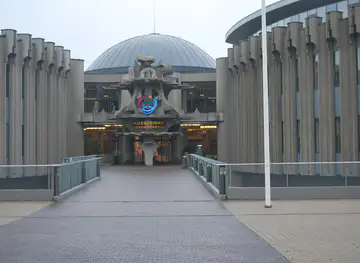
Vilnius Region offers an unusually broad range of attractions within a relatively compact part of Lithuania. Vilnius Old Town provides the strongest concentration of museums, churches, galleries, courtyards and historic streets, while the Museum of Occupations and Freedom Fights and the Museum of Genocide Victims address the difficult history of the twentieth century. Trakai combines lakeside scenery with Trakai Island Castle, the Peninsula Castle area and Karaim cultural heritage. Kernavė’s hillforts, archaeological museum and river landscape present the region’s early medieval past in a setting that is as important as the individual remains. Outside the main towns, the Neris Regional Park offers wooded valleys, viewpoints and walking routes, while the Aukštadvaris area provides lakes, forests and rural landscapes. Europos Parkas, north-east of Vilnius, places large-scale contemporary sculpture in a forested setting. Manor houses, village churches, local museums and the medieval castle at Medininkai add smaller-scale cultural stops, although some rural sites require advance planning and private transport.
-
Park
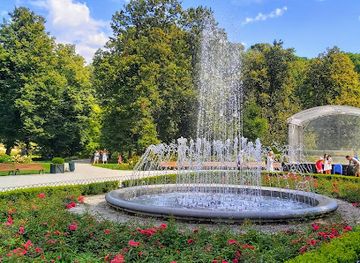
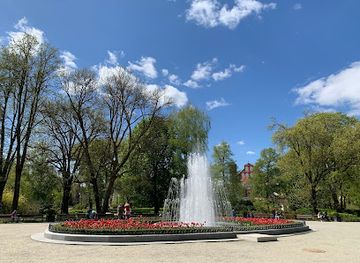
Bernardine Garden
Discover the beauty of Bernardine Garden in Vilnius, a lush urban park perfect for relaxation, picnics, and enjoying nature's tranquility.
-
City park
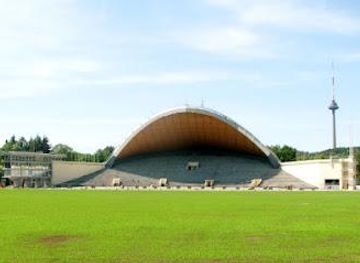
Vingis Park
Discover the expansive beauty and vibrant culture of Vingis Park, the ultimate urban retreat in Vilnius, Lithuania.
-
Pilgrimage place
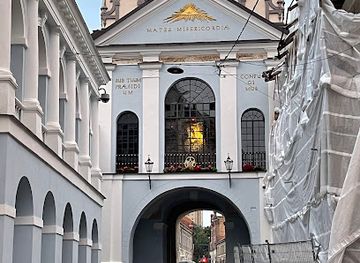
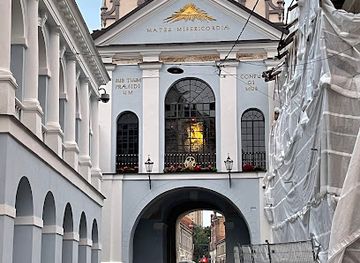
Gate of Dawn
Explore the spiritual and historical significance of the Gate of Dawn in Vilnius, a UNESCO World Heritage site and a must-visit pilgrimage destination.
-
Park
Pavilnys Regional Park
Explore the breathtaking landscapes and diverse wildlife at Pavilnys Regional Park, a natural paradise just outside Vilnius.
Best landmarks in Vilnius Region
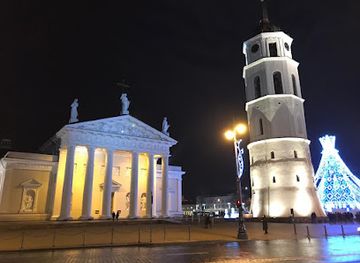
Vilnius Cathedral, the Cathedral Basilica and the adjacent Cathedral Square form one of the capital’s defining civic and religious spaces, while Gediminas’ Tower on Castle Hill recalls the city’s role as a grand-ducal capital. The Gate of Dawn is a surviving part of the historic defensive system and an important Catholic pilgrimage site. In Trakai, the red-brick Island Castle dominates Lake Galvė and remains the region’s most recognisable medieval structure; the town’s wooden Karaim houses provide a more intimate architectural counterpoint. Kernavė’s hillforts are significant not as a single monument but as an archaeological landscape recording the formation of medieval Lithuania. Medininkai Castle, a large lowland fortress near the south-eastern frontier, represents the defensive architecture of the Grand Duchy. The Neris valley, with its wooded slopes and winding river, is itself a major natural landmark linking the region’s historic sites.
-
Park
Bernardine Garden
Explore Bernardine Garden in Vilnius: A tranquil city park blending nature, history, and beauty for an unforgettable experience.
-
Catholic cathedral
Vilnius Cathedral
Experience the grandeur and rich history of Vilnius Cathedral, a must-visit landmark in the heart of Lithuania's capital, Vilnius.
-
City park
Vingis Park
Vingis Park: Vilnius's lush urban oasis offering recreational activities, cultural events, and serene landscapes for every traveler.
-
Pilgrimage place
Gate of Dawn
Discover the Gate of Dawn in Vilnius, a significant pilgrimage site blending history, faith, and breathtaking architecture.

Explore Vilnius Region on the map
Plan your trip on one map. See where the top cities, national parks and sights are, and book hotels and experiences in a few clicks.
Best hotels in Vilnius Region
Best restaurants in Vilnius Region
Dining in Vilnius Region ranges from polished contemporary restaurants and international kitchens in the capital to traditional cafés, bakeries, pubs and rural inns. Lithuanian staples include cepelinai, potato dishes, rye bread, soups, smoked meats and freshwater fish, with mushrooms, berries and herbs becoming particularly prominent in woodland and lake districts during their seasons. Trakai is associated with Karaim kibinai, baked pastries filled traditionally with meat, and they are a characteristic food to try while visiting the town. Vilnius has the widest choice of vegetarian, modern Baltic and international cuisine, as well as food halls and markets where local produce can be sampled. Outside the capital, menus may be more limited but often focus on regional ingredients, homemade baking and hearty portions. Honey, dairy products, smoked fish, herbal teas and berry preserves make practical edible souvenirs.
-
Lithuanian
Etno Dvaras
Discover the heart of Lithuanian gastronomy at Etno Dvaras – where tradition meets taste in every dish.
-
Pub
Šnekutis
Discover the warmth and flavor of Šnekutis, where authentic Lithuanian cuisine meets an extensive selection of local brews in the heart of Vilnius.
-
Restaurant
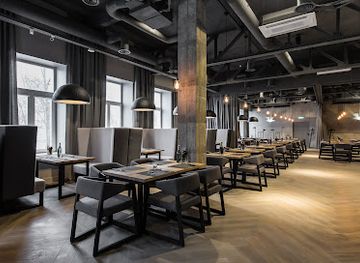
Grey
Discover the essence of Lithuanian cuisine at Grey in Vilnius, where tradition meets modern culinary artistry.
-
Lithuanian
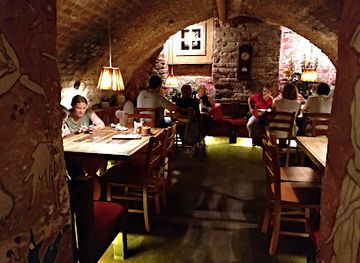
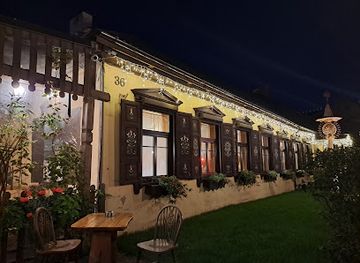
Senoji trobelė
Experience authentic Lithuanian flavors at Senoji Trobelė, where tradition meets taste in the heart of Vilnius.
Best bars in Vilnius Region
Vilnius is the region’s principal centre for evening life, with wine bars, cocktail lounges, traditional pubs, craft-beer venues, live-music spaces and cultural events spread through and beyond the Old Town. The city also has a substantial student and creative scene, although the atmosphere varies considerably between quiet courtyard bars, late-night venues and theatre or concert districts. Trakai offers a more restrained evening experience centred on restaurants, cafés and hotel bars, with lakeside settings rather than a major club scene. In smaller towns and rural areas, nightlife is more likely to mean a local pub, restaurant or seasonal community event than a dedicated nightclub. Visitors should check current arrangements for individual venues, particularly outside Vilnius and during the colder months.
-
Pub
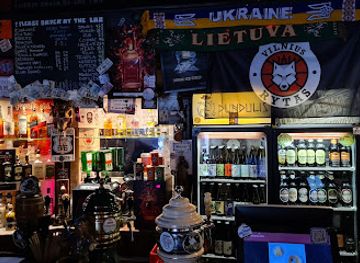
Šnekutis
Discover the authentic taste of Lithuania at Šnekutis, a lively pub in Vilnius offering traditional cuisine and a diverse selection of local beers.
-
Pub
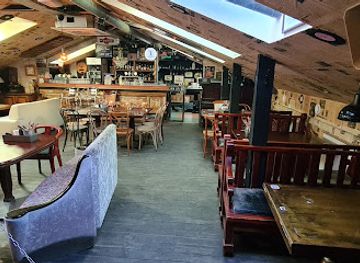
Alaus studija
Experience the authentic flavor of Lithuania at Alaus Studija, a vibrant pub in Vilnius offering local beers and delicious cuisine.
-
Pub
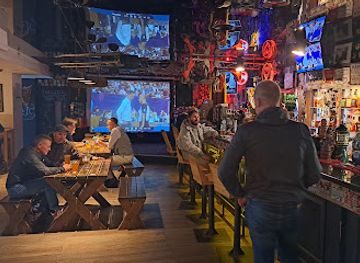
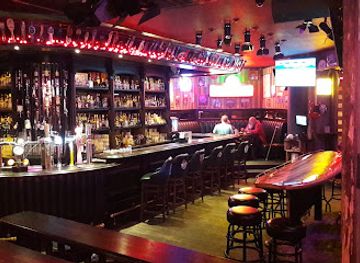
Uncle Sam's American pub
Experience the lively spirit of America at Uncle Sam's American Pub in Vilnius, where great food, drinks, and atmosphere await.
-
Bar
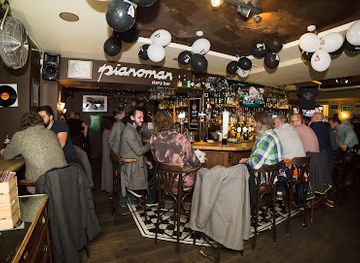
Piano Man Bar
Experience the vibrant nightlife at Piano Man Bar in Vilnius, where live music, great drinks, and a lively atmosphere create unforgettable memories.
Best nightclubs in Vilnius Region
Vilnius is the region’s principal centre for evening life, with wine bars, cocktail lounges, traditional pubs, craft-beer venues, live-music spaces and cultural events spread through and beyond the Old Town. The city also has a substantial student and creative scene, although the atmosphere varies considerably between quiet courtyard bars, late-night venues and theatre or concert districts. Trakai offers a more restrained evening experience centred on restaurants, cafés and hotel bars, with lakeside settings rather than a major club scene. In smaller towns and rural areas, nightlife is more likely to mean a local pub, restaurant or seasonal community event than a dedicated nightclub. Visitors should check current arrangements for individual venues, particularly outside Vilnius and during the colder months.
-
Night club
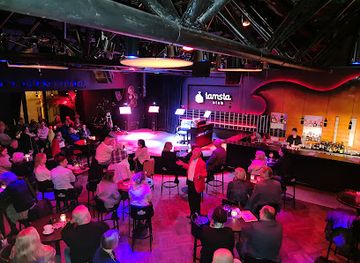
Tamsta Club
Discover the vibrant nightlife of Vilnius at Tamsta Club, a top live music venue and night club featuring local and international talent.
-
Cocktail bar
Pabo Latino
Discover the vibrant nightlife of Vilnius at Pabo Latino, a cocktail bar known for its expertly crafted drinks and lively atmosphere.
-
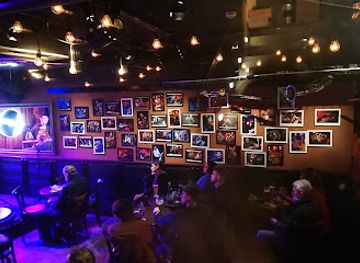
Jazz
Jazz Cellar 11
Experience the soulful rhythms of jazz at Jazz Cellar 11, a beloved live music venue in Vilnius, perfect for music lovers and nightlife enthusiasts.
-
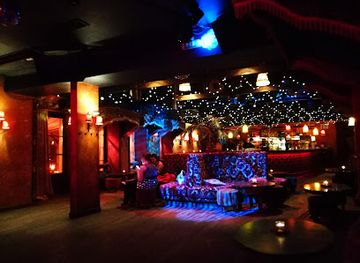
Night club
Rumor Lounge & Club
Discover the pulse of Vilnius nightlife at Rumor Lounge & Club, where music and dance unite for an unforgettable experience.

Best shops in Vilnius Region
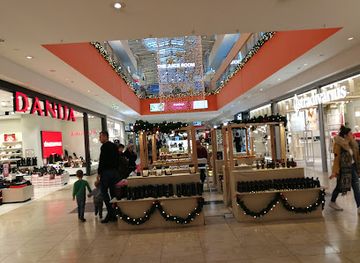
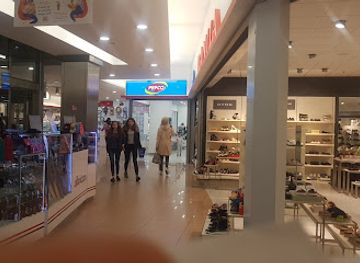
Vilnius offers the region’s broadest shopping choice, from central high streets and department stores to independent design studios, bookshops, galleries and food markets. Visitors looking for Lithuanian products can seek out linen, amber jewellery, ceramics, woollen goods, woodwork, honey, chocolate, herbal teas and smoked or preserved foods. The city’s markets and specialist food shops are more useful for regional produce than generic souvenir outlets. Trakai has small shops and stalls aimed at visitors, including Karaim-related food products and locally themed gifts, while market towns and village fairs around the region provide a more seasonal selection of crafts, plants and farm produce. Antique and second-hand shops are concentrated mainly in Vilnius. Retail opening arrangements vary outside the capital, so rural shopping is best combined with a planned stop rather than treated as a dependable daily service.
-
Shopping mall
AKROPOLIS Vilnius
Explore Akropolis Vilnius, the largest shopping mall in Lithuania, offering a blend of shopping, dining, and entertainment in a vibrant atmosphere.
-
Shopping mall
Ozas
Explore Ozas: a premier shopping mall in Vilnius offering diverse shopping, dining, and entertainment experiences for all visitors.
-
Shopping mall
PLC Panorama
Experience the ultimate shopping getaway at PLC Panorama, Vilnius's top destination for retail, dining, and entertainment.
-
Shopping mall
CUP
Explore the vibrant CUP shopping mall in Vilnius, where modern retail meets local charm in the heart of Lithuania.

Get your free copy of our complete guide to Vilnius Region, delivered straight to you.
Everything on this page, from attractions and restaurants to essentials and local phrases, in one PDF you can read offline, print or share.
Already have an account? Sign in
Your Vilnius Region guide is ready.
We'll send it to · Not you? Sign out

Getting your guide ready…
We are putting together a fresh copy of the Vilnius Region guide. This can take up to a minute.
This can take a few moments. If your browser asks, choose Allow so the download can start. You'll find the guide in your Downloads folder.
Nothing happened? Download it again
Sorry, the guide is taking longer than usual. Please try again in a minute, or get it by email instead.
Vilnius Region essentials
Currency and Payment
Safety
Emergency Situations
Do's and Don'ts
Local Tips
From Eve
Local phrases worth knowing
You don't need to get them perfect. A few words go a long way, and locals appreciate the effort.
Basics
| English | Local | Say it |
|---|---|---|
| Hello | Sveiki | [sveh-kee] |
| Goodbye | Viso gero | [vee-so geh-ro] |
| Yes | Taip | [type] |
| No | Ne | [neh] |
| Please/You're welcome | Prašom | [prah-shom] |
| Thank you | Ačiū | [ah-choo] |
| Excuse me/Sorry | Atsiprašau | [ah-tsee-prah-shau] |
| How are you? | Kaip sekasi? | [kaip seh-kah-see] |
| Fine. And you? | Gerai. O jūs? | [geh-rai. oh yoos] |
| Do you speak English? | Ar kalbate angliškai? | [ar kahl-bah-teh ahn-glee-skeh] |
| I don't understand | Aš nesuprantu | [ahsh neh-soo-prahn-tu] |
Eating & Drinking
| English | Local | Say it |
|---|---|---|
| I'd like to see the menu, please | Norėčiau pamatyti meniu, prašau | [noh-reh-choo pah-mah-tee-tee meh-nyoo, prah-shau] |
| I don't eat meat | Aš nevalgau mėsos | [ahsh neh-vahl-gau meh-sohs] |
| Cheers! | Į sveikatą! | [ee svay-kah-tah] |
| I would like to pay, please | Norėčiau sumokėti, prašau | [noh-reh-choo soo-moh-keh-ti, prah-shau] |
Emergencies
| English | Local | Say it |
|---|---|---|
| Help! | Pagalba! | [pah-gahl-bah] |
| Go away! | Eik šalin! | [ayk shah-lin] |
| Call the Police! | Skambinkite policijai! | [skim-bin-kee-teh poh-lee-tsee-yai] |
| Call a doctor! | Skambinkite gydytojui! | [skim-bin-kee-teh gee-dee-toh-yui] |
| I'm lost | Aš pasiklydau | [ahsh pah-see-klee-dau] |
| I'm ill | Aš sergu | [ahsh sehr-goo] |
Shopping
| English | Local | Say it |
|---|---|---|
| I'd like to buy... | Norėčiau pirkti... | [noh-reh-choo peer-ktee] |
| I'm just looking | Aš tik žiūriu | [ahsh teek zhoo-ree-oo] |
| How much is it? | Kiek tai kainuoja? | [kee-ehk tie kahy-noo-yah] |
| That's too expensive | Tai per brangu | [tie pehr brahn-goo] |
| Can you lower the price? | Ar galite sumažinti kainą? | [ar gah-lee-teh soo-mah-zin-tee kahy-nah] |
Time & Numbers
| English | Local | Say it |
|---|---|---|
| What time is it? | Kiek valandų? | [kee-ehk vah-lahn-doo] |
| It's one o'clock | Yra viena valanda | [ee-rah vee-eh-nah vah-lahn-dah] |
| Half past (10) | Dešimt su puse | [deh-sheem soo poo-seh] |
| Morning | Rytas | [ree-tas] |
| Afternoon | Pietūs | [pee-eh-toos] |
| Evening | Vakaras | [vah-kah-ras] |
| Yesterday | Vakar | [vah-kar] |
| Today | Šiandien | [sheh-ahn-dyahn] |
| Tomorrow | Rytoj | [ree-toy] |
| 1 | 1 | [viens] |
| 2 | 2 | [du] |
| 3 | 3 | [trys] |
| 4 | 4 | [keturi] |
| 5 | 5 | [penki] |
| 6 | 6 | [šeši] |
| 7 | 7 | [septyni] |
| 8 | 8 | [aštuoni] |
| 9 | 9 | [devyni] |
| 10 | 10 | [dešimt] |
Transport & Directions
| English | Local | Say it |
|---|---|---|
| Where's a/the...? | Kur yra...? | [koor ee-rah] |
| What's the address? | Koks adresas? | [koks ah-dreh-sas] |
| Can you show me (on the map)? | Ar galite parodyti (žemėlapyje)? | [ar gah-lee-teh pah-roh-dee-tee (zheh-meh-lah-pee-yeh)] |
| When's the next (bus)? | Kada bus kitas (autobusas)? | [kah-dah boos kee-tas (ow-toh-boo-sas)] |
| A ticket (to ....) | Bilietas (į ....) | [bee-lee-eh-tas (ee)] |
History of Vilnius Region
Prehistoric Settlement and the Hillfort Landscape
The forests and river valleys around Vilnius Region have been occupied since prehistoric times, and the Neris basin contains evidence of long-term settlement, farming and trade. Hillforts became especially important from the late first millennium, serving as defended centres and symbols of local authority. Kernavė is the clearest surviving example: its complex of hillforts, settlement remains and burial evidence records the development of an early Lithuanian political centre. The archaeological landscape shows how rivers, high ground and access to surrounding routes shaped communities before the emergence of the Grand Duchy of Lithuania.
Kernavė and the Rise of the Grand Duchy
Kernavė flourished in the thirteenth and early fourteenth centuries and is traditionally regarded as one of the early capitals of the emerging Lithuanian state. Its importance declined after the political centre moved to Trakai and later Vilnius, but its archaeological remains survived beneath layers of soil and pasture. Today the site’s hillforts and reconstructed medieval settlement help explain Lithuania’s pre-Christian state formation. Kernavė’s archaeological area is a UNESCO World Heritage Site and remains one of the region’s most important links with the country’s medieval beginnings.
Trakai, the Grand Dukes and the Karaim Community
Trakai developed as a major centre of the Grand Duchy of Lithuania in the fourteenth and fifteenth centuries, when its island and peninsula castles formed part of the defensive and political landscape around the former capital. Grand Duke Vytautas is closely associated with the town’s history and with the arrival of Karaims, a Turkic-speaking religious community invited to Lithuania from Crimea according to established historical tradition. Trakai Island Castle was damaged over the centuries and reconstructed in the twentieth century; it now houses a museum and stands as the region’s most recognisable medieval landmark.
Vilnius as a Multicultural Grand Duchy Capital
Vilnius grew into the principal political centre of the Grand Duchy of Lithuania during the late medieval and early modern periods. Its population included Lithuanians, Poles, Ruthenians, Jews, Germans and other communities, while Catholic, Orthodox, Uniate and Jewish institutions shaped the city’s built environment. The Old Town’s churches, courtyards and merchant streets preserve this layered history. From the sixteenth century, the city also became an important centre of printing, education and religious debate, developments that helped establish Vilnius as a major intellectual city in the eastern Baltic.
The Polish-Lithuanian Commonwealth and Imperial Rule
Following the Union of Lublin in 1569, Vilnius Region formed part of the Polish-Lithuanian Commonwealth, whose political and cultural influences remained important until the partitions of the late eighteenth century. After 1795, the region was incorporated into the Russian Empire. Vilnius University, founded in 1579 and later closed by imperial authorities, was a major intellectual institution, while estates such as Jašiūnai became associated with the learned circles of the nineteenth-century Vilnius area. Russian administration, changing borders and competing national movements left a complex legacy across the region.
War, Occupation and the Jewish History of Vilnius
The twentieth century brought profound political and demographic changes. Vilnius and its surrounding districts were affected by the First World War, the Polish-Lithuanian territorial dispute, the interwar Polish administration, the Soviet occupation, Nazi rule and the return of Soviet control after 1944. Before the Holocaust, Vilnius had a large and influential Jewish community and was widely known as a centre of Jewish religious and cultural life. The Nazi murder of Lithuania’s Jews destroyed that community. Sites in and around the capital, including the former places of the Vilna Ghetto and the Paneriai memorial area, remain essential to understanding this history.
Independence and the Contemporary Region
Lithuania restored independence in 1990 and joined the European Union and NATO in 2004, reshaping Vilnius Region’s economy, infrastructure and international profile. Vilnius developed as a centre for government, technology, finance, education and the arts, while surrounding municipalities retained agricultural, forested and small-town landscapes. Heritage restoration, museum development and UNESCO recognition at Vilnius Old Town, Kernavė and the Struve Geodetic Arc have strengthened cultural tourism. The region today reflects both Lithuania’s modern European life and the layered histories of the Grand Duchy, the Commonwealth, imperial rule and the twentieth century.
Vilnius Region in Photos
Browse through our photo collection highlighting the charm and character of the destination.
Neighbouring regions of Vilnius Region
The closest regions to Vilnius Region, if you have time for more than one.
-

-

-

-

-


Swipe for more regions
Explore more

Explore more of Lithuania
Discover Lithuania, a captivating blend of medieval charm, natural beauty, and vibrant culture, offering a unique and enriching travel experience in the heart of the Baltics.
Explore Lithuania