

Free Little Switzerland Travel Guide & Mobile App
Explore Little Switzerland with free travel guides. Discover regional history, expert tips, proposed trips, and audio guides on web or mobile app.


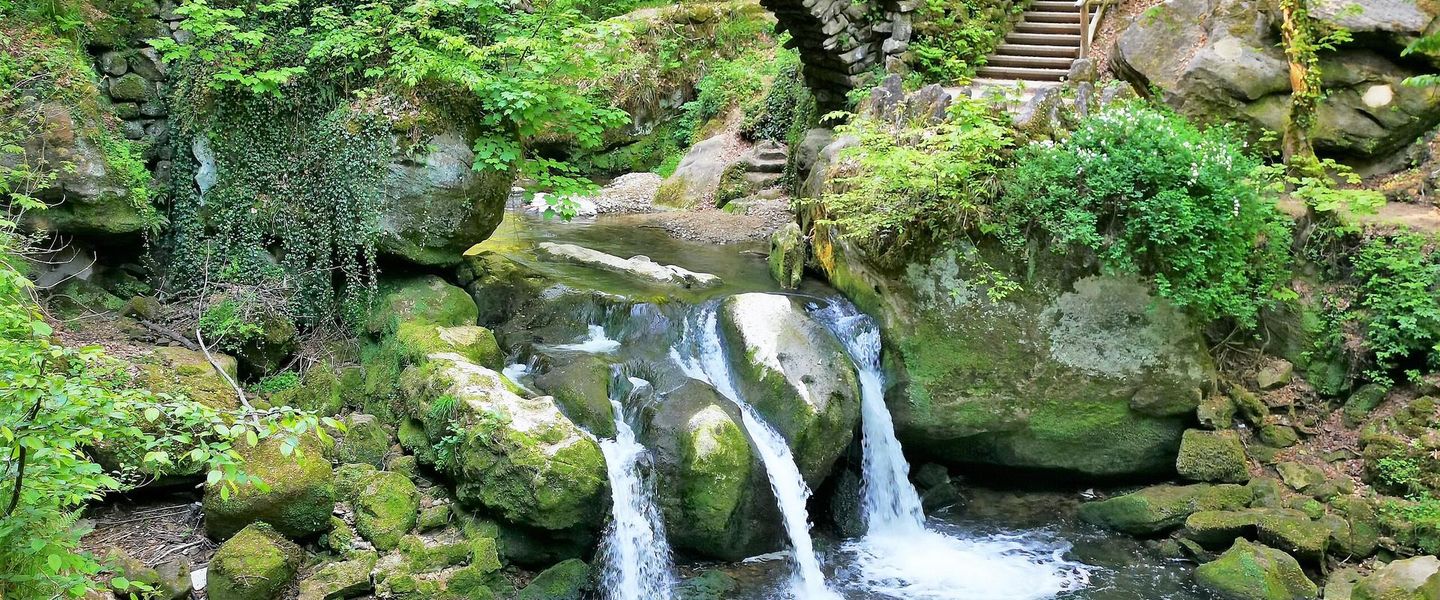


Explore Little Switzerland in Luxembourg for sandstone gorges, forest trails, medieval Echternach, castle ruins and rural eastern landscapes.
Read more about Little Switzerland
When is the best time to visit Little Switzerland?
Best: June–August · 21–23°C| Month | High (°C) | Rainfall (mm) |
|---|---|---|
| January | 4 | 50 |
| February | 5 | 45 |
| March | 9 | 55 |
| April | 12 | 60 |
| May | 18 | 65 |
| June (best) | 21 | 70 |
| July (best) | 23 | 75 |
| August (best) | 23 | 80 |
| September | 20 | 65 |
| October | 14 | 60 |
| November | 8 | 55 |
| December | 5 | 50 |
Getting to and around Little Switzerland
How to get there
Transportation
Top city travel guides in Little Switzerland
The cities of Little Switzerland, and the easiest places to base yourself.
-

-

-
-


Swipe for more cities
Destinations in Little Switzerland
Resorts, valleys and scenic spots worth a trip of their own.
-

-


Swipe for more destinations
Best attractions in Little Switzerland
Little Switzerland’s attractions are closely tied to its geology and walking routes. The Mullerthal Trail and its connecting circuits lead through forests, narrow ravines and sandstone corridors around Mullerthal, Berdorf, Consdorf and Echternach, with formations such as the Wollefsschlucht and Huel Lee providing memorable waypoints. The region’s outdoor appeal extends to cycling, scenic country roads and the Sûre valley near Echternach and Rosport, where the landscape opens beyond the wooded uplands. Historic attractions add variety: Echternach’s abbey and basilica introduce religious and urban history, while Beaufort combines a medieval castle with a later Renaissance residence. Larochette Castle, at the western edge of the wider Mullerthal travel area, offers another striking example of a lordly stronghold above a village. Smaller museums, cultural venues, churches, viewpoints and local interpretation centres help explain the relationship between geology, settlement and rural life. Families can choose shorter marked walks and accessible town-based visits, while experienced hikers can link longer sections through the region’s characteristic terrain. Weather and ground conditions matter, so the landscape is best explored at a measured pace rather than treated as a series of quick photo stops.
-
Tourist attraction
Larochette Castle
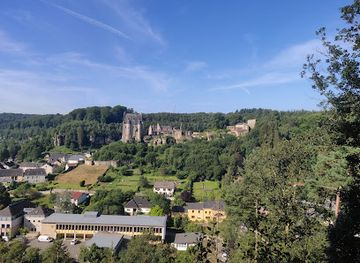
Discover Larochette Castle, a romantic medieval fortress with sweeping valley views, storied ruins, and scenic hiking trails in Luxembourg’s enchanting Mullerthal region.
-
Tourist attraction
Abbey of Echternach
The Abbey of Echternach stands as Luxembourg’s oldest religious building, acclaimed for its Romanesque facade, Saint Willibrord’s shrine, and unique rhythmic pilgrimage tradition.
-
Tourist attraction
Gorges du Loup
Explore Gorges du Loup in Mullerthal, Luxembourg—a spectacular network of sandstone caves, mossy gorges, and forested trails, perfect for hikers and nature lovers.
-
Tourist attraction
Roman Villa Echternach
Explore the captivating Roman Villa Echternach—Luxembourg’s largest Gallo-Roman estate—where ancient luxury, engineering, and regional history converge amid striking landscapes.


Best landmarks in Little Switzerland
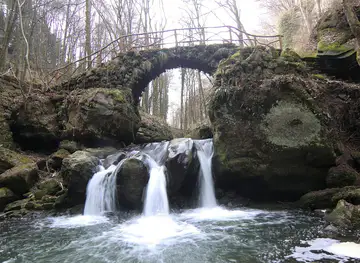
The most recognisable natural landmarks of Little Switzerland are its Luxembourg Sandstone formations. The narrow rock passages and high walls around Berdorf, the Wollefsschlucht near Echternach and the formations along the Mullerthal walking routes show how streams and erosion carved the plateau into clefts, ledges and sheltered gullies. Echternach Abbey Basilica is the region’s principal architectural landmark, its origins reaching back to Saint Willibrord’s seventh-century foundation and its presence defining the historic town. Beaufort’s medieval castle, set above the village, remains an evocative defensive landmark, while the nearby Renaissance castle records the later shift towards residential architecture. Larochette Castle, on the western edge of the wider Mullerthal region, rises above its settlement in a manner typical of medieval lordly strongholds. In the Sûre valley, the river itself provides an important geographical reference, linking Luxembourg’s eastern border landscape with the historic town of Echternach. Together these places express the region’s defining contrast between geological drama, religious history, castle architecture and cultivated rural surroundings.
-
Castle
Vianden Castle
Experience the grandeur of Vianden Castle, a medieval fortress that offers stunning views and a rich historical journey in the heart of Luxembourg.
-
Historical landmark
Bock Casemates
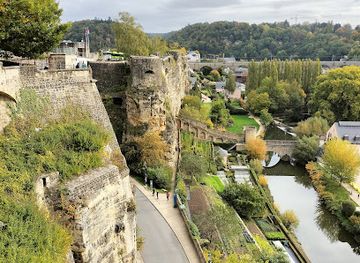
Explore Luxembourg City’s Bock Casemates, an extraordinary volcanic rock fortress tunnel system rich in military history and panoramic vistas in the Grund district.
-
Bridge
Pont Adolphe
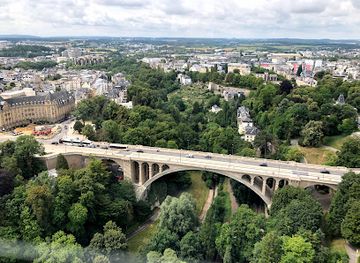
Discover the breathtaking Pont Adolphe in Luxembourg City, a stunning bridge that combines architectural elegance with rich historical significance.
-
Hiking area
Mullerthal Trail
Discover the Mullerthal Trail, Luxembourg's 'Little Switzerland,' where stunning landscapes, rich culture, and unforgettable hiking adventures await.
Explore Little Switzerland on the map
Plan your trip on one map. See where the top cities, national parks and sights are, and book hotels and experiences in a few clicks.
Best hotels in Little Switzerland
Best restaurants in Little Switzerland
Dining in Little Switzerland reflects Luxembourg’s position between German, French and regional rural traditions. Village restaurants, country inns and cafés commonly serve hearty dishes suited to walking days, including soups, meat-based plates, potatoes, seasonal vegetables and bakery specialities, alongside lighter contemporary menus. Luxembourgish foods such as judd mat gaardebounen and gromperekichelcher belong to the wider national culinary tradition rather than being exclusive to the Mullerthal, but they may appear alongside locally sourced and seasonal cooking. Echternach offers the broadest choice of cafés and restaurants, while smaller communities tend towards inns and limited-service establishments, making advance planning useful outside busy periods. Look for regional beers, Luxembourg wines from the Moselle area and locally produced fruit drinks, although the Moselle vineyards lie beyond Little Switzerland itself. Breakfast cafés and packed lunches are practical for trail days, since long walking routes do not always pass a restaurant when needed. Farmers’ produce, orchard products and seasonal menus provide a stronger sense of place than generic international dining.
-
Restaurant
Café du Pont
Discover the flavors of Luxembourg at Café du Pont in Vianden – where tradition meets taste in every dish.
-
Restaurant
Restaurant Aal Eechternoach
Discover the culinary magic of Restaurant Aal Eechternoach in Echternach – where traditional meets modern cuisine in a delightful setting.
-
Restaurant
Brasserie Heringer Millen
Discover authentic Luxembourgish cuisine at Brasserie Heringer Millen in the scenic Mullerthal region.
-
Pizza
Una Storia Restaurant -Pizzeria
Discover authentic Italian cuisine at Una Storia Restaurant in Echternach – where every dish tells a story.


Best bars in Little Switzerland
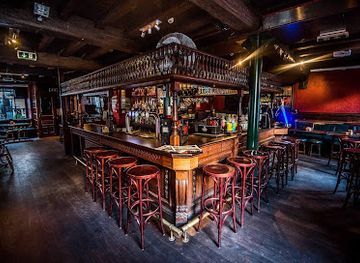
Evenings in Little Switzerland are generally quiet and sociable rather than centred on a large nightclub scene. Traditional cafés, village pubs and restaurant bars provide places for a drink after walking, with Echternach offering the widest range and the most regular cultural activity. In smaller settlements, nightlife often depends on local establishments, seasonal events and the opening patterns of individual restaurants rather than a concentrated entertainment district. Some venues serve Luxembourgish or neighbouring-region beers, wines and spirits, while live music and community celebrations may appear at particular times of year. Visitors staying in rural accommodation should not assume that late-night transport will be available, so arranging a taxi or choosing accommodation within walking distance is sensible. The region’s evening appeal lies chiefly in relaxed meals, historic streets, dark wooded horizons and conversation rather than in clubbing.
-
Gastropub
Scott's Pub
Experience the perfect blend of local flavors and vibrant atmosphere at Scott's Pub in Luxembourg's enchanting Grund district.
-
Bar
Konrad Café & Bar
Experience the perfect blend of café charm and bar vibrancy at Konrad Café & Bar in the heart of Luxembourg, offering delightful drinks and a cozy atmosphere.
-
Restaurant
HITCH
Discover the culinary delights of HITCH in Limpertsberg, Luxembourg, where local flavors meet international cuisine in a welcoming atmosphere.
-
Lebanese
Bazaar Bar and Restaurant
Discover the vibrant tastes and lively nightlife at Bazaar Bar and Restaurant, a top destination for Lebanese and Mediterranean cuisine in Luxembourg.


Best nightclubs in Little Switzerland
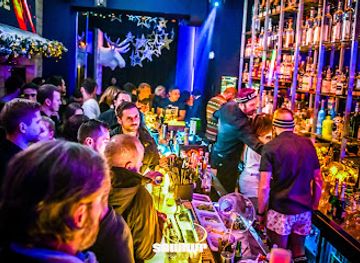
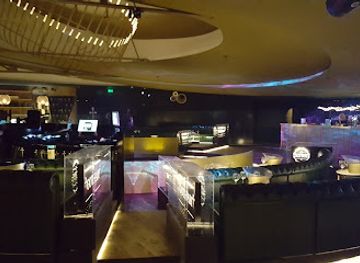
Evenings in Little Switzerland are generally quiet and sociable rather than centred on a large nightclub scene. Traditional cafés, village pubs and restaurant bars provide places for a drink after walking, with Echternach offering the widest range and the most regular cultural activity. In smaller settlements, nightlife often depends on local establishments, seasonal events and the opening patterns of individual restaurants rather than a concentrated entertainment district. Some venues serve Luxembourgish or neighbouring-region beers, wines and spirits, while live music and community celebrations may appear at particular times of year. Visitors staying in rural accommodation should not assume that late-night transport will be available, so arranging a taxi or choosing accommodation within walking distance is sensible. The region’s evening appeal lies chiefly in relaxed meals, historic streets, dark wooded horizons and conversation rather than in clubbing.
-
Disco club
Apoteca
Apoteca: A Chic Disco Club and Italian Dining Experience in the Heart of Luxembourg's Vibrant Nightlife.
-
Night club
Saumur Crystal Club
Discover the pulse of Luxembourg's nightlife at Saumur Crystal Club, where music, dining, and entertainment come together for an unforgettable experience.
-
Night club
Gotham
Experience the vibrant nightlife of Luxembourg at Gotham, a premier night club in Limpertsberg, where music, dancing, and fun await.
-
Night club
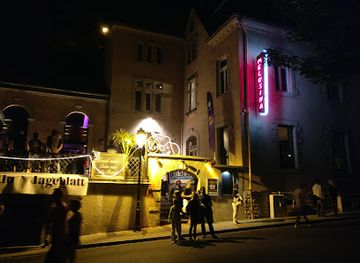
Melusina
Experience the vibrant nightlife of Luxembourg at Melusina, a premier night club and event venue in the heart of Grund.

Best shops in Little Switzerland
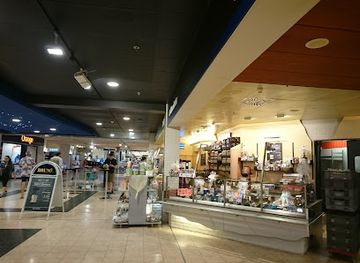
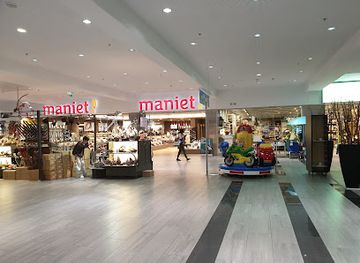
Shopping in Little Switzerland is mainly local and practical rather than oriented towards large retail centres. Echternach has the broadest selection of everyday shops, cafés, galleries and small independent businesses, while market-town streets and village shops elsewhere provide food, gifts and walking essentials. Visitors can look for Luxembourgish food products, bakery items, preserves, honey, orchard produce, chocolates, beer and wine from other parts of the country, although not every product is made in the Mullerthal itself. Craft goods, ceramics, woodwork, textiles, books and landscape-inspired artwork appear in selected galleries and seasonal outlets, with availability varying by town and time of year. Markets and local events can offer a more direct connection with regional producers than permanent souvenir shops, but schedules should be checked locally. For specialist designer shopping or major department stores, Luxembourg City outside the region is the more suitable destination. In Little Switzerland, the most useful purchases are often durable walking equipment, locally made food gifts and maps or guidebooks for the marked trails.
-
Shopping mall
Belle Etoile Shopping Center
Experience luxury shopping and diverse dining options at Belle Etoile Shopping Center, Luxembourg's premier retail destination for tourists.
-
Shopping mall
Knauf Shopping Center Pommerloch
Explore Knauf Shopping Center Pommerloch: a vibrant shopping destination offering diverse retail and dining experiences in a beautiful Luxembourg setting.
-
Supermarket
Auchan Kirchberg
Experience the best of Luxembourg shopping at Auchan Kirchberg, your ultimate hypermarket destination for local and international goods.
-
Shopping mall
Knauf Shopping Schmiede
Experience the ultimate shopping destination at Knauf Shopping Schmiede, where style meets convenience in the heart of Huldange.


Get your free copy of our complete guide to Little Switzerland, delivered straight to you.
Everything on this page, from attractions and restaurants to essentials and local phrases, in one PDF you can read offline, print or share.
Already have an account? Sign in
Your Little Switzerland guide is ready.
We'll send it to · Not you? Sign out

Getting your guide ready…
We are putting together a fresh copy of the Little Switzerland guide. This can take up to a minute.
This can take a few moments. If your browser asks, choose Allow so the download can start. You'll find the guide in your Downloads folder.
Nothing happened? Download it again
Sorry, the guide is taking longer than usual. Please try again in a minute, or get it by email instead.
Little Switzerland essentials
Currency and Payment
Safety
Emergency Situations
Do's and Don'ts
Local Tips
From Eve
Local phrases worth knowing
You don't need to get them perfect. A few words go a long way, and locals appreciate the effort.
Basics
| English | Local | Say it |
|---|---|---|
| Hello | Hallo | [HAH-loh] |
| Goodbye | Auf Wiedersehen | [OWF VEE-der-zay-en] |
| Yes | Ja | [YAH] |
| No | Nein | [NINE] |
| Please/You're welcome | Bitte | [BIT-teh] |
| Thank you | Danke | [DAN-keh] |
| Excuse me/Sorry | Entschuldigung | [ENT-shool-dee-goong] |
| How are you? | Wie geht's? | [VEE gates?] |
| Fine. And you? | Gut. Und dir? | [GOOT. OOND deer?] |
| Do you speak English? | Sprechen Sie Englisch? | [SPREH-chen zee EN-glish?] |
| I don't understand | Ich verstehe nicht | [IKH fer-SHTAY-eh nikht] |
Eating & Drinking
| English | Local | Say it |
|---|---|---|
| I'd like to see the menu, please | Ich hätte gerne die Speisekarte, bitte | [IKH HET-teh GERN-eh dee SHPY-zeh-KAR-teh, BIT-teh] |
| I don't eat meat | Ich esse kein Fleisch | [IKH ESS-eh KINE FLYSH] |
| Cheers! | Prost! | [PROHST!] |
| I would like to pay, please | Ich möchte bezahlen, bitte | [IKH MURK-teh beh-ZAH-len, BIT-teh] |
Emergencies
| English | Local | Say it |
|---|---|---|
| Help! | Hilfe! | [HIL-fuh] |
| Go away! | Geh weg! | [GEH VEG!] |
| Call the Police! | Rufen Sie die Polizei! | [ROO-fen zee dee PO-lee-TSY!] |
| Call a doctor! | Rufen Sie einen Arzt! | [ROO-fen zee EYE-nen ARTZ!] |
| I'm lost | Ich bin verloren | [IKH bin fer-LO-ren] |
| I'm ill | Ich bin krank | [IKH bin KRANK] |
Shopping
| English | Local | Say it |
|---|---|---|
| I'd like to buy... | Ich möchte kaufen... | [IKH MURK-teh KAU-fen...] |
| I'm just looking | Ich schaue nur | [IKH SHOU-eh noor] |
| How much is it? | Wie viel kostet es? | [VEE FEEL KOS-tet es?] |
| That's too expensive | Das ist zu teuer | [DAS ist tsoo TOY-er] |
| Can you lower the price? | Könnten Sie den Preis senken? | [KURN-ten zee den PRYSS ZEN-ken?] |
Time & Numbers
| English | Local | Say it |
|---|---|---|
| What time is it? | Wie spät ist es? | [VEE SHPAT ist es?] |
| It's one o'clock | Es ist ein Uhr | [ES ist EYN OOR] |
| Half past (10) | Halb (10) | [HALB (10)] |
| Morning | Morgen | [MOR-gen] |
| Afternoon | Nachmittag | [NAHKH-mit-tahg] |
| Evening | Abend | [AH-bent] |
| Yesterday | Gestern | [GES-turn] |
| Today | Heute | [HOY-teh] |
| Tomorrow | Morgen | [MOR-gen] |
| 1 | Eins | [EINS] |
| 2 | Zwei | [TSVY] |
| 3 | Drei | [DRY] |
| 4 | Vier | [FEER] |
| 5 | Fünf | [FUENF] |
| 6 | Sechs | [ZEHKH] |
| 7 | Sieben | [ZEE-ben] |
| 8 | Acht | [AHKHT] |
| 9 | Neun | [NOYN] |
| 10 | Zehn | [TSAYN] |
Transport & Directions
| English | Local | Say it |
|---|---|---|
| Where's a/the...? | Wo ist ein/das...? | [VOH ist EYN/DAS...?] |
| What's the address? | Was ist die Adresse? | [VAS ist dee AH-dress-eh?] |
| Can you show me (on the map)? | Können Sie mir (auf der Karte) zeigen? | [KURN-nen zee meer (OWF der KAR-teh) TSEY-gen?] |
| When's the next (bus)? | Wann kommt der nächste (Bus)? | [VAHN KOMMT der NAY-shteh (BOOS)?] |
| A ticket (to ....) | Ein Ticket (nach ...) | [EYN TICK-et (NAKH ...)] |
History of Little Switzerland
Early Settlement and Roman Roads
The valleys and plateaux of eastern Luxembourg have been used since prehistoric times, with archaeological evidence showing long-standing settlement and movement through the region. During the Roman period, the wider area was connected to the empire’s roads and agricultural network, while the Sûre valley and routes around Echternach linked communities with settlements beyond present-day Luxembourg. Roman influence did not erase local landscapes: later road alignments, field patterns and archaeological finds help illustrate how the wooded sandstone country formed part of a much larger European frontier zone.
Echternach and the Foundation of the Abbey
Echternach’s importance began in the seventh century, when the Anglo-Saxon missionary Willibrord founded an abbey beside the Sûre. The monastery became a major religious, cultural and artistic centre, preserving manuscripts and shaping the development of the town. Its influence extended well beyond the immediate valley, and the basilica and abbey complex remain the region’s most important historical institutions. The annual dancing procession associated with Saint Willibrord is a particularly visible continuation of Echternach’s religious heritage, although the town’s significance also rests on its medieval urban and intellectual history.
Medieval Lords and Defensive Castles
From the medieval period, the valleys and ridges of Little Switzerland were divided among local lords whose authority was expressed through castles, fortified residences and religious foundations. Beaufort’s medieval castle, dramatically positioned above the village, belongs to this defensive landscape, while Larochette Castle reflects the strategic importance of routes across the region’s wooded uplands. These strongholds were not isolated monuments: they controlled land, water, roads and agricultural communities. Their ruins and surviving walls now provide some of the clearest visual evidence of medieval political organisation in eastern Luxembourg.
Renaissance Residences and Rural Estates
As military technology changed, some medieval fortresses gave way to more comfortable residences. The Renaissance castle at Beaufort illustrates this transition, with domestic and representational functions becoming increasingly important alongside defence. Across the region, small villages, farms, orchards and woodland management shaped the countryside that visitors see today. The economy remained predominantly rural for centuries, supported by agriculture, forestry, craft production and local trade rather than by large-scale urban industry. Historic buildings and settlement patterns preserve traces of this gradual transformation.
War, Borders and the Twentieth Century
The Mullerthal region’s proximity to Germany placed it within the wider borderland history of the twentieth century. The Second World War brought occupation, military movement and disruption to Luxembourg, while the Battle of the Bulge in 1944–45 affected communities and roads across the country’s eastern and northern surroundings. Evidence of wartime history is more dispersed here than in some heavily fortified areas, appearing in memorials, cemeteries, archives and local accounts. The period remains important for understanding how a seemingly peaceful rural landscape was connected to major European conflict.
The Rise of Walking Tourism
From the later twentieth century, the region increasingly developed its identity as a destination for walking and nature-based travel. Better-marked paths, local accommodation and coordinated promotion brought international attention to the sandstone formations and wooded valleys. The Mullerthal Trail, established as a long-distance route with connecting local loops, gave the landscape a coherent visitor framework while encouraging travel beyond Echternach and the main castles. Tourism has since become an important part of the regional economy, although the character of the area remains strongly tied to forestry, agriculture, village life and protected natural environments.
Little Switzerland in Photos
Browse through our photo collection highlighting the charm and character of the destination.
Neighbouring regions of Little Switzerland
The closest regions to Little Switzerland, if you have time for more than one.
-
-

-

-

-


Swipe for more regions
Explore more

Explore more of Luxembourg
Discover Luxembourg: A charming blend of historical wonders, breathtaking landscapes, and cultural vibrancy in the heart of Europe.
Explore Luxembourg