

Free Mulanje Massif Travel Guide & Mobile App
Explore Mulanje Massif with free travel guides. Discover regional history, expert tips, proposed trips, and audio guides on web or mobile app.


Explore Mulanje Massif in southern Malawi for highland trekking, waterfalls, endemic cedar forest, tea estates and dramatic granite scenery.
Read more about Mulanje Massif
When is the best time to visit Mulanje Massif?
Best: July–September · 21–24°C| Month | High (°C) | Rainfall (mm) |
|---|---|---|
| January | 28 | 250 |
| February | 28 | 230 |
| March | 27 | 200 |
| April | 26 | 150 |
| May | 24 | 80 |
| June | 22 | 50 |
| July (best) | 21 | 40 |
| August (best) | 22 | 40 |
| September (best) | 24 | 60 |
| October | 26 | 110 |
| November | 27 | 150 |
| December | 27 | 200 |
Getting to and around Mulanje Massif
How to get there
Transportation
Destinations in Mulanje Massif
Resorts, valleys and scenic spots worth a trip of their own.

Swipe for more destinations
Best attractions in Mulanje Massif
Mulanje Massif’s attractions are centred on walking, mountain scenery and the contrast between high granite country and the cultivated plains below. Likhubula is a commonly used starting area, with forest paths, streams and waterfalls providing shorter outings as well as access to longer routes. Experienced trekkers can undertake demanding ascents towards Sapitwa and other prominent peaks, while lower-level walks offer views into ravines and across the tea-growing foothills without requiring a summit attempt. Multi-day itineraries may involve simple mountain shelters and should be organised with local guidance, suitable equipment and realistic allowances for weather. The massif’s forest habitats are important for biodiversity, including the endemic Mulanje cedar, and are best experienced through quiet observation rather than collecting plants or venturing off established routes. Around the base, tea estates, farms and villages reveal the region’s working landscape, while Mulanje town provides a useful cultural and logistical hub. Birdwatching, landscape photography, waterfalls and geological scenery broaden the experience, but the mountain is not a conventional theme-park destination: its appeal lies in active exploration, changing weather, natural solitude and the scale of the escarpments.
-
Tourist attraction
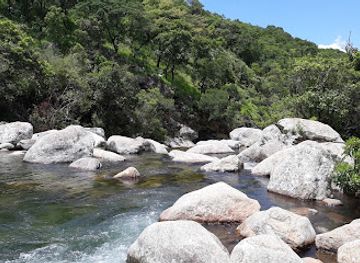
Likhubula Falls (Dziwe la Nkhalamba)
Experience the breathtaking beauty of Likhubula Falls, a serene retreat nestled in Mulanje's lush landscapes, perfect for nature lovers and explorers.
-
Tourist attraction
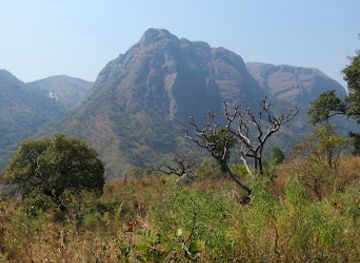
Mulanje Mountain
Explore the breathtaking beauty of Mulanje Mountain, a captivating destination for nature lovers and adventure seekers in Malawi.
-
Hiking area
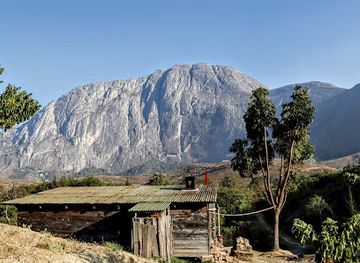
Mount mulanje
Explore the stunning landscapes of Mount Mulanje, a premier hiking destination in Malawi, perfect for nature lovers and adventure seekers.
Best landmarks in Mulanje Massif
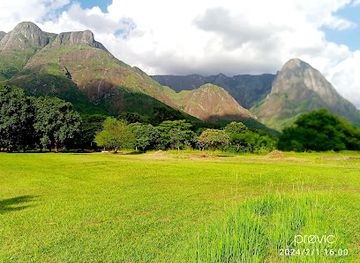
The defining landmark of the region is the Mulanje Massif itself, an immense isolated mountain block whose granite walls and high peaks rise above the tea plains. Sapitwa, at approximately 3,002 metres, is the massif’s highest point and a significant objective for experienced walkers, although its ascent requires careful preparation and local advice. Chambe Peak and the massif’s other pronounced ridges and escarpments contribute to the recognisable skyline and reveal the mountain’s complex topography. Likhubula’s waterfalls and forested valleys form more accessible natural landmarks, where streams descend from the uplands through rocky channels and shaded woodland. The surviving habitat of Mulanje cedar is another important symbol: the tree is endemic to the mountain and closely associated with Malawi’s environmental heritage. Below the escarpments, the ordered geometry of tea estates provides a contrasting human landmark, showing how agriculture occupies the lower slopes while the higher massif remains rugged and forested. Together these features make Mulanje visually distinctive without relying on monumental architecture; its identity is geological, ecological and agricultural.
-
 Lodge
LodgeGame Haven Lodge
Discover the beauty of Malawi at Game Haven Lodge, where wildlife and comfort unite for an unforgettable family getaway.
-
National park
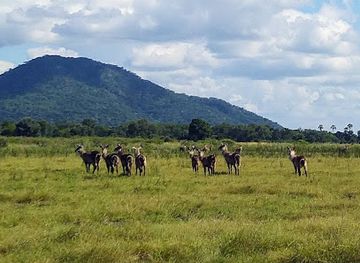
Liwonde National Park
Explore Liwonde National Park: A wildlife haven in Malawi with rich biodiversity and stunning landscapes awaiting your discovery.
-
Nature preserve
Lake Malawi National Park
Explore the stunning landscapes and rich biodiversity of Lake Malawi National Park, a UNESCO World Heritage site perfect for nature lovers and adventure seekers.
-
Lodge
Casa Mia Lodge & Restaurant
Discover the charm of Casa Mia Lodge & Restaurant in Blantyre, Malawi, where comfort meets exquisite dining in a serene setting.
Explore Mulanje Massif on the map
Plan your trip on one map. See where the top cities, national parks and sights are, and book hotels and experiences in a few clicks.
Best hotels in Mulanje Massif
Best restaurants in Mulanje Massif
Dining around Mulanje Massif is practical, local and closely connected to the agricultural character of southern Malawi. In Mulanje town and nearby settlements, visitors are likely to find cafés, small restaurants and informal eateries serving nsima with relishes such as vegetables, beans, chicken or fish, alongside rice, chips and grilled foods. Tea is a natural part of the regional identity, reflecting the surrounding estates, while seasonal fruit and locally grown produce appear in markets and household cooking. Accommodation outside town may provide pre-arranged meals, which is useful for walkers because options become limited near the mountain and on overnight routes. Visitors should not expect a concentrated fine-dining district, although lodges and established hotels may offer more varied menus. Buying snacks, bottled water and simple provisions in Mulanje before a trek is sensible. Food markets offer a more direct connection with everyday life, but hygiene, refrigeration and availability vary, so choose busy, well-kept vendors and carry supplies for remote walks.
-
Hotel
Kara O'mula by Serendib
Experience unparalleled comfort and exquisite cuisine at Kara O'mula by Serendib in the heart of Mulanje, Malawi.
-
Restaurant
Hapuwani Village Lodge
Experience authentic Malawian cuisine amidst breathtaking views at Hapuwani Village Lodge near Mt. Mulanje.
-
Restaurant
Mulanje Pepper
Discover authentic Malawian cuisine at Mulanje Pepper – where flavor meets tradition in a warm and inviting atmosphere.
-
Restaurant
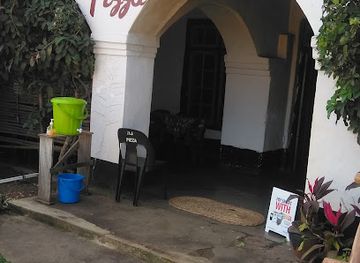
Mulanje Pizza
Discover delicious pizzas at Mulanje Pizza – a top culinary spot in Malawi perfect for tourists seeking great food and local flavors.
Best bars in Mulanje Massif
Mulanje’s evening life is modest and largely centred on hotel bars, local pubs, informal drinking places and restaurants in or around the town rather than a large nightclub scene. These establishments may serve Malawian beers, soft drinks and spirits, while football, conversation and music are common elements of an evening out. Activity is generally quieter in the mountain foothills, where visitors tend to return early after walking and where accommodation may have limited services. Blantyre, outside the Mulanje Massif, offers a broader urban choice of bars, live music and clubs but should be treated as a separate destination rather than part of the mountain’s nightlife. In Mulanje, ask locally about current venues and transport after dark, avoid walking unfamiliar rural roads at night, and keep drinking separate from trekking, driving and activities near waterfalls or steep terrain.
-
Tour operator
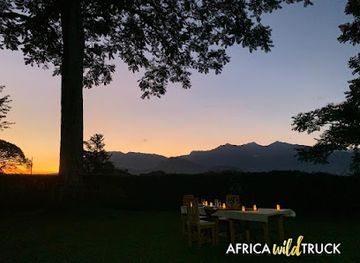
Africa Wild Truck
Discover the essence of Malawi with Africa Wild Truck – your gateway to adventure, comfort, and culinary delight in Mulanje.
-
Bar
Blend. Lodge & Kitchen
Discover the culinary delights and cozy ambiance of Blend. Lodge & Kitchen, a premier destination for food lovers in Zomba, Malawi.
-
Restaurant
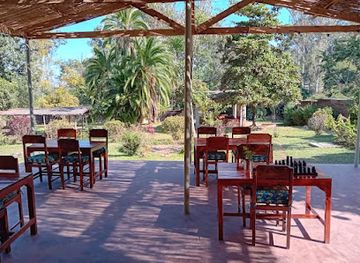
Hapuwani Village Lodge
Experience authentic Malawian cuisine at Hapuwani Village Lodge, nestled in the scenic foothills of Mt. Mulanje.
-
Bar
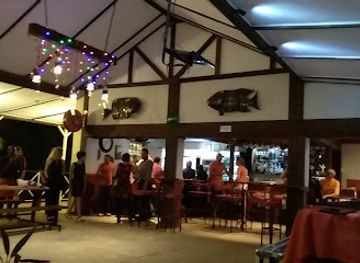
Red Pub & Grub
Discover the lively ambiance and delicious flavors at Red Pub & Grub, a top bar destination in Blantyre, Malawi, perfect for tourists seeking local culture.
Best nightclubs in Mulanje Massif
Mulanje’s evening life is modest and largely centred on hotel bars, local pubs, informal drinking places and restaurants in or around the town rather than a large nightclub scene. These establishments may serve Malawian beers, soft drinks and spirits, while football, conversation and music are common elements of an evening out. Activity is generally quieter in the mountain foothills, where visitors tend to return early after walking and where accommodation may have limited services. Blantyre, outside the Mulanje Massif, offers a broader urban choice of bars, live music and clubs but should be treated as a separate destination rather than part of the mountain’s nightlife. In Mulanje, ask locally about current venues and transport after dark, avoid walking unfamiliar rural roads at night, and keep drinking separate from trekking, driving and activities near waterfalls or steep terrain.
-
Night club
Indian Sports Club
Experience the lively nightlife of Blantyre at Indian Sports Club, where music, dance, and culture come together in an electrifying atmosphere.
-
Night club
Chez Ntemba
Discover the heart of Blantyre's nightlife at Chez Ntemba, where great music and vibrant energy create memorable nights.
-
Night club
Discorium
Dive into the vibrant nightlife of Lilongwe at Discorium, where music, dance, and culture come alive in an unforgettable atmosphere.
-
Night club
Club XL
Discover the electrifying atmosphere of Club XL, a premier night club where unforgettable nightlife experiences await you.


Best shops in Mulanje Massif
Shopping in the Mulanje area is focused on practical supplies, local produce and modest craft purchases rather than large-scale retail. Mulanje town is the main place to buy food, water, toiletries and trekking provisions before heading into the foothills, while local markets offer fruit, vegetables and other everyday goods when available. Visitors may find small stalls selling handmade items, woven products or carved souvenirs, but quality and availability vary, so buying directly from makers and agreeing prices politely is preferable. Tea is the most obvious regional product because the surrounding lowlands are one of Malawi’s important tea-growing areas; packaged tea can make a useful souvenir when purchased from a legitimate shop or estate outlet. Larger selections of specialist outdoor equipment, books, crafts and gifts are more likely in Blantyre, outside the massif. Avoid purchasing timber or plant material presented as local memorabilia, particularly anything made from Mulanje cedar, as demand for wood products contributes to conservation pressure.
-
Shopping mall
The Gateway Mall
Explore The Gateway Mall in Lilongwe, Malawi – a vibrant shopping and dining destination with diverse options for every taste.
-
Tourist attraction
Mulanje Mountain
Discover the stunning landscapes and rich biodiversity of Mulanje Mountain, Malawi's premier hiking and nature destination.
-
Gift shop
Marceline Gifts
Explore Marceline Gifts in Blantyre for authentic Malawian souvenirs crafted by local artisans.
-
Shopping mall
Nkando Market
Discover the vibrant local culture at Nkando Market in Thuchila, a unique shopping experience filled with authentic Malawian goods and delicious cuisine.

Get your free copy of our complete guide to Mulanje Massif, delivered straight to you.
Everything on this page, from attractions and restaurants to essentials and local phrases, in one PDF you can read offline, print or share.
Already have an account? Sign in
Your Mulanje Massif guide is ready.
We'll send it to · Not you? Sign out

Getting your guide ready…
We are putting together a fresh copy of the Mulanje Massif guide. This can take up to a minute.
This can take a few moments. If your browser asks, choose Allow so the download can start. You'll find the guide in your Downloads folder.
Nothing happened? Download it again
Sorry, the guide is taking longer than usual. Please try again in a minute, or get it by email instead.
Mulanje Massif essentials
Currency and Payment
Safety
Emergency Situations
Do's and Don'ts
Local Tips
From Eve
Local phrases worth knowing
You don't need to get them perfect. A few words go a long way, and locals appreciate the effort.
Basics
| English | Local | Say it |
|---|---|---|
| Hello | Moni | [moh-nee] |
| Goodbye | Tsalani bwino | [tsah-lah-nee bwee-no] |
| Yes | Inde | [een-day] |
| No | Ayi | [ah-yee] |
| Please/You’re welcome | Chonde | [chon-day] |
| Thank you | Zikomo | [zee-koh-moh] |
| Excuse me/Sorry | Pepani | [peh-pah-nee] |
| How are you? | Muli bwanji? | [moo-lee bwahn-jee] |
| Fine. And you? | Ndili bwino. Inu? | [ndee-lee bwee-no. ee-noo?] |
| Do you speak English? | Mukuyankhula Chingerezi? | [moo-koo-yahn-khoo-lah cheen-geh-reh-zee] |
| I don't understand | Sindikudziwa | [seen-kee-doo-zee-wah] |
Eating & Drinking
| English | Local | Say it |
|---|---|---|
| I’d like to see the menu, please | Ndikufuna kuona menyu, chonde | [ndee-koo-foona koo-oh-nah men-yoo, chon-day] |
| I don’t eat meat | Sindidya nyama | [seen-dee-jah nyah-mah] |
| Cheers! | Kumbukirani! | [koom-boo-kee-rah-nee] |
| I would like to pay, please | Ndikufuna kulipira, chonde | [ndee-koo-foona koo-lee-pee-rah, chon-day] |
Emergencies
| English | Local | Say it |
|---|---|---|
| Help! | Thandizeni! | [than-dee-zeh-nee] |
| Go away! | Choka! | [cho-kah] |
| Call the Police! | Fufuzani apolisi! | [foo-foo-zah-nee ah-poh-lee-see] |
| Call a doctor! | Fufuzani dokotala! | [foo-foo-zah-nee doh-koh-tah-lah] |
| I’m lost | Ndakhalapo | [ndah-khah-lah-poh] |
| I’m ill | Ndili ndi matenda | [ndee-lee n-dee mah-ten-dah] |
Shopping
| English | Local | Say it |
|---|---|---|
| I’d like to buy... | Ndikufuna kugula... | [ndee-koo-foona koo-goo-lah] |
| I’m just looking | Ndikungowona | [ndee-kung-oh-wona] |
| How much is it? | Ichi chingati? | [ee-chee chin-gah-tee] |
| That’s too expensive | Ichi ndi mtengo wopitilira | [ee-chee n-dee mten-go woh-pee-tee-lee-rah] |
| Can you lower the price? | Mungathe kutsika mtengo? | [moon-gah-theh koo-tsi-kah mten-go] |
Time & Numbers
| English | Local | Say it |
|---|---|---|
| What time is it? | Ndi nthawi yanji? | [n-dee n-thah-whee yahn-jee] |
| It's one o'clock | Ndi saa imodzi | [n-dee sah ee-moh-dzee] |
| Half past (10) | Pafupifupi (10) | [pah-foo-pee-foo-pee (ten)] |
| Morning | M'mawa | [mm-ah-wah] |
| Afternoon | Masana | [mah-sah-nah] |
| Evening | Madzulo | [mah-dzoo-lo] |
| Yesterday | Dziwiri | [dzee-wee-ree] |
| Today | Lero | [leh-roh] |
| Tomorrow | M'mawa | [mm-ah-wah] |
| 1 | Imodzi | [ee-moh-dzee] |
| 2 | Ziwiri | [zee-wee-ree] |
| 3 | Zitatu | [zee-tah-too] |
| 4 | Zinai | [zee-nah-ee] |
| 5 | Zitano | [zee-tah-no] |
| 6 | Zisanu | [zee-sah-noo] |
| 7 | Zisanu ndi imodzi | [zee-sah-noo n-dee ee-moh-dzee] |
| 8 | Zisanu ndi ziwiri | [zee-sah-noo n-dee zee-wee-ree] |
| 9 | Zisanu ndi zitatu | [zee-sah-noo n-dee zee-tah-too] |
| 10 | Zisanu ndi zinai | [zee-sah-noo n-dee zee-nah-ee] |
Transport & Directions
| English | Local | Say it |
|---|---|---|
| Where's a/the...? | Pali kuti...? | [pah-lee koo-tee] |
| What's the address? | Kodi adiresi yake ndi chiyani? | [koh-dee ah-dee-reh-see yah-keh n-dee chee-yah-nee] |
| Can you show me (on the map)? | Mungathe kundionetsani (pa chithunzi)? | [moon-gah-theh koon-dee-oh-neh-tsah-nee (pah chee-thoon-zee)] |
| When's the next (bus)? | Ndi liti basi yotsatira? | [n-dee lee-tee bah-see yoh-tsah-tee-rah] |
| A ticket (to ....) | Pakatikiti (ku ...) | [pah-kah-tee-kee-tee (koo ...)] |
History of Mulanje Massif
The Geological Formation of the Massif
Mulanje Massif is an ancient igneous mountain formation that rises sharply above the surrounding plains. Its granite and syenite rocks were emplaced deep within the Earth and later exposed as surrounding material eroded away, leaving the distinctive isolated block seen today. Sheer escarpments, narrow valleys and prominent peaks reflect this geological history. The massif’s unusual elevation and isolation also helped create plant communities that differ from those of the lower country, giving it importance beyond its scenic value.
Longstanding Settlement Around the Mountain
The plains and foothills around Mulanje have long been inhabited and cultivated by communities whose histories include Lomwe, Mang’anja and Yao connections. Farming, woodland use and movement through mountain passes shaped relationships with the massif well before modern tourism. Local knowledge has traditionally guided people through valleys and around water sources, while oral traditions have given particular peaks, rocks and pools cultural meaning. The mountain should therefore be understood as a lived landscape rather than an empty wilderness.
Colonial Exploration, Forestry and Administration
During the colonial period, European administrators, missionaries, settlers and naturalists took increasing interest in the mountain’s forests, climate and resources. Forestry practices were introduced and the Mulanje cedar became commercially valuable for durable timber. Colonial boundaries and administrative systems also altered how land and woodland were managed. Some early roads and forest-management approaches contributed to later access, but commercial extraction placed pressure on habitats that had previously been used through more localised systems.
The Expansion of Tea Cultivation
The fertile, comparatively cool foothills around Mulanje became one of Malawi’s principal tea-growing areas during the twentieth century. Estates transformed parts of the lower landscape into extensive plantations, linked to processing, employment and export markets. Tea remains a defining feature of the scenery around the massif, contrasting with the steep, forested mountain above. Estate agriculture also influenced settlement patterns, transport and the regional economy, although land access and working conditions have changed over time.
Mulanje Cedar and Conservation
Mulanje cedar is endemic to the massif and became a national symbol of Malawi’s natural heritage. Its timber value led to extensive exploitation, while fire, invasive vegetation and regeneration difficulties added further conservation challenges. Protection of the mountain’s forests has consequently become an important national and local concern. Conservation work has included efforts to restore cedar and safeguard water catchments, recognising that the massif supports biodiversity as well as streams and springs used by communities and agriculture below.
Modern Outdoor Tourism and Environmental Pressure
Since independence, Mulanje Massif has developed as one of Malawi’s leading destinations for trekking and mountain recreation. Multi-day walking routes, local guiding and simple mountain shelters have supported visitors who want to explore its peaks and valleys. Tourism remains modest compared with the country’s lakeshore attractions, but it contributes to local guiding and service economies. At the same time, erosion, fires, waste, illegal timber cutting and climate variability mean that responsible access and conservation remain central to the mountain’s future.
Mulanje Massif in Photos
Browse through our photo collection highlighting the charm and character of the destination.
Neighbouring regions of Mulanje Massif
The closest regions to Mulanje Massif, if you have time for more than one.
-

-

-

-

-


Swipe for more regions
Explore more

Explore more of Malawi
Discover Malawi, the Warm Heart of Africa, where pristine landscapes, diverse wildlife, and rich cultural heritage await to enchant every traveler.
Explore Malawi