

Free Għarb Travel Guide & Mobile App
Explore Għarb with free travel guides. Discover regional history, expert tips, proposed trips, and audio guides on web or mobile app.


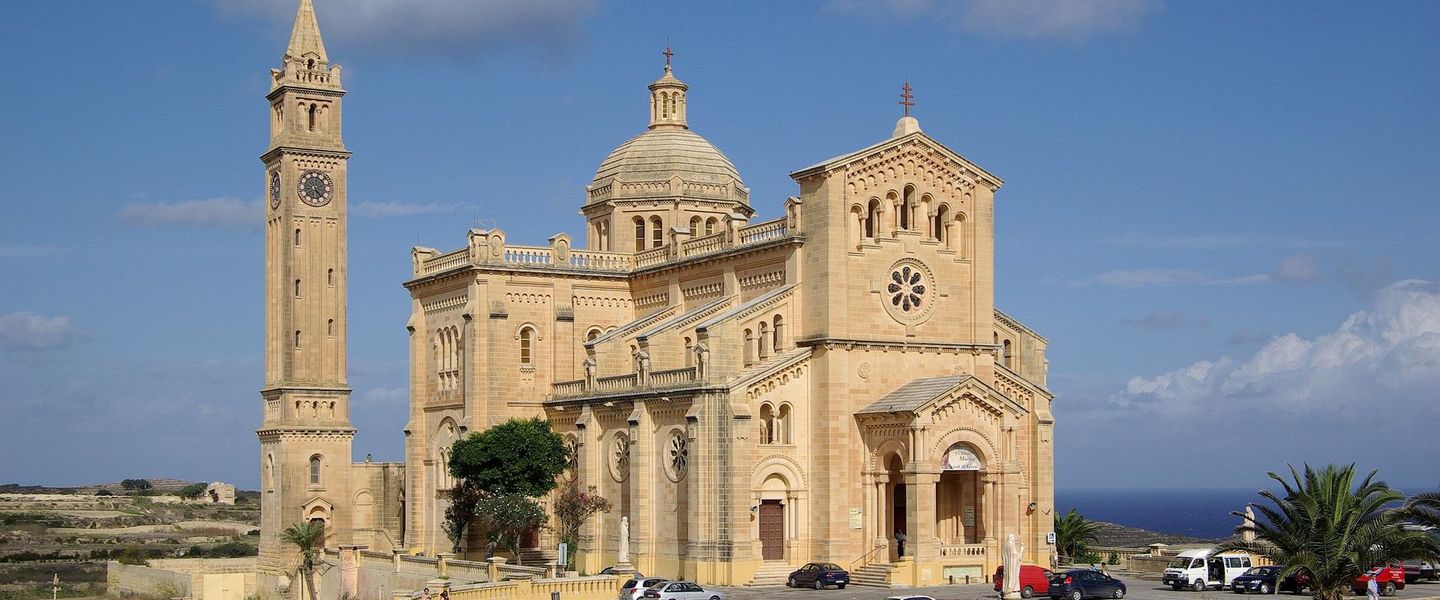


Explore Għarb in western Gozo for Ta’ Pinu Basilica, limestone lanes, rural walks, traditional crafts and the Wied il-Mielaħ Window.
Read more about Għarb
When is the best time to visit Għarb?
Best: April–June · 20–29°C| Month | High (°C) | Rainfall (mm) |
|---|---|---|
| January | 16 | 78 |
| February | 16 | 56 |
| March | 18 | 43 |
| April (best) | 20 | 24 |
| May (best) | 25 | 11 |
| June (best) | 29 | 5 |
| July | 33 | 1 |
| August | 33 | 6 |
| September | 30 | 47 |
| October | 25 | 98 |
| November | 21 | 90 |
| December | 17 | 109 |
Getting to and around Għarb
How to get there
Transportation
Destinations in Għarb
Resorts, valleys and scenic spots worth a trip of their own.

Swipe for more destinations
Best attractions in Għarb
Għarb’s attractions combine religious heritage, rural culture and western Gozo’s limestone landscape. The Basilica of the National Shrine of the Blessed Virgin of Ta’ Pinu is the principal draw, valued for its architecture, devotional importance and open setting among fields. In the village, the Għarb Folklore Museum occupies traditional limestone houses and offers an accessible account of domestic life, farming, crafts and religious customs. The parish church of the Visitation of Our Lady adds a fine example of Gozitan ecclesiastical architecture. Outdoors, the Wied il-Mielaħ Window is a natural coastal arch reached by narrow roads and uneven paths, rewarding visitors who plan for wind and sun. Ta’ Dbieġi Crafts Village, within Għarb, presents locally associated work such as pottery, glass, filigree and lace. Walking routes through cultivated fields reveal rubble walls, farmhouses, chapels and seasonal vegetation, while nearby San Lawrenz provides access to the separate Dwejra coastal area. Għarb is therefore less about a packed collection of ticketed attractions than about understanding how village life, pilgrimage, craft and landscape remain closely connected.
-
Basilica
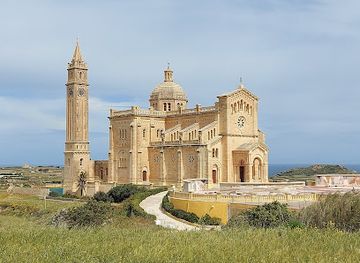
Basilica of the National Shrine of the Blessed Virgin of Ta' Pinu
Experience the tranquil beauty and spiritual significance of Ta' Pinu Basilica, a must-visit shrine in Gozo, Malta, renowned for its stunning architecture and peaceful surroundings.
-
Tourist attraction
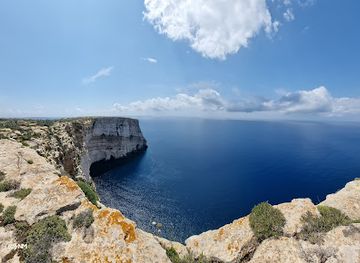
Wied il-Mielaħ Window
Explore the stunning Wied il-Mielaħ Window, a breathtaking natural limestone arch in Malta offering stunning views and serene landscapes.
-
Catholic church
St George's Basilica
Discover the stunning Baroque architecture and rich history of St George's Basilica in Victoria, Malta, a must-visit destination for every traveler.
-
Tourist attraction
Ta' Ċenċ Cliffs
Discover the breathtaking Ta' Ċenċ Cliffs, where dramatic landscapes meet tranquil Mediterranean views in the heart of Malta.
Best landmarks in Għarb
The defining landmark of Għarb is Ta’ Pinu Basilica, whose tall campanile, ornate limestone façade and isolated position make it a visual marker across western Gozo. Its interior and votive offerings also give the building an importance beyond architecture, as it remains a major place of pilgrimage. In the village centre, the parish church of the Visitation of Our Lady provides a more urban focal point, with a Baroque-influenced exterior, dome and richly finished interior characteristic of Gozitan parish architecture. The Wied il-Mielaħ Window is Għarb’s most distinctive natural landmark, a sea-carved limestone arch on the western coast that demonstrates the power and fragility of the island’s geology. Traditional limestone houses, farm complexes and rubble walls form a less monumental but equally meaningful landscape of landmarks, recording generations of rural construction. Ta’ Dbieġi’s craft workshops add a contemporary cultural layer, linking the locality’s built environment with Malta’s enduring traditions of stone, glass, pottery, lace and metalwork.
-
Historical landmark
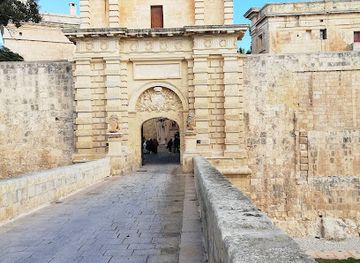
Mdina Gate
Step through time at Mdina Gate, the majestic Baroque entrance to Malta's Silent City, steeped in history and architectural grandeur.
-
Theme park
Popeye Village
Step into the world of Popeye at this unique Maltese theme park, built on the set of the 1980 musical, offering fun for all ages.
-
Scenic spot
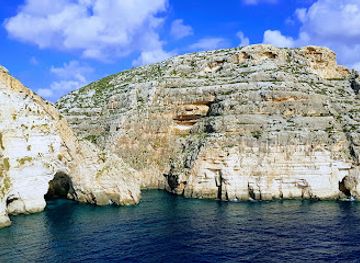
Blue Grotto
Discover the magical Blue Grotto in Malta: Explore stunning sea caves, crystal-clear waters, and breathtaking coastal views on a boat tour.
-
Basilica
Bażilika Tal-Madonna Ta' Pinu Mill Gharb
A breathtaking Gozitan pilgrimage site, the Basilica of Ta' Pinu is known for miracles, stunning architecture, and panoramic views.

Explore Għarb on the map
Plan your trip on one map. See where the top cities, national parks and sights are, and book hotels and experiences in a few clicks.
Best hotels in Għarb
Best restaurants in Għarb
Dining in Għarb reflects Gozo’s rural food culture more than a specialised restaurant district. Look for traditional Maltese and Gozitan cooking built around seasonal vegetables, potatoes, tomatoes, rabbit, fish, olive oil and locally made ġbejniet, the small cheeselets traditionally associated with the islands. Ftira, pastizzi and other savoury pastries suit a light meal or picnic between visits, while honey, carob products and sun-ripened produce make practical regional purchases. Village restaurants, cafés and rural eateries tend to offer familiar island dishes alongside Mediterranean cooking, with menus varying according to season and supply. Ta’ Dbieġi and the surrounding western localities are useful places to browse crafts and food products together, while Victoria offers a broader choice of dining if a particular style or late meal is needed. In summer, reserve ahead for popular tables, especially when local festas and holiday periods increase demand, and remember that Gozitan dining often rewards an unhurried meal rather than a quick stop.
-
Restaurant
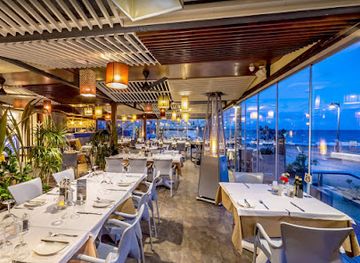
Qbajjar Restaurant Gozo
Experience authentic Maltese cuisine with stunning sea views at Qbajjar Restaurant in Gozo.
-
Maltese
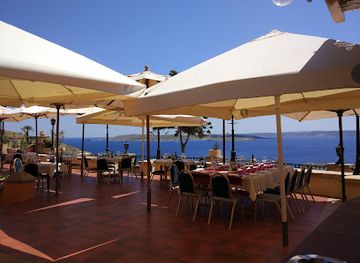
Country Terrace Mgarr Gozo Malta
Experience the flavors of Malta at Country Terrace in Gozo - where authentic cuisine meets stunning views.
-
Restaurant
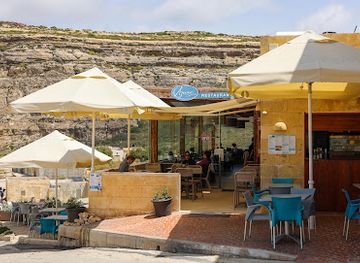
Azure Window
Discover Azure Window: A picturesque restaurant in St. Lawrence offering delectable Maltese cuisine with stunning coastal views.
-
Maltese
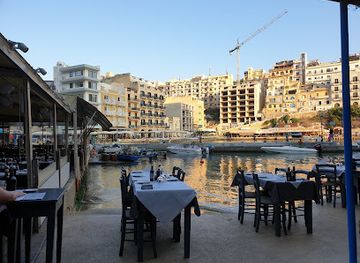
Ta' Karolina Restaurant
Savor authentic Maltese flavors at Ta' Karolina Restaurant in Munxar, where every dish tells a story.
Best bars in Għarb
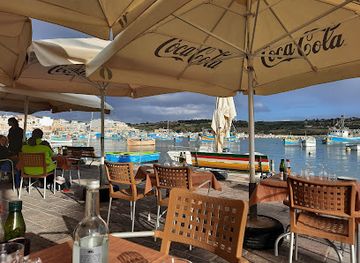
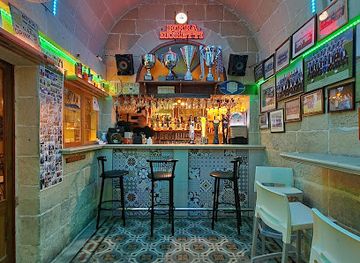
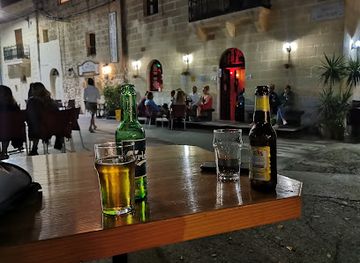
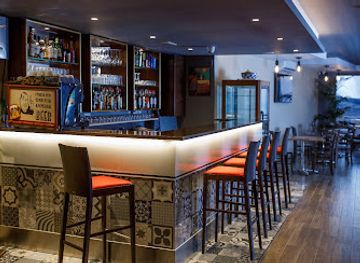
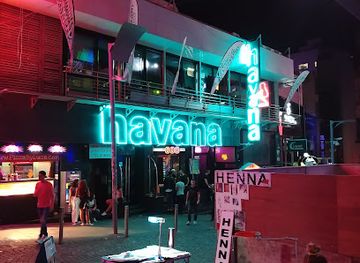
Għarb does not have a concentrated nightclub scene; its evenings are generally quieter and centre on village cafés, restaurants, wine, conversation and the atmosphere of local streets after the heat of the day. Visitors seeking a late night will find a wider range of bars and entertainment in Victoria, while the coastal resort areas elsewhere on Gozo offer more seasonal activity. In Għarb, the appeal is an early evening drink, a meal featuring Gozitan produce or a walk near the illuminated parish church rather than a large club circuit. Religious festas and community events can bring temporary activity to village squares, but dates and arrangements vary from year to year. The local pace also makes it important to respect residential streets, keep noise down when leaving restaurants and avoid assuming that every establishment stays open late outside the main summer period.
-
Restaurant
Azure Window
Experience the breathtaking beauty of Azure Window while indulging in exquisite Maltese cuisine and fresh seafood.
-
Restaurant
Gharb Rangers Bar & Restaurant
Experience the rich flavors of Malta at Gharb Rangers Bar & Restaurant, a cozy spot perfect for enjoying local cuisine in a charming setting.
-
Pub
Zeppi's Pub
Discover Zeppi's Pub in Qala for a unique Maltese experience with local brews, hearty fare, and a warm atmosphere.
-
Bar
The View Bar & Kitchen
Experience the perfect blend of local flavors and stunning views at The View Bar & Kitchen in Żebbuġ, Malta.
Best nightclubs in Għarb
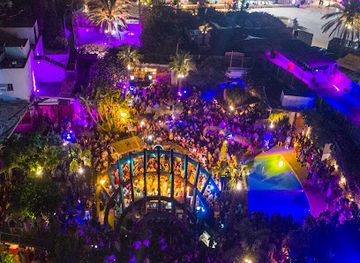
Għarb does not have a concentrated nightclub scene; its evenings are generally quieter and centre on village cafés, restaurants, wine, conversation and the atmosphere of local streets after the heat of the day. Visitors seeking a late night will find a wider range of bars and entertainment in Victoria, while the coastal resort areas elsewhere on Gozo offer more seasonal activity. In Għarb, the appeal is an early evening drink, a meal featuring Gozitan produce or a walk near the illuminated parish church rather than a large club circuit. Religious festas and community events can bring temporary activity to village squares, but dates and arrangements vary from year to year. The local pace also makes it important to respect residential streets, keep noise down when leaving restaurants and avoid assuming that every establishment stays open late outside the main summer period.
-
Night club
Havana Club Malta
Dive into the electrifying nightlife of Havana Club Malta, where unforgettable parties, energetic music, and vibrant crowds await you.
-
Night club
Gianpula Main Room
Discover the exhilarating nightlife at Gianpula Main Room, Malta's premier club for dance, music, and unforgettable memories.
-
Bar
Gleneagles Bar
Discover Gleneagles Bar, where great drinks, lively karaoke, and a friendly atmosphere converge in the heart of Gozo.
-
Disco club
La Grotta
Discover the electrifying nightlife at La Grotta in Munxar, Malta - where music, dancing, and unforgettable memories come together.


Best shops in Għarb
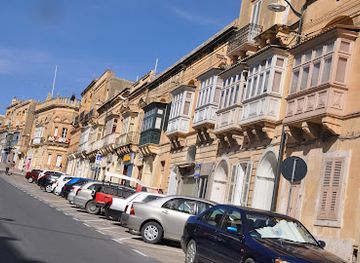
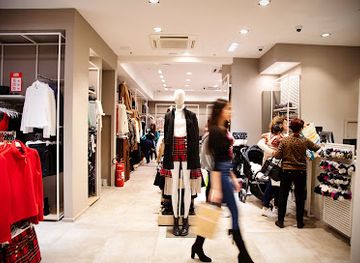
Shopping in Għarb is small-scale and locally focused rather than centred on a major high street. Ta’ Dbieġi Crafts Village is the principal place to look for Maltese and Gozitan handicrafts, including pottery, glass, filigree, lace and decorative limestone work, although the range and availability of individual workshops can change. Village food shops and nearby producers offer useful gifts such as ġbejniet, Gozitan honey, olive oil, preserves, wine and carob-based items. The Għarb Folklore Museum and religious sites may also have locally themed items, while larger general shopping and a broader selection of independent stores are found in Victoria. When buying lace, jewellery or craftwork, compare materials and ask about how an item was made rather than assuming every product is locally produced. Fresh produce and seasonal specialities are best purchased with the understanding that small island supply varies throughout the year.
-
Shopping mall
The Duke Shopping Mall
Explore The Duke Shopping Mall in Victoria, Gozo: A vibrant shopping and dining experience awaits you with a mix of local and international brands.
-
Shopping mall
Arkadia Commercial Centre
Explore the vibrant Arkadia Commercial Centre in Victoria, Malta's shopping hub offering diverse shops, dining, and a lively atmosphere.
-
 Jewelry store
Ta' Dbiegi Crafts Village
Explore the artisanal charm of Ta' Dbiegi Crafts Village in Gharb, Malta, where local craftsmanship meets stunning natural beauty.
-
Grocery store
Lighthouse supermarket
Explore local flavors and essentials at Lighthouse Supermarket in Għasri – your one-stop shop for all things Maltese.
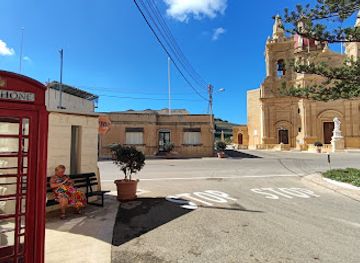
Get your free copy of our complete guide to Għarb, delivered straight to you.
Everything on this page, from attractions and restaurants to essentials and local phrases, in one PDF you can read offline, print or share.
Already have an account? Sign in
Your Għarb guide is ready.
We'll send it to · Not you? Sign out

Getting your guide ready…
We are putting together a fresh copy of the Għarb guide. This can take up to a minute.
This can take a few moments. If your browser asks, choose Allow so the download can start. You'll find the guide in your Downloads folder.
Nothing happened? Download it again
Sorry, the guide is taking longer than usual. Please try again in a minute, or get it by email instead.
Għarb essentials
Currency and Payment
Safety
Emergency Situations
Do's and Don'ts
Local Tips
From Eve
Local phrases worth knowing
You don't need to get them perfect. A few words go a long way, and locals appreciate the effort.
Basics
| English | Local | Say it |
|---|---|---|
| Hello | Merħba | [Mehr-ba] |
| Goodbye | Addio | [Ah-dee-oh] |
| Yes | Iva | [Ee-va] |
| No | Le | [Leh] |
| Please/You're welcome | Jekk jogħġbok | [Yek-yog-bok] |
| Thank you | Grazzi | [Grat-zee] |
| Excuse me/Sorry | Skużi | [Skoo-zee] |
| How are you? | Kif inti? | [Keef in-tee] |
| Fine. And you? | Tajjeb. U int? | [Tie-yeb. Oo int] |
| Do you speak English? | Titkellem bl-Ingliż? | [Tit-kell-em bl-In-gli-zh] |
| I don't understand | Ma nifhimx | [Ma neef-imx] |
Eating & Drinking
| English | Local | Say it |
|---|---|---|
| I'd like to see the menu, please | Nixtieq narah il-menu, jekk jogħġbok | [Nees-tee-ehk nah-rah il-meh-noo, yek-yog-bok] |
| I don't eat meat | Ma niekolx laħam | [Ma nee-kolx lah-am] |
| Cheers! | Salute! | [Sah-loo-teh] |
| I would like to pay, please | Nixtieq inħallas, jekk jogħġbok | [Nees-tee-ehk in-hal-las, yek-yog-bok] |
Emergencies
| English | Local | Say it |
|---|---|---|
| Help! | Għajnuna! | [Ayn-noo-nah] |
| Go away! | Mur 'il bogħod! | [Moore eel bo-ghod] |
| Call the Police! | Iċċempel lill-Pulizija! | [Eech-empel leel Poo-lee-zee-ah] |
| Call a doctor! | Iċċempel doktor! | [Eech-empel dock-tor] |
| I'm lost | Jien mitluf | [Yeen meet-loof] |
| I'm ill | Jien morda | [Yeen mor-dah] |
Shopping
| English | Local | Say it |
|---|---|---|
| I'd like to buy... | Nixtieq nixtri... | [Nees-tee-ehk nish-tree] |
| I'm just looking | Biss qed narah | [Biss ked nah-rah] |
| How much is it? | Kemm hu? | [Kemm hoo] |
| That's too expensive | Dak huwa wisq għali | [Dak hoo-wah wisq ah-lee] |
| Can you lower the price? | Tista' tnaqqas il-prezz? | [Tees-tah tna-kas il-prez] |
Time & Numbers
| English | Local | Say it |
|---|---|---|
| What time is it? | Kemm hu l-ħin? | [Kemm hoo l-heen] |
| It's one o'clock | Hija l-ewwel siegħa | [Hee-ya l-ew-wel see-ah] |
| Half past (10) | Nofs wara (10) | [Nofs wah-ra (10)] |
| Morning | Filgħodu | [Feel-oo-doo] |
| Afternoon | Wara nofsinhar | [Wah-ra nof-seen-har] |
| Evening | Filgħaxija | [Feel-ah-khee-yah] |
| Yesterday | Ilbieraħ | [Il-bee-rah] |
| Today | Illum | [Il-loom] |
| Tomorrow | Il-ġej | [Il-jay] |
| 1 | Wieħed | [Weh-hed] |
| 2 | Tnejn | [Tneyn] |
| 3 | Tlieta | [Tleet-ah] |
| 4 | Erbgħa | [Airb-ghah] |
| 5 | Ħamsa | [Hahm-sah] |
| 6 | Sitt | [Sitt] |
| 7 | Sebgħa | [Seb-ghah] |
| 8 | Tmienja | [Tmee-nyah] |
| 9 | Disgħa | [Dees-ghah] |
| 10 | Għaxar | [Akh-char] |
Transport & Directions
| English | Local | Say it |
|---|---|---|
| Where's a/the...? | Fejn hemm ...? | [Fayn hem ...?] |
| What's the address? | X'inhu l-indirizz? | [Kseen-hoo l-in-deer-itz] |
| Can you show me (on the map)? | Tista' turi lili (fuq il-map)? | [Tees-tah too-ree lee-lee (fooq il-map)] |
| When's the next (bus)? | Meta jkun il-(bus) li jmiss? | [Meh-tah kewn il-(bus) lee im-miss] |
| A ticket (to ....) | Biljetta (għal ...) | [Beel-yetta (ahl ...)] |
History of Għarb
Prehistoric Gozo and the Agricultural Landscape
Għarb forms part of Gozo’s long-inhabited western landscape, shaped by farming, water management and the use of local limestone. Although the most famous prehistoric monuments on Gozo lie elsewhere, the wider island preserves evidence of settlement and cultivation extending back thousands of years. The fields, rubble walls and terraced ground around Għarb are not simply scenic features: they reflect generations of adaptation to a dry Mediterranean climate, limited soil and intermittent rainfall. This agricultural framework continued to influence the village’s economy and appearance long after later civilisations established their own settlements.
Phoenician, Roman and Medieval Influences
Gozo was connected to the wider Mediterranean through successive periods of Phoenician, Carthaginian and Roman influence, followed by centuries of Byzantine and Arab rule. The present village cannot be understood through one surviving monument from each period, but its place names, farming patterns and building traditions belong to this layered history. Arab rule in Malta and Gozo from the ninth century helped shape the linguistic landscape, and Għarb’s name is commonly linked to an Arabic term associated with the west. Later medieval rule brought the islands into the orbit of Sicilian and European powers.
The Medieval Village and the Knights of St John
During the medieval period and the rule of the Order of St John, Gozo’s rural communities developed around agriculture, parish life and the need for protection from raids. Għarb’s western position made the surrounding countryside important for farming while also leaving it exposed to the vulnerabilities of an island frontier. The settlement grew through small agricultural holdings, chapels and dwellings built in the locally available honey-coloured limestone. The dispersed rural character that visitors see today is a later expression of this long relationship between village, field and parish.
The Formation of Għarb Parish
Għarb became a parish in 1679, marking an important step in the consolidation of its religious and civic identity. Parish churches in Malta and Gozo were much more than places of worship: they organised festivals, charitable activity, communal life and the rhythms of the agricultural year. Għarb’s church, dedicated to the Visitation of Our Lady, was subsequently enlarged and embellished in the Baroque tradition. Its dome, façade and interior furnishings reflect the prosperity and devotional energy that shaped many Gozitan villages during the early modern period.
Ta’ Pinu and a Modern Pilgrimage Tradition
The sanctuary of Ta’ Pinu developed from an older rural chapel and became one of Gozo’s most important pilgrimage sites. Its modern story is particularly associated with reported visions and calls to prayer in the nineteenth century, after which the present basilica was built in the early twentieth century. The church’s tall form, carved limestone decoration and votive offerings express both island religious practice and the importance of pilgrimage in Maltese culture. Ta’ Pinu’s location outside Għarb, surrounded by fields, has also helped preserve its powerful relationship with the western Gozitan landscape.
British Rule, Independence and Rural Continuity
Under British rule, Gozo remained primarily agricultural, with village life shaped by farming, fishing, quarrying, religious observance and movement between settlements. Modern roads, schools and communications gradually connected communities more closely, while the island’s distinctive language and traditions continued within the British colonial framework. Malta became independent in 1964 and a republic in 1974. In the decades since, tourism and overseas migration have altered Gozo’s economy, yet Għarb has retained a strong rural identity, visible in its fields, limestone architecture, parish festa and craft traditions.
Għarb in Photos
Browse through our photo collection highlighting the charm and character of the destination.
Neighbouring regions of Għarb
The closest regions to Għarb, if you have time for more than one.
-

-

-

-

-


Swipe for more regions
Explore more
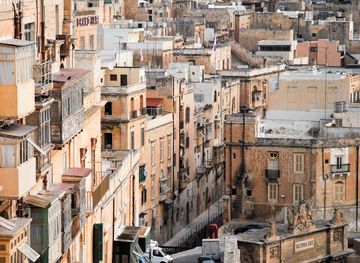
Explore more of Malta
Discover Malta's crystal-clear waters, rich history, and vibrant culture. From ancient temples to modern nightlife, this Mediterranean gem offers something for everyone.
Explore Malta