

Gozo and Comino, Malta Travel Guide
Discover the serene beauty and historical charm of Gozo and Comino, Malta's hidden gems offering lush landscapes, ancient temples, and crystal-clear waters.
Gozo and Comino, two of Malta's sister islands, offer a unique and serene escape for travelers seeking natural beauty and historical charm. Gozo, the larger of the two, is known for its lush landscapes, rolling hills, and picturesque villages. It is a haven for history enthusiasts, with ancient temples, medieval fortresses, and baroque churches dotting the island. The Azure Window, though collapsed, still draws visitors to its breathtaking coastal views and nearby diving spots. Comino, on the other hand, is a tiny island that promises tranquility and crystal-clear waters. The Blue Lagoon is its crown jewel, attracting snorkelers and swimmers with its turquoise waters and vibrant marine life. With only a handful of permanent residents, Comino offers an unspoiled retreat where you can truly disconnect from the hustle and bustle. Both islands are easily accessible from the main island of Malta, making them perfect for day trips or longer stays. Whether you are exploring Gozo's quaint villages or lounging on Comino's pristine beaches, these islands offer a perfect blend of adventure and relaxation.

Know before you go
Hi, I'm Eve. Here are a few practical things to know before exploring Gozo and Comino.
- Plan your visit to Gozo around the local festas, which are vibrant village celebrations with fireworks and traditional food.
- Rent a bike or a scooter to explore Gozo's scenic countryside and hidden gems at your own pace.
- Visit the Blue Lagoon on Comino early in the morning or late in the afternoon to avoid the crowds and enjoy a more peaceful experience.
- Try the local Gozitan cheese, Ġbejna, which is a delicious treat made from sheep or goat milk.
- Take a boat tour around Comino to explore its sea caves and lesser-known swimming spots.
Top City Travel Guides in Gozo and Comino
The cities of Gozo and Comino, and the easiest places to base yourself.


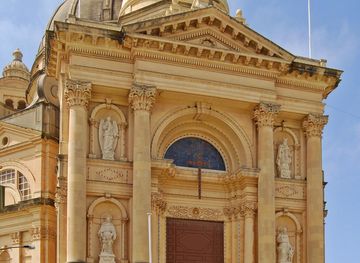


Destinations in Gozo and Comino
Resorts, valleys and scenic spots worth a trip of their own.

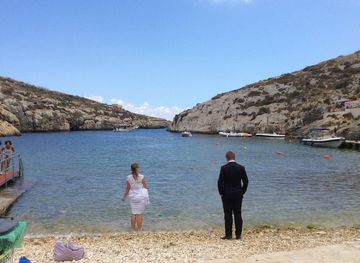


Explore Gozo and Comino: Things to Do, Places to Eat, Hotels & More
Handpicked recommendations for top attractions, local dining, accommodations, and more

Top Attractions & Sightseeing in Gozo and Comino
Top-rated picks
Best Attractions

It-Tempji tal-Ġgantija
Discover the ancient wonders of the Ġgantija Temples in Xagħra, Malta – a UNESCO World Heritage Site and a testament to prehistoric architecture.

Ramla Beach
Discover the enchanting beauty of Ramla Beach, Malta's stunning coastal gem with red sands and crystal-clear waters, perfect for relaxation and exploration.

Ramla Bay Resort
Experience unparalleled relaxation and adventure at Ramla Bay Resort, a stunning seaside destination in Mellieħa, Malta.

The Red Tower
Explore the Red Tower in Mellieha, Malta - a historical landmark offering stunning views and a glimpse into the island's rich heritage.

Best landmarks in Gozo and Comino
Top-rated picks
Best Landmarks

Visit Blue Lagoon Malta
Discover the breathtaking beauty of Malta's Blue Lagoon: crystal-clear waters, stunning scenery, and unforgettable Mediterranean charm.

Blue Grotto
Discover the magical Blue Grotto in Malta: Explore stunning sea caves, crystal-clear azure waters, and breathtaking coastal views on an unforgettable boat tour.

It-Tempji tal-Ġgantija
Discover the ancient Ġgantija Temples in Gozo, Malta – a UNESCO World Heritage site and one of the oldest free-standing structures in the world.

Xlendi Beach
Discover Xlendi Beach: Gozo's charming bay with dramatic cliffs, clear waters, and a rich history, perfect for swimming, diving, and coastal walks.

Best restaurants in Gozo and Comino
Top-rated picks
Best Restaurants

Qbajjar Restaurant Gozo
Experience exquisite Mediterranean cuisine with breathtaking views at Qbajjar Restaurant in Gozo.
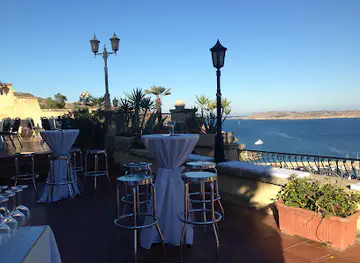
Country Terrace Mgarr Gozo Malta
Discover authentic Maltese cuisine at Country Terrace in Gozo with stunning views over Mgarr Harbour and Comino.

Azure Window
Discover Azure Window: Enjoy exquisite Maltese cuisine with breathtaking views in St. Lawrence.

Giuseppe - Cafe & Bistro
Experience authentic Maltese flavors at Giuseppe - Cafe & Bistro in Ghajnsielem, where tradition meets comfort food.

Best bars in Gozo and Comino
Top-rated picks
Best Bars

Country Terrace Mgarr Gozo Malta
Discover the flavors of Malta at Country Terrace, where authentic Maltese cuisine meets breathtaking views in Mgarr, Gozo.

one80 Kitchen at Mgarr Yacht Marina
Discover one80 Kitchen at Mgarr Yacht Marina: a culinary haven offering exquisite Mediterranean flavors with breathtaking views.

Zeppi's Pub
Experience the vibrant nightlife of Gozo at Zeppi's Pub, where good drinks and great music create unforgettable memories.

The View Bar & Kitchen
Discover the delectable delights of The View Bar & Kitchen in Żebbuġ, where local flavors meet stunning views and a vibrant atmosphere.

Best nightclubs in Gozo and Comino
Top-rated picks
Best Nightclubs

Zura Malta Party
Explore Malta and Gozo with Zura Malta Party, your premier travel agency for tailored tours and unforgettable experiences in the Mediterranean.

Havana Club Malta
Discover the electrifying nightlife of Havana Club Malta, a vibrant night club in St. Julian's known for its lively atmosphere and fantastic music!

Zeppi's Pub
Discover Zeppi's Pub in Qala for delicious food, refreshing drinks, and vibrant live entertainment in a welcoming atmosphere.

Gleneagles Bar
Discover the lively Gleneagles Bar in Ghajnsielem, Malta, for unforgettable nights filled with drinks, karaoke, and great company.

Best shops in Gozo and Comino
Top-rated picks
Best Shops

Greens Supermarket Gozo
Discover a delightful shopping experience at Greens Supermarket Gozo, where local and international flavors come together in the heart of Victoria.

The Duke Shopping Mall
Explore The Duke Shopping Mall in Gozo: a vibrant shopping hub offering diverse retail, delightful dining, and engaging entertainment experiences.

Arkadia Commercial Centre
Discover a shopping paradise at Arkadia Commercial Centre in Gozo, where local charm meets modern retail experiences.

Xerri's Grotto
Explore the breathtaking beauty and geological wonders of Xerri's Grotto in Xaghra, Gozo - a must-visit historical landmark for every traveler.

Explore Gozo and Comino on the Map
A handpicked selection of must-see spots in Gozo and Comino, mapped for you.
Gozo and Comino Essentials
-
To reach Gozo and Comino, you will first need to travel to Malta’s main island. Malta International Airport (MLA) in Luqa is the primary gateway. From the airport, you can take a taxi or ride-sharing service to Cirkewwa Ferry Terminal, which is approximately a 45-minute drive. From Cirkewwa, regular ferries operate to Mgarr Harbour in Gozo, with a crossing time of about 25 minutes. For Comino, smaller ferries and private boats operate from both Cirkewwa and Mgarr.
-
Once on Gozo, you can use public buses, taxis, or rental cars to get around. The bus network is extensive and connects major towns and attractions. Taxis are readily available but may be more expensive. For more flexibility, consider renting a car or a scooter. On Comino, transportation is limited to walking and cycling due to its small size and lack of road infrastructure. Boats and water taxis are available for island hopping and exploring the coastline.
-
The official currency in Malta is the Euro (EUR). Credit and debit cards are widely accepted in hotels, restaurants, and shops on both Gozo and Comino. However, smaller establishments and some local markets may only accept cash, so it is advisable to carry some euros. ATMs are available in major towns and tourist areas.
-
Gozo and Comino are generally safe for tourists. Crime rates are low, but it's always wise to take standard precautions. Avoid isolated areas at night and keep an eye on your belongings, especially in crowded places. There are no specific high-crime areas targeting tourists, but being vigilant is always recommended.
-
In case of an emergency, dial 112 for immediate assistance. This number connects you to police, fire, and medical services. Gozo General Hospital in Victoria offers medical care for emergencies. Pharmacies are available in most towns for minor health issues. For Comino, medical facilities are limited, so it's advisable to have travel insurance that covers emergencies.
-
Fashion: Do dress comfortably and modestly, especially when visiting religious sites. Avoid overly revealing clothing. Religion: Do respect local customs and traditions. Churches and chapels are numerous; cover your shoulders and knees when entering. Public Transport: Do be respectful and give up your seat to elderly passengers if needed. Don’t eat or drink on public transport. Greetings: Do greet people with a friendly 'hello' or 'bonġu' (Good morning in Maltese). A handshake is also common. Eating & Drinking: Do try local delicacies and accept food and drink offerings graciously. Don’t refuse hospitality, as it is considered impolite.
-
To experience Gozo and Comino like a local, visit the traditional markets and try local produce such as gbejna (cheese) and local wines. Engage with locals who are often friendly and willing to share stories about their culture and history. In Gozo, don't miss the Citadel in Victoria and the Azure Window site. For a unique experience, take a boat trip around Comino to explore its stunning caves and the famous Blue Lagoon.
When is the best time to visit Gozo and Comino?
Useful Local Phrases for Gozo and Comino
You don't need to speak the language perfectly. Even learning a few simple words can make conversations warmer—and locals usually appreciate the effort.
— Eve

Here are the phrases I use most often in Gozo and Comino. Try a few—you'll be surprised how far they go! 😊
❤️
-
- HelloBongu
[bʊŋɡu] - GoodbyeSaħħa
[sæħːa] - YesIva
[ivɑ] - NoLe
[le] - Please/You're welcomeJekk jogħġbok
[jɛk jɔdʒbɔk] - Thank youGrazzi
[ɡrɑʦɪ] - Excuse me/SorrySkużani
[skuˈzɑnɪ] - How are you?Kif inti?
[kɪf ˈɪnti] - Fine. And you?Tajjeb. U int?
[ˈtɑjːɛb. u ɪnt] - Do you speak English?Titkellem bl-Ingliż?
[tɪtˈkɛlɛm bl̪ˈɪŋɡlɪz] - I don't understandMa nifhux
[mɑ nɪfˈhʊʃ]
- HelloBongu
-
- I'd like to see the menu, pleaseNixtieq narah il-menu, jekk jogħġbok
[niʃˈtiːk nɑˈrɑ ħɪlˈmɛnʊ, jɛk jɔdʒˈbɔk] - I don't eat meatMa niekolx laħam
[mɑ ˈniɛkɔlʃ ˈlɑħɑm] - Cheers!Salute!
[sɑˈluːtɛ] - I would like to pay, pleaseNixtieq inħallas, jekk jogħġbok
[niʃˈtiːk ɪnˈħɑlɑs, jɛk jɔdʒˈbɔk]
- I'd like to see the menu, pleaseNixtieq narah il-menu, jekk jogħġbok
-
- Help!Għin!
[ɡɪn] - Go away!Mur 'il bogħod!
[mur ɪl ˈbɔɡɔd] - Call the Police!Iċċempel il-Pulizija!
[ɪt͡ʃˈɛmːpɛl ħɪl pʊlɪˈzɪjɑ] - Call a doctor!Iċċempel dottur!
[ɪt͡ʃˈɛmːpɛl dɔtˈtʊr] - I'm lostQed ninsab mitluf
[kɛd nɪnˈsɑb mɪtˈlʊf] - I'm illQed morda
[kɛd ˈmɔrdɑ]
- Help!Għin!
-
- I'd like to buy...Nixtieq nixtri...
[niʃˈtiːk nɪʃˈtri] - I'm just lookingQed inħares
[kɛd ɪnˈhɑrɛs] - How much is it?Kemm hu?
[kɛm hʊ] - That's too expensiveDak hu wisq għali
[dɑk hʊ ˈwiːsɪq ˈɡɑli] - Can you lower the price?Tista' tnaqqas il-prezz?
[ˈtɪstɑ tˈnɑkːɑs ħɪlˈprɛts]
- I'd like to buy...Nixtieq nixtri...
-
- What time is it?Kemm hi s-siegħa?
[kɛm hɪ sˈsiːɡɑ] - It's one o'clockHija l-ewwel sigħa
[ˈhiːjɑ lˈɛwɛl sɪˈɡɑ] - Half past (10)Nofs wara (10)
[nɔfs ˈwɑːrɑ ˈdʒɛt] - MorningFilgħodu
[fɪlˈɡɔːdu] - AfternoonWara nofsinhar
[ˈwɑːrɑ nɔfsˈɪnħɑr] - EveningFilgħaxija
[fɪlˈɡaʃɪjɑ] - YesterdayIlbieraħ
[ɪlˈbɪrɛħ] - TodayIllum
[ɪlˈlʊm] - TomorrowBħal-lum
[bħɑlˈlʊm] - 11
[1] - 22
[2] - 33
[3] - 44
[4] - 55
[5] - 66
[6] - 77
[7] - 88
[8] - 99
[9] - 1010
[10]
- What time is it?Kemm hi s-siegħa?
-
- Where's a/the...?Fejn hemm ...?
[feɪn hɛm ...] - What's the address?X'inhuma l-indirizz?
[ʃ'ɪnʊmə l̪ɪnˈdɪrɪt͡s] - Can you show me (on the map)?Tista' turili (fuq il-mappa)?
[ˈtɪstɑ tuˈrɪlɪ (fuq ħɪlˈmɑppa)] - When's the next (bus)?Meta għandha tkun il-(bus) li jmiss?
[ˈmɛtɑ ˈɡɑndʌ hɪkʊn ħɪl ˈbʊs li ˈjɪmɪs] - A ticket (to ....)Biljett (għal ...)
[bɪlˈjɛt (ɡʌl ...)]
- Where's a/the...?Fejn hemm ...?
History of Gozo and Comino
-
The Ġgantija Temples, a UNESCO World Heritage Site, are among the oldest free-standing structures in the world, dating back to between 3600 and 3200 BC. These megalithic temples predate Stonehenge and the Great Pyramids of Egypt. The temples are believed to have been a place of worship and are notable for their massive stone blocks, some weighing over 50 tons.
-
During the Bronze Age (around 1500 BC), Gozo saw the arrival of the Phoenicians, seafaring traders from the Eastern Mediterranean. They established trade routes and settlements on the island, influencing local culture and economy. The Phoenicians are credited with introducing advanced maritime technologies and the spread of the alphabet.
-
Gozo, known as Gaulos during the Roman period, became part of the Roman Empire in 218 BC following the Second Punic War. The island flourished under Roman rule, with the construction of villas, baths, and the development of agriculture. Remnants of Roman mosaics and pottery can still be found on the island, indicating the presence of a vibrant Roman community.
-
In 1530, the Knights of St. John took control of Malta, including Gozo and Comino. The Knights fortified the islands to protect against Ottoman and pirate raids. Notable fortifications include the Cittadella in Gozo, a fortified city that provided refuge for the island's inhabitants. The Knights' influence is still evident in the architecture and cultural practices of the islands.
-
In 1798, Napoleon's forces occupied Malta, including Gozo and Comino, during the French Revolutionary Wars. However, the French rule was short-lived, as the British took control of the islands in 1800 following a local uprising supported by the British Navy. Gozo and Comino remained under British rule until Malta gained independence in 1964. British influence can be seen in the islands' administrative systems and infrastructure.
-
During World War II, Malta, including Gozo and Comino, played a strategic role in the Mediterranean theater. The islands were heavily bombarded by Axis forces due to their strategic location. Gozo served as a refuge for people escaping the more intense bombings on the main island of Malta. The resilience of the Maltese people during this period is commemorated in various monuments and historical sites across the islands.
-
Today, Gozo and Comino are celebrated for their rich history, stunning landscapes, and vibrant culture. Gozo is known for its rural charm, traditional crafts, and the Azure Window, a natural limestone arch that unfortunately collapsed in 2017. Comino is famous for the Blue Lagoon, a popular spot for visitors. Both islands attract tourists from around the world, eager to explore their unique heritage and natural beauty.
Neighbouring Regions of Gozo and Comino
The closest regions to Gozo and Comino, if you have time for more than one.
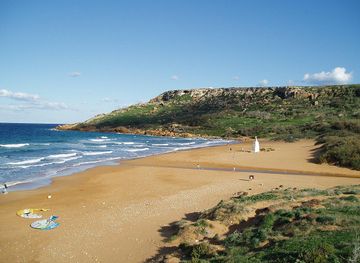



Your all‑in‑one travel companion app
Explore expert travel guides, compare and book tours, experiences, hotels, and more—all from the palm of your hand. Download now for seamless trip planning wherever your wanderlust takes you.


Explore More of Malta
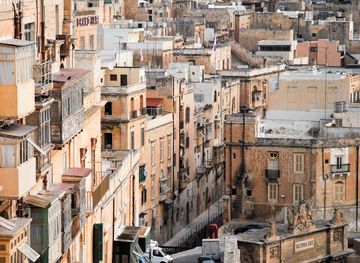
Looking beyond Gozo and Comino? Discover Malta for broader travel guides, local hot-spots, and regional highlights.
Explore MaltaGozo and Comino in Photos
Browse through our photo collection highlighting the charm and character of the destination.

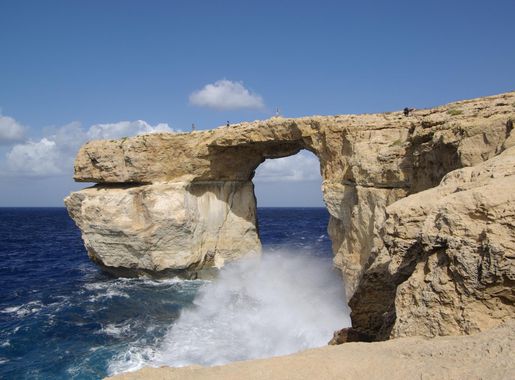


The Enchanting Islands of Gozo and Comino
Gozo and Comino, two of Malta's sister islands, offer a unique and serene escape for travelers seeking natural beauty and historical charm. Gozo, the larger of the two, is known for its lush landscapes, rolling hills, and picturesque villages. It is a haven for history enthusiasts, with ancient temples, medieval fortresses, and baroque churches dotting the island. The Azure Window, though collapsed, still draws visitors to its breathtaking coastal views and nearby diving spots. Comino, on the other hand, is a tiny island that promises tranquility and crystal-clear waters. The Blue Lagoon is its crown jewel, attracting snorkelers and swimmers with its turquoise waters and vibrant marine life. With only a handful of permanent residents, Comino offers an unspoiled retreat where you can truly disconnect from the hustle and bustle. Both islands are easily accessible from the main island of Malta, making them perfect for day trips or longer stays. Whether you are exploring Gozo's quaint villages or lounging on Comino's pristine beaches, these islands offer a perfect blend of adventure and relaxation.