

Free Dwejra Area Travel Guide & Mobile App
Explore Dwejra Area with free travel guides. Discover regional history, expert tips, proposed trips, and audio guides on web or mobile app.


Explore Malta’s Dwejra Area on Gozo for limestone cliffs, the Inland Sea, diving, coastal history and the changing drama of the western shore.
Read more about Dwejra Area
When is the best time to visit Dwejra Area?
Best: May–June, October · 24–28°C| Month | High (°C) | Rainfall (mm) |
|---|---|---|
| January | 16 | 80 |
| February | 16 | 70 |
| March | 17 | 60 |
| April | 20 | 40 |
| May (best) | 24 | 20 |
| June (best) | 28 | 10 |
| July | 31 | 5 |
| August | 31 | 10 |
| September | 29 | 30 |
| October (best) | 25 | 50 |
| November | 21 | 60 |
| December | 17 | 70 |
Getting to and around Dwejra Area
How to get there
Transportation
Best attractions in Dwejra Area
The Dwejra Area concentrates several of Gozo’s most distinctive natural and outdoor attractions within a relatively small coastal setting. The Inland Sea is the focal point: a sheltered lagoon reached through a narrow rock tunnel, with boat excursions operating when sea conditions and local arrangements permit. Nearby, the Blue Hole is primarily a diving site, valued for its underwater rock formations and connection with the open sea; it is better suited to experienced participants and guided exploration than casual bathing. Walkers and photographers can follow the coastal terrain around Dwejra Bay, viewing Fungus Rock, the open Mediterranean and the remains of the Azure Window, which collapsed in 2017. Dwejra Tower adds a layer of military history to the natural landscape, while the surrounding limestone supports close observation of erosion, shore platforms and marine habitats. The area is also useful for visitors exploring western Gozo by car, taxi or organised excursion, with San Lawrenz, Gharb and other rural sites nearby but outside the immediate Dwejra setting. Facilities are limited, and the principal attraction is the interaction of geology, sea, weather and historic defence rather than a large collection of managed visitor venues.
-
Scenic spot
Inland Sea Dive Site
Explore the breathtaking Inland Sea Dive Site in Gozo, a stunning destination for divers and nature lovers alike, rich in marine life and natural beauty.
-
Tourist attraction
Wied il-Mielaħ Window
Discover the breathtaking Wied il-Mielaħ Window, a stunning natural rock formation in Gharb, Malta, perfect for nature lovers and adventure seekers.
-
Scenic spot
Blue Hole Viewpoint
Experience the breathtaking beauty of the Blue Hole Viewpoint in San Lawarenz, Malta, an unforgettable scenic spot for every traveler.
-
Catholic church
St George's Basilica
Discover the breathtaking St George's Basilica in Victoria, a masterpiece of Baroque architecture and a hub of local culture and spirituality.


Best landmarks in Dwejra Area
Dwejra Tower is the area’s principal historic landmark. Built by the Order of St John in 1652, it rises above the bay as a reminder of the coastal surveillance system that once protected Gozo from maritime threats. The Inland Sea and its narrow sea tunnel form the area’s most distinctive natural landmark, linking a sheltered lagoon with the open Mediterranean through a passage cut into the limestone. Offshore, Fungus Rock, or Il-Ġebla tal-Ġeneral, is recognisable for its isolated profile and association with the Knights’ historical interest in a medicinal plant. The Blue Hole is a submerged geological formation rather than a conventional monument, but its circular opening and underwater route have made it an emblem of Gozo’s diving coast. The Azure Window should be understood as a former landmark: the celebrated limestone arch collapsed during a storm in March 2017, leaving the surrounding cliffs and seascape altered but still geologically significant. Together these places express Dwejra’s unusual combination of natural change, maritime history and visual identity.
-
Archaeological site
It-Tempji tal-Ġgantija
Uncover the mysteries of the ancient Ġgantija Temples in Malta, a UNESCO World Heritage site that showcases prehistoric architectural prowess.
-
Scenic spot
Inland Sea Dive Site
Explore Gozo's geological marvel: a stunning lagoon, a diver's paradise, and a boat tripper's dream, all in one unforgettable location.
-
Historical landmark
Foso e Interior Citadelle De Victoria
Discover Gozo's ancient Citadel: a blend of history, architecture, and panoramic views in the heart of Victoria. Explore Malta's rich heritage.
-
Historical landmark
The Red Tower
Explore the Red Tower in Mellieħa, Malta: a historic watchtower with stunning panoramic views and a glimpse into the island's rich past.


Explore Dwejra Area on the map
Plan your trip on one map. See where the top cities, national parks and sights are, and book hotels and experiences in a few clicks.
Best hotels in Dwejra Area
Best restaurants in Dwejra Area
Dining in the Dwejra Area is limited and closely tied to its role as a rural coastal excursion rather than a developed resort. Visitors will find modest refreshment options around the bay or on routes through nearby San Lawrenz and the western villages, while a broader choice of cafés, bakeries, restaurants and grocery shops is available in Victoria and other Gozo settlements. Gozo’s food traditions commonly include ftira and other Maltese breads, pastizzi, gbejna sheep’s cheese, seasonal produce, rabbit dishes and hearty rustic cooking, alongside locally produced honey and wine. Fish and seafood may appear on menus, though availability depends on the catch and the establishment. A picnic using food bought before reaching Dwejra can be practical, but visitors should take all packaging away and avoid eating on fragile rock surfaces. For a more substantial evening meal, plan to leave the bay and dine in a nearby village or larger town rather than expecting a dense waterfront restaurant scene.
-
Restaurant
Qbajjar Restaurant Gozo
Experience authentic Maltese cuisine with breathtaking sea views at Qbajjar Restaurant in Gozo.
-
Maltese
Country Terrace Mgarr Gozo Malta
Experience authentic Maltese flavors with stunning views at Country Terrace in Gozo – a culinary paradise for every traveler.
-
Maltese
Il-Barri Restaurant
Savor authentic Maltese dishes in Mġarr at Il-Barri Restaurant, where tradition meets flavor in every bite.
-
Restaurant
Azure Window
Experience exquisite dining at Azure Window, where local flavors meet stunning coastal views in Malta's enchanting landscape.


Best bars in Dwejra Area
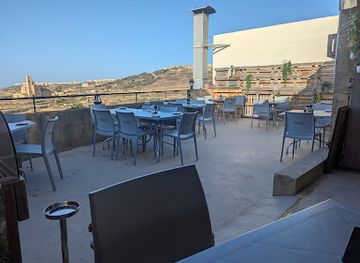
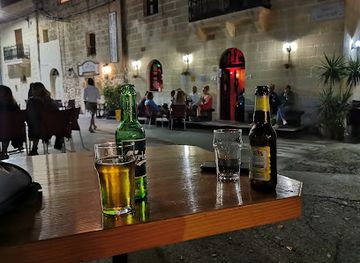
The Dwejra Area has little dedicated nightlife. After sunset, the atmosphere is generally quiet, with evening activity centred on dining, drinks in a rural restaurant or a traditional bar in nearby San Lawrenz and the western Gozo villages. The area is not a clubbing destination, and visitors should not expect a seafront strip, late-night entertainment programme or dependable transport deep into the night. Gozo’s traditional village bars provide a more typical local evening setting, while Victoria offers the island’s wider choice of pubs, wine bars and occasional live entertainment. Those staying near Dwejra should arrange a taxi or designated transport in advance if planning to drink away from their accommodation. In warm weather, the coast can be appealing for quiet stargazing and night photography, but cliff edges, uneven paths and unlit ground make careful movement essential.
-
Restaurant
Azure Window
Experience the breathtaking views and exquisite Mediterranean cuisine at Azure Window, San Lawrenz, Malta's hidden culinary gem.
-
Restaurant
Ta' Frenċ
Experience the exquisite blend of traditional Maltese cuisine and fine dining at Ta' Frenċ, Gozo's premier culinary destination.
-
Restaurant
Gharb Rangers Bar & Restaurant
Experience authentic Mediterranean cuisine at Gharb Rangers Bar & Restaurant, a culinary haven in the charming village of Gharb, Gozo.
-
Pub
Zeppi's Pub
Discover the charm of Zeppi's Pub in Qala, Malta – a cozy spot for local cuisine, refreshing drinks, and warm hospitality.


Best nightclubs in Dwejra Area
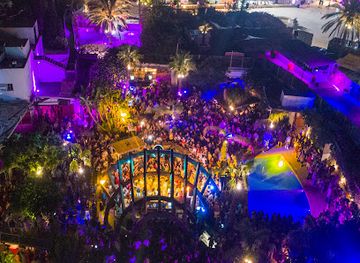
The Dwejra Area has little dedicated nightlife. After sunset, the atmosphere is generally quiet, with evening activity centred on dining, drinks in a rural restaurant or a traditional bar in nearby San Lawrenz and the western Gozo villages. The area is not a clubbing destination, and visitors should not expect a seafront strip, late-night entertainment programme or dependable transport deep into the night. Gozo’s traditional village bars provide a more typical local evening setting, while Victoria offers the island’s wider choice of pubs, wine bars and occasional live entertainment. Those staying near Dwejra should arrange a taxi or designated transport in advance if planning to drink away from their accommodation. In warm weather, the coast can be appealing for quiet stargazing and night photography, but cliff edges, uneven paths and unlit ground make careful movement essential.
-
Lounge
VELVET LOUNGE CLUB (SHISHA AND FOOD )
Indulge in a lively atmosphere with exquisite shisha and cocktails at Velvet Lounge Club in St. Paul's Bay, Malta's nightlife gem.
-
Night club
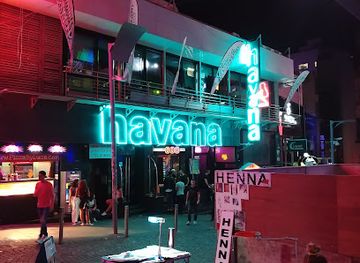
Havana Club Malta
Dive into the energetic nightlife of St Julian's at Havana Club Malta, where exciting DJ sets and a vibrant atmosphere await.
-
Night club
Gianpula Main Room
Discover the exhilarating nightlife at Gianpula Main Room, Malta's premier night club featuring top DJs, vibrant atmosphere, and unforgettable parties.
-
Disco club
La Grotta
Discover the vibrant nightlife of La Grotta, a premier disco club in Munxar, Malta, where music and excitement come alive in a stunning valley setting.


Best shops in Dwejra Area
Shopping within the Dwejra Area is minimal, so visitors should treat the visit as a landscape excursion rather than a retail stop. Small refreshment outlets may carry basic supplies, but a wider selection is found in Victoria, Gharb, San Lawrenz and other Gozo settlements. Useful regional purchases include Gozo-produced honey, wine, olive oil, preserves, traditional sweets and gbejna, subject to transport and food-safety considerations. Craft shops and galleries around Gozo may sell locally made pottery, glass, lace, jewellery, textiles and decorative limestone work, offering more meaningful souvenirs than generic coastal merchandise. Market and high-street shopping is generally more practical in the island’s larger communities, while village shops provide everyday provisions rather than extensive specialist retail. Buy water and picnic supplies before reaching Dwejra, and avoid collecting stones, shells, plants or other natural material from the coast, since the landscape and its habitats should remain undisturbed.
-
Shopping mall
The Duke Shopping Mall
Explore The Duke Shopping Mall in Gozo: A vibrant shopping haven with diverse stores and delightful dining options.
-
Shopping mall
Arkadia Commercial Centre
Experience the vibrant atmosphere of Arkadia Commercial Centre, Victoria's premier shopping destination, featuring a variety of shops and dining options.
-
Jewelry store
Ta' Dbiegi Crafts Village
Explore the enchanting Ta' Dbiegi Crafts Village for an authentic taste of Maltese craftsmanship and culture.
-
Grocery store
Lighthouse Discount Supermarket
Explore the best of local flavors at Lighthouse Discount Supermarket in Gharb, Malta—your go-to for affordable groceries and unique Maltese products.


Get your free copy of our complete guide to Dwejra Area, delivered straight to you.
Everything on this page, from attractions and restaurants to essentials and local phrases, in one PDF you can read offline, print or share.
Already have an account? Sign in
Your Dwejra Area guide is ready.
We'll send it to · Not you? Sign out

Getting your guide ready…
We are putting together a fresh copy of the Dwejra Area guide. This can take up to a minute.
This can take a few moments. If your browser asks, choose Allow so the download can start. You'll find the guide in your Downloads folder.
Nothing happened? Download it again
Sorry, the guide is taking longer than usual. Please try again in a minute, or get it by email instead.
Dwejra Area essentials
Currency and Payment
Safety
Emergency Situations
Do's and Don'ts
Local Tips
From Eve
Local phrases worth knowing
You don't need to get them perfect. A few words go a long way, and locals appreciate the effort.
Basics
| English | Local | Say it |
|---|---|---|
| Hello | Bongu | [bong-oo] |
| Goodbye | Addio | [ah-dee-oh] |
| Yes | Iva | [ee-vah] |
| No | Le | [leh] |
| Please/You're welcome | Jekk jogħġbok | [yek jog-bok] |
| Thank you | Grazzi | [grat-zee] |
| Excuse me/Sorry | Skużani | [skoo-zah-nee] |
| How are you? | Kif inti? | [kif in-tee] |
| Fine. And you? | Bħalissa. U inti? | [bhal-iss-ah. oo in-tee] |
| Do you speak English? | Titkellem bl-Ingliż? | [tit-kell-em bl-ing-liz] |
| I don't understand | Ma nifhimx | [ma nif-heem-sh] |
Eating & Drinking
| English | Local | Say it |
|---|---|---|
| I'd like to see the menu, please | Nixtieq naraw il-menu, jekk jogħġbok | [nis-tee-eh nar-ow il-men-oo, yek jog-bok] |
| I don't eat meat | Ma niekolx laħam | [ma nee-kol-sh lah-am] |
| Cheers! | Saħħa! | [sah-ha] |
| I would like to pay, please | Nixtieq inħallas, jekk jogħġbok | [nis-tee-eh in-hah-lass, yek jog-bok] |
Emergencies
| English | Local | Say it |
|---|---|---|
| Help! | Għajnuna! | [ah-yoo-na] |
| Go away! | Mur 'il bogħod! | [moor eel bohd] |
| Call the Police! | Irrispondi lill-Pulizija! | [ir-ris-pon-di lil-la pul-lee-zee-ah] |
| Call a doctor! | Irrispondi lil-tabib! | [ir-ris-pon-di lil-ta-beeb] |
| I'm lost | Jien mitluf | [yeen mit-loof] |
| I'm ill | Jien morda | [yeen mor-da] |
Shopping
| English | Local | Say it |
|---|---|---|
| I'd like to buy... | Nixtieq nixtri... | [nis-tee-eh nish-tree] |
| I'm just looking | Bħala ġej jitkellem | [bhal-ah jee it-kell-em] |
| How much is it? | Kemm hu? | [kemm hoo] |
| That's too expensive | Dak huwa wisq għali | [dak hoo-ah wisq ah-lee] |
| Can you lower the price? | Tista' tnaqqas il-prezz? | [tis-tah t-nah-qs il-prez] |
Time & Numbers
| English | Local | Say it |
|---|---|---|
| What time is it? | Kemm hu l-ħin? | [kemm hoo l-heen] |
| It's one o'clock | Hija l-ewwel siegħa | [hee-ah l-ew-wel see-ah] |
| Half past (10) | Nofs siegħa (10) | [nofs see-ah] |
| Morning | Filgħodu | [fil-oo-doo] |
| Afternoon | Wara nofsinhar | [wah-rah nof-seen-har] |
| Evening | Filgħaxija | [fil-ah-khee-ah] |
| Yesterday | Ilbieraħ | [il-bee-rah] |
| Today | Illum | [il-lum] |
| Tomorrow | Għada | [ah-dah] |
| 1 | 1 | [1] |
| 2 | 2 | [2] |
| 3 | 3 | [3] |
| 4 | 4 | [4] |
| 5 | 5 | [5] |
| 6 | 6 | [6] |
| 7 | 7 | [7] |
| 8 | 8 | [8] |
| 9 | 9 | [9] |
| 10 | 10 | [10] |
Transport & Directions
| English | Local | Say it |
|---|---|---|
| Where's a/the...? | Fejn hemm ...? | [fejn hem] |
| What's the address? | X'inhu l-indirizz? | [shin-hoo l-in-di-rizz] |
| Can you show me (on the map)? | Tista' turiuli (fuq il-map)? | [tis-tah too-ree-oo-lee] |
| When's the next (bus)? | Meta ġej il-(bus) li jmiss? | [meh-tah jay il-bus li im-miss] |
| A ticket (to ....) | Biljetta (għal ...) | [bil-jet-ta ah-l] |
History of Dwejra Area
Limestone Coast and Geological Formation
Dwejra’s identity begins with the limestone geology of western Gozo. Natural erosion has produced cliffs, shore platforms, caves, arches and isolated rock masses, including the formation once known as the Azure Window. The Inland Sea is connected to the Mediterranean by a narrow tunnel through the rock, while the Blue Hole reflects the interaction of submerged geological faults, erosion and sea action. These features are not simply scenic backdrops: they explain the area’s diving, fishing and coastal-walking traditions and continue to change under the pressure of wind, waves and weather.
The Hospitaller Coastal Watchtower, 1652
Dwejra Tower was built in 1652 during the rule of the Order of St John, under Grand Master Giovanni Paolo Lascaris. It formed part of a defensive network of towers and coastal posts around Malta and Gozo, designed to detect maritime threats and communicate warnings inland. The tower’s elevated position above Dwejra Bay gave lookouts a broad view of the western coast. Its survival helps visitors understand how isolated bays and landing places were monitored before modern roads, communications and coastal security.
Fungus Rock and the Knights’ Medicinal Belief
Fungus Rock, or Il-Ġebla tal-Ġeneral, became associated with a plant believed by the Knights of St John to possess medicinal properties. The Order treated access to the steep offshore rock as a privilege and took measures to protect the plant, whose identity and powers were surrounded by historical belief rather than modern medical evidence. The story illustrates the importance that early modern authorities attached to natural remedies and controlled resources. Today the rock is valued primarily as a geological and ecological feature, viewed from the surrounding coast and sea.
Dwejra in Gozo’s Rural Coastal Economy
For much of its history, Dwejra was a remote coastal environment rather than a settled resort. The surrounding district was linked to the agricultural communities of western Gozo, while the bay provided access to sheltered water and marine resources. The lack of a substantial urban settlement helped preserve the area’s open character. Improved roads, organised tourism and the growth of recreational diving later connected Dwejra more closely with Gozo’s visitor economy, while the landscape continued to be shaped by conservation concerns and natural erosion.
The Azure Window and Its Collapse, 2017
The Azure Window was a large natural limestone arch that became one of Gozo’s most recognisable symbols through photography, film and tourism imagery. It stood beside Dwejra Bay for centuries, but cracks and erosion gradually weakened the formation. During a severe storm on 8 March 2017, the arch and its supporting pillars collapsed into the sea. The event transformed the visual identity of Dwejra and demonstrated the limits of attempts to preserve a naturally evolving coastline. The former arch remains part of the area’s cultural memory, but it is no longer a standing landmark.
Modern Diving, Conservation and Outdoor Tourism
During the late twentieth and early twenty-first centuries, Dwejra became internationally associated with scuba diving, underwater photography and coastal exploration. The Blue Hole and nearby marine formations attract experienced divers because of their clear water, entrances and underwater scenery, although conditions can be demanding. At the same time, walking, sightseeing and boat excursions brought visitors who do not dive. Modern management increasingly balances access with the protection of limestone habitats, marine life, fragile shore surfaces and the distinctive character of the Dwejra landscape.
Dwejra Area in Photos
Browse through our photo collection highlighting the charm and character of the destination.
Neighbouring regions of Dwejra Area
The closest regions to Dwejra Area, if you have time for more than one.
-
-

-

-

-


Swipe for more regions
Explore more
Explore more of Malta
Discover Malta's crystal-clear waters, rich history, and vibrant culture. From ancient temples to modern nightlife, this Mediterranean gem offers something for everyone.
Explore Malta