

Free Ramla Bay Travel Guide & Mobile App
Explore Ramla Bay with free travel guides. Discover regional history, expert tips, proposed trips, and audio guides on web or mobile app.


Ramla Bay in Gozo pairs red Mediterranean sands, rural coastal paths and nearby prehistoric heritage with a quieter northern Maltese landscape.
Read more about Ramla Bay
When is the best time to visit Ramla Bay?
Best: May–July · 23–29°C| Month | High (°C) | Rainfall (mm) |
|---|---|---|
| January | 15 | 80 |
| February | 15 | 70 |
| March | 16 | 60 |
| April | 19 | 40 |
| May (best) | 23 | 20 |
| June (best) | 27 | 10 |
| July (best) | 29 | 5 |
| August | 29 | 10 |
| September | 27 | 40 |
| October | 24 | 60 |
| November | 20 | 70 |
| December | 16 | 80 |
Getting to and around Ramla Bay
How to get there
Transportation
Top city travel guides in Ramla Bay
The cities of Ramla Bay, and the easiest places to base yourself.
-

-

-

-

-


Swipe for more cities
Destinations in Ramla Bay
Resorts, valleys and scenic spots worth a trip of their own.
-

-

-

-
-

-


Swipe for more destinations
Best attractions in Ramla Bay
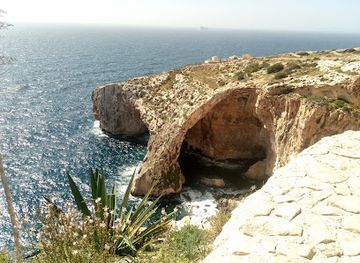
Ramla Bay’s attraction landscape is centred on its broad red-sand beach, dune environment and open Mediterranean outlook rather than on a concentration of built visitor facilities. Swimming, shore walks and quiet observation of the changing light are the principal experiences, while the surrounding slopes offer short walks through fields and dry-stone landscapes. The beach and dunes form part of a protected ecological setting, so access should remain on appropriate paths. Above the western side, the area associated with Calypso Cave adds literary and cultural interest, although cave access can be restricted for safety. Inland Xagħra provides a useful nearby extension, with the Ġgantija Temples and other prehistoric heritage outside the immediate Ramla Bay area. Visitors can also use the bay as one stop in a wider northern Gozo itinerary that includes village squares, rural lanes and other coastal viewpoints. Ramla is best understood as a landscape attraction: its value comes from the relationship between distinctive geology, farming country, archaeological surroundings and an exposed shoreline, rather than from a busy resort or a long sequence of formal amusements.
-
Theme park
Popeye Village
Explore the whimsical world of Popeye Village, a delightful theme park in Malta that captures the magic of the beloved cartoon character.
-
Aquarium
Malta National Aquarium
Discover the dazzling marine life at the Malta National Aquarium, showcasing the wonders of the Mediterranean and beyond.
-
Basilica
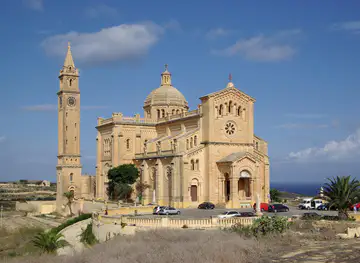
Bażilika Tal-Madonna Ta' Pinu Mill Gharb
Discover the architectural beauty and spiritual significance of the Basilica of Ta' Pinu in Gharb, Malta, a must-visit destination for cultural and spiritual travelers.
-
Tourist attraction
Mellieha Bay
Discover Mellieha Bay, a stunning Maltese paradise known for its beautiful beaches, rich culture, and endless opportunities for relaxation and adventure.



Best landmarks in Ramla Bay
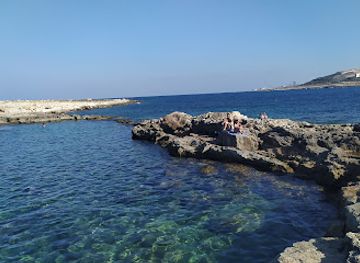
The defining landmark of Ramla Bay is the beach itself: its unusually red-orange sand, wide crescent and low dune fringe make it one of Gozo’s most recognisable coastal scenes. A statue of the Virgin Mary near the shore is another familiar local marker, reflecting the island’s Catholic cultural landscape and the longstanding relationship between rural paths, devotional sites and the coast. On the western rise above the bay, the area associated with Calypso Cave carries strong literary symbolism through its traditional connection with Homer’s Odyssey, although the identification is legendary and access to the cave may be restricted. The wider visual setting is shaped by dry-stone walls, terraced fields and the open slopes above the water rather than by a fortress or urban skyline. The Ġgantija Temples near Xagħra are among Gozo’s most important archaeological landmarks, but they stand inland and should be visited as a nearby separate site, not described as part of Ramla Bay’s shoreline.
-
Historical landmark
Mdina Gate
Discover the historical charm and architectural beauty of Mdina Gate, the stunning entrance to Malta's ancient city, Mdina.
-
Theme park
Popeye Village
Discover the magic of Popeye Village, Malta's enchanting theme park celebrating the iconic cartoon character with fun activities and stunning coastal views.
-
Fountain
Triton Fountain
Explore the stunning Triton Fountain in Floriana, Malta - a captivating blend of art, history, and vibrant ambiance.
-
Catholic church
Mosta Rotunda
Discover the architectural beauty and historical significance of the Mosta Rotunda, a must-visit Catholic church in Malta's Mosta.


Explore Ramla Bay on the map
Plan your trip on one map. See where the top cities, national parks and sights are, and book hotels and experiences in a few clicks.
Best hotels in Ramla Bay
Best restaurants in Ramla Bay
Ramla Bay itself has a limited and partly seasonal food offer compared with Gozo’s villages, so visitors should not expect a large restaurant quarter beside the sand. Practical choices may include simple refreshments when seasonal services are operating, but hours and availability can change. For a broader meal, travel inland to Xagħra or to other nearby Gozo settlements, where Maltese and Gozitan cooking appears in cafés, family-run restaurants, village bars and rural-style dining rooms. Look for dishes such as ftira, pastizzi, baked pasta, rabbit prepared in traditional styles, ġbejniet sheep’s cheese and vegetable or fish dishes that reflect the islands’ Mediterranean produce. Local bread, honey, seasonal fruit and prickly pear products are useful regional tastes, while Maltese wines and the liqueur made from prickly pear are also associated with island food culture. Booking is sensible for sought-after rural restaurants, but the most important practical rule at the bay is to carry water and a snack if spending several hours on the coast.
-
Restaurant
Blu Beach Club
Discover Blu Beach Club in Malta – where exquisite dining meets breathtaking beachfront views for an unforgettable experience.
-
Mediterranean
one80 Kitchen & Lounge
Savor Mediterranean flavors at One80 Kitchen & Lounge in Mellieħa—where every dish tells a story.
-
Restaurant
Apple's Eye Restaurant
Experience authentic Mediterranean cuisine at Apple's Eye Restaurant in Mellieħa, Malta - a culinary gem with stunning views.
-
Maltese
Ta' Randi restaurant
Experience authentic Maltese cuisine with stunning views at Ta' Randi Restaurant in Mellieħa.


Best bars in Ramla Bay
Ramla Bay is not a nightlife destination and has no concentrated strip of bars or clubs. Evening life is generally found in Gozo’s villages, where traditional bars, cafés and restaurants serve as social meeting places and may offer a quieter atmosphere than Malta’s larger resort areas. Xagħra and nearby settlements outside the immediate bay provide the most practical options for a meal or drink after a beach visit, while Victoria has the island’s broadest choice of evening venues. Live music, village celebrations and seasonal events can add activity at particular times, but programmes and opening arrangements vary. The bay itself is better suited to an early evening walk and sunset views than to late-night entertainment; arrange transport back before leaving, especially if relying on infrequent rural buses. Alcohol is not necessary to appreciate the area, and responsible drinking matters when returning along narrow, poorly lit roads.
-
Bar
Munchies Mellieha Bay
Experience the best of Mediterranean cuisine at Munchies Mellieha Bay, where great food meets stunning coastal views.
-
Restaurant
Blu Beach Club
Discover the perfect blend of exquisite cuisine and stunning sea views at Blu Beach Club in Mellieħa, Malta.
-
Bar
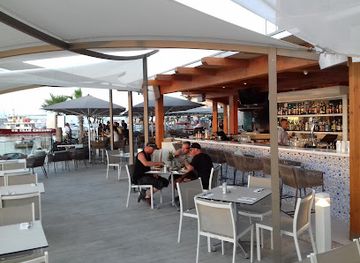
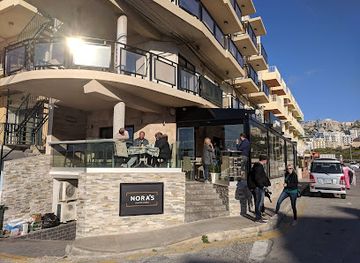
Nora's Lounge Diner
Discover the flavors of Malta at Nora's Lounge Diner in Mellieħa, where local cuisine meets a cozy atmosphere for an unforgettable dining experience.
-
Pub
O'Reilly's Pub
Discover O'Reilly's Pub, a lively sports bar in Bugibba, offering delicious food, crafted cocktails, and an energetic atmosphere perfect for tourists.

Best nightclubs in Ramla Bay
Ramla Bay is not a nightlife destination and has no concentrated strip of bars or clubs. Evening life is generally found in Gozo’s villages, where traditional bars, cafés and restaurants serve as social meeting places and may offer a quieter atmosphere than Malta’s larger resort areas. Xagħra and nearby settlements outside the immediate bay provide the most practical options for a meal or drink after a beach visit, while Victoria has the island’s broadest choice of evening venues. Live music, village celebrations and seasonal events can add activity at particular times, but programmes and opening arrangements vary. The bay itself is better suited to an early evening walk and sunset views than to late-night entertainment; arrange transport back before leaving, especially if relying on infrequent rural buses. Alcohol is not necessary to appreciate the area, and responsible drinking matters when returning along narrow, poorly lit roads.
-
Night club
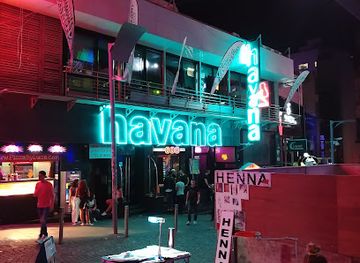
Havana Club Malta
Immerse yourself in the electrifying nightlife of Havana Club Malta, where music, dancing, and unforgettable memories await in St. Julian's.
-
Night club
Gianpula Main Room
Discover the electrifying nightlife of Gianpula Main Room, Malta's top destination for unforgettable dance experiences and vibrant events.
-
Disco club
La Grotta
Experience the vibrant nightlife at La Grotta, Malta's premier disco club, where stunning views and electrifying music come together.
-
Night club
Footloose
Discover the energetic nightlife of Footloose in St Julian's, Malta - where great music, vibrant atmosphere, and affordable fun come together.


Best shops in Ramla Bay
Shopping at Ramla Bay is limited to occasional refreshments or seasonal beach necessities rather than a permanent retail scene. Visitors seeking local products should shop in Xagħra, Victoria or other Gozo settlements outside the immediate bay, where small groceries, village shops, craft outlets and food retailers are more reliable. Suitable regional purchases include Gozitan ġbejniet, honey, olive oil, wine, prickly pear products, traditional preserves and locally made confectionery, subject to transport and storage considerations. Gozo is also associated with handmade lace, pottery, glass, jewellery and other crafts, although quality and provenance vary, so ask whether an item is locally produced rather than assuming that every souvenir is made on the island. Market stalls and village events can offer seasonal produce and crafts, but they are not a permanent feature of the beach. Ramla is therefore chiefly a place to experience the coast, with shopping best planned as part of an inland village visit.
-
Shopping mall
The Point Shopping Mall
Discover the ultimate shopping experience at The Point Shopping Mall in Sliema, Malta, with a blend of luxury brands, dining options, and stunning sea views.
-
Shopping mall
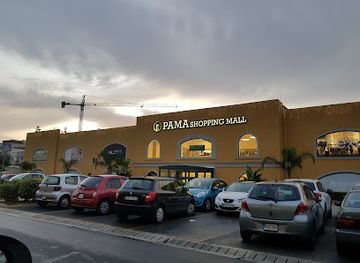
PAMA Shopping Mall
Discover a shopping paradise at PAMA Shopping Mall in Mosta, Malta, where fashion, food, and fun converge.
-
Shopping mall
Bay Street Shopping Complex
Explore the Bay Street Shopping Complex in Malta—your one-stop destination for shopping, dining, and entertainment in a modern setting.
-
Tourist attraction
Salt Pans
Discover the enchanting Salt Pans of Żebbuġ, where vibrant colors and traditional salt harvesting unite in a stunning coastal landscape.



Get your free copy of our complete guide to Ramla Bay, delivered straight to you.
Everything on this page, from attractions and restaurants to essentials and local phrases, in one PDF you can read offline, print or share.
Already have an account? Sign in
Your Ramla Bay guide is ready.
We'll send it to · Not you? Sign out

Getting your guide ready…
We are putting together a fresh copy of the Ramla Bay guide. This can take up to a minute.
This can take a few moments. If your browser asks, choose Allow so the download can start. You'll find the guide in your Downloads folder.
Nothing happened? Download it again
Sorry, the guide is taking longer than usual. Please try again in a minute, or get it by email instead.
Ramla Bay essentials
Currency and Payment
Safety
Emergency Situations
Do's and Don'ts
Local Tips
From Eve
Local phrases worth knowing
You don't need to get them perfect. A few words go a long way, and locals appreciate the effort.
Basics
| English | Local | Say it |
|---|---|---|
| Hello | Bongu | [bawn-goo] |
| Goodbye | Ċaw | [chow] |
| Yes | Iva | [ee-vah] |
| No | Le | [leh] |
| Please/You're welcome | Jekk jogħġbok | [yek-yoh-bok] |
| Thank you | Grazzi | [grah-tsee] |
| Excuse me/Sorry | Skużani | [skoo-zah-nee] |
| How are you? | Kif inti? | [keef in-tee] |
| Fine. And you? | Bene. U int? | [beh-neh. oo int] |
| Do you speak English? | Titkellem bl-Ingliż? | [teet-kah-lem bl-ing-liz] |
| I don't understand | Ma nifhimx | [mah nee-feem] |
Eating & Drinking
| English | Local | Say it |
|---|---|---|
| I'd like to see the menu, please | Nixtieq naraw il-menu, jekk jogħġbok | [neesh-tee-eh nah-raw eel-meh-noo, yek-yoh-bok] |
| I don't eat meat | Ma niekolx laħam | [mah nee-kolsh lah-ham] |
| Cheers! | Saħħa! | [sah-ha] |
| I would like to pay, please | Nixtieq inħallas, jekk jogħġbok | [neesh-tee-eh in-hal-las, yek-yoh-bok] |
Emergencies
| English | Local | Say it |
|---|---|---|
| Help! | Għajnuna! | [ah-yee-noo-nah] |
| Go away! | Aħrab! | [ah-rahb] |
| Call the Police! | Iċċempel lill-Pulizija! | [ee-chem-pel leel poo-lee-zee-ah] |
| Call a doctor! | Iċċempel tabib! | [ee-chem-pel tah-beeb] |
| I'm lost | Ninsab mitluf | [neen-sahb meet-loof] |
| I'm ill | Ninsab morda | [neen-sahb mor-dah] |
Shopping
| English | Local | Say it |
|---|---|---|
| I'd like to buy... | Nixtieq nixtri... | [neesh-tee-eh neesh-tree] |
| I'm just looking | Biss qed nara | [biss ed nah-rah] |
| How much is it? | Kemm hi? | [kemm hee] |
| That's too expensive | Dak huwa żżejjed | [dak oo-wah zay-yed] |
| Can you lower the price? | Tista' tnaqqas il-prezz? | [tis-tah tnah-kahs eel-prets] |
Time & Numbers
| English | Local | Say it |
|---|---|---|
| What time is it? | Kemm hi l-ħin? | [kemm hee l-heeen] |
| It's one o'clock | Hija l-ewwel siegħa | [hee-yah l-eh-wel see-ah] |
| Half past (10) | Nofs (10) | [nofs (10)] |
| Morning | Filgħodu | [fil-goh-doo] |
| Afternoon | War il-ħadd | [war eel-hadd] |
| Evening | Filgħaxija | [fil-ghah-shee-ah] |
| Yesterday | Ilbieraħ | [eel-bee-rah] |
| Today | Illum | [ee-loom] |
| Tomorrow | Għada | [ah-dah] |
| 1 | Wieħed | [wee-hed] |
| 2 | Tnejn | [tneh-in] |
| 3 | Tlieta | [tlee-tah] |
| 4 | Erba' | [air-bah] |
| 5 | Ħamsa | [hahm-sah] |
| 6 | Sitta | [sit-tah] |
| 7 | Sebgħa | [seb-gah] |
| 8 | Tmienja | [tmee-nyah] |
| 9 | Disgħa | [dees-gah] |
| 10 | Għaxra | [ah-ghah-rah] |
Transport & Directions
| English | Local | Say it |
|---|---|---|
| Where's a/the...? | Fejn hemm ...? | [fayn hem ...?] |
| What's the address? | X'inhu l-indirizz? | [sheen-hoo l-in-dee-ritz] |
| Can you show me (on the map)? | Tista' turi lili (fuq il-map)? | [tis-tah too-ree lee-lee (fohk eel-map)] |
| When's the next (bus)? | Meta' għandna l-aħħar (bus)? | [meh-tah ahn-dnah l-ah-har (bus)] |
| A ticket (to ....) | Bliet (għal ...) | [bleet (ahl ...)] |
History of Ramla Bay
Neolithic Gozo and the Xagħra Landscape
The countryside above and around Ramla Bay forms part of a wider archaeological landscape that was settled during Malta’s Neolithic period. The Ġgantija Temples near Xagħra, outside the immediate bay, demonstrate the scale and organisation of communities active in Gozo more than five millennia ago. Their presence indicates that the coast and its fertile hinterland belonged to a long-used island environment, although there is no basis for treating every feature around Ramla as a temple site. The surviving monuments provide essential context for the antiquity of northern Gozo.
Phoenician, Punic and Roman Gozo
Gozo occupied a useful position within the central Mediterranean networks of the Phoenicians, Carthaginians and Romans. Across the island, these periods brought changes in agriculture, trade, settlement and religious practice, with coastal inlets such as Ramla forming part of the wider maritime setting. The bay should not be presented as a separately documented Roman port, but its sheltered form and access to inland farmland help explain why northern Gozo was repeatedly relevant to human settlement. Archaeological evidence elsewhere on the island records the layered character of these ancient connections.
Medieval Rural Settlement and Coastal Insecurity
After the Roman period, Gozo’s population and economy developed through changing Byzantine, Arab, Norman and later Sicilian influences. Medieval settlement was largely agricultural, and the fields around Ramla reflect the importance of small-scale cultivation in a dry island environment. Coastal communities also faced periodic insecurity from piracy and raiding, which encouraged settlement and administration to remain focused inland. The lanes, terraced plots and dry-stone boundaries around the bay are later survivals, but they belong to a rural pattern shaped by centuries of adaptation to limited water and exposed terrain.
The Hospitaller Period and Malta’s Maritime World
From 1530, the Order of St John governed Malta and Gozo, integrating the islands more closely into a Catholic maritime state whose fortunes depended on shipping, defence and agriculture. Gozo’s coastal approaches acquired greater strategic importance, particularly after the Ottoman attack of 1551, when the island suffered severe population loss and social disruption. Ramla Bay was part of this exposed coastal environment, even though its most visible heritage today is natural rather than monumental. The period strengthened the network of villages, estates and religious institutions that still shapes Gozo’s cultural landscape.
The Ramla Statue and Nineteenth-Century Religious Landscape
A statue of the Virgin Mary has stood near Ramla Bay since the nineteenth century, reflecting the place of Catholic devotion in Gozo’s rural landscape. The monument is not a medieval relic, but it became a recognisable local feature beside a beach used by residents and visitors. Its presence illustrates how religious markers, agricultural paths and natural sites were woven together in Maltese island life. The surrounding countryside also retained a seasonal farming character rather than developing into the dense urban waterfront found in parts of Malta.
Conservation, Recreation and Modern Gozo
During the twentieth century, improved roads, ferry connections and rising domestic and international tourism made Ramla Bay more accessible as a bathing and walking destination. At the same time, the red beach, dune system and surrounding countryside came under increasing pressure from visitors, vehicles and development. Modern management therefore places greater emphasis on protecting the shoreline and its habitats while allowing responsible recreation. Ramla’s contemporary identity rests on this balance: it is a celebrated Gozo beach, but also a sensitive natural area within a historically occupied rural landscape.
Ramla Bay in Photos
Browse through our photo collection highlighting the charm and character of the destination.
Neighbouring regions of Ramla Bay
The closest regions to Ramla Bay, if you have time for more than one.
-

-

-

-

-


Swipe for more regions
Explore more
Explore more of Malta
Discover Malta's crystal-clear waters, rich history, and vibrant culture. From ancient temples to modern nightlife, this Mediterranean gem offers something for everyone.
Explore Malta