

Free Tas-Silġ Area Travel Guide & Mobile App
Explore Tas-Silġ Area with free travel guides. Discover regional history, expert tips, proposed trips, and audio guides on web or mobile app.


Explore Tas-Silġ’s prehistoric and Punic sanctuary, rural limestone landscapes and the maritime heritage of nearby Marsaxlokk in south-eastern Malta.
Read more about Tas-Silġ Area
When is the best time to visit Tas-Silġ Area?
Best: May–July · 24–32°C| Month | High (°C) | Rainfall (mm) |
|---|---|---|
| January | 15 | 80 |
| February | 16 | 56 |
| March | 17 | 49 |
| April | 20 | 22 |
| May (best) | 24 | 10 |
| June (best) | 28 | 3 |
| July (best) | 32 | 1 |
| August | 32 | 8 |
| September | 29 | 50 |
| October | 25 | 105 |
| November | 21 | 93 |
| December | 17 | 88 |
Getting to and around Tas-Silġ Area
How to get there
Transportation
Top city travel guides in Tas-Silġ Area
The cities of Tas-Silġ Area, and the easiest places to base yourself.
-

-


Swipe for more cities
Destinations in Tas-Silġ Area
Resorts, valleys and scenic spots worth a trip of their own.

Swipe for more destinations
Best attractions in Tas-Silġ Area
The central attraction is the Tas-Silġ archaeological complex, a multi-period sanctuary whose remains record prehistoric, Phoenician, Punic, Roman and early Christian use. It is less a single dramatic ruin than an archaeological landscape, with layers of walls, floors and altered ritual spaces that reward careful interpretation. The elevated position adds views across Marsaxlokk Bay and helps explain the site’s maritime importance. Nearby Marsaxlokk provides a complementary experience through its fishing harbour, traditional luzzu boats, waterfront activity and restaurants. Walks through the surrounding limestone countryside lead towards the Delimara side of the peninsula, where fields, dry-stone walls and exposed coastal scenery contrast with port and industrial infrastructure. The area is also useful for visitors interested in Malta’s working landscapes: ancient sanctuary, modern harbour, agriculture and energy installations occupy the same broad horizon. Site access, guided visits and conservation arrangements can change, so Tas-Silġ should be checked in advance rather than treated as an attraction with unrestricted daily entry.
-
Park
Upper Barrakka
Experience stunning views and rich history at Upper Barrakka Gardens, Valletta's serene park overlooking the Grand Harbour and its surroundings.
-
Scenic spot
Blue Grotto
Explore the stunning Blue Grotto in Malta, a scenic spot filled with breathtaking views and rich historical significance, perfect for every traveler.
-
Archaeological site
Hagar Qim Temple
Explore Hagar Qim Temple, a stunning archaeological site in Malta that offers a glimpse into the ancient past and breathtaking views of the Mediterranean.
-
National park
Park Nazzjonali Ta' Qali
Experience the natural beauty of Malta at Park Nazzjonali Ta' Qali, a tranquil national park perfect for relaxation and exploration.



Best landmarks in Tas-Silġ Area
Tas-Silġ itself is the defining landmark: a sanctuary complex on a limestone ridge whose importance comes from its extraordinary continuity and successive transformations. Its position above Marsaxlokk Bay is almost as significant as the surviving masonry, linking the religious site to the maritime routes that shaped Malta. The nearby Marsaxlokk waterfront forms a contrasting living landmark, marked by the broad harbour, fishing boats and the village’s relationship with the sea. Across the bay, the Delimara Peninsula creates a second strong visual reference, combining open Mediterranean coast, agricultural ground and major harbour infrastructure. The landscape is also punctuated by Malta’s characteristic rubble walls and limestone field boundaries, practical structures that give the rural setting much of its visual character. Together these places create a layered panorama: prehistoric and classical archaeology on the ridge, a working fishing community below and a modern industrial coastline beyond. They are best appreciated as connected features rather than isolated sights.
-
Historical landmark
Mdina Gate
Discover the enchanting Mdina Gate, a stunning historical landmark and gateway to Malta's medieval marvel, rich in history and cinematic charm.
-
Park
Upper Barrakka
Discover Upper Barrakka Gardens in Valletta: a serene park with breathtaking views of the Grand Harbour and rich historical significance.
-
Theme park
Popeye Village
Explore the magical Popeye Village in Malta, where nostalgia meets adventure in a vibrant theme park setting by the sea.
-
Fountain
Triton Fountain
Experience the beauty of Malta at the Triton Fountain, a stunning modernist landmark that reflects the island's artistic heritage and vibrant culture.


Explore Tas-Silġ Area on the map
Plan your trip on one map. See where the top cities, national parks and sights are, and book hotels and experiences in a few clicks.
Best hotels in Tas-Silġ Area
Best restaurants in Tas-Silġ Area
Dining in the Tas-Silġ Area is concentrated in nearby Marsaxlokk rather than around the archaeological site itself. The harbour is particularly associated with fish and seafood, reflecting the village’s continuing maritime identity, while menus also draw on wider Maltese traditions such as rabbit, gbejna sheep’s cheese, pastizzi, ftira, bigilla and seasonal vegetable dishes. Restaurants range from informal waterfront establishments to cafés and more substantial family-run dining rooms, with the catch and menu changing according to availability. Local wines and Maltese soft drinks can accompany a meal, while bakeries and small food businesses are useful for provisions before a countryside walk. The Sunday market atmosphere in Marsaxlokk can add to the food experience, although individual stalls and arrangements vary. Visitors should not expect restaurants at Tas-Silġ itself; plan food and water in Marsaxlokk, especially outside the village’s busier daytime periods.
-
Maltese
Ta' Kris
Experience the rich flavors of traditional Maltese cuisine at Ta' Kris Bistro in Sliema – a culinary gem for every traveler.
-
Seafood
La Nostra Padrona
Experience authentic Maltese seafood at La Nostra Padrona in Marsaxlokk – where fresh flavors meet stunning harbor views.
-
Mediterranean
Tal-Familja Restaurant
Discover authentic Maltese cuisine at Tal-Familja Restaurant in Marsaskala - a culinary journey through Mediterranean flavors.
-
Seafood
Roots Restaurant
Experience exquisite seafood dining with stunning harbor views at Roots Restaurant in Marsaxlokk.


Best bars in Tas-Silġ Area
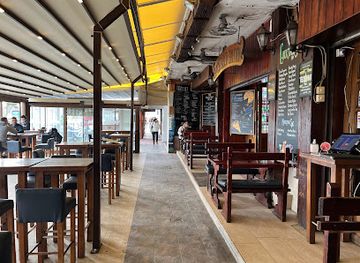
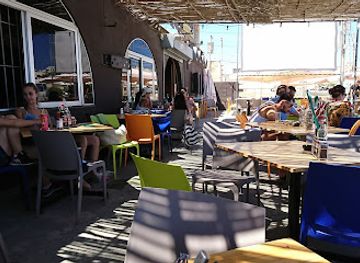
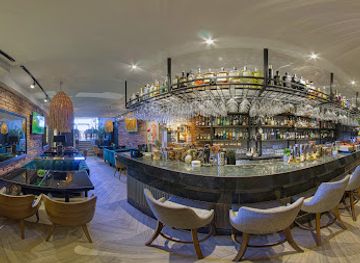
Evening life around Tas-Silġ is modest and centred on Marsaxlokk rather than on a dedicated nightlife district. Waterfront restaurants, cafés, traditional bars and local meeting places provide the main options, with evenings generally favouring conversation, seafood meals and a drink overlooking the harbour rather than clubbing. The village can feel considerably quieter outside busy dining periods and the warmer tourist season. Visitors seeking large nightclubs or late-night entertainment normally need to travel elsewhere in Malta, while the Tas-Silġ Area itself is better suited to a calm evening after archaeological or coastal exploration. Maltese beer, local wine and non-alcoholic drinks are widely available, but alcohol is not necessary to participate in the area’s social life. Check return transport before staying late, as rural approaches and less frequent services can make an unplanned walk inconvenient after dark.
-
Live music bar
Black Gold Saloon
Discover the lively Black Gold Saloon in Sliema, Malta - a hotspot for delicious food, live music, and an unforgettable night out.
-
Bar
Zion Bar & Restaurant
Discover the vibrant atmosphere and delicious offerings at Zion Bar & Restaurant, a must-visit destination near St. Thomas Bay, Malta.
-
Steak
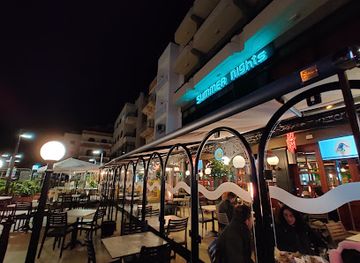
Summer Nights Pub & Grill
Experience the best of Maltese dining at Summer Nights Pub & Grill, where delicious steaks meet stunning sea views in Marsaskala.
-
Cocktail bar
The Black Sheep drink and dine
Experience the vibrant flavors of Mediterranean cuisine and creative cocktails at The Black Sheep in Sliema, Malta.
Best nightclubs in Tas-Silġ Area
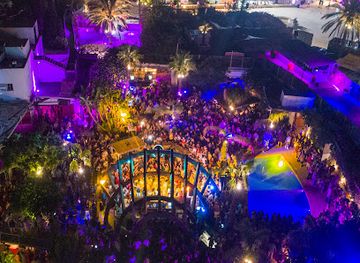
Evening life around Tas-Silġ is modest and centred on Marsaxlokk rather than on a dedicated nightlife district. Waterfront restaurants, cafés, traditional bars and local meeting places provide the main options, with evenings generally favouring conversation, seafood meals and a drink overlooking the harbour rather than clubbing. The village can feel considerably quieter outside busy dining periods and the warmer tourist season. Visitors seeking large nightclubs or late-night entertainment normally need to travel elsewhere in Malta, while the Tas-Silġ Area itself is better suited to a calm evening after archaeological or coastal exploration. Maltese beer, local wine and non-alcoholic drinks are widely available, but alcohol is not necessary to participate in the area’s social life. Check return transport before staying late, as rural approaches and less frequent services can make an unplanned walk inconvenient after dark.
-
Lounge
The Compass Lounge
Discover The Compass Lounge in Sliema, where delicious cuisine meets a cozy atmosphere, perfect for tourists seeking local flavors and relaxation.
-
Night club
Havana Club Malta
Discover the electrifying nightlife at Havana Club Malta, a top destination for entertainment and dancing in St Julian's.
-
Night club
Gianpula Main Room
Experience the electrifying nightlife of Gianpula Main Room, Malta's top nightclub filled with world-class DJs and vibrant energy.
-
Night club
The Nordic Bar
Discover The Nordic Bar, St Julian's ultimate nightlife destination, featuring exhilarating music, vibrant atmosphere, and expertly crafted drinks.



Best shops in Tas-Silġ Area
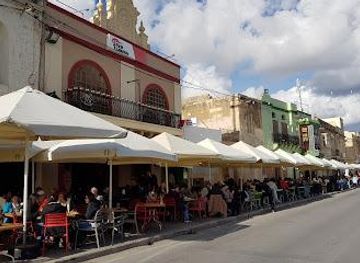
Shopping in the Tas-Silġ Area is focused on Marsaxlokk and on practical or edible products rather than large-scale retail. The harbour and village streets offer opportunities to browse fish, seasonal produce, Maltese preserves, honey, carob-based goods, wine and small locally made items, with market activity varying by day and season. Independent shops and stalls may also carry lace, ceramics, jewellery and other Maltese crafts, although visitors should distinguish genuinely local work from generic souvenirs. The area is a useful place to buy food for a countryside excursion, particularly from bakeries, grocers and small specialist sellers. Marsaxlokk does not function as a major fashion or luxury-shopping centre; for that, travellers need Malta’s larger urban retail areas outside the region. Bargaining is not automatically expected in ordinary shops, while polite questions about provenance are appropriate when buying craft products or regional specialities.
-
Market
Marsaxlokk Open Market
Discover the colorful Marsaxlokk Open Market, a vibrant showcase of local crafts, delicious seafood, and authentic Maltese culture.
-
Shopping mall
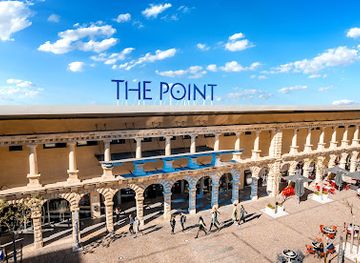
The Point Shopping Mall
Discover The Point Shopping Mall in Sliema, Malta - a vibrant shopping destination with diverse stores, dining options, and entertainment for the whole family.
-
Supermarket
SPAR Marsaxlokk
Discover the essence of Maltese cuisine at SPAR Marsaxlokk, a premier supermarket offering fresh local produce and international favorites.
-
Shopping mall
Mercury Shopping District
Discover the Mercury Shopping District: a vibrant blend of shopping, dining, and leisure in St Julian's, Malta.

Get your free copy of our complete guide to Tas-Silġ Area, delivered straight to you.
Everything on this page, from attractions and restaurants to essentials and local phrases, in one PDF you can read offline, print or share.
Already have an account? Sign in
Your Tas-Silġ Area guide is ready.
We'll send it to · Not you? Sign out

Getting your guide ready…
We are putting together a fresh copy of the Tas-Silġ Area guide. This can take up to a minute.
This can take a few moments. If your browser asks, choose Allow so the download can start. You'll find the guide in your Downloads folder.
Nothing happened? Download it again
Sorry, the guide is taking longer than usual. Please try again in a minute, or get it by email instead.
Tas-Silġ Area essentials
Currency and Payment
Safety
Emergency Situations
Do's and Don'ts
Local Tips
From Eve
Local phrases worth knowing
You don't need to get them perfect. A few words go a long way, and locals appreciate the effort.
Basics
| English | Local | Say it |
|---|---|---|
| Hello | Ħelow | [Heh-low] |
| Goodbye | Ħa, saħħa | [Hah, sah-ha] |
| Yes | Iva | [Ee-vah] |
| No | Le | [Leh] |
| Please/You're welcome | Jekk jogħġbok/Laħam | [Yek-yoh-bok/Lah-ham] |
| Thank you | Grazzi | [Grah-tsee] |
| Excuse me/Sorry | Skużani/Skużani | [Skoo-zah-nee/Skoo-zah-nee] |
| How are you? | Kif inti? | [Keef in-tee?] |
| Fine. And you? | Tajjeb. U int? | [Taj-yeb. Oo int?] |
| Do you speak English? | Titkellem bl-Ingliż? | [Teet-kal-lem bl-In-gliz?] |
| I don't understand | Ma nifhimx | [Mah neef-hemsh] |
Eating & Drinking
| English | Local | Say it |
|---|---|---|
| I'd like to see the menu, please | Nixtieq nara l-menu, jekk jogħġbok | [Nees-teeq nah-rah el-menu, yek-yoh-bok] |
| I don't eat meat | Ma nieħu laħam | [Mah nee-hoo lah-ham] |
| Cheers! | Ħaġa tajba! | [Hah-jah ta-yba!] |
| I would like to pay, please | Nixtieq nħallas, jekk jogħġbok | [Nees-teeq nah-las, yek-yoh-bok] |
Emergencies
| English | Local | Say it |
|---|---|---|
| Help! | Għajnuna! | [Ah-y-noo-nah!] |
| Go away! | Mur 'il bogħod! | [Moore eel bo-god!] |
| Call the Police! | Iċċempel lill-Pulizija! | [Eech-em-pel lil-Pool-ee-zia!] |
| Call a doctor! | Iċċempel dottor! | [Eech-em-pel dot-tor!] |
| I'm lost | Jien mitluf | [Yeen meat-loof] |
| I'm ill | Jien morda | [Yeen mor-dah] |
Shopping
| English | Local | Say it |
|---|---|---|
| I'd like to buy... | Nixtieq nixtri... | [Nees-teeq neesh-ree...] |
| I'm just looking | Biss qed nara | [Biss ked nah-rah] |
| How much is it? | Kemm hi? | [Kemm hee?] |
| That's too expensive | Dak huwa wisq għali | [Dak oo-ah wisq ah-lee] |
| Can you lower the price? | Tista' tnaqqas il-prezz? | [Tees-tah tnah-kahs il-prezz?] |
Time & Numbers
| English | Local | Say it |
|---|---|---|
| What time is it? | Kemm hi l-ħin? | [Kemm hee el-heen?] |
| It's one o'clock | Hija l-ewwel ħin | [Hee-yah el-oo-el heen] |
| Half past (10) | Noqra wara (10) | [Noh-krah wah-rah (10)] |
| Morning | Filgħodu | [Feel-oo-doo] |
| Afternoon | Waranofsin | [War-an-off-seen] |
| Evening | Filgħaxija | [Feel-ah-hee-yah] |
| Yesterday | Ilbieraħ | [Il-beer-ah] |
| Today | Illum | [Ee-loom] |
| Tomorrow | Tard | [Tard] |
| 1 | 1 | [1] |
| 2 | 2 | [2] |
| 3 | 3 | [3] |
| 4 | 4 | [4] |
| 5 | 5 | [5] |
| 6 | 6 | [6] |
| 7 | 7 | [7] |
| 8 | 8 | [8] |
| 9 | 9 | [9] |
| 10 | 10 | [10] |
Transport & Directions
| English | Local | Say it |
|---|---|---|
| Where's a/the...? | Fejn hemm il...? | [Feyn hem il...?] |
| What's the address? | X'ħin huwa l-indirizz? | [Ksee' heen hoo-ah il-in-dee-riz?] |
| Can you show me (on the map)? | Tista' turi lilna (fuq il-map)? | [Tees-tah too-ree leel-na (fooq il-map)?] |
| When's the next (bus)? | Meta hi l-ġejja (bus)? | [Meh-tah hee el-jay-yah (bus)?] |
| A ticket (to ....) | Biljetta (għal ...) | [Bil-yet-tah (ahl ...)] |
History of Tas-Silġ Area
Prehistoric Temple-Period Occupation
The hill at Tas-Silġ was used during Malta’s prehistoric temple period, when communities constructed substantial megalithic sanctuaries between the fourth and third millennia BCE. The surviving remains are fragmentary, but they indicate that this was a place of organised ritual activity rather than an ordinary settlement. Its position above Marsaxlokk Bay was significant: the hill was visible from the coast and stood close to a natural harbour used by later maritime communities. Tas-Silġ therefore belongs to the wider prehistoric sacred landscape of south-eastern Malta, alongside other temple sites and monumental remains in the region.
Phoenician and Punic Sanctuary, c. Eighth–Second Centuries BCE
From the first millennium BCE, Tas-Silġ became a major sanctuary associated with Phoenician and later Punic religious practice. The complex was probably connected with the goddess Astarte, a deity whose worship was strongly associated with maritime communities and the wider Phoenician world. Its location above a sheltered bay made it suitable for a sanctuary serving sailors, traders and local inhabitants. The site’s development reflects Malta’s position within central Mediterranean exchange networks, when the islands were linked to North Africa, Sicily, the Levant and other ports.
Roman Adaptation and the Cult of Juno
Following Rome’s takeover of Malta in 218 BCE, Tas-Silġ continued to function as a religious centre, although its institutions and religious language changed. Roman-period evidence links the sanctuary with Juno, who was regarded as the Roman counterpart of the Punic goddess Tanit in the local religious context. Rather than erasing the earlier sanctuary, Roman rule appears to have adapted an established sacred place to imperial-era practices. The site’s continued use shows how older religious landscapes could remain important within the changing political and commercial world of the Roman Mediterranean.
A Christian Complex in Late Antiquity
During late Roman and early Christian times, parts of Tas-Silġ were transformed for Christian use. Archaeologists have identified remains associated with a basilica and related structures, generally dated to the later fourth century and subsequent centuries. This change was part of the wider Christianisation of Malta, but the continued occupation of the hill also reflects the practical value of an established site overlooking the harbour. Architectural fragments, floors and altered spaces reveal a complex that was repeatedly remodelled rather than simply abandoned when religious authority shifted.
Early Medieval and Byzantine Continuity
Tas-Silġ remained in use into the early medieval period, when Malta was connected with the Byzantine world and later experienced new political changes. The archaeological record is complex and does not suggest an uninterrupted sanctuary in a single form; instead, it records changing functions, repairs and episodes of occupation. Its long sequence is important because it shows how a prominent location could retain value after the disappearance of the institutions that first made it sacred. The surrounding harbour and agricultural land continued to give the hill strategic and economic relevance.
Modern Archaeological Investigation
Systematic archaeological work at Tas-Silġ began in the twentieth century, particularly through excavations that revealed the extraordinary sequence from prehistoric worship to Punic, Roman and Christian occupation. The site helped scholars understand the relationship between Malta’s temple culture and its later Mediterranean connections, including the role of maritime sanctuaries. Excavation and interpretation have continued to refine the picture, while the remains have also highlighted the challenges of conserving exposed limestone archaeology in a working rural landscape. Tas-Silġ is now valued as a multi-period archaeological complex rather than as a monument belonging to only one civilisation.
Tas-Silġ Area in Photos
Browse through our photo collection highlighting the charm and character of the destination.
Neighbouring regions of Tas-Silġ Area
The closest regions to Tas-Silġ Area, if you have time for more than one.
-

-

-

-
-


Swipe for more regions
Explore more
Explore more of Malta
Discover Malta's crystal-clear waters, rich history, and vibrant culture. From ancient temples to modern nightlife, this Mediterranean gem offers something for everyone.
Explore Malta