

Free Three Cities Travel Guide & Mobile App
Explore Three Cities with free travel guides. Discover regional history, expert tips, proposed trips, and audio guides on web or mobile app.


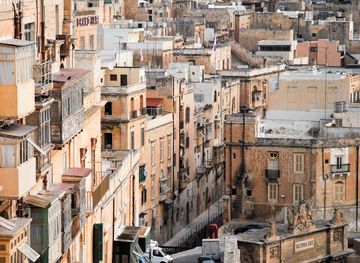
Explore Malta’s Three Cities for fortified lanes, Grand Harbour views, historic churches, maritime heritage and waterfront dining.
Read more about Three Cities
When is the best time to visit Three Cities?
Best: June, August–September · 24–28°C| Month | High (°C) | Rainfall (mm) |
|---|---|---|
| January | 7 | 31 |
| February | 8 | 28 |
| March | 12 | 36 |
| April | 16 | 41 |
| May | 22 | 45 |
| June (best) | 26 | 50 |
| July | 28 | 45 |
| August (best) | 28 | 39 |
| September (best) | 24 | 38 |
| October | 18 | 35 |
| November | 10 | 32 |
| December | 5 | 29 |
Getting to and around Three Cities
How to get there
Transportation
Top city travel guides in Three Cities
The cities of Three Cities, and the easiest places to base yourself.
-

-


Swipe for more cities
Best attractions in Three Cities
The Three Cities offer a concentrated range of historic and maritime attractions rather than a large collection of conventional family entertainment. In Birgu, Fort St Angelo anchors the harbour entrance and provides galleries, ramparts and expansive views, while the Inquisitor’s Palace explains the religious and judicial history of the Order of St John. Birgu’s parish church, auberges and waterfront lanes add architectural interest between the principal visits. Senglea invites a quieter exploration of bastions, harbour promenades and the Gardjola Gardens, whose watchtower monument reflects the city’s defensive past. Cospicua is valuable for understanding the dockyard landscape, Cottonera fortifications and the relationship between military infrastructure and ordinary urban life. Small museums and heritage interiors may have changing opening arrangements, so advance checks are sensible. The greatest attraction is the setting itself: three compact historic communities facing working creeks, with ferries, boats, limestone walls and views towards Valletta. Walking tours, harbour cruises and self-guided architectural walks work particularly well here, while the area’s churches and public spaces reward visitors who allow time to explore beyond the headline monuments.
-
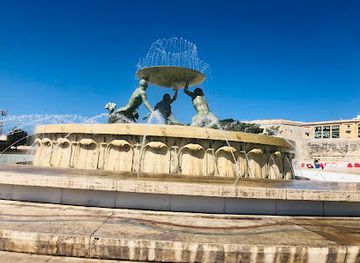
Fountain
Triton Fountain
Experience the enchanting Triton Fountain in Floriana, Malta—a historic landmark and a perfect blend of art and nature.
-
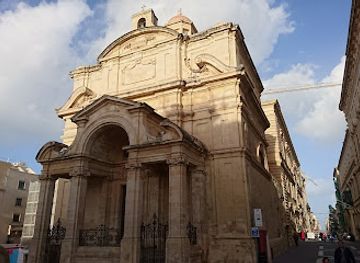
Archaeological museum
National Museum of Archaeology
Explore the rich history of Malta at the National Museum of Archaeology, where ancient artifacts tell the story of the island's past.
-
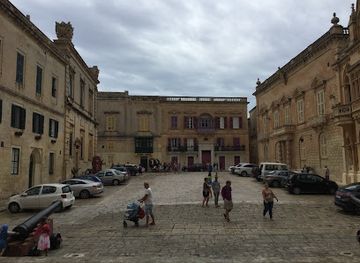
Catholic cathedral
St Paul's Cathedral
Discover the architectural splendor and rich history of St Paul's Cathedral, a must-see landmark in the heart of Malta's ancient city of Mdina.
-
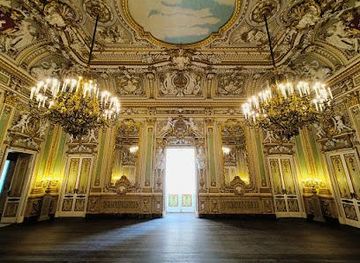
Wedding venue
Palazzo Parisio
Discover the elegance of Palazzo Parisio, an 18th-century palace in Naxxar, Malta, with stunning gardens and exquisite dining.
Best landmarks in Three Cities
Fort St Angelo is the defining landmark of the Three Cities, occupying the tip of Birgu and commanding the entrance to the inner Grand Harbour. Its layered fortifications embody the site’s medieval origins, Hospitaller transformation and later military use. Birgu’s Church of St Lawrence, with its prominent dome and harbour setting, is another important element of the skyline and reflects the city’s status under the Knights of St John. Across Dockyard Creek, Senglea’s Gardjola monument is a memorable symbol of vigilance: its carved eye and ears refer to the watchfulness expected of the city’s defenders. Senglea’s bastioned peninsula provides some of the clearest views towards Valletta and Fort St Elmo. In Cospicua, the Church of the Immaculate Conception and the surviving Cottonera defensive works express the city’s religious and military history, while the dockyard surroundings preserve the industrial dimension of the harbour. Together these landmarks form a continuous historical landscape rather than isolated monuments.
-
Historical landmark
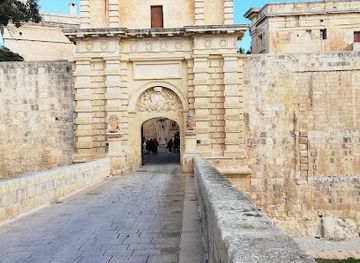
Mdina Gate
Explore Mdina Gate, a historical treasure in Malta, showcasing stunning architecture and rich cultural heritage within the enchanting city of Mdina.
-
Park
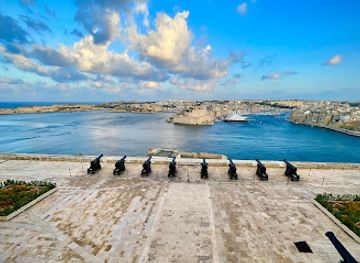
Upper Barrakka
Experience the breathtaking views and tranquil beauty of Upper Barrakka Gardens in Valletta, Malta, the perfect escape for tourists and nature lovers alike.
-
Theme park
Popeye Village
Experience the charm of Popeye Village in Malta, a whimsical theme park celebrating the beloved sailor with fun attractions and stunning coastal views.
-
Historical landmark
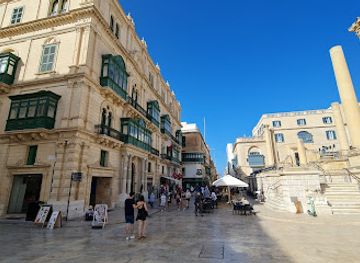
City Gate
Explore Valletta's rich history at City Gate, a stunning architectural landmark that welcomes visitors to Malta's vibrant capital.

Explore Three Cities on the map
Plan your trip on one map. See where the top cities, national parks and sights are, and book hotels and experiences in a few clicks.
Best hotels in Three Cities
Best restaurants in Three Cities
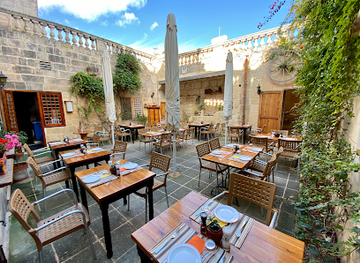
Dining in the Three Cities is shaped by harbour life, Maltese home cooking and the relaxed social tradition of cafés, wine bars and restaurants in historic streets. Menus commonly include Maltese favourites such as pastizzi, rabbit dishes, gbejna cheese, bigilla, ftira and soups based on seasonal vegetables, alongside Mediterranean seafood and pasta. Birgu has the broadest concentration of waterfront and old-town dining, while Senglea and Cospicua offer more local cafés, bakeries and neighbourhood establishments. Look for ftira and filled pastries for an inexpensive daytime meal, and consider sharing starters of dips, olives and local cheese before ordering fish, grilled meat or traditional stews. Malta’s national wine is increasingly visible, and local beer is widely available. Restaurant styles range from simple snack counters to polished contemporary kitchens, but opening patterns can be seasonal, particularly around the harbour. Reservations are sensible for popular waterfront tables, while smaller places may operate shorter hours outside the main visitor season.
-
Hotel
Radisson Blu Resort & Spa, Malta Golden Sands
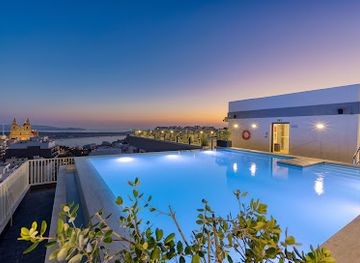
Discover unparalleled luxury at Radisson Blu Resort & Spa in Malta's Golden Sands Bay - a perfect blend of relaxation and adventure awaits you.
-
Italian
Coogi's Restaurant & Tea Garden
Discover exquisite Italian-Maltese cuisine at Coogi's Restaurant & Tea Garden in Mdina - where every meal comes with breathtaking views.
-
Restaurant
Blu Beach Club
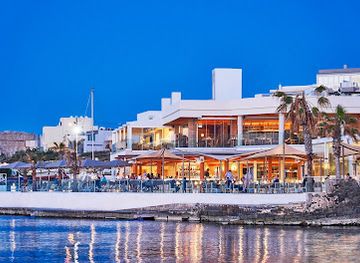
Experience exquisite dining at Blu Beach Club in Malta, where delicious cuisine meets breathtaking sea views for an unforgettable culinary journey.
-
Hotel
Solana Hotel & Spa
Experience luxury and relaxation at Solana Hotel & Spa in Mellieħa – your gateway to exquisite dining and rejuvenating spa treatments.
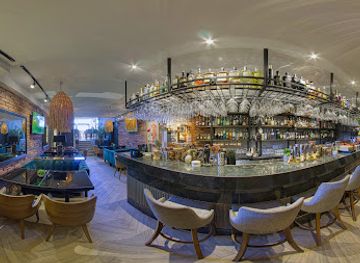
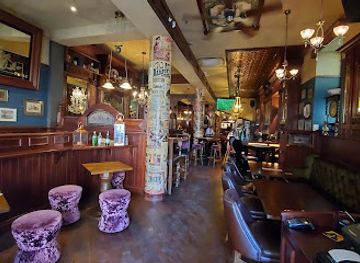
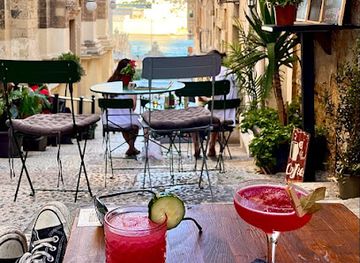
Best bars in Three Cities
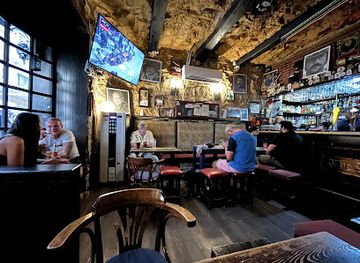
Evenings in the Three Cities are generally low-key rather than dominated by nightclubs. Birgu has the most visible concentration of wine bars, cafés, casual restaurants and places for a drink beside the waterfront, while Senglea and Cospicua retain a more neighbourhood-oriented evening rhythm. Traditional Maltese bars and local clubs can provide a glimpse of everyday social life, although they are not tourist venues in the conventional sense and should be approached respectfully. Harbour views, outdoor tables and a slow meal are more characteristic here than late-night dancing. Visitors seeking a larger choice of clubs, live music or late venues usually continue to Valletta, Sliema or St Julian’s, outside the Three Cities. Check current arrangements before relying on a particular establishment, as seasonal trading and occasional closures affect the smaller local scene.
-
Bar
The Pub
Discover the lively atmosphere of The Pub in Valletta, where great beer, delicious food, and sports unite for an unforgettable experience.
-
Cocktail bar
The Black Sheep drink and dine
Experience the essence of Mediterranean dining and vibrant nightlife at The Black Sheep in Sliema, Malta.
-
Bar
The Queen Victoria City Pub, Valletta
Experience authentic Maltese hospitality at The Queen Victoria City Pub, Valletta's vibrant bar known for its craft beers and lively atmosphere.
-
Cocktail bar
Cafe Society
Discover the vibrant atmosphere and creative cocktails at Cafe Society, Valletta's unique cocktail bar that blends tradition with modern flair.
Best nightclubs in Three Cities
Evenings in the Three Cities are generally low-key rather than dominated by nightclubs. Birgu has the most visible concentration of wine bars, cafés, casual restaurants and places for a drink beside the waterfront, while Senglea and Cospicua retain a more neighbourhood-oriented evening rhythm. Traditional Maltese bars and local clubs can provide a glimpse of everyday social life, although they are not tourist venues in the conventional sense and should be approached respectfully. Harbour views, outdoor tables and a slow meal are more characteristic here than late-night dancing. Visitors seeking a larger choice of clubs, live music or late venues usually continue to Valletta, Sliema or St Julian’s, outside the Three Cities. Check current arrangements before relying on a particular establishment, as seasonal trading and occasional closures affect the smaller local scene.
-
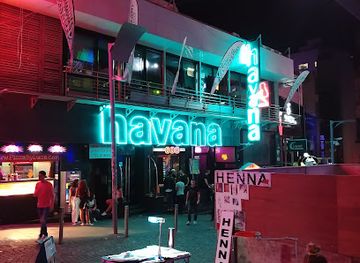
Night club
Havana Club Malta
Discover the energetic nightlife at Havana Club Malta, where vibrant music and unforgettable moments await in St Julian's.
-
Night club
Gianpula Main Room
Experience the pulsating energy of Gianpula Main Room, Malta's ultimate nightlife destination for unforgettable nights of dancing and entertainment.
-
Night club
The Nordic Bar
Discover the electrifying nightlife at The Nordic Bar, a vibrant night club in St Julian's offering drinks, dancing, and unforgettable moments.
-
Night club
Footloose
Discover the electrifying nightlife of St. Julian's in Footloose, Malta's vibrant night club where music and dance unite.
Best shops in Three Cities
Shopping in the Three Cities is modest in scale and closely connected with daily life, food and heritage rather than large retail centres. Birgu has the greatest selection of small lifestyle shops, galleries, craft outlets and places selling locally made food products, particularly around the historic centre and waterfront. Cospicua and Senglea are better for neighbourhood bakeries, convenience shops and everyday purchases than for extensive souvenir browsing. Look for Maltese lace, pottery, glass, jewellery, books on Malta’s maritime history and packaged products such as honey, olive oil, wine and traditional confectionery, while checking that an item is genuinely made locally. Fresh pastries and savoury snacks from bakeries make practical purchases for a walking itinerary. For a much wider choice of fashion, department stores and contemporary retail, Valletta is nearby but outside the Three Cities. Small independent businesses may keep irregular hours, especially outside the main summer season, so do not leave specialist purchases until late in the day.
-
Shopping mall
The Point Shopping Mall
Experience the ultimate shopping and dining destination at The Point Shopping Mall in Sliema, Malta, featuring top brands and breathtaking views.
-
Shopping mall
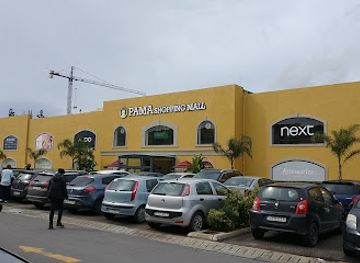
PAMA Shopping Mall
Explore PAMA Shopping Mall in Mosta, Malta - a vibrant shopping center offering diverse retail experiences, dining options, and family-friendly entertainment.
-
Fresh food market
Is-Suq Tal-Belt - Valletta Food Market
Discover Is-Suq Tal-Belt, Valletta's vibrant food market, where local delicacies, gourmet treats, and a lively atmosphere await every visitor.
-
Technology park
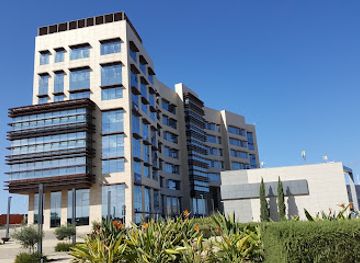
SmartCity
Explore SmartCity, Malta's innovative technology park offering a blend of modern architecture, local cuisine, and a vibrant entrepreneurial spirit.
Get your free copy of our complete guide to Three Cities, delivered straight to you.
Everything on this page, from attractions and restaurants to essentials and local phrases, in one PDF you can read offline, print or share.
Already have an account? Sign in
Your Three Cities guide is ready.
We'll send it to · Not you? Sign out

Getting your guide ready…
We are putting together a fresh copy of the Three Cities guide. This can take up to a minute.
This can take a few moments. If your browser asks, choose Allow so the download can start. You'll find the guide in your Downloads folder.
Nothing happened? Download it again
Sorry, the guide is taking longer than usual. Please try again in a minute, or get it by email instead.
Three Cities essentials
Currency and Payment
Safety
Emergency Situations
Do's and Don'ts
Local Tips
From Eve
Local phrases worth knowing
You don't need to get them perfect. A few words go a long way, and locals appreciate the effort.
Basics
| English | Local | Say it |
|---|---|---|
| Hello | Hello | [həˈloʊ] |
| Goodbye | Goodbye | [ɡʊdˈbaɪ] |
| Yes | Yes | [jɛs] |
| No | No | [noʊ] |
| Please/You're welcome | Please/You're welcome | [pliz/jʊrˈwɛlkəm] |
| Thank you | Thank you | [θæŋk ju] |
| Excuse me/Sorry | Excuse me/Sorry | [ɪkˈskjus mi/ˈsɔri] |
| How are you? | How are you? | [haʊ ɑr ju] |
| Fine. And you? | Fine. And you? | [faɪn. ənd ju] |
| Do you speak English? | Do you speak English? | [du ju spiːk ˈɪŋɡlɪʃ] |
| I don't understand | I don't understand | [aɪ doʊnt ˌʌndərˈstænd] |
Eating & Drinking
| English | Local | Say it |
|---|---|---|
| I'd like to see the menu, please | I'd like to see the menu, please | [aɪd laɪk tə si ðə ˈmɛnju, pliz] |
| I don't eat meat | I don't eat meat | [aɪ doʊnt it mit] |
| Cheers! | Cheers! | [ʧɪrz] |
| I would like to pay, please | I would like to pay, please | [aɪ wʊd laɪk tə peɪ, pliz] |
Emergencies
| English | Local | Say it |
|---|---|---|
| Help! | Help! | [hɛlp] |
| Go away! | Go away! | [ɡoʊ əˈweɪ] |
| Call the Police! | Call the Police! | [kɔl ðə pəˈliːs] |
| Call a doctor! | Call a doctor! | [kɔl ə ˈdɑktər] |
| I'm lost | I'm lost | [aɪm lɔst] |
| I'm ill | I'm ill | [aɪm ɪl] |
Shopping
| English | Local | Say it |
|---|---|---|
| I'd like to buy... | I'd like to buy... | [aɪd laɪk tə baɪ...] |
| I'm just looking | I'm just looking | [aɪm dʒʌst ˈlʊkɪŋ] |
| How much is it? | How much is it? | [haʊ mʌʧ ɪz ɪt] |
| That's too expensive | That's too expensive | [ðæts tu ɪkˈspɛnsɪv] |
| Can you lower the price? | Can you lower the price? | [kæn ju ˈloʊər ðə praɪs] |
Time & Numbers
| English | Local | Say it |
|---|---|---|
| What time is it? | What time is it? | [wʌt taɪm ɪz ɪt] |
| It's one o'clock | It's one o'clock | [ɪts wʌn əˈklɑk] |
| Half past (10) | Half past (10) | [hæf pæst (10)] |
| Morning | Morning | [ˈmɔrnɪŋ] |
| Afternoon | Afternoon | [ˌæftərˈnun] |
| Evening | Evening | [ˈivnɪŋ] |
| Yesterday | Yesterday | [ˈjɛstərdeɪ] |
| Today | Today | [təˈdeɪ] |
| Tomorrow | Tomorrow | [təˈmɔroʊ] |
| 1 | 1 | [wʌn] |
| 2 | 2 | [tu] |
| 3 | 3 | [θri] |
| 4 | 4 | [fɔr] |
| 5 | 5 | [faɪv] |
| 6 | 6 | [sɪks] |
| 7 | 7 | [sɛvən] |
| 8 | 8 | [eɪt] |
| 9 | 9 | [naɪn] |
| 10 | 10 | [tɛn] |
Transport & Directions
| English | Local | Say it |
|---|---|---|
| Where's a/the...? | Where's a/the...? | [wɛrz ə/ðə...?] |
| What's the address? | What's the address? | [wʌts ði əˈdrɛs] |
| Can you show me (on the map)? | Can you show me (on the map)? | [kæn ju ʃoʊ mi (ɑn ðə mæp)?] |
| When's the next (bus)? | When's the next (bus)? | [wɛnʤ ðə nɛkst (bʌs)?] |
| A ticket (to ....) | A ticket (to ....) | [ə ˈtɪkɪt (tə ....)] |
History of Three Cities
Harbour Settlement Before the Knights
The natural harbours around the Three Cities attracted maritime activity long before the modern towns took shape. Phoenician and later Roman seafarers used Malta’s sheltered waterways, while the harbour’s strategic position supported trade and naval movement across the central Mediterranean. Medieval settlement was concentrated around the fortified site known as Castrum Maris, the predecessor of Fort St Angelo. This defensive presence established the area’s enduring role as a guardian of the approaches to the island’s principal harbour.
The Knights of St John Arrive in Birgu, 1530
When the Order of St John received Malta in 1530, it made Birgu its principal base and began adapting the harbour settlement for government, defence and naval activity. The Order strengthened the old castle, improved the waterfront and constructed auberges, churches and administrative buildings. Birgu became known as Vittoriosa after the Knights and Maltese defenders resisted the Ottoman-led assault of 1565. Its surviving urban fabric reflects the rapid transformation of a medieval harbour town into the Order’s operational centre.
The Great Siege of 1565
The Three Cities formed the main defensive front during the Great Siege of Malta, when Ottoman forces attacked the island in 1565. Birgu and Fort St Angelo, supported by the newly fortified peninsula of Senglea, endured sustained bombardment and repeated assaults. The victory secured the Order’s position in Malta and became a defining episode in the island’s history. Bastions, harbour fortifications and commemorative traditions in the Three Cities continue to make the siege tangible, although the surviving landscape has also been altered by later rebuilding.
Cospicua and the Cottonera Fortifications
Senglea was developed as a fortified city during the sixteenth century, while Cospicua grew in importance as the harbour settlement expanded. The surrounding Cottonera Lines, built principally during the seventeenth century, created a deep defensive system behind the waterfront cities. These walls enclosed large areas for settlement and military use and altered the geography of the peninsula. Cospicua’s name commemorates the Order’s reputation for courage, while Bormla remains its Maltese name. The bastions and gateways seen today are the surviving framework of this period of military urban planning.
The British Dockyard and Maritime Industry
After Britain took control of Malta in the early nineteenth century, the Grand Harbour became a major naval station and the dockyard developed around Cospicua and the adjacent creeks. Ship repair, engineering and dock work shaped employment, housing and community life across the Three Cities for generations. The British presence added industrial structures and institutional buildings to the earlier military landscape. Although naval activity declined after Malta’s independence and the eventual closure of the dockyard, maritime industry remains central to the identity and physical character of the area.
War Damage and Contemporary Renewal
The Grand Harbour and its dockyard were heavily targeted during the Second World War, causing serious damage to homes, churches and historic buildings in the Three Cities. Post-war reconstruction introduced modern buildings beside older streets and fortifications, while later conservation efforts sought to protect the area’s architectural inheritance. In recent decades, restored waterfronts, museums, cultural projects and improved public spaces have encouraged visitors to look beyond Valletta and understand the Three Cities as both an historic landscape and a functioning urban community.
Three Cities in Photos
Browse through our photo collection highlighting the charm and character of the destination.
Neighbouring regions of Three Cities
The closest regions to Three Cities, if you have time for more than one.
-

-
-

-

-


Swipe for more regions
Explore more
Explore more of Malta
Discover Malta's crystal-clear waters, rich history, and vibrant culture. From ancient temples to modern nightlife, this Mediterranean gem offers something for everyone.
Explore Malta