

South Eastern District, Malta Travel Guide
Discover the South Eastern District of Malta, where history meets natural beauty with charming fishing villages, ancient temples, and stunning coastal landscapes.
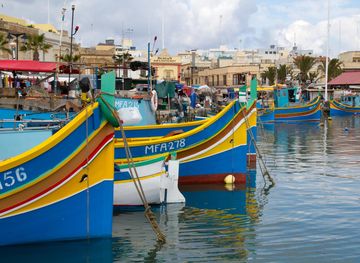
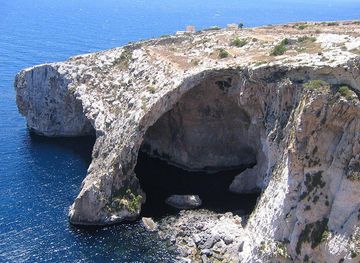
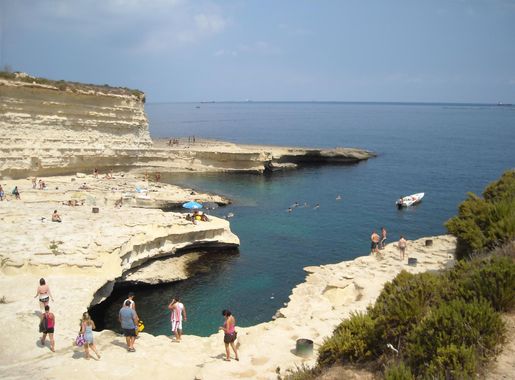
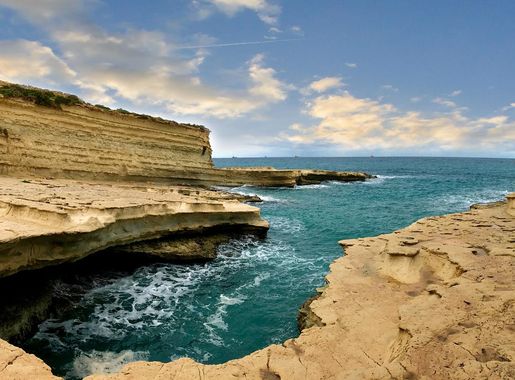
The South Eastern District of Malta is a captivating region that beautifully combines historical charm and natural beauty. This area is home to some of Malta’s most iconic landmarks, including the picturesque fishing village of Marsaxlokk. Here, colorful traditional boats known as 'luzzus' dance on the azure waters, creating a postcard-perfect scene. The vibrant Sunday market in Marsaxlokk is a must-visit, offering fresh seafood, local crafts, and a delightful taste of Maltese culture. Venture further, and you’ll discover the awe-inspiring Blue Grotto, where the sea glistens in shades of blue and green. The natural caves and arches are best explored by boat, offering an unforgettable experience. History enthusiasts will revel in the ancient temples of Ħaġar Qim and Mnajdra, which date back to 3600 BC and are among the oldest free-standing structures in the world. The South Eastern District is also known for its pristine beaches such as St. Peter's Pool, a natural swimming pool carved into the rocky coastline. It's a perfect spot for sunbathing and cliff diving. The coastal path from Marsaskala to Xrobb l-Għaġin offers stunning views and a chance to explore Malta’s rugged beauty on foot.

Know before you go
Hi, I'm Eve. Here are a few practical things to know before exploring South Eastern District.
- Visit Marsaxlokk on a Sunday for the bustling fish market and to experience local culture at its finest.
- Take a boat tour to the Blue Grotto for the best views of the stunning sea caves and crystal-clear waters.
- Wear comfortable shoes for exploring the ancient temples of Ħaġar Qim and Mnajdra, as the terrain can be uneven.
- Bring snorkeling gear to St. Peter's Pool for a chance to explore the underwater beauty of this natural swimming spot.
- The coastal walk from Marsaskala to Xrobb l-Għaġin offers breathtaking views but bring water and sun protection, as there are limited facilities along the way.
Top City Travel Guides in South Eastern District
The cities of South Eastern District, and the easiest places to base yourself.


Destinations in South Eastern District
Resorts, valleys and scenic spots worth a trip of their own.

Explore South Eastern District: Things to Do, Places to Eat, Hotels & More
Handpicked recommendations for top attractions, local dining, accommodations, and more

Top Attractions & Sightseeing in South Eastern District
Top-rated picks
Best Attractions

Ramla Bay Resort
Experience the perfect blend of luxury and adventure at Ramla Bay Resort in Mellieħa, Malta, where stunning beaches meet exceptional amenities.

Għar Dalam Cave
Discover the prehistoric secrets of Għar Dalam Cave, a stunning historical site in Malta showcasing ancient artifacts and geological wonders.
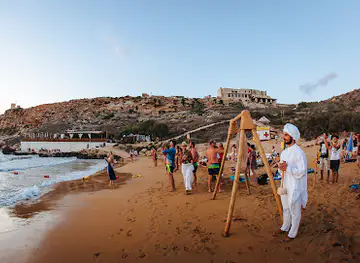
Singita Miracle Beach
Experience the ultimate cocktail retreat at Singita Miracle Beach, where stunning views and refreshing drinks await in Ghajn Tuffieha Bay.

Little Armier Beach
Experience the natural beauty and tranquility of Little Armier Beach in Mellieħa, a perfect escape with golden sands and crystal-clear waters.

Best landmarks in South Eastern District
Top-rated picks
Best Landmarks

Upper Barrakka
Discover breathtaking views and serene beauty at Upper Barrakka Gardens, Valletta's scenic oasis overlooking the Grand Harbour.

Popeye Village
Experience the charm of Popeye Village in Malta—where cartoon magic meets breathtaking Mediterranean beauty in a family-friendly theme park.

Triton Fountain
Discover the Triton Fountain in Floriana, Malta - a stunning symbol of heritage, beauty, and artistic grandeur that enchants every visitor.
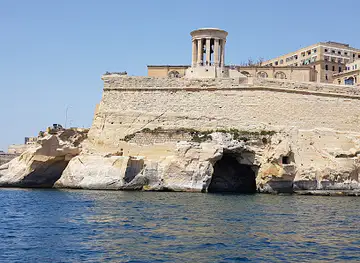
St. John's Co-Cathedral
Explore the stunning Baroque beauty of St. John's Co-Cathedral in Valletta, Malta, home to extraordinary art and rich history.

Best restaurants in South Eastern District
Top-rated picks
Best Restaurants

Ta' Kris
Discover authentic Maltese cuisine at Ta' Kris in Sliema – where tradition meets flavor in every dish.

Zero Sei Trattoria Romana
Experience authentic Italian cuisine in Valletta at Zero Sei Trattoria Romana – where every dish tells a story.

Gululu Restaurant @ Spinola Bay, St. Julians
Experience authentic Maltese flavors at Gululu Restaurant overlooking Spinola Bay in St. Julian's.

one80 Kitchen & Lounge
Experience exquisite Mediterranean cuisine at one80 Kitchen & Lounge in Mellieħa - where every meal is a journey through flavor.

Best bars in South Eastern District
Top-rated picks
Best Bars

Black Gold Saloon
Discover the ultimate live music bar experience at Black Gold Saloon in Sliema, Malta, where great food meets vibrant entertainment.

The Dubliner
Experience the best of Irish culture and cuisine at The Dubliner in St Julian's, Malta, where every night is a celebration.

Hugo's Terrace & Rooftop
Experience exquisite Mediterranean cuisine with stunning views at Hugo's Terrace & Rooftop in St. Julian's, Malta.

Bar Native
Discover St Julian's nightlife at Bar Native, where eclectic music, vibrant cocktails, and a lively atmosphere await every visitor.

Best nightclubs in South Eastern District
Top-rated picks
Best Nightclubs

Havana Club Malta
Discover the vibrant nightlife of Havana Club Malta, where music, dance, and unforgettable experiences come together in St. Julian's.

Gianpula Main Room
Discover the electrifying vibe of Gianpula Main Room, Malta's premier night club with live shows, dynamic crowds, and unforgettable nights.

The Nordic Bar
Discover the vibrant nightlife at The Nordic Bar in St Julian's, Malta – where every night is a celebration with electrifying music and a lively crowd.

Footloose
Experience the vibrant nightlife of St Julian's at Footloose, Malta's top party destination for unforgettable nights and lively music.

Best shops in South Eastern District
Top-rated picks
Best Shops

The Point Shopping Mall
Experience the ultimate shopping destination at The Point Shopping Mall in Sliema, Malta, featuring top brands, dining, and entertainment.

PAMA Shopping Mall
Discover the best of shopping, dining, and entertainment at PAMA Shopping Mall in Mosta, Malta, a must-visit destination for every traveler.

Bay Street Shopping Complex
Experience the ultimate shopping, dining, and entertainment at Bay Street Shopping Complex in St Julian's, Malta.

Main Street Shopping Complex, Paola
Experience shopping and dining at its finest at the Main Street Shopping Complex in Paola, Malta. A must-visit for foodies and shoppers alike.

Explore South Eastern District on the Map
A handpicked selection of must-see spots in South Eastern District, mapped for you.
South Eastern District Essentials
-
The South Eastern District in Malta is easily accessible from Malta International Airport, which is located in Luqa, within the district. The airport serves various international flights from Europe and beyond. From the airport, you can take a taxi, rent a car, or use public transportation to reach your destination within the district. The journey from the airport to various parts of the district typically ranges from 15 to 30 minutes by road.
-
Transportation within the South Eastern District is convenient and varied. Local buses operated by Malta Public Transport are affordable and cover most areas within the district. Taxis are also available, and ride-sharing services like Bolt operate in the area. Renting a car is another option, giving you the flexibility to explore at your own pace. Biking is a popular choice for short distances, with several rental options available. Walking is ideal for exploring the picturesque towns and villages.
-
The official currency in Malta is the Euro (EUR). Credit and debit cards are widely accepted in hotels, restaurants, and shops. However, it is advisable to carry some cash, especially when visiting smaller establishments or local markets. ATMs are readily available throughout the district. For convenience, consider exchanging some currency at the airport or using local exchange services in towns like Marsaxlokk.
-
The South Eastern District is generally safe for tourists. Standard precautions should be taken, such as avoiding poorly lit areas at night and keeping an eye on personal belongings in crowded places. Areas like Marsaxlokk and Birżebbuġa are popular tourist spots and are generally safe, but be cautious of pickpocketing in busy markets. Always stay vigilant and be aware of your surroundings.
-
In case of emergency, dial 112 for immediate assistance. This number connects you to police, medical, and fire services. There are several healthcare facilities and pharmacies in the district, including Mater Dei Hospital, which is the main hospital in Malta. It is advisable to have travel insurance that covers medical emergencies. For minor health concerns, local pharmacies can provide over-the-counter medications.
-
Fashion: Do dress modestly, especially when visiting religious sites such as churches. Avoid wearing revealing clothing. Religion: Do respect local customs and traditions. Always dress appropriately when entering churches and other religious sites. Public Transport: Do be respectful to other passengers and give up your seat to the elderly or those in need. Don’t eat or drink on public transport. Greetings: Do greet people with a friendly 'hello' or 'bonjour' (Maltese for 'good day'). Handshakes are common when meeting someone for the first time. Eating & Drinking: Do try local delicacies and accept food offerings graciously. Don’t refuse hospitality, as it is considered impolite.
-
To experience the South Eastern District like a local, visit the Marsaxlokk fish market on Sundays to buy fresh seafood and local produce. Engage with the locals, who are often friendly and willing to share stories about the area’s history and culture. Don’t miss the opportunity to explore the traditional Maltese villages and try local dishes such as pastizzi and ftira. For a unique experience, visit the Ħal Saflieni Hypogeum, a prehistoric underground burial site, and the Tarxien Temples, which are UNESCO World Heritage Sites.
When is the best time to visit South Eastern District?
Useful Local Phrases for South Eastern District
You don't need to speak the language perfectly. Even learning a few simple words can make conversations warmer—and locals usually appreciate the effort.
— Eve

Here are the phrases I use most often in South Eastern District. Try a few—you'll be surprised how far they go! 😊
❤️
-
- HelloHi
[hai] - GoodbyeBye
[bai] - YesYeah
[yea] - NoNope
[nohp] - Please/You're welcomeSure thing
[shur thing] - Thank youThanks
[thangs] - Excuse me/SorryExcuse me
[exkyooz mee] - How are you?How's it going?
[howz it goin] - Fine. And you?Good. You?
[gud. you?] - Do you speak English?Do you speak English?
[do you speek ingglish] - I don't understandI don’t get it
[i dont get it]
- HelloHi
-
- I'd like to see the menu, pleaseCan I see the menu?
[can i see the menoo] - I don't eat meatI’m vegetarian
[im vejetarian] - Cheers!Cheers!
[cheers] - I would like to pay, pleaseCan I get the check?
[can i get the chek]
- I'd like to see the menu, pleaseCan I see the menu?
-
- Help!Help!
[help] - Go away!Leave me alone!
[leev mee alon] - Call the Police!Call 911!
[call nine one one] - Call a doctor!Get a doctor!
[get a doktor] - I'm lostI'm lost
[im lost] - I'm illI'm not feeling well
[im not feeling wel]
- Help!Help!
-
- I'd like to buy...I want to buy...
[i want to bai] - I'm just lookingJust browsing
[just browsing] - How much is it?What’s the price?
[whats the prys] - That's too expensiveThat's pricey
[thats pricy] - Can you lower the price?Can you give me a deal?
[can you giv mee a deel]
- I'd like to buy...I want to buy...
-
- What time is it?What time is it?
[what time is it] - It's one o'clockIt's one
[its wun] - Half past (10)Half past ten
[haf past ten] - MorningMorning
[morning] - AfternoonAfternoon
[afternun] - EveningEvening
[evening] - YesterdayYesterday
[yesturday] - TodayToday
[tudei] - TomorrowTomorrow
[tumorrow] - 1One
[wun] - 2Two
[too] - 3Three
[three] - 4Four
[for] - 5Five
[faiv] - 6Six
[siks] - 7Seven
[sevuhn] - 8Eight
[ait] - 9Nine
[nain] - 10Ten
[ten]
- What time is it?What time is it?
-
- Where's a/the...?Where's the...?
[wheres the] - What's the address?What's the address?
[whats the adrees] - Can you show me (on the map)?Can you show me on the map?
[can you sho mee on the map] - When's the next (bus)?When's the next bus?
[whens the next bus] - A ticket (to ....)One ticket to...
[one tiket to]
- Where's a/the...?Where's the...?
History of South Eastern District
-
The Hypogeum of Ħal-Saflieni is a subterranean structure dating back to around 4000 BC. This ancient burial site, discovered in 1902, consists of a series of chambers carved out of limestone. The Hypogeum provides insight into the prehistoric inhabitants of Malta and their burial rituals. It is the only known prehistoric underground temple in the world and is recognized as a UNESCO World Heritage Site.
-
The Tarxien Temples are a complex of megalithic structures built between 3600 and 2500 BC. This archaeological site, located in the heart of the South Eastern District, showcases the advanced construction techniques of Malta's early inhabitants. The temples are adorned with intricate stone carvings and sculptures, including representations of animals and spiral motifs. The site provides crucial information about Malta's prehistoric period and religious practices.
-
Fort Rinella, constructed between 1878 and 1886 by the British, is a coastal battery designed to house one of the world's largest cannons, the Armstrong 100-ton gun. This fortification was part of a network of coastal defenses intended to protect Malta's strategic position in the Mediterranean. Today, Fort Rinella is a museum offering reenactments and demonstrations, providing visitors with a glimpse into Malta's military history during the British colonial period.
-
The Great Siege of Malta in 1565 was a pivotal moment in the island's history. The Ottoman Empire attempted to conquer Malta, but the Knights of St. John, along with the Maltese people, successfully defended the island. The South Eastern District played a crucial role during the siege, with fortifications such as Fort St. Angelo in nearby Birgu serving as key defensive positions. The victory solidified the Knights' presence in Malta and is celebrated annually with historical reenactments and events.
-
Marsaxlokk is a traditional fishing village known for its picturesque harbor filled with colorful Luzzu boats. The village has a long history of fishing, dating back to Phoenician times. Marsaxlokk played a significant role during World War II as a strategic point for both the Allies and Axis powers. Today, it is renowned for its vibrant fish market and seafood restaurants, offering a glimpse into the local culture and traditions of the South Eastern District.
-
Zejtun, one of the oldest towns in Malta, is home to St. Catherine's Parish Church, a baroque marvel completed in 1692. The town has a rich history that includes its significance during the Roman period and its resistance against Ottoman attacks. Zejtun is also known for its traditional festa, celebrating St. Catherine with elaborate decorations, processions, and fireworks. The town's historical architecture and cultural heritage make it a key destination in the South Eastern District.
-
Located in the nearby town of Birgu, the Inquisitor's Palace was established in the 16th century as the residence of the Inquisitor of Malta. It served as the center of the Roman Catholic Inquisition in Malta, overseeing religious orthodoxy and combating heresy. The palace is now a museum, offering exhibits on the Inquisition's history, its impact on Maltese society, and the daily life of its inhabitants. The palace's well-preserved architecture and historical significance provide a unique insight into Malta's ecclesiastical history.
Neighbouring Regions of South Eastern District
The closest regions to South Eastern District, if you have time for more than one.


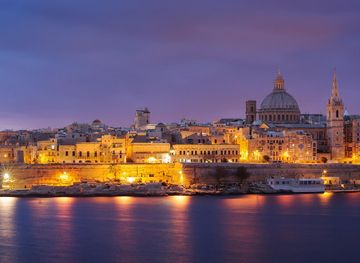

Your all‑in‑one travel companion app
Explore expert travel guides, compare and book tours, experiences, hotels, and more—all from the palm of your hand. Download now for seamless trip planning wherever your wanderlust takes you.


Explore More of Malta
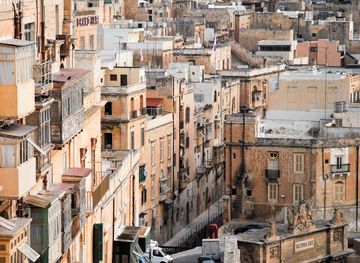
Looking beyond South Eastern District? Discover Malta for broader travel guides, local hot-spots, and regional highlights.
Explore MaltaSouth Eastern District in Photos
Browse through our photo collection highlighting the charm and character of the destination.




Enchanting Wonders of South Eastern District, Malta
The South Eastern District of Malta is a captivating region that beautifully combines historical charm and natural beauty. This area is home to some of Malta’s most iconic landmarks, including the picturesque fishing village of Marsaxlokk. Here, colorful traditional boats known as 'luzzus' dance on the azure waters, creating a postcard-perfect scene. The vibrant Sunday market in Marsaxlokk is a must-visit, offering fresh seafood, local crafts, and a delightful taste of Maltese culture. Venture further, and you’ll discover the awe-inspiring Blue Grotto, where the sea glistens in shades of blue and green. The natural caves and arches are best explored by boat, offering an unforgettable experience. History enthusiasts will revel in the ancient temples of Ħaġar Qim and Mnajdra, which date back to 3600 BC and are among the oldest free-standing structures in the world. The South Eastern District is also known for its pristine beaches such as St. Peter's Pool, a natural swimming pool carved into the rocky coastline. It's a perfect spot for sunbathing and cliff diving. The coastal path from Marsaskala to Xrobb l-Għaġin offers stunning views and a chance to explore Malta’s rugged beauty on foot.