

Free South Eastern Region Travel Guide & Mobile App
Explore South Eastern Region with free travel guides. Discover regional history, expert tips, proposed trips, and audio guides on web or mobile app.


Explore the South Eastern Region of Malta - a blend of history, culture, and natural beauty with ancient temples, charming villages, and stunning coastline.
Read more about South Eastern Region
When is the best time to visit South Eastern Region?
Best: May–June, September · 22–26°C| Month | High (°C) | Rainfall (mm) |
|---|---|---|
| January | 8 | 60 |
| February | 9 | 55 |
| March | 12 | 65 |
| April | 17 | 70 |
| May (best) | 22 | 80 |
| June (best) | 26 | 85 |
| July | 30 | 90 |
| August | 30 | 95 |
| September (best) | 25 | 80 |
| October | 20 | 70 |
| November | 13 | 65 |
| December | 8 | 60 |
Getting to and around South Eastern Region
How to get there
Transportation
Top city travel guides in South Eastern Region
The cities of South Eastern Region, and the easiest places to base yourself.
-

-

-

-

-

-


Swipe for more cities
Destinations in South Eastern Region
Resorts, valleys and scenic spots worth a trip of their own.

Swipe for more destinations
Best attractions in South Eastern Region
The South Eastern Region of Malta is a treasure trove of historical and cultural wonders waiting to be explored. Visitors can marvel at the prehistoric temples of Ħaġar Qim and Mnajdra, which date back over 5,000 years and offer a glimpse into Malta's ancient past. The region is also home to the picturesque fishing village of Marsaxlokk, where vibrant markets and traditional boats called 'luzzus' create a postcard-perfect scene. For those seeking natural beauty, the Blue Grotto provides stunning sea caves and crystal-clear waters that are perfect for a boat tour or a refreshing swim. The fortified city of Birgu (Vittoriosa) offers narrow streets, historical museums, and the impressive Inquisitor’s Palace, showcasing the region's rich history. Additionally, the Tarxien Temples, a UNESCO World Heritage site, reveal intricate stone carvings and fascinating archaeological discoveries. Whether you're a history buff, nature lover, or simply in search of authentic Maltese culture, the South Eastern Region has something to captivate every traveler.
-
Resort hotel
Ramla Bay Resort
Experience the ultimate blend of relaxation and adventure at Ramla Bay Resort, where stunning beaches and luxurious amenities await in Malta.
-
Beach
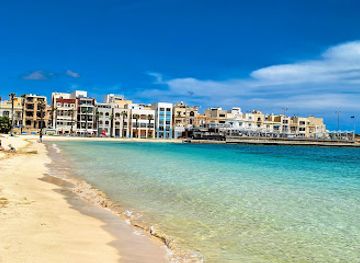
Pretty Bay
Explore Pretty Bay, Malta's pristine beach featuring golden sands, crystal-clear waters, and a perfect atmosphere for relaxation and adventure.
-
Casino
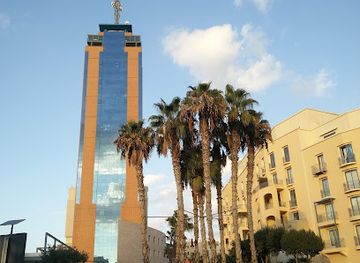
Portomaso Casino
Discover the allure of Portomaso Casino, a premier gaming destination in St Julian's, Malta, offering luxury, excitement, and unforgettable entertainment.
-
Beach
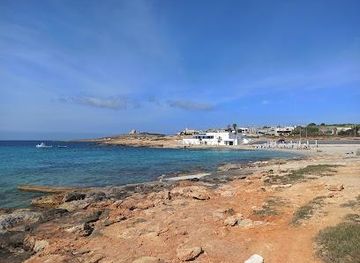
Little Armier Beach
Discover the serene beauty of Little Armier Beach in Mellieħa, Malta, where golden sands meet azure waters for an unforgettable beach experience.

Best landmarks in South Eastern Region
The South Eastern Region of Malta is a treasure trove for history enthusiasts and culture seekers alike, offering a tapestry of experiences that span millennia. Visitors can wander through the ancient streets of Birgu (Vittoriosa), where the echoes of the Knights of St. John still whisper among the fortified walls and the Inquisitor's Palace. Dive into the prehistoric era at the Ħal Saflieni Hypogeum, a subterranean necropolis dating back over 5,000 years, and marvel at the intricate stonework of the Tarxien Temples. The picturesque fishing village of Marsaxlokk enchants with its colorful luzzu boats and vibrant Sunday fish market, while the breathtaking Blue Grotto beckons adventurers to explore its stunning sea caves and crystal-clear waters. History, culture, and natural beauty converge in this captivating region, promising an unforgettable journey through time.
-
Historical landmark
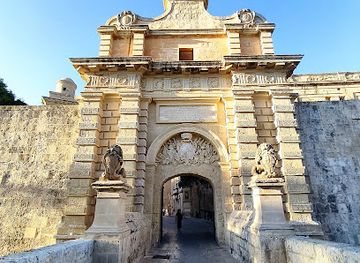
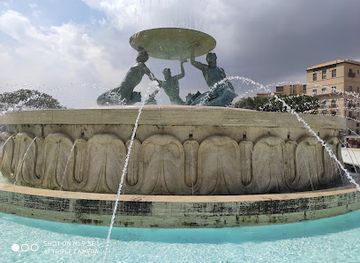
Mdina Gate
Explore the enchanting Mdina Gate, an iconic historical landmark that opens the door to Malta's rich medieval heritage and breathtaking views.
-
Park
Upper Barrakka
Discover breathtaking views and historical charm at Upper Barrakka Gardens in Valletta, a serene retreat for tourists in Malta.
-
Theme park
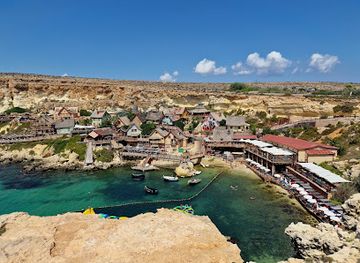
Popeye Village
Discover the magic of Popeye Village in Malta, a charming theme park filled with fun activities, stunning views, and beloved characters.
-
Cathedral
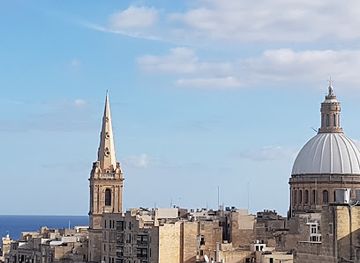
St. John's Co-Cathedral
Discover the captivating beauty of St. John's Co-Cathedral, a Baroque gem in Valletta, showcasing art, history, and spirituality in one remarkable location.
Explore South Eastern Region on the map
Plan your trip on one map. See where the top cities, national parks and sights are, and book hotels and experiences in a few clicks.
Best hotels in South Eastern Region
Best restaurants in South Eastern Region
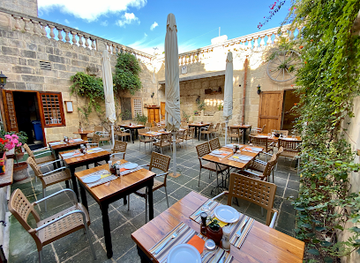
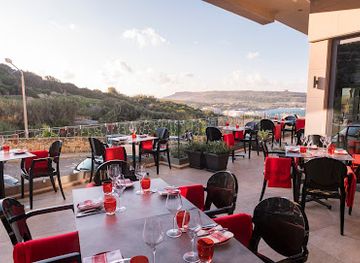
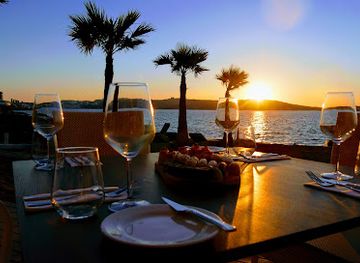
The dining scene in the South Eastern Region of Malta is a vibrant tapestry of flavors and experiences that reflect the area's rich cultural heritage and Mediterranean charm. Visitors can expect to savor traditional Maltese dishes like rabbit stew (fenkata) and lampuki pie, prepared with fresh, locally-sourced ingredients. The coastal towns, such as Marsaxlokk, are famed for their bustling fish markets and seaside eateries offering a bounty of the day's catch, from succulent swordfish to octopus stews. In charming village squares, quaint trattorias serve up hearty pastizzi and ftira, while family-run bakeries tempt with honey rings and almond pastries. The region also boasts a growing number of upscale restaurants where innovative chefs blend Maltese cuisine with international influences, providing a culinary journey that's both authentic and avant-garde. Whether dining al fresco with stunning sea views or in the rustic ambiance of a historic inn, visitors will find that every meal in the South Eastern Region is a delightful encounter with Malta's gastronomic soul.
-
Maltese
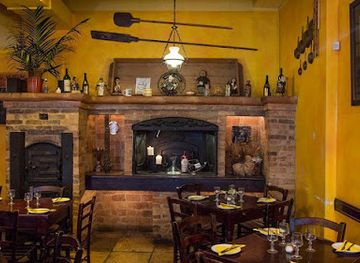
Ta' Kris
Savor the essence of Malta at Ta' Kris—where traditional Maltese flavors meet Mediterranean flair in a cozy bistro setting.
-
Italian
Coogi's Restaurant & Tea Garden
Discover culinary bliss at Coogi's Restaurant & Tea Garden in Mdina—where Italian flavors meet Maltese charm amidst stunning views.
-
Mediterranean
one80 Kitchen & Lounge
Experience exquisite Mediterranean cuisine at One80 Kitchen & Lounge in Mellieħa, where taste meets stunning views and vibrant atmosphere.
-
Restaurant
Nine Lives Malta
Experience exquisite Mediterranean cuisine at Nine Lives Malta while enjoying stunning coastal views in St. Paul's Bay.
Best bars in South Eastern Region
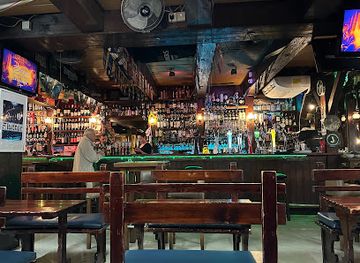
The nightlife scene in Malta's South Eastern Region offers a vibrant tapestry of experiences, from the bustling bars of Marsaskala, where you can sip on a cocktail while enjoying live music by the waterfront, to the more intimate wine bars of Birgu that exude a historic charm with their centuries-old architecture. Visitors can expect an eclectic mix of entertainment, with everything from traditional Maltese folk music performances to trendy nightclubs that keep the energy high with international DJs and dance floors that pulsate with life until the early hours. The region also boasts a variety of cultural events and open-air festivals, especially during the summer months, where locals and tourists alike gather to celebrate with food, drink, and music under the starlit Mediterranean sky. Whether you're in the mood for a quiet night sampling local wines or a lively party atmosphere, the South Eastern Region of Malta has something to enchant every visitor.
-
Live music bar
Black Gold Saloon
Discover the vibrant atmosphere of Black Gold Saloon in Sliema, a lively bar with live music and delicious cuisine in Malta.
-
Bar
Zion Bar & Restaurant
Discover the vibrant Zion Bar & Restaurant in Marsaskala, where reggae beats meet delicious food and stunning bay views.
-
Bar
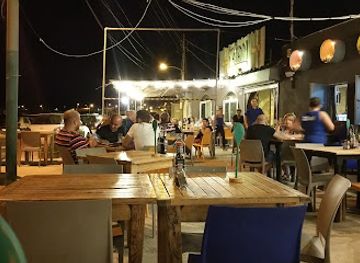
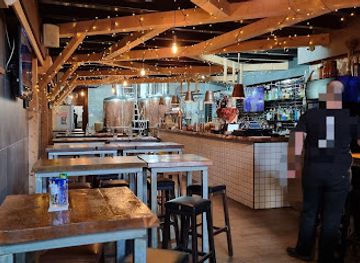
The Brew Grill & Brewery
Experience the vibrant taste of Malta at The Brew Grill & Brewery, where craft beer meets delightful grilled cuisine in a lively setting.
-
Irish pub
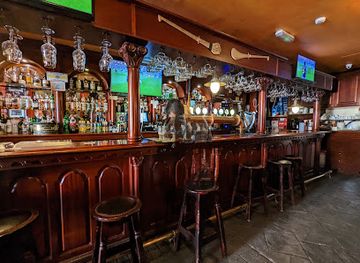
The Dubliner
Experience authentic Irish culture at The Dubliner in St. Julian's, Malta - where delicious food and great drinks meet warm hospitality.
Best nightclubs in South Eastern Region
The nightlife scene in Malta's South Eastern Region offers a vibrant tapestry of experiences, from the bustling bars of Marsaskala, where you can sip on a cocktail while enjoying live music by the waterfront, to the more intimate wine bars of Birgu that exude a historic charm with their centuries-old architecture. Visitors can expect an eclectic mix of entertainment, with everything from traditional Maltese folk music performances to trendy nightclubs that keep the energy high with international DJs and dance floors that pulsate with life until the early hours. The region also boasts a variety of cultural events and open-air festivals, especially during the summer months, where locals and tourists alike gather to celebrate with food, drink, and music under the starlit Mediterranean sky. Whether you're in the mood for a quiet night sampling local wines or a lively party atmosphere, the South Eastern Region of Malta has something to enchant every visitor.
-
Lounge
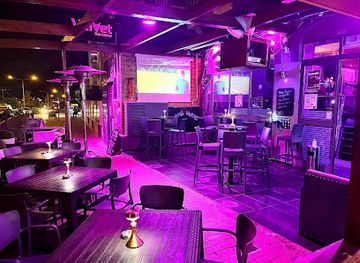
VELVET LOUNGE CLUB (SHISHA AND FOOD )
Discover Velvet Lounge Club in San Pawl il-Baħar: A premier destination for shisha and food lovers, offering a vibrant atmosphere and delicious delights.
-
Night club
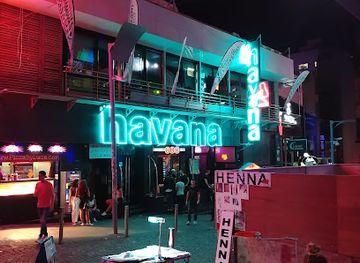
Havana Club Malta
Discover Havana Club Malta, the ultimate night club experience with vibrant music, delicious cocktails, and an unforgettable party atmosphere.
-
Night club
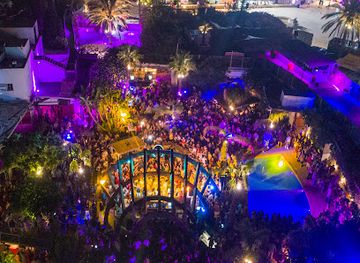
Gianpula Main Room
Gianpula Main Room: A premier night club in Malta, offering electrifying music, vibrant crowds, and unforgettable nightlife experiences.
-
Night club
The Nordic Bar
Experience the vibrant nightlife at The Nordic Bar in St. Julian's, where great music and friendly vibes make for unforgettable nights out.

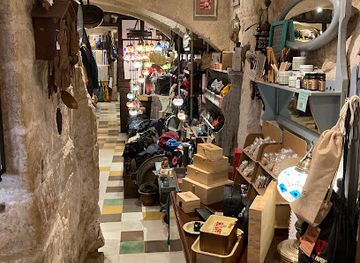
Best shops in South Eastern Region
The South Eastern Region of Malta offers a vibrant shopping experience that blends traditional charm with modern allure. Visitors can explore bustling markets like the Marsaxlokk Fish Market, where colorful stalls brim with fresh seafood, local produce, and artisanal crafts, perfect for those seeking authentic Maltese souvenirs. The area is dotted with quaint boutiques and specialty shops in historic towns like Birgu and Żejtun, offering unique finds from handmade jewelry to bespoke fashion. For a touch of contemporary flair, the region also boasts several modern shopping centers with international brands, ensuring a delightful mix of old and new. As you wander through these diverse shopping venues, you can enjoy the picturesque settings and the warm hospitality that Malta is renowned for.
-
Shopping mall
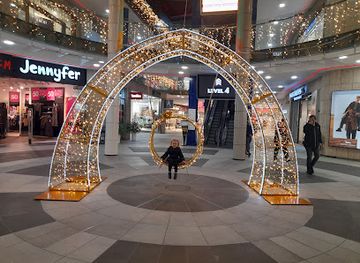
The Point Shopping Mall
Discover The Point Shopping Mall in Sliema, Malta—your ultimate destination for shopping, dining, and entertainment by the sea.
-
Shopping mall
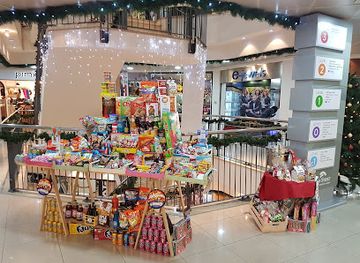
Main Street Shopping Complex, Paola
Discover the vibrant shopping and dining experience at Main Street Shopping Complex, Paola – where local culture meets modern retail.
-
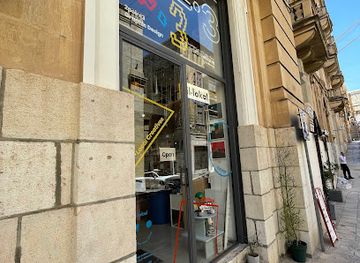
Gift shop
il-lokal
Discover unique Maltese crafts and souvenirs at Il-Lokal, a charming gift shop in the heart of Valletta, offering a taste of local artistry.
-
Clothing store
Ċekċik
Explore unique fashion at Ċekċik in Valletta, where local style meets quality craftsmanship in a charming setting.
Get your free copy of our complete guide to South Eastern Region, delivered straight to you.
Everything on this page, from attractions and restaurants to essentials and local phrases, in one PDF you can read offline, print or share.
Already have an account? Sign in
Your South Eastern Region guide is ready.
We'll send it to · Not you? Sign out

Getting your guide ready…
We are putting together a fresh copy of the South Eastern Region guide. This can take up to a minute.
This can take a few moments. If your browser asks, choose Allow so the download can start. You'll find the guide in your Downloads folder.
Nothing happened? Download it again
Sorry, the guide is taking longer than usual. Please try again in a minute, or get it by email instead.
South Eastern Region essentials
Currency and Payment
Safety
Emergency Situations
Do's and Don'ts
Local Tips
From Eve
Local phrases worth knowing
You don't need to get them perfect. A few words go a long way, and locals appreciate the effort.
Basics
| English | Local | Say it |
|---|---|---|
| Hello | Hi | [Hai] |
| Goodbye | Bye | [Bai] |
| Yes | Yeah | [Yea] |
| No | Nope | [Nope] |
| Please/You're welcome | Please | [Pleez] |
| Thank you | Thanks | [Thangs] |
| Excuse me/Sorry | Excuse me | [Excuse mee] |
| How are you? | How ya doin’? | [How yah doin’?] |
| Fine. And you? | I’m good. You? | [Aym good. Yoo?] |
| Do you speak English? | Do ya speak English? | [Doo yah speek English?] |
| I don't understand | I don’t get it | [Aym don’t get it] |
Eating & Drinking
| English | Local | Say it |
|---|---|---|
| I'd like to see the menu, please | Can I see the menu, please? | [Can Aym see the menu, pleez?] |
| I don't eat meat | I’m a vegetarian | [Aym a vegeterian] |
| Cheers! | Cheers! | [Cheers!] |
| I would like to pay, please | Can I get the check, please? | [Can Aym get the check, pleez?] |
Emergencies
| English | Local | Say it |
|---|---|---|
| Help! | Help! | [Help!] |
| Go away! | Get lost! | [Get lost!] |
| Call the Police! | Call the cops! | [Call the cops!] |
| Call a doctor! | Get a doctor! | [Get a doctor!] |
| I'm lost | I’m lost | [Aym lost] |
| I'm ill | I’m sick | [Aym sick] |
Shopping
| English | Local | Say it |
|---|---|---|
| I'd like to buy... | I wanna buy... | [Aym wanna buy...] |
| I'm just looking | Just looking, thanks | [Just looking, thangs] |
| How much is it? | What’s the price? | [What’s the prais?] |
| That's too expensive | That’s way too much | [That’s way too much] |
| Can you lower the price? | Can ya make it cheaper? | [Can yah make it cheaper?] |
Time & Numbers
| English | Local | Say it |
|---|---|---|
| What time is it? | What time is it? | [What time is it?] |
| It's one o'clock | It’s 1 o’clock | [It’s 1 o’clock] |
| Half past (10) | Half past ten | [Half past ten] |
| Morning | Morning | [Morning] |
| Afternoon | Afternoon | [Afternoon] |
| Evening | Evening | [Evening] |
| Yesterday | Yesterday | [Yesterday] |
| Today | Today | [Today] |
| Tomorrow | Tomorrow | [Tomorrow] |
| 1 | One | [Wun] |
| 2 | Two | [Too] |
| 3 | Three | [Three] |
| 4 | Four | [For] |
| 5 | Five | [Fiv] |
| 6 | Six | [Six] |
| 7 | Seven | [Sev-en] |
| 8 | Eight | [Ait] |
| 9 | Nine | [Nin] |
| 10 | Ten | [Ten] |
Transport & Directions
| English | Local | Say it |
|---|---|---|
| Where's a/the...? | Where’s the...? | [Where’s the...?] |
| What's the address? | What’s the address? | [What’s the address?] |
| Can you show me (on the map)? | Can ya show me (the map)? | [Can yah show me (the map)?] |
| When's the next (bus)? | When’s the next bus? | [When’s the next bus?] |
| A ticket (to ....) | A ticket to... | [A ticket to...] |
History of South Eastern Region
The Prehistoric Temples of Ħaġar Qim and Mnajdra
The South Eastern Region of Malta is home to some of the oldest free-standing structures in the world. The prehistoric temples of Ħaġar Qim and Mnajdra, dating back to around 3600-3200 BC, are magnificent examples of early human ingenuity. These megalithic temples are adorned with intricate carvings and are aligned with celestial events, indicating the advanced understanding of astronomy by their builders. The temples are UNESCO World Heritage Sites and offer a glimpse into Malta's rich prehistoric past.
The Phoenician and Roman Influence
The strategic location of the South Eastern Region made it a significant point of interest for various ancient civilizations. The Phoenicians established trading posts here around 800 BC, followed by the Romans who took control of Malta in 218 BC. The remnants of these periods can be seen in places like the Roman Domus in Żejtun, which showcases intricate mosaics and artifacts that highlight the region's importance as a cultural and commercial hub in antiquity.
The Medieval Period and the Knights of St. John
During the medieval period, the South Eastern Region saw the rise of fortified structures and the influence of various rulers, including the Arabs and Normans. However, it was the arrival of the Knights of St. John in 1530 that truly transformed the region. The Knights fortified the area, building impressive bastions and watchtowers to protect against Ottoman invasions. The village of Żejtun, with its baroque churches and narrow streets, reflects the architectural and cultural legacy of this period.
The Great Siege of 1565
One of the most significant historical events in the South Eastern Region was the Great Siege of 1565. The Ottoman Empire launched a massive attack on Malta, and the region's fortifications played a crucial role in the island's defense. The heroic resistance of the Knights of St. John and the Maltese people during this siege is commemorated in various sites and monuments across the region, serving as a testament to their resilience and bravery.
British Colonial Era
Malta became a British colony in 1814, and the South Eastern Region experienced significant changes during this period. The British developed infrastructure, including roads and harbors, and established military installations. The influence of British colonial rule is evident in the architecture and urban planning of towns like Marsaxlokk, known for its picturesque fishing village and traditional luzzu boats.
World War II and Its Impact
During World War II, Malta played a strategic role due to its location in the Mediterranean. The South Eastern Region was heavily bombed by Axis forces, causing widespread destruction. The resilience of the Maltese people during this time is remembered through memorials and museums. The Ħal Far airfield, now partially converted into an industrial estate, was a significant military base during the war.
Modern Day Cultural Heritage
Today, the South Eastern Region of Malta is a vibrant area that blends its historical heritage with modern culture. The region hosts numerous festivals, including the traditional village festas, which celebrate local patron saints with processions, fireworks, and feasts. The Marsaxlokk Fish Market, held every Sunday, is a bustling event that attracts locals and tourists alike, offering a taste of the region's rich maritime culture.
South Eastern Region in Photos
Browse through our photo collection highlighting the charm and character of the destination.
Neighbouring regions of South Eastern Region
The closest regions to South Eastern Region, if you have time for more than one.
-

-
-

-

-


Swipe for more regions
Explore more
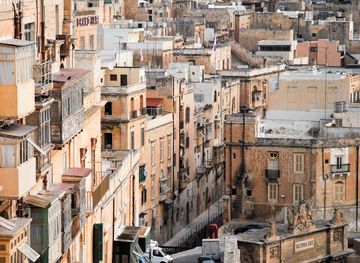
Explore more of Malta
Discover Malta's crystal-clear waters, rich history, and vibrant culture. From ancient temples to modern nightlife, this Mediterranean gem offers something for everyone.
Explore Malta