

Free Southern Harbour Travel Guide & Mobile App
Explore Southern Harbour with free travel guides. Discover regional history, expert tips, proposed trips, and audio guides on web or mobile app.


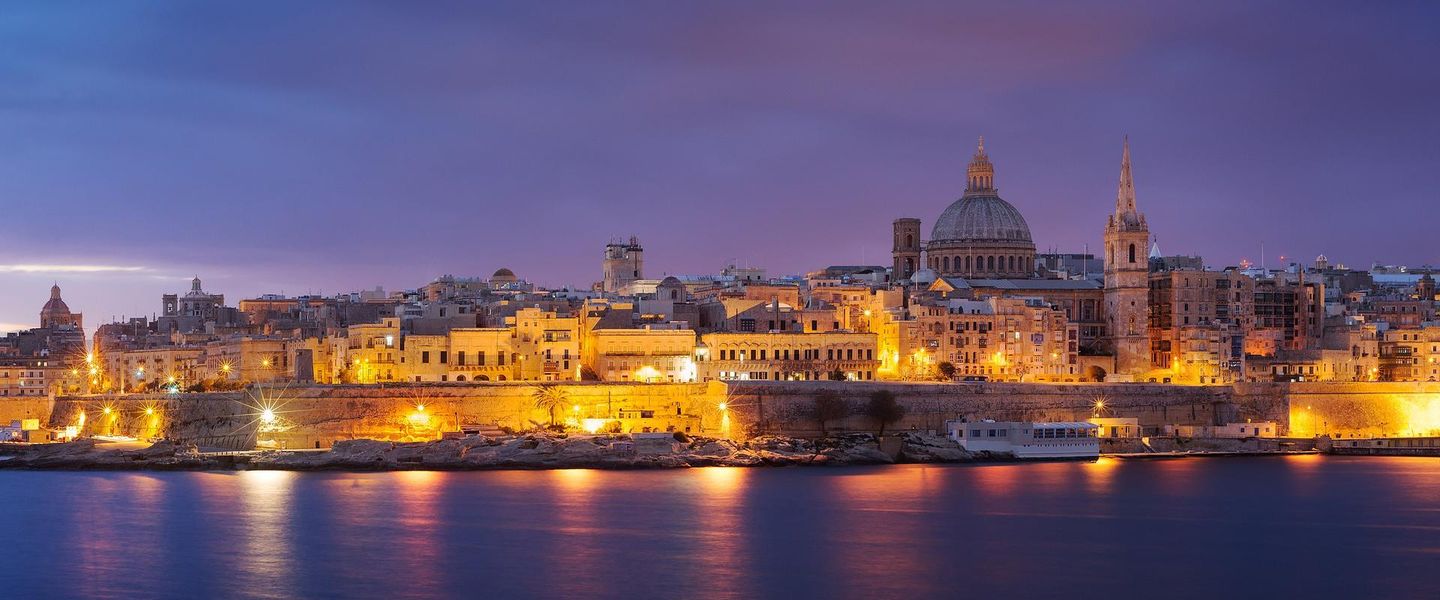


Explore Southern Harbour Malta for Valletta’s baroque streets, the Three Cities, prehistoric temples and harbour-side Maltese culture.
Read more about Southern Harbour
When is the best time to visit Southern Harbour?
Best: May–June, September · 23–28°C| Month | High (°C) | Rainfall (mm) |
|---|---|---|
| January | 11 | 89 |
| February | 12 | 76 |
| March | 15 | 66 |
| April | 19 | 57 |
| May (best) | 23 | 47 |
| June (best) | 28 | 36 |
| July | 30 | 28 |
| August | 29 | 38 |
| September (best) | 26 | 61 |
| October | 20 | 71 |
| November | 14 | 78 |
| December | 11 | 83 |
Getting to and around Southern Harbour
How to get there
Transportation
Top city travel guides in Southern Harbour
The cities of Southern Harbour, and the easiest places to base yourself.
-

-

-

-

-

-


Swipe for more cities
Destinations in Southern Harbour
Resorts, valleys and scenic spots worth a trip of their own.

Swipe for more destinations
Best attractions in Southern Harbour
Southern Harbour’s attractions combine Malta’s most concentrated historic cityscape with archaeological, military and maritime experiences. Valletta provides a dense programme of churches, palaces, museums, galleries and fortified viewpoints, including St John’s Co-Cathedral, the National Museum of Archaeology and the National War Museum at Fort St Elmo. The Three Cities offer a different pace, with the Inquisitor’s Palace, Fort St Angelo, historic churches, maritime collections and waterfront lanes in Birgu, Senglea and Cospicua. Inland, the Ħal Saflieni Hypogeum and Tarxien Temples illuminate Malta’s prehistoric civilisation, although both require careful planning and, in the Hypogeum’s case, timed admission. Fort Rinella in Kalkara adds military history and displays associated with the British period. Harbour cruises, ferry crossings and walks along the bastions provide geographical context, while local parish museums and streets around Żabbar, Paola and Marsa reveal everyday urban Malta beyond the principal monuments.
-
Archaeological site
Tarxien Temples
Explore the Tarxien Temples, a UNESCO World Heritage Site in Malta, showcasing ancient artistry and spirituality from the Neolithic era.
-
Wedding venue
Palazzo Parisio
Explore the exquisite beauty of Palazzo Parisio, a baroque palace in Naxxar, Malta, featuring stunning gardens and delightful dining experiences.
-
Beach
Gnejna
Discover the tranquil beauty of Gnejna Beach in Malta, where golden sands meet crystal-clear waters and stunning views of Gozo and Comino await.
-
Historical landmark
Torri ta' San Ġiljan
Explore the rich history and stunning views of Torri ta' San Ċiljan, a remarkable landmark in Sliema, Malta, blending heritage with breathtaking coastal beauty.


Best landmarks in Southern Harbour
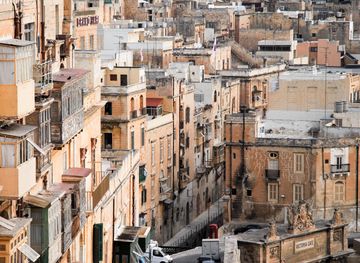
The defining landmark of Southern Harbour is Valletta’s fortified peninsula, where bastions, gates and straight streets form one of Malta’s most recognisable urban ensembles. St John’s Co-Cathedral is distinguished by its richly decorated Baroque interior and the artistic legacy of the Order of St John, while the Upper and Lower Barrakka Gardens frame views across the Grand Harbour. On the opposite shore, Fort St Angelo anchors Birgu’s waterfront and represents centuries of military control over the harbour entrance. Senglea’s Gardjola lookout, with its carved symbols and elevated position, is one of the district’s most familiar visual markers. The massive Cottonera Lines and surrounding fortifications demonstrate the scale of the defensive system built around the Three Cities. Further inland, the Tarxien Temples and the Ħal Saflieni Hypogeum are landmarks of Malta’s prehistoric achievement rather than later military history. Together these places make Southern Harbour a landscape of stone fortifications, sacred buildings, archaeological structures and working maritime space.
-
Park
Upper Barrakka
Discover the beauty of Upper Barrakka Gardens in Valletta, where stunning views and lush landscapes create a tranquil escape in the heart of Malta.
-
Fountain
Triton Fountain
Discover the majestic Triton Fountain in Floriana, Malta, a stunning tourist attraction that showcases the island's rich history and artistic beauty.
-
Cathedral
St. John's Co-Cathedral
Discover the Baroque splendor of St. John's Co-Cathedral in Valletta, a cultural gem filled with art and history.
-
Historical landmark
City Gate
Discover the architectural marvel of City Gate, the historic entrance to Valletta, where the past meets the vibrant present of Malta's capital.



Explore Southern Harbour on the map
Plan your trip on one map. See where the top cities, national parks and sights are, and book hotels and experiences in a few clicks.
Best hotels in Southern Harbour
Best restaurants in Southern Harbour
Dining in Southern Harbour ranges from traditional snack counters and bakeries to contemporary restaurants in Valletta and the waterfront towns. Pastizzi, filled pastries made with ricotta or peas, are a practical breakfast or street snack, while ħobż biż-żejt combines crusty Maltese bread with olive oil, tomato and other savoury ingredients. Menus often include rabbit, fish, octopus, slow-cooked stews and pasta influenced by Malta’s Mediterranean connections; local interpretations vary between family restaurants and more polished city dining rooms. Valletta has the broadest choice of cafés, wine bars and restaurants, whereas the Three Cities combine harbour-side dining with quieter neighbourhood establishments. Look for Maltese bread, local cheeses, seasonal vegetables and seafood, and use bakeries and small cafés for an inexpensive taste of everyday food culture. In summer, shaded courtyards and waterfront tables are especially popular, but booking is sensible for well-known restaurants and busy evenings.
-
Maltese
Palazzo Preca Restaurant
Experience exquisite Maltese and Mediterranean flavors at Palazzo Preca Restaurant in Valletta – where culinary tradition meets fine dining.
-
Mediterranean
Rampila Restaurant
Experience the best of Mediterranean cuisine at Rampila Restaurant in Valletta – where history and flavor come together.
-
Maltese
La Pira Maltese Kitchen
Discover the flavors of Malta at La Pira Maltese Kitchen – a culinary gem in Valletta offering authentic dishes in a charming atmosphere.
-
Restaurant
Legligin Restaurant
Experience authentic Maltese flavors at Legligin Restaurant in Valletta, where every dish celebrates local traditions.


Best bars in Southern Harbour
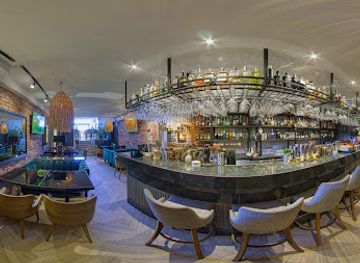
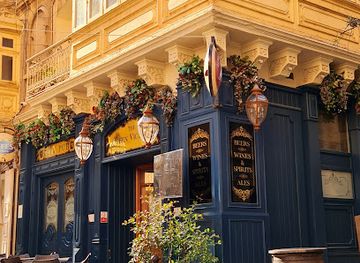
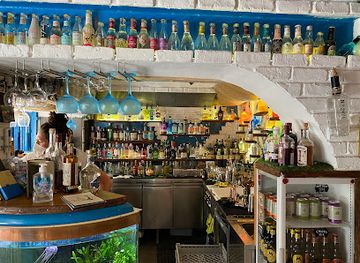
Nightlife in Southern Harbour is concentrated in Valletta, where historic premises now house wine bars, cocktail venues, cafés, live-music spaces and restaurants. The city’s evening atmosphere is more cultural and social than club-centred, with theatres and performances contributing to the programme alongside dining. Birgu and the other Three Cities offer a smaller selection of bars and waterfront restaurants, particularly suited to a relaxed drink overlooking the harbour rather than a late-night circuit. Traditional bars and local cafés remain important in residential communities such as Paola, Żabbar and Cospicua, although their character is primarily neighbourhood-based. Large club venues are more associated with other parts of Malta, so visitors seeking a major dance scene may need to travel beyond Southern Harbour. Check current arrangements before planning around a particular performance or venue.
-
Cocktail bar
The Black Sheep drink and dine
Experience the vibrant flavors of Mediterranean cuisine and expertly crafted cocktails at The Black Sheep in Sliema, Malta.
-
Bar
The Queen Victoria City Pub, Valletta
Discover the vibrant atmosphere and delicious Maltese cuisine at The Queen Victoria City Pub, a top spot in Valletta for tourists.
-
Cocktail bar
Cafe Society
Discover the heart of Valletta's nightlife at Cafe Society, a cocktail bar offering delightful drinks and a vibrant atmosphere.
-
Tapas Bar
Yard 32 Gin & Tapas Bar
Experience the perfect blend of Mediterranean tapas and an extensive gin selection at Yard 32 Gin & Tapas Bar in Valletta.

Best nightclubs in Southern Harbour
Nightlife in Southern Harbour is concentrated in Valletta, where historic premises now house wine bars, cocktail venues, cafés, live-music spaces and restaurants. The city’s evening atmosphere is more cultural and social than club-centred, with theatres and performances contributing to the programme alongside dining. Birgu and the other Three Cities offer a smaller selection of bars and waterfront restaurants, particularly suited to a relaxed drink overlooking the harbour rather than a late-night circuit. Traditional bars and local cafés remain important in residential communities such as Paola, Żabbar and Cospicua, although their character is primarily neighbourhood-based. Large club venues are more associated with other parts of Malta, so visitors seeking a major dance scene may need to travel beyond Southern Harbour. Check current arrangements before planning around a particular performance or venue.
-
Night club
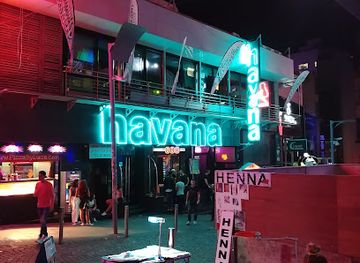
Havana Club Malta
Discover the electrifying nightlife of Havana Club Malta, where vibrant music, dance, and cocktails create unforgettable experiences in St Julian's.
-
Night club
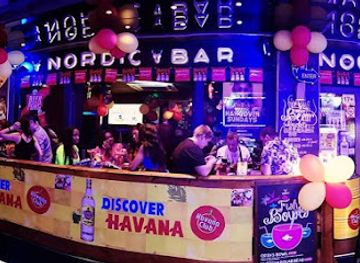
The Nordic Bar
Experience the vibrant nightlife at The Nordic Bar, St. Julian's, Malta - a lively nightclub with cocktails, dancing, and unforgettable moments.
-
Night club
Footloose
Discover the energy of Footloose, St. Julian's vibrant nightclub, where unforgettable nights and affordable fun await in the heart of Malta's nightlife.
-
Night club
Gianpula Village
Experience the vibrant nightlife of Malta at Gianpula Village, where music, dance, and unforgettable memories await in a stunning outdoor setting.


Best shops in Southern Harbour
Shopping in Southern Harbour is strongest in Valletta, where pedestrian streets and side lanes combine high-street retailers with independent boutiques, jewellers, bookshops, craft outlets and galleries. Visitors can find Maltese-oriented gifts such as handmade glass, ceramics, lace, silver filigree, local honey, preserves and traditional food products, but quality and provenance vary, so ask about where an item was produced. Small bakeries and delicatessens are useful for pastizzi, Maltese bread, biscuits and edible souvenirs. The Three Cities and residential harbour communities have a more practical shopping character, with neighbourhood shops and cafés rather than extensive destination retail. Markets and temporary stalls can change location or schedule, so check locally before making a special journey. Valletta is the best base for combining shopping with museums and historic streets, while independent craft and food shops provide a more regionally specific alternative to imported souvenirs.
-
Shopping mall
The Point Shopping Mall
Discover a world of shopping and dining at The Point Shopping Mall in Sliema, Malta - a vibrant hub for tourists and locals alike.
-
Shopping mall
PAMA Shopping Mall
Experience the best of shopping, dining, and entertainment at PAMA Shopping Mall in Mosta, Malta's vibrant shopping hub.
-
Shopping mall
PAVI Shopping Complex
Discover unparalleled shopping and dining experiences at PAVI Shopping Complex, the heart of retail in Ħal Qormi, Malta.
-
Gift shop
Souvenirs That Don't Suck - Sliema
Explore unique and high-quality souvenirs at Souvenirs That Don't Suck in Sliema, Malta - an essential stop for memorable gifts.


Get your free copy of our complete guide to Southern Harbour, delivered straight to you.
Everything on this page, from attractions and restaurants to essentials and local phrases, in one PDF you can read offline, print or share.
Already have an account? Sign in
Your Southern Harbour guide is ready.
We'll send it to · Not you? Sign out

Getting your guide ready…
We are putting together a fresh copy of the Southern Harbour guide. This can take up to a minute.
This can take a few moments. If your browser asks, choose Allow so the download can start. You'll find the guide in your Downloads folder.
Nothing happened? Download it again
Sorry, the guide is taking longer than usual. Please try again in a minute, or get it by email instead.
Southern Harbour essentials
Currency and Payment
Safety
Emergency Situations
Do's and Don'ts
Local Tips
From Eve
Local phrases worth knowing
You don't need to get them perfect. A few words go a long way, and locals appreciate the effort.
Basics
| English | Local | Say it |
|---|---|---|
| Hello | Hi | [hai] |
| Goodbye | See ya | [si ya] |
| Yes | Yep | [yep] |
| No | Nah | [nah] |
| Please/You're welcome | No problem | [no prob-lem] |
| Thank you | Thanks | [thanks] |
| Excuse me/Sorry | Sorry | [sorry] |
| How are you? | How ya doin'? | [how ya doin'] |
| Fine. And you? | Good. You? | [good. you?] |
| Do you speak English? | You speak English? | [you speak english?] |
| I don't understand | I don't get it | [i don't get it] |
Eating & Drinking
| English | Local | Say it |
|---|---|---|
| I'd like to see the menu, please | Can I see the menu? | [can i see the menu?] |
| I don't eat meat | I’m a vegetarian | [i'm a vegetarian] |
| Cheers! | Cheers! | [cheers] |
| I would like to pay, please | Can I get the check? | [can i get the check?] |
Emergencies
| English | Local | Say it |
|---|---|---|
| Help! | Help! | [help] |
| Go away! | Leave me alone! | [leave me alone] |
| Call the Police! | Call 911! | [call nine-one-one] |
| Call a doctor! | Get a doctor! | [get a doctor] |
| I'm lost | I can't find my way | [i can't find my way] |
| I'm ill | I'm not feeling well | [i'm not feeling well] |
Shopping
| English | Local | Say it |
|---|---|---|
| I'd like to buy... | I want to buy... | [i want to buy...] |
| I'm just looking | Just browsing | [just browsing] |
| How much is it? | What’s the price? | [what's the price?] |
| That's too expensive | That's pricey | [that's pricey] |
| Can you lower the price? | Can you make it cheaper? | [can you make it cheaper?] |
Time & Numbers
| English | Local | Say it |
|---|---|---|
| What time is it? | What time is it? | [what time is it?] |
| It's one o'clock | It's one | [it's one] |
| Half past (10) | Half past ten | [half past ten] |
| Morning | Morning | [morning] |
| Afternoon | Afternoon | [afternoon] |
| Evening | Evening | [evening] |
| Yesterday | Yesterday | [yesterday] |
| Today | Today | [today] |
| Tomorrow | Tomorrow | [tomorrow] |
| 1 | One | [one] |
| 2 | Two | [two] |
| 3 | Three | [three] |
| 4 | Four | [four] |
| 5 | Five | [five] |
| 6 | Six | [six] |
| 7 | Seven | [seven] |
| 8 | Eight | [eight] |
| 9 | Nine | [nine] |
| 10 | Ten | [ten] |
Transport & Directions
| English | Local | Say it |
|---|---|---|
| Where's a/the...? | Where's the...? | [where's the...?] |
| What's the address? | What's the address? | [what's the address?] |
| Can you show me (on the map)? | Can you point it out? | [can you point it out?] |
| When's the next (bus)? | When's the next bus? | [when's the next bus?] |
| A ticket (to ....) | A ticket to... | [a ticket to...] |
History of Southern Harbour
Neolithic Temple Culture at Tarxien and the Hypogeum
Southern Harbour contains two of Malta’s most important prehistoric sites: the Tarxien Temples in Tarxien and the Ħal Saflieni Hypogeum in Paola. Built and used during Malta’s temple period, roughly between the fourth and third millennia BC, they demonstrate sophisticated communal architecture, ritual activity and symbolic stone carving. The Hypogeum is an underground complex cut from living limestone and later used for burial, while Tarxien preserves monumental apses and decorated stonework. Together they form part of Malta’s internationally important prehistoric heritage and show that the harbour area was a significant ceremonial landscape long before the arrival of later civilisations.
Phoenician, Roman and Medieval Harbour Settlement
The sheltered harbours attracted successive maritime powers, including Phoenician and Carthaginian traders and the Roman administration that followed. Archaeological evidence around the harbour and the wider Maltese islands indicates long continuity of seaborne exchange, agriculture and settlement. During the medieval period, the settlement later known as Birgu became especially important because of its defensible position and access to the inner harbour. Although surviving buildings from these early periods are limited compared with the later fortifications, the geography of the harbours explains why the area repeatedly became Malta’s principal military, commercial and political centre.
The Knights of St John and Birgu’s Rise
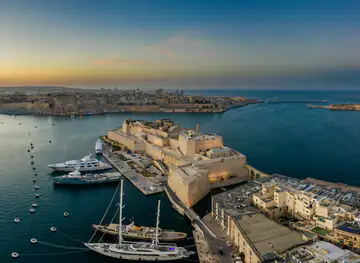
When the Order of St John took possession of Malta in 1530, Birgu served as its principal base beside the Grand Harbour. The knights strengthened the settlement, developed Fort St Angelo and established religious, administrative and naval institutions. Birgu became the operational centre from which the Order defended Malta and managed its Mediterranean activities. Its churches, auberges, palaces and waterfront still reflect this period, although later reconstruction and adaptation have altered the historic fabric. The Three Cities’ position opposite the later capital remains a reminder that Birgu, rather than Valletta, was the island’s leading fortified urban centre before the sixteenth-century siege.
The Great Siege of 1565
In 1565, Ottoman forces and their allies besieged Malta, concentrating attacks on the fortified settlements around the Grand Harbour. Birgu, Senglea and Fort St Elmo endured sustained bombardment and assaults before the arrival of a relief force helped the Order of St John secure victory. The siege became a defining episode in Maltese and Mediterranean history, strengthening the Order’s political standing and prompting the construction of Valletta on the Sceberras Peninsula. Fortifications, commemorative monuments, military museums and the shape of the harbour settlements continue to express the strategic importance of the conflict.
The Building of Valletta and the Baroque Harbour
After the siege, the Order founded Valletta as a planned fortified city, named after Grand Master Jean Parisot de Valette. Its grid of streets, bastions, auberges and churches represented a major reorganisation of the harbour landscape. Over the following centuries, the capital developed a strongly Baroque character, while the Three Cities remained essential naval, commercial and residential centres. The Grand Harbour became a stage for ceremonial arrivals, military activity and international trade. Valletta’s architecture and the surrounding fortifications therefore represent not only a single building campaign but a long process of urban and political consolidation.
British Naval Malta and Industrial Change
Britain took control of Malta in 1800 after the French occupation and made the Grand Harbour a major naval station. Dockyards, warehouses, workshops and associated communities expanded around the harbour, bringing new employment, engineering skills and links with the wider British Empire. The dockyard economy particularly shaped Cospicua, Senglea, Valletta and neighbouring districts, while Marsa and other harbour areas developed industrial and transport functions. British military use also left a substantial architectural legacy. The harbour’s modern working character, including ship repair and logistics, is closely connected to this period of naval expansion.
War, Independence and the Contemporary Harbour
The harbour settlements suffered heavy damage during the Second World War because Malta was a strategically important base in the Mediterranean. Reconstruction changed parts of the urban landscape, although much historic fabric survived. Malta became independent from Britain in 1964, and the naval presence subsequently declined, encouraging the harbour to diversify into commercial, cultural, residential and tourism uses. Valletta’s recognition as a UNESCO World Heritage city and the conservation of the Three Cities have reinforced the area’s cultural role, while the Grand Harbour remains an active working port rather than a purely historic setting.
Southern Harbour in Photos
Browse through our photo collection highlighting the charm and character of the destination.
Neighbouring regions of Southern Harbour
The closest regions to Southern Harbour, if you have time for more than one.
-

-

-
-

-


Swipe for more regions
Explore more
Explore more of Malta
Discover Malta's crystal-clear waters, rich history, and vibrant culture. From ancient temples to modern nightlife, this Mediterranean gem offers something for everyone.
Explore Malta