

Rocky Gap State Park Travel Guide - Free Web & App
Your ultimate guide to Rocky Gap State Park. Discover top landmarks, proposed trips, and local tips. Free on the web or via the Evendo companion app.


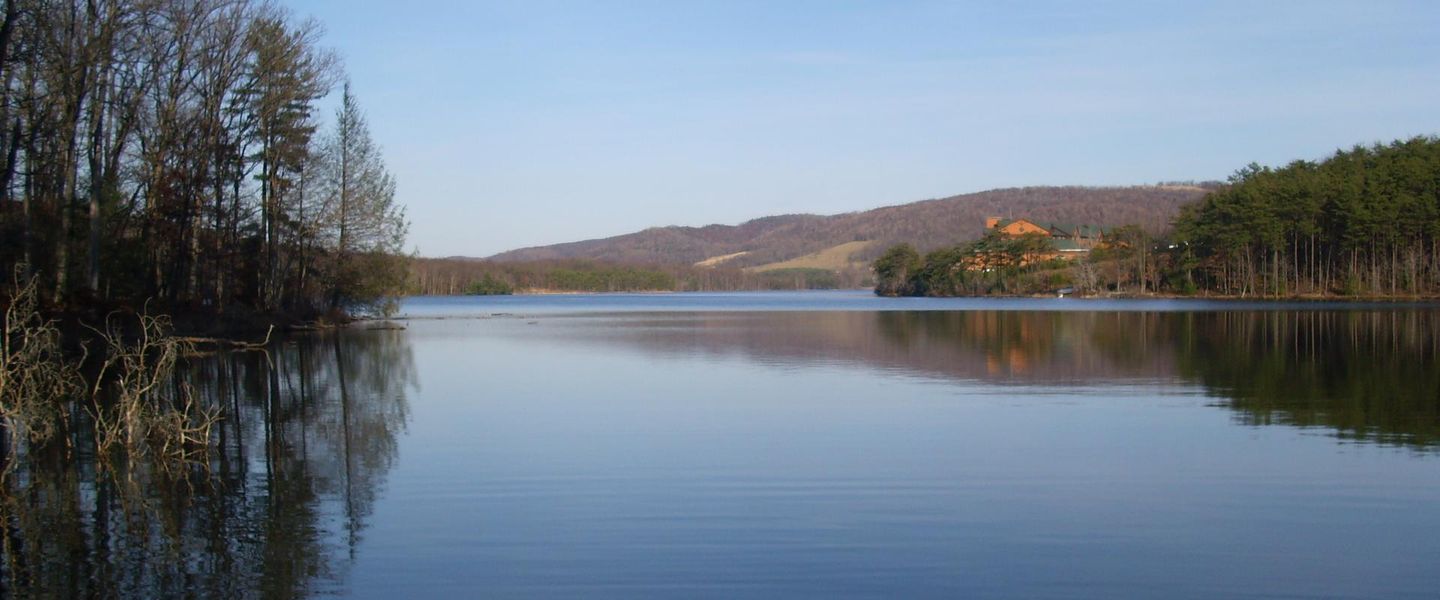


Rocky Gap State Park in Maryland pairs Lake Habeeb, forested Appalachian trails, a rocky gorge, swimming, fishing and camping near Cumberland.
Landscape and Setting
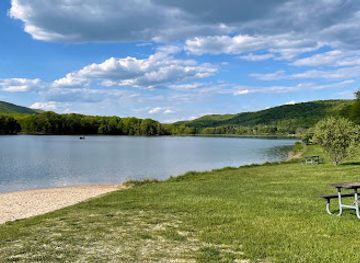
Rocky Gap State Park occupies roughly 3,000 acres in Allegany County, western Maryland, where forested ridges, open water and a narrow rocky gorge create one of the region’s most varied outdoor landscapes. The park’s centrepiece is Lake Habeeb, a reservoir of about 243 acres formed by the damming of Rocky Gap Run. Its shoreline combines wooded coves, picnic areas, a sandy swimming beach and viewpoints towards the surrounding mountains. Rocky Gap Run cuts through a steep-sided ravine known as the Narrows, giving the park its name and much of its visual character.Read more about Rocky Gap State Park
Outdoor Recreation
Gateway and Local Character
When is the best time to visit Rocky Gap State Park?
Best: June, August–September · 24–28°C| Month | High (°C) | Rainfall (mm) |
|---|---|---|
| January | 3 | 75 |
| February | 5 | 70 |
| March | 9 | 80 |
| April | 16 | 85 |
| May | 21 | 90 |
| June (best) | 26 | 95 |
| July | 29 | 100 |
| August (best) | 28 | 95 |
| September (best) | 24 | 90 |
| October | 18 | 85 |
| November | 11 | 80 |
| December | 4 | 75 |
Getting to and around Rocky Gap State Park
How to get there
Transportation
Best attractions in Rocky Gap State Park
Lake Habeeb is Rocky Gap’s main recreational focus, with a shoreline shaped by wooded coves, open views and facilities for swimming, fishing, boating and picnicking where permitted. The sandy beach is among the park’s best-known warm-weather features, while the surrounding trails provide access to forest, ridge slopes and quieter sections of the lake. Rocky Gap Run and its narrow gorge, the Narrows, offer the park’s most distinctive natural scenery, with rock walls and streamside woodland contrasting with the reservoir landscape. Hiking options include routes around the lake and through the surrounding forest, although terrain varies and some sections are more demanding than the developed day-use areas suggest. A campground provides a closer connection with the landscape, while the resort complex adds indoor accommodation, dining and entertainment. The nearby city of Cumberland extends the visit into the wider region, with canal, railway and historic-town attractions outside the state-park boundary.
-
Casino
Rocky Gap Casino, Resort & Golf
Discover the excitement of gaming and the beauty of nature at Rocky Gap Casino, Resort & Golf in Maryland, your ultimate travel destination.
-
Park
Rocky Gap State Park Campground
Discover the beauty and adventure of Rocky Gap State Park Campground, a perfect outdoor escape in Flintstone, Maryland for nature lovers and families.
-
Hiking area
Monkey's Head Rock
Discover the breathtaking views and unique rock formations at Monkey's Head Rock, a must-visit hiking area in Maryland for nature lovers and adventurers.
-
Park
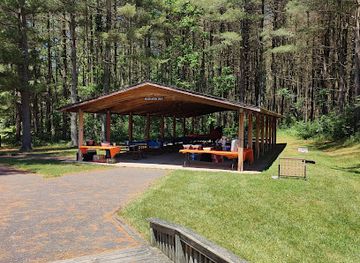
White Pine Pavilion
Explore the beauty of nature at White Pine Pavilion, a serene park in Flintstone, Maryland, perfect for picnicking, walking, and relaxation.
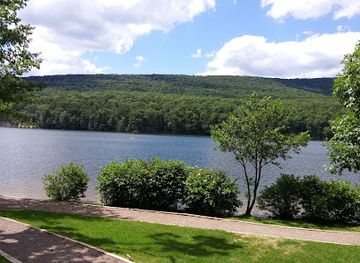
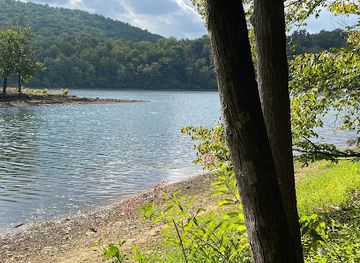
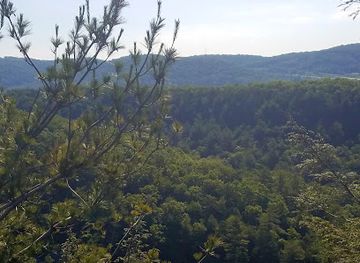
Explore Rocky Gap State Park on the map
Plan your trip on one map. See where the top attractions, landmarks, restaurants and hotels are, and book hotels and experiences in a few clicks.
Best hotels in Rocky Gap State Park
Best restaurants in Rocky Gap State Park
Dining within Rocky Gap is concentrated around the resort and casino complex, where visitors can find hospitality facilities alongside the park’s outdoor recreation. Day visitors should not assume that every trailhead or lakeside area has a café or food outlet, so picnics and provisions from Cumberland, LaVale or other nearby communities can be practical for longer excursions. The surrounding Allegany County dining scene includes American restaurants, cafés, independent eateries and traditional pub-style establishments, with Cumberland providing the broadest choice close to the park. Regional food reflects the mountain-and-valley setting rather than a single signature cuisine, combining familiar Mid-Atlantic cooking with casual roadside and small-town dining. Farm shops and locally produced goods may be encountered in the wider county, but opening arrangements and seasonal availability vary.
-
Restaurant
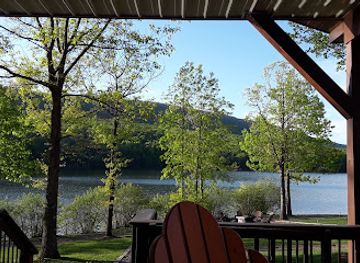
Lakeside Grille
Discover Lakeside Grille: Where culinary delights meet breathtaking lakeside views in Flintstone, MD.
-
Takeout Restaurant
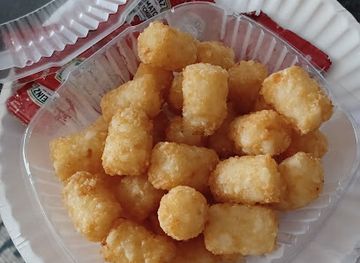
Lobby Lounge & Cafe
Experience delicious takeout at Lobby Lounge & Cafe in Flintstone, MD - your cozy retreat for flavorful meals amidst nature's beauty.
Best bars in Rocky Gap State Park
Rocky Gap is not a conventional nightlife destination, and the state-park landscape becomes quiet outside the main recreation and resort areas. Evening hospitality is centred on the casino resort, which provides the park’s most substantial source of dining, drinks and entertainment, subject to its own operating arrangements and age restrictions. Campers and other visitors generally spend evenings around their accommodation, at the lake during permitted hours or in the informal social atmosphere of the park rather than moving between bars. Cumberland, outside the park, has a broader small-city selection of pubs, restaurants and occasional cultural entertainment. Flintstone and other nearby communities offer a more limited rural evening experience, so visitors should not expect a dense cluster of late-night venues.
-
Casino
Rocky Gap Casino, Resort & Golf
Discover the perfect blend of gaming, luxury, and nature at Rocky Gap Casino, Resort & Golf in Flintstone, Maryland, your ultimate escape.
-
Restaurant
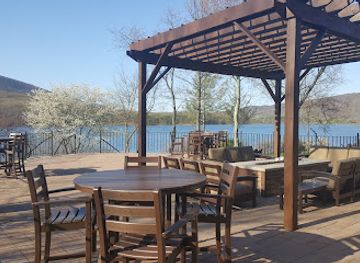
Lakeside Grille
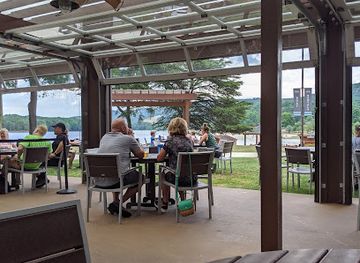
Experience exquisite dining at Lakeside Grille, where culinary delights meet breathtaking lakeside views in the heart of Maryland.
-
Sports bar
Signatures Bar & Grill
Discover the ultimate sports bar experience at Signatures Bar & Grill in Flintstone, MD, where great food meets a thrilling atmosphere.
-
Comedy club
Bonkerz Comedy Club - Cumberland
Discover the joy of laughter at Bonkerz Comedy Club - your go-to destination for comedy in Cumberland, Maryland.
Best nightclubs in Rocky Gap State Park
Rocky Gap is not a conventional nightlife destination, and the state-park landscape becomes quiet outside the main recreation and resort areas. Evening hospitality is centred on the casino resort, which provides the park’s most substantial source of dining, drinks and entertainment, subject to its own operating arrangements and age restrictions. Campers and other visitors generally spend evenings around their accommodation, at the lake during permitted hours or in the informal social atmosphere of the park rather than moving between bars. Cumberland, outside the park, has a broader small-city selection of pubs, restaurants and occasional cultural entertainment. Flintstone and other nearby communities offer a more limited rural evening experience, so visitors should not expect a dense cluster of late-night venues.
-
Comedy club
Bonkerz Comedy Club - Cumberland
Enjoy a night filled with laughter at Bonkerz Comedy Club in Cumberland, where talented comedians take the stage to entertain!
-
 Bar
BarRocky mountain Gap
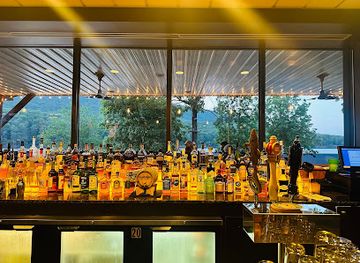
Experience the serene beauty of Rocky Mountain Gap, a cozy bar in Flintstone, Maryland, perfect for unwinding amidst nature's splendor.
Best shops in Rocky Gap State Park
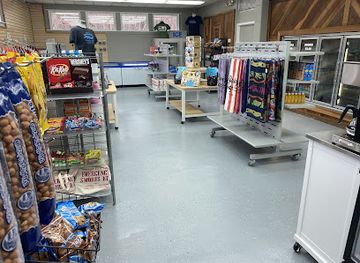
Shopping inside Rocky Gap State Park is limited and focused on practical visitor needs rather than a large retail scene. The resort complex may provide convenience purchases and branded or leisure-related items, while campers and day visitors are more likely to obtain food, fuel, outdoor supplies and everyday essentials in Cumberland, LaVale or other communities along the approach roads. Cumberland offers the nearest broader selection of independent shops, galleries, antiques, cafés and locally oriented businesses, with retail character tied to the city’s canal, railway and Appalachian history. Farm products and regional food goods can be found in the wider county when local producers or farm shops are open, but availability is seasonal and dispersed. Visitors seeking specialist hiking or camping equipment should arrange important purchases before entering the park.
-
State park
Rocky Gap State Park
Experience the natural beauty and outdoor adventures at Rocky Gap State Park, a perfect getaway in Maryland's Appalachian Mountains.
-
Grocery store
Redbud Bulk Foods and Deli
Explore Redbud Bulk Foods and Deli in Flintstone, MD, for an authentic taste of local cuisine with a blend of organic products and friendly service.
-
Camping store
Rocky Gap Camp Store
Explore the Rocky Gap Camp Store - your gateway to unforgettable camping and outdoor adventures in Flintstone, Maryland.
-
Hiking area
Monkey's Head Rock
Explore the breathtaking trails and unique rock formations at Monkey's Head Rock, a must-visit hiking area in Flintstone, Maryland.

Get your free copy of our complete guide to Rocky Gap State Park, delivered straight to you.
Everything on this page, from attractions and restaurants to essentials and local phrases, in one PDF you can read offline, print or share.
Already have an account? Sign in
Your Rocky Gap State Park guide is ready.
We'll send it to · Not you? Sign out

Getting your guide ready…
We are putting together a fresh copy of the Rocky Gap State Park guide. This can take up to a minute.
This can take a few moments. If your browser asks, choose Allow so the download can start. You'll find the guide in your Downloads folder.
Nothing happened? Download it again
Sorry, the guide is taking longer than usual. Please try again in a minute, or get it by email instead.
Rocky Gap State Park essentials
Currency and Payment
Safety
Emergency Situations
Do's and Don'ts
Local Tips
From Eve
Local phrases worth knowing
You don't need to get them perfect. A few words go a long way, and locals appreciate the effort.
Basics
| English | Local | Say it |
|---|---|---|
| Hello | Howdy | [haw-dee] |
| Goodbye | See ya | [see-yuh] |
| Yes | Yep | [yep] |
| No | Nah | [nah] |
| Please/You're welcome | Please/No problem | [pleez/no problem] |
| Thank you | Thanks | [th-anks] |
| Excuse me/Sorry | Pardon me/My bad | [par-dun me/my bad] |
| How are you? | How ya doin'? | [how ya doin'] |
| Fine. And you? | Good. You? | [good. yoo?] |
| Do you speak English? | Ya speak English? | [ya speak English?] |
| I don't understand | I don't get it | [I don't get it] |
Eating & Drinking
| English | Local | Say it |
|---|---|---|
| I'd like to see the menu, please | Can I see the menu, please | [can eye see the menu, please] |
| I don't eat meat | I don't do meat | [I don't do meat] |
| Cheers! | Bottoms up! | [bot-ums up!] |
| I would like to pay, please | Check, please | [check, please] |
Emergencies
| English | Local | Say it |
|---|---|---|
| Help! | SOS! | [S-O-S!] |
| Go away! | Beat it! | [beat it!] |
| Call the Police! | 911! | [nine-one-one!] |
| Call a doctor! | Get a doc! | [get a doc!] |
| I'm lost | I'm turned around | [I'm turned around] |
| I'm ill | I'm under the weather | [I'm under the weath-er] |
Shopping
| English | Local | Say it |
|---|---|---|
| I'd like to buy... | I wanna buy... | [I wanna buy...] |
| I'm just looking | Just browsing | [just brows-ing] |
| How much is it? | What's the damage? | [what's the dam-age?] |
| That's too expensive | That's a rip-off | [that's a rip-off] |
| Can you lower the price? | Can you do better? | [can you do bet-ter?] |
Time & Numbers
| English | Local | Say it |
|---|---|---|
| What time is it? | What's the time? | [what's the time?] |
| It's one o'clock | It's one | [It's one] |
| Half past (10) | 10:30 | [ten-thir-ty] |
| Morning | Mornin' | [mornin'] |
| Afternoon | Afternoon | [after-noon] |
| Evening | Evenin' | [evenin'] |
| Yesterday | Yest'day | [yest'day] |
| Today | Today | [today] |
| Tomorrow | Tomorra | [tom-or-ra] |
| 1 | One | [One] |
| 2 | Two | [Two] |
| 3 | Three | [Three] |
| 4 | Four | [Four] |
| 5 | Five | [Five] |
| 6 | Six | [Six] |
| 7 | Seven | [Seven] |
| 8 | Eight | [Eight] |
| 9 | Nine | [Nine] |
| 10 | Ten | [Ten] |
Transport & Directions
| English | Local | Say it |
|---|---|---|
| Where's a/the...? | Where's the... | [Where's the...] |
| What's the address? | Where's it at? | [Where's it at?] |
| Can you show me (on the map)? | Can you point it out? | [Can you point it out?] |
| When's the next (bus)? | When's the next one? | [When's the next one?] |
| A ticket (to ....) | A ticket (to ...) | [A ticket (to ...)] |
History of Rocky Gap State Park
A Mountain Landscape Shaped by Water
Rocky Gap lies within the Ridge-and-Valley Appalachian landscape of western Maryland, where erosion has cut valleys and narrow passages through resistant rock. Rocky Gap Run carved the gorge known as the Narrows, while the surrounding ridges and forested slopes reflect the long geological development of the Appalachian Mountains. The modern lake is not a natural lake: Lake Habeeb was created by a dam across Rocky Gap Run, transforming part of the valley into a managed recreational water body while retaining the gorge, woodland and mountain setting that define the area.
Settlement and Working Landscapes
The wider Allegany County landscape developed through farming, timber use, transport and mineral industries, with communities growing along the Potomac valley and the routes through the mountains. Cumberland became an important regional transport centre, while roads and later Interstate 68 connected the area with Maryland’s eastern counties and neighbouring West Virginia and Pennsylvania. Rocky Gap itself remained more rural than the principal valley settlements, its steep terrain and forested slopes limiting intensive development and helping preserve the setting that later supported public recreation.
Creation of a State Recreation Area
Rocky Gap State Park was established by Maryland as a public recreation area around Lake Habeeb, with facilities developed for swimming, picnicking, camping, hiking, fishing and boating. The park’s designation brought organised management to a landscape that combined a reservoir, stream gorge and Appalachian forest. Over time, trails, shoreline facilities and visitor services made the area accessible for day trips as well as longer stays, while Maryland’s park system continued to balance public use with protection of woodland, water and wildlife habitat.
Modern Recreation and Conservation
Rocky Gap now combines a state-park landscape with a developed resort and casino complex within the park area. This unusual arrangement places commercial accommodation, dining and entertainment close to a lake and protected recreational land, while the Maryland Park Service continues to manage public outdoor facilities and natural resources. Contemporary use is centred on responsible access to the shoreline, trails and forest, with seasonal conditions, water quality, wildlife protection and visitor pressure all influencing how the park is maintained.
Rocky Gap State Park in Photos
Browse through our photo collection highlighting the charm and character of the destination.
Neighbouring destination travel guides
The closest destinations to Rocky Gap State Park, if you have time for more than one.
-

-
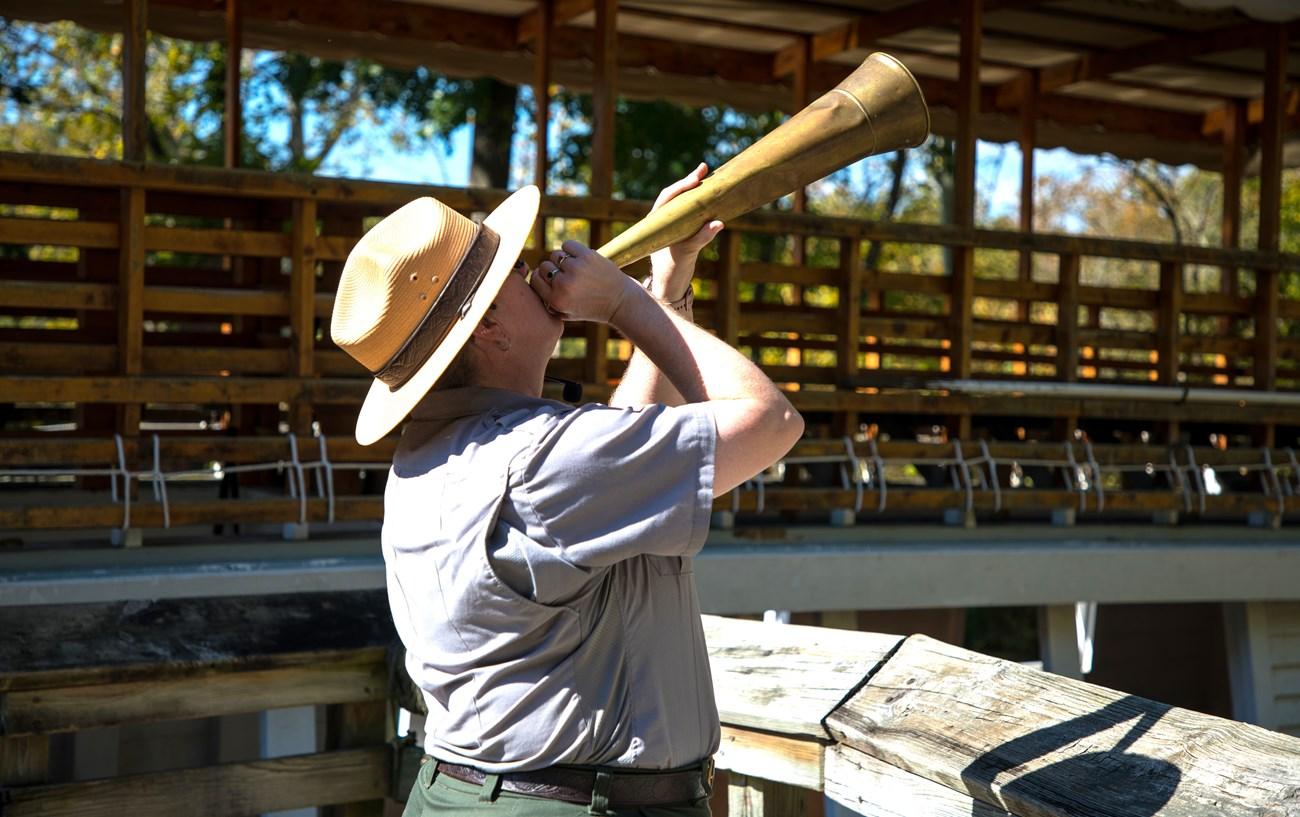 Chesapeake and Ohio Canal National Historical Park
 in Maryland follows a 184.5-mile towpath through canal history, riverside scenery, locks and Great Falls.
Chesapeake and Ohio Canal National Historical Park
Chesapeake and Ohio Canal National Historical Park in Maryland follows a 184.5-mile towpath through canal history, riverside scenery, locks and Great Falls.
-

-

-


Swipe for more destinations
Explore more

Explore more of Western Maryland
Explore Western Maryland for Appalachian scenery, Deep Creek Lake, canal towpaths, Civil War history, mountain towns and farm-to-table flavours.
Explore Western Maryland
Explore more of Maryland
Discover Maryland, where coastal charm meets rich history and outdoor adventure. Experience the best of the East Coast in this small but diverse state.
Explore Maryland