

Free Central Massachusetts Travel Guide & Mobile App
Explore Central Massachusetts with free travel guides. Discover regional history, expert tips, proposed trips, and audio guides on web or mobile app.


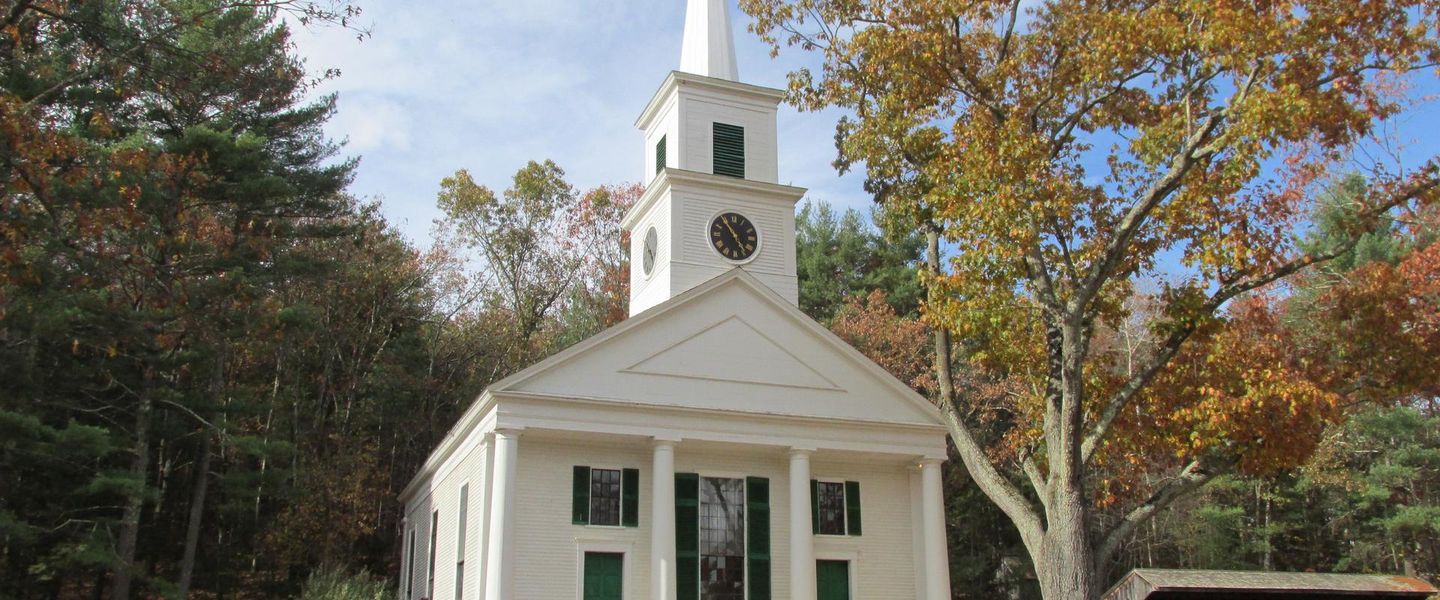


Central Massachusetts combines Worcester’s museums and food scene with mill towns, orchards, wooded hills, rail trails and Mount Wachusett.
Read more about Central Massachusetts
When is the best time to visit Central Massachusetts?
Best: June, August–September · 23–27°C| Month | High (°C) | Rainfall (mm) |
|---|---|---|
| January | 2 | 75 |
| February | 3 | 70 |
| March | 8 | 85 |
| April | 14 | 95 |
| May | 20 | 100 |
| June (best) | 25 | 95 |
| July | 28 | 100 |
| August (best) | 27 | 105 |
| September (best) | 23 | 100 |
| October | 16 | 90 |
| November | 10 | 85 |
| December | 4 | 80 |
Getting to and around Central Massachusetts
How to get there
Transportation
Top city travel guides in Central Massachusetts
The cities of Central Massachusetts, and the easiest places to base yourself.

Swipe for more cities
Destinations in Central Massachusetts
Resorts, valleys and scenic spots worth a trip of their own.
-

-


Swipe for more destinations
Best attractions in Central Massachusetts
Central Massachusetts offers a broad mixture of urban culture, industrial history and outdoor recreation. Worcester’s principal attractions include the Worcester Art Museum, the ecumenical Worcester Historical Museum and the family-oriented EcoTarium, while the city’s streets and former industrial areas reveal its nineteenth-century manufacturing legacy. Old Sturbridge Village in Sturbridge interprets rural New England life of the 1830s through buildings, demonstrations and working landscapes. In the north and west, Mount Wachusett provides hiking, woodland scenery and winter skiing, and nearby conservation areas and reservoirs offer quieter walking and birdwatching. Rail trails, including the Nashua River Rail Trail and sections of the Blackstone River Bikeway, make former transport corridors accessible to walkers and cyclists. Historic mill towns such as Clinton, Fitchburg, Leominster and Southbridge add museums, civic architecture and industrial stories, while orchards and farm stands around the central uplands bring a seasonal agricultural dimension. The region’s attractions are dispersed, so itineraries work best when grouped geographically rather than treated as a sequence of short city transfers.
-
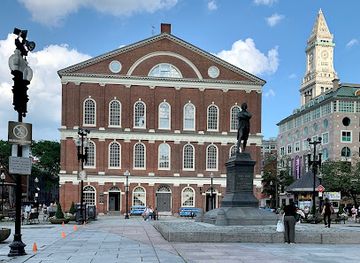
Market
Faneuil Hall Marketplace
Explore the lively Faneuil Hall Marketplace in Boston, where history meets modern shopping, dining, and entertainment for an unforgettable experience.
-
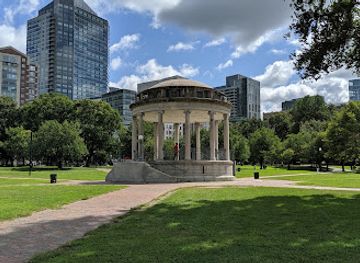
City park
Boston Common
Explore Boston Common, the oldest public park in the U.S., offering scenic beauty, historical significance, and a vibrant atmosphere in the heart of Boston.
-
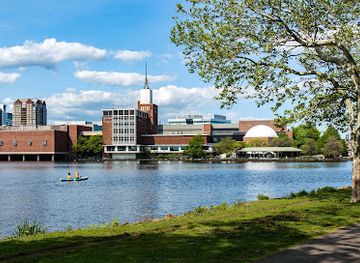
Museum
Museum of Science
Experience the interactive wonders of the Museum of Science in Boston, a premier destination for science lovers and families alike.
-
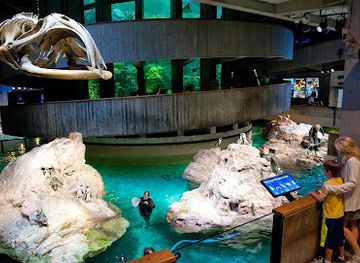
Aquarium
New England Aquarium
Explore the New England Aquarium: A captivating journey through marine life and conservation in the heart of Boston.
Best landmarks in Central Massachusetts
Worcester’s historic architecture provides the region’s most substantial concentration of civic and cultural landmarks. Mechanics Hall, a nineteenth-century concert and meeting venue, is notable for its acoustics and ornate interior, while the Worcester Art Museum occupies a prominent cultural setting near the city’s historic institutions. The Worcester and Salisbury Mansion sites help illustrate the city’s transition from colonial settlement to industrial centre. Outside Worcester, the clock tower and mill architecture of Clinton reflect the Blackstone Valley’s manufacturing era, and the former mill landscapes of Southbridge, Fitchburg and Leominster show how waterpower, railways and industry shaped Central Massachusetts. Old Sturbridge Village’s meetinghouse, farms and workshops form a carefully interpreted historic landscape rather than a single monument. Mount Wachusett is the region’s principal natural landmark, rising above surrounding forests and towns; its summit and slopes provide a geographical reference point visible across the north-central uplands. These places are significant because they connect architecture and landscape with the region’s wider stories of settlement, manufacture, migration and recreation.
-
History museum
Old Sturbridge Village
Experience the charm of early 19th-century New England at Old Sturbridge Village, a captivating living history museum showcasing America’s past.

Explore Central Massachusetts on the map
Plan your trip on one map. See where the top cities, national parks and sights are, and book hotels and experiences in a few clicks.
Best hotels in Central Massachusetts
Best restaurants in Central Massachusetts
Central Massachusetts has a more varied dining identity than its inland geography might suggest. Worcester is especially useful for exploring Portuguese and Brazilian cooking, alongside Greek, Vietnamese, Cambodian, Indian and other international traditions shaped by the city’s immigrant communities. Diners, bakeries, pizzerias, cafés and neighbourhood restaurants sit alongside newer establishments in downtown and the Canal District. Outside Worcester, traditional New England fare, family-run Italian cooking, farm-to-table menus and country inns are common, while the orchard belt supplies seasonal apples, cider and baked goods. Farm shops and farmers’ markets provide local produce, maple products, cheeses, meat and preserves, although availability changes through the year. Craft breweries and small producers have expanded the region’s drinks culture, but Central Massachusetts is not defined by one single signature dish. Visitors should treat the food scene as a combination of urban immigrant traditions, rural agriculture and the wider culinary culture of New England.
-
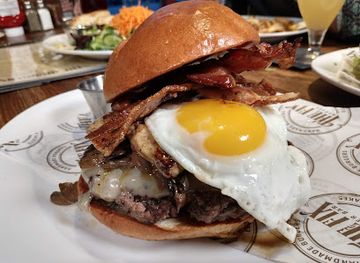
Hamburger
The Fix Burger Bar
Discover mouthwatering burgers and an inviting atmosphere at The Fix Burger Bar in Worcester - where every bite is a celebration of flavor.
-
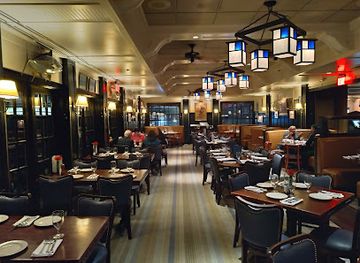
Restaurant
The Boynton Restaurant & Spirits
Discover exceptional American dining at The Boynton Restaurant & Spirits in Worcester—where flavors meet fun in a vibrant setting.
-
Seafood
The Sole Proprietor
Discover The Sole Proprietor: Worcester's premier seafood destination with fresh catches and an inviting atmosphere perfect for every occasion.
-
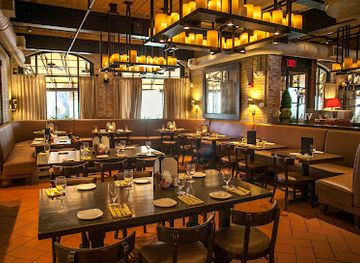
Italian
Via Italian Table
Experience authentic Italian flavors at Via Italian Table in Worcester - where every meal feels like a celebration.

Best bars in Central Massachusetts
Evening life in Central Massachusetts is concentrated chiefly in Worcester, where the Canal District, downtown and adjoining neighbourhoods offer pubs, breweries, cocktail bars, restaurants, live music and occasional larger events. The city’s colleges contribute to a changing evening calendar, but nightlife is generally more mixed and local than the club scenes of Boston or larger American cities. Historic taverns, Irish-influenced pubs and independent bars remain important in Worcester and smaller centres, while breweries provide daytime and early-evening social spaces. Fitchburg, Leominster, Sturbridge and other towns have restaurants, pubs and occasional live entertainment rather than extensive late-night districts. In rural areas, evenings often centre on a meal, a brewery, a community performance or a local inn, and seasonal festivals can alter the pattern. Check current venue information before travelling, as smaller establishments may have limited or changing schedules.
-
Bar
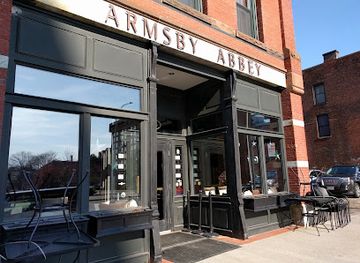
Armsby Abbey
Discover the vibrant culinary scene at Armsby Abbey, Worcester's go-to bar and restaurant for craft beer and innovative cuisine.
-
Bar
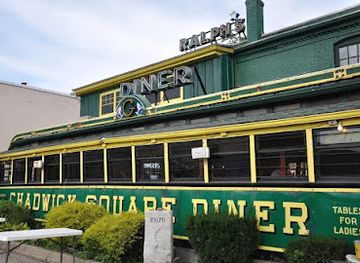
Ralph's Diner
Discover the lively atmosphere and delicious menu at Ralph's Diner, Worcester's go-to spot for great food and live entertainment.
-
Grill
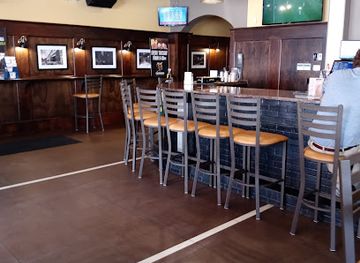
Funky Murphys
Discover the vibrant flavors of Funky Murphys, Worcester's beloved grill featuring fresh ingredients and a lively atmosphere.
-
Restaurant
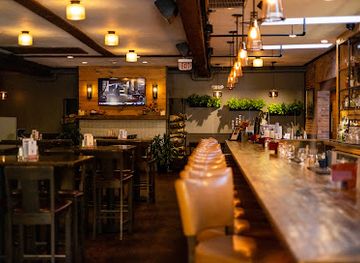
Oak Barrel Tavern
Discover the flavors of Worcester at Oak Barrel Tavern, where comfort food meets innovative culinary experiences in a warm atmosphere.
Best nightclubs in Central Massachusetts
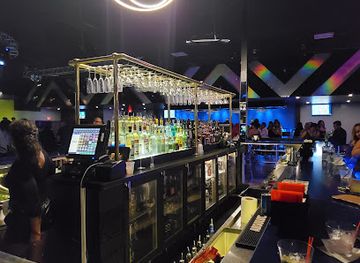
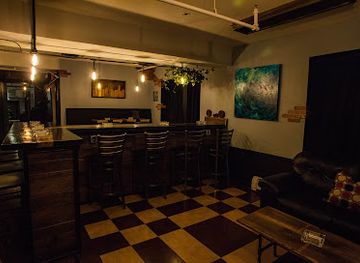
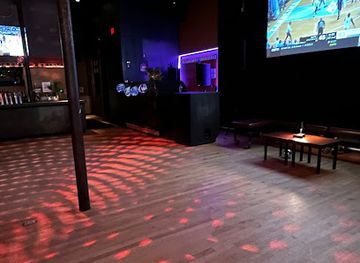
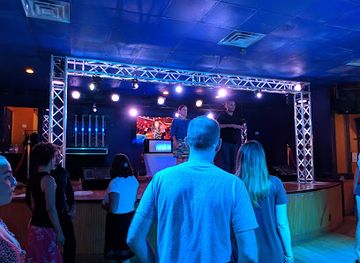
Evening life in Central Massachusetts is concentrated chiefly in Worcester, where the Canal District, downtown and adjoining neighbourhoods offer pubs, breweries, cocktail bars, restaurants, live music and occasional larger events. The city’s colleges contribute to a changing evening calendar, but nightlife is generally more mixed and local than the club scenes of Boston or larger American cities. Historic taverns, Irish-influenced pubs and independent bars remain important in Worcester and smaller centres, while breweries provide daytime and early-evening social spaces. Fitchburg, Leominster, Sturbridge and other towns have restaurants, pubs and occasional live entertainment rather than extensive late-night districts. In rural areas, evenings often centre on a meal, a brewery, a community performance or a local inn, and seasonal festivals can alter the pattern. Check current venue information before travelling, as smaller establishments may have limited or changing schedules.
-
Night club
Vincent's Nightclub
Dive into the vibrant nightlife at Vincent's Nightclub, where great music and dancing create unforgettable memories in Randolph, MA.
-
Social club
The Summit Lounge
Discover the inviting atmosphere of The Summit Lounge in Worcester, a perfect blend of café, lounge, and social club for relaxation and good company.
-
Night club
Middlesex
Discover the energetic nightlife at Middlesex, Cambridge's premier nightclub known for its vibrant ambiance and eclectic music selection.
-
Night club
Havana Club
Discover the lively salsa scene at Havana Club, a premier night club in Cambridge, MA, perfect for dance enthusiasts and nightlife seekers.
Best shops in Central Massachusetts
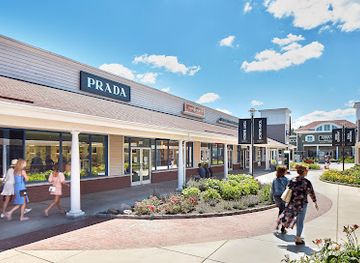
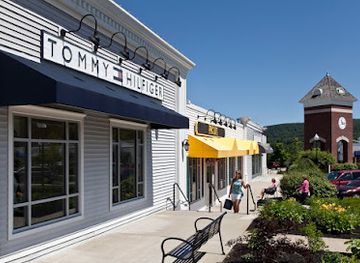
Shopping in Central Massachusetts ranges from Worcester’s independent businesses and specialist food shops to the practical high streets of smaller mill towns. Worcester offers galleries, bookstores, vintage and design-led shops, while its markets and food retailers reflect the city’s Portuguese, Brazilian and wider international communities. In rural and semi-rural districts, farm stands, orchard shops and seasonal markets are better sources of regional products than conventional souvenir outlets; look for apples, cider, maple products, preserves, baked goods and locally made crafts. Sturbridge and surrounding towns have antiques, country furnishings and heritage-oriented retail, although stock and opening patterns vary. Leominster’s long association with plastics and manufacturing is an important part of its history, but visitors should not expect a single signature craft associated with the whole region. Malls and large retail areas serve everyday needs around Worcester and along major roads, while independent shops and markets generally offer a more locally distinctive experience.
-
Outlet mall
Wrentham Village Premium Outlets
Explore the ultimate shopping experience at Wrentham Village Premium Outlets with over 170 stores offering incredible discounts and seasonal events.
-
Shopping mall
The Shops at Blackstone Valley
Experience unparalleled shopping and dining at The Shops at Blackstone Valley in Millbury, MA, featuring a diverse selection of stores and eateries.
-
Shopping mall
Solomon Pond Mall
Shop, dine, and unwind at Solomon Pond Mall, the ultimate shopping destination in Marlborough, Massachusetts, featuring diverse stores and delicious dining options.
-
Outlet mall
Lee Premium Outlets
Discover incredible savings and a variety of shopping options at Lee Premium Outlets, set in the stunning Berkshires.

Get your free copy of our complete guide to Central Massachusetts, delivered straight to you.
Everything on this page, from attractions and restaurants to essentials and local phrases, in one PDF you can read offline, print or share.
Already have an account? Sign in
Your Central Massachusetts guide is ready.
We'll send it to · Not you? Sign out

Getting your guide ready…
We are putting together a fresh copy of the Central Massachusetts guide. This can take up to a minute.
This can take a few moments. If your browser asks, choose Allow so the download can start. You'll find the guide in your Downloads folder.
Nothing happened? Download it again
Sorry, the guide is taking longer than usual. Please try again in a minute, or get it by email instead.
Central Massachusetts essentials
Currency and Payment
Safety
Emergency Situations
Do's and Don'ts
Local Tips
From Eve
Local phrases worth knowing
You don't need to get them perfect. A few words go a long way, and locals appreciate the effort.
Basics
| English | Local | Say it |
|---|---|---|
| Hello | Hey | [Hay] |
| Goodbye | See ya | [See yah] |
| Yes | Yeah | [Yah] |
| No | Nah | [Nah] |
| Please/You're welcome | No problem | [No prob-lem] |
| Thank you | Thanks | [Thangs] |
| Excuse me/Sorry | Sorry | [Sorry] |
| How are you? | How ya doin'? | [How yah doin'?] |
| Fine. And you? | Good. And you? | [Good. And you?] |
| Do you speak English? | Do ya speak English? | [Do yah speak English?] |
| I don't understand | I don't get it | [I don't get it] |
Eating & Drinking
| English | Local | Say it |
|---|---|---|
| I'd like to see the menu, please | Can I see the menu? | [Can I see the menu?] |
| I don't eat meat | I’m a vegetarian | [I'm a vege-tarian] |
| Cheers! | Cheers! | [Cheers!] |
| I would like to pay, please | Can I get the check? | [Can I get the check?] |
Emergencies
| English | Local | Say it |
|---|---|---|
| Help! | Help! | [Help!] |
| Go away! | Get lost! | [Get lost!] |
| Call the Police! | Call the cops! | [Call the cops!] |
| Call a doctor! | Get a doctor! | [Get a doc-tor!] |
| I'm lost | I'm turned around | [I'm turned a-round] |
| I'm ill | I'm not feeling well | [I'm not feel-ing well] |
Shopping
| English | Local | Say it |
|---|---|---|
| I'd like to buy... | I wanna buy... | [I wanna buy...] |
| I'm just looking | Just browsing | [Just browsing] |
| How much is it? | What’s the price? | [What's the price?] |
| That's too expensive | That's a bit steep | [That's a bit steep] |
| Can you lower the price? | Can you give me a better deal? | [Can you give me a bet-ter deal?] |
Time & Numbers
| English | Local | Say it |
|---|---|---|
| What time is it? | What time is it? | [What time is it?] |
| It's one o'clock | It's one | [It's one] |
| Half past (10) | Half past ten | [Half past ten] |
| Morning | Mornin' | [Mornin'] |
| Afternoon | Afternoon | [Afternoon] |
| Evening | Evenin' | [Evenin'] |
| Yesterday | Yesterday | [Yesterday] |
| Today | Today | [Today] |
| Tomorrow | Tomorrow | [Tomorrow] |
| 1 | One | [One] |
| 2 | Two | [Two] |
| 3 | Three | [Three] |
| 4 | Four | [Four] |
| 5 | Five | [Five] |
| 6 | Six | [Six] |
| 7 | Seven | [Seven] |
| 8 | Eight | [Eight] |
| 9 | Nine | [Nine] |
| 10 | Ten | [Ten] |
Transport & Directions
| English | Local | Say it |
|---|---|---|
| Where's a/the...? | Where's the...? | [Where's the...?] |
| What's the address? | What's the address? | [What's the address?] |
| Can you show me (on the map)? | Can you show me on the map? | [Can you show me on the map?] |
| When's the next (bus)? | When's the next bus? | [When's the next bus?] |
| A ticket (to ....) | A ticket to... | [A ticket to...] |
History of Central Massachusetts
Nipmuc Homelands and Indigenous Continuity
Central Massachusetts lies within the traditional homelands of the Nipmuc people, whose communities used the region’s forests, rivers, wetlands and cultivated clearings long before English settlement. Nipmuc history is not confined to the pre-colonial past: descendants and cultural organisations continue to maintain community, identity and historical connections in the region. European settlement brought land dispossession, new property systems and epidemic disease, while colonial records often described Indigenous places and people through English assumptions. Visitors should understand the region’s historic houses and town foundations within this longer Indigenous context.
Colonial Towns and the Worcester Settlement
English settlement expanded inland during the eighteenth century, establishing farms, meetinghouses and roads across what is now Worcester County. Worcester was incorporated in 1722 and gradually became the area’s leading inland town, helped by its position between Boston and the Connecticut River Valley. Other settlements developed around waterways, mills and agricultural land. The colonial landscape survives unevenly in historic houses, cemeteries, town greens and road patterns, although later industrial growth transformed many original centres.
Turnpikes, Canals and the Industrial Revolution
Improved roads, canals and railways connected Central Massachusetts to Boston, the Connecticut River Valley and the coast during the late eighteenth and nineteenth centuries. The Blackstone Canal, opened in 1828 between Worcester and Providence, helped move raw materials and finished goods before railway competition made it obsolete. Waterpower supported textile mills, machinery, wire, metalworking and other industries in Worcester County’s valleys. These developments changed small farming communities into manufacturing towns and established the transport corridors that still shape the region.
Worcester and the Rise of Manufacturing
During the nineteenth century, Worcester became a major manufacturing and commercial centre known for products including wire, machinery, textiles, tools and metal goods. Its factories attracted workers from rural New England and, increasingly, immigrants from Ireland, Italy, Scandinavia, Canada, Portugal and elsewhere. The resulting neighbourhoods, churches, civic institutions and businesses gave the city its enduringly diverse character. Industrial wealth also funded libraries, museums, schools and public buildings, several of which remain important parts of Worcester’s architectural landscape.
Immigration and Industrial Communities
Central Massachusetts’s industrial economy depended on successive migrations that reshaped both urban and smaller mill-town life. Worcester, Fitchburg, Leominster, Southbridge and the Blackstone Valley developed distinct communities linked to Portuguese, Brazilian, Irish, Italian, French Canadian, Polish, Greek and other diasporas, alongside older Yankee and African American populations. Their influence remains visible in food, religious buildings, social organisations, language and local commerce. In the late twentieth and early twenty-first centuries, newer migration continued to broaden the region’s cultural and culinary life.
Railways, Suburbanisation and Economic Change
Railways made Worcester a significant inland junction and strengthened the region’s connection with Boston and western New England. In the twentieth century, manufacturing declined or changed form, while healthcare, education, research, retail and services became increasingly important. Some former factories were demolished, but others were adapted for studios, offices, housing and cultural uses. Improved roads also encouraged suburban development around Worcester and commuter links towards Boston, producing a region that combines older industrial centres with newer suburban and rural economies.
Landscape Conservation and Regional Recreation
As industrial and suburban development expanded, public agencies, non-profit organisations and local communities protected forests, reservoirs, wetlands and former railway corridors. Mount Wachusett became an important destination for hiking and winter sports, while rail trails and conservation areas created accessible outdoor routes through landscapes once shaped primarily by farming, logging and industry. Orchard culture, farm shops and heritage tourism remain part of the modern economy, linking Central Massachusetts’s rural identity with its urban history rather than presenting the two as separate worlds.
Central Massachusetts in Photos
Browse through our photo collection highlighting the charm and character of the destination.
Neighbouring regions of Central Massachusetts
The closest regions to Central Massachusetts, if you have time for more than one.
-

-

-

-

-


Swipe for more regions
Explore more

Explore more of Massachusetts
Discover Massachusetts: A blend of rich history, stunning landscapes, and vibrant culture. From Boston's historic sites to Cape Cod's beaches, it's the heart of New England.
Explore Massachusetts