

Free Worcester County Travel Guide & Mobile App
Explore Worcester County with free travel guides. Discover regional history, expert tips, proposed trips, and audio guides on web or mobile app.


Worcester County blends Central Massachusetts mill towns, forested hills, historic villages, museums, farms and four-season outdoor recreation.
Read more about Worcester County
When is the best time to visit Worcester County?
Best: June, August–September · 23–27°C| Month | High (°C) | Rainfall (mm) |
|---|---|---|
| January | 1 | 85 |
| February | 3 | 76 |
| March | 8 | 99 |
| April | 15 | 104 |
| May | 21 | 99 |
| June (best) | 26 | 97 |
| July | 28 | 99 |
| August (best) | 27 | 102 |
| September (best) | 23 | 99 |
| October | 17 | 98 |
| November | 10 | 103 |
| December | 3 | 102 |
Getting to and around Worcester County
How to get there
Transportation
Top city travel guides in Worcester County
The cities of Worcester County, and the easiest places to base yourself.
-

-

-
-


Swipe for more cities
Destinations in Worcester County
Resorts, valleys and scenic spots worth a trip of their own.
-

-


Swipe for more destinations
Best attractions in Worcester County
Worcester County's attractions range from major museums and performance spaces to open landscapes and living-history sites. In Worcester, the Worcester Art Museum, the EcoTarium science and nature centre, and Mechanics Hall provide concentrated cultural interest, while nearby parks and reservoirs add outdoor options. Old Sturbridge Village is the county's best-known heritage attraction, interpreting rural New England during the early nineteenth century through historic buildings, demonstrations and cultivated landscapes. Fruitlands Museum in Harvard explores the short-lived reform community founded there as well as wider themes in American art and social history. Mount Wachusett offers hiking, skiing and broad views, while Leominster State Forest, Douglas State Forest and other conservation areas provide trails, ponds and woodland recreation. The Blackstone Valley's former mill communities reward slower touring, with industrial architecture, local museums and river landscapes. Farm stands, orchards, galleries and seasonal events add a changing agricultural and cultural dimension rather than forming a single concentrated tourist district.
-
Escape room center
Breakout Games
Experience thrilling adventures and brain-teasing challenges at Breakout Games, Marlborough's premier escape room destination for families and friends.
-
Zoo
Southwick's Zoo
Experience the thrill of wildlife at Southwick's Zoo, where adventure and conservation come together in an unforgettable family-friendly destination.
-
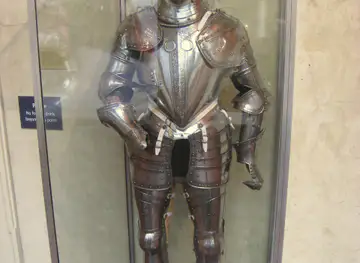
 History museum
Old Sturbridge Village
Discover the enchanting Old Sturbridge Village, a living history museum immersing visitors in 19th-century New England culture and traditions.
-
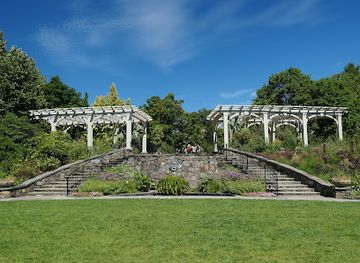
Botanical garden
New England Botanic Garden at Tower Hill
Explore the New England Botanic Garden at Tower Hill, a stunning botanical oasis featuring diverse plant collections and educational programs for all ages.

Best landmarks in Worcester County
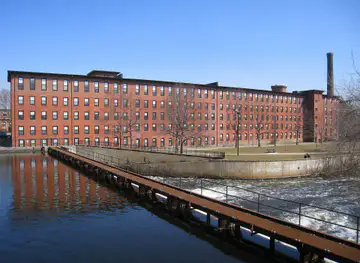
Worcester's civic and cultural landmarks include City Hall, with its prominent Romanesque Revival design, and Mechanics Hall, a nineteenth-century concert venue noted for its architecture and acoustics. Bancroft Tower rises above the city's western hills as a distinctive stone memorial structure. In Sturbridge, the historic buildings and rural landscape assembled at Old Sturbridge Village create a broad picture of early nineteenth-century New England rather than a single monument. The former mill architecture of the Blackstone Valley, including surviving factory complexes and worker neighbourhoods, records the rise of water-powered industry. Mount Wachusett is the county's most recognisable natural landmark, with a summit landscape that contrasts sharply with the surrounding lowlands. Fruitlands in Harvard is significant for both its surviving nineteenth-century buildings and its association with American transcendentalism and communal reform. Across the county, old meetinghouses, cemeteries, town greens and brick commercial blocks provide a quieter but widely distributed architectural record.
-
Nature preserve
Mass Audubon's Wachusett Meadow Wildlife Sanctuary
Explore the breathtaking landscapes and diverse wildlife at Mass Audubon's Wachusett Meadow Wildlife Sanctuary, a serene nature preserve in Princeton, MA.
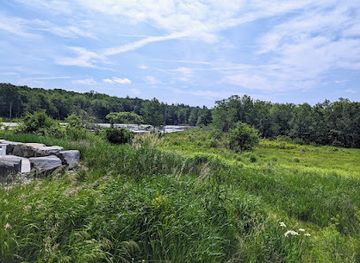
Explore Worcester County on the map
Plan your trip on one map. See where the top cities, national parks and sights are, and book hotels and experiences in a few clicks.
Best hotels in Worcester County
Best restaurants in Worcester County
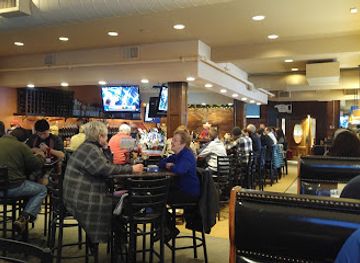
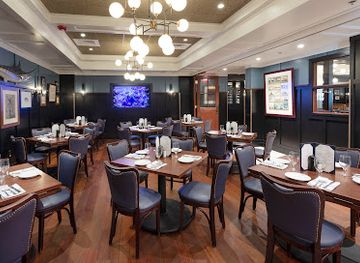
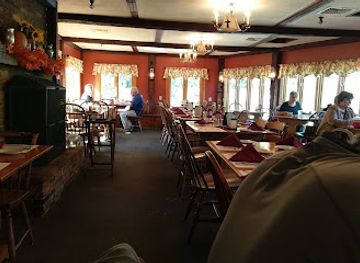
Dining in Worcester County reflects both its industrial-era immigration and its agricultural surroundings. Worcester has the county's broadest choice, including long-established diners, cafés, Italian and Mediterranean cooking, South Asian and Southeast Asian restaurants, contemporary American menus and independent bakeries. The city's diverse communities are an important part of its food identity, while smaller towns offer pizzerias, family-run restaurants, traditional New England fare and rural inns. Central Massachusetts produce appears in farm shops, roadside stands and seasonal markets, with apples, berries, sweet corn, pumpkins and cider especially characteristic of the countryside. Around Sturbridge and the southern towns, visitors will find restaurants serving regional American dishes alongside modern interpretations of New England ingredients. Craft beer and locally made spirits are available at selected breweries and distilleries, but the county's food culture is not limited to drink: diners, bakeries, farmers' markets and immigrant-owned eateries are equally significant.
-
Hamburger
The Fix Burger Bar
Experience gourmet burgers and classic American cuisine at The Fix Burger Bar in Worcester—a perfect blend of taste and ambiance.
-
Restaurant
The Boynton Restaurant & Spirits
Discover vibrant American cuisine at The Boynton Restaurant & Spirits in Worcester – where great food meets exceptional service.
-
Seafood
The Sole Proprietor
Discover the ultimate seafood dining experience at The Sole Proprietor in Worcester - where freshness meets flavor.
-
American
The 1761 Old Mill
Experience culinary excellence at The 1761 Old Mill - where American flavors meet stunning mountain views.

Best bars in Worcester County
Worcester is the county's main evening centre, with pubs, breweries, cocktail bars, live-music rooms, restaurants and venues associated with its colleges and arts institutions. Its nightlife is dispersed through the city rather than concentrated in one large entertainment quarter, and the atmosphere varies from quiet neighbourhood bars to busier weekend venues. Fitchburg, Leominster, Southbridge and other larger towns have a smaller selection of pubs, taverns, breweries and restaurants, while rural communities generally become quiet earlier and offer evenings centred on dining, local events or historic inns. Seasonal outdoor performances and community festivals can add variety, but programmes change regularly. Visitors who plan to drink should arrange a taxi, rideshare or designated driver, particularly in rural areas where distances are considerable and public transport is limited.
-
Bar
The Boynton Restaurant & Spirits
Discover the vibrant flavors of The Boynton Restaurant & Spirits, where American cuisine meets a lively bar atmosphere in Worcester.
-
American
The 1761 Old Mill
Discover the historic charm and delicious American cuisine at The 1761 Old Mill in Westminster, perfect for brunch, dining, and special events.
-
Irish
O'Connor's Restaurant & Bar
Experience the heart of Ireland at O'Connor's Restaurant & Bar, a Worcester gem serving authentic Irish dishes and warm hospitality.
-
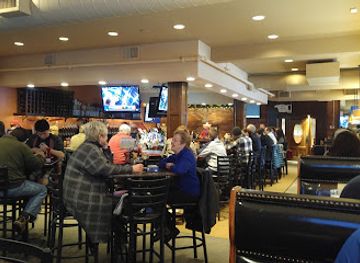
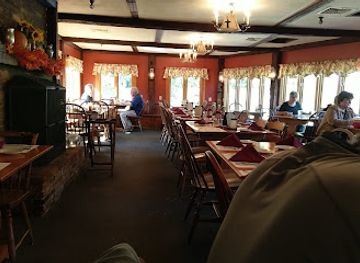
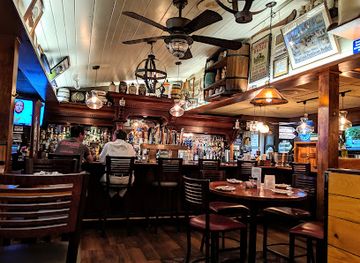
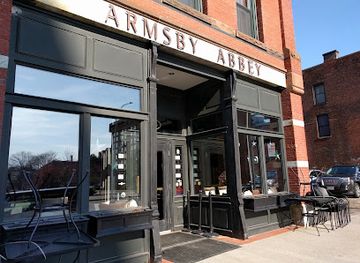
Bar
Armsby Abbey
Discover Armsby Abbey in Worcester, MA: A local bar and restaurant offering delicious dishes and an extensive craft beer selection in a warm atmosphere.
Best nightclubs in Worcester County
Worcester is the county's main evening centre, with pubs, breweries, cocktail bars, live-music rooms, restaurants and venues associated with its colleges and arts institutions. Its nightlife is dispersed through the city rather than concentrated in one large entertainment quarter, and the atmosphere varies from quiet neighbourhood bars to busier weekend venues. Fitchburg, Leominster, Southbridge and other larger towns have a smaller selection of pubs, taverns, breweries and restaurants, while rural communities generally become quiet earlier and offer evenings centred on dining, local events or historic inns. Seasonal outdoor performances and community festivals can add variety, but programmes change regularly. Visitors who plan to drink should arrange a taxi, rideshare or designated driver, particularly in rural areas where distances are considerable and public transport is limited.
-
Social club
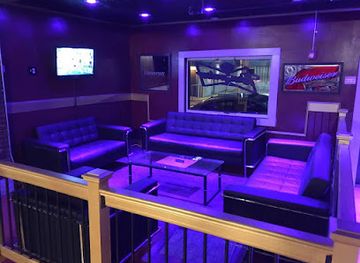
The Summit Lounge
Discover The Summit Lounge in Worcester, a cozy social club blending the charm of a café and the vibrancy of a lounge for an unforgettable experience.
-
Bar
Whiskey On Water
Discover the energetic ambiance of Whiskey On Water in Worcester, a bar and night club renowned for its diverse drink selection and live music.
-
Bar
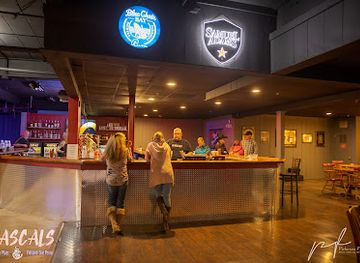
Rascals
Experience the vibrant nightlife at Rascals, Worcester's go-to bar for lively music, delicious drinks, and a welcoming atmosphere.
-
Night club
Noamesco International Bar & Lounge
Noamesco International Bar & Lounge: A vibrant night club in Worcester, perfect for lively gatherings, cocktails, and unforgettable nights.


Best shops in Worcester County
Shopping in Worcester County is strongest in independent town centres, neighbourhood districts, farm shops and seasonal markets rather than a single luxury retail destination. Worcester offers bookstores, galleries, specialist food shops, vintage stores and independent retailers, with larger commercial areas providing more conventional national chains. Historic downtowns in places such as Sturbridge, Leominster, Fitchburg and towns in the Blackstone Valley contain antiques, craft shops, local services and small galleries, although opening patterns vary. Farm stands and farmers' markets are useful for Massachusetts apples, berries, maple products, honey, baked goods, cider and other seasonal produce. Sturbridge is particularly associated with antiques and heritage-oriented shopping, while rural routes may feature pottery, woodwork, textiles and locally made foods. For a practical souvenir, look for regional food products or work by Massachusetts artists rather than expecting a uniform county-wide craft tradition.
-
Shopping mall
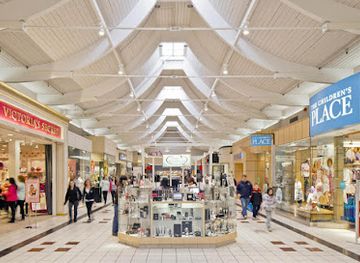
The Shops at Blackstone Valley
Explore The Shops at Blackstone Valley in Millbury, MA - a vibrant shopping destination with diverse retail options and delightful dining experiences.
-
Shopping mall
Auburn Mall
Explore Auburn Mall in Massachusetts: a vibrant shopping hub with diverse retail options, dining, and family-friendly entertainment.
-
Shopping mall
The Worcester Fair
Explore the vibrant shopping haven of The Worcester Fair, featuring local crafts, delicious food, and a lively atmosphere perfect for all visitors.
-
Shopping mall
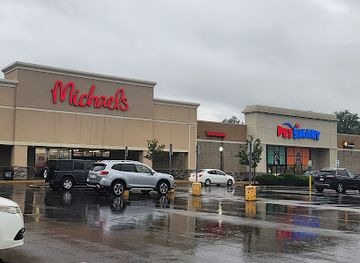
Webster Square Plaza
Explore Webster Square Plaza for a vibrant shopping experience in Worcester, MA, featuring top stores, dining, and entertainment options.
Get your free copy of our complete guide to Worcester County, delivered straight to you.
Everything on this page, from attractions and restaurants to essentials and local phrases, in one PDF you can read offline, print or share.
Already have an account? Sign in
Your Worcester County guide is ready.
We'll send it to · Not you? Sign out

Getting your guide ready…
We are putting together a fresh copy of the Worcester County guide. This can take up to a minute.
This can take a few moments. If your browser asks, choose Allow so the download can start. You'll find the guide in your Downloads folder.
Nothing happened? Download it again
Sorry, the guide is taking longer than usual. Please try again in a minute, or get it by email instead.
Worcester County essentials
Currency and Payment
Safety
Emergency Situations
Do's and Don'ts
Local Tips
From Eve
Local phrases worth knowing
You don't need to get them perfect. A few words go a long way, and locals appreciate the effort.
Basics
| English | Local | Say it |
|---|---|---|
| Hello | Hey | [hey] |
| Goodbye | See ya | [see yah] |
| Yes | Yeah | [yeh] |
| No | Nah | [nah] |
| Please/You're welcome | No problem | [no prob-lum] |
| Thank you | Thanks | [thanks] |
| Excuse me/Sorry | Sorry | [sorry] |
| How are you? | How ya doin'? | [how yah doin'?] |
| Fine. And you? | Good. And you? | [good. an' you?] |
| Do you speak English? | Do ya speak English? | [do yah speak English?] |
| I don't understand | I don't get it | [I don't get it] |
Eating & Drinking
| English | Local | Say it |
|---|---|---|
| I'd like to see the menu, please | Can I see the menu, please? | [can I see the menu, please?] |
| I don't eat meat | I’m a vegetarian | [I'm a vege-tarian] |
| Cheers! | Cheers! | [cheers!] |
| I would like to pay, please | Can I get the bill, please? | [can I get the bill, please?] |
Emergencies
| English | Local | Say it |
|---|---|---|
| Help! | Help! | [help!] |
| Go away! | Leave me alone! | [leave me alone!] |
| Call the Police! | Call the cops! | [call the cops!] |
| Call a doctor! | Get a doctor! | [get a doctor!] |
| I'm lost | I’m turned around | [I'm turned around] |
| I'm ill | I don't feel well | [I don't feel well] |
Shopping
| English | Local | Say it |
|---|---|---|
| I'd like to buy... | I wanna buy... | [I wanna buy...] |
| I'm just looking | I'm just browsing | [I'm just browsing] |
| How much is it? | What’s the price? | [what's the price?] |
| That's too expensive | That's way too pricey | [that's way too pricey] |
| Can you lower the price? | Can you give me a better deal? | [can you give me a better deal?] |
Time & Numbers
| English | Local | Say it |
|---|---|---|
| What time is it? | What time is it? | [what time is it?] |
| It's one o'clock | It's 1 o'clock | [it's 1 o'clock] |
| Half past (10) | Half past 10 | [half past 10] |
| Morning | Morning | [morning] |
| Afternoon | Afternoon | [afternoon] |
| Evening | Evening | [evening] |
| Yesterday | Yesterday | [yesterday] |
| Today | Today | [today] |
| Tomorrow | Tomorrow | [tomorrow] |
| 1 | One | [one] |
| 2 | Two | [two] |
| 3 | Three | [three] |
| 4 | Four | [four] |
| 5 | Five | [five] |
| 6 | Six | [six] |
| 7 | Seven | [seven] |
| 8 | Eight | [eight] |
| 9 | Nine | [nine] |
| 10 | Ten | [ten] |
Transport & Directions
| English | Local | Say it |
|---|---|---|
| Where's a/the...? | Where's the...? | [where's the...?] |
| What's the address? | What's the address? | [what's the address?] |
| Can you show me (on the map)? | Can you show me on the map? | [can you show me on the map?] |
| When's the next (bus)? | When's the next bus? | [when's the next bus?] |
| A ticket (to ....) | A ticket to ... | [a ticket to ...] |
History of Worcester County
Nipmuc Homelands Before European Settlement
Worcester County lies within the traditional homeland of the Nipmuc, an Indigenous people whose communities used the area's forests, rivers, wetlands and fertile valleys for settlement, hunting, fishing and cultivation. Indigenous place knowledge shaped travel through the central Massachusetts landscape long before colonial roads were established. European colonisation brought land dispossession, disease, warfare and profound disruption to Nipmuc life, although Nipmuc communities and cultural identity continue in the region and beyond.
Colonial Settlement and the Founding of Worcester County
English settlement expanded inland during the late seventeenth and early eighteenth centuries, creating farming communities connected by rough roads to Boston and the Connecticut Valley. Worcester County was established in 1731 as Massachusetts reorganised its growing interior. Worcester itself developed as a county centre because of its position on important land routes, while towns such as Lancaster, Leominster and Harvard became agricultural and commercial communities. Meetinghouses, village greens, burial grounds and surviving colonial houses reflect this period.
Turnpikes, Canals and Early Industrialisation
During the late eighteenth and early nineteenth centuries, improved roads, turnpikes and waterways linked central Massachusetts with Boston, the Connecticut River and Rhode Island. The Blackstone Canal, opened in 1828, connected Worcester with Providence, although railways soon became more influential. Water-powered mills multiplied along rivers and streams, beginning the transformation from predominantly agricultural settlements to an industrial economy. Worcester's central position increasingly made it a centre for trade, manufacturing and transport.
Railways and the Industrial County
Rail connections reached Worcester in the 1830s and subsequently spread through the county, accelerating the movement of people, raw materials and finished goods. Worcester developed major metalworking, wire, machinery and manufacturing industries; Fitchburg became strongly associated with paper and other factory production; and towns in the Blackstone Valley grew around textiles. Railways also encouraged urban expansion, immigrant settlement and the construction of commercial buildings, schools, churches and civic institutions that still define many town centres.
Reformers, Transcendentalists and Experimental Communities
Central Massachusetts attracted nineteenth-century reformers who sought alternatives to established religious, economic and social arrangements. Fruitlands in Harvard was founded in 1843 by Bronson Alcott and Charles Lane as a short-lived communal experiment influenced by transcendentalist ideas. Although the community lasted only part of a year, the site preserves an important chapter in American reform history. Elsewhere in the county, religious congregations, mutual-aid societies and immigrant communities created institutions that helped shape local civic life.
Immigration and Changing Industrial Communities
Industrial growth drew workers from Ireland, French Canada, Sweden, Italy, Poland and many other places, adding new languages, religious institutions, foods and neighbourhood traditions to Worcester County. Textile, paper, wire and metalworking towns developed distinctive immigrant landscapes, while Worcester became one of the region's most diverse urban centres. Later deindustrialisation closed or reduced many factories, but former mills, labour histories and community organisations remain important parts of the county's cultural identity.
Twentieth-Century Transformation and Cultural Renewal
After the Second World War, highways, suburban development, changing manufacturing patterns and the decline of rail freight altered the county's economic geography. Worcester retained important medical, educational and cultural institutions, while smaller mill towns sought new uses for former industrial sites. Museums, universities, arts organisations, heritage attractions and outdoor recreation now complement surviving manufacturing and agriculture. This transition has not erased the industrial past; instead, it has made historic mill buildings, rail corridors and civic architecture central to the county's contemporary identity.
Worcester County in Photos
Browse through our photo collection highlighting the charm and character of the destination.
Neighbouring regions of Worcester County
The closest regions to Worcester County, if you have time for more than one.
-
-

-

-

-


Swipe for more regions
Explore more

Explore more of Massachusetts
Discover Massachusetts: A blend of rich history, stunning landscapes, and vibrant culture. From Boston's historic sites to Cape Cod's beaches, it's the heart of New England.
Explore Massachusetts