

Free Pioneer Valley Travel Guide & Mobile App
Explore Pioneer Valley with free travel guides. Discover regional history, expert tips, proposed trips, and audio guides on web or mobile app.


Explore Massachusetts’s Pioneer Valley for Connecticut River scenery, historic villages, college towns, museums, farms and four-season outdoor activities.
Read more about Pioneer Valley
Getting to and around Pioneer Valley
How to get there
Transportation
Top city travel guides in Pioneer Valley
The cities of Pioneer Valley, and the easiest places to base yourself.

Swipe for more cities
Destinations in Pioneer Valley
Resorts, valleys and scenic spots worth a trip of their own.
-

-

-

-
-

-


Swipe for more destinations
Best attractions in Pioneer Valley
Pioneer Valley attractions range from major museums and family-oriented cultural institutions in Springfield to preserved villages, college collections and outdoor landscapes farther north. Springfield’s museums include the Springfield Museums complex, the Amazing World of Dr. Seuss Museum and the Springfield Science Museum, while the Naismith Basketball Hall of Fame reflects the sport’s local origin. In Holyoke, the Wistariahurst Museum and the city’s canal and mill landscape explain the region’s industrial development. Northampton, Amherst and South Hadley offer galleries, literary and educational collections, performances and gardens connected with their colleges and cultural organisations. Historic Deerfield is the most extensive heritage attraction in the northern valley, with restored buildings and collections interpreting early New England life. Outdoor choices include the Connecticut River floodplain, Mount Holyoke Range State Park, Skinner State Park, the Norwottuck Rail Trail, the Bridge of Flowers in Shelburne Falls and wooded areas around the Deerfield River. Seasonal farm visits, cycling, walking, paddling and autumn foliage drives add variety without requiring a single large resort or amusement complex.
-
Theme park
Six Flags New England
Experience the thrill of a lifetime at Six Flags New England, where adventure awaits in every corner of this exhilarating amusement park.
-
Historical place
Bridge of Flowers
Discover the Bridge of Flowers in Shelburne Falls, Massachusetts, where history and nature intertwine in a breathtaking floral display.
-
State park
Mount Tom State Reservation
Explore the breathtaking beauty of Mount Tom State Reservation, a premier destination for hiking, birdwatching, and outdoor recreation in Holyoke, Massachusetts.
-
State park
Skinner State Park
Explore the natural beauty and rich history of Skinner State Park in Hadley, Massachusetts, a perfect escape for outdoor enthusiasts and history lovers.



Best landmarks in Pioneer Valley
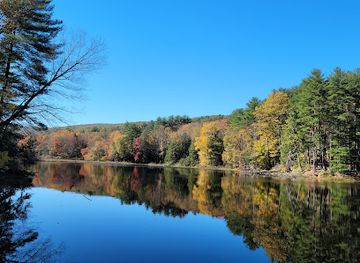
The Connecticut River itself is the Pioneer Valley’s defining geographical landmark, broadening into fertile agricultural flats between the wooded and basaltic ridges of western Massachusetts. The Mount Holyoke Range forms a prominent central horizon, with Mount Holyoke’s summit and the historic summit house at Skinner State Park offering far-reaching views across the valley. Holyoke’s canal system and surviving nineteenth-century mill buildings are important industrial landmarks, showing how waterpower shaped the city’s plan and economy. Springfield’s Springfield Armory National Historic Site, with its historic buildings and firearms collection, represents the city’s long manufacturing history. The brick streets and preserved buildings of Historic Deerfield provide a concentrated view of colonial and early American architecture, while the village’s position near the Deerfield River adds geographical context. Northampton’s Elm Street Historic District and civic centre contain notable nineteenth-century and early twentieth-century architecture, and Amherst’s historic centre retains buildings associated with the town’s educational past. In the northern valley, the distinctive Bridge of Flowers in Shelburne Falls crosses a former trolley bridge, combining transport history with a celebrated public garden.
-
Tourist attraction
Dinosaur Footprints
Explore the ancient world at Dinosaur Footprints in Holyoke, Massachusetts - a fascinating site showcasing dinosaur tracks embedded in natural beauty.

Explore Pioneer Valley on the map
Plan your trip on one map. See where the top cities, national parks and sights are, and book hotels and experiences in a few clicks.
Best hotels in Pioneer Valley
Best restaurants in Pioneer Valley
Dining in the Pioneer Valley reflects fertile farmland, dairy country and a notably diverse urban and college-town population. Springfield has longstanding Puerto Rican, Latin American and other immigrant food traditions alongside diners, bakeries and contemporary restaurants. Northampton, Amherst and surrounding towns support independent cafés, vegetarian and international cooking, breweries, bakeries and restaurants ranging from informal meals to refined seasonal menus. Local agriculture appears through farm-to-table cooking, cheese, apples, berries, pumpkins, maple products and summer vegetables, while farm stands and farmers’ markets are important sources of regional produce. Traditional New England influences remain visible in diners, rural inns and seafood brought inland from the wider New England supply network, although seafood is not a distinctive local product in the way it is on the Massachusetts coast. In autumn, apple orchards, cider and harvest produce become especially prominent; in winter, maple syrup and hearty regional cooking are more characteristic. Reservations may be prudent in the smaller number of well-known restaurants during university terms and foliage season.
-
Steak
Texas Roadhouse
Discover Texas Roadhouse in Hadley - where sizzling steaks meet warm hospitality in a lively American dining experience.
-
Japanese
Osaka
Discover authentic Japanese cuisine at Osaka in Northampton – where sushi meets tradition in a modern setting.
-
Restaurant
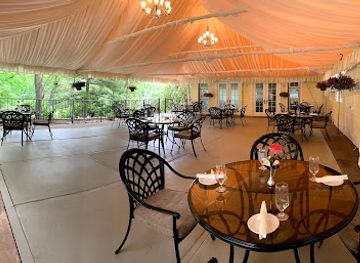
The Delaney House
Experience culinary excellence at The Delaney House in Holyoke - where every meal tells a story.
-
Restaurant
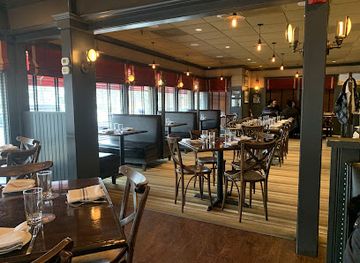
Johnny's Tavern
Experience the best of American cuisine at Johnny's Tavern in Amherst – where great food meets inviting ambiance.

Best bars in Pioneer Valley
Evening life is concentrated in Springfield, Northampton, Amherst and nearby college communities rather than spread evenly across the rural valley. Springfield offers hotel bars, restaurants, live music, performance venues and occasional larger events, while Northampton is known for independent bars, breweries, cafés, music venues and a long-established arts-oriented evening scene. Amherst’s nightlife is influenced by its student population, with bars, restaurants and performances following the academic calendar. Greenfield and other northern towns tend towards traditional pubs, taprooms, restaurants and community music rather than late-night clubs. Holyoke adds mill-building venues, breweries and cultural events, though its evening offer changes by neighbourhood and occasion. Visitors should check current arrangements for performances and venues, particularly outside the larger centres. In rural districts, evenings are more likely to centre on a local inn, restaurant, brewery or seasonal event than on a nightclub.
-
Brewpub
Northampton Brewery
Experience the vibrant atmosphere and unique flavors at Northampton Brewery, where craft beer and delicious cuisine come together.
-
Bar
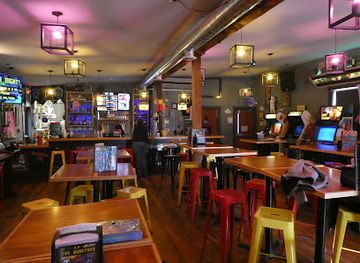
The Quarters
Explore The Quarters in Hadley, MA: where delicious dining meets thrilling arcade fun for a perfect family-friendly experience.
-
Restaurant
Dewey's Jazz Lounge
Experience the vibrant atmosphere of Dewey's Jazz Lounge, where live music and exquisite cocktails create unforgettable nights in Springfield.
-
Bar
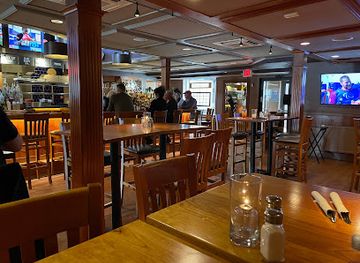
Johnny's Tavern
Discover the heart of Amherst at Johnny's Tavern, where delicious American cuisine meets a lively bar atmosphere.

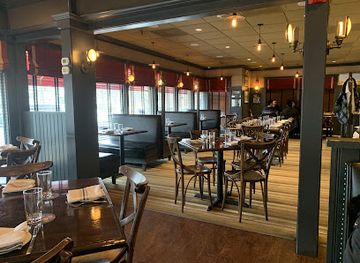
Best nightclubs in Pioneer Valley
Evening life is concentrated in Springfield, Northampton, Amherst and nearby college communities rather than spread evenly across the rural valley. Springfield offers hotel bars, restaurants, live music, performance venues and occasional larger events, while Northampton is known for independent bars, breweries, cafés, music venues and a long-established arts-oriented evening scene. Amherst’s nightlife is influenced by its student population, with bars, restaurants and performances following the academic calendar. Greenfield and other northern towns tend towards traditional pubs, taprooms, restaurants and community music rather than late-night clubs. Holyoke adds mill-building venues, breweries and cultural events, though its evening offer changes by neighbourhood and occasion. Visitors should check current arrangements for performances and venues, particularly outside the larger centres. In rural districts, evenings are more likely to centre on a local inn, restaurant, brewery or seasonal event than on a nightclub.
-
Bar
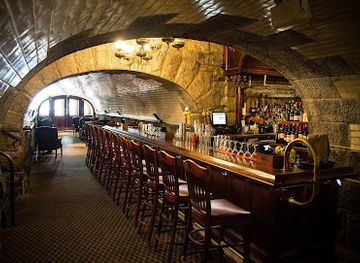
The Tunnel Bar
Discover The Tunnel Bar in Northampton, where innovative cocktails and artisanal charcuterie create an unforgettable night out.
-
Live Music
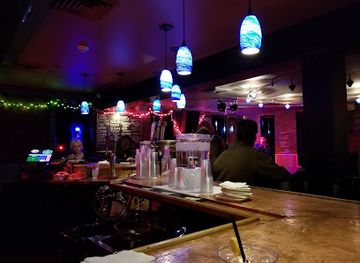
Bishop's Lounge
Discover the vibrant music scene and lively atmosphere at Bishop's Lounge, Northampton's premier live music and bar destination.
-
Bar
Pulaski Club
Discover Easthampton's vibrant nightlife at Pulaski Club, where live music meets a friendly bar atmosphere for an unforgettable experience.
-
Gay bar
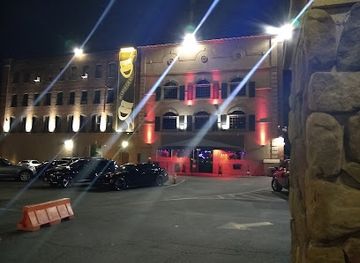
The X-Room
Experience The X-Room in Springfield, a premier gay bar offering vibrant nightlife, inclusive entertainment, and a welcoming atmosphere for all.

Best shops in Pioneer Valley
Shopping in the Pioneer Valley is strongest in independent town centres, farmers’ markets and small specialist districts rather than large luxury retail areas. Northampton has a particularly broad selection of independent bookshops, clothing stores, galleries, jewellers, cafés and design-led shops, while Amherst combines student-oriented retail with books, food and locally made goods. Springfield offers larger-city shopping, department and specialist stores, the historic downtown area and neighbourhood businesses reflecting its diverse communities. Greenfield and other Franklin County towns provide practical high-street shops, antiques, galleries and craft-related retail. Seasonal markets and farm shops are the best sources for maple syrup, honey, apples, berries, pumpkins, cheese, baked goods and other local produce. In rural areas, opening days and hours can be limited, so plan around market schedules rather than assuming every village has a full-time shopping district. Regional arts and crafts, books connected with local writers and colleges, and products from small food producers make more meaningful souvenirs than generic Massachusetts merchandise.
-
Shopping mall
Holyoke Mall
Explore Holyoke Mall: A Shopping Haven with Diverse Stores, Dining, and Entertainment in Massachusetts.
-
Outlet mall
Lee Premium Outlets
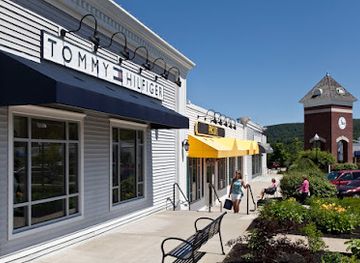
Discover amazing deals and unparalleled shopping experiences at Lee Premium Outlets, nestled in the stunning landscapes of Massachusetts.
-
Store
Hampshire Mall
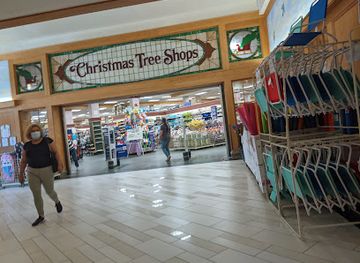
Explore Hampshire Mall in Massachusetts for a diverse shopping experience, featuring popular brands, delicious dining, and family-friendly entertainment.
-
Gift shop
Thornes Marketplace
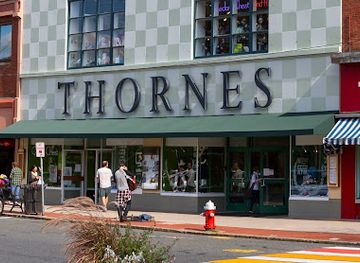
Explore Thornes Marketplace in Northampton, MA - a vibrant destination for unique gifts, delicious food, and local culture.

Get your free copy of our complete guide to Pioneer Valley, delivered straight to you.
Everything on this page, from attractions and restaurants to essentials and local phrases, in one PDF you can read offline, print or share.
Already have an account? Sign in
Your Pioneer Valley guide is ready.
We'll send it to · Not you? Sign out

Getting your guide ready…
We are putting together a fresh copy of the Pioneer Valley guide. This can take up to a minute.
This can take a few moments. If your browser asks, choose Allow so the download can start. You'll find the guide in your Downloads folder.
Nothing happened? Download it again
Sorry, the guide is taking longer than usual. Please try again in a minute, or get it by email instead.
Pioneer Valley essentials
Currency and Payment
Safety
Emergency Situations
Do's and Don'ts
Local Tips
From Eve
Local phrases worth knowing
You don't need to get them perfect. A few words go a long way, and locals appreciate the effort.
Basics
| English | Local | Say it |
|---|---|---|
| Hello | Hey there | [Hey thair] |
| Goodbye | See ya | [See yah] |
| Yes | Yup | [Yup] |
| No | Nah | [Nah] |
| Please/You're welcome | No problem | [No prob-lum] |
| Thank you | Thanks | [Thangs] |
| Excuse me/Sorry | Sorry 'bout that | [Sorry 'bout that] |
| How are you? | How's it going? | [How's it goin'?] |
| Fine. And you? | Good. You? | [Good. You?] |
| Do you speak English? | You speakin' English? | [You speakin' English?] |
| I don't understand | I don't get it | [I don't get it] |
Eating & Drinking
| English | Local | Say it |
|---|---|---|
| I'd like to see the menu, please | Can I see the menu? | [Can I see the menu?] |
| I don't eat meat | I'm a vegetarian | [I'm a vege-tarian] |
| Cheers! | Cheers! | [Cheers!] |
| I would like to pay, please | Can I get the check? | [Can I get the check?] |
Emergencies
| English | Local | Say it |
|---|---|---|
| Help! | Help! | [Help!] |
| Go away! | Leave me alone! | [Leave me alone!] |
| Call the Police! | Call the cops! | [Call the cops!] |
| Call a doctor! | Get a doctor! | [Get a doctor!] |
| I'm lost | I'm turned around | [I'm turned around] |
| I'm ill | I don't feel good | [I don't feel good] |
Shopping
| English | Local | Say it |
|---|---|---|
| I'd like to buy... | I wanna buy... | [I wanna buy...] |
| I'm just looking | Just browsing | [Just browsin'] |
| How much is it? | What's the price? | [What's the price?] |
| That's too expensive | That's way too pricey | [That's way too pricey] |
| Can you lower the price? | Can you make it cheaper? | [Can you make it cheaper?] |
Time & Numbers
| English | Local | Say it |
|---|---|---|
| What time is it? | What time ya got? | [What time ya got?] |
| It's one o'clock | It's one | [It's one] |
| Half past (10) | Half past ten | [Half past ten] |
| Morning | Morning | [Morning] |
| Afternoon | Afternoon | [Afternoon] |
| Evening | Evening | [Evening] |
| Yesterday | Yesterday | [Yesterday] |
| Today | Today | [Today] |
| Tomorrow | Tomorrow | [Tomorrow] |
| 1 | One | [One] |
| 2 | Two | [Two] |
| 3 | Three | [Three] |
| 4 | Four | [Four] |
| 5 | Five | [Five] |
| 6 | Six | [Six] |
| 7 | Seven | [Seven] |
| 8 | Eight | [Eight] |
| 9 | Nine | [Nine] |
| 10 | Ten | [Ten] |
Transport & Directions
| English | Local | Say it |
|---|---|---|
| Where's a/the...? | Where's the nearest...? | [Where's the nearest...?] |
| What's the address? | What's the address? | [What's the address?] |
| Can you show me (on the map)? | Can you point it out? | [Can you point it out?] |
| When's the next (bus)? | When's the next bus? | [When's the next bus?] |
| A ticket (to ....) | A ticket to... | [A ticket to...] |
History of Pioneer Valley
Indigenous Connecticut River Communities
Long before European settlement, the Connecticut River valley supported Indigenous communities including the Pocumtuck in the northern valley, the Norwottuck around present-day Northampton and Hadley, and Nipmuc communities farther south and east. Farming, fishing, hunting and trade were closely connected to the river and its fertile floodplain. Indigenous landholding and political relationships were disrupted by colonial expansion, epidemic disease and warfare, but Native history remains fundamental to understanding the Pioneer Valley and is increasingly interpreted in local museums, cultural programmes and historical scholarship.
Colonial Settlement and Springfield’s Foundation
English settlement expanded along the Connecticut River during the seventeenth century. Springfield was established in 1636 by William Pynchon as a trading and agricultural community, while Northampton, Hadley, Deerfield and other settlements developed farther north. The river provided transport and fertile land, but colonial communities were also shaped by conflict with Indigenous peoples. The upheavals of King Philip’s War in the 1670s exposed the violence and instability accompanying English expansion across southern New England.
Agriculture, Trade and the Eighteenth-Century Valley
During the eighteenth century, the Pioneer Valley became an important agricultural and trading landscape. Connecticut River towns exported grain, livestock and other produce, while roads and river transport connected inland communities with larger New England markets. Deerfield and other settlements retain buildings and streetscapes associated with this period, although their preservation must be read alongside the displacement of Indigenous communities and the labour of enslaved people and other groups whose contributions were often omitted from older historical narratives.
Industrialisation, Canals and Railways
The nineteenth century transformed the valley through water-powered manufacturing, canals and railways. Holyoke was planned around a canal system and became a major centre of paper production, with mills, worker housing and industrial infrastructure arranged along the Connecticut River. Springfield developed manufacturing in firearms, machinery and other industries, while rail connections strengthened the commercial importance of towns throughout the corridor. Mill architecture, canal remnants, railway landscapes and worker neighbourhoods remain among the clearest physical evidence of the region’s industrial era.
Immigration and Urban Growth
Industrial expansion attracted immigrants and migrants who reshaped Springfield, Holyoke and other valley communities. Irish, French Canadian, Polish, Jewish, Italian, Puerto Rican and many other communities contributed to local commerce, religious institutions, neighbourhood life and manufacturing. Urban growth produced distinctive churches, civic buildings, schools and commercial streets, as well as difficult working and housing conditions. The cultural diversity visible in the valley today is closely connected to these nineteenth- and twentieth-century movements of people and labour.
Universities, Culture and Economic Change
In the twentieth and early twenty-first centuries, higher education, healthcare, the arts and services became increasingly important alongside manufacturing and agriculture. Amherst, Northampton and South Hadley developed strong educational and cultural identities through institutions including Amherst College, the University of Massachusetts Amherst, Smith College and Mount Holyoke College. Springfield and Holyoke have pursued cultural, educational and heritage-led regeneration while retaining substantial industrial legacies. Contemporary Pioneer Valley culture therefore reflects both historic production and newer activity in research, education, creative work, food and environmental stewardship.
Pioneer Valley in Photos
Browse through our photo collection highlighting the charm and character of the destination.
Neighbouring regions of Pioneer Valley
The closest regions to Pioneer Valley, if you have time for more than one.
-

-

-

-

-


Swipe for more regions
Explore more

Explore more of Massachusetts
Discover Massachusetts: A blend of rich history, stunning landscapes, and vibrant culture. From Boston's historic sites to Cape Cod's beaches, it's the heart of New England.
Explore Massachusetts