

Free Franklin County Travel Guide & Mobile App
Explore Franklin County with free travel guides. Discover regional history, expert tips, proposed trips, and audio guides on web or mobile app.


Franklin County, Massachusetts combines Connecticut River farmland, historic villages, forested hills, outdoor adventure and independent arts and food.
Read more about Franklin County
Getting to and around Franklin County
How to get there
Transportation
Destinations in Franklin County
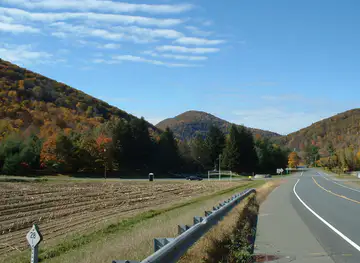
Resorts, valleys and scenic spots worth a trip of their own.
-

-

-
-


Swipe for more destinations
Best attractions in Franklin County
Franklin County’s attractions combine historic interpretation, river landscapes and outdoor recreation rather than concentrating in one resort town. Historic Deerfield is the county’s most extensive heritage experience, with preserved buildings, collections and demonstrations that illuminate life in an eighteenth- and nineteenth-century New England village. In Turners Falls, the Great Falls Discovery Center explains the Connecticut River ecosystem and the area’s industrial transformation, while the canal and riverside setting invite further exploration. Shelburne Falls is known for the Bridge of Flowers, a former railway bridge planted as a community garden, and for its proximity to the Deerfield River. Western Franklin County offers hiking, paddling, climbing and winter activities around Charlemont, including facilities associated with Berkshire East and nearby forested hills. Northfield Mountain provides trails and views above the river, while the Appalachian Trail crosses the county’s southern uplands. Farms, orchards, conservation areas, village museums and seasonal cultural programmes add variety, although opening arrangements and access can change outside the main visitor season.
-
Escape room center
Breakout Games
Experience the thrill of adventure at Breakout Games Marlborough - a top-notch escape room center perfect for families and friends.
-
Zoo
Franklin Park Zoo
Discover the diverse wildlife and stunning exhibits at Franklin Park Zoo, a premier family-friendly attraction in Boston's beautiful Franklin Park.
-
Historical place
Bridge of Flowers
Explore the breathtaking Bridge of Flowers in Shelburne Falls, Massachusetts - a historical gem adorned with vibrant blooms and stunning river views.
-
Tourist attraction
Magic Wings Butterfly Conservatory
Explore the enchanting world of butterflies and exotic wildlife at the Magic Wings Butterfly Conservatory in South Deerfield, Massachusetts.


Best landmarks in Franklin County
-
War memorial
Veterans War Memorial Tower
Discover the breathtaking views and historical significance of the Veterans War Memorial Tower atop Mount Greylock in Massachusetts.
-
State park
Mount Greylock State Reservation Visitor Center
Explore the breathtaking landscapes and rich history of Mount Greylock State Reservation, the highest point in Massachusetts offering outdoor adventures and stunning views.
-
Park
Quabbin Observation Tower
Discover the breathtaking views and rich history at Quabbin Observation Tower, a peaceful retreat in the heart of Massachusetts.
-
Scenic spot
Enfield Lookout
Discover the breathtaking views and serene atmosphere of Enfield Lookout in Ware, Massachusetts, a perfect retreat for nature lovers and explorers.


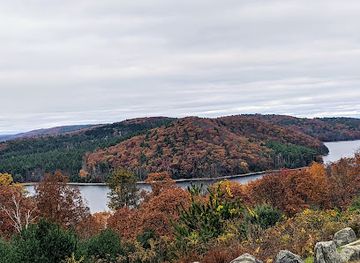
Explore Franklin County on the map
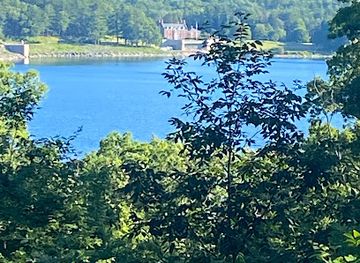
Plan your trip on one map. See where the top cities, national parks and sights are, and book hotels and experiences in a few clicks.
Best hotels in Franklin County
Best restaurants in Franklin County
Dining in Franklin County reflects its Connecticut River Valley farms and small-town scale. Greenfield has the broadest choice of cafés, bakeries, pubs and independent restaurants, while Deerfield, Shelburne Falls, Turners Falls, Northfield and Charlemont offer village dining, diners, inns and places suited to a scenic stop. Local menus may feature seasonal vegetables, apples, berries, maple products, dairy, eggs, meats and locally made bread or cheese, although not every dish is exclusive to the county. Farm stands and farmers’ markets are especially useful for tasting produce directly from the valley, with cider, maple syrup and preserves among the practical gastronomic souvenirs. Craft breweries and other locally made drinks appear alongside the wider New England food tradition. Rural establishments can have limited service days or seasonal schedules, so visitors should check ahead rather than assume that a small-town kitchen is open every evening.
-
Restaurant
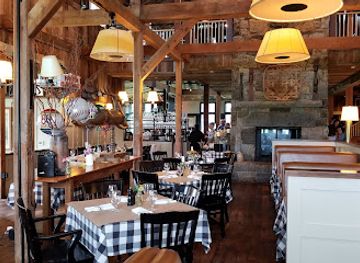
Gibbet Hill Grill
Experience fine dining at Gibbet Hill Grill in Groton, MA - where exceptional steaks meet stunning views.
-
Italian
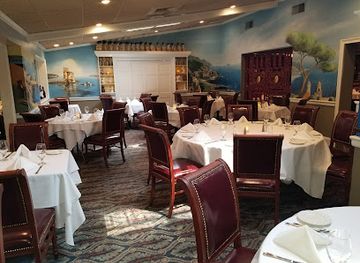
Luciano's Restaurant
Experience the rich flavors of Southern Italy at Luciano's Restaurant in Wrentham – where every meal is a celebration of authentic Italian cuisine.
-
Steak
New England Steak & Seafood
Discover the perfect blend of prime steaks and fresh seafood at New England Steak & Seafood in Mendon, MA - where every meal feels like a celebration.
-
Restaurant
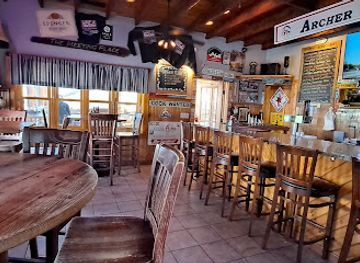
Depot Street Tavern
Experience delightful dining at Depot Street Tavern in Milford, MA—where local flavors meet vibrant atmosphere.

Best bars in Franklin County
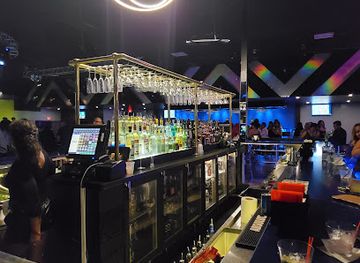
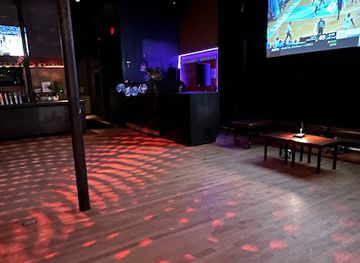
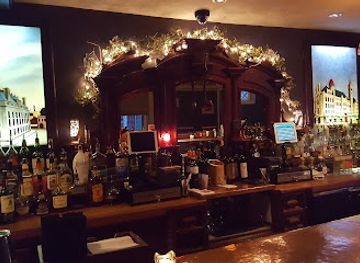
Franklin County’s evening life is centred on pubs, restaurants, cafés, breweries, community performances and live music rather than a large nightclub scene. Greenfield provides the widest choice of places for an evening out, including casual bars and venues connected with the town’s arts and performance culture. Turners Falls and Shelburne Falls also have modest evening offerings, while Charlemont and other rural communities are more likely to emphasise inns, restaurants and outdoor-oriented hospitality. Local breweries and taprooms can provide a social setting, but availability and service arrangements vary. In smaller towns, travellers should plan transport before drinking because distances are considerable and late-night public transport is limited. Summer and festival periods may bring additional music and cultural events, while winter evenings are generally quieter.
-
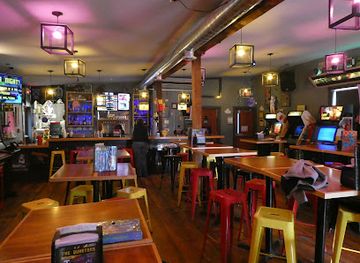
Bar
The Quarters
Experience the best of dining and gaming at The Quarters in Hadley, MA - a unique bar and restaurant that promises fun and flavor.
-
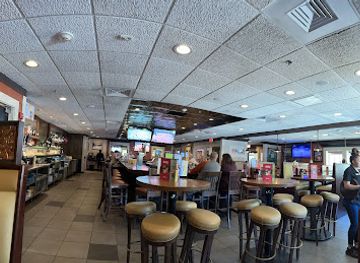
American
99 Restaurants
Discover the flavors of America at 99 Restaurants in Greenfield, MA, where classic dishes meet a vibrant pub atmosphere for all to enjoy.
-
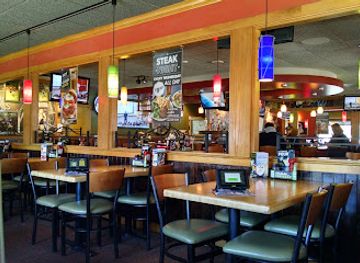
Restaurant
Applebee's Grill + Bar
Experience the best of American dining at Applebee's Grill + Bar, where delicious meals and a family-friendly atmosphere await you in Greenfield, MA.
-
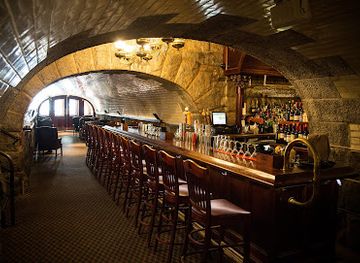
Bar
The Tunnel Bar
Discover The Tunnel Bar: Northampton's hidden gem for exquisite cocktails and a cozy atmosphere.
Best nightclubs in Franklin County
Franklin County’s evening life is centred on pubs, restaurants, cafés, breweries, community performances and live music rather than a large nightclub scene. Greenfield provides the widest choice of places for an evening out, including casual bars and venues connected with the town’s arts and performance culture. Turners Falls and Shelburne Falls also have modest evening offerings, while Charlemont and other rural communities are more likely to emphasise inns, restaurants and outdoor-oriented hospitality. Local breweries and taprooms can provide a social setting, but availability and service arrangements vary. In smaller towns, travellers should plan transport before drinking because distances are considerable and late-night public transport is limited. Summer and festival periods may bring additional music and cultural events, while winter evenings are generally quieter.
-
Night club
Vincent's Nightclub
Discover Randolph's vibrant nightlife at Vincent's Nightclub, a top destination for dancing and entertainment in Massachusetts.
-
Night club
Middlesex
Discover the electrifying nightlife at Middlesex, a premier night club in Cambridge, MA, where great music and vibrant atmosphere await you.
-
Night club
Havana Club
Immerse yourself in the rhythms of salsa and bachata at Havana Club, Cambridge's vibrant night club for dance enthusiasts.
-
Bar
The Belmont Club
Experience the lively atmosphere of The Belmont Club, a top bar in Fall River for cocktails, karaoke, and live music entertainment.

Best shops in Franklin County
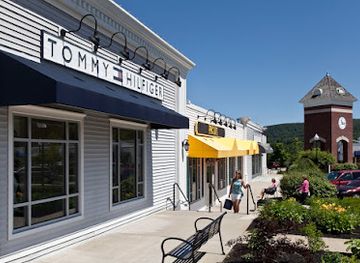
Shopping in Franklin County is strongest in independent high streets, village shops, farm stands and seasonal markets rather than large retail complexes. Greenfield offers the broadest everyday selection, including books, gifts, food, clothing and locally oriented independent businesses. Shelburne Falls and nearby villages are suited to browsing galleries, craft shops, small food retailers and practical souvenirs, while historic Deerfield focuses on heritage-related items and regional interpretation. Farm stands and farmers’ markets are the best places to look for maple syrup, apples, cider, preserves, vegetables, honey, cheese and other products connected with the Connecticut River Valley. Pottery, textiles, jewellery, artwork and handmade goods are often available through galleries and studio-based retailers. Retail hours can be limited in smaller communities and may vary by season, so visitors should not expect every shop to open daily, particularly during quieter winter periods.
-
Outlet mall
Lee Premium Outlets
Discover amazing savings and a wide selection of brands at Lee Premium Outlets, the ultimate shopping destination in Massachusetts.
-
 Candle store
Yankee Candle Village
Explore the enchanting Yankee Candle Village, a delightful destination in Massachusetts, filled with fragrant candles, unique gifts, and fun experiences for all ages.
-
Coffee shop
Shelburne Falls Coffee Roasters
Experience the best of local coffee culture at Shelburne Falls Coffee Roasters, where quality brews and a welcoming atmosphere unite.
-
Grocery store
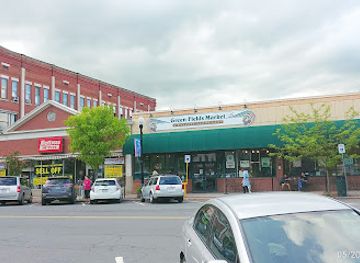
Green Fields Market
Explore local flavors at Green Fields Market in Greenfield, MA, a delightful grocery store with a bakery and café, perfect for food lovers.

Get your free copy of our complete guide to Franklin County, delivered straight to you.
Everything on this page, from attractions and restaurants to essentials and local phrases, in one PDF you can read offline, print or share.
Already have an account? Sign in
Your Franklin County guide is ready.
We'll send it to · Not you? Sign out

Getting your guide ready…
We are putting together a fresh copy of the Franklin County guide. This can take up to a minute.
This can take a few moments. If your browser asks, choose Allow so the download can start. You'll find the guide in your Downloads folder.
Nothing happened? Download it again
Sorry, the guide is taking longer than usual. Please try again in a minute, or get it by email instead.
Franklin County essentials
Currency and Payment
Safety
Emergency Situations
Do's and Don'ts
Local Tips
From Eve
Local phrases worth knowing
You don't need to get them perfect. A few words go a long way, and locals appreciate the effort.
Basics
| English | Local | Say it |
|---|---|---|
| Hello | Hey there | [Hay thair] |
| Goodbye | See ya later | [See yah lay-ter] |
| Yes | Yup | [Yup] |
| No | Nah | [Nah] |
| Please/You're welcome | Sure thing | [Shoor thing] |
| Thank you | Thanks a lot | [Thangs a lot] |
| Excuse me/Sorry | Pardon me | [Pardon me] |
| How are you? | How ya doin'? | [How yah doin'?] |
| Fine. And you? | Good. And you? | [Good. And you?] |
| Do you speak English? | Do ya speak English? | [Doo yah speak English?] |
| I don't understand | I ain't gettin' it | [I ain't gettin' it] |
Eating & Drinking
| English | Local | Say it |
|---|---|---|
| I'd like to see the menu, please | Can I see the menu? | [Can I see the menu?] |
| I don't eat meat | I don’t eat meat | [I don’t eat meat] |
| Cheers! | Cheers! | [Cheers!] |
| I would like to pay, please | Can I get the check? | [Can I get the check?] |
Emergencies
| English | Local | Say it |
|---|---|---|
| Help! | Help! | [Help!] |
| Go away! | Leave me alone! | [Leave me alone!] |
| Call the Police! | Call the cops! | [Call the cops!] |
| Call a doctor! | Get a doctor! | [Get a doctor!] |
| I'm lost | I’m lost | [I’m lost] |
| I'm ill | I’m not feelin’ well | [I’m not feelin’ well] |
Shopping
| English | Local | Say it |
|---|---|---|
| I'd like to buy... | I wanna buy... | [I wanna buy...] |
| I'm just looking | Just browsing | [Just browsing] |
| How much is it? | What’s the price? | [What’s the price?] |
| That's too expensive | That’s way too pricey | [That’s way too pricey] |
| Can you lower the price? | Can ya give me a break on the price? | [Can ya give me a break on the price?] |
Time & Numbers
| English | Local | Say it |
|---|---|---|
| What time is it? | What time ya got? | [What time ya got?] |
| It's one o'clock | It’s one o’clock | [It’s one o’clock] |
| Half past (10) | Half past ten | [Half past ten] |
| Morning | Morning | [Morning] |
| Afternoon | Afternoon | [Afternoon] |
| Evening | Evening | [Evening] |
| Yesterday | Yesterday | [Yesterday] |
| Today | Today | [Today] |
| Tomorrow | Tomorrow | [Tomorrow] |
| 1 | One | [One] |
| 2 | Two | [Two] |
| 3 | Three | [Three] |
| 4 | Four | [Four] |
| 5 | Five | [Five] |
| 6 | Six | [Six] |
| 7 | Seven | [Seven] |
| 8 | Eight | [Eight] |
| 9 | Nine | [Nine] |
| 10 | Ten | [Ten] |
Transport & Directions
| English | Local | Say it |
|---|---|---|
| Where's a/the...? | Where’s the...? | [Where’s the...?] |
| What's the address? | What’s the address? | [What’s the address?] |
| Can you show me (on the map)? | Can ya show me on the map? | [Can ya show me on the map?] |
| When's the next (bus)? | When’s the next bus? | [When’s the next bus?] |
| A ticket (to ....) | One ticket to... | [One ticket to...] |
History of Franklin County
Pocumtuck Homeland and Indigenous History
Before European settlement, the Connecticut River Valley and surrounding uplands were home to Indigenous peoples, including the Pocumtuck and related Native communities. The river supported travel, fishing, agriculture and exchange, while wooded hills supplied game and materials. Epidemics, warfare, land pressure and colonial expansion severely disrupted Indigenous life during the seventeenth century. The name Pocumtuck remains associated with the region, particularly around the Deerfield River and Mount Sugarloaf area, and visitors should understand that the county’s colonial landscape developed on an older Indigenous homeland rather than on empty land.
Colonial Settlement and the Deerfield Frontier
English settlement expanded up the Connecticut River during the late seventeenth century, establishing farming communities such as Deerfield and Northfield. Deerfield occupied a strategically exposed position on the northern colonial frontier and experienced repeated conflict during the wars between English colonists, French forces and their Indigenous allies. The 1704 raid on Deerfield, in which residents were killed or taken captive, became one of the best-known episodes of the period. The surviving village layout and buildings at Historic Deerfield help explain the agricultural, religious and defensive character of colonial New England.
Agriculture and River-Valley Towns
During the eighteenth and nineteenth centuries, the Connecticut River plain developed into a productive agricultural district. Farms supplied grains, livestock, vegetables and later specialised crops to nearby markets, while villages grew around mills, meeting houses, shops and transport routes. Deerfield, Greenfield, Northfield and other communities retain buildings from this period, although their streetscapes reflect successive changes rather than a single untouched historical moment. The fertile valley continues to influence the county’s economy through dairying, orchards, market gardening and smaller specialist farms.
Canals, Hydropower and Industrialisation
The Connecticut River’s falls at Turners Falls became the centre of a major nineteenth-century industrial development. A canal was built to bypass the falls, and later hydropower helped attract paper mills, textile production and other manufacturing. Turners Falls grew as a planned industrial community, with workers’ housing, commercial streets and engineering infrastructure distinct from older farming villages. The complex relationship between river control, industry and the environment remains central to the town’s history and can be explored at the Great Falls Discovery Center and along the canal area.
Railways and the Transformation of Commerce
Nineteenth-century railway construction linked Franklin County more closely with Boston, the Connecticut Valley, Vermont and New York State. Railways carried agricultural goods, timber and manufactured products while enabling residents to travel beyond the county’s river towns. Greenfield became an important local junction and commercial centre, and rail access supported the growth of industrial communities such as Turners Falls. Although many historic lines have changed function or disappeared, the railway corridor and surviving station architecture still help explain how transport reshaped settlement and trade.
Twentieth-Century Industrial Decline and Rural Reinvention
After the Second World War, competition, changing energy patterns and industrial restructuring reduced employment in many of Franklin County’s mills and factories. Some former industrial areas were adapted for new uses, while others retained visible evidence of their manufacturing past. At the same time, the county’s rivers, hills and historic villages attracted visitors, artists, small businesses and outdoor recreation. Contemporary Franklin County combines this post-industrial adjustment with continuing agriculture, local enterprise, conservation and a strong network of cultural organisations.
Community Arts, Local Food and Heritage Preservation
From the later twentieth century onwards, preservation groups, farmers, artists and local institutions strengthened the county’s cultural and visitor economy. Historic Deerfield developed as a major museum village, while Greenfield and smaller towns supported galleries, theatres, craft activity and independent food businesses. Farmers’ markets and direct sales connect visitors with the valley’s agricultural production, and former industrial sites have gained renewed interpretive value. This modern identity does not replace the county’s farming and manufacturing legacies; it builds new uses around them.
Franklin County in Photos
Browse through our photo collection highlighting the charm and character of the destination.
Neighbouring regions of Franklin County
The closest regions to Franklin County, if you have time for more than one.
-

-

-

-

-


Swipe for more regions
Explore more

Explore more of Massachusetts
Discover Massachusetts: A blend of rich history, stunning landscapes, and vibrant culture. From Boston's historic sites to Cape Cod's beaches, it's the heart of New England.
Explore Massachusetts