

Mohawk Trail State Forest Travel Guide - Free Web & App
Your ultimate guide to Mohawk Trail State Forest. Discover top landmarks, proposed trips, and local tips. Free on the web or via the Evendo companion app.


Mohawk Trail State Forest in Massachusetts offers old-growth woodland, Deerfield River scenery, camping, hiking and access to the historic Mohawk Trail.
Forest Landscapes and the Deerfield Valley
Mohawk Trail State Forest occupies a wooded section of north-western Massachusetts in the town of Charlemont, within the broader Deerfield River valley. The state forest is known for its mature stands of eastern white pine and hemlock, sheltered ravines, cool woodland atmosphere and access to the river landscape. Rather than being a single dramatic viewpoint, it is a place of gradual discovery: forest roads, footpaths, campsites and riverside clearings reveal the character of the southern Berkshire uplands.Read more about Mohawk Trail State Forest
Outdoor Recreation and Seasonal Character
Gateway Communities and Regional Heritage
When is the best time to visit Mohawk Trail State Forest?
Best: June, August–September · 23–27°C| Month | High (°C) | Rainfall (mm) |
|---|---|---|
| January | 1 | 80 |
| February | 1 | 70 |
| March | 6 | 85 |
| April | 14 | 90 |
| May | 21 | 100 |
| June (best) | 26 | 95 |
| July | 28 | 110 |
| August (best) | 27 | 110 |
| September (best) | 23 | 90 |
| October | 16 | 90 |
| November | 9 | 85 |
| December | 3 | 90 |
Getting to and around Mohawk Trail State Forest
How to get there
Transportation
Best attractions in Mohawk Trail State Forest
Mohawk Trail State Forest’s principal attractions are its mature conifer woodland, quiet forest roads and access to the Deerfield River valley rather than a collection of built monuments. Established walking routes lead through shaded stands of eastern white pine, hemlock and mixed hardwoods, with changing vegetation and terrain providing the main visual interest. Designated camping and picnic areas offer ways to experience the forest over a longer visit, subject to seasonal arrangements and current state-forest guidance. The river corridor brings a different character, with open water, rocky banks and changing conditions after rain, although visitors should remain within permitted access areas. Outside the forest boundary, Massachusetts Route 2 forms the historic Mohawk Trail through Charlemont and the northern Berkshires. Shelburne Falls, with its river setting and Bridge of Flowers, is a nearby regional attraction rather than part of the state forest itself, while North Adams and Williamstown provide access to wider Berkshire cultural and landscape attractions.
-
Biking trail
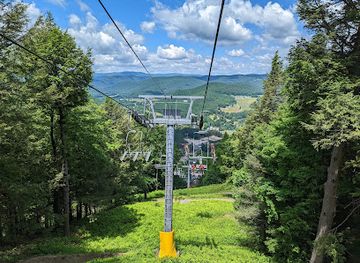
Thunder Mountain Bike Park
Experience the thrill of mountain biking at Thunder Mountain Bike Park, a top destination for adventure sports in Massachusetts.
-
Campground
Mohawk Park Campground
Discover the tranquility of Mohawk Park Campground, a perfect getaway for camping, hiking, and enjoying nature's beauty in Charlemont, Massachusetts.
-
State park
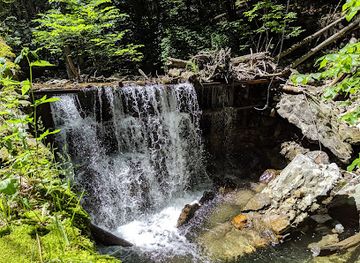
Tannery Falls
Experience the breathtaking waterfalls and serene trails of Tannery Falls, a perfect natural escape in Savoy, Massachusetts.
-
Tourist attraction
Hoosac Tunnel, East Portal
Explore the historic Hoosac Tunnel East Portal, an engineering marvel set against the beautiful Massachusetts landscape, perfect for adventure and history enthusiasts.


Explore Mohawk Trail State Forest on the map
Plan your trip on one map. See where the top attractions, landmarks, restaurants and hotels are, and book hotels and experiences in a few clicks.
Best hotels in Mohawk Trail State Forest
Best bars in Mohawk Trail State Forest
Mohawk Trail State Forest has no nightlife district, and evenings are generally quiet, shaped by campsite routines, darkness and the sounds of the woodland and river. The most authentic social option is an established pub, inn or casual hospitality venue in Charlemont, Shelburne Falls or another nearby Deerfield valley community, although opening patterns and entertainment vary. Greenfield offers the region’s broader choice of evening restaurants, bars and cultural programming, but it is outside the forest and requires a drive. Visitors staying in the forest should not rely on finding late-night services nearby, and should plan transport before drinking. Seasonal festivals, community events and occasional performances may add evening interest in surrounding towns, but these are distinct from the forest’s own low-key outdoor atmosphere.
-
Restaurant
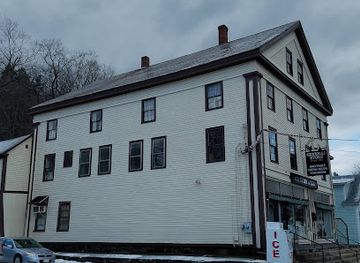
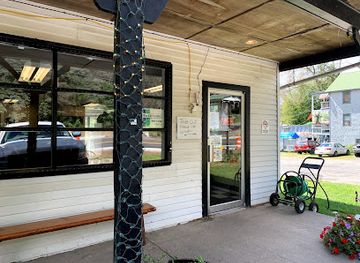
Avery's General Store,Takeout Restaurant and Bubble Tea Bar
Discover Avery's General Store in Charlemont: a delightful blend of takeout restaurant and bubble tea bar, offering local flavors and unique products.
-
Restaurant
Heritage Diner
Discover the charm of Heritage Diner in Charlemont, MA, where traditional American comfort food meets a welcoming atmosphere.
-
American
Crazy Horse Bar and Grill
Enjoy a hearty American dining experience at Crazy Horse Bar and Grill with stunning mountain views and a cozy atmosphere.
-
Campground
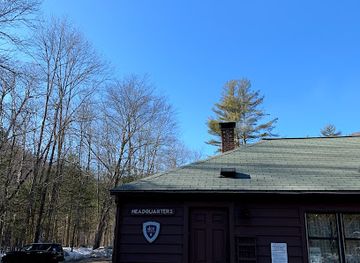
Mohawk Trail Campground HQ
Explore the serene beauty of Mohawk Trail Campground HQ in Massachusetts, a perfect destination for outdoor enthusiasts and nature lovers seeking adventure.

Best nightclubs in Mohawk Trail State Forest
Mohawk Trail State Forest has no nightlife district, and evenings are generally quiet, shaped by campsite routines, darkness and the sounds of the woodland and river. The most authentic social option is an established pub, inn or casual hospitality venue in Charlemont, Shelburne Falls or another nearby Deerfield valley community, although opening patterns and entertainment vary. Greenfield offers the region’s broader choice of evening restaurants, bars and cultural programming, but it is outside the forest and requires a drive. Visitors staying in the forest should not rely on finding late-night services nearby, and should plan transport before drinking. Seasonal festivals, community events and occasional performances may add evening interest in surrounding towns, but these are distinct from the forest’s own low-key outdoor atmosphere.
-
State park
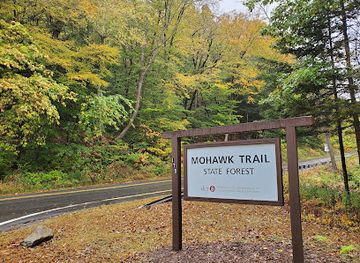
Mohawk Trail State Forest
Discover Mohawk Trail State Forest, a stunning state park in Massachusetts perfect for hiking, canoeing, and enjoying nature's tranquility.
Best shops in Mohawk Trail State Forest
Shopping opportunities inside Mohawk Trail State Forest are minimal and chiefly connected with practical outdoor supplies obtained before arrival. Charlemont is the nearest place to look for basic provisions and locally oriented services, while Shelburne Falls provides a more substantial concentration of independent shops, galleries, food retailers and craft-related businesses in the wider valley. Greenfield offers the broadest everyday retail choice among nearby communities. Regional products may include maple goods, farm produce, preserves, baked items, locally made arts and crafts, and other goods associated with western Massachusetts, although stock varies by season and individual business. Visitors travelling the Mohawk Trail may also encounter small farm stands and rural producers along the route, but these are independent businesses rather than a continuous shopping district. Plan specialist equipment purchases in a larger town before heading into the forest.
-
State park
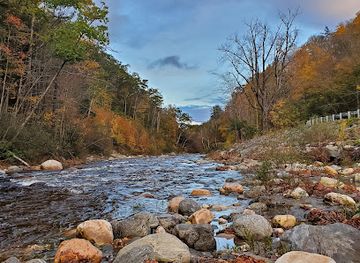
Mohawk Trail State Forest
Discover the breathtaking landscapes and outdoor adventures at Mohawk Trail State Forest, a natural wonder in Massachusetts.
-
Sporting goods store
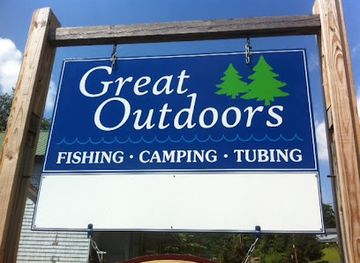
The Great Outdoors
Discover the perfect gear for your outdoor adventures at The Great Outdoors, Charlemont's premier sporting goods store.
Get your free copy of our complete guide to Mohawk Trail State Forest, delivered straight to you.
Everything on this page, from attractions and restaurants to essentials and local phrases, in one PDF you can read offline, print or share.
Already have an account? Sign in
Your Mohawk Trail State Forest guide is ready.
We'll send it to · Not you? Sign out

Getting your guide ready…
We are putting together a fresh copy of the Mohawk Trail State Forest guide. This can take up to a minute.
This can take a few moments. If your browser asks, choose Allow so the download can start. You'll find the guide in your Downloads folder.
Nothing happened? Download it again
Sorry, the guide is taking longer than usual. Please try again in a minute, or get it by email instead.
Mohawk Trail State Forest essentials
Currency and Payment
Safety
Emergency Situations
Do's and Don'ts
Local Tips
From Eve
Local phrases worth knowing
You don't need to get them perfect. A few words go a long way, and locals appreciate the effort.
Basics
| English | Local | Say it |
|---|---|---|
| Hello | Kwe | [gweh] |
| Goodbye | Sken:nen | [skeh-nen] |
| Yes | Ewe | [eh-weh] |
| No | Awe | [ah-weh] |
| Please/You're welcome | Niawenhkó:wa | [nyah-wen-goh-wah] |
| Thank you | Niawenhkó:wa | [nyah-wen-goh-wah] |
| Excuse me/Sorry | Onenh | [oh-nen] |
| How are you? | Kwe kenhskénha? | [gweh ken-shken-hah] |
| Fine. And you? | Skennen | [skeh-nen] |
| Do you speak English? | Tiohserá:ke's | [dyoh-seh-rah-keh's] |
| I don't understand | Sken:nen tsi | [skeh-nen chee] |
Eating & Drinking
| English | Local | Say it |
|---|---|---|
| I'd like to see the menu, please | Ahsakon ken'nikónhsera. Niawenhkó:wa | [ah-sah-kon ken-nee-gon-hseh-rah. nyah-wen-goh-wah] |
| I don't eat meat | Kitshe'ni enkwa iehskwa | [geet-sheh-nee en-kwah yehs-kwah] |
| Cheers! | Onenh skennen | [oh-nen skeh-nen] |
| I would like to pay, please | Katsitsiio ken'nikónhsera. Niawenhkó:wa | [gaht-see-see-yoh ken-nee-gon-hseh-rah. nyah-wen-goh-wah] |
Emergencies
| English | Local | Say it |
|---|---|---|
| Help! | Ka'nikon | [gah-nee-gon] |
| Go away! | Konnoron | [gon-noh-ron] |
| Call the Police! | Otsì:ne | [oh-tsee-neh] |
| Call a doctor! | Otsì:ne | [oh-tsee-neh] |
| I'm lost | Kahwen:ton | [gah-wen-ton] |
| I'm ill | Skennen | [skeh-nen] |
Shopping
| English | Local | Say it |
|---|---|---|
| I'd like to buy... | Ahsakon ken'nikónhsera | [ah-sah-kon ken-nee-gon-hseh-rah] |
| I'm just looking | Kitshe'ni enkwa iehskwa | [geet-sheh-nee en-kwah yehs-kwah] |
| How much is it? | Katsitsiio iakotsi enkwa? | [gaht-see-see-yoh yah-kot-see en-kwah] |
| That's too expensive | Otsati enkwa | [oh-tsa-tee en-kwah] |
| Can you lower the price? | Katsitsiio iakotsi enkwa? | [gaht-see-see-yoh yah-kot-see en-kwah] |
Time & Numbers
| English | Local | Say it |
|---|---|---|
| What time is it? | Katsitsiio iakotsi enkwa? | [gaht-see-see-yoh yah-kot-see en-kwah] |
| It's one o'clock | Tiohtiake | [dyoh-tee-ah-keh] |
| Half past (10) | Ahsakon ronatha | [ah-sah-kon roh-nah-thah] |
| Morning | Tewá:ken | [deh-wah-ken] |
| Afternoon | Kaniatarakwá:nen | [gahn-yah-dah-lah-gwah-nen] |
| Evening | Tewá:ken | [deh-wah-ken] |
| Yesterday | Kariwiio | [gah-lee-wee-yoh] |
| Today | Ateron:to | [ah-deh-ron-doh] |
| Tomorrow | Karihwa | [gah-lee-hwah] |
| 1 | Tiohtiake | [dyoh-tee-ah-keh] |
| 2 | Niio | [nee-yoh] |
| 3 | Niioiak | [nee-yoh-yahk] |
| 4 | Niioienhstá:wen | [nee-yoh-yen-sdah-wehn] |
| 5 | Niioientehtshá:wen | [nee-yoh-yen-deh-shah-wehn] |
| 6 | Niioienitsi'tshon | [nee-yoh-yen-eet-see-tshon] |
| 7 | Niioienionkwarí:io | [nee-yoh-yen-yon-kwah-ree-yoh] |
| 8 | Niioieniksa's | [nee-yoh-yen-neek-sah's] |
| 9 | Niioienión:tsha | [nee-yoh-yen-yon-tsha] |
| 10 | Niioienní:wen | [nee-yoh-yen-nee-wehn] |
Transport & Directions
| English | Local | Say it |
|---|---|---|
| Where's a/the...? | Kwe iakotsi enkwa? | [gweh yah-kot-see en-kwah] |
| What's the address? | Kwe iakotsi enkwa? | [gweh yah-kot-see en-kwah] |
| Can you show me (on the map)? | Kwe iakotsi enkwa? | [gweh yah-kot-see en-kwah] |
| When's the next (bus)? | Kwe iakotsi enkwa? | [gweh yah-kot-see en-kwah] |
| A ticket (to ....) | Ahsakon ken'nikónhsera | [ah-sah-kon ken-nee-gon-hseh-rah] |
History of Mohawk Trail State Forest
A Landscape Shaped by Ice and Water
The land around Mohawk Trail State Forest belongs to the rugged upland landscape of western Massachusetts, where glacial processes helped shape valleys, slopes and waterways during the last Ice Age. The Deerfield River and its tributaries continue to influence the terrain, drainage and vegetation. The forest’s cool, shaded conditions support northern woodland character within a region better known to visitors for its steep hills, river corridors and extensive mixed forests.
Indigenous Routes through the Berkshires
The name Mohawk Trail refers to an historic route across the northern Berkshire region, associated with travel by Indigenous peoples long before the arrival of European settlers. The route linked the Connecticut River valley with lands to the west, crossing difficult upland terrain through what is now Massachusetts. Its later use as a road and tourist route preserved the name, although the state forest should not be treated as a precise surviving trace of a single modern hiking path.
Settlement, Timber and River Communities
European settlement brought farms, roads, mills and changing patterns of woodland use to the Deerfield valley and surrounding hills. Timber was an important regional resource, while the river supported transport and industry in accessible sections of the valley. Nearby settlements such as Charlemont and Shelburne developed their identities through agriculture, forestry, trade and river-based enterprise. Much of the present forest character reflects the long interaction between natural regeneration, managed woodland and earlier land use.
Public Conservation and the Civilian Conservation Corps
Mohawk Trail State Forest became part of Massachusetts’ expanding system of public forests during the twentieth century, when conservation, recreation and the protection of woodland resources became increasingly important. During the New Deal era, Civilian Conservation Corps workers helped develop public recreation facilities in many Massachusetts state forests, including forest roads, camping areas and other basic infrastructure. Those planned facilities contributed to the state forest tradition of accessible outdoor recreation that continues today.
Modern Recreation and Stewardship
Today the forest is managed as public conservation land by the Massachusetts Department of Conservation and Recreation, with recreation balanced against woodland protection, water quality and seasonal operating conditions. Camping, walking and other uses take place within a wider regional landscape where river conditions, storms, invasive species, forestry and changing visitor pressures require continuing management. Its association with the Mohawk Trail also connects the forest to the broader heritage and tourism history of the northern Berkshires.
Mohawk Trail State Forest in Photos
Browse through our photo collection highlighting the charm and character of the destination.
Neighbouring destination travel guides
The closest destinations to Mohawk Trail State Forest, if you have time for more than one.
-
-

-

-

-


Swipe for more destinations
Explore more

Explore more of Franklin County
Franklin County, Massachusetts combines Connecticut River farmland, historic villages, forested hills, outdoor adventure and independent arts and food.
Explore Franklin County
Explore more of Massachusetts
Discover Massachusetts: A blend of rich history, stunning landscapes, and vibrant culture. From Boston's historic sites to Cape Cod's beaches, it's the heart of New England.
Explore Massachusetts