

Free Mahebourg Travel Guide & Mobile App
Plan your Mahebourg trip with Evendo. Get free guides to top attractions, restaurants, hotels, and bars. Web access or download the mobile app.


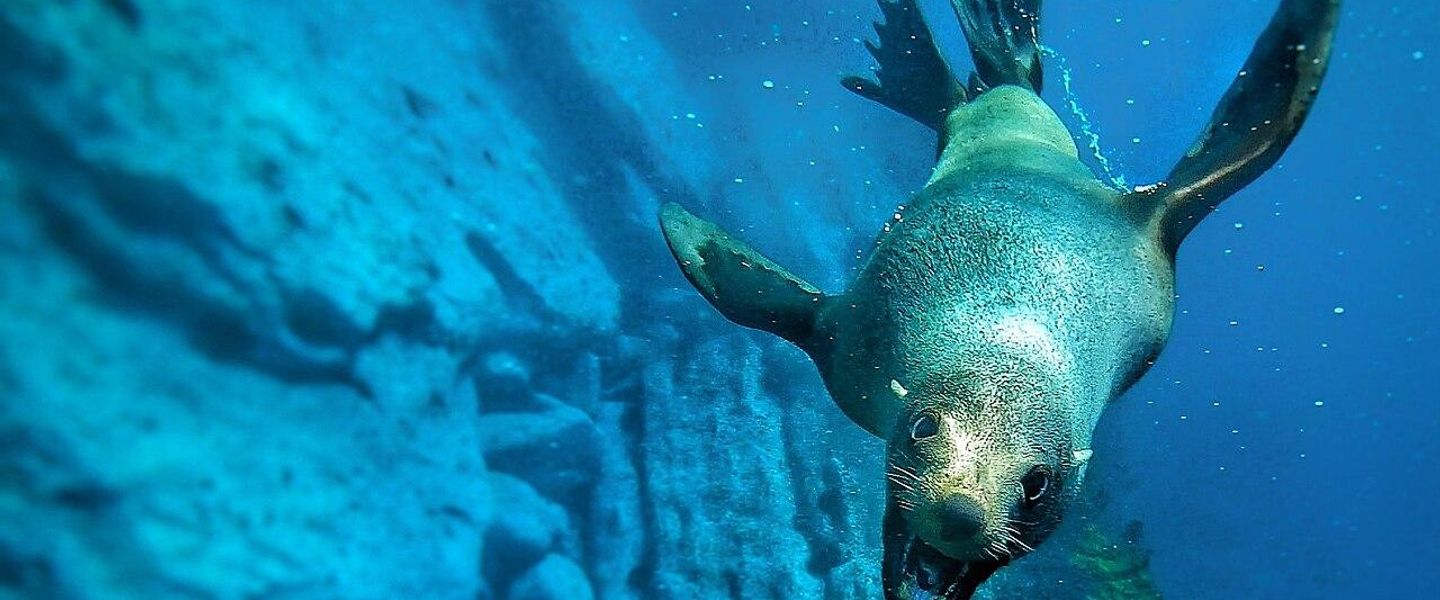


Mahebourg, Mauritius, pairs Grand Port history with waterfront walks, island museums, seafood, markets and easy access to Blue Bay’s marine life.
A Historic Waterfront Town
On the south-east coast of Mauritius, Mahebourg stretches along the broad waters of Grand Port, where mangroves, fishing boats and offshore islets frame one of the island’s most historically significant landscapes. The town is quieter and less resort-oriented than the northern coast, with a distinctly local rhythm: market stalls open early, buses pass along the main streets and residents gather beside the waterfront as the light changes over the lagoon. Its name recalls Bertrand-François Mahé de La Bourdonnais, the influential French governor of Isle de France, as Mauritius was then known.Read more about Mahebourg
History in the Landscape
Lagoon, Markets and Island Life
When is the best time to visit Mahebourg?
Best: July–September · 26–27°C| Month | High (°C) | Rainfall (mm) |
|---|---|---|
| January | 31 | 248 |
| February | 31 | 218 |
| March | 32 | 200 |
| April | 30 | 84 |
| May | 28 | 48 |
| June | 27 | 30 |
| July (best) | 26 | 25 |
| August (best) | 26 | 22 |
| September (best) | 27 | 19 |
| October | 28 | 13 |
| November | 30 | 12 |
| December | 30 | 25 |
Getting to and around Mahebourg
How to get there
Transportation
Best attractions in Mahebourg
Mahebourg’s attractions are concentrated around its waterfront, market streets and the historical landscape of Grand Port. The National History Museum at Château de Robillard, near Pointe Canon, presents the island’s colonial and maritime past, including the Battle of Grand Port. In the town centre, the covered market offers an immediate encounter with Mauritian produce, snacks and daily commerce, while the waterfront and Cavendish Bridge provide broad views across the lagoon. Nearby Blue Bay is known for clear water and coral habitats within the Blue Bay Marine Park, where glass-bottom boat trips and supervised snorkelling reveal an important marine environment. Pointe d’Esny adds a quieter coastal setting, and excursions may reach Île aux Aigrettes, a protected nature reserve managed by the Mauritian Wildlife Foundation. Vieux Grand Port, a short distance away, adds archaeological and historical context to the area’s early European settlement.
-
Tourist attraction
Mahébourg Waterfront
Experience the tranquil beauty and rich culture of Mahébourg Waterfront, a must-visit attraction in Mauritius for every traveler.
13 min walk · 1.1 km from city centre
-
Museum
Mahebourg Museum
Explore the Mahebourg Museum for a captivating journey through Mauritius' rich history and cultural heritage, nestled in the heart of a charming coastal town.
12 min walk · 1.0 km from city centre
-
Manioc Biscuit factory H. Rault Co Ltd
Experience the unique flavors of Mauritius with a visit to H. Rault Co Ltd, home of the famous manioc biscuits, blending tradition and taste in every bite.
-
Park
Remy Ollier Park
Explore the tranquil beauty of Remy Ollier Park in Mahebourg, a perfect retreat for nature lovers and families seeking relaxation amidst stunning landscapes.
16 min walk · 1.3 km from city centre


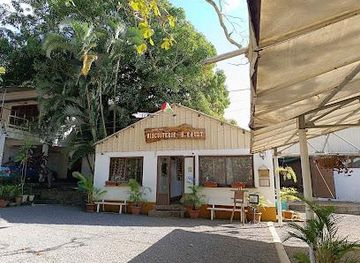

Best landmarks in Mahebourg
The National History Museum at Château de Robillard is Mahebourg’s most important heritage building, occupying a colonial-era house whose collections interpret French and British rule, slavery, indenture and the Battle of Grand Port. Cavendish Bridge, an early twentieth-century bridge over the Rivière La Chaux, is a practical piece of infrastructure as well as a familiar town landmark, linking the waterfront with the wider settlement. Pointe Canon gives the town a prominent lookout across the lagoon and towards the historic harbour, while the waterfront itself expresses Mahebourg’s identity as a port and market town. Nearby Vieux Grand Port contains the remains and archaeological context associated with Fort Frederik Hendrik, the Dutch settlement established in the seventeenth century. Together these places connect the modern town with maritime trade, colonial administration and the strategic importance of south-eastern Mauritius.
-
Shopping mall
Bo'Valon Mall
Experience the best of shopping, dining, and culture at Bo'Valon Mall in Mahebourg, Mauritius – a vibrant hub for all travelers.
5 min drive · 1.8 km from city centre
-
Tourist attraction
Mahébourg Waterfront
Explore the picturesque Mahébourg Waterfront, a blend of history, culture, and natural beauty on the enchanting island of Mauritius.
13 min walk · 1.1 km from city centre
-
Museum
Mahebourg Museum
Explore the cultural treasures of Mauritius at Mahebourg Museum, showcasing the island's rich history and maritime heritage in an intimate setting.
12 min walk · 1.0 km from city centre
-
Restaurant
Le Bazilic
Experience the vibrant flavors of Mauritian cuisine at Le Bazilic, a culinary paradise in the heart of Mahebourg.
9 min walk · 0.8 km from city centre


Explore Mahebourg on the map
Plan your Mahebourg trip on one map. See where the top attractions, landmarks, restaurants, bars and hotels are, find what's near where you're staying, and book hotels and experiences in a few clicks.
Best hotels in Mahebourg
Best restaurants in Mahebourg
Mahebourg’s food scene reflects the island’s Indian, Creole, Chinese, French and maritime influences, with seafood particularly prominent along the south-east coast. Local stalls and casual eateries serve dholl puri with rougaille or curry, chilli cakes, samosas, briani, mine frit and gateaux piments, while rice, lentils, pickles and rougaille remain familiar foundations of everyday Mauritian meals. Fresh fish and octopus appear in homes, small restaurants and waterfront menus, often prepared with tomato, herbs and chilli rather than elaborate sauces. The market is useful for sampling inexpensive snacks and tropical fruit, and the town is associated with Rault’s cassava biscuits, a long-established local speciality. Cafés and family-run restaurants provide a more leisurely setting, while dining around Blue Bay and Pointe d’Esny tends to include hotel and coastal establishments alongside informal Mauritian cooking.
-
Restaurant
Coin Casse Croute
Discover authentic Mauritian cuisine at Coin Casse Croute in Mahebourg – where every dish tells a story.
10 min walk · 0.8 km from city centre
-
Restaurant
Le Bazilic
Discover authentic Mauritian flavors at Le Bazilic in Mahebourg – where every meal tells a story of local tradition and culinary excellence.
9 min walk · 0.8 km from city centre
-
Restaurant
Restaurant du Lac
Experience authentic Mauritian flavors while enjoying stunning lagoon views at Restaurant du Lac in Pointe Jerome.
7 min drive · 2.2 km from city centre
-
Chinese
Saveurs de Shin
Experience the authentic taste of Chinese cuisine at Saveurs de Shin in Mahebourg, where every dish is crafted with care and tradition.
12 min walk · 1.0 km from city centre


Best bars in Mahebourg
Mahebourg has a restrained evening scene centred on waterfront restaurants, hotel bars, small local establishments and informal gatherings rather than a concentrated nightclub district. Evenings often unfold slowly beside Grand Port, with drinks, seafood and conversation taking precedence over late-night entertainment. Mauritian music, including sega, may feature in cultural performances or hotel programmes, while live music and occasional events are more likely to be found through local listings than in permanent specialist venues. Blue Bay and Pointe d’Esny provide additional bars and resort-based evening options, but the south-east is generally quieter than Grand Baie or central Port Louis. Visitors should respect the character of residential streets, use arranged transport when returning late and avoid assuming that every bar or restaurant keeps resort-style hours.
-
Restaurant
Coin Casse Croute
Experience the vibrant flavors of Mauritius at Coin Casse Croute, a charming restaurant in Mahebourg offering a delightful dining experience.
10 min walk · 0.8 km from city centre
-
Restaurant
Le Bazilic
Experience the best of Mauritian cuisine at Le Bazilic, a vibrant restaurant in Mahebourg known for its fresh, local ingredients and delightful atmosphere.
9 min walk · 0.8 km from city centre
-
Restaurant
Restaurant du Lac
Experience the rich flavors of Mauritius at Restaurant du Lac, a coastal dining haven offering exquisite cuisine and stunning views.
7 min drive · 2.2 km from city centre
-
Restaurant
Les Copains d'Abord
Discover Les Copains d'Abord in Mahebourg, Mauritius, a charming restaurant offering authentic local cuisine in a relaxed, friendly atmosphere.
13 min walk · 1.0 km from city centre


Best nightclubs in Mahebourg
Mahebourg has a restrained evening scene centred on waterfront restaurants, hotel bars, small local establishments and informal gatherings rather than a concentrated nightclub district. Evenings often unfold slowly beside Grand Port, with drinks, seafood and conversation taking precedence over late-night entertainment. Mauritian music, including sega, may feature in cultural performances or hotel programmes, while live music and occasional events are more likely to be found through local listings than in permanent specialist venues. Blue Bay and Pointe d’Esny provide additional bars and resort-based evening options, but the south-east is generally quieter than Grand Baie or central Port Louis. Visitors should respect the character of residential streets, use arranged transport when returning late and avoid assuming that every bar or restaurant keeps resort-style hours.
-
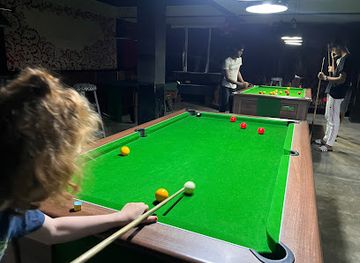
Pool hall
Blackballclub Mahebourg
Experience the lively spirit of Blackballclub Mahebourg, a premier pool hall perfect for socializing and relaxation in the heart of Mauritius.
11 min walk · 0.9 km from city centre
-
 Night club
Ti kaz adelaide
Dive into the vibrant nightlife of Ti Kaz Adelaide in Mahebourg, Mauritius – a nightlife hub offering energetic music and a lively atmosphere.
5 min walk · 0.4 km from city centre
Best shops in Mahebourg
Shopping in Mahebourg is local, practical and closely tied to food culture rather than dominated by large retail centres. The covered market and surrounding streets are the principal places to browse fruit, vegetables, spices, woven goods, clothing, household items and prepared snacks, with the atmosphere especially active on market days. Small shops and independent traders sell Mauritian staples and everyday goods, while the waterfront area may offer crafts and souvenirs aimed at visitors. Rault’s cassava biscuits are a distinctive local food purchase, and spices, tea, vanilla products, chutneys and packaged snacks travel well when properly labelled and packed. Handicrafts and shell-related souvenirs should be chosen carefully: visitors should avoid products made from protected wildlife or living coral. For broader retail selection, larger commercial centres elsewhere on the island offer more conventional shopping than Mahebourg’s market-led streets.
-
Shopping mall
Bo'Valon Mall
Explore Bo'Valon Mall in Mahebourg for a perfect blend of shopping, dining, and entertainment in a vibrant atmosphere.
5 min drive · 1.8 km from city centre
-
Hypermarket
King Savers Hyper
Explore King Savers Hyper in Beau Vallon – your one-stop hypermarket for local delights, fresh groceries, and an authentic Mauritian shopping experience.
5 min drive · 1.8 km from city centre
-
Supermarket
Loyeung Supermarket
Explore the vibrant flavors of Mauritius at Loyeung Supermarket in Mahebourg, your go-to spot for local products and culinary delights.
13 min walk · 1.0 km from city centre
-
Supermarket
London Way
Explore the vibrant flavors of Mauritius at London Way, Mahebourg's premier supermarket for local and international delights.
19 min walk · 1.5 km from city centre


Get your free copy of our complete guide to Mahebourg, delivered straight to you.
Everything on this page, from attractions and restaurants to essentials and local phrases, in one PDF you can read offline, print or share.
Already have an account? Sign in
Your Mahebourg guide is ready.
We'll send it to · Not you? Sign out

Getting your guide ready…
We are putting together a fresh copy of the Mahebourg guide. This can take up to a minute.
This can take a few moments. If your browser asks, choose Allow so the download can start. You'll find the guide in your Downloads folder.
Nothing happened? Download it again
Sorry, the guide is taking longer than usual. Please try again in a minute, or get it by email instead.
Mahebourg essentials
Currency and Payment
Safety
Emergency Situations
Do's and Don'ts
Local Tips
From Eve
Local phrases worth knowing
You don't need to get them perfect. A few words go a long way, and locals appreciate the effort.
Basics
| English | Local | Say it |
|---|---|---|
| Hello | Bonjour | [bon-zhoor] |
| Goodbye | Au revoir | [oh reh-vwah] |
| Yes | Wi | [wee] |
| No | Non | [nohn] |
| Please/You're welcome | S'il vous plaît/De rien | [seel voo pleh/duh ryehn] |
| Thank you | Merci | [mehr-see] |
| Excuse me/Sorry | Excusez-moi/Désolé | [ex-kew-zay mwa/deh-zoh-lay] |
| How are you? | Comment ça va? | [koh-mohn sah vah] |
| Fine. And you? | Bien. Et toi? | [byehn/eh twah] |
| Do you speak English? | Parlez-vous anglais? | [par-lay voo ahn-glay] |
| I don't understand | Je ne comprends pas | [zhuh nuh kohm-prahn pah] |
Eating & Drinking
| English | Local | Say it |
|---|---|---|
| I'd like to see the menu, please | Je voudrais voir le menu, s'il vous plaît | [zhuh voo-dray vwahr luh meh-nyoo, seel voo pleh] |
| I don't eat meat | Je ne mange pas de viande | [zhuh nuh mahnj pah duh vee-yahnd] |
| Cheers! | Santé! | [sahn-tay] |
| I would like to pay, please | Je voudrais payer, s'il vous plaît | [zhuh voo-dray pay-ay, seel voo pleh] |
Emergencies
| English | Local | Say it |
|---|---|---|
| Help! | Au secours! | [oh seh-koor] |
| Go away! | Allez-vous en! | [ah-lay vooz ahn] |
| Call the Police! | Appelez la police! | [ah-play lah poh-lees] |
| Call a doctor! | Appelez un médecin! | [ah-play uhn mayd-sahn] |
| I'm lost | Je suis perdu | [zhuh swee pair-doo] |
| I'm ill | Je suis malade | [zhuh swee mah-lahd] |
Shopping
| English | Local | Say it |
|---|---|---|
| I'd like to buy... | Je voudrais acheter... | [zhuh voo-dray zah-shtay...] |
| I'm just looking | Je regarde juste | [zhuh ruh-gahrd zhuhst] |
| How much is it? | Combien ça coûte? | [kohm-byen sah koot] |
| That's too expensive | C'est trop cher | [say troh shair] |
| Can you lower the price? | Pouvez-vous baisser le prix? | [poo-veh voo bay-say luh pree] |
Time & Numbers
| English | Local | Say it |
|---|---|---|
| What time is it? | Quelle heure est-il? | [kell ur ay-teel] |
| It's one o'clock | Il est une heure | [eel ay tewn ur] |
| Half past (10) | Dix heures et demie | [dees ur ay dehm-yuh] |
| Morning | Matin | [mah-tan] |
| Afternoon | Après-midi | [ah-pray mee-dee] |
| Evening | Soir | [swahr] |
| Yesterday | Hier | [yehr] |
| Today | Aujourd'hui | [oh-zhoor-dwee] |
| Tomorrow | Demain | [duh-mahn] |
| 1 | Un | [uhn] |
| 2 | Deux | [duh] |
| 3 | Trois | [twah] |
| 4 | Quatre | [kat] |
| 5 | Cinq | [sank] |
| 6 | Six | [sees] |
| 7 | Sept | [set] |
| 8 | Huit | [weet] |
| 9 | Neuf | [nuf] |
| 10 | Dix | [dees] |
Transport & Directions
| English | Local | Say it |
|---|---|---|
| Where's a/the...? | Où est...? | [oo ay...] |
| What's the address? | Quelle est l'adresse? | [kell ay lah-dress] |
| Can you show me (on the map)? | Pouvez-vous me montrer (sur la carte)? | [poo-veh voo muh mohn-tray (soor lah kart)] |
| When's the next (bus)? | Quand est le prochain (bus)? | [kahn ay luh proh-shahn (boos)] |
| A ticket (to ....) | Un billet (pour ...) | [uhn bee-yay (poor ...)] |
History of Mahebourg
Early European Encounters
Mauritius was uninhabited when Portuguese navigators recorded the island during the early modern period, but it was the Dutch who established the first lasting European settlement in the seventeenth century. Their principal settlement was at Vieux Grand Port, on the eastern side of the great natural harbour, where Fort Frederik Hendrik was built in 1698. The Dutch abandoned Mauritius in 1710, leaving behind archaeological traces and place-name associations rather than a continuous community. The Grand Port coastline nevertheless became the historical point of entry through which European powers began to shape the island’s later political and economic development.
French Settlement at Grand Port
France took possession of Mauritius in 1715 and developed it as Isle de France. Settlement expanded during the eighteenth century, supported by agriculture, maritime trade and the labour of enslaved people brought from Africa and Madagascar. Grand Port became an important harbour on the island’s south-east coast, while French engineers and administrators developed roads, estates and coastal facilities. The district’s history reflects the plantation economy that transformed Mauritius, as well as the cultural encounters that produced the island’s Creole, African, Malagasy, Indian and European influences. Mahebourg emerged as the principal town of the area during the French period.
The Town Named for Mahé
Mahebourg takes its name from Bertrand-François Mahé de La Bourdonnais, the French governor whose administration helped consolidate French power in the Indian Ocean. The settlement grew as a port and civic centre beside Grand Port, benefiting from its sheltered anchorage and connection with the surrounding estates. Buildings and administrative structures from the colonial era were shaped by practical needs rather than grand metropolitan planning, giving the town a more open and functional character than the planned capital at Port Louis. The surviving waterfront, old bridge and colonial-era sites preserve fragments of this maritime townscape.
The Battle of Grand Port
In August 1810, during the struggle between Britain and France for control of the Mascarene islands, British and French naval forces fought in Grand Port. The French victory was significant because it was one of the few clear French naval successes during the Napoleonic Wars, although Britain captured Isle de France later that year. The battle fixed Grand Port firmly in international maritime history and remains central to Mahebourg’s identity. Objects, documents and displays at the National History Museum help explain the engagement within the wider history of colonial rivalry, shipping and the island’s strategic position.
British Rule and a Changing Port
Following the British conquest in 1810, Mauritius became a British colony, while French legal traditions, language and plantation interests continued to exert a strong influence. The abolition of slavery in 1835 transformed the island’s labour system, and indentured workers from India arrived in large numbers to work on sugar estates. Mahebourg and Grand Port were consequently shaped by new communities, changing commerce and the gradual redistribution of social and economic power. Although Port Louis became the dominant commercial centre, Mahebourg retained its importance as a regional port and market town.
From Colonial Town to Heritage Gateway
Mauritius became independent in 1968, and Mahebourg developed within a modern island economy increasingly influenced by tourism, aviation and services. The opening of Sir Seewoosagur Ramgoolam International Airport near the south-east coast strengthened the area’s connections with the wider world, while Blue Bay, Pointe d’Esny and nearby marine environments attracted visitors. Mahebourg has not been remade entirely as a resort: its market, waterfront, fishing activity and everyday neighbourhoods remain important to local life. Today the town serves as a gateway to south-eastern nature and a place where Mauritius’s maritime and multicultural past remains particularly visible.
Travel experiences inspired by this city


Swipe for more travel diaries
Mahebourg in Photos
Browse through our photo collection highlighting the charm and character of the destination.
Cities near Mahebourg
The closest cities to Mahebourg, if you have time for more than one stop.
-

-

-

-

-


Swipe for more cities
Explore more
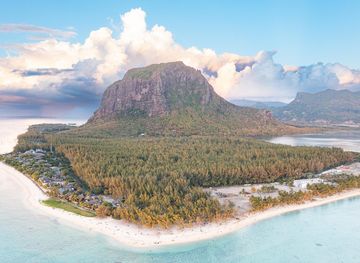
Explore more of Mauritius
Discover Mauritius, the tropical paradise of the Indian Ocean, where pristine beaches, lush landscapes, and vibrant culture come together for an unforgettable escape.
Explore Mauritius