

Free Trou aux Biches Travel Guide & Mobile App
Plan your Trou aux Biches trip with Evendo. Get free guides to top attractions, restaurants, hotels, and bars. Web access or download the mobile app.


Trou aux Biches, Mauritius, pairs a calm white-sand beach with coral reefs, lagoon swimming, island history and easy access to northwest coast culture.
Beach and Lagoon
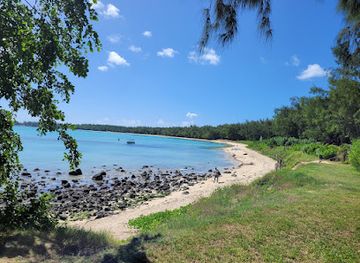
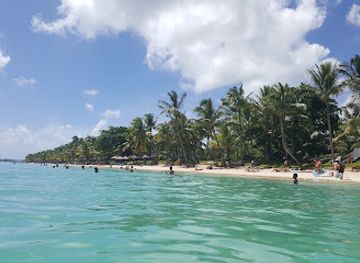
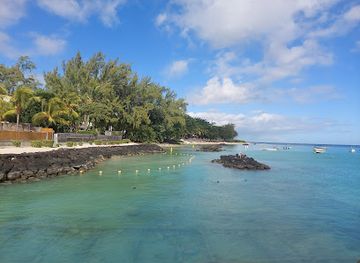
Trou aux Biches occupies a sheltered stretch of Mauritius’s north-west coast, where a long curve of pale sand meets a shallow turquoise lagoon. The beach is the village’s defining feature, with casuarina shade, calm water in suitable conditions and coral reefs that support swimming, snorkelling and glass-bottom-boat excursions. Sunsets are especially notable here, as the coast faces west across the Indian Ocean.Read more about Trou aux Biches
A Relaxed Northern Village
Island Context
When is the best time to visit Trou aux Biches?
Best: June–August · 26–27°C| Month | High (°C) | Rainfall (mm) |
|---|---|---|
| January | 31 | 155 |
| February | 31 | 160 |
| March | 31 | 210 |
| April | 30 | 140 |
| May | 28 | 90 |
| June (best) | 27 | 50 |
| July (best) | 26 | 50 |
| August (best) | 27 | 50 |
| September | 27 | 50 |
| October | 28 | 70 |
| November | 30 | 110 |
| December | 31 | 150 |
Getting to and around Trou aux Biches
How to get there
Transportation
Best attractions in Trou aux Biches
Trou aux Biches beach is the area’s principal attraction, stretching along a sheltered lagoon where visitors can swim, snorkel and watch the sun descend over the western horizon. Glass-bottom-boat outings and other marine excursions reveal the coral environment without requiring advanced diving skills, while nearby Mont Choisy offers another broad sandy shoreline framed by casuarina trees. The village is also well placed for exploring the northern districts: Grand Baie brings a busier waterfront and a wider range of visitor services, while Sir Seewoosagur Ramgoolam Botanical Garden at Pamplemousses provides a shaded inland contrast with its celebrated palms and giant water lilies. Coastal walks, informal beach picnics and local restaurants are part of the attraction here, where the experience is shaped less by a dense collection of monuments than by the relationship between reef, lagoon, village and sunset.
-
Botanical garden
Sir Seewoosagur Ramgoolam Botanical Garden
Explore the lush landscapes and rich biodiversity of Sir Seewoosagur Ramgoolam Botanical Garden, a must-see tourist attraction in Mauritius.
24 min drive · 8.1 km from city centre
-
Amusement park
Casela Nature Parks | Best Nature Parks in Mauritius
Explore the vibrant wildlife and thrilling adventures at Casela Nature Parks, a premier destination for nature lovers and adventure seekers in Mauritius.
51 min drive · 31 km from city centre
-
Market
Central Market
Explore the vibrant Central Market in Port Louis, where local culture, fresh produce, and delicious street food come together in a lively atmosphere.
33 min drive · 13 km from city centre
-
Beach
Flic En Flac Beach
Experience the beauty of Mauritius at Flic En Flac Beach, where golden sands meet crystal-clear waters for the ultimate tropical getaway.
54 min drive · 34 km from city centre


Best landmarks in Trou aux Biches
Trou aux Biches has fewer monumental buildings than Port Louis or Mahébourg, and its most significant landmarks are closely tied to the coast. The broad public beach and its sheltered lagoon form the village’s defining landscape, while the coral reef illustrates the natural geography that has shaped settlement and tourism. Nearby Cap Malheureux is recognised for Notre-Dame Auxiliatrice, a small Catholic church distinguished by its vivid red roof and setting near the northern coast, although it lies outside Trou aux Biches. In the wider north, the Pamplemousses botanical garden preserves a major colonial-era landscape associated with Mauritius’s estates and botanical history. The old sugar economy is also represented by surviving estate landscapes and industrial heritage elsewhere on the island, connecting the village to Mauritius’s plantation past without turning Trou aux Biches into a historic monument district.
-
 Hotel
HotelTrou aux Biches Beachcomber Golf Resort & Spa
Discover the ultimate luxury escape at Trou aux Biches Beachcomber Golf Resort & Spa, a serene haven in Mauritius offering stunning beaches and world-class amenities.
5 min drive · 1.6 km from city centre
-
Beach
Mon Choisy Public Beach
Discover the stunning Mon Choisy Public Beach in Mauritius, a paradise for sunbathers and water sports enthusiasts alike, where relaxation meets adventure.
11 min drive · 3.8 km from city centre
-
Beach
Trou aux Biches Beach
Experience the stunning beauty of Trou aux Biches Beach, a tropical paradise in Mauritius known for its white sands and vibrant marine life.
17 min walk · 1.3 km from city centre
-
Tourist attraction
Blue Safari Submarines
Dive into the vibrant underwater world of Mauritius with Blue Safari Submarines, where adventure meets education in a stunning marine setting.
8 min drive · 2.5 km from city centre
Explore Trou aux Biches on the map
Plan your Trou aux Biches trip on one map. See where the top attractions, landmarks, restaurants, bars and hotels are, find what's near where you're staying, and book hotels and experiences in a few clicks.
Best hotels in Trou aux Biches
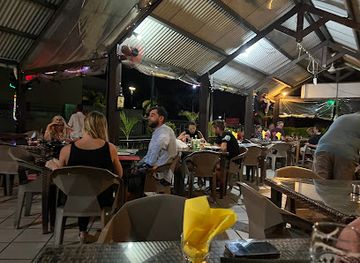
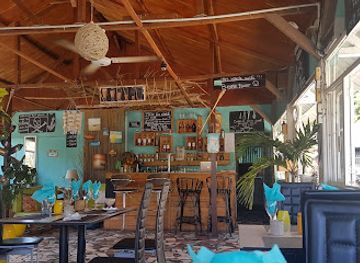
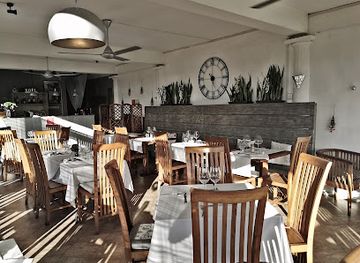
Best restaurants in Trou aux Biches
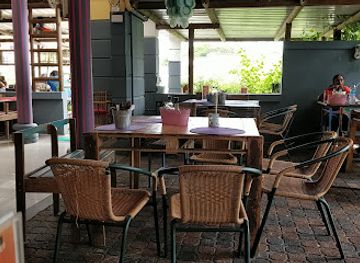
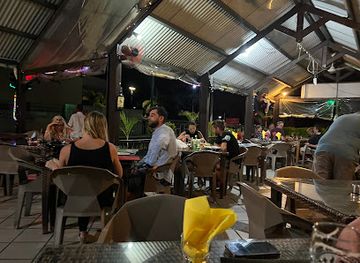
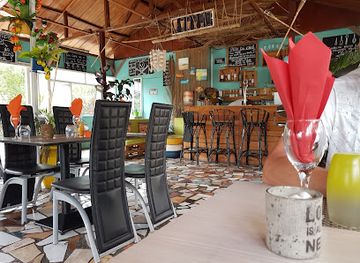
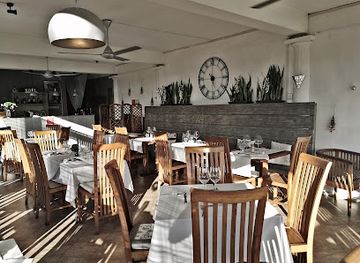
Dining in Trou aux Biches reflects the wider Mauritian blend of Indian, Creole, Chinese and European influences. Along the coastal road and around the accommodation areas, visitors find casual restaurants, cafés and takeaway counters serving seafood, curries, rice dishes, noodles, roti and dholl puri, a flatbread filled with split-pea curry and commonly eaten with rougaille or other accompaniments. Fresh fish and octopus appear in local cooking, while street-style snacks provide an inexpensive way to encounter everyday flavours. Grand Baie offers a broader restaurant scene, from beachside dining to more polished international menus, whereas Trou aux Biches is suited to relaxed meals close to the lagoon. Visitors should ask about spice levels and daily seafood availability, as menus can reflect the catch and season rather than a fixed culinary formula.
-
Pizza
La Voglia Matta
Experience authentic Italian flavors at La Voglia Matta, where every pizza tells a story amidst the beauty of Trou-aux-Biches.
11 min walk · 0.9 km from city centre
-
Restaurant
Souvenir
Experience authentic Mauritian flavors at Souvenir in Trou-aux-Biches—where culinary excellence meets vibrant culture.
16 min walk · 1.3 km from city centre
-
Restaurant
Refresh restaurant pizza bar
Discover Refresh Restaurant Pizza Bar in Trou-aux-Biches - a must-visit dining spot for pizza lovers craving delightful flavors amidst a tropical paradise.
8 min drive · 2.6 km from city centre
-
Restaurant
L'ananas
Discover authentic Mauritian cuisine at L'ananas in Trou-aux-Biches—where every meal is a celebration of local flavors and hospitality.
16 min walk · 1.3 km from city centre
Best bars in Trou aux Biches
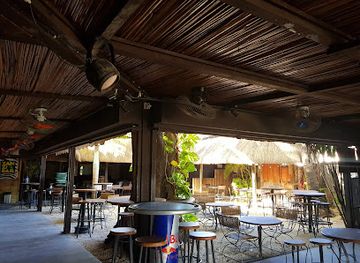
Evenings in Trou aux Biches are generally unhurried, with hotel bars, small local establishments and restaurants providing the main social settings rather than a concentrated nightclub district. Sunset drinks and occasional sega performances offer a distinctly Mauritian atmosphere, with sega combining singing, percussion and dance in a tradition shaped by the island’s African and Creole heritage. For a livelier night, Grand Baie has the north’s broadest selection of bars, music venues and late-evening entertainment, although its energy varies by season and venue. Visitors should arrange a taxi or other return transport when moving between coastal villages, as public transport becomes less useful later in the evening. Respect for residential areas is important, particularly around quieter stretches of the beachfront.
-
Grill
Banana Beach Club
Savor delicious grilled dishes and enjoy live jazz in a vibrant setting at Banana Beach Club in Grand Baie, Mauritius.
18 min drive · 6.2 km from city centre
-
Restaurant
Souvenir
Experience the rich flavors of Mauritius at this beloved Trou-aux-Biches restaurant, where culinary artistry meets the island's vibrant culture.
16 min walk · 1.3 km from city centre
-
Restaurant
Refresh restaurant pizza bar
Experience the best of Mauritian cuisine at Refresh Restaurant Pizza Bar, where delicious pizzas meet a warm and inviting atmosphere in Trou-aux-Biches.
8 min drive · 2.6 km from city centre
-
Restaurant
L'ananas
Experience the vibrant flavors of Mauritius at L'ananas, where culinary creativity meets stunning coastal views.
16 min walk · 1.3 km from city centre
Best nightclubs in Trou aux Biches
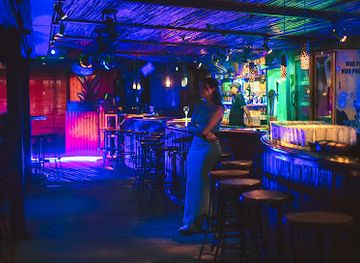
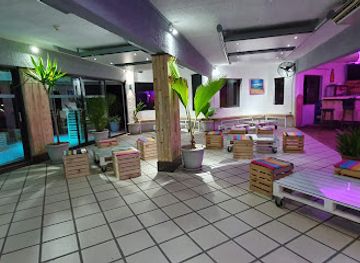
Evenings in Trou aux Biches are generally unhurried, with hotel bars, small local establishments and restaurants providing the main social settings rather than a concentrated nightclub district. Sunset drinks and occasional sega performances offer a distinctly Mauritian atmosphere, with sega combining singing, percussion and dance in a tradition shaped by the island’s African and Creole heritage. For a livelier night, Grand Baie has the north’s broadest selection of bars, music venues and late-evening entertainment, although its energy varies by season and venue. Visitors should arrange a taxi or other return transport when moving between coastal villages, as public transport becomes less useful later in the evening. Respect for residential areas is important, particularly around quieter stretches of the beachfront.
-
Grill
Banana Beach Club
Discover the lively Banana Beach Club in Grand Baie, where delicious grill dishes meet enchanting jazz performances for an unforgettable night.
18 min drive · 6.2 km from city centre
-
Restaurant
La Plage by Evaco Beach Club (Official)
Experience the perfect blend of delicious cuisine and stunning ocean views at La Plage by Evaco Beach Club in Trou-aux-Biches, Mauritius.
14 min walk · 1.1 km from city centre
-
Restaurant
Le Debarcadere
Experience the vibrant atmosphere of Le Debarcadere, where delicious cuisine meets live entertainment in Pointe aux Biches.
6 min walk · 0.5 km from city centre
-
Night club
Insomnia Night Club
Dive into the heart of Grand Baie's nightlife at Insomnia Night Club, where electrifying music and vibrant energy await every weekend.
19 min drive · 6.3 km from city centre


Best shops in Trou aux Biches
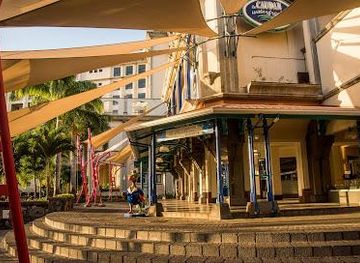
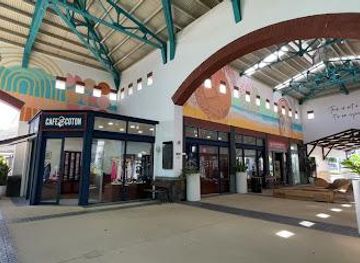
Shopping in Trou aux Biches is practical and locally scaled, with small supermarkets, convenience shops, beachwear outlets, pharmacies and independent businesses serving residents and visitors. The coastal road is useful for essentials and souvenirs, but it is not a major retail district. Grand Baie provides a wider selection of boutiques, jewellers, craft shops and contemporary stores, while Port Louis’s Central Market offers a more direct encounter with local produce, spices, textiles and everyday commerce. Typical Mauritius souvenirs include woven goods, locally produced food products, tea, rum and model ships, though quality and provenance vary. Visitors should compare prices, check product labelling and avoid purchasing coral or marine life. Markets are as much about observing daily trade and food culture as about finding polished holiday gifts.
-
Shopping mall
Bagatelle Mall of Mauritius
Discover shopping, dining, and entertainment at the Bagatelle Mall of Mauritius, your ultimate destination in Moka.
41 min drive · 21 km from city centre
-
Shopping mall
Caudan Waterfront
Discover the vibrant Caudan Waterfront in Port Louis, a shopping paradise with stunning views, delicious dining, and rich cultural experiences.
34 min drive · 14 km from city centre
-
Shopping mall
La Croisette
Discover La Croisette in Grand Baie, a vibrant shopping mall offering a blend of local and international brands, dining, and entertainment options.
15 min drive · 5.0 km from city centre
-
Shopping mall
Cascavelle Shopping Mall
Experience the best of shopping, dining, and entertainment at Cascavelle Shopping Mall in Bambous, Mauritius - a vibrant retail hub for all.
50 min drive · 30 km from city centre

Get your free copy of our complete guide to Trou aux Biches, delivered straight to you.
Everything on this page, from attractions and restaurants to essentials and local phrases, in one PDF you can read offline, print or share.
Already have an account? Sign in
Your Trou aux Biches guide is ready.
We'll send it to · Not you? Sign out

Getting your guide ready…
We are putting together a fresh copy of the Trou aux Biches guide. This can take up to a minute.
This can take a few moments. If your browser asks, choose Allow so the download can start. You'll find the guide in your Downloads folder.
Nothing happened? Download it again
Sorry, the guide is taking longer than usual. Please try again in a minute, or get it by email instead.
Trou aux Biches essentials
Currency and Payment
Safety
Emergency Situations
Do's and Don'ts
Local Tips
From Eve
Local phrases worth knowing
You don't need to get them perfect. A few words go a long way, and locals appreciate the effort.
Basics
| English | Local | Say it |
|---|---|---|
| Hello | Allo | [ah-loh] |
| Goodbye | Aurevoir | [oh-re-vwar] |
| Yes | Wi | [wee] |
| No | Non | [nohn] |
| Please/You're welcome | S'il vous plait | [seel voo pleh] |
| Thank you | Merci | [mehr-see] |
| Excuse me/Sorry | Desole | [deh-soh-leh] |
| How are you? | Kouma ou pe ale? | [koo-mah oo peh ah-leh] |
| Fine. And you? | Byen. E ou? | [byen. eh oo?] |
| Do you speak English? | To pe koze angle? | [toh peh koh-zeh ahng-leh] |
| I don't understand | Mo pa comprend | [moh pah kohm-prahn] |
Eating & Drinking
| English | Local | Say it |
|---|---|---|
| I'd like to see the menu, please | Mo ena envie pou gade menu, si ou plait | [moh eh-nah ahn-vee poo gahd meh-noo, see oo pleh] |
| I don't eat meat | Mo pa manze la viand | [moh pah mahn-zeh lah vee-ahn] |
| Cheers! | Sante! | [sahn-teh] |
| I would like to pay, please | Mo ena envie pou paye, si ou plait | [moh eh-nah ahn-vee poo pay, see oo pleh] |
Emergencies
| English | Local | Say it |
|---|---|---|
| Help! | Aid mwa! | [ai-deh mwah] |
| Go away! | Ale lor to chemain! | [ah-lay lohr toh shuh-mehn] |
| Call the Police! | Appele la police! | [ah-pehl lah po-leece] |
| Call a doctor! | Appele en dokter! | [ah-pehl ahn dohk-tehr] |
| I'm lost | Mo perdi | [moh pehr-dee] |
| I'm ill | Mo malad | [moh mah-lahd] |
Shopping
| English | Local | Say it |
|---|---|---|
| I'd like to buy... | Mo ena envie pou acheter... | [moh eh-nah ahn-vee poo ah-shuh-tay...] |
| I'm just looking | Mo pe jis regarde | [moh peh zjee ray-gard] |
| How much is it? | Comien li coute? | [koh-mee-ahn lee koot] |
| That's too expensive | Sa trop cher | [sah trohp shehr] |
| Can you lower the price? | Ou kapav baisser le prix? | [oo kah-pahv bay-say lay pree] |
Time & Numbers
| English | Local | Say it |
|---|---|---|
| What time is it? | Ki ler li ete? | [kee lehr lee eh-teh] |
| It's one o'clock | Li ete enn ler | [lee eh-teh ehn lehr] |
| Half past (10) | Demin (10) | [deh-mehn (dix)] |
| Morning | Matin | [mah-tahn] |
| Afternoon | Apremidi | [ah-preh-mee-dee] |
| Evening | Swar | [swahr] |
| Yesterday | Zordi | [zohr-dee] |
| Today | Zodia | [zoh-dyah] |
| Tomorrow | Demain | [deh-mehn] |
| 1 | Enn | [ehn] |
| 2 | De | [day] |
| 3 | Trois | [twah] |
| 4 | Quatre | [kah-truh] |
| 5 | Cinq | [sank] |
| 6 | Six | [sees] |
| 7 | Sept | [sept] |
| 8 | Huit | [weet] |
| 9 | Neuf | [nuhf] |
| 10 | Dix | [dees] |
Transport & Directions
| English | Local | Say it |
|---|---|---|
| Where's a/the...? | Kot...? | [koh...?] |
| What's the address? | Ki lotel? | [kee loh-tehl?] |
| Can you show me (on the map)? | Ou kapav montre mwa (sou la carte)? | [oo kah-pahv mohn-tray mwah (soo lah kahrt)?] |
| When's the next (bus)? | Ki l'heur le prochain (bis)? | [kee leer leh proh-shahn (bees)?] |
| A ticket (to ....) | Un billet (vers ....) | [uhn bee-yay (vayr ....)] |
History of Trou aux Biches
Early Island Settlement
Trou aux Biches forms part of Mauritius, an island with no permanent indigenous population before European settlement. Portuguese navigators recorded the island in the early modern period, while Dutch colonisation began in 1638 and ended in 1710. The Dutch introduced activities including timber extraction and limited agriculture, but their settlement remained fragile. The north-west coast, including the area around present-day Trou aux Biches, was shaped more by its sheltered lagoons, coastal resources and proximity to emerging settlements than by a substantial early town. This background helps explain why the district developed as a coastal village rather than as one of Mauritius’s principal historic urban centres.
The French Isle de France
France claimed Mauritius in 1715 and developed it as Isle de France, establishing Port Louis as the main harbour and administrative centre. Under French rule, plantation agriculture expanded, roads and coastal settlements took clearer form, and enslaved people from Africa and Madagascar were brought to the island to work on estates. The north-west’s warm, relatively dry climate encouraged sugar cultivation, while coastal villages remained connected to fishing and small-scale coastal activity. Although the most prominent colonial buildings are concentrated in Port Louis and other historic centres, the rural and plantation landscape around Trou aux Biches reflects the wider economic system created during the French period.
British Rule and Sugar Estates
British forces captured Mauritius in 1810, and the island was formally ceded to Britain in 1814. French law, language and landholding traditions continued to influence daily life, while English became important in administration. During the nineteenth century, sugar became the central economic force, with estates, mills and labour communities extending across the island. The abolition of slavery in 1835 transformed the workforce, followed by the arrival of indentured labourers from India, whose descendants became a major part of Mauritius’s population. Trou aux Biches developed within this north-western plantation region, where coastal settlement, sugar cultivation and diverse communities shaped the cultural landscape.
From Colony to Independence
Mauritius gained internal self-government before achieving independence from Britain in 1968 and becoming a republic in 1992. The post-war decades brought major social and economic changes, including expanded education, new infrastructure and a gradual move away from dependence on sugar. Improved roads connected coastal villages more closely with Port Louis and the northern districts, while Mauritius’s multicultural society continued to develop through Indo-Mauritian, Creole, Franco-Mauritian, Sino-Mauritian and other influences. Trou aux Biches remained a settled coastal community during this transition, with its identity grounded in the beach and lagoon as well as in the island’s wider history.
Tourism on the North-West Coast
From the late twentieth century, tourism became an increasingly important pillar of Mauritius’s economy, alongside sugar and emerging service industries. The north-west coast attracted visitors because of its warm climate, protected lagoon, sandy beaches and access to Grand Baie and Port Louis. Hotels, guesthouses, restaurants and marine excursions gradually joined established village businesses, creating the visitor landscape visible today. Trou aux Biches has retained a lower-density coastal character than some larger resort areas, although tourism now shapes much of its accommodation and leisure economy. The beach, reef and evening sunsets are modern attractions rooted in the same geography that supported earlier fishing and coastal settlement.
Travel experiences inspired by this city


Swipe for more travel diaries
Trou aux Biches in Photos
Browse through our photo collection highlighting the charm and character of the destination.
Cities near Trou aux Biches
The closest cities to Trou aux Biches, if you have time for more than one stop.
-

-

-
-

-


Swipe for more cities
Explore more
Explore more of Mauritius
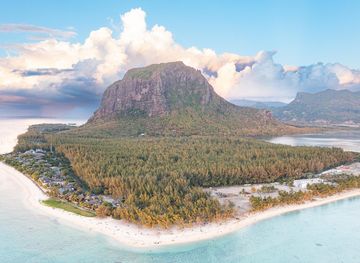
Discover Mauritius, the tropical paradise of the Indian Ocean, where pristine beaches, lush landscapes, and vibrant culture come together for an unforgettable escape.
Explore Mauritius