

Free Pointe aux Piments Travel Guide & Mobile App
Plan your Pointe aux Piments trip with Evendo. Get free guides to top attractions, restaurants, hotels, and bars. Web access or download the mobile app.


Pointe aux Piments, Mauritius, offers quiet coral-fringed beaches, lagoon swimming, village life and easy access to northern heritage and reefs.
A Coastal Village in the North
Pointe aux Piments occupies a long stretch of Mauritius’s north-western coast, between Trou aux Biches and Balaclava. Rather than functioning as a dense resort town, it is a largely residential coastal village where small roads lead towards beaches, lagoons and fishing spots. The shoreline is shaped by coral reefs and calm, shallow water in several areas, while the coastal road links the village with larger northern centres. Its name, meaning ‘Chilli Point’, reflects the French influence preserved in many Mauritian place names.Read more about Pointe aux Piments
Lagoon Life and Local Character
Access to Northern Mauritius
When is the best time to visit Pointe aux Piments?
Best: June–August · 28°C| Month | High (°C) | Rainfall (mm) |
|---|---|---|
| January | 32 | 247 |
| February | 32 | 235 |
| March | 32 | 238 |
| April | 31 | 145 |
| May | 30 | 84 |
| June (best) | 28 | 50 |
| July (best) | 28 | 45 |
| August (best) | 28 | 45 |
| September | 29 | 48 |
| October | 30 | 43 |
| November | 31 | 48 |
| December | 32 | 145 |
Getting to and around Pointe aux Piments
How to get there
Transportation
Best attractions in Pointe aux Piments
Pointe aux Piments is primarily a coastal sightseeing destination, with its appeal spread along reef-protected beaches, rocky points and views across the north-western lagoon. The village shoreline is suited to slow walks, swimming where conditions allow and watching fishing boats move between the coast and reef. Nearby Trou aux Biches adds a broad sandy beach and a more developed seaside setting, while the Mauritius Aquarium in Pointe aux Biches introduces visitors to the marine species and reef environments of the surrounding waters. Inland, the historic district of Pamplemousses and its botanical garden provide a contrasting landscape of mature trees, formal paths and plantation-era history. The ruins at Balaclava, farther along the coast, offer another nearby reminder of Mauritius’s colonial past, although they are outside Pointe aux Piments itself. The village’s strongest attraction is the relationship between everyday settlement and lagoon: local roads, small shops and coastal viewpoints are experienced alongside the sea rather than separated from it.
-
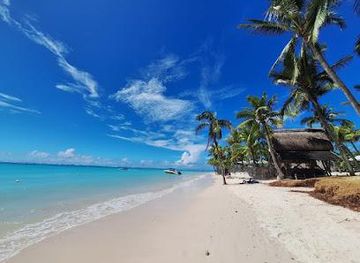
Beach
Trou aux Biches Beach
Experience the serene beauty of Trou aux Biches Beach in Mauritius, a tropical haven perfect for relaxation and water adventures.
12 min drive · 4.0 km from city centre
-
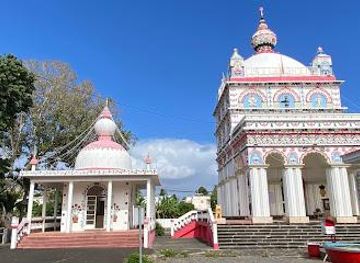
Hindu temple
Maheswarnath Mandir
Explore the serene beauty and rich heritage of Maheswarnath Mandir, a sacred Hindu temple in Triolet, Mauritius.
12 min drive · 3.9 km from city centre
-
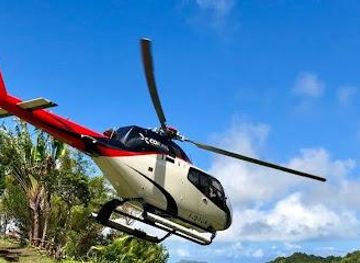
Tourist attraction
Corail Helicopter Tours
Explore the breathtaking beauty of Mauritius from the skies with Corail Helicopter Tours, offering unforgettable aerial views and experiences.
12 min drive · 4.1 km from city centre
-
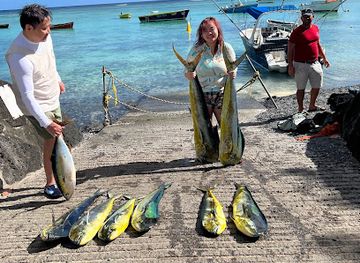
Tourist attraction
Pyramide Fishing Boat
Experience the thrill of fishing in the pristine waters of Trou-aux-Biches at Pyramide Fishing Boat, where adventure and marine beauty await.
10 min drive · 3.2 km from city centre
Best landmarks in Pointe aux Piments
Pointe aux Piments is defined less by monumental architecture than by a series of coastal and cultural reference points. Its reef-edged shoreline and public beach are the principal physical markers, revealing the geological and maritime setting that has shaped settlement here. The nearby Mauritius Aquarium in Pointe aux Biches provides a modern cultural landmark focused on the marine life of Mauritian waters. Inland, Pamplemousses is associated with the Sir Seewoosagur Ramgoolam Botanical Garden and the wider plantation landscape, while the Balaclava ruins record the island’s French colonial period; both are nearby rather than within Pointe aux Piments. The village’s strongest architectural character lies in its ordinary built environment—Creole and Mauritian homes, small businesses, religious spaces and roads following the coast. Together these elements show a place shaped by layered migration, plantation history and the continuing economic importance of the lagoon rather than by a single grand monument.
-
Hotel
Le Méridien Ile Maurice
Experience luxury and tranquility at Le Méridien Ile Maurice, where breathtaking views and world-class amenities meet the beauty of Mauritius.
12 min walk · 1.0 km from city centre
-
 Hotel
Victoria Beachcomber Resort & Spa
Experience the ultimate tropical retreat at Victoria Beachcomber Resort & Spa in Pointe aux Piments, where luxury meets adventure in paradise.
5 min drive · 1.6 km from city centre
-
Hotel
Veranda Pointe Aux Biches Hotel - Mauritius
Discover a serene escape at Veranda Pointe Aux Biches Hotel, where luxury meets the beauty of Mauritius' pristine beaches and rich culture.
6 min drive · 2.1 km from city centre
-
Resort hotel
The Oberoi Beach Resort, Mauritius
Experience luxury and tranquility at The Oberoi Beach Resort, Mauritius—where stunning landscapes meet world-class amenities for an unforgettable getaway.
6 min drive · 2.1 km from city centre
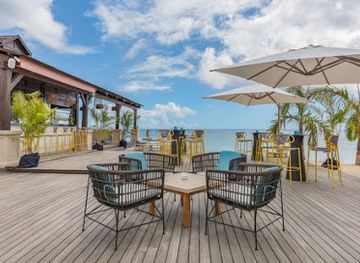
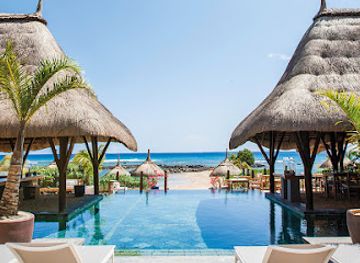
Explore Pointe aux Piments on the map
Plan your Pointe aux Piments trip on one map. See where the top attractions, landmarks, restaurants, bars and hotels are, find what's near where you're staying, and book hotels and experiences in a few clicks.
Best hotels in Pointe aux Piments
Best restaurants in Pointe aux Piments
Dining in Pointe aux Piments is shaped by its coastal setting and by the blended culinary traditions of Mauritius. Seafood, especially fish prepared with local spices, appears alongside rice, lentils, curries, pickles and rougaille, a tomato-based Creole preparation. Visitors may also encounter dholl puri, farata, samoussas and other Indian-influenced street foods at informal stalls and small takeaways. Family-run restaurants and hotel dining rooms generally provide the broadest choice, while nearby Trou aux Biches and Grand Baie offer a larger range of cafés, international menus and evening restaurants. Fresh tropical fruit and sweet snacks reflect the island’s warm climate, and Chinese-Mauritian cooking forms another established part of the national food culture. Dining here is usually relaxed rather than formal, with the most local experiences found in modest eateries where menus follow the day’s supplies and the pace is set by the community rather than by a busy tourist strip.
-
Restaurant
The Oberoi Beach Resort, Mauritius
Experience unparalleled luxury at The Oberoi Beach Resort in Mauritius – your ultimate destination for relaxation, fine dining, and adventure.
6 min drive · 2.1 km from city centre
-
Restaurant
L'ananas
Discover authentic Mauritian flavors at L'ananas in Trou-aux-Biches – where every dish tells a story.
12 min drive · 3.9 km from city centre
-
Seafood
Restaurant L'Assiette du Nord
Experience exquisite seafood dining with Creole flair at Restaurant L'Assiette du Nord in Trou-aux-Biches.
12 min drive · 3.9 km from city centre
-
Restaurant
Sunset Reef Resort & Spa Hotel
Discover unparalleled luxury at Sunset Reef Resort & Spa in Pointe aux Piments - where relaxation meets adventure amidst stunning ocean views.
8 min walk · 0.6 km from city centre
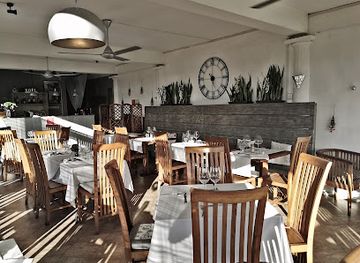
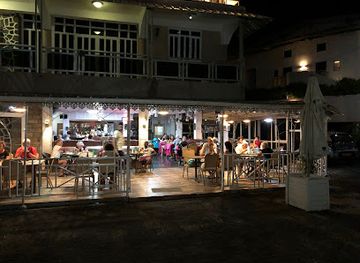
Best bars in Pointe aux Piments
Pointe aux Piments has a restrained evening scene centred on hotel bars, casual restaurants and small local establishments rather than a concentration of nightclubs. Evenings may involve a drink overlooking the lagoon, live music or entertainment arranged by accommodation, and relaxed conversation in a village setting. The neighbouring northern resorts provide more choice: Trou aux Biches has additional beachfront and hotel venues, while Grand Baie is the region’s main centre for late bars, music and club-oriented nightlife. Mauritian sega performances, featuring rhythmic music and dance, may appear at organised cultural evenings, although schedules vary. The coastal road is not uniformly pedestrian-friendly at night, so transport should be planned for journeys between villages. Visitors should also remember that this is a residential community, where loud late-night behaviour can disturb local households.
-
Restaurant
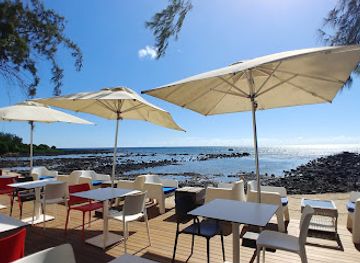
Le Skipper Restaurant
Experience the culinary delights of Mauritius at Le Skipper Restaurant, where local flavors meet stunning ocean views.
6 min drive · 2.1 km from city centre
-
Restaurant
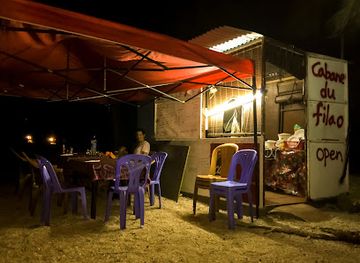
Cabane du Filao
Experience delightful local cuisine in a stunning coastal setting at Cabane du Filao in Pointe aux Piments, Mauritius.
15 min walk · 1.2 km from city centre
-
Restaurant
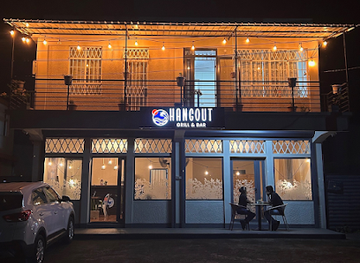
Hangout Grill, Bar & Restaurant
Savor the flavors of Mauritius at Hangout Grill, Bar & Restaurant, where culinary excellence meets stunning ambiance.
6 min drive · 1.9 km from city centre
-
Restaurant
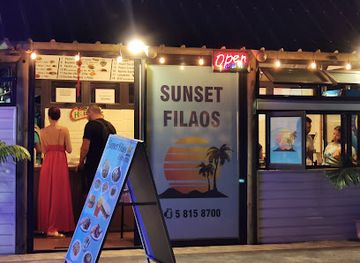
Sunset Filaos
Experience the vibrant flavors of Mauritius at Sunset Filaos, where culinary delights meet breathtaking sunset views in Pointe aux Piments.
5 min walk · 0.4 km from city centre
Best nightclubs in Pointe aux Piments
Pointe aux Piments has a restrained evening scene centred on hotel bars, casual restaurants and small local establishments rather than a concentration of nightclubs. Evenings may involve a drink overlooking the lagoon, live music or entertainment arranged by accommodation, and relaxed conversation in a village setting. The neighbouring northern resorts provide more choice: Trou aux Biches has additional beachfront and hotel venues, while Grand Baie is the region’s main centre for late bars, music and club-oriented nightlife. Mauritian sega performances, featuring rhythmic music and dance, may appear at organised cultural evenings, although schedules vary. The coastal road is not uniformly pedestrian-friendly at night, so transport should be planned for journeys between villages. Visitors should also remember that this is a residential community, where loud late-night behaviour can disturb local households.
-
Restaurant
Le Debarcadere
Experience the vibrant atmosphere of Le Debarcadere in Pointe aux Biches, where delicious cuisine meets live music and karaoke fun.
9 min drive · 3.2 km from city centre
-
Bar
The Bar
Experience luxury and relaxation at The Bar in Mauritius, where stunning views and exquisite cocktails create unforgettable moments.
7 min drive · 2.3 km from city centre

Best shops in Pointe aux Piments
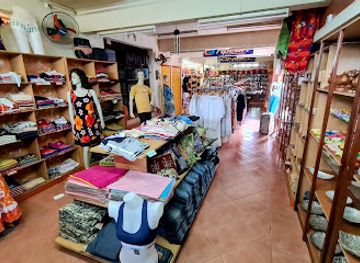
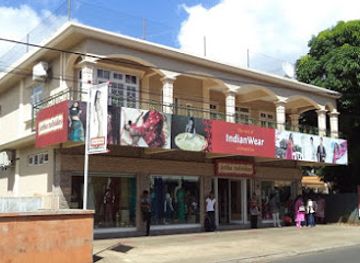
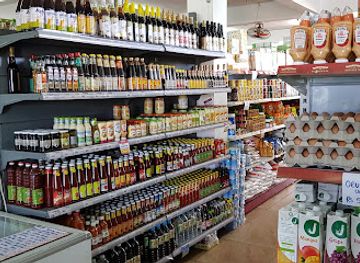
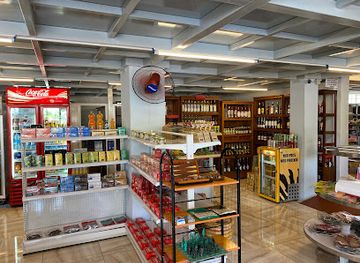
Shopping in Pointe aux Piments is local and practical, with small convenience shops, food sellers and village businesses rather than a large retail district. Visitors looking for edible souvenirs can seek Mauritian tea, preserved fruits, spices, chutneys, rum-based products and packaged biscuits, while informal stalls may offer snacks such as dholl puri and samoussas. A wider selection of clothing, jewellery, crafts and contemporary retail is available in Grand Baie, and Port Louis provides a more extensive market experience with textiles, produce, spices and everyday goods. Pamplemousses and the northern resort area may also have craft and souvenir outlets, though quality and provenance vary. Bargaining is not automatically appropriate in every shop, so it is better suited to some market transactions than to fixed-price local businesses. Purchases should respect restrictions on coral, shells and protected marine life.
-
Souvenir store
Max Shop
Explore Max Shop in Pointe aux Piments for unique Mauritian souvenirs, local crafts, and a vibrant shopping experience in paradise.
6 min walk · 0.5 km from city centre
-
Gift shop
Jetha Tulsidas
Explore Jetha Tulsidas in Triolet for exquisite fashion accessories, unique clothing, and special wedding items that capture the essence of Mauritius.
8 min drive · 2.8 km from city centre
-
Discount supermarket
MASS DISCOUNT LIBRE SERVICE
Discover local flavors and great deals at MASS DISCOUNT LIBRE SERVICE in Pointe aux Piments, a must-visit destination for savvy shoppers.
6 min drive · 1.9 km from city centre
-
Supermarket
Max Shop-Mini Market (Pointe Aux Biches)
Explore Max Shop-Mini Market in Pointe Aux Biches for a taste of local flavors, fresh produce, and friendly service in a vibrant supermarket setting.
6 min drive · 2.1 km from city centre
Get your free copy of our complete guide to Pointe aux Piments, delivered straight to you.
Everything on this page, from attractions and restaurants to essentials and local phrases, in one PDF you can read offline, print or share.
Already have an account? Sign in
Your Pointe aux Piments guide is ready.
We'll send it to · Not you? Sign out

Getting your guide ready…
We are putting together a fresh copy of the Pointe aux Piments guide. This can take up to a minute.
This can take a few moments. If your browser asks, choose Allow so the download can start. You'll find the guide in your Downloads folder.
Nothing happened? Download it again
Sorry, the guide is taking longer than usual. Please try again in a minute, or get it by email instead.
Pointe aux Piments essentials
Currency and Payment
Safety
Emergency Situations
Do's and Don'ts
Local Tips
From Eve
Local phrases worth knowing
You don't need to get them perfect. A few words go a long way, and locals appreciate the effort.
Basics
| English | Local | Say it |
|---|---|---|
| Hello | Bonjour | [bon-zhoor] |
| Goodbye | Aurevoir | [oh-re-vwah] |
| Yes | Wi | [wee] |
| No | Non | [non] |
| Please/You're welcome | Si ou plait | [see oo play] |
| Thank you | Merci | [mehr-see] |
| Excuse me/Sorry | Pardon/Sorry | [par-dohn/sor-ree] |
| How are you? | Kouma ou pe? | [koo-ma oo pay] |
| Fine. And you? | Bien. Et ou? | [byan. ay oo] |
| Do you speak English? | Ou koz angle? | [oo koz an-glay] |
| I don't understand | Mo pa kompran | [moh pah kohm-prahn] |
Eating & Drinking
| English | Local | Say it |
|---|---|---|
| I'd like to see the menu, please | Mo skier meni, si ou plait | [moh skee-ayr meh-nee, see oo play] |
| I don't eat meat | Mo pa manze la viand | [moh pah manz lay vee-an] |
| Cheers! | Sante! | [san-tay] |
| I would like to pay, please | Mo krwar peye, si ou plait | [moh kroo-ar pay-yay, see oo play] |
Emergencies
| English | Local | Say it |
|---|---|---|
| Help! | Aide! | [ed] |
| Go away! | Al lor! | [al lohr] |
| Call the Police! | Telephon la Police! | [tay-leh-fohn lah po-leece] |
| Call a doctor! | Telephon en dokter! | [tay-leh-fohn an dock-tair] |
| I'm lost | Mo perdi | [moh pair-dee] |
| I'm ill | Mo malad | [moh mah-lad] |
Shopping
| English | Local | Say it |
|---|---|---|
| I'd like to buy... | Mo krwar aste... | [moh kroo-ar as-tay] |
| I'm just looking | Mo jis gade | [moh zjee gah-day] |
| How much is it? | Konbyen sa coute? | [kohn-byen sah koot] |
| That's too expensive | Sa tro cher | [sah troh shair] |
| Can you lower the price? | Ou kapav redwi pri? | [oo kah-pahv red-wee pree] |
Time & Numbers
| English | Local | Say it |
|---|---|---|
| What time is it? | Ki e ki l'eure? | [kee ay kee layr] |
| It's one o'clock | Li enn ler | [lee an layr] |
| Half past (10) | Demi (dis) | [day-mee deess] |
| Morning | Matin | [mah-tan] |
| Afternoon | Apre midi | [ah-pray mee-dee] |
| Evening | Soir | [swa] |
| Yesterday | Yer | [yair] |
| Today | Zordi | [zor-dee] |
| Tomorrow | Demain | [day-mahn] |
| 1 | Un | [uhn] |
| 2 | De | [day] |
| 3 | Troa | [twa] |
| 4 | Kat | [kaht] |
| 5 | Sank | [sank] |
| 6 | Sis | [sees] |
| 7 | Set | [set] |
| 8 | Wi | [weet] |
| 9 | Nef | [neff] |
| 10 | Dis | [deess] |
Transport & Directions
| English | Local | Say it |
|---|---|---|
| Where's a/the...? | Ki kot... | [kee koht] |
| What's the address? | Ki li adres la? | [kee lee ah-dres lah] |
| Can you show me (on the map)? | Ou kapav montre mwa (sur la kat)? | [oo kah-pahv mohn-tray mwah (soor lah kaht)] |
| When's the next (bus)? | Ki le prochen (bis)? | [kee lay proh-shen (bees)] |
| A ticket (to ....) | En billet (pour ....) | [an bee-yay (poor ....)] |
History of Pointe aux Piments
Early Island Settlement
Mauritius had no permanent indigenous population before European settlement, although Arab and Portuguese sailors knew the island and used it as a maritime waypoint. The Dutch established the first lasting European settlement in 1638, but abandoned Mauritius in 1710 after struggling with distance, cyclones and limited economic returns. Pointe aux Piments formed part of the island’s northern coastal landscape rather than an independent urban centre, with its later identity shaped by maritime activity, agriculture and the settlement of the surrounding districts.
French Rule and Coastal Agriculture
France took possession of Mauritius in 1715 and renamed it Île de France. Under French administration, Port Louis developed as a harbour and the island’s agricultural economy expanded, supported by enslaved labour brought from Africa and Madagascar. Northern coastal areas, including the territory around present-day Pointe aux Piments, became connected to plantations, roads and small settlements. French place names survived subsequent political changes, which explains the continued use of Pointe aux Piments and neighbouring names such as Trou aux Biches and Pamplemousses.
British Mauritius and Sugar
British forces captured Île de France in 1810 during the Napoleonic Wars, and the Treaty of Paris in 1814 confirmed British control, although French civil law and language remained influential. After the abolition of slavery in 1835, indentured labour from India transformed Mauritius’s population and agricultural society. Sugar estates became the central economic force, and villages across the north developed through the movement of plantation workers, merchants and fishing families. Pointe aux Piments’ present population and cultural character reflect this wider Mauritian history of African, European, Indian and Creole interaction.
From Plantation Coast to Village
During the nineteenth and twentieth centuries, improvements in roads, communications and coastal settlement gradually connected Pointe aux Piments more closely with Port Louis and the northern districts. Sugar remained dominant inland, while the coast supported fishing and small-scale local activity. The village did not develop into a major colonial city; its identity remained associated with a dispersed coastal community. The landscape visible today—residential lanes, cultivated interiors, reef-protected waters and roads linking neighbouring settlements—reflects this gradual rather than monumental urban growth.
Independence and Tourism
Mauritius became independent on 12 March 1968 and a republic in 1992. In the decades after independence, tourism expanded around the northern beaches, bringing hotels, guesthouses, marine excursions and improved visitor services to coastal villages such as Pointe aux Piments. Tourism did not erase the older settlement pattern: local homes, shops and fishing activity remain alongside accommodation and leisure businesses. The village’s contemporary identity therefore combines everyday Mauritian life with access to the lagoon, while its history remains inseparable from the island’s plantation economy, migration and post-independence diversification.
Travel experiences inspired by this city


Swipe for more travel diaries
Pointe aux Piments in Photos
Browse through our photo collection highlighting the charm and character of the destination.
Cities near Pointe aux Piments
The closest cities to Pointe aux Piments, if you have time for more than one stop.
-

-

-
-

-


Swipe for more cities
Explore more
Explore more of Mauritius
Discover Mauritius, the tropical paradise of the Indian Ocean, where pristine beaches, lush landscapes, and vibrant culture come together for an unforgettable escape.
Explore Mauritius