

Free Chiapas Highlands Travel Guide & Mobile App
Explore Chiapas Highlands with free travel guides. Discover regional history, expert tips, proposed trips, and audio guides on web or mobile app.


Explore the Chiapas Highlands through San Cristóbal's colonial streets, Tzotzil and Tzeltal communities, mountain forests, markets and regional cuisine.
Read more about Chiapas Highlands
When is the best time to visit Chiapas Highlands?
Best: April–June · 22–24°C| Month | High (°C) | Rainfall (mm) |
|---|---|---|
| January | 20 | 20 |
| February | 20 | 25 |
| March | 21 | 30 |
| April (best) | 22 | 35 |
| May (best) | 23 | 45 |
| June (best) | 24 | 55 |
| July | 23 | 60 |
| August | 23 | 65 |
| September | 23 | 70 |
| October | 22 | 65 |
| November | 21 | 40 |
| December | 20 | 25 |
Getting to and around Chiapas Highlands
How to get there
Transportation
Top city travel guides in Chiapas Highlands
The cities of Chiapas Highlands, and the easiest places to base yourself.

Swipe for more cities
Destinations in Chiapas Highlands
Resorts, valleys and scenic spots worth a trip of their own.

Swipe for more destinations
Best attractions in Chiapas Highlands
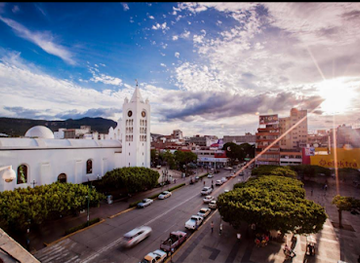
The Chiapas Highlands offer a concentrated mix of colonial urban culture, Indigenous community life and cool mountain landscapes. San Cristóbal de Las Casas provides museums, churches, craft markets, cultural centres, independent galleries and streets suited to walking, while nearby villages offer textile traditions, local markets and distinctive religious practices. Visits to San Juan Chamula and Zinacantán are especially significant when organised respectfully and with clear guidance about photography and access. Grutas de Rancho Nuevo, within the highlands, combines limestone caves with a forested recreational setting, and the surrounding uplands provide opportunities for walking, cycling, birdwatching and scenic drives. Community-based projects may introduce visitors to weaving, food production or local environmental initiatives, though arrangements vary and should be made ahead. The attraction landscape is less about a long sequence of formal monuments than about understanding how towns, forests, agriculture, craft production and living Maya communities occupy the same mountainous terrain. The region also serves as a practical base for exploring wider Chiapas, but destinations outside the highlands should be planned as separate excursions rather than treated as local attractions.
-
Museum
Museo del Ámbar
Explore the rich history and beauty of amber at Museo del Ámbar in San Cristóbal de las Casas, a unique cultural gem in Chiapas, Mexico.
-
Ecological park
El Arcotete
Explore the breathtaking beauty of El Arcotete, an ecological park filled with stunning rock formations, vibrant wildlife, and serene hiking trails.
-
Ecological park
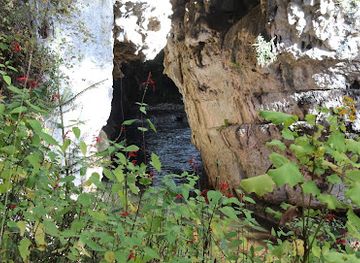
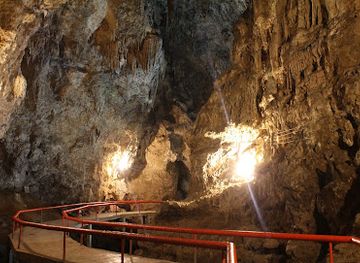
Parque Ecoturístico Rancho Nuevo
Discover the breathtaking beauty of Parque Ecoturístico Rancho Nuevo, a serene ecological park in San Cristóbal de las Casas, perfect for nature lovers and adventurers.
-
Museum
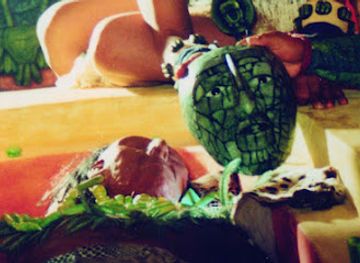
Museo Mesoamericano del Jade
Explore the fascinating history and artistry of jade at the Museo Mesoamericano del Jade in San Cristóbal de las Casas, a must-visit for every traveler.

Best landmarks in Chiapas Highlands
-
Park
Parque de la Marimba
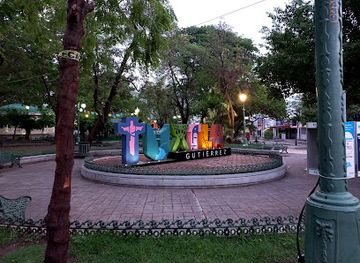
Experience the heart of Chiapas at Parque de la Marimba, a cultural hub of music, food, and vibrant community life in Tuxtla Gutiérrez.
-
 Archaeological site
Zona Arqueológica Palenque
Explore Zona Arqueológica Palenque, a stunning archaeological site in Chiapas, Mexico, rich in Maya heritage and surrounded by lush jungle beauty.
-
City park
Parque Central de Tuxtla Gutiérrez
Discover the heart of Tuxtla Gutiérrez at Parque Central, a lush urban park perfect for relaxation, cultural events, and community gatherings.
-
Tourist attraction
Agua Azul Waterfalls
Experience the breathtaking beauty of Agua Azul Waterfalls, a natural paradise in Chiapas, Mexico, with turquoise waters and cascading falls.
Explore Chiapas Highlands on the map
Plan your trip on one map. See where the top cities, national parks and sights are, and book hotels and experiences in a few clicks.
Best hotels in Chiapas Highlands
Best restaurants in Chiapas Highlands
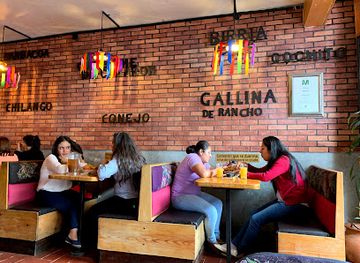
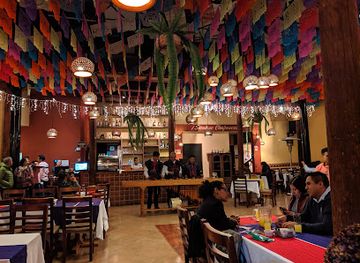
Dining in the Chiapas Highlands ranges from market stalls and family-run kitchens to contemporary restaurants, bakeries, cafés and regional Mexican menus in San Cristóbal. Highland cooking draws on maize, beans, squash, herbs, vegetables and seasonal mushrooms, while local specialities and Chiapas-wide dishes include tamales, soups, stews and tortillas prepared in varied regional styles. Pozol, a maize-based drink, and hot chocolate or coffee are useful accompaniments in the cool climate, while coffee culture is particularly visible in San Cristóbal even though much production comes from warmer coffee-growing areas elsewhere in Chiapas. Markets are good places to encounter everyday foods, fresh produce and snacks, whereas restaurants near the historic centre offer a broader choice, including vegetarian and international cooking. In rural communities, food options are more limited and may depend on prior arrangements. Visitors should distinguish between Indigenous culinary traditions and generic Mexican restaurant menus, and should ask about ingredients when unfamiliar preparations or local languages make ordering difficult.
-
Mexican
El Caldero
Discover authentic Mexican flavors at El Caldero, where delightful breakfasts meet the rich culture of San Cristóbal de las Casas.
-
Restaurant
Restaurante Las Pichanchas (San Cristóbal)
Experience traditional Mexican cuisine in a vibrant setting at Restaurante Las Pichanchas in San Cristóbal de las Casas.
-
Restaurant
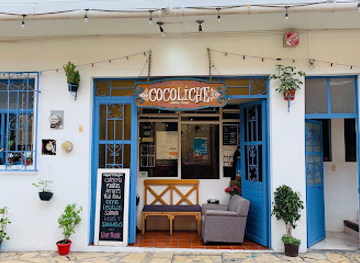
Cocoliche
Discover Cocoliche in San Cristóbal de las Casas - A culinary treasure known for its delicious pasta and inviting atmosphere.
-
Pizza
Pachamama
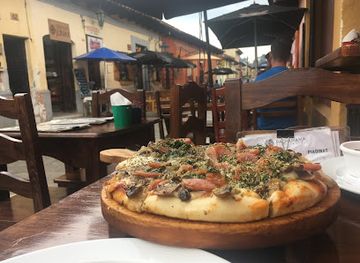
Discover the authentic flavors of Argentina at Pachamama - a top-rated pizza destination in San Cristóbal de las Casas.
Best bars in Chiapas Highlands
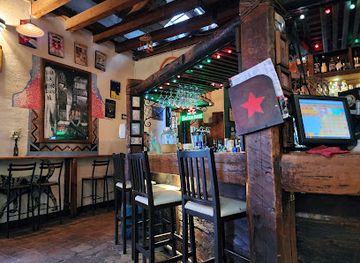
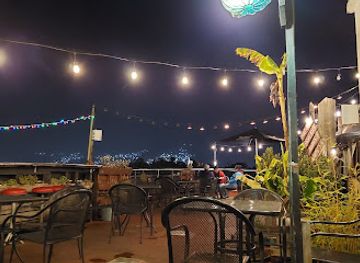
Evening life in the Chiapas Highlands is concentrated in San Cristóbal de Las Casas rather than spread evenly across the region. The historic centre and adjacent streets contain cafés, mezcalerías, small bars, craft-beer rooms, restaurants and venues with occasional live music, while traditional cantinas and neighbourhood establishments provide a less visitor-oriented atmosphere. Some cultural venues and theatres host performances or talks, but programmes change and should be checked locally. Nightclubs exist on a modest scale compared with Mexico's major resort cities, and the evening scene generally favours conversation, food, music and warm drinks over large late-night entertainment districts. Outside San Cristóbal, evenings in towns and villages are quieter and commonly revolve around family life, local restaurants or community events. Respect local sensibilities around alcohol, keep plans flexible in cold or rainy weather and use trusted transport when returning to accommodation after dark.
-
Bar
Café Bar 500 Noches
Experience the heart of San Cristóbal de las Casas at Café Bar 500 Noches, where delicious food and drinks meet a vibrant atmosphere.
-
Bar
Café Bar Revolución
Experience the vibrant atmosphere of Café Bar Revolución in San Cristobal de las Casas, where delicious food and great music come together.
-
Bar
Kinoki
Discover Kinoki, a cultural gem in San Cristóbal de las Casas, blending bar, restaurant, and cinema for a unique local experience.
-
Tapas Bar
La Viña de Bacco
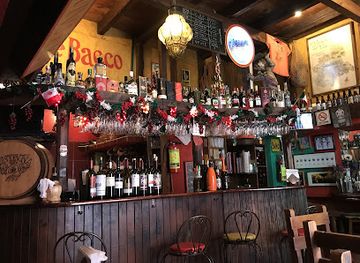
Discover the flavors of San Cristóbal de las Casas at La Viña de Bacco, a vibrant tapas bar with an extensive wine selection.

Best nightclubs in Chiapas Highlands
Evening life in the Chiapas Highlands is concentrated in San Cristóbal de Las Casas rather than spread evenly across the region. The historic centre and adjacent streets contain cafés, mezcalerías, small bars, craft-beer rooms, restaurants and venues with occasional live music, while traditional cantinas and neighbourhood establishments provide a less visitor-oriented atmosphere. Some cultural venues and theatres host performances or talks, but programmes change and should be checked locally. Nightclubs exist on a modest scale compared with Mexico's major resort cities, and the evening scene generally favours conversation, food, music and warm drinks over large late-night entertainment districts. Outside San Cristóbal, evenings in towns and villages are quieter and commonly revolve around family life, local restaurants or community events. Respect local sensibilities around alcohol, keep plans flexible in cold or rainy weather and use trusted transport when returning to accommodation after dark.
-
Disco club
Baruva Food&Drinks
Discover the lively nightlife of San Cristóbal de las Casas at Baruva Food&Drinks, a premier disco club and bar offering an unforgettable experience.
-
Bar
Lumiere | AntiSocial Club
Experience the vibrant nightlife of San Cristóbal de las Casas at Lumiere | AntiSocial Club, where music and dance come alive.
-
Social club
CHISCO Social Club San Cristóbal Show LGBT+
Experience the vibrant LGBT+ nightlife at CHISCO Social Club in San Cristóbal, where inclusivity and excitement come together for unforgettable nights.
-
Night club
Midnight Club
Unleash your inner party animal at Midnight Club, the ultimate nightlife destination in San Cristóbal de las Casas, where every night is a celebration.


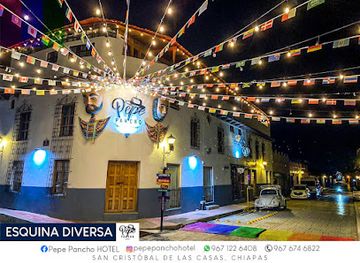

Best shops in Chiapas Highlands
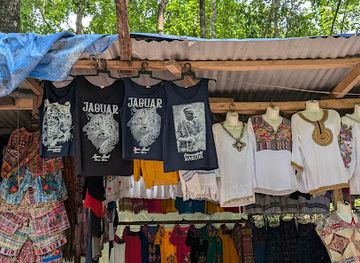
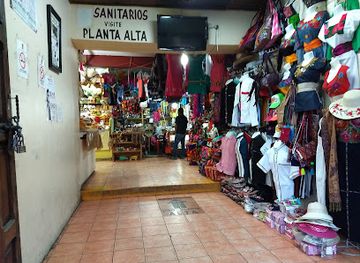
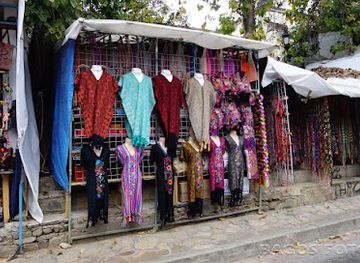
San Cristóbal is the main shopping centre of the Chiapas Highlands, with craft markets, independent boutiques, galleries, bookshops, food shops and streets selling textiles, ceramics, jewellery and locally produced goods. The city is a useful place to compare designs from different Chiapas communities, but labels and provenance vary, so ask sellers or cooperatives where an item was made and how artisans were paid. Markets and workshops in communities such as Zinacantán and San Juan Chamula offer textiles and embroidery associated with local traditions, although purchases should be made respectfully and without treating ceremonial clothing as a costume. Regional products include coffee, cacao, honey, spices and packaged foods, subject to customs and airline regulations when taken abroad. Rural markets are primarily places for residents' everyday shopping rather than souvenir centres, and selection depends on the day and season. Fair-trade and community-run outlets can provide clearer information about production than anonymous mass-market stalls.
-
Tourist attraction
Cascadas de Agua Azul
Explore the enchanting Cascadas de Agua Azul, where turquoise waterfalls and lush landscapes create a breathtaking natural paradise in Chiapas, Mexico.
-
Market
Mercado de Dulces y Artesanías Ámbar
Explore Mercado de Dulces y Artesanías Ámbar for a taste of San Cristóbal de las Casas' finest sweets and exquisite local handicrafts.
-
Shopping mall
Plaza Ámbar Fashion Mall
Experience the perfect blend of shopping, dining, and entertainment at Plaza Ámbar Fashion Mall in Tuxtla Gutiérrez, where every visit is a unique adventure.
-
Market
Mercado de la Caridad y Santo Domingo
Explore the lively Mercado de la Caridad y Santo Domingo for a true taste of Chiapas culture, local crafts, and delicious cuisine.

Get your free copy of our complete guide to Chiapas Highlands, delivered straight to you.
Everything on this page, from attractions and restaurants to essentials and local phrases, in one PDF you can read offline, print or share.
Already have an account? Sign in
Your Chiapas Highlands guide is ready.
We'll send it to · Not you? Sign out

Getting your guide ready…
We are putting together a fresh copy of the Chiapas Highlands guide. This can take up to a minute.
This can take a few moments. If your browser asks, choose Allow so the download can start. You'll find the guide in your Downloads folder.
Nothing happened? Download it again
Sorry, the guide is taking longer than usual. Please try again in a minute, or get it by email instead.
Chiapas Highlands essentials
Currency and Payment
Safety
Emergency Situations
Do's and Don'ts
Local Tips
From Eve
Local phrases worth knowing
You don't need to get them perfect. A few words go a long way, and locals appreciate the effort.
Basics
| English | Local | Say it |
|---|---|---|
| Hello | Hola | [Ola] |
| Goodbye | Adiós | [A-dios] |
| Yes | Sí | [Si] |
| No | No | [No] |
| Please/You're welcome | Por favor | [Por fa-vor] |
| Thank you | Gracias | [Gra-cias] |
| Excuse me/Sorry | Perdón | [Per-don] |
| How are you? | ¿Cómo estás? | [Co-mo es-tas] |
| Fine. And you? | Bien. ¿Y tú? | [Bien. I tu?] |
| Do you speak English? | ¿Hablas inglés? | [A-blas in-glez] |
| I don't understand | No entiendo | [No en-tien-do] |
Eating & Drinking
| English | Local | Say it |
|---|---|---|
| I'd like to see the menu, please | Quisiera ver el menú, por favor | [Ki-si-e-ra ver el me-nu, por fa-vor] |
| I don't eat meat | No como carne | [No ко-mo кар-ne] |
| Cheers! | ¡Salud! | [Sa-lud] |
| I would like to pay, please | Me gustaría pagar, por favor | [Me gus-ta-ri-a pa-gar, por fa-vor] |
Emergencies
| English | Local | Say it |
|---|---|---|
| Help! | ¡Ayuda! | [A-yu-da] |
| Go away! | ¡Vete! | [Ve-te] |
| Call the Police! | ¡Llama a la policía! | [Ya-ma a la po-li-cia] |
| Call a doctor! | ¡Llama a un doctor! | [Ya-ma a un doc-tor] |
| I'm lost | Estoy perdido | [Es-toy per-di-do] |
| I'm ill | Estoy enfermo | [Es-toy en-fer-mo] |
Shopping
| English | Local | Say it |
|---|---|---|
| I'd like to buy... | Quisiera comprar... | [Ki-si-e-ra com-prar] |
| I'm just looking | Solo estoy mirando | [So-lo es-toy mi-ran-do] |
| How much is it? | ¿Cuánto cuesta? | [Cuan-to cues-ta] |
| That's too expensive | Es muy caro | [Es muy ca-ro] |
| Can you lower the price? | ¿Puedes bajar el precio? | [Pue-des ba-har el pre-cio] |
Time & Numbers
| English | Local | Say it |
|---|---|---|
| What time is it? | ¿Qué hora es? | [Ke o-ra es] |
| It's one o'clock | Es la una | [Es la u-na] |
| Half past (10) | Y media (10) | [I me-dia diez] |
| Morning | Mañana | [Ma-nya-na] |
| Afternoon | Tarde | [Tar-de] |
| Evening | Noche | [No-che] |
| Yesterday | Ayer | [A-yer] |
| Today | Hoy | [Oi] |
| Tomorrow | Mañana | [Ma-nya-na] |
| 1 | Uno | [U-no] |
| 2 | Dos | [Dos] |
| 3 | Tres | [Tres] |
| 4 | Cuatro | [Cua-tro] |
| 5 | Cinco | [Cin-co] |
| 6 | Seis | [Seis] |
| 7 | Siete | [Sie-te] |
| 8 | Ocho | [O-cho] |
| 9 | Nueve | [Nue-ve] |
| 10 | Diez | [Diez] |
Transport & Directions
| English | Local | Say it |
|---|---|---|
| Where's a/the...? | ¿Dónde está un/una...? | [Don-de es-ta un/u-na] |
| What's the address? | ¿Cuál es la dirección? | [Cual es la di-rec-cion] |
| Can you show me (on the map)? | ¿Puedes mostrarme (en el mapa)? | [Pue-des mos-trar-me en el ma-pa] |
| When's the next (bus)? | ¿Cuándo es el próximo (autobús)? | [Cuan-do es el pro-xi-mo au-to-bus] |
| A ticket (to ....) | Un boleto (a ....) | [Un bo-le-to a] |
History of Chiapas Highlands
Maya Settlement and Highland Agriculture
The Chiapas Highlands have been inhabited by Maya peoples for centuries, with Tzotzil- and Tzeltal-speaking communities forming much of the region's modern cultural landscape. Highland agriculture developed around maize, beans, squash and other crops suited to varied elevations, while settlements were linked through trade, kinship and ritual networks. Archaeological evidence from the wider region records long-term Maya occupation, although the best-known major ancient centres of Chiapas, such as Palenque, lie outside the highlands. Contemporary communities retain linguistic, agricultural and ceremonial traditions shaped by this deep history.
Spanish Conquest and Colonial San Cristóbal
Spanish forces established Ciudad Real in the sixteenth century, in the area now occupied by San Cristóbal de Las Casas. The colonial settlement became an administrative, religious and commercial centre for the highlands, with churches, convents and civic buildings organised around a Spanish-style urban plan. Indigenous communities remained the majority of the population and were drawn into colonial systems of tribute, labour and evangelisation. The resulting landscape combined European institutions and architecture with enduring Maya communities, a relationship that continues to shape the region's social and cultural character.
Bartolomé de las Casas and Colonial Debate
The city later took the name San Cristóbal de Las Casas in honour of Bartolomé de las Casas, the sixteenth-century Dominican bishop associated with advocacy for Indigenous peoples. His arguments against abuses of conquest and forced labour contributed to major debates within the Spanish Empire about the rights and treatment of Indigenous communities. Although his influence did not end colonial exploitation, his legacy remains especially visible in the city's name, museums and public memory. The episode also reflects the religious and political institutions that made San Cristóbal an important highland centre.
Independence, Reform and Regional Change
Chiapas became part of independent Mexico in the nineteenth century after a period of political uncertainty and a locally organised decision in 1824. Liberal Reform later challenged the power of ecclesiastical and landed institutions, while national changes to landholding and local government affected highland communities in uneven ways. San Cristóbal remained an influential regional town, even as Tuxtla Gutiérrez increasingly gained administrative prominence. The period laid foundations for modern tensions over land, authority, religion and the relationship between Indigenous communities and state institutions.
Coffee, Trade and the Highland Economy
Coffee became an important commercial crop in Chiapas from the nineteenth century onwards, particularly in warmer mountain and foothill zones connected to the highlands through trade. San Cristóbal developed as a market and distribution centre for surrounding communities, linking agricultural producers with merchants and transport routes. In the highlands themselves, subsistence farming, weaving, small-scale commerce and local markets remained essential. Coffee culture is now prominent in San Cristóbal, but the crop's production is more strongly associated with other parts of Chiapas as well as the state's broader agricultural economy.
Indigenous Movements and the Zapatista Uprising
The Chiapas Highlands became internationally associated with the Zapatista uprising, which began on 1 January 1994 when the Ejército Zapatista de Liberación Nacional occupied several towns in Chiapas, including San Cristóbal de Las Casas for a short period. The movement drew attention to Indigenous rights, land, poverty, political representation and the effects of national economic policy. San Cristóbal became a major site of meetings, journalism and international solidarity. Its consequences remain part of the region's political memory, although the highlands should not be reduced to the uprising alone.
The Contemporary Cultural Landscape
Since the late twentieth century, San Cristóbal has grown as a destination for cultural tourism, study, crafts, gastronomy and creative work, while surrounding Indigenous communities have expanded cooperative tourism and artisan initiatives. This development has brought income and visibility but also concerns about unequal benefits, cultural commodification, housing pressure and the representation of Indigenous traditions. Today the highlands are shaped by both continuity and change: Maya languages, weaving, agriculture and religious life coexist with universities, cafés, digital businesses and visitors from across Mexico and abroad.
Chiapas Highlands in Photos
Browse through our photo collection highlighting the charm and character of the destination.
Neighbouring regions of Chiapas Highlands
The closest regions to Chiapas Highlands, if you have time for more than one.
-

-

-

-

-


Swipe for more regions
Explore more

Explore more of Mexico
Discover Mexico: A land of ancient ruins, vibrant culture, and stunning natural landscapes. Experience diverse cuisine, rich traditions, and warm hospitality.
Explore Mexico