

Free Lacandon Jungle Travel Guide & Mobile App
Explore Lacandon Jungle with free travel guides. Discover regional history, expert tips, proposed trips, and audio guides on web or mobile app.


Explore Mexico's Lacandon Jungle for Maya archaeology, rainforest wildlife, river journeys and community-led experiences in eastern Chiapas.
Read more about Lacandon Jungle
When is the best time to visit Lacandon Jungle?
Best: December–February · 27–28°C| Month | High (°C) | Rainfall (mm) |
|---|---|---|
| January (best) | 27 | 101 |
| February (best) | 28 | 90 |
| March | 30 | 111 |
| April | 30 | 131 |
| May | 31 | 151 |
| June | 31 | 181 |
| July | 32 | 211 |
| August | 31 | 201 |
| September | 31 | 191 |
| October | 29 | 171 |
| November | 28 | 141 |
| December (best) | 27 | 121 |
Getting to and around Lacandon Jungle
How to get there
Transportation
Best attractions in Lacandon Jungle
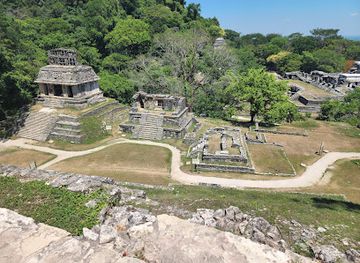
The Lacandon Jungle's attractions combine ancient Maya archaeology with rainforest exploration rather than conventional entertainment. Bonampak is the outstanding cultural visit, celebrated for its exceptionally well-preserved murals and compact ceremonial centre, while Yaxchilán offers temples, sculpture and hieroglyphic monuments beside the Usumacinta River. The boat journey from Frontera Corozal is an integral part of reaching the latter site. Around Lacanjá Chansayab, community-led excursions lead to forest trails, streams, waterfalls and smaller archaeological remains, with knowledgeable local interpretation adding environmental and cultural context. The Montes Azules Biosphere Reserve represents the region's major conservation landscape, although access is controlled and not every part is open for independent tourism. River trips, birdwatching, wildlife observation and guided walks are possible in suitable areas, but sightings depend on weather, season and patience. The jungle's attraction is its scale and ecological complexity: visitors move between living forest, waterways and evidence of sophisticated ancient societies rather than visiting isolated monuments. Palenque archaeological zone, outside the core Lacandon Jungle and used as a gateway, is often combined with a jungle itinerary but should be treated as a separate stop.
-
Tourist attraction
Parque Nacional El Tepeyac
Explore the lush landscapes and rich heritage of Parque Nacional El Tepeyac, a serene escape in the heart of Mexico City.
-
Tourist attraction
Calakmul
Uncover the mysteries of the ancient Maya at Calakmul, a breathtaking archaeological site in the heart of the Campeche jungle.
-
Tourist attraction
Aluxes Ecopark
Explore Aluxes Ecopark: A Biodiversity Paradise in Chiapas, Mexico, Where Nature and Culture Unite for an Unforgettable Experience.
-
Waterfall
Cascada El Chiflón
Explore the stunning Cascada El Chiflón, a breathtaking waterfall in Chiapas, Mexico, ideal for nature lovers and adventure seekers.


Best landmarks in Lacandon Jungle
Bonampak's painted chambers are among the defining landmarks of the Lacandon Jungle, preserving vivid Maya scenes of ceremony, royal power and warfare within a forested archaeological complex. At Yaxchilán, carved lintels, stelae and temple groups rise above the Usumacinta River, whose broad course explains the site's strategic and ceremonial importance. The river itself is a geographical landmark as well as a transport route, forming part of the frontier landscape between Mexico and Guatemala. The forest canopy, limestone terrain and waterways of the Montes Azules Biosphere Reserve constitute another defining regional feature, even though protected status limits access to many areas. In Lacanjá Chansayab, streams, cascades and forest paths are locally significant landmarks experienced through community-guided routes rather than formal monuments. These places should be understood together: the jungle is not merely a backdrop to the ruins, but the environmental setting that shaped settlement, travel and the survival of the archaeological record.
-
Tourist attraction
Tulum
Discover the enchanting blend of history and natural beauty at Tulum, home to ancient Mayan ruins and stunning Caribbean beaches.
-
Tourist attraction
Zona Arqueológica Palenque
Explore Zona Arqueológica Palenque, a captivating archaeological site in Chiapas, Mexico, where ancient Maya ruins unveil the mysteries of the past amidst lush jungles.
-
 Tourist attraction
Cascadas de Agua Azul
Explore the stunning turquoise waterfalls and lush jungles of Cascadas de Agua Azul in Chiapas, Mexico – a natural wonder for every traveler.
-
Tourist attraction
Calakmul
Discover the ancient Mayan ruins at Calakmul, a UNESCO World Heritage Site, surrounded by stunning jungle landscapes and vibrant wildlife.


Explore Lacandon Jungle on the map
Plan your trip on one map. See where the top cities, national parks and sights are, and book hotels and experiences in a few clicks.
Best hotels in Lacandon Jungle
Best restaurants in Lacandon Jungle
Food in the Lacandon Jungle is generally shaped by community kitchens, family-run lodges, roadside eateries and the supplies available in remote settlements rather than by a concentrated restaurant scene. Meals commonly draw on broader Chiapas and Mexican traditions, including beans, rice, eggs, tortillas, chicken, fresh fruit and regional salsas, with freshwater fish available in some river communities. At jungle lodges, menus are often simple, practical and arranged in advance, so visitors should mention dietary requirements before travelling. Palenque and Ocosingo provide greater choice, including cafés, taquerías and restaurants serving Chiapas dishes alongside familiar Mexican staples. Coffee from Chiapas is widely available, while cacao-based drinks and fruit refreshments suit the hot climate. In community settings, eating locally can support residents directly, but visitors should ask about ingredients, drinking water and payment arrangements rather than expecting urban-style menus or late-night service.
-
Tourist attraction
Zona Arqueológica Palenque
Explore Zona Arqueológica Palenque: A UNESCO World Heritage Site filled with ancient Mayan ruins amidst lush jungles.
-
Tourist attraction
Cascadas de Agua Azul
Discover the breathtaking turquoise waterfalls of Cascadas de Agua Azul in Chiapas, Mexico – a true gem of nature's beauty.
-
Mexican
La Cueva del Chango
Experience authentic Mexican flavors in a stunning jungle-themed setting at La Cueva del Chango in Playa del Carmen.
-
Restaurant
El Panchan
Discover the flavors of Mexico at El Panchan, where vibrant cuisine meets cultural charm in the heart of Palenque.


Best bars in Lacandon Jungle
Nightlife in the Lacandon Jungle is quiet and closely tied to the rhythm of remote travel. Jungle lodges and community accommodation may offer evening meals, soft drinks, coffee or a small selection of beer, but substantial bars and nightclubs are not part of the regional experience. After dark, the focus is usually on conversation, the sounds of the forest and exceptionally limited artificial light; visitors should use torches carefully and follow lodge guidance about movement outdoors. Palenque, outside the core jungle settlements, has the area's broadest choice of casual bars, restaurant terraces and occasional live-music venues, while Ocosingo offers a more local urban evening scene. Services in smaller communities may close early, and alcohol should never be taken onto boats or consumed in ways that compromise wildlife, safety or respect for residents.
-
Grill
Mango Deck
Experience the vibrant flavors of Mango Deck in Cabo San Lucas, where grill and sushi delight meet stunning ocean views in an unforgettable setting.
-
Grill
La Mocte
Experience the vibrant flavors of Mexican grilling at La Mocte in Tuxtla Gutiérrez, a culinary gem for locals and tourists alike.
-
Bar
Café Bar Revolución
Discover the vibrant spirit of San Cristobal at Café Bar Revolución, where lively music and local flavors create an unforgettable dining experience.
-
Grill
Sabina Sabe
Discover the vibrant flavors of Oaxaca at Sabina Sabe, a top grill and Mexican restaurant in the heart of the city, perfect for food enthusiasts.


Best nightclubs in Lacandon Jungle
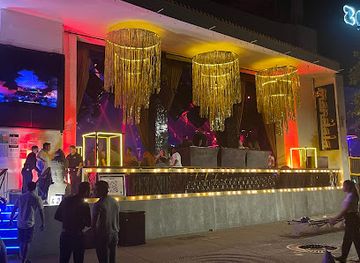
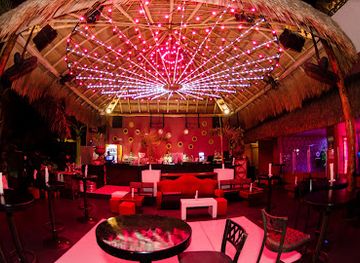
Nightlife in the Lacandon Jungle is quiet and closely tied to the rhythm of remote travel. Jungle lodges and community accommodation may offer evening meals, soft drinks, coffee or a small selection of beer, but substantial bars and nightclubs are not part of the regional experience. After dark, the focus is usually on conversation, the sounds of the forest and exceptionally limited artificial light; visitors should use torches carefully and follow lodge guidance about movement outdoors. Palenque, outside the core jungle settlements, has the area's broadest choice of casual bars, restaurant terraces and occasional live-music venues, while Ocosingo offers a more local urban evening scene. Services in smaller communities may close early, and alcohol should never be taken onto boats or consumed in ways that compromise wildlife, safety or respect for residents.
-
Night club
Mandala Puerto Vallarta
Experience the vibrant nightlife of Puerto Vallarta at Mandala, where electrifying music and an unforgettable atmosphere await.
-
Bar
Mandala Nightclub
Immerse yourself in the electrifying atmosphere of Mandala Nightclub, Cancun's premier destination for nightlife and entertainment.
-
Bar
Mandala Playa del Carmen
Discover the nightlife at Mandala Playa del Carmen, where vibrant music and a lively atmosphere create unforgettable evenings by the beach.
-
Disco club
Baruva Food&Drinks
Experience the vibrant nightlife of San Cristóbal de las Casas at Baruva Food & Drinks, where every night is a celebration of music and culture.


Best shops in Lacandon Jungle
Shopping in the Lacandon Jungle is modest and locally focused. Community tourism centres and settlements around Lacanjá Chansayab may offer handmade textiles, woven items, carved objects, jewellery and other crafts, although selection and availability vary and not every product is made locally. Buying directly through recognised community outlets provides a clearer connection to the people who produce or market the work; visitors should ask about materials, cultural meaning and whether photography is permitted. Palenque and Ocosingo, both useful gateways rather than core jungle settlements, have broader access to food supplies, clothing, practical outdoor equipment, regional coffee, cacao and craft goods. Markets are more useful for provisions and local produce than for extensive souvenir browsing. Avoid purchasing archaeological objects, wildlife products, protected plants or wood whose origin is unclear, and remember that remote villages may accept cash only.
-
Tourist attraction
Zona Arqueológica Palenque
Explore the majestic ruins of Zona Arqueológica Palenque, a UNESCO World Heritage site and a treasure of the ancient Maya civilization.
-
Shopping mall
Las Plazas Outlet Cancun
Discover unbeatable deals and unique finds at Las Plazas Outlet Cancun, your ultimate shopping destination in the heart of Mexico's paradise.
-
Tourist attraction
Cascadas de Agua Azul
Experience the stunning turquoise waters and vibrant ecosystems of Cascadas de Agua Azul, a premier nature preserve in Chiapas, Mexico.
-
Market
Mercado de Dulces y Artesanías Ámbar
Discover the vibrant Mercado de Dulces y Artesanías Ámbar, where artisanal crafts and traditional sweets come together in San Cristóbal de las Casas.


Get your free copy of our complete guide to Lacandon Jungle, delivered straight to you.
Everything on this page, from attractions and restaurants to essentials and local phrases, in one PDF you can read offline, print or share.
Already have an account? Sign in
Your Lacandon Jungle guide is ready.
We'll send it to · Not you? Sign out

Getting your guide ready…
We are putting together a fresh copy of the Lacandon Jungle guide. This can take up to a minute.
This can take a few moments. If your browser asks, choose Allow so the download can start. You'll find the guide in your Downloads folder.
Nothing happened? Download it again
Sorry, the guide is taking longer than usual. Please try again in a minute, or get it by email instead.
Lacandon Jungle essentials
Currency and Payment
Safety
Emergency Situations
Do's and Don'ts
Local Tips
From Eve
Local phrases worth knowing
You don't need to get them perfect. A few words go a long way, and locals appreciate the effort.
Basics
| English | Local | Say it |
|---|---|---|
| Hello | Búul | [boo-ool] |
| Goodbye | K'a'k'ul | [ka-kool] |
| Yes | Ja | [ha] |
| No | Ma | [ma] |
| Please/You're welcome | B'ik' k'i'ik' | [beak-kee-eek] |
| Thank you | Yum b'ik' | [yum beek] |
| Excuse me/Sorry | B'ik' se'k' | [beak sek] |
| How are you? | Búul k'a' k'i'? | [boo-ool ka kee] |
| Fine. And you? | B'ik' a' k'i'? | [beak ah kee] |
| Do you speak English? | K'a' k'i' a' t'aan English? | [ka kee ah tan English] |
| I don't understand | Ma k'a' k'i' t'aan | [ma ka kee tan] |
Eating & Drinking
| English | Local | Say it |
|---|---|---|
| I'd like to see the menu, please | B'ik' k'i' a' ch'í' ch'í' k'i' menu | [beak kee ah chee chee kee menu] |
| I don't eat meat | Ma k'a' k'i' t'aan ch'uj | [ma ka kee tan chooj] |
| Cheers! | K'a'k'ul! | [ka-kool] |
| I would like to pay, please | B'ik' k'i' a' t'aan k'i' ch'í' | [beak kee ah tan kee chee] |
Emergencies
| English | Local | Say it |
|---|---|---|
| Help! | T'aan! | [tan] |
| Go away! | K'a'k'ul! | [ka-kool] |
| Call the Police! | B'ik' k'i' a' k'uch'uch Police! | [beak kee ah k'oo-choo Police] |
| Call a doctor! | B'ik' k'i' a' k'uch'uch doctor! | [beak kee ah k'oo-choo doctor] |
| I'm lost | B'ik' k'i' a' t'aan | [beak kee ah tan] |
| I'm ill | B'ik' k'i' a' k'uch'uch | [beak kee ah k'oo-choo] |
Shopping
| English | Local | Say it |
|---|---|---|
| I'd like to buy... | B'ik' k'i' a' ch'í' k'i' ... | [beak kee ah chee kee ...] |
| I'm just looking | B'ik' k'i' a' ch'í' | [beak kee ah chee] |
| How much is it? | K'a' k'i' b'ej k'i'? | [ka kee behh kee] |
| That's too expensive | B'ik' a' k'i' b'ej k'i' t'aan | [beak ah kee behh kee tan] |
| Can you lower the price? | K'a' k'i' a' b'ej t'aan? | [ka kee ah behh tan] |
Time & Numbers
| English | Local | Say it |
|---|---|---|
| What time is it? | K'a' k'i' b'ej t'aan? | [ka kee behh tan] |
| It's one o'clock | B'ej t'aan b'ej | [beh tan beh] |
| Half past (10) | K'a' k'i' t'aan b'ej t'aan (10) | [ka kee tan beh tan (10)] |
| Morning | K'áak' | [k'aa-k'] |
| Afternoon | B'ey k'i' | [be-ey kee] |
| Evening | K'i'ich' | [kee-each] |
| Yesterday | K'áan | [k'aa-n] |
| Today | K'áa | [k'aa] |
| Tomorrow | K'áan b'ik' | [k'aa-n beak] |
| 1 | B'ej | [beh] |
| 2 | Ka' | [ka] |
| 3 | K'ij | [kee-h] |
| 4 | K'ú | [koo] |
| 5 | T'aan | [tan] |
| 6 | Wó | [wo] |
| 7 | Wó' k'i' | [wo' kee] |
| 8 | Wó' k'ú | [wo' koo] |
| 9 | Wó' k'ij | [wo' kee-h] |
| 10 | Wó' b'ej | [wo' beh] |
Transport & Directions
| English | Local | Say it |
|---|---|---|
| Where's a/the...? | K'a' k'i' a' ...? | [ka kee ah ...?] |
| What's the address? | K'a' k'i' b'ej t'aan? | [ka kee behh tan?] |
| Can you show me (on the map)? | K'a' k'i' a' k'uch'uch (k'i' mapa)? | [ka kee ah k'oo-choo (kee mapa)?] |
| When's the next (bus)? | K'a' k'i' a' k'uch'uch (bus)? | [ka kee ah k'oo-choo (bus)?] |
| A ticket (to ....) | B'ik' k'i' a' k'uch'uch (to ...) | [beak kee ah k'oo-choo (to ...)] |
History of Lacandon Jungle
Early Maya Settlement and Forest Landscapes
The Lacandon Jungle has supported human settlement for many centuries, although the tropical environment has always encouraged dispersed communities rather than a single continuous urban landscape. Maya peoples developed sophisticated knowledge of forest plants, soils, rivers and seasonal weather, combining cultivation with hunting, fishing and gathering. Archaeological evidence across the wider Usumacinta basin shows that the jungle was not an empty wilderness but a managed and culturally meaningful environment. Many ancient sites remain concealed by vegetation, and present-day interpretations increasingly recognise the relationship between Maya settlement and the surrounding ecosystem.
Bonampak and the Late Classic Maya World
Bonampak flourished during the Late Classic period, particularly in the eighth century, within a network of Maya kingdoms linked by diplomacy, rivalry and warfare. Its surviving murals are among the most important painted records of ancient Maya courtly life. Scenes of musicians, nobles, captives and ritual activity provide unusually detailed evidence of political ceremony and conflict. The site was not one of the largest Maya capitals, but its artistic legacy is exceptional. Today, the acropolis, temples and surrounding forest are protected archaeological remains in the jungle of Chiapas.
Yaxchilán and the Usumacinta River
Yaxchilán became a major Maya polity on the banks of the Usumacinta River, reaching particular prominence between the seventh and eighth centuries. Its rulers commissioned hieroglyphic texts, lintels and sculpted monuments that record dynastic succession, warfare and ritual. The river was both a route of communication and a strategic frontier, linking the site to other settlements in the Maya lowlands. After the decline of the Classic Maya political system, the city was gradually reclaimed by the forest. Its remote setting, reached by boat from Frontera Corozal, preserves a strong sense of its original relationship with the river.
Colonial Encounters and Missionary Expansion
Spanish colonial power reached Chiapas unevenly, and the eastern lowlands presented substantial logistical and environmental challenges. Missionaries, officials and settlers sought to establish routes and religious influence, while Maya communities responded through negotiation, relocation and resistance. The dense forest, difficult rivers and limited colonial infrastructure prevented the area from developing in the same way as the highland towns of Chiapas. Colonial encounters nevertheless reshaped political relationships, land use and population patterns, laying foundations for later disputes over autonomy, territory and access to forest resources.
Rubber, Timber and Frontier Development
From the nineteenth century into the twentieth, commercial interest in the Selva Lacandona focused increasingly on valuable forest resources, especially timber and rubber. Extraction and the opening of roads brought outside companies, settlers and state agencies into a region previously connected mainly by rivers and forest paths. These changes disrupted established land-use systems and accelerated deforestation in some areas. They also helped create the transport corridors used by modern visitors. The legacy of this period remains visible in debates about land rights, conservation, settlement and the economic value of the jungle.
Land Rights, Indigenous Communities and Conservation
Twentieth-century land policies recognised and reorganised territories belonging to Indigenous communities, including Lacandon Maya communities, while encouraging new settlements and agricultural expansion elsewhere in the forest. These overlapping claims produced complex social and environmental tensions. The creation of protected areas, including the Montes Azules Biosphere Reserve in 1978, reflected growing concern about the loss of tropical forest but did not remove questions about local livelihoods and authority. Contemporary tourism operates within this context, making community-led services and respect for local territorial rules particularly important.
Archaeological Research and Sustainable Tourism
Systematic archaeological research and the conservation of Bonampak and Yaxchilán brought the Lacandon Jungle to international attention during the twentieth century. Improved roads, river transport and visitor services made remote sites more accessible, while museums and interpretive programmes expanded understanding of Maya history. Tourism remains limited compared with Mexico's major resort destinations, partly because of distance and environmental sensitivity. The current challenge is to support local economies without reducing the forest to scenery or placing excessive pressure on archaeological sites, wildlife and community resources.
Lacandon Jungle in Photos
Browse through our photo collection highlighting the charm and character of the destination.
Neighbouring regions of Lacandon Jungle
The closest regions to Lacandon Jungle, if you have time for more than one.
-

-

-

-

-


Swipe for more regions
Explore more

Explore more of Mexico
Discover Mexico: A land of ancient ruins, vibrant culture, and stunning natural landscapes. Experience diverse cuisine, rich traditions, and warm hospitality.
Explore Mexico