

Mazatlan Travel Guide - Free Web & App
Your ultimate guide to Mazatlan. Discover top landmarks, proposed trips, and local tips. Free on the web or via the Evendo companion app.


Mazatlán, Mexico blends Pacific beaches, historic streets, island excursions, seafood, music and sunset walks along one of the country's longest malecóns.
Pacific Geography and Character
Mazatlán occupies a broad stretch of Mexico’s Pacific coast in the state of Sinaloa, where golden beaches, offshore islands and a lively waterfront meet a historic port city. Its long malecón follows the shoreline past monuments, sculpture, beaches and viewpoints, linking the traditional centre with newer hotel districts and residential areas. The city’s identity is shaped by the sea: fishing boats, seafood kitchens, ocean breezes and the seasonal energy of Carnival all remain central to local life.Read more about Mazatlan
Historic Mazatlán
Beaches, Islands and Viewpoints
When is the best time to visit Mazatlan?
Best: January–March · 26°C| Month | High (°C) | Rainfall (mm) |
|---|---|---|
| January (best) | 26 | 30 |
| February (best) | 26 | 25 |
| March (best) | 26 | 20 |
| April | 28 | 15 |
| May | 32 | 10 |
| June | 35 | 8 |
| July | 36 | 12 |
| August | 36 | 15 |
| September | 35 | 20 |
| October | 34 | 25 |
| November | 31 | 30 |
| December | 27 | 30 |
Getting to and around Mazatlan
How to get there
Transportation
Best attractions in Mazatlan
Mazatlán’s attractions stretch from the restored Centro Histórico to a long Pacific waterfront. Plazuela Machado is the social heart of the old city, surrounded by colourful historic buildings and the Teatro Ángela Peralta, while the nearby cathedral and Olas Altas district reveal the port’s nineteenth-century character. Along the malecón, public sculptures and monuments punctuate beaches including Playa Norte and provide changing views towards the offshore islands. El Faro rises above the southern harbour and is one of the city’s most recognisable viewpoints, subject to access conditions and heat. The Zona Dorada offers a more modern resort atmosphere, with broad beaches, hotels and restaurants. Boat excursions introduce the coastal landscape around the Islas de Mazatlán, including Isla de la Piedra and other nearby islands, where marine scenery and birdlife are central to the experience. The city’s aquarium and marine attractions have also been important visitor features, though facilities and exhibitions should be checked before travelling.
-
Tourist attraction
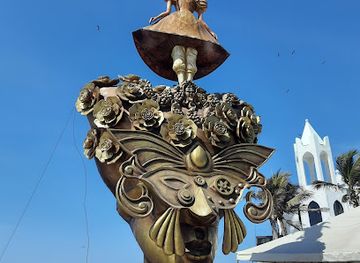
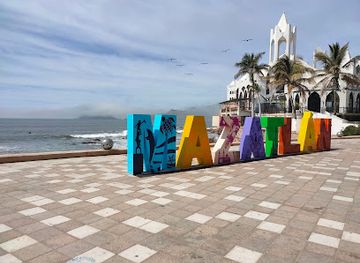
Letras de Mazatlán
Explore the artistic heart of Mazatlán at Letras de Mazatlán, where vibrant murals tell the city's rich history and culture against a stunning seaside backdrop.
-
Tourist attraction
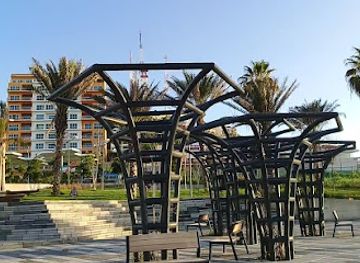
Parque Ciudades Hermanas
Experience the lush landscapes and cultural richness of Parque Ciudades Hermanas, a serene city park in the heart of Mazatlán, Mexico.
-
Tourist attraction
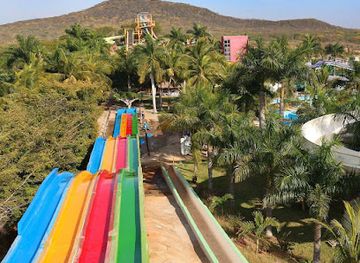
Mazagua Water Park
Experience an unforgettable day of excitement and relaxation at Mazagua Water Park, the premier water park in Mazatlán, Sinaloa.
-
Tourist attraction
Museo El Rincón de Pedro Infante
Discover the rich legacy of Pedro Infante at Museo El Rincón de Pedro Infante, a cultural treasure in Mazatlán's vibrant Centro district.
Best landmarks in Mazatlan
The malecón is Mazatlán’s defining urban landmark, following the Pacific shore past beaches, public artwork and monuments that connect the city’s historic and modern districts. At the southern edge of the harbour, El Faro stands on Cerro del Crestón and marks the port entrance, with elevated coastal views from its approach. The Centro Histórico contains the city’s principal architectural landmarks, including the Teatro Ángela Peralta, the Immaculate Conception Basilica and the elegant streets around Plazuela Machado. Olas Altas preserves the atmosphere of the older seafront, where rocky shoreline and historic buildings meet. Offshore, the Islas de Mazatlán form a natural counterpoint to the built coast, with marine habitats, islands and seabird colonies shaping the wider landscape. Together, harbour, historic centre, beach promenade and island waters explain why Mazatlán is both a working Pacific port and a long-established seaside city.
-
Tourist attraction
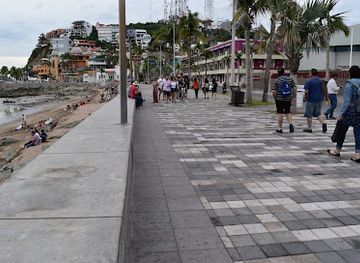
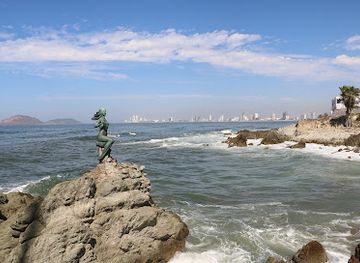
Malecón de Mazatlán
Explore the stunning Malecón de Mazatlán, where vibrant culture meets breathtaking coastal views along the beautiful Pacific Ocean.
-
Plaza
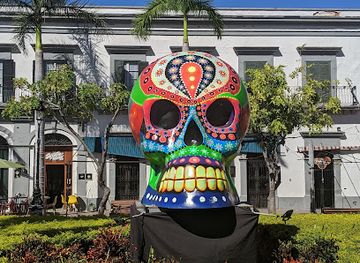
Plazuela Machado
Explore Plazuela Machado, Mazatlán's vibrant cultural plaza filled with art, history, and delicious local cuisine in the heart of Sinaloa.
-
Monument
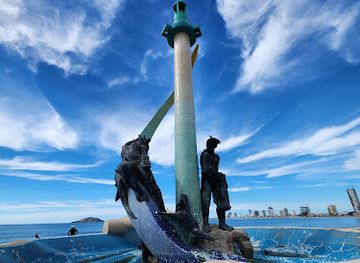
Monumento al Pescador
Explore Mazatlán's Fisherman's Monument, a stunning tribute highlighting the city's vibrant fishing heritage and breathtaking ocean views.
Explore Mazatlan on the map
Plan your trip on one map. See where the top attractions, landmarks, restaurants and hotels are, and book hotels and experiences in a few clicks.
Best hotels in Mazatlan
Best restaurants in Mazatlan
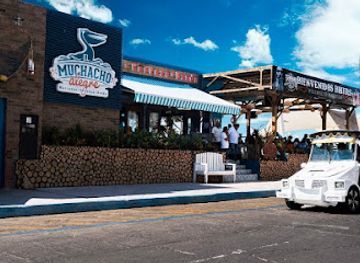
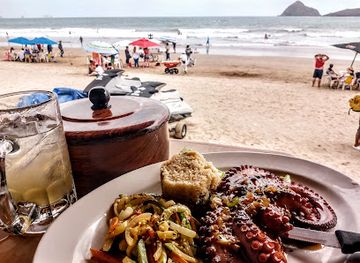
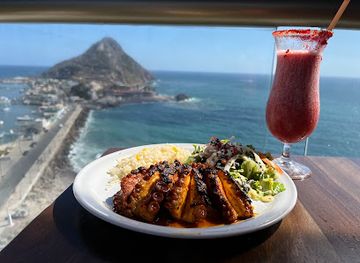
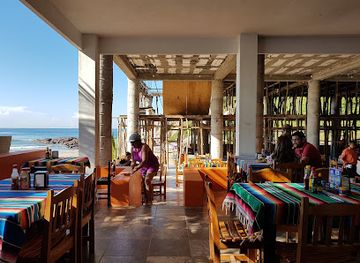
Mazatlán’s food culture is rooted in the Pacific, with shrimp, fish, oysters and other seafood appearing across casual marisquerías, market stalls and established restaurants. Aguachile, ceviche and pescado preparado in regional styles are widely associated with Sinaloan coastal cooking, while grilled seafood and hearty mixed plates suit the city’s port-town character. Around Plazuela Machado and the Centro Histórico, visitors find a broad range of dining in restored buildings and lively squares; the Zona Dorada contains further restaurants aimed at residents and visitors. Isla de la Piedra and other waterfront areas are known for informal seafood meals, though individual businesses and access arrangements vary. Beyond seafood, look for Sinaloan specialities such as chilorio and regional produce, alongside Mexican staples and international food. Local markets and neighbourhood eateries can offer a more everyday perspective than resort dining, while Mazatlán’s culinary identity is often accompanied by Pacific views and banda music.
-
Seafood
El Muchacho Alegre
Discover El Muchacho Alegre in Mazatlán for authentic seafood delights amidst a lively atmosphere perfect for families and food lovers.
-
Mexican
Pancho's Restaurant
Experience authentic Mexican cuisine and fresh seafood at Pancho's Restaurant in Mazatlán’s lively Golden Zone.
-
Seafood
La Marea Mazatlán
Experience exquisite seafood dining with stunning ocean views at La Marea Mazatlán – where flavor meets breathtaking scenery.
-
Mexican
Mr Lionso
Discover authentic Mexican cuisine and fresh seafood at Mr. Lionso in Mazatlán's vibrant Zona Playa Brujas.
Best bars in Mazatlan
Mazatlán’s evening life divides between the atmospheric Centro Histórico, the beachfront districts and the busier entertainment areas of the Zona Dorada. Around Plazuela Machado, restored buildings accommodate restaurants, bars and cafés, creating a social setting that is more architectural and conversational than club-focused. Olas Altas and the malecón provide opportunities for an evening walk, with ocean air and public spaces shaping the city’s nightlife. The Zona Dorada has a denser concentration of bars and late-night venues, while beach-facing establishments may offer music and drinks in a resort setting. Banda, norteño and other Mexican musical traditions are part of the city’s soundscape, though performances and venue schedules change. In quieter residential or coastal areas, evening options may be limited, so visitors should distinguish the historic centre and tourist corridors from the rest of the urban area.
-
Oyster Bar
La Oyster Bar
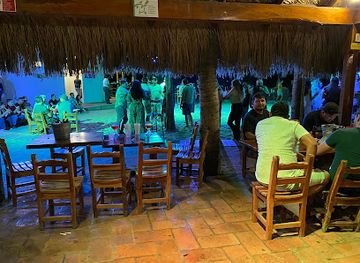
Discover the flavors of the sea at La Oyster Bar in Mazatlán's Golden Zone, where fresh oysters and stunning ocean views await.
-
Grill
Restobar Cheers
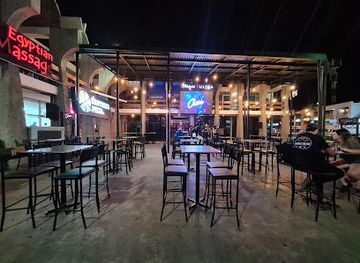
Discover the lively dining and nightlife experience at Restobar Cheers, a premier grill and bar in Mazatlán's Golden Zone.
-
Bar
Joe's Oyster Bar
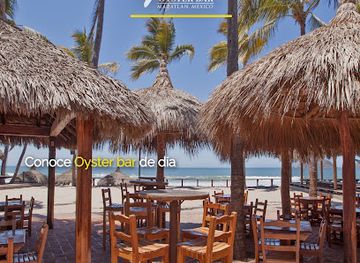
Discover the vibrant flavors and stunning views at Joe's Oyster Bar, your go-to destination for fresh oysters and cocktails in Mazatlán's Golden Zone.
-
Bar
El mal del Puerco Tragos y Garnachas
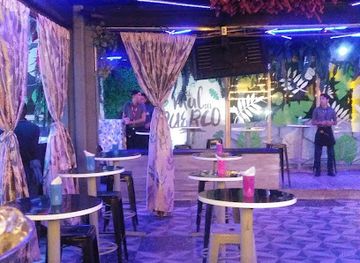
Experience the vibrant nightlife at El Mal del Puerco Tragos y Garnachas in Mazatlán, where delicious garnachas and craft cocktails await.
Best nightclubs in Mazatlan
Mazatlán’s evening life divides between the atmospheric Centro Histórico, the beachfront districts and the busier entertainment areas of the Zona Dorada. Around Plazuela Machado, restored buildings accommodate restaurants, bars and cafés, creating a social setting that is more architectural and conversational than club-focused. Olas Altas and the malecón provide opportunities for an evening walk, with ocean air and public spaces shaping the city’s nightlife. The Zona Dorada has a denser concentration of bars and late-night venues, while beach-facing establishments may offer music and drinks in a resort setting. Banda, norteño and other Mexican musical traditions are part of the city’s soundscape, though performances and venue schedules change. In quieter residential or coastal areas, evening options may be limited, so visitors should distinguish the historic centre and tourist corridors from the rest of the urban area.
-
Night club
bar Tarrandas
Discover the lively nightlife of Mazatlán at Bar Tarrandas, where great drinks and vibrant music create unforgettable evenings.
-
Night club
Privé Mazatlán
Discover the vibrant nightlife at Privé Mazatlán, a premier night club offering electrifying entertainment and an unforgettable atmosphere.
-
Night club
Pepe Club Mazatlan
Dive into the vibrant nightlife of Mazatlán at Pepe Club, where the dance floor awaits and unforgettable memories are made.
-
Disco club
Scandalo Night Club
Dive into the electrifying nightlife of Mazatlán at Scandalo Night Club, where live music and dance fuse for an unforgettable evening.




Best shops in Mazatlan
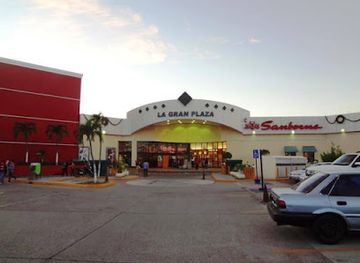
Shopping in Mazatlán is concentrated in the Centro Histórico, the Zona Dorada, markets and neighbourhood commercial areas rather than in one single retail district. Around the old centre, visitors can look for Mexican handicrafts, art, clothing and decorative goods in independent shops and galleries, while local markets provide everyday produce and regional flavours. The city is also a practical place to buy seafood products, Sinaloan foods and souvenirs associated with the coast, although transport and customs considerations matter when carrying food internationally. The Zona Dorada and larger commercial centres offer a wider selection of familiar brands, beachwear and visitor essentials. Small craft businesses and market sellers vary considerably, so quality and provenance are worth checking. Visitors should carry pesos for informal purchases and remember that market etiquette is generally more relaxed when prices are confirmed before buying.
-
Shopping mall
Gran Plaza Mazatlán
Discover the vibrant shopping experience at Gran Plaza Mazatlán, where fashion, food, and family fun come together in a lively atmosphere.
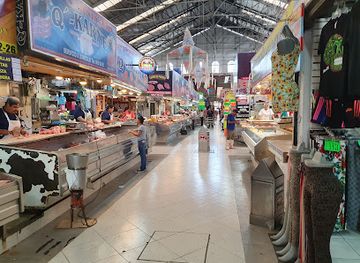
-
Market
Pino Suarez Mazatlan Market
Discover the vibrant culture and flavors of Mazatlán at Pino Suarez Market, a must-visit destination for every traveler.
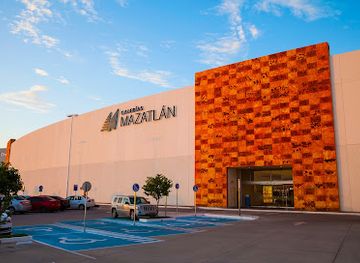
-
Shopping mall
Galerías Mazatlán
Discover a shopping paradise at Galerías Mazatlán, featuring top brands, diverse dining options, and thrilling entertainment for all ages.
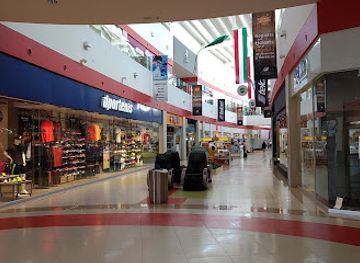
-
Electronics store
Mac Store Galerias Mazatlan
Explore cutting-edge technology at Mac Store Galerías Mazatlán, where innovation meets the vibrant culture of Marina Mazatlán.
Get your free copy of our complete guide to Mazatlan, delivered straight to you.
Everything on this page, from attractions and restaurants to essentials and local phrases, in one PDF you can read offline, print or share.
Already have an account? Sign in
Your Mazatlan guide is ready.
We'll send it to · Not you? Sign out

Getting your guide ready…
We are putting together a fresh copy of the Mazatlan guide. This can take up to a minute.
This can take a few moments. If your browser asks, choose Allow so the download can start. You'll find the guide in your Downloads folder.
Nothing happened? Download it again
Sorry, the guide is taking longer than usual. Please try again in a minute, or get it by email instead.
Mazatlan essentials
Currency and Payment
Safety
Emergency Situations
Do's and Don'ts
Local Tips
From Eve
Local phrases worth knowing
You don't need to get them perfect. A few words go a long way, and locals appreciate the effort.
Basics
| English | Local | Say it |
|---|---|---|
| Hello | Hola | [oh-lah] |
| Goodbye | Adiós | [ah-dee-ohs] |
| Yes | Sí | [see] |
| No | No | [no] |
| Please/You're welcome | Por favor/De nada | [por fah-vor/deh nah-dah] |
| Thank you | Gracias | [grah-see-ahs] |
| Excuse me/Sorry | Perdón/Lo siento | [pehr-dohn/loh see-ehn-toh] |
| How are you? | ¿Cómo estás? | [koh-moh ehs-tahs] |
| Fine. And you? | Bien. ¿Y tú? | [bee-ehn. ee too] |
| Do you speak English? | ¿Hablas inglés? | [ah-blahs een-glehs] |
| I don't understand | No entiendo | [noh ehn-tee-ehn-doh] |
Eating & Drinking
| English | Local | Say it |
|---|---|---|
| I'd like to see the menu, please | Me gustaría ver el menú, por favor | [meh goo-stah-ree-ah sehr ehl meh-noo, por fah-vor] |
| I don't eat meat | No como carne | [noh koh-moh kahr-neh] |
| Cheers! | ¡Salud! | [sah-lood] |
| I would like to pay, please | Me gustaría pagar, por favor | [meh goo-stah-ree-ah pah-gahr, por fah-vor] |
Emergencies
| English | Local | Say it |
|---|---|---|
| Help! | ¡Ayuda! | [ah-yoo-dah] |
| Go away! | ¡Vete! | [veh-teh] |
| Call the Police! | ¡Llama a la policía! | [yah-mah ah lah poh-lee-see-ah] |
| Call a doctor! | ¡Llama a un doctor! | [yah-mah ah oon dohk-tohr] |
| I'm lost | Estoy perdido | [ehs-toy pehr-dee-doh] |
| I'm ill | Estoy enfermo | [ehs-toy ehn-fehr-moh] |
Shopping
| English | Local | Say it |
|---|---|---|
| I'd like to buy... | Me gustaría comprar... | [meh goo-stah-ree-ah kohm-prahr] |
| I'm just looking | Sólo estoy mirando | [soh-loh ehs-toy meer-ahn-doh] |
| How much is it? | ¿Cuánto cuesta? | [kwan-toh kwehs-tah] |
| That's too expensive | Eso es muy caro | [eh-soh ehs mwee kah-roh] |
| Can you lower the price? | ¿Puedes bajar el precio? | [pweh-dehs bah-har ehl pree-eh-soh] |
Time & Numbers
| English | Local | Say it |
|---|---|---|
| What time is it? | ¿Qué hora es? | [keh oh-rah ehs] |
| It's one o'clock | Es la una | [ehs lah oo-nah] |
| Half past (10) | Son las diez y media | [sohn lahs dee-ehs ee meh-dee-ah] |
| Morning | Mañana | [mah-nyah-nah] |
| Afternoon | Tarde | [tahr-deh] |
| Evening | Noche | [noh-cheh] |
| Yesterday | Ayer | [ah-yehr] |
| Today | Hoy | [oy] |
| Tomorrow | Mañana | [mah-nyah-nah] |
| 1 | Uno | [oo-noh] |
| 2 | Dos | [dohs] |
| 3 | Tres | [trehs] |
| 4 | Cuatro | [kwah-troh] |
| 5 | Cinco | [seen-koh] |
| 6 | Seis | [sehs] |
| 7 | Siete | [syeh-teh] |
| 8 | Ocho | [oh-choh] |
| 9 | Nueve | [nweh-veh] |
| 10 | Diez | [dyehs] |
Transport & Directions
| English | Local | Say it |
|---|---|---|
| Where's a/the...? | ¿Dónde está...? | [dohn-deh ehs-tah] |
| What's the address? | ¿Cuál es la dirección? | [kwahl ehs lah dee-rehk-syohn] |
| Can you show me (on the map)? | ¿Puedes mostrarme (en el mapa)? | [pweh-dehs mohs-trar-meh (ehn ehl mah-pah)] |
| When's the next (bus)? | ¿Cuándo es el próximo (autobús)? | [kwan-doh ehs ehl proh-ssee-moh (ow-toh-boos)] |
| A ticket (to ....) | Un boleto (a ...) | [oon boh-leh-toh (ah)] |
History of Mazatlan
Coastal Origins and Indigenous Sinaloa
The coast around present-day Mazatlán was inhabited by Indigenous peoples long before the modern city emerged. Its sheltered waters, estuaries and access to the Pacific supported fishing, gathering and regional exchange, while the surrounding landscape connected coastal communities with the interior of Sinaloa. The name Mazatlán is generally associated with Nahuatl terms referring to deer, although interpretations of place names can vary. The area’s maritime geography, rather than a single monumental archaeological centre, is the foundation of its early historical importance.
Spanish Settlement and the Port
Spanish colonial influence reached the region during the sixteenth century, but Mazatlán developed gradually rather than immediately becoming a major colonial capital. Its protected harbour and coastal position later encouraged settlement and maritime activity. During the nineteenth century, the port expanded as a centre for trade, shipping and links with mining districts and agricultural areas in north-western Mexico. Foreign merchants and regional commercial interests contributed to the prosperous urban character visible in many buildings of the historic centre.
The Historic City Takes Shape
Mazatlán’s downtown architectural character was formed especially during the nineteenth and early twentieth centuries, when commercial wealth supported civic buildings, theatres, churches and substantial residences. The Teatro Ángela Peralta, named after the celebrated Mexican soprano, became an important cultural institution. The surrounding plazas and streets reflect the port’s cosmopolitan connections and the influence of commerce, entertainment and migration. The Centro Histórico remains the clearest expression of this period of urban growth.
Revolution, Industry and Tourism
Mazatlán was affected by the upheavals of the Mexican Revolution and by changing patterns of coastal commerce, but its port and fishing economy continued to shape local life. In the twentieth century, improved transport and the development of beach hotels transformed the city into a major Pacific resort. Tourism grew alongside established industries including fishing and food processing, creating the contrast between the historic centre, working waterfront and modern beachfront districts that defines Mazatlán today.
Heritage Renewal and Coastal Stewardship
Late twentieth- and early twenty-first-century restoration projects helped renew the Centro Histórico and return buildings such as the Ángela Peralta Theatre to active cultural use. Mazatlán’s urban coastline has also been shaped by public promenades, beach management and continuing pressure from development. Conservation concerns extend beyond the city to islands, mangroves, estuaries and marine habitats in the Gulf of California region. Contemporary Mazatlán therefore combines heritage preservation with the practical challenges of managing a busy Pacific destination.
Mazatlan in Photos
Browse through our photo collection highlighting the charm and character of the destination.
Neighbouring destination travel guides
The closest destinations to Mazatlan, if you have time for more than one.
-

-

-

-

-


Swipe for more destinations
Explore more

Explore more of Sierra Madre Occidental
Discover the Sierra Madre Occidental: Mexico's hidden gem with breathtaking landscapes, rich cultural heritage, and thrilling outdoor adventures.
Explore Sierra Madre Occidental
Explore more of Mexico
Discover Mexico: A land of ancient ruins, vibrant culture, and stunning natural landscapes. Experience diverse cuisine, rich traditions, and warm hospitality.
Explore Mexico