

San Miguel de Allende, Mexico Travel Guide
San Miguel de Allende: Discover a picturesque colonial city in central Mexico, renowned for its art, culture, historic charm, and vibrant culinary scene.
San Miguel de Allende is a city that feels like stepping back in time. Nestled in the highlands of central Mexico, its cobblestone streets, colorful facades, and well-preserved colonial architecture make it a visual delight. The city's historic center, a UNESCO World Heritage site, is brimming with charm and history, offering visitors a chance to explore centuries-old churches, vibrant plazas, and bustling markets. Art and culture thrive in San Miguel de Allende. The city is home to numerous galleries, workshops, and cultural institutions. The Instituto Allende and the Bellas Artes are must-visit spots for art lovers, featuring exhibitions and classes. Throughout the year, the city hosts various festivals and events, like the San Miguel International Jazz Festival and the Day of the Dead celebrations, ensuring there's always something exciting happening. Food enthusiasts will revel in San Miguel de Allende's culinary scene. From traditional Mexican fare in quaint eateries to gourmet dishes in upscale restaurants, the city caters to all tastes. Don't miss out on trying local specialties such as enchiladas mineras and the rich flavors of Mexican chocolate. A visit to the Mercado Ignacio Ramírez offers a chance to savor fresh produce and street food, providing a true taste of local life.

Know before you go
Hi, I'm Eve. Here are a few practical things to know before exploring San Miguel de Allende.
- Wear comfortable shoes. The cobblestone streets can be uneven and challenging for walking.
- Visit the Parroquia de San Miguel Arcángel at sunset for stunning views and photo opportunities.
- Check out the local markets early in the morning for the freshest produce and handmade crafts.
- Take a guided walking tour to learn about the city's rich history and hidden gems.
- Plan your visit around one of the city's many festivals to experience local culture in full swing.

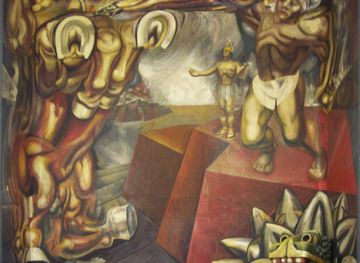
Explore San Miguel de Allende: Things to Do, Places to Eat, Hotels & More
Handpicked recommendations for top attractions, local dining, accommodations, and more

Best attractions in San Miguel de Allende
Top-rated picks
Best Attractions

Parroquia de San Miguel Arcángel
Explore the enchanting Parroquia de San Miguel Arcángel, a stunning architectural marvel and historical landmark in the heart of San Miguel de Allende.
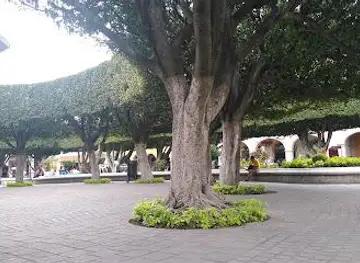
Principal de CELAYA, GTO. Garden
Explore the lush landscapes and cultural vibrancy of Principal de Celaya Park, the heart of nature and community in Celaya, Guanajuato.

Jardín Allende
Discover the beauty and tranquility of Jardín Allende, a charming city park in the heart of San Miguel de Allende, where nature and culture come together.

El Mirador
Discover stunning panoramic views at El Mirador in San Miguel de Allende, a scenic spot that showcases the beauty of this enchanting Mexican city.

Best landmarks in San Miguel de Allende
Top-rated picks
Best Landmarks

Parroquia de San Miguel Arcángel
Explore the breathtaking Parroquia de San Miguel Arcángel, a historical landmark and stunning Catholic church in the heart of San Miguel de Allende.

Jardín Allende
Explore Jardín Allende, a serene garden in San Miguel de Allende, where vibrant flora and rich culture blend beautifully for an unforgettable experience.

El Mirador
Experience breathtaking views and the serene beauty of San Miguel de Allende at El Mirador, a must-visit scenic spot for every traveler.

Parque Benito Juárez
Experience the lush landscapes and cultural vibrancy of Parque Benito Juárez, a serene oasis in the heart of San Miguel de Allende, perfect for relaxation and exploration.

Best restaurants in San Miguel de Allende
Top-rated picks
Best Restaurants

Los Milagros
Experience authentic Mexican flavors at Los Milagros in San Miguel de Allende – where every dish tells a story.

Hecho en México
Discover authentic Mexican flavors at Hecho en México in San Miguel de Allende - where tradition meets taste.

Quince
Discover Quince Rooftop: A Unique Eclectic Dining Experience with Stunning Views in San Miguel de Allende.

Hank's San Miguel de Allende
Discover Hank's in San Miguel de Allende - where traditional Mexican flavors meet modern culinary excellence in a vibrant setting.

Best bars in San Miguel de Allende
Top-rated picks
Best Bars

Quince
Experience the vibrant flavors and stunning views at Quince, a premier bar and eclectic restaurant in San Miguel de Allende.

Luna Tapas Bar
Discover the exquisite rooftop dining experience at Luna Tapas Bar, where gourmet tapas and stunning views of San Miguel de Allende await.
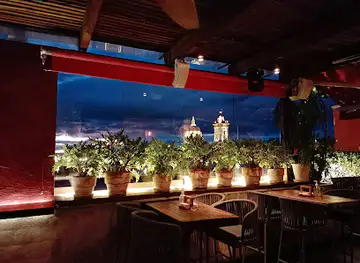
La Azotea
Discover La Azotea, a vibrant grill and tapas bar in San Miguel de Allende, where local flavors, live music, and stunning views await every visitor.

La Coronela Bar
Experience the vibrant nightlife of San Miguel de Allende at La Coronela Bar, where delicious cocktails and lively atmosphere await.

Best nightclubs in San Miguel de Allende
Top-rated picks
Best Nightclubs

Bar La Ingrata
Experience the vibrant nightlife of San Miguel de Allende at Bar La Ingrata, a lively bar with great drinks and music.

El Grito
Discover the vibrant nightlife of San Miguel de Allende at El Grito, a top disco club featuring diverse music and a lively atmosphere.

DUKE
Experience the vibrant nightlife of San Miguel de Allende at Duke, the ultimate night club for dance and cocktails.

Ring Night club
Experience the vibrant nightlife of San Miguel de Allende at Ring Night Club, a top destination for dancing and live music.

Best shops in San Miguel de Allende
Top-rated picks
Best Shops

Fabrica la Aurora
Explore Fabrica la Aurora, a vibrant art center in San Miguel de Allende, featuring galleries, antique shops, and artisan cafes for an unforgettable experience.

Liverpool
Discover the ultimate shopping experience at Liverpool, San Miguel de Allende, featuring clothing, electronics, furniture, and more in an inviting atmosphere.

¡Ay Güey! San Miguel de Allende
Explore the vibrant fashion scene at ¡Ay Güey! San Miguel de Allende, where culture meets style in a unique clothing store experience.

Tienda Madre Tierra Correo
Discover unique artisan gifts and local treasures at Tienda Madre Tierra Correo in San Miguel de Allende's vibrant Zona Centro.

Explore San Miguel de Allende on the Map
A handpicked selection of must-see spots in San Miguel de Allende, mapped for you.
San Miguel de Allende Essentials
-
San Miguel de Allende is located in the central highlands of Mexico. The nearest international airports are Del Bajío International Airport (BJX) in León, approximately 90 minutes away, and Querétaro Intercontinental Airport (QRO), about 70 minutes away. From these airports, you can take a taxi, shuttle service, or rent a car to reach San Miguel de Allende. Alternatively, you can travel by bus from major cities like Mexico City, Guadalajara, or Querétaro to the San Miguel de Allende bus station.
-
San Miguel de Allende is a compact city, and many attractions are within walking distance. For longer distances, taxis and rideshare services like Uber are readily available. Public buses are an affordable option and connect various parts of the city. Renting a car is another option, but be mindful of narrow streets and limited parking spaces in the historic center.
-
The official currency in Mexico is the Mexican Peso (MXN). Credit and debit cards are widely accepted in hotels, restaurants, and larger stores, but it is advisable to carry cash for smaller establishments and markets. ATMs are readily available throughout the city. Currency exchange services are available at banks and exchange bureaus.
-
San Miguel de Allende is generally considered safe for tourists. However, standard precautions should be taken, such as avoiding poorly lit areas at night and keeping an eye on your belongings in crowded places. The neighborhoods of Colonia Guadalupe and La Aurora are safe and popular among tourists. It is advisable to avoid the outskirts of the city at night.
-
In case of emergency, dial 911 for immediate assistance. The local police station and medical facilities, including hospitals and clinics, are available in San Miguel de Allende. It is recommended to have travel insurance that covers medical emergencies. Pharmacies are widespread, and many medications are available over the counter.
-
Fashion: Do dress comfortably and consider the weather, but avoid overly revealing clothing, especially when visiting religious sites. Religion: Do respect local customs and traditions. When visiting churches, dress modestly and remain quiet. Public Transport: Do be respectful and offer your seat to the elderly or those in need. Don't eat or drink on public transport. Greetings: Do greet people with a handshake or a simple 'Buenos días' (Good morning). Eating & Drinking: Do try local cuisine and accept food and drink offerings graciously. Don't refuse hospitality, as it is considered impolite.
-
To experience San Miguel de Allende like a local, visit the Tuesday Market (Tianguis) for fresh produce and unique finds. Engage with locals at the Jardín Principal, the central town square, where you can enjoy live music and street performances. Don't miss the annual festivals such as Día de los Muertos and the San Miguel de Allende Jazz Festival. For a unique experience, take a hot air balloon ride over the city for breathtaking views.
When is the best time to visit San Miguel de Allende?
Useful Local Phrases for San Miguel de Allende
You don't need to speak the language perfectly. Even learning a few simple words can make conversations warmer—and locals usually appreciate the effort.
— Eve

Here are the phrases I use most often in San Miguel de Allende. Try a few—you'll be surprised how far they go! 😊
❤️
-
- HelloHola
[oh-lah] - GoodbyeAdiós
[ah-dee-ohs] - YesSí
[see] - NoNo
[noh] - Please/You're welcomePor favor/De nada
[por fah-vor/deh nah-dah] - Thank youGracias
[grah-see-ahs] - Excuse me/SorryPerdón/Lo siento
[pair-dohn/loh see-ehn-toh] - How are you?¿Cómo estás?
[koh-moh ehs-tahs] - Fine. And you?Bien. ¿Y tú?
[byen. ee too] - Do you speak English?¿Hablas inglés?
[ah-blahs een-glehs] - I don't understandNo entiendo
[noh ehn-tee-ehn-doh]
- HelloHola
-
- I'd like to see the menu, pleaseMe gustaría ver el menú, por favor
[meh goo-stah-ree-ah vehr ehl meh-noo, por fah-vor] - I don't eat meatNo como carne
[noh koh-moh kahr-neh] - Cheers!¡Salud!
[sah-lood] - I would like to pay, pleaseMe gustaría pagar, por favor
[meh goo-stah-ree-ah pah-gahr, por fah-vor]
- I'd like to see the menu, pleaseMe gustaría ver el menú, por favor
-
- Help!¡Ayuda!
[ah-yoo-dah] - Go away!Vete!
[veh-teh] - Call the Police!¡Llame a la Policía!
[yah-meh ah lah poh-lee-see-ah] - Call a doctor!¡Llame a un doctor!
[yah-meh ah oon dohk-tohr] - I'm lostEstoy perdido
[eh-stoy pair-dee-doh] - I'm illEstoy enfermo
[eh-stoy ehn-fehr-moh]
- Help!¡Ayuda!
-
- I'd like to buy...Me gustaría comprar...
[meh goo-stah-ree-ah kohm-prahr] - I'm just lookingSólo estoy mirando
[soh-loh ehs-toy mee-rahn-doh] - How much is it?¿Cuánto cuesta?
[kwan-toh kwehs-tah] - That's too expensiveEso es demasiado caro
[eh-soh ehs deh-mah-see-ah-doh kah-roh] - Can you lower the price?¿Puede bajar el precio?
[pweh-deh bah-har ehl pree-syoh]
- I'd like to buy...Me gustaría comprar...
-
- What time is it?¿Qué hora es?
[keh oh-rah ehs] - It's one o'clockEs la una
[ehs lah oo-nah] - Half past (10)Son las diez y media
[sohn lahs dyehs ee meh-dee-ah] - MorningMañana
[mah-nyah-nah] - AfternoonTarde
[tahr-deh] - EveningNoche
[noh-cheh] - YesterdayAyer
[ah-yehr] - TodayHoy
[oy] - TomorrowMañana
[mah-nyah-nah] - 1Uno
[oo-noh] - 2Dos
[dohs] - 3Tres
[trehs] - 4Cuatro
[kwah-troh] - 5Cinco
[seen-koh] - 6Seis
[says] - 7Siete
[syeh-teh] - 8Ocho
[oh-choh] - 9Nueve
[nweh-veh] - 10Diez
[dyehs]
- What time is it?¿Qué hora es?
-
- Where's a/the...?¿Dónde está...?
[dohn-deh ehs-tah] - What's the address?¿Cuál es la dirección?
[kwahl ehs lah dee-rehk-syohn] - Can you show me (on the map)?¿Puedes mostrarme (en el mapa)?
[pweh-dehs mohs-trar-meh (ehn ehl mah-pah)] - When's the next (bus)?¿Cuándo es el próximo (autobús)?
[kwan-doh ehs ehl proh-ksee-moh (ow-toh-boos)] - A ticket (to ....)Un boleto (a ...)
[oon boh-leh-toh (ah ...)]
- Where's a/the...?¿Dónde está...?
History of San Miguel de Allende
-
San Miguel de Allende was founded in 1542 by a Franciscan monk named Fray Juan de San Miguel. Initially, it was established as a mission to convert the indigenous Chichimeca people to Christianity. The town quickly grew due to its strategic location on the silver trade route between Zacatecas and Mexico City.
-
San Miguel de Allende played a crucial role in Mexico's War of Independence. On September 16, 1810, Miguel Hidalgo y Costilla launched the call for independence, known as the 'Grito de Dolores,' in the nearby town of Dolores Hidalgo. Ignacio Allende, a native of San Miguel, was a key leader in the movement. The town was later renamed San Miguel de Allende in his honor.
-
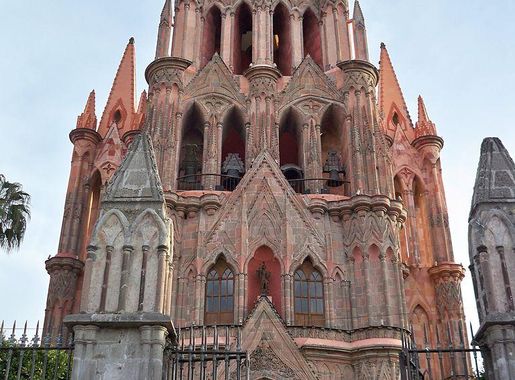
San Miguel de Allende is renowned for its well-preserved colonial and Spanish architecture. The Parroquia de San Miguel Arcángel, with its neo-Gothic façade designed by indigenous mason Zeferino Gutiérrez, stands as the town's iconic landmark. The city also features numerous other historic buildings, including the Casa de Allende and the Sanctuary of Atotonilco, a UNESCO World Heritage Site.
-
In the mid-20th century, San Miguel de Allende experienced a cultural renaissance. The establishment of the Instituto Allende in 1950 attracted artists and intellectuals from around the world. The town became a hub for art and culture, hosting numerous galleries, workshops, and festivals that continue to draw visitors today.
-
In recent decades, San Miguel de Allende has transformed into a cosmopolitan destination, blending its rich history with modern amenities. The city has become a popular place for expatriates and tourists, known for its vibrant arts scene, culinary excellence, and annual events such as the San Miguel Writers' Conference and the Festival Internacional de Jazz y Blues.
Travel experiences inspired by this city


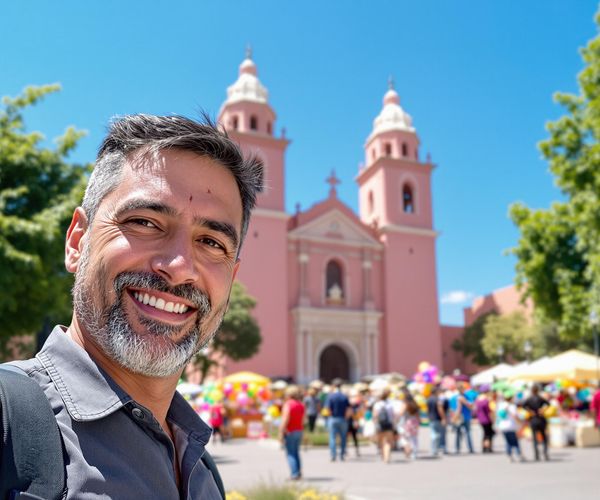

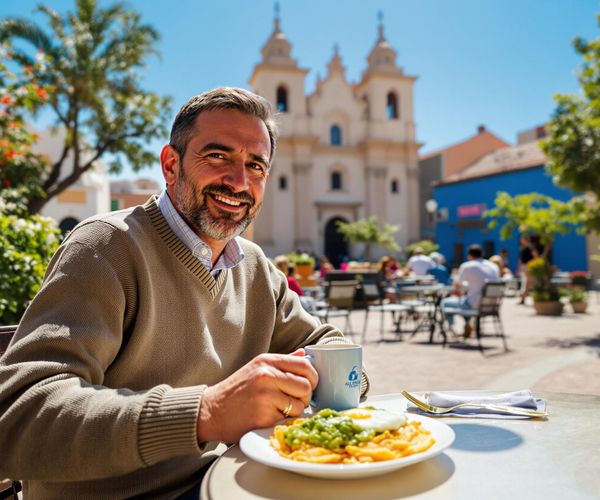

Cities near San Miguel de Allende
The closest cities to San Miguel de Allende, if you have time for more than one stop.


Your all‑in‑one travel companion app
Explore expert travel guides, compare and book tours, experiences, hotels, and more—all from the palm of your hand. Download now for seamless trip planning wherever your wanderlust takes you.


San Miguel de Allende in Photos
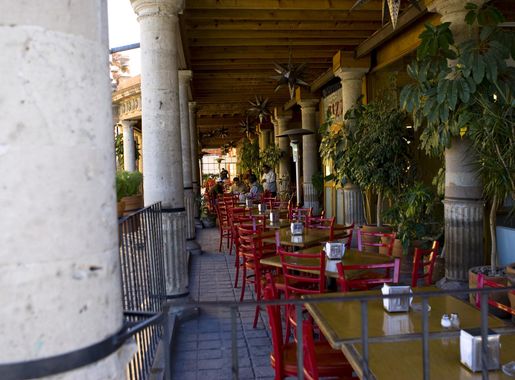
Browse through our photo collection highlighting the charm and character of the destination.





San Miguel de Allende: A Colonial Gem in Mexico's Heart
San Miguel de Allende is a city that feels like stepping back in time. Nestled in the highlands of central Mexico, its cobblestone streets, colorful facades, and well-preserved colonial architecture make it a visual delight. The city's historic center, a UNESCO World Heritage site, is brimming with charm and history, offering visitors a chance to explore centuries-old churches, vibrant plazas, and bustling markets. Art and culture thrive in San Miguel de Allende. The city is home to numerous galleries, workshops, and cultural institutions. The Instituto Allende and the Bellas Artes are must-visit spots for art lovers, featuring exhibitions and classes. Throughout the year, the city hosts various festivals and events, like the San Miguel International Jazz Festival and the Day of the Dead celebrations, ensuring there's always something exciting happening. Food enthusiasts will revel in San Miguel de Allende's culinary scene. From traditional Mexican fare in quaint eateries to gourmet dishes in upscale restaurants, the city caters to all tastes. Don't miss out on trying local specialties such as enchiladas mineras and the rich flavors of Mexican chocolate. A visit to the Mercado Ignacio Ramírez offers a chance to savor fresh produce and street food, providing a true taste of local life.
Explore More of Bajio

Looking beyond San Miguel de Allende? Discover Bajio for broader travel guides, local hot-spots, and regional highlights.
Explore BajioExplore More of Mexico

Looking beyond San Miguel de Allende? Discover Mexico for broader travel guides, local hot-spots, and regional highlights.
Explore Mexico