

Free Guadalajara Travel Guide & Mobile App
Plan your Guadalajara trip with Evendo. Get free guides to top attractions, restaurants, hotels, and bars. Web access or download the mobile app.


Discover Guadalajara, a city where tradition meets innovation, from its historic landmarks and vibrant markets to its modern tech scene and lively nightlife.
Read more about Guadalajara
When is the best time to visit Guadalajara?
Best: February, November–December · 26–28°C| Month | High (°C) | Rainfall (mm) |
|---|---|---|
| January | 28 | 13 |
| February (best) | 28 | 10 |
| March | 30 | 7 |
| April | 34 | 4 |
| May | 35 | 2 |
| June | 33 | 1 |
| July | 33 | 2 |
| August | 32 | 2 |
| September | 31 | 3 |
| October | 29 | 6 |
| November (best) | 27 | 8 |
| December (best) | 26 | 11 |
Getting to and around Guadalajara
How to get there
Transportation
Best attractions in Guadalajara
Guadalajara offers a vibrant mix of history, culture, and entertainment for visitors to explore. From the historic architecture of the Cathedral and Hospicio Cabañas to the colorful streets of Tlaquepaque and the bustling markets of Mercado Libertad, there is something for everyone. Don't miss the chance to sample traditional dishes like birria and tortas ahogadas, or experience the excitement of a lucha libre wrestling match. With its lively Mariachi music scene and numerous festivals throughout the year, Guadalajara is a city that will captivate and inspire all who visit.
-
Market
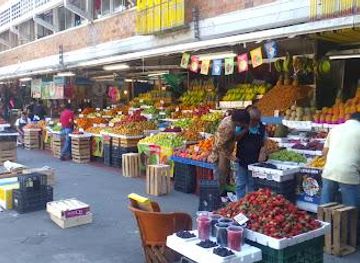
Mercado Libertad - San Juan de Dios
Discover the vibrant Mercado Libertad in Guadalajara, a cultural gem where you can experience local cuisine, crafts, and the spirit of Jalisco.
9 min walk · 0.8 km from city centre
-
Tourist attraction
Zoologico Guadalajara
Explore the enchanting Zoológico Guadalajara, a blend of wildlife, botanical beauty, and ecological education in the heart of Jalisco.
21 min drive · 7.0 km from city centre
-
Tourist attraction
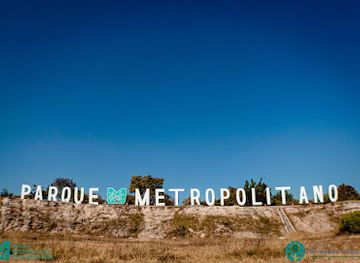
Guadalajara Metropolitan Park
Explore the lush landscapes and vibrant wildlife of Guadalajara Metropolitan Park, a perfect urban oasis for relaxation and recreation in Zapopan.
29 min drive · 9.7 km from city centre
-
Tourist attraction
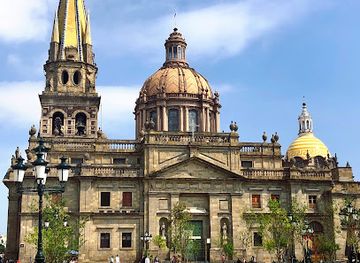
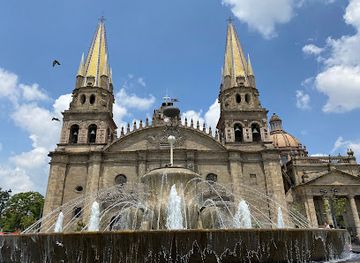
Guadalajara Cathedral
Discover the stunning Guadalajara Cathedral, a masterpiece of Gothic and Neoclassical architecture, in the heart of Guadalajara's vibrant cultural scene.
1 min walk · 0.1 km from city centre

Best landmarks in Guadalajara
Guadalajara, Mexico, offers visitors a rich tapestry of historical landmarks, vibrant culture, and delicious cuisine. From the iconic Cathedral of Guadalajara to the majestic Hospicio Cabañas, visitors can immerse themselves in the city's colonial past and marvel at its architectural wonders. The bustling Mercado Libertad provides a sensory overload of sights, sounds, and smells, while the tranquil Jardín de San Marcos offers a peaceful retreat from the city's hustle and bustle. Don't forget to sample the famous birria and tequila while exploring the city's charming streets and plazas.
-
Zoo
Zoologico Guadalajara
Explore the enchanting Zoologico Guadalajara, a perfect destination for wildlife enthusiasts and families looking to connect with nature and learn about conservation.
21 min drive · 7.0 km from city centre
-
Catholic cathedral
Guadalajara Cathedral
Explore the architectural beauty and cultural significance of Guadalajara Cathedral, a spiritual landmark and must-visit tourist attraction in the heart of Jalisco.
1 min walk · 0.1 km from city centre
-
City park
FOREST THE COLOMOS
Experience nature in the heart of Guadalajara at Forest the Colomos - a beautiful urban park perfect for relaxation and recreation.
18 min drive · 6.0 km from city centre
-
Cultural center
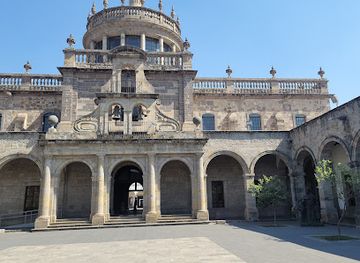
Hospicio Cabañas
Explore the rich artistic heritage of Guadalajara at Hospicio Cabañas, a UNESCO World Heritage site featuring stunning murals and fascinating exhibitions.
11 min walk · 0.9 km from city centre
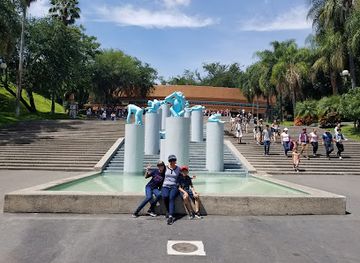
Explore Guadalajara on the map
Plan your Guadalajara trip on one map. See where the top attractions, landmarks, restaurants, bars and hotels are, find what's near where you're staying, and book hotels and experiences in a few clicks.
Neighbourhoods in Guadalajara
-

-

-

-

-


Swipe for more neighbourhoods
Best hotels in Guadalajara
Best restaurants in Guadalajara
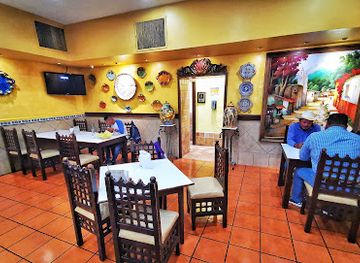
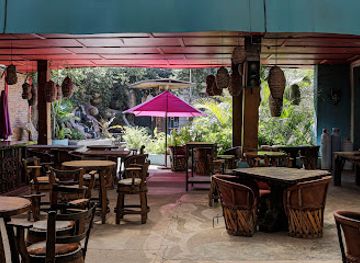
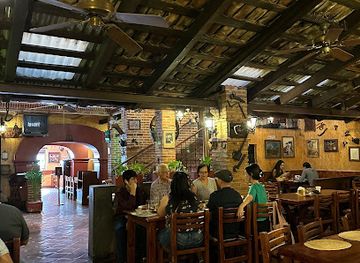
Guadalajara offers a vibrant dining scene that showcases the rich culinary traditions of Mexico. From street food vendors serving up delicious tacos and tamales to upscale restaurants offering gourmet Mexican cuisine, visitors can expect a wide range of dining options to satisfy their taste buds. Don't miss the chance to try traditional dishes like birria, pozole, and tortas ahogadas, or indulge in innovative fusion creations that blend local flavors with international influences. With lively cantinas, trendy cafes, and bustling markets scattered throughout the city, Guadalajara is a paradise for food lovers looking to explore the diverse and flavorful world of Mexican cuisine.
-
Mexican
Karne Garibaldi Santa Tere
Experience the best carne en su jugo at Karne Garibaldi Santa Tere – a must-visit destination for authentic Mexican cuisine in Guadalajara.
6 min drive · 2.1 km from city centre
-
Mexican
La Chata de Guadalajara
Experience authentic Mexican cuisine at La Chata de Guadalajara - a culinary gem in the heart of Jalisco known for its delicious breakfasts and vibrant atmosphere.
4 min walk · 0.3 km from city centre
-
Mexican
Santo Coyote
Experience authentic Mexican cuisine in Guadalajara at Santo Coyote - where tradition meets modern flair in every dish.
10 min drive · 3.3 km from city centre
-
Mexican
Kamilos 333
Discover Kamilos 333 in Guadalajara - where authentic Mexican flavors meet vibrant atmosphere for an unforgettable dining experience.
6 min drive · 2.1 km from city centre
Best bars in Guadalajara
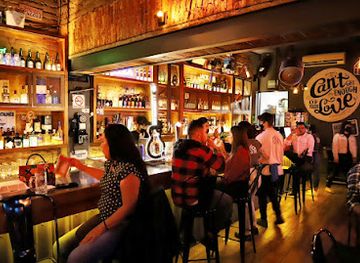
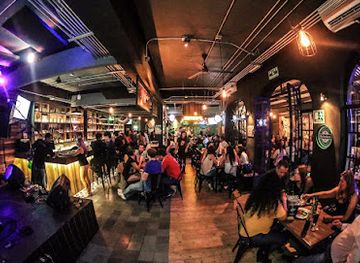
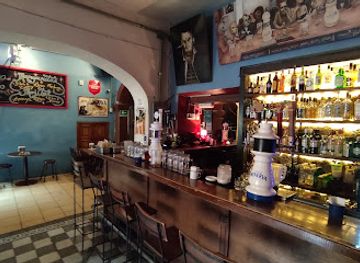
Guadalajara's nightlife scene is vibrant and diverse, offering visitors a taste of Mexican culture through a mix of traditional cantinas, trendy bars, and pulsating nightclubs. From the historic center to the upscale neighborhoods, there is something for everyone. Enjoy live music, salsa dancing, and delicious cocktails in the lively bars along Avenida Chapultepec, or immerse yourself in the local scene at the iconic Mariachi Plaza. For those looking for a more upscale experience, head to the chic clubs in Zona Rosa or the fashionable lounges in Providencia. No matter where you go, the energy and passion of Guadalajara's nightlife will leave you wanting more.
-
Bar
Hudson Bar
Experience the lively ambiance of Hudson Bar in Guadalajara, where live music meets delicious cuisine and refreshing drinks.
8 min drive · 2.5 km from city centre
-
Bar
Porter Bar
Experience the vibrant nightlife of Guadalajara at Porter Bar, a gastropub serving delicious food and live rock music in a unique atmosphere.
7 min drive · 2.5 km from city centre
-
Bar
Escarabajo Scratch
Experience the vibrant nightlife and local flavors at Escarabajo Scratch, a must-visit bar and restaurant in Guadalajara's bustling Zona Centro.
8 min walk · 0.6 km from city centre
-
 Bar
BarLa Occidental Cantina
Experience the vibrant nightlife of Guadalajara at La Occidental Cantina, where traditional flavors meet a lively atmosphere.
12 min walk · 0.9 km from city centre
Best nightclubs in Guadalajara
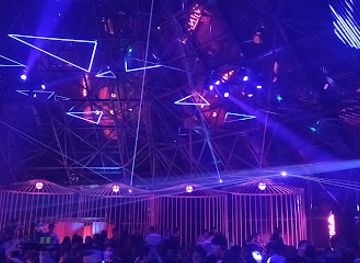
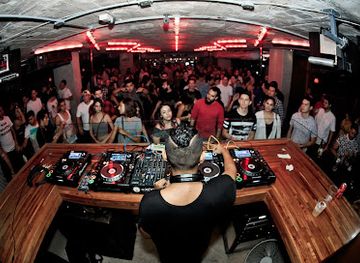
Guadalajara's nightlife scene is vibrant and diverse, offering visitors a taste of Mexican culture through a mix of traditional cantinas, trendy bars, and pulsating nightclubs. From the historic center to the upscale neighborhoods, there is something for everyone. Enjoy live music, salsa dancing, and delicious cocktails in the lively bars along Avenida Chapultepec, or immerse yourself in the local scene at the iconic Mariachi Plaza. For those looking for a more upscale experience, head to the chic clubs in Zona Rosa or the fashionable lounges in Providencia. No matter where you go, the energy and passion of Guadalajara's nightlife will leave you wanting more.
-
Disco club
Kanna club
Experience the vibrant nightlife of Guadalajara at Kanna Club, the ultimate disco destination for dancing and entertainment.
7 min drive · 2.3 km from city centre
-
Night club
Bar americas
Discover the electrifying nightlife of Bar Americas, a premier nightclub in Guadalajara offering vibrant music, delicious drinks, and unforgettable experiences.
7 min drive · 2.5 km from city centre
-
Night club
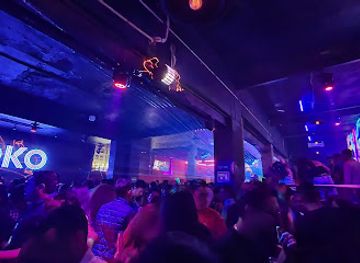
Koko Club
Koko Club: Dive into Guadalajara's electric nightlife with pulsating music, vibrant ambiance, and unforgettable dance experiences.
8 min drive · 2.6 km from city centre
-
Disco club
Ragga Club
Dive into the pulsating nightlife of Guadalajara at Ragga Club, where electrifying music and vibrant crowds create unforgettable memories.
8 min drive · 2.5 km from city centre

Best shops in Guadalajara
Guadalajara offers a vibrant shopping scene with a mix of traditional markets, modern malls, and unique boutiques. Visitors can explore the bustling Mercado Libertad for local handicrafts, textiles, and fresh produce, or wander through the upscale shops along Avenida Chapultepec for trendy fashion and artisanal goods. Don't miss the historic Mercado San Juan de Dios for a true taste of Mexican culture, where you can find everything from pottery to leather goods. With its diverse shopping options, Guadalajara is a paradise for shoppers looking for authentic souvenirs and one-of-a-kind treasures.
-
Market
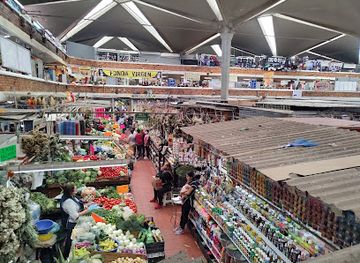
Mercado Libertad - San Juan de Dios
Experience the heart of Guadalajara at Mercado Libertad - San Juan de Dios, a vibrant market brimming with local flavors, crafts, and cultural treasures.
9 min walk · 0.8 km from city centre
-
Shopping mall
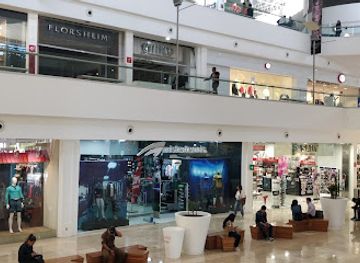
Plaza Galerías Guadalajara
Explore Plaza Galerías Guadalajara, where shopping, dining, and entertainment converge for an unforgettable experience in Zapopan, Jalisco.
27 min drive · 8.9 km from city centre
-
Shopping mall
Andares Shopping Mall
Andares Shopping Mall: A luxury shopping haven in Zapopan, blending high-end retail with exquisite dining and vibrant cultural events.
23 min drive · 7.7 km from city centre
-
Shopping mall
Forum Tlaquepaque
Explore Forum Tlaquepaque: A Cultural Shopping Mall in Guadalajara, Offering Unique Crafts, Delicious Cuisine, and Lively Entertainment.
13 min drive · 4.2 km from city centre


Get your free copy of our complete guide to Guadalajara, delivered straight to you.
Everything on this page, from attractions and restaurants to essentials and local phrases, in one PDF you can read offline, print or share.
Already have an account? Sign in
Your Guadalajara guide is ready.
We'll send it to · Not you? Sign out

Getting your guide ready…
We are putting together a fresh copy of the Guadalajara guide. This can take up to a minute.
This can take a few moments. If your browser asks, choose Allow so the download can start. You'll find the guide in your Downloads folder.
Nothing happened? Download it again
Sorry, the guide is taking longer than usual. Please try again in a minute, or get it by email instead.
Guadalajara essentials
Currency and Payment
Safety
Emergency Situations
Do's and Don'ts
Local Tips
From Eve
Local phrases worth knowing
You don't need to get them perfect. A few words go a long way, and locals appreciate the effort.
Basics
| English | Local | Say it |
|---|---|---|
| Hello | Hola | [oh-lah] |
| Goodbye | Adiós | [ah-dyohs] |
| Yes | Sí | [see] |
| No | No | [noh] |
| Please/You're welcome | Por favor/De nada | [por fah-bohr/deh nah-dah] |
| Thank you | Gracias | [grah-syahs] |
| Excuse me/Sorry | Perdón/Lamento | [pehr-dohn/lah-mehn-toh] |
| How are you? | ¿Cómo estás? | [koh-moh ehs-tahs] |
| Fine. And you? | Bien. ¿Y tú? | [byen. ee too] |
| Do you speak English? | ¿Hablas inglés? | [ah-blahs een-glehs] |
| I don't understand | No entiendo | [noh ehn-tyehn-doh] |
Eating & Drinking
| English | Local | Say it |
|---|---|---|
| I'd like to see the menu, please | Me gustaría ver el menú, por favor | [meh goo-stah-ree-ah behr ehl meh-noo, por fah-bohr] |
| I don't eat meat | No como carne | [noh koh-moh kahr-neh] |
| Cheers! | ¡Salud! | [sah-lood] |
| I would like to pay, please | Me gustaría pagar, por favor | [meh goo-stah-ree-ah pah-gahr, por fah-bohr] |
Emergencies
| English | Local | Say it |
|---|---|---|
| Help! | ¡Ayuda! | [ah-yoo-dah] |
| Go away! | ¡Vete! | [veh-teh] |
| Call the Police! | ¡Llama a la policía! | [yah-mah ah lah poh-lee-see-ah] |
| Call a doctor! | ¡Llama a un médico! | [yah-mah ah oon meh-dee-koh] |
| I'm lost | Estoy perdido | [ehs-toy pehr-dee-doh] |
| I'm ill | Estoy enfermo | [ehs-toy ehn-fehr-moh] |
Shopping
| English | Local | Say it |
|---|---|---|
| I'd like to buy... | Me gustaría comprar... | [meh goo-stah-ree-ah kohm-prahr] |
| I'm just looking | Sólo estoy mirando | [soh-loh ehs-toy mee-rahn-doh] |
| How much is it? | ¿Cuánto cuesta? | [kwan-toh kwehs-tah] |
| That's too expensive | Eso es demasiado caro | [eh-soh ehs deh-mah-syah-doh kah-roh] |
| Can you lower the price? | ¿Puede bajar el precio? | [pweh-deh bah-hahr ehl pree-syoh] |
Time & Numbers
| English | Local | Say it |
|---|---|---|
| What time is it? | ¿Qué hora es? | [keh oh-rah ehs] |
| It's one o'clock | Es la una | [ehs lah oo-nah] |
| Half past (10) | Media (10) | [meh-dee-ah (deez-ee-ahs)] |
| Morning | Mañana | [mah-nyah-nah] |
| Afternoon | Tarde | [tahr-deh] |
| Evening | Noche | [noh-cheh] |
| Yesterday | Ayer | [ah-yehr] |
| Today | Hoy | [oy] |
| Tomorrow | Mañana | [mah-nyah-nah] |
| 1 | Uno | [oo-noh] |
| 2 | Dos | [dohs] |
| 3 | Tres | [trehs] |
| 4 | Cuatro | [kwah-troh] |
| 5 | Cinco | [seen-koh] |
| 6 | Seis | [says] |
| 7 | Siete | [syeh-teh] |
| 8 | Ocho | [oh-choh] |
| 9 | Nueve | [nweh-veh] |
| 10 | Diez | [dyehs] |
Transport & Directions
| English | Local | Say it |
|---|---|---|
| Where's a/the...? | ¿Dónde está...? | [dohn-deh ehs-tah] |
| What's the address? | ¿Cuál es la dirección? | [kwal ehs lah dee-rehk-syon] |
| Can you show me (on the map)? | ¿Puedes mostrarme (en el mapa)? | [pweh-dehs mohs-trar-meh (ehn ehl mah-pah)] |
| When's the next (bus)? | ¿Cuándo es el próximo (autobús)? | [kwan-doh ehs ehl proh-ksee-moh (ow-toh-boos)] |
| A ticket (to ....) | Un boleto (a ...) | [oon boh-leh-toh (ah)] |
History of Guadalajara
Founding of Guadalajara
Guadalajara was officially founded on February 14, 1542, by the Spanish conquistador Cristóbal de Oñate. The city was named after the Spanish city of Guadalajara in the province of Castilla-La Mancha. The founding was a culmination of several attempts to establish a settlement in the region.
Colonial Era
During the colonial period, Guadalajara became a significant regional center for the Spanish crown. The city developed economically through agriculture, livestock, and trade. It also became an important religious center with the establishment of numerous churches, convents, and the Guadalajara Cathedral, which began construction in the 1560s.
War of Independence
Guadalajara played a crucial role in Mexico's War of Independence. In November 1810, Miguel Hidalgo y Costilla, one of the key figures in the independence movement, captured the city. It was in Guadalajara that Hidalgo issued the decree to abolish slavery, a significant milestone in Mexican history.
19th Century Development
The 19th century saw tremendous growth and modernization in Guadalajara. The introduction of railroads and telegraph lines transformed the city into a commercial hub. The University of Guadalajara was re-established in 1925, becoming a major educational institution in the region.
Mexican Revolution
Guadalajara was a focal point during the Mexican Revolution (1910-1920). The city witnessed several battles and skirmishes between revolutionary forces and government troops. It became a strategic location for leaders like Pancho Villa, who sought to control the region.
Cultural Renaissance
In the mid-20th century, Guadalajara experienced a cultural renaissance, becoming a prominent center for the arts, education, and culture in Mexico. The establishment of the International Book Fair of Guadalajara (FIL) in 1987 and the Guadalajara International Film Festival are testaments to the city's cultural vibrancy.
Modern Era
Today, Guadalajara is known as Mexico's Silicon Valley, thanks to its booming tech industry. The city's rich history is preserved in its architecture, museums, and cultural institutions while it continues to grow as a modern metropolis. Landmarks like the Hospicio Cabañas and Teatro Degollado stand as symbols of its historical and cultural legacy.
Guadalajara in Photos
Browse through our photo collection highlighting the charm and character of the destination.
Cities near Guadalajara
The closest cities to Guadalajara, if you have time for more than one stop.
-
-

-

-

-


Swipe for more cities
Explore more

Explore more of Mexico
Discover Mexico: A land of ancient ruins, vibrant culture, and stunning natural landscapes. Experience diverse cuisine, rich traditions, and warm hospitality.
Explore Mexico