

Free Guanajuato Travel Guide & Mobile App
Plan your Guanajuato trip with Evendo. Get free guides to top attractions, restaurants, hotels, and bars. Web access or download the mobile app.


Guanajuato blends silver-mining history, baroque landmarks, colourful lanes, celebrated festivals and lively Mexican culture in a dramatic mountain setting.
A City Shaped by Silver
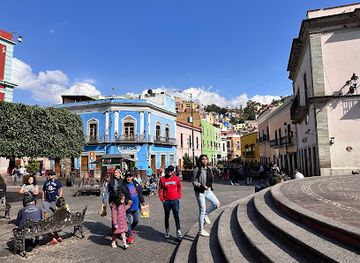
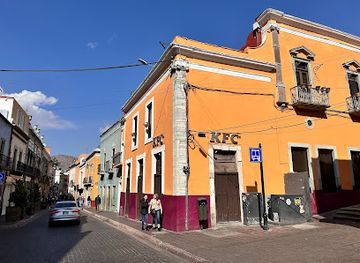
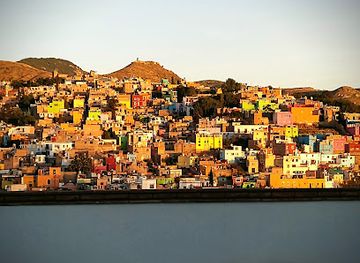
Guanajuato rises through a narrow mountain valley in central Mexico, its historic centre unfolding along steep slopes, winding lanes and tunnels carved through the surrounding hills. The city grew wealthy from the silver mines of the Bajío, particularly during the colonial period, and that prosperity left a striking architectural legacy of churches, theatres, mansions and civic buildings. Baroque and neoclassical façades line plazas where students, musicians and visitors share the streets, while brightly painted houses climb the hillsides above them.Read more about Guanajuato
Streets, Squares and Stories
Culture in a Dramatic Setting
When is the best time to visit Guanajuato?
Best: February–March, October · 24–26°C| Month | High (°C) | Rainfall (mm) |
|---|---|---|
| January | 22 | 6 |
| February (best) | 24 | 5 |
| March (best) | 26 | 4 |
| April | 28 | 3 |
| May | 30 | 3 |
| June | 29 | 2 |
| July | 28 | 2 |
| August | 28 | 3 |
| September | 27 | 3 |
| October (best) | 26 | 4 |
| November | 24 | 5 |
| December | 22 | 5 |
Getting to and around Guanajuato
How to get there
Transportation
Best attractions in Guanajuato
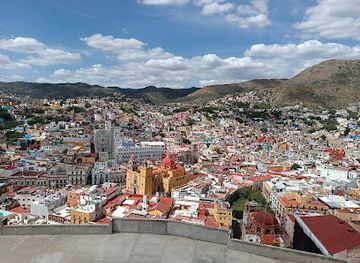
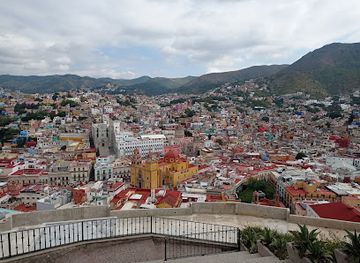
Guanajuato's principal attractions are woven into its narrow valley rather than arranged around a single boulevard. The Museo de las Momias displays naturally preserved bodies associated with the city's historic cemetery practices, while the Museo Regional de Guanajuato, housed in the former Alhóndiga de Granaditas, places the city within Mexico's independence story. The Teatro Juárez offers an ornate setting for performances and guided visits, and the Jardín de la Unión provides a lively base for exploring nearby streets. Descending into the old mining landscape at sites such as the Mina de la Valenciana reveals the engineering and labour behind Guanajuato's wealth. The funicular and road up to the Monumento al Pípila open a sweeping view over the tiled roofs, church towers and steep residential slopes. Smaller museums, university buildings and the winding callejones reward unhurried exploration between the better-known sights.
-
Observation deck
Monumento Al Pipila
Explore Guanajuato's historic Monumento Al Pipila for stunning views and a glimpse into Mexico's fight for independence.
6 min walk · 0.5 km from city centre
-
Museum
Museum of the Mummies of Guanajuato
Discover the haunting history of Guanajuato at the Museum of the Mummies, where the past comes to life through fascinating exhibits and preserved remains.
5 min drive · 1.7 km from city centre
-
History museum
Alhóndiga de Granaditas Regional Museum
Explore the Alhóndiga de Granaditas, a historical museum in Guanajuato showcasing Mexico's rich cultural heritage and revolutionary history.
11 min walk · 0.8 km from city centre
-
Performing arts theater
Teatro Juárez
Discover the cultural splendor of Teatro Juárez, a historic performing arts theater in Guanajuato, Mexico, known for its stunning architecture and vibrant performances.
4 min walk · 0.3 km from city centre


Best landmarks in Guanajuato
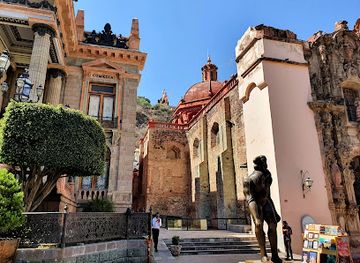
The Basilica of Our Lady of Guanajuato, facing the Plaza de la Paz, is one of the city's most prominent religious landmarks, with a richly coloured façade and a long association with Guanajuato's colonial prosperity. Across the Jardín de la Unión, the Teatro Juárez is distinguished by its grand portico and sculptural figures, reflecting the cultural ambitions of the late nineteenth century. The Alhóndiga de Granaditas is both a substantial historic building and a national symbol of the opening phase of Mexican independence. Above the city, the Monumento al Pípila commemorates the insurgent figure linked to the capture of the alhóndiga and forms one of Guanajuato's most recognisable viewpoints. The University of Guanajuato's monumental staircase and pale stone façade add an important civic and educational presence, while the Callejón del Beso represents the intimate scale and storytelling tradition of the old urban fabric.
-
Tourist attraction
Callejón del Beso
Discover the romantic allure of Callejón del Beso in Guanajuato, where love stories and vibrant culture intertwine in a picturesque setting.
8 min walk · 0.7 km from city centre
-
Observation deck
Monumento Al Pipila
Discover the stunning views and rich history of Guanajuato at the iconic Monumento Al Pipila, a must-visit tourist attraction.
6 min walk · 0.5 km from city centre
-
History museum
Alhóndiga de Granaditas Regional Museum
Explore the Alhóndiga de Granaditas Regional Museum in Guanajuato, a historical landmark showcasing Mexico's rich heritage and independence.
11 min walk · 0.8 km from city centre
-
Performing arts theater
Teatro Juárez
Discover the breathtaking Teatro Juárez, a stunning performing arts theater in Guanajuato, Mexico, showcasing rich culture and history.
4 min walk · 0.3 km from city centre
Explore Guanajuato on the map
Plan your Guanajuato trip on one map. See where the top attractions, landmarks, restaurants, bars and hotels are, find what's near where you're staying, and book hotels and experiences in a few clicks.
Neighbourhoods in Guanajuato
-

-

-

-

-


Swipe for more neighbourhoods
Best hotels in Guanajuato
Best restaurants in Guanajuato
Guanajuato's food culture combines Bajío cooking with the practical traditions of a historic mining city. Enchiladas mineras, tortillas filled or covered with a chilli-based sauce and commonly served with vegetables and protein, are the local signature most visitors encounter. Markets such as Mercado Hidalgo and Mercado Embajadoras offer tacos, gorditas, tamales, soups, fruit and aguas frescas in an informal setting, while bakeries and cafés occupy many of the lanes around the historic centre. Regional dishes such as fiambre, a substantial salad traditionally associated with celebrations in Guanajuato, reflect the area's mixture of culinary influences. Restaurants around the Jardín de la Unión, Plaza de San Fernando and surrounding alleys range from straightforward Mexican cooking to contemporary menus shaped by national and international ideas. Mealtimes can be extended affairs, particularly where terraces overlook the city's plazas.
-
Mexican
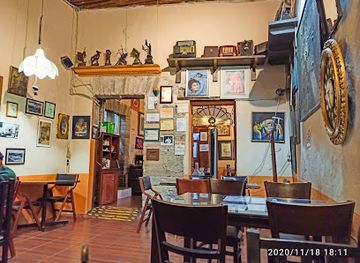
Truco 7 Restaurant
Experience the vibrant fusion of Mexican and American cuisine at Truco 7 Restaurant in the heart of Guanajuato.
4 min walk · 0.3 km from city centre
-
Restaurant
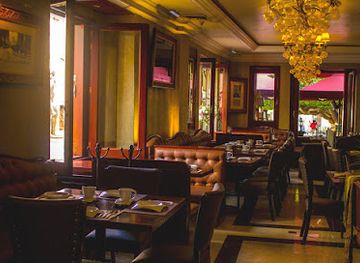
Casa Valadez · Anfitrión & Gourmet
Discover authentic Mexican flavors at Casa Valadez, where gourmet meets tradition in the heart of Guanajuato.
4 min walk · 0.3 km from city centre
-
Restaurant
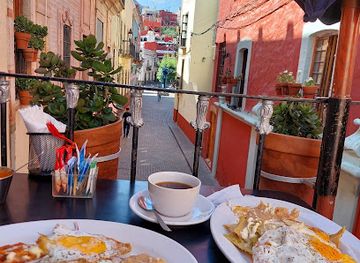
Santo Café
Discover Santo Café in Guanajuato – A must-visit restaurant serving delightful breakfasts and exceptional coffee in a cozy atmosphere.
4 min walk · 0.4 km from city centre
-
Mexican
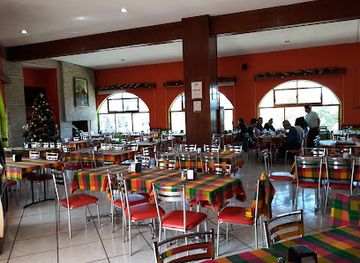
Restaurant de la Sierra
Experience authentic Mexican cuisine at Restaurant de la Sierra in Guanajuato - a culinary journey through vibrant flavors and stunning landscapes.
25 min drive · 8.3 km from city centre
Best bars in Guanajuato
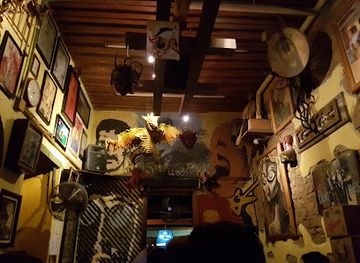
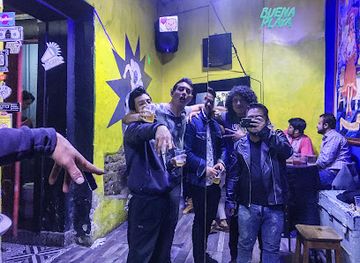
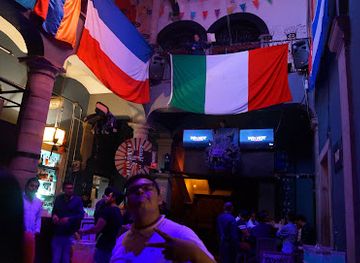
Guanajuato's evenings are shaped as much by music, theatre and student life as by conventional clubbing. The Jardín de la Unión and nearby streets fill with conversation after dark, while bars around the historic centre offer mezcal, tequila, beer, cocktails and live music in compact rooms or courtyards. Estudiantinas are particularly characteristic: groups of musicians in traditional dress lead audiences through callejones with songs, stories and local legends. The Teatro Juárez and other festival venues provide a stronger cultural focus during the Festival Internacional Cervantino, when concerts and performances extend across the city. Bars and late-night venues are concentrated around central plazas and university-oriented streets, but Guanajuato is not a large clubbing destination; quieter evenings may be better spent at a performance, a music-filled plaza or a viewpoint above the illuminated centre.
-
Bar
Los Lobos
Experience the vibrant nightlife at Los Lobos, a lively bar in the heart of Guanajuato with delicious drinks and a welcoming atmosphere.
4 min walk · 0.3 km from city centre
-
Bar
Restaurante Bar la Bohemia
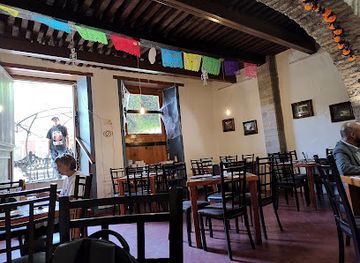
Discover the heart of Guanajuato at Restaurante Bar la Bohemia, where authentic Mexican flavors and a lively atmosphere await every visitor.
8 min walk · 0.6 km from city centre
-
Bar
Oveja Negra Bar
Experience the lively nightlife of Guanajuato at Oveja Negra Bar, where delicious drinks and vibrant music create unforgettable memories.
4 min walk · 0.3 km from city centre
-
Bar
Vanilla Bar
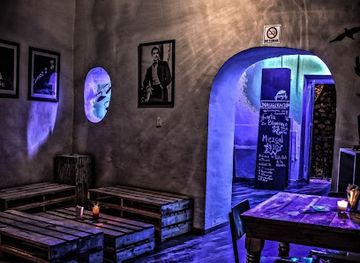
Experience the best of Guanajuato's nightlife at Vanilla Bar, where vibrant drinks and a lively atmosphere await.
4 min walk · 0.3 km from city centre
Best nightclubs in Guanajuato
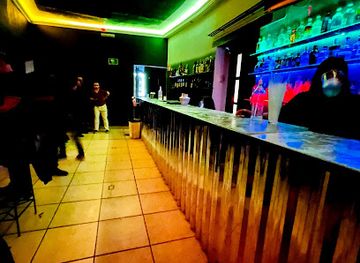
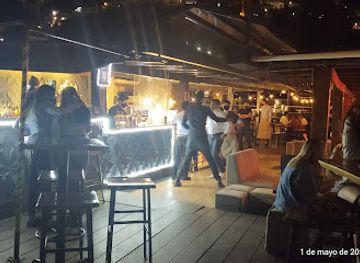
Guanajuato's evenings are shaped as much by music, theatre and student life as by conventional clubbing. The Jardín de la Unión and nearby streets fill with conversation after dark, while bars around the historic centre offer mezcal, tequila, beer, cocktails and live music in compact rooms or courtyards. Estudiantinas are particularly characteristic: groups of musicians in traditional dress lead audiences through callejones with songs, stories and local legends. The Teatro Juárez and other festival venues provide a stronger cultural focus during the Festival Internacional Cervantino, when concerts and performances extend across the city. Bars and late-night venues are concentrated around central plazas and university-oriented streets, but Guanajuato is not a large clubbing destination; quieter evenings may be better spent at a performance, a music-filled plaza or a viewpoint above the illuminated centre.
-
Bar
Oveja Negra Bar
Oveja Negra Bar: Your gateway to an unforgettable nightlife experience in Guanajuato, filled with vibrant atmosphere, delicious drinks, and friendly locals.
4 min walk · 0.3 km from city centre
-
Bar
Bar-Why not
Experience the vibrant nightlife at Bar-Why Not, a premier bar and disco club in the heart of Guanajuato offering unforgettable entertainment.
3 min walk · 0.2 km from city centre
-
Bar
W Club
Experience the vibrant nightlife at W Club, a premier bar and disco in Guanajuato, where unforgettable memories are made on the dance floor.
4 min walk · 0.4 km from city centre
-
Night club
Condesa Rooftop
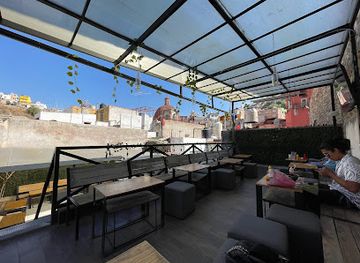
Experience unforgettable nights at Condesa Rooftop, a vibrant bar and nightclub in Guanajuato with breathtaking views and lively entertainment.
6 min walk · 0.4 km from city centre
Best shops in Guanajuato
Shopping in Guanajuato ranges from everyday market trade to small galleries and craft shops tucked into the historic centre's lanes. Mercado Hidalgo, housed in a former iron-roofed railway-market structure, sells food, household goods, souvenirs and regional products, while Mercado Embajadoras provides a more local market atmosphere with produce, prepared food and practical goods. Around the centre, visitors find ceramics, painted objects, textiles, leather items, jewellery and decorative crafts from Guanajuato and other parts of Mexico; silver is also associated with the region's mining history, though quality and provenance vary between sellers. Small shops near the Plaza de la Paz, university quarter and theatre district tend to favour gifts and artisan work, whereas the markets reveal more of daily life. Mexican sweets, coffee, chilli products and packaged regional foods are portable alternatives to fragile crafts.
-
Tourist attraction
Callejón del Beso
Explore the legendary Callejón del Beso in Guanajuato, a romantic alley filled with history, color, and culture, perfect for couples and adventurers alike.
8 min walk · 0.7 km from city centre
-
Scenic spot
Presa de la olla
Discover the tranquil beauty of Presa de la Olla in Guanajuato, a picturesque reservoir perfect for relaxation, scenic walks, and stunning photography.
6 min drive · 1.9 km from city centre
-
Shopping mall
Plaza Pozuelos
Discover the vibrant shopping and dining experience at Plaza Pozuelos in Guanajuato, Mexico, where modern convenience meets local culture.
16 min walk · 1.3 km from city centre
-
Department store
Coppel Alhóndiga
Explore Coppel Alhóndiga in the heart of Guanajuato for a unique shopping experience blending modern retail with local charm.
13 min walk · 1.0 km from city centre
Get your free copy of our complete guide to Guanajuato, delivered straight to you.
Everything on this page, from attractions and restaurants to essentials and local phrases, in one PDF you can read offline, print or share.
Already have an account? Sign in
Your Guanajuato guide is ready.
We'll send it to · Not you? Sign out

Getting your guide ready…
We are putting together a fresh copy of the Guanajuato guide. This can take up to a minute.
This can take a few moments. If your browser asks, choose Allow so the download can start. You'll find the guide in your Downloads folder.
Nothing happened? Download it again
Sorry, the guide is taking longer than usual. Please try again in a minute, or get it by email instead.
Guanajuato essentials
Currency and Payment
Safety
Emergency Situations
Do's and Don'ts
Local Tips
From Eve
Local phrases worth knowing
You don't need to get them perfect. A few words go a long way, and locals appreciate the effort.
Basics
| English | Local | Say it |
|---|---|---|
| Hello | Hola | [oh-lah] |
| Goodbye | Adiós | [ah-dee-ohs] |
| Yes | Sí | [see] |
| No | No | [noh] |
| Please/You're welcome | Por favor/De nada | [por fah-vor/de nah-dah] |
| Thank you | Gracias | [grah-syahs] |
| Excuse me/Sorry | Disculpe/Perdón | [dees-kool-peh/pehr-dohn] |
| How are you? | ¿Cómo estás? | [koh-moh ehs-tahs] |
| Fine. And you? | Bien. ¿Y tú? | [byen. ee too] |
| Do you speak English? | ¿Hablas inglés? | [ah-blahs een-glehs] |
| I don't understand | No entiendo | [noh ehn-tyen-doh] |
Eating & Drinking
| English | Local | Say it |
|---|---|---|
| I'd like to see the menu, please | Me gustaría ver el menú, por favor | [meh gooh-stah-ree-ah behr ehl meh-noo, por fah-vor] |
| I don't eat meat | No como carne | [noh koh-moh kahr-neh] |
| Cheers! | ¡Salud! | [sah-lood] |
| I would like to pay, please | Me gustaría pagar, por favor | [meh gooh-stah-ree-ah pah-gahr, por fah-vor] |
Emergencies
| English | Local | Say it |
|---|---|---|
| Help! | ¡Ayuda! | [ah-yoo-dah] |
| Go away! | ¡Vete! | [veh-teh] |
| Call the Police! | ¡Llame a la policía! | [yah-meh ah lah poh-lee-see-ah] |
| Call a doctor! | ¡Llame a un médico! | [yah-meh ah oon meh-dee-koh] |
| I'm lost | Estoy perdido | [ehs-toy pehr-dee-doh] |
| I'm ill | Estoy enfermo | [ehs-toy ehn-fehr-moh] |
Shopping
| English | Local | Say it |
|---|---|---|
| I'd like to buy... | Me gustaría comprar... | [meh gooh-stah-ree-ah kohm-prahr] |
| I'm just looking | Sólo estoy mirando | [soh-loh ehs-toy mee-rahn-doh] |
| How much is it? | ¿Cuánto cuesta? | [kwan-toh kwehs-tah] |
| That's too expensive | Eso es demasiado caro | [eh-soh ehs deh-mah-syah-doh kah-roh] |
| Can you lower the price? | ¿Puede bajar el precio? | [pweh-deh bah-har ehl pree-syoh] |
Time & Numbers
| English | Local | Say it |
|---|---|---|
| What time is it? | ¿Qué hora es? | [keh oh-rah ehs] |
| It's one o'clock | Es la una | [ehs lah oo-nah] |
| Half past (10) | Las diez y media | [lahs dyehs ee meh-dee-ah] |
| Morning | Mañana | [mah-nyah-nah] |
| Afternoon | Tarde | [tahr-deh] |
| Evening | Noche | [noh-cheh] |
| Yesterday | Ayer | [ah-yehr] |
| Today | Hoy | [oy] |
| Tomorrow | Mañana | [mah-nyah-nah] |
| 1 | Uno | [oo-noh] |
| 2 | Dos | [dohs] |
| 3 | Tres | [trehs] |
| 4 | Cuatro | [kwah-troh] |
| 5 | Cinco | [seen-koh] |
| 6 | Seis | [seys] |
| 7 | Siete | [syeh-teh] |
| 8 | Ocho | [oh-choh] |
| 9 | Nueve | [nweh-veh] |
| 10 | Diez | [dyehs] |
Transport & Directions
| English | Local | Say it |
|---|---|---|
| Where's a/the...? | ¿Dónde está un/el...? | [don-deh ehs-tah oon/ehl] |
| What's the address? | ¿Cuál es la dirección? | [kwal ehs lah dee-rek-syon] |
| Can you show me (on the map)? | ¿Puede enseñarme (en el mapa)? | [pweh-deh ehn-seh-nyar-meh (ehn ehl mah-pah)] |
| When's the next (bus)? | ¿Cuándo es el próximo (autobús)? | [kwan-doh ehs ehl proh-ksee-moh (ow-toh-boos)] |
| A ticket (to ....) | Un boleto (para ....) | [oon boh-leh-toh (pah-rah)] |
History of Guanajuato
Indigenous Guanajuato and Spanish Settlement
The Guanajuato region was inhabited by Indigenous peoples, including groups commonly associated with the Chichimeca communities of northern and central Mexico, before Spanish expansion. Silver deposits in the surrounding mountains drew Spanish prospectors in the sixteenth century, and mining settlements developed around the earliest workings. The settlement's position in a narrow valley shaped its future: roads, streams and mine entrances constrained expansion, while the surrounding hills contained both mineral wealth and the communities that worked it. As Spanish colonial administration became established, Guanajuato grew from a mining outpost into an important centre within New Spain's Bajío region, bringing together Indigenous, European and African communities.
Silver Wealth and Colonial Expansion
Guanajuato became one of New Spain's most productive silver-mining centres, particularly after the development of the Valenciana mine in the eighteenth century. Mining fortunes financed churches, convents, civic buildings and grand residences, helping create the architectural character still visible around the Plaza de la Paz and the Jardín de la Unión. The wealth was unevenly distributed, however, and depended on demanding labour in the mines and extensive systems of water management, transport and refining. By the late colonial period Guanajuato had become an influential regional city whose economy and society were closely tied to global silver markets.
Independence and the Alhóndiga de Granaditas
Guanajuato played a major role in the opening stages of Mexico's War of Independence. On 28 September 1810, insurgent forces led by Miguel Hidalgo and Ignacio Allende captured the Alhóndiga de Granaditas, a fortified grain store where royalist defenders and civilians had taken refuge. The assault became one of the conflict's defining early episodes, and the figure known as El Pípila entered national memory for the part traditionally attributed to him in setting fire to the building's entrance. The Alhóndiga later became a museum, preserving Guanajuato's association with the struggle that led to Mexican independence.
Nineteenth-Century Change and Republican Mexico
The nineteenth century brought political upheaval, changing mining fortunes and the gradual reorganisation of Guanajuato within independent Mexico. The city remained the capital of its state and continued to depend heavily on mineral extraction, although investment, technology and ownership patterns shifted during the period. Civil and religious conflict altered institutions and public life, while new civic projects added neoclassical and republican elements to the older colonial fabric. The Teatro Juárez, begun in the late nineteenth century and opened in 1903, symbolises this era's ambition to present Guanajuato as a cultured and modern civic centre.
Mining Decline and Urban Adaptation
Mining continued to shape Guanajuato into the twentieth century, but periods of falling production and economic instability encouraged the city to diversify. Former industrial and religious buildings acquired new civic, educational and cultural roles, while roads and later tunnels altered movement through the constricted valley. The preservation of the historic centre became increasingly important as the city balanced everyday urban needs with its colonial inheritance. Guanajuato's university, museums and theatres helped reinforce an identity based not only on mining but also on education, performance and heritage.
Cultural Renaissance and International Recognition
Guanajuato's cultural profile expanded significantly in the second half of the twentieth century. The Festival Internacional Cervantino, founded in 1972, transformed the city each year into a major venue for international and Mexican performing arts, using theatres, churches, plazas and courtyards as stages. In 1988, the historic town and adjacent mines were inscribed on the UNESCO World Heritage List, recognising the relationship between the colonial urban landscape and the mining systems that supported it. Today, Guanajuato's identity rests on the continuing interaction of its silver-mining past, university life, festivals, tourism and a densely inhabited mountain setting.
Guanajuato in Photos
Browse through our photo collection highlighting the charm and character of the destination.
Cities near Guanajuato
The closest cities to Guanajuato, if you have time for more than one stop.
-

-

-

-

-


Swipe for more cities
Explore more

Explore more of Mexico
Discover Mexico: A land of ancient ruins, vibrant culture, and stunning natural landscapes. Experience diverse cuisine, rich traditions, and warm hospitality.
Explore Mexico