

Free West Michigan Travel Guide & Mobile App
Explore West Michigan with free travel guides. Discover regional history, expert tips, proposed trips, and audio guides on web or mobile app.


Explore West Michigan for Lake Michigan beaches, dune landscapes, Dutch heritage, farm country, museums, breweries and lively river cities.
Read more about West Michigan
When is the best time to visit West Michigan?
Best: June, August–September · 23–27°C| Month | High (°C) | Rainfall (mm) |
|---|---|---|
| January | 0 | 50 |
| February | 1 | 45 |
| March | 8 | 55 |
| April | 14 | 65 |
| May | 20 | 75 |
| June (best) | 26 | 80 |
| July | 28 | 85 |
| August (best) | 27 | 80 |
| September (best) | 23 | 75 |
| October | 17 | 65 |
| November | 9 | 60 |
| December | 3 | 55 |
Getting to and around West Michigan
How to get there
Transportation
Top city travel guides in West Michigan
The cities of West Michigan, and the easiest places to base yourself.
-

-


Swipe for more cities
Destinations in West Michigan
Resorts, valleys and scenic spots worth a trip of their own.

Swipe for more destinations
Best attractions in West Michigan
West Michigan’s attractions combine Great Lakes scenery with urban museums, historic districts and agricultural landscapes. Grand Rapids provides the broadest cultural programme, including the Gerald R. Ford Presidential Museum, the Grand Rapids Public Museum and Frederik Meijer Gardens & Sculpture Park. Along the coast, Holland State Park, Grand Haven State Park and the beaches near South Haven offer swimming, walking and sunset views, while Muskegon adds maritime, industrial and lakeside heritage. Saugatuck and Douglas are associated with galleries, studios and small-town arts culture. Inland, orchards, farm markets, vineyards and rural roads reveal the region’s productive countryside. Outdoor options include paddling on rivers and inland lakes, cycling on rail trails, hiking through wooded areas and exploring dune landscapes. Summer is the busiest season, but autumn colour, spring blossoms and winter museums or cultural venues broaden the year-round appeal.
-
Botanical garden
Frederik Meijer Gardens & Sculpture Park
Discover the breathtaking blend of nature and art at Frederik Meijer Gardens & Sculpture Park in Grand Rapids, Michigan.
-
Zoo
John Ball Zoo
Experience the beauty of wildlife at John Ball Zoo in Grand Rapids, Michigan, featuring diverse animals, educational programs, and family-friendly activities.
-
Amusement park
Michigan's Adventure
Experience the thrill of Michigan's Adventure, where amusement park excitement meets water park fun for an unforgettable family day out.
-
Museum
Grand Rapids Public Museum
Explore the Grand Rapids Public Museum: A vibrant hub of history, science, and culture in the heart of Michigan, perfect for all ages.
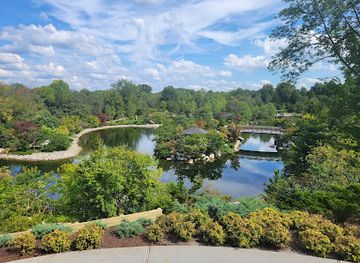


Best landmarks in West Michigan
The Lake Michigan shoreline supplies West Michigan’s most recognisable natural landmarks, including the piers and lighthouse setting at Holland State Park, Grand Haven’s harbour entrance and the broad beaches around South Haven. Holland’s Big Red lighthouse is one of the region’s most familiar waterfront images, although access to the structure itself is limited and views depend on public shoreline locations. In Grand Rapids, the Grand River, historic civic buildings and the former furniture-manufacturing cityscape express the region’s urban history; the Gerald R. Ford Presidential Museum is a prominent modern landmark. Muskegon’s harbour, maritime structures and surviving industrial character reflect the importance of lumber and lake shipping. The historic streets of Saugatuck and Douglas, along with wooded dunes and river inlets, give the southwest lakeshore a distinctive architectural and geographical identity.
-
Tourist attraction
Windmill Island Gardens
Experience the beauty and heritage of Windmill Island Gardens in Holland, MI, with vibrant gardens, a historic windmill, and a serene atmosphere.
-
State park
P. J. Hoffmaster State Park
Discover the natural splendor of P. J. Hoffmaster State Park, where scenic trails, sandy beaches, and unique dune ecosystems await your exploration.
-
State park
Saugatuck Dunes State Park
Discover the stunning landscapes and diverse wildlife of Saugatuck Dunes State Park, a natural gem along the shores of Lake Michigan.
-
Park
Tunnel Park
Explore Tunnel Park: A stunning lakeshore retreat in Holland, Michigan, featuring a unique tunnel to the beach, playgrounds, and scenic picnic spots.


Explore West Michigan on the map
Plan your trip on one map. See where the top cities, national parks and sights are, and book hotels and experiences in a few clicks.
Best hotels in West Michigan
Best restaurants in West Michigan
Dining in West Michigan reflects lake, farm and city influences rather than one narrowly defined regional cuisine. Grand Rapids has the widest range, from independent cafés and market-oriented cooking to breweries with substantial food menus and restaurants drawing on produce from nearby farms. Along the coast, restaurants and casual eateries commonly feature freshwater fish, seafood, burgers and seasonal dishes, while harbour towns provide relaxed settings for eating after time on the beach. Fruit-growing country supplies apples, cherries, peaches and other produce, and farm stands and markets are useful places to buy local ingredients. Holland and the surrounding area retain Dutch-American culinary associations, including baked goods and confectionery, although the modern dining scene is diverse. Rural inns, cafés, cider producers, breweries and wineries add regional variety, with menus and opening patterns changing according to season.
-
Restaurant
Boatwerks Waterfront Restaurant
Experience waterfront dining at Boatwerks Waterfront Restaurant in Holland, MI - where fresh seafood meets stunning views.
-
Restaurant
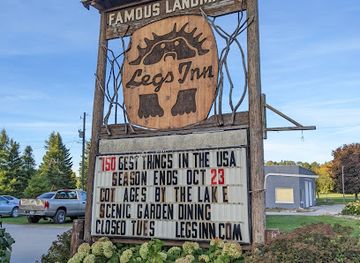
Legs Inn
Discover authentic Eastern European cuisine at Legs Inn, nestled on the scenic shores of Lake Michigan in Cross Village.
-
Steak
Crazy Horse Steak House
Experience top-notch steaks in Holland, Michigan at Crazy Horse Steak House – where every meal is a celebration of flavor.
-
Restaurant
Butcher's Union
Discover the vibrant flavors of Butcher's Union in Grand Rapids – where exceptional food meets crafted cocktails in a lively atmosphere.


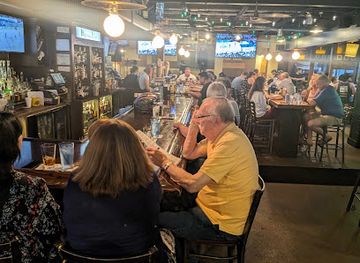
Best bars in West Michigan
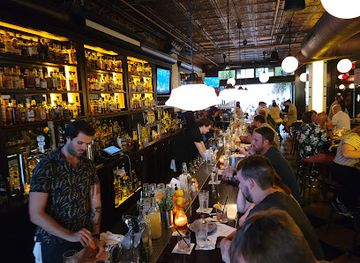
Evening life in West Michigan is concentrated in Grand Rapids and the larger lakeshore towns. Grand Rapids is well known for its brewery culture, with taprooms, pubs, cocktail bars, live music and restaurants clustered around the central city and nearby neighbourhoods. Holland, Muskegon, Saugatuck, Douglas, Grand Haven and South Haven offer smaller scenes built around waterfront or town-centre bars, brewpubs, wine rooms, live performances and seasonal visitors. Saugatuck and Douglas have a particularly strong arts-oriented evening culture, while lakeside communities are busier in summer than in winter. Traditional pubs and restaurants remain more common than large nightclubs outside Grand Rapids, and rural areas often become quiet after dinner. Check transport arrangements before drinking, since distances between towns and accommodation can be considerable.
-
Restaurant
Boatwerks Waterfront Restaurant
Experience the best of lakeside dining at Boatwerks Waterfront Restaurant in Holland, Michigan, featuring fresh seafood and an inviting atmosphere.
-
Bar
Westside Social
Discover the charm of Westside Social, a vibrant bar and restaurant in Grand Rapids offering delicious American cuisine and an extensive drink menu.
-
Traditional American
Windmill Restaurant
Experience the heart of Traditional American cuisine at Windmill Restaurant in Holland, MI, featuring breakfast, burgers, and sandwiches in a cozy setting.
-
Pub
Salt & Pepper Savory Grill and Pub
Experience a delightful fusion of classic pub fare and innovative dishes at Salt & Pepper Savory Grill and Pub in Holland, MI.


Best nightclubs in West Michigan
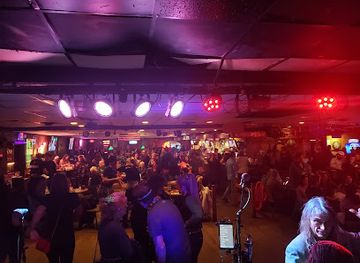
Evening life in West Michigan is concentrated in Grand Rapids and the larger lakeshore towns. Grand Rapids is well known for its brewery culture, with taprooms, pubs, cocktail bars, live music and restaurants clustered around the central city and nearby neighbourhoods. Holland, Muskegon, Saugatuck, Douglas, Grand Haven and South Haven offer smaller scenes built around waterfront or town-centre bars, brewpubs, wine rooms, live performances and seasonal visitors. Saugatuck and Douglas have a particularly strong arts-oriented evening culture, while lakeside communities are busier in summer than in winter. Traditional pubs and restaurants remain more common than large nightclubs outside Grand Rapids, and rural areas often become quiet after dinner. Check transport arrangements before drinking, since distances between towns and accommodation can be considerable.
-
Bar
Twisted Bull
Experience the vibrant nightlife at Twisted Bull, a Grand Rapids bar featuring live music and karaoke in a lively atmosphere.
-
Bar
Itty Bitty Bar
Discover the vibrant atmosphere of Itty Bitty Bar in Holland, MI, where great drinks and live music create unforgettable nights.
-
Grill
46 Bar
Experience the best burgers and vibrant atmosphere at 46 Bar in Muskegon, where delicious flavors and friendly vibes await every visitor.
-
Live Music
Park Theatre
Discover the heart of Holland's entertainment scene at Park Theatre, where live music, comedy, and unforgettable performances await.


Best shops in West Michigan
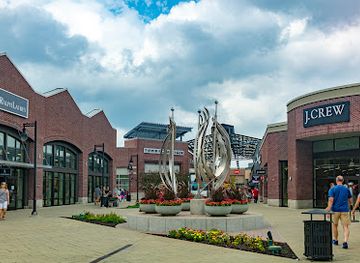
Shopping in West Michigan ranges from urban design and independent retail in Grand Rapids to galleries, antiques and small specialist shops in Saugatuck and Douglas. Grand Rapids offers the broadest selection of books, clothing, homewares, arts and locally produced food, while Holland combines a traditional downtown with Dutch-influenced gifts, confectionery and seasonal retail. Lakeshore towns such as Grand Haven, South Haven and Muskegon have independent shops aimed at both residents and summer visitors, including beach goods, art, jewellery and regional food products. Farm stands, orchards and farmers’ markets are good places to look for apples, cherries, peaches, preserves, baked goods and craft beverages when in season. For a more distinctive souvenir, consider locally made ceramics, furniture and design objects, reflecting the region’s continuing connection with craft and manufacturing rather than relying solely on generic tourist merchandise.
-
Outlet mall
Tanger Outlets Grand Rapids
Discover unbeatable deals and a wide selection of brands at Tanger Outlets Grand Rapids, your ultimate shopping destination in Michigan.
-
Market
Grand Rapids Downtown Market
Experience the best of local flavors and artisanal goods at Grand Rapids Downtown Market, a vibrant hub for food lovers and community events.
-
Supermarket
Meijer
Discover the ultimate shopping experience at Meijer in Holland, Michigan, where groceries, electronics, and more come together in one convenient location.
-
Shopping mall
Lakeshore Marketplace
Discover Lakeshore Marketplace in Norton Shores, Michigan - a vibrant shopping mall with diverse stores, delightful dining, and a perfect atmosphere for all.


Get your free copy of our complete guide to West Michigan, delivered straight to you.
Everything on this page, from attractions and restaurants to essentials and local phrases, in one PDF you can read offline, print or share.
Already have an account? Sign in
Your West Michigan guide is ready.
We'll send it to · Not you? Sign out

Getting your guide ready…
We are putting together a fresh copy of the West Michigan guide. This can take up to a minute.
This can take a few moments. If your browser asks, choose Allow so the download can start. You'll find the guide in your Downloads folder.
Nothing happened? Download it again
Sorry, the guide is taking longer than usual. Please try again in a minute, or get it by email instead.
West Michigan essentials
Currency and Payment
Safety
Emergency Situations
Do's and Don'ts
Local Tips
From Eve
Local phrases worth knowing
You don't need to get them perfect. A few words go a long way, and locals appreciate the effort.
Basics
| English | Local | Say it |
|---|---|---|
| Hello | Hi | [hai] |
| Goodbye | See ya | [see yah] |
| Yes | Yeah | [yeh] |
| No | Nope | [nohp] |
| Please/You're welcome | Please / No problem | [pleez / noh probluhm] |
| Thank you | Thanks | [thanks] |
| Excuse me/Sorry | Excuse me / Sorry | [exkyoos mee / sorree] |
| How are you? | How's it going? | [howz it goin] |
| Fine. And you? | Good. How 'bout you? | [gud. how bout you] |
| Do you speak English? | Can you speak English? | [kan you speek ingglish] |
| I don't understand | I don't get it | [I dont get it] |
Eating & Drinking
| English | Local | Say it |
|---|---|---|
| I'd like to see the menu, please | Can I see the menu, please? | [kan I see the menoo, pleez?] |
| I don't eat meat | I'm a vegetarian | [I'm a vejetairian] |
| Cheers! | Cheers! | [cheers] |
| I would like to pay, please | Can I get the check, please? | [kan I get the chek, pleez?] |
Emergencies
| English | Local | Say it |
|---|---|---|
| Help! | Help! | [help] |
| Go away! | Leave me alone! | [leev me alone] |
| Call the Police! | Call 911! | [call nine-one-one] |
| Call a doctor! | Get a doctor! | [get a doktor] |
| I'm lost | I'm lost | [I'm lost] |
| I'm ill | I'm not feeling well | [I'm not feeling well] |
Shopping
| English | Local | Say it |
|---|---|---|
| I'd like to buy... | I want to buy... | [I want to buy] |
| I'm just looking | I'm just browsing | [I'm just browsing] |
| How much is it? | What's the price? | [whats the price] |
| That's too expensive | That's a bit pricey | [thats a bit pricy] |
| Can you lower the price? | Can you make it cheaper? | [kan you make it cheeper] |
Time & Numbers
| English | Local | Say it |
|---|---|---|
| What time is it? | What time is it? | [what time is it] |
| It's one o'clock | It's one o'clock | [it's one o'clock] |
| Half past (10) | Half past ten | [half past ten] |
| Morning | Morning | [morning] |
| Afternoon | Afternoon | [afternoon] |
| Evening | Evening | [evening] |
| Yesterday | Yesterday | [yesterday] |
| Today | Today | [today] |
| Tomorrow | Tomorrow | [tomorrow] |
| 1 | One | [one] |
| 2 | Two | [two] |
| 3 | Three | [three] |
| 4 | Four | [four] |
| 5 | Five | [five] |
| 6 | Six | [six] |
| 7 | Seven | [seven] |
| 8 | Eight | [eight] |
| 9 | Nine | [nine] |
| 10 | Ten | [ten] |
Transport & Directions
| English | Local | Say it |
|---|---|---|
| Where's a/the...? | Where's the...? | [where's the] |
| What's the address? | What's the address? | [whats the address] |
| Can you show me (on the map)? | Can you show me on the map? | [kan you show me on the map] |
| When's the next (bus)? | When's the next bus? | [when's the next bus] |
| A ticket (to ....) | A ticket to.... | [a tiket to] |
History of West Michigan
Indigenous Homelands and Great Lakes Trade
West Michigan lies within the traditional homelands of Anishinaabe peoples, including the Ottawa, Ojibwe and Potawatomi. Rivers, forests and Lake Michigan supported fishing, hunting, gathering and travel, while waterways connected communities to wider Great Lakes trading networks. European settlement did not erase this history: treaty-making, land cessions and the forced removal of Indigenous people transformed ownership and political authority during the nineteenth century. The names of rivers, towns and places preserve only part of this deeper history, which remains important to understanding the region’s landscape and communities.
French, British and American Frontier Periods
French traders and missionaries entered the Great Lakes region during the seventeenth and eighteenth centuries, followed by British influence and, after the American Revolution, expanding United States administration. The Grand River and Lake Michigan shoreline became routes for commerce, communication and settlement. Forts and trading posts were less dominant here than around some Great Lakes locations, but the region’s waterways helped link inland communities with lake ports. American territorial government and land surveys accelerated non-Indigenous settlement during the early nineteenth century.
Nineteenth-Century Settlement and the Dutch in Holland
West Michigan’s nineteenth-century development brought farmers, merchants, religious communities and migrants from Europe and the eastern United States. Holland was founded in 1847 by Dutch immigrants led by Reverend Albertus Van Raalte, who sought a new community where Dutch religious and cultural traditions could continue. The settlement later developed into a regional centre while retaining visible Dutch-American associations. Holland’s architecture, festivals and horticultural identity reflect this history, although the modern city is more diverse than its founding community.
Lumber, Lake Ports and Industrial Growth
During the nineteenth century, timber from Michigan’s forests drove rapid growth in ports and river towns including Muskegon, Grand Haven and Holland. Sawmills, shipping and related trades altered the shoreline and helped create fortunes, rail connections and dense urban districts. As accessible timber declined, communities diversified into manufacturing, agriculture and commerce. Historic warehouses, harbours, rail corridors and civic buildings still indicate how closely West Michigan’s economy was once tied to forests and the movement of goods across Lake Michigan.
Furniture Manufacturing and Grand Rapids
Grand Rapids became nationally associated with furniture manufacturing during the late nineteenth and early twentieth centuries. Local wood supplies, skilled labour, river transport and railways helped firms develop from small workshops into a major industry. Furniture production influenced the city’s economic structure, design culture and civic identity, while later manufacturing broadened into office furnishings, medical equipment, food processing and other sectors. The legacy survives in the city’s design institutions, commercial history and continued association with furniture and interiors.
Agriculture, Orchards and the Lake-Modified Climate
The eastern shore of Lake Michigan developed a significant fruit-growing economy, particularly in areas suited to apples, cherries, peaches and other crops. Lake-effect weather moderates temperatures in some coastal districts, although it also brings snow and variable growing conditions. Orchards, farm markets and processing businesses became an enduring part of the regional economy. Agriculture also shaped settlement patterns, seasonal employment and the modern visitor landscape, where rural roads, farm stands and tasting rooms connect the inland countryside with the lakeshore towns.
Twentieth-Century Recreation and Cultural Renewal
As industrial economies changed during the twentieth century, West Michigan’s beaches, dunes, harbours and resort towns gained greater importance for recreation. Families travelled to Lake Michigan for swimming, boating and summer holidays, while historic towns such as Saugatuck and Douglas attracted artists, galleries and visitors. Grand Rapids and other cities invested in museums, public spaces and waterfront redevelopment. The contemporary region therefore combines older manufacturing and port traditions with tourism, arts, higher education, food production and outdoor recreation.
West Michigan in Photos
Browse through our photo collection highlighting the charm and character of the destination.
Neighbouring regions of West Michigan
The closest regions to West Michigan, if you have time for more than one.
-

-

-

-

-


Swipe for more regions
Explore more

Explore more of Michigan
Explore Michigan's stunning Great Lakes, vibrant cities, and untouched natural beauty. Discover the state's rich cultural heritage and endless outdoor adventures.
Explore Michigan