

Free Lower Peninsula Travel Guide & Mobile App
Explore Lower Peninsula with free travel guides. Discover regional history, expert tips, proposed trips, and audio guides on web or mobile app.


Explore Michigan’s Lower Peninsula for Great Lakes beaches, Detroit heritage, forested north country, orchards, dunes and distinctive Midwestern cities.
Read more about Lower Peninsula
Getting to and around Lower Peninsula
How to get there
Transportation
Top city travel guides in Lower Peninsula
The cities of Lower Peninsula, and the easiest places to base yourself.
-

-

-

-

-

-


Swipe for more cities
Destinations in Lower Peninsula
Resorts, valleys and scenic spots worth a trip of their own.
-

-

-

-

-

-


Swipe for more destinations
Best attractions in Lower Peninsula
The Lower Peninsula’s attractions range from major urban museums to open landscapes shaped by the Great Lakes. Detroit offers the Henry Ford, the Detroit Institute of Arts, Motown-related history and museums devoted to the automobile, while Grand Rapids has a strong cluster of art, history and design institutions. Ann Arbor combines university museums, independent cultural venues and walkable central streets. Along Lake Michigan, Sleeping Bear Dunes National Lakeshore provides long beaches, forest trails and demanding dune walks, while state parks such as Holland, Ludington and Wilderness offer swimming, camping and boating. The western shore is also associated with small harbour towns, vineyards, orchards and cycling routes. Northern destinations include Traverse City, the Leelanau Peninsula, Petoskey-area lakeshore communities and extensive inland forests, although each requires separate planning. On the eastern side, services around Lake Huron and Saginaw Bay support boating, fishing, birdwatching and beach visits. Historic lighthouses, farmsteads, covered bridges, rail trails and former industrial sites add variety beyond the headline destinations.
-
Tourist attraction
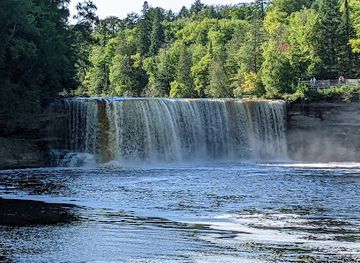
Tahquamenon Falls State Park
Experience the breathtaking beauty of Tahquamenon Falls State Park, a natural wonder in Michigan's Upper Peninsula, perfect for outdoor adventures and family outings.
-
Tourist attraction
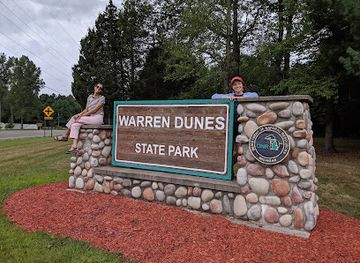
Warren Dunes State Park
Explore the breathtaking beauty of Warren Dunes State Park, where towering sand dunes meet the stunning shoreline of Lake Michigan.
-
Museum
Mackinac Island State Park
Discover the enchanting beauty and rich history of Mackinac Island State Park, where nature and heritage come together in perfect harmony.
-
Tourist attraction
Pictured Rocks National Lakeshore
Explore the stunning cliffs, vibrant rock formations, and serene beaches of Pictured Rocks National Lakeshore in Michigan.


Best landmarks in Lower Peninsula
The Lower Peninsula’s most recognisable landmarks reveal its industrial, maritime and natural character. Detroit’s Renaissance Center marks the riverfront skyline, while the Guardian Building and the Fisher Building represent the city’s celebrated Art Deco architecture. The Ford Piquette Avenue Plant, associated with the early development of Ford automobiles, and the restored industrial complex at the Ford Rouge site help explain Detroit’s manufacturing legacy, although visitor arrangements vary. In Lansing, the Michigan State Capitol is a major nineteenth-century civic building, and the Olds Transportation Museum in Lansing reflects the capital’s automotive connections. Along Lake Michigan, the Sleeping Bear Dunes shoreline is the peninsula’s defining natural landmark: high glacial bluffs, shifting sand and broad lake views create a landscape unlike the inland farm country. Historic lighthouses at places such as Holland, Ludington and Point Betsie express the hazards of Great Lakes shipping. The Mackinac Bridge is outside the Lower Peninsula, spanning the Straits between Michigan’s two main peninsulas, so it is best treated as a gateway landmark rather than a landmark within this region.
-
Maritime museum
Great Lakes Shipwreck Museum
Dive into the maritime history of the Great Lakes at the Great Lakes Shipwreck Museum, a captivating journey awaits every visitor.
-
State park
Muskegon State Park
Experience the breathtaking landscapes and outdoor adventures at Muskegon State Park, a premier destination for nature lovers in Michigan.
-
Historical landmark
Crisp Point Lighthouse
Explore the historic Crisp Point Lighthouse, a majestic beacon on Lake Superior, surrounded by breathtaking landscapes and rich maritime heritage.
-
State park
Muskallonge Lake State Park
Experience the breathtaking landscapes and diverse outdoor activities at Muskallonge Lake State Park, a pristine escape in Michigan's Upper Peninsula.


Explore Lower Peninsula on the map
Plan your trip on one map. See where the top cities, national parks and sights are, and book hotels and experiences in a few clicks.
Best hotels in Lower Peninsula
Best restaurants in Lower Peninsula
Dining in the Lower Peninsula reflects both Great Lakes produce and the cultural diversity of its cities. Detroit is especially noted for its broad Middle Eastern, Polish, Greek, Mexican and African-American culinary influences, as well as enduring local styles of pizza, coney dogs and baked goods. These are regional expressions within a wider American food culture rather than a single, uniform cuisine. Grand Rapids, Kalamazoo, Ann Arbor and other university or manufacturing centres support independent restaurants, cafés, breweries and international food scenes. In western and northern districts, menus often draw on lake fish, cherries, apples, blueberries, asparagus and other farm produce, while roadside stands and farmers’ markets are useful places to buy seasonal food. Southwest Michigan and the Traverse City area have wineries and cider producers, and rural towns contain diners, bakeries, brewpubs and country inns. Tipping is expected for table service, and reservations are sensible for popular restaurants in summer resort areas and on event weekends.
-
Hamburger
Clyde's Drive-In
Experience classic American cuisine at Clyde's Drive-In in St. Ignace—home of delicious burgers and nostalgic vibes.
-
Restaurant
Legs Inn
Experience authentic Polish cuisine in a historic setting with breathtaking views at Legs Inn on Lake Michigan.
-
Brewpub
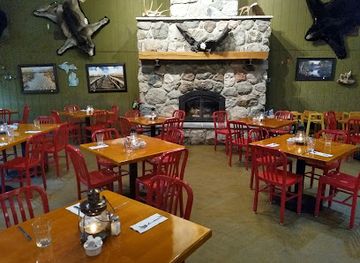
Tahquamenon Falls Brewery & Pub
Experience local craft beers and delicious cuisine at Tahquamenon Falls Brewery & Pub amidst Michigan's stunning landscapes.
-
Steak
Foggy's Steakhouse & Lounge
Experience exquisite steaks and European cuisine at Foggy's Steakhouse & Lounge in Christmas, MI - where every meal is a celebration.

Best bars in Lower Peninsula
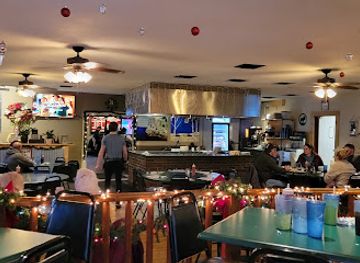
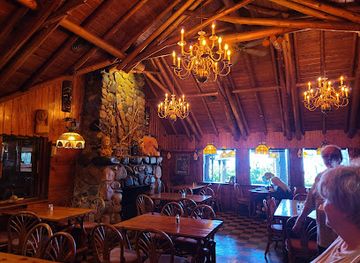
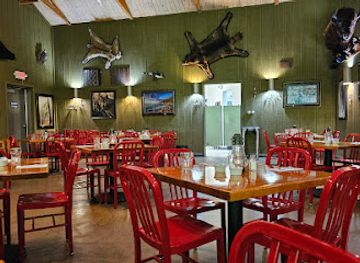
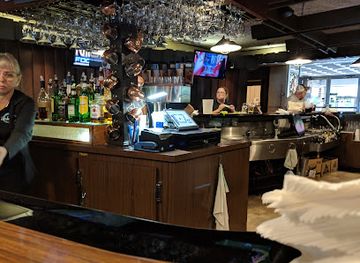
Evening life varies greatly across the Lower Peninsula. Detroit has the region’s broadest choice of cocktail bars, breweries, live-music rooms, sports bars, theatres and late-night venues, with activity concentrated in several distinct downtown and neighbourhood areas rather than one single nightlife quarter. Grand Rapids is well known for its brewery culture and also has music and performance venues, while Ann Arbor’s university population supports pubs, cafés, bars and live entertainment. Lansing, Kalamazoo, Flint and smaller cities have more compact scenes centred on downtown restaurants, taverns and occasional concerts. In lake towns and northern resort communities, evenings often focus on breweries, wine rooms, restaurants, seasonal music and traditional bars rather than large clubs. Rural areas may quieten early outside summer weekends, and alcohol service is regulated under Michigan law, so visitors should carry accepted identification and arrange transport before drinking.
-
Bar
Legs Inn
Experience the authentic flavors of Poland in a beautiful lakeside setting at Legs Inn, a historical gem in Cross Village, Michigan.
-
Brewpub
Tahquamenon Falls Brewery & Pub
Discover locally crafted beers and delicious pub fare in the heart of Michigan's breathtaking natural beauty at Tahquamenon Falls Brewery & Pub.
-
American
Freshwater Tavern
Experience the unique culinary fusion at Freshwater Tavern, where American classics meet Asian-inspired delights in the heart of Michigan's Upper Peninsula.
-
Grill
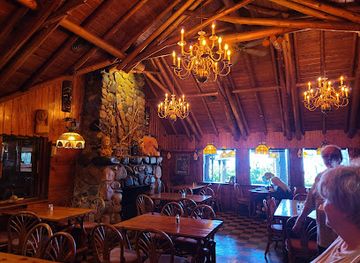
Open Hearth Grille & Bar
Experience the essence of American dining at Open Hearth Grille & Bar, where comfort food meets warm hospitality in the heart of Mears, MI.

Best nightclubs in Lower Peninsula
Evening life varies greatly across the Lower Peninsula. Detroit has the region’s broadest choice of cocktail bars, breweries, live-music rooms, sports bars, theatres and late-night venues, with activity concentrated in several distinct downtown and neighbourhood areas rather than one single nightlife quarter. Grand Rapids is well known for its brewery culture and also has music and performance venues, while Ann Arbor’s university population supports pubs, cafés, bars and live entertainment. Lansing, Kalamazoo, Flint and smaller cities have more compact scenes centred on downtown restaurants, taverns and occasional concerts. In lake towns and northern resort communities, evenings often focus on breweries, wine rooms, restaurants, seasonal music and traditional bars rather than large clubs. Rural areas may quieten early outside summer weekends, and alcohol service is regulated under Michigan law, so visitors should carry accepted identification and arrange transport before drinking.
-
Night club
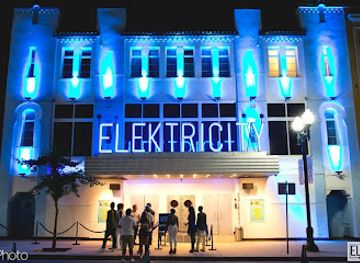
ELEKTRICITY
Discover the pulsating nightlife at ELEKTRICITY, Pontiac's go-to destination for live music and unforgettable dance parties.
-
Night club
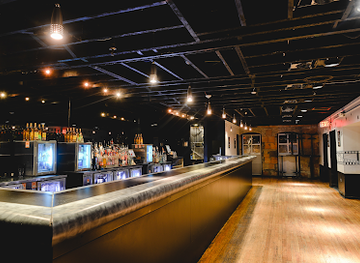
Necto
Experience the vibrant nightlife of Ann Arbor at Necto, a premier gay nightclub with live music, dance floors, and inclusive events.
-
Gay night club
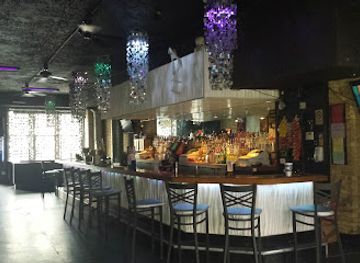
Rumors Nightclub
Discover the heart of Grand Rapids' nightlife at Rumors Nightclub, a vibrant gay bar featuring dance floors, drag shows, and unforgettable entertainment.
-
Night club
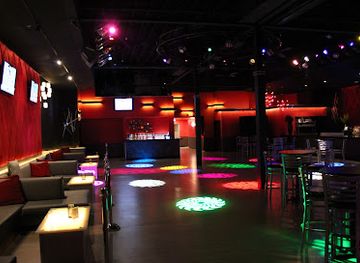
Boogie Fever Cafe & Disco
Dive into the dynamic nightlife at Boogie Fever Cafe & Disco in Ferndale, Michigan, where music and fun collide for an unforgettable experience.
Best shops in Lower Peninsula
Shopping in the Lower Peninsula ranges from major urban districts to small-town markets and roadside produce stands. Detroit offers independent design, books, records, galleries and food businesses alongside larger retail areas, while Birmingham and the northern suburbs provide more concentrated fashion and boutique shopping. Ann Arbor is particularly suited to independent bookshops, specialist retailers, galleries and university-oriented stores; Grand Rapids combines downtown boutiques, design-led businesses and established commercial districts. In western and northern Michigan, market towns sell local art, pottery, textiles, outdoor goods, cider, wine, cherries, apples and other seasonal produce. Farmers’ markets are common in larger communities, though days and seasons vary, and farm stands become especially plentiful during summer and autumn. Useful regional purchases include cherry products, locally made foods, Great Lakes-themed crafts and work by Michigan artists. Visitors should distinguish durable local businesses from temporary seasonal stalls, and should expect some rural shops and markets to keep shorter hours outside the main summer period.
-
Outlet mall
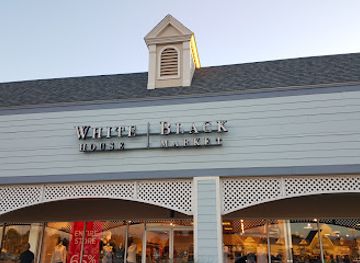
Tanger Outlets Howell
Experience unbeatable shopping at Tanger Outlets Howell, featuring top brands, amazing deals, and a vibrant atmosphere perfect for a fun day out.
-
Maritime museum
Great Lakes Shipwreck Museum
Uncover the maritime mysteries and rich shipwreck history at the Great Lakes Shipwreck Museum in Michigan's beautiful Paradise.
-
Ice Cream
Jones' Homemade Ice Cream Shoppe
Experience the bliss of homemade ice cream at Jones' Homemade Ice Cream Shoppe in Baldwin, Michigan - a sweet escape for every dessert lover.
-
Grocery store
Houseman's Foods Center
Discover fresh, local, and quality groceries at Houseman's Foods Center, Baldwin's premier grocery destination for visitors and locals alike.


Get your free copy of our complete guide to Lower Peninsula, delivered straight to you.
Everything on this page, from attractions and restaurants to essentials and local phrases, in one PDF you can read offline, print or share.
Already have an account? Sign in
Your Lower Peninsula guide is ready.
We'll send it to · Not you? Sign out

Getting your guide ready…
We are putting together a fresh copy of the Lower Peninsula guide. This can take up to a minute.
This can take a few moments. If your browser asks, choose Allow so the download can start. You'll find the guide in your Downloads folder.
Nothing happened? Download it again
Sorry, the guide is taking longer than usual. Please try again in a minute, or get it by email instead.
Lower Peninsula essentials
Currency and Payment
Safety
Emergency Situations
Do's and Don'ts
Local Tips
From Eve
Local phrases worth knowing
You don't need to get them perfect. A few words go a long way, and locals appreciate the effort.
Basics
| English | Local | Say it |
|---|---|---|
| Hello | Hi | [Hahy] |
| Goodbye | See ya | [See yah] |
| Yes | Yup | [Yuhp] |
| No | Nope | [Nohp] |
| Please/You’re welcome | Please/No problem | [Pleez/No prob] |
| Thank you | Thanks | [Thangs] |
| Excuse me/Sorry | Excuse me/Sorry | [Ex-kyoos mee/Sor-ee] |
| How are you? | How’s it going? | [Hows it goin?] |
| Fine. And you? | Good. And you? | [Guhd. And yuh?] |
| Do you speak English? | Do you speak English? | [Doo yuh speek Ing-glish?] |
| I don't understand | I don’t get it | [I dont get it] |
Eating & Drinking
| English | Local | Say it |
|---|---|---|
| I’d like to see the menu, please | Can I see the menu, please? | [Kan I see the men-yoo, pleez?] |
| I don't eat meat | I’m a vegetarian | [Im a vege-tair-ee-an] |
| Cheers! | Cheers! | [Cheerz] |
| I would like to pay, please | Can I get the check, please? | [Kan I get the chek, pleez?] |
Emergencies
| English | Local | Say it |
|---|---|---|
| Help! | Help! | [Help!] |
| Go away! | Leave me alone! | [Leev me a-lone!] |
| Call the Police! | Call the cops! | [Call the cops!] |
| Call a doctor! | Get a doctor! | [Get a dok-ter!] |
| I’m lost | I’m turned around | [Im turnd a-round] |
| I’m ill | I’m not feeling well | [Im not feelin wel] |
Shopping
| English | Local | Say it |
|---|---|---|
| I’d like to buy... | I want to buy... | [I want to buy...] |
| I’m just looking | Just browsing | [Just brow-zing] |
| How much is it? | What’s the price? | [Wuts the pricy?] |
| That’s too expensive | That’s a bit pricey | [Thats a bit pricy] |
| Can you lower the price? | Can you give me a deal? | [Kan yuh giv me a deel?] |
Time & Numbers
| English | Local | Say it |
|---|---|---|
| What time is it? | What time is it? | [Wut time is it?] |
| It’s one o'clock | It’s 1 o'clock | [Its one o'clock] |
| Half past (10) | Half past ten | [Haf past ten] |
| Morning | Morning | [Morn-ing] |
| Afternoon | Afternoon | [Af-ter-noon] |
| Evening | Evening | [Eve-ning] |
| Yesterday | Yesterday | [Yes-ter-day] |
| Today | Today | [To-day] |
| Tomorrow | Tomorrow | [To-mor-row] |
| 1 | 1 | [One] |
| 2 | 2 | [Two] |
| 3 | 3 | [Three] |
| 4 | 4 | [Four] |
| 5 | 5 | [Five] |
| 6 | 6 | [Six] |
| 7 | 7 | [Seven] |
| 8 | 8 | [Eight] |
| 9 | 9 | [Nine] |
| 10 | 10 | [Ten] |
Transport & Directions
| English | Local | Say it |
|---|---|---|
| Where's a/the...? | Where's the...? | [Wheres the...?] |
| What’s the address? | What’s the address? | [Wuts the ad-dress?] |
| Can you show me (on the map)? | Can you show me on the map? | [Kan yuh sho me on the map?] |
| When’s the next (bus)? | When’s the next bus? | [Wens the next bus?] |
| A ticket (to ....) | A ticket to... | [A tik-it to...] |
History of Lower Peninsula
Indigenous Great Lakes societies
The Lower Peninsula lies within the traditional homelands of Anishinaabe peoples, including the Odawa, Ojibwe and Potawatomi, as well as communities with longstanding relationships to the region’s waterways and forests. Rivers, lakes and portage routes supported fishing, hunting, cultivation and trade long before European settlement. Indigenous nations continue to maintain cultural, political and economic ties to Michigan, and visitors should understand that archaeological and historic places connected with Indigenous history are part of living communities rather than merely remnants of the past.
French and British colonial networks
French traders and missionaries entered the Great Lakes during the seventeenth century, linking the region to the fur trade and to wider networks centred on the lakes and rivers. British control followed the Seven Years’ War, and the area remained strategically important because waterways connected the interior to the Atlantic world. Although the largest early colonial settlements were around the Great Lakes, the Lower Peninsula’s later towns and transport routes developed on foundations laid by these trading, diplomatic and military connections.
Territorial settlement and statehood
After the American Revolution, the region became part of the United States’ Northwest Territory and later the Michigan Territory. Surveying, land sales and new roads encouraged migration during the nineteenth century, while disputes with Indigenous nations resulted in treaties and the loss of much ancestral land. Michigan entered the Union in 1837. Lansing became the state capital in the nineteenth century, and towns such as Detroit, Ann Arbor and Grand Rapids expanded as centres of government, commerce, education and regional trade.
Timber, shipping and agricultural expansion
During the nineteenth century, logging transformed the northern Lower Peninsula. Pine forests were cut and floated along rivers to sawmills and lake ports, while railways connected inland settlements with expanding markets. Agriculture became especially important in southern and western districts, where fertile soils supported grain, fruit and livestock. Great Lakes shipping carried timber, farm products and manufactured goods, although storms, shoals and changing shorelines also produced the lighthouses and maritime infrastructure visible along the coasts.
Detroit and the rise of mass automobile production
Detroit became the centre of a revolutionary manufacturing system in the early twentieth century. Henry Ford’s Highland Park plant, within the Lower Peninsula, is associated with the moving assembly line’s development, while factories across metropolitan Detroit produced vehicles, engines and components on an enormous scale. Automobile work attracted migrants from the American South and immigrants from many parts of Europe and the Middle East, reshaping the region’s cities, neighbourhoods, foodways and music. The industry’s influence remains central to Michigan’s identity.
Labour, migration and twentieth-century urban change
Industrial growth brought major demographic change to Detroit, Flint, Pontiac, Lansing and other manufacturing centres. Workers organised in powerful unions, and the 1936–37 Flint sit-down strike became a landmark in United States labour history because it helped secure recognition for the United Auto Workers at General Motors. The post-war decades brought suburbanisation, racial tension, deindustrialisation and population loss in some urban districts, alongside continuing cultural creativity and civic renewal. These changes explain the contrasts between metropolitan prosperity, historic neighbourhoods and former industrial landscapes.
Environmental protection and the modern visitor economy
During the later twentieth century, public concern over polluted waterways, disappearing wetlands and pressure on the Great Lakes encouraged stronger environmental protection. Sleeping Bear Dunes National Lakeshore was established in 1970, and state parks, forests and shoreline protections expanded recreational access. At the same time, tourism developed around beaches, boating, cycling, wine, breweries, orchards and cultural festivals. Today the peninsula’s economy combines advanced manufacturing, universities, agriculture, healthcare, technology and a visitor industry built around its water, landscapes and distinctive cities.
Lower Peninsula in Photos
Browse through our photo collection highlighting the charm and character of the destination.
Neighbouring regions of Lower Peninsula
The closest regions to Lower Peninsula, if you have time for more than one.
-

-

-

-

-


Swipe for more regions
Explore more

Explore more of Michigan
Explore Michigan's stunning Great Lakes, vibrant cities, and untouched natural beauty. Discover the state's rich cultural heritage and endless outdoor adventures.
Explore Michigan