

Free Grand Rapids Travel Guide & Mobile App
Plan your Grand Rapids trip with Evendo. Get free guides to top attractions, restaurants, hotels, and bars. Web access or download the mobile app.


Grand Rapids, Michigan blends riverfront landmarks, Dutch heritage, acclaimed art, craft breweries, gardens and lively neighbourhoods for curious travellers.
A River City in West Michigan
Grand Rapids stretches along the Grand River in western Michigan, where rapids once shaped the settlement's geography and later powered mills, factories and trade. Today, the river links a walkable downtown with bridges, public art, museums and neighbourhoods that express the city's industrial past and contemporary confidence. The urban centre is compact enough for exploration on foot, while broad avenues lead towards gardens, wooded parks and the lakeshore landscapes of West Michigan.Read more about Grand Rapids
Furniture, Art and Dutch Influence
Museums, Gardens and Neighbourhood Life
When is the best time to visit Grand Rapids?
Best: June–August · 25–27°C| Month | High (°C) | Rainfall (mm) |
|---|---|---|
| January | -1 | 54 |
| February | 1 | 46 |
| March | 8 | 59 |
| April | 14 | 85 |
| May | 20 | 88 |
| June (best) | 25 | 92 |
| July (best) | 27 | 89 |
| August (best) | 26 | 92 |
| September | 22 | 88 |
| October | 16 | 75 |
| November | 9 | 71 |
| December | 2 | 63 |
Getting to and around Grand Rapids
How to get there
Transportation
Best attractions in Grand Rapids
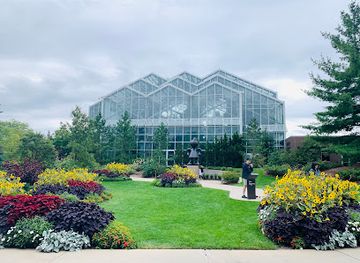
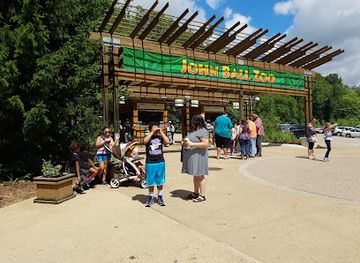
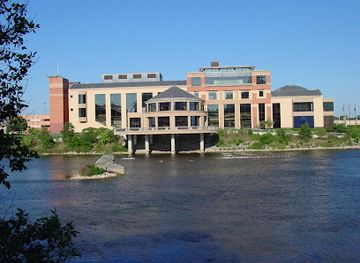
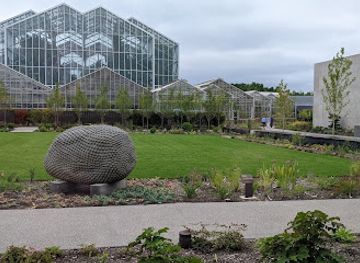
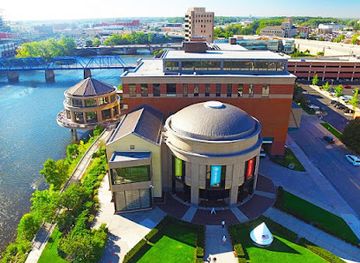
Grand Rapids offers a varied group of attractions within and around its urban core. The Grand Rapids Public Museum combines regional history, science displays and a planetarium beside the Grand River, while the Grand Rapids Art Museum presents American and European works in a contemporary downtown building. The Gerald R. Ford Presidential Museum examines the life and presidency of the Michigan-raised thirty-eighth president. Frederik Meijer Gardens & Sculpture Park pairs conservatories and cultivated landscapes with large-scale outdoor art, and John Ball Zoo occupies wooded hills west of downtown. Heritage Hill invites slow exploration among preserved nineteenth- and early twentieth-century houses, while the Grand Rapids Downtown Market brings food stalls, demonstrations and local producers together under one roof. Public art is central to the city experience, from Alexander Calder's La Grande Vitesse at Calder Plaza to installations encountered along streets, bridges and riverfront spaces.
-
Tourist attraction
Frederik Meijer Gardens & Sculpture Park
Explore the beauty of nature and art at Frederik Meijer Gardens & Sculpture Park, a stunning destination in Grand Rapids, Michigan, perfect for all nature lovers.
17 min drive · 5.7 km from city centre
-
Zoo
John Ball Zoo
Explore the rich diversity of wildlife at John Ball Zoo in Grand Rapids, a family-friendly destination that combines fun with education.
12 min drive · 3.9 km from city centre
-
Museum
Grand Rapids Public Museum
Discover the Grand Rapids Public Museum, where history, culture, and science come alive in an engaging and family-friendly environment.
5 min drive · 1.7 km from city centre
-
Museum
Grand Rapids Public Museum
Discover the Grand Rapids Public Museum: a hub of culture, history, and science in the heart of Grand Rapids, Michigan.
5 min drive · 1.7 km from city centre

Best landmarks in Grand Rapids
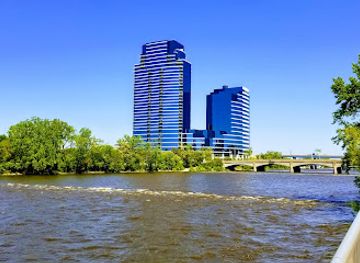
Grand Rapids' landmarks reveal the relationship between river commerce, industrial wealth, religion and modern civic ambition. La Grande Vitesse, Alexander Calder's bright red stabile in Vandenberg Plaza, became a defining work of American public art and a visual emblem of downtown. The Meyer May House in Heritage Hill is an important Frank Lloyd Wright residence, restored with close attention to its original design and furnishings. Heritage Hill itself forms one of the city's most significant architectural landscapes, with churches and houses representing several nineteenth- and early twentieth-century styles. The Basilica of Saint Adalbert reflects the history of Polish Catholic immigration, while Fountain Street Church represents the city's liberal religious and civic traditions. Bridges across the Grand River, including the Blue Bridge, underline the waterway's continuing role in the city's landscape, even as the river has shifted from industrial resource to public amenity.
-
Botanical garden
Frederik Meijer Gardens & Sculpture Park
Discover the enchanting Frederik Meijer Gardens & Sculpture Park, where nature meets art in a breathtaking 158-acre landscape in Grand Rapids, Michigan.
17 min drive · 5.7 km from city centre
-
Museum
Grand Rapids Public Museum
Explore the Grand Rapids Public Museum for an unforgettable journey through history, science, and culture in Michigan's vibrant city.
5 min drive · 1.7 km from city centre
-
 Hotel
HotelAmway Grand Plaza, Curio Collection by Hilton
Amway Grand Plaza: A Historic Luxury Hotel in Grand Rapids, MI Offering Elegant Accommodations and Premium Amenities.
5 min drive · 1.5 km from city centre
-
Convention center
DeVos Place
Explore DeVos Place, Grand Rapids' premier convention center, blending modern design with local culture and beautiful riverside views.
5 min drive · 1.6 km from city centre
Explore Grand Rapids on the map
Plan your Grand Rapids trip on one map. See where the top attractions, landmarks, restaurants, bars and hotels are, find what's near where you're staying, and book hotels and experiences in a few clicks.
Neighbourhoods in Grand Rapids
-

-

-

-


Swipe for more neighbourhoods
Best hotels in Grand Rapids
Best restaurants in Grand Rapids
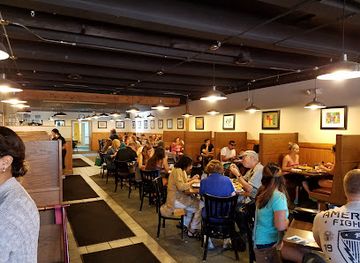
Grand Rapids' food culture reflects West Michigan agriculture, Dutch heritage, immigrant communities and a strong craft-beverage economy. Seasonal produce, apples, cherries, asparagus and freshwater fish appear in menus shaped by the region's farms and proximity to Lake Michigan, while bakeries and cafés preserve Dutch-influenced traditions alongside newer interpretations of American comfort food. Downtown Market is a useful place to sample several styles under one roof, and the Fulton Street Farmers Market connects the city with growers from the surrounding countryside. Eastown, Wealthy Street, the West Side and the downtown core contain independent restaurants ranging from casual counters and pizzerias to chef-led dining rooms. Local breweries frequently serve substantial food, making beer part of the meal rather than a separate attraction. International cuisines are also well represented, reflecting the city's changing population and university, healthcare and creative communities.
-
American
Stella's Lounge
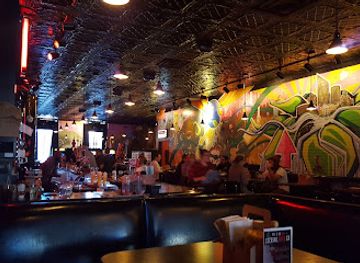
Discover Stella's Lounge: where American cuisine meets arcade fun in downtown Grand Rapids for an unforgettable dining experience.
14 min walk · 1.1 km from city centre
-
Breakfast
Wolfgang's Restaurant
Discover Wolfgang's Restaurant in Grand Rapids: A cozy breakfast spot serving delicious dishes made from locally sourced ingredients.
6 min drive · 2.1 km from city centre
-
Restaurant
Butcher's Union
Experience the essence of Michigan dining at Butcher's Union – where fresh ingredients meet craft beverages in a vibrant atmosphere.
7 min drive · 2.2 km from city centre
-
Mexican
Donkey Taqueria
Experience vibrant Mexican cuisine at Donkey Taqueria in Grand Rapids - where every dish tells a story!
9 min walk · 0.8 km from city centre
Best bars in Grand Rapids
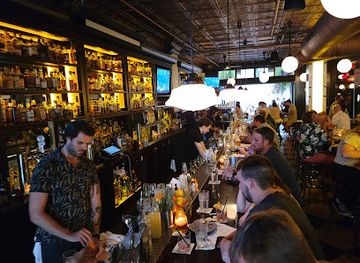
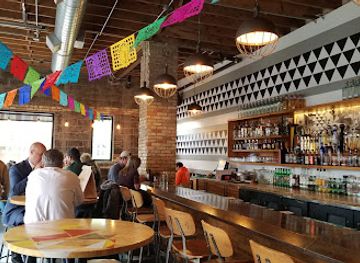
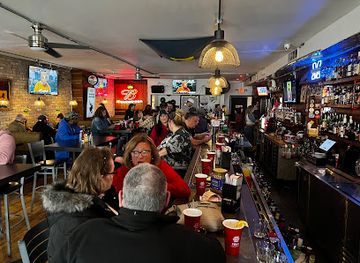
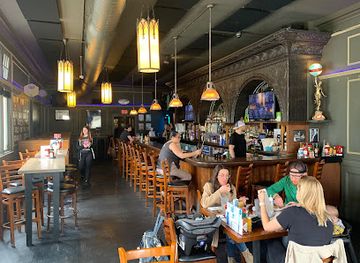
Grand Rapids' evening scene is concentrated in a handful of walkable districts rather than spread across a vast nightlife zone. Downtown offers cocktail bars, breweries, live-music rooms and venues around Ionia Avenue, Monroe North and the central entertainment area, while the West Side has a particularly strong brewery presence. Eastown and Wealthy Street provide smaller bars, music venues and late-evening restaurants with a neighbourhood feel. Established performance spaces such as The Intersection, 20 Monroe Live and The Pyramid Scheme host touring acts and local artists, while Wealthy Theatre presents concerts, film and community programming. The city's beer identity is prominent, but evenings can also centre on theatre, galleries, comedy, sports or seasonal public events. Visitors should expect American service customs, including tipping, and should arrange transport carefully when moving between districts or returning to accommodation outside the centre.
-
Pub
Brick and Porter
Discover the vibrant ambiance and unique cocktails at Brick and Porter, Grand Rapids' premier pub and grill in the heart of downtown.
13 min walk · 1.0 km from city centre
-
American
The Winchester
Experience the best of American gastropub cuisine at The Winchester in Grand Rapids, where local ingredients and a welcoming atmosphere come together.
10 min walk · 0.8 km from city centre
-
Grill
Grand Rapids Garage Bar & Grill
Savor American flavors at Grand Rapids Garage Bar & Grill, where grilled specialties meet a vibrant atmosphere in the heart of the city.
6 min drive · 2.1 km from city centre
-
Grill
Blue Dog Tavern
Experience the vibrant atmosphere and mouthwatering grill dishes at Blue Dog Tavern, a local favorite in Grand Rapids, Michigan.
9 min drive · 2.9 km from city centre
Best nightclubs in Grand Rapids
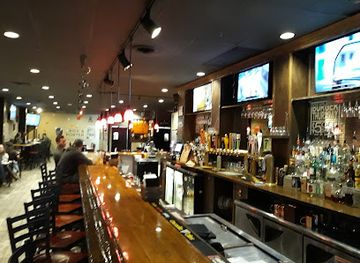
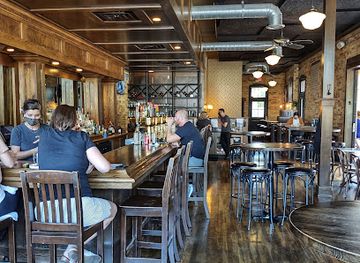
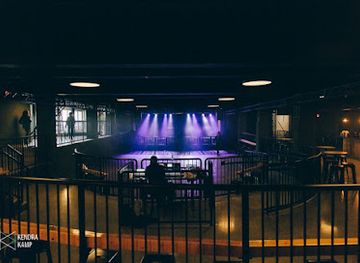
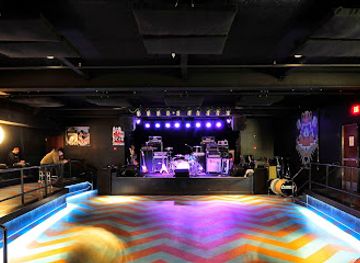
Grand Rapids' evening scene is concentrated in a handful of walkable districts rather than spread across a vast nightlife zone. Downtown offers cocktail bars, breweries, live-music rooms and venues around Ionia Avenue, Monroe North and the central entertainment area, while the West Side has a particularly strong brewery presence. Eastown and Wealthy Street provide smaller bars, music venues and late-evening restaurants with a neighbourhood feel. Established performance spaces such as The Intersection, 20 Monroe Live and The Pyramid Scheme host touring acts and local artists, while Wealthy Theatre presents concerts, film and community programming. The city's beer identity is prominent, but evenings can also centre on theatre, galleries, comedy, sports or seasonal public events. Visitors should expect American service customs, including tipping, and should arrange transport carefully when moving between districts or returning to accommodation outside the centre.
-
Night club
The Intersection
Discover the heartbeat of Grand Rapids' nightlife at The Intersection, a premier venue for live music and unforgettable events.
18 min walk · 1.5 km from city centre
-
Bar
The Pyramid Scheme
Experience the vibrant nightlife of Grand Rapids at The Pyramid Scheme, your go-to bar for live music, arcade games, and great company.
13 min walk · 1.0 km from city centre
-
Lounge
Billy's Lounge
Experience the vibrant atmosphere and delightful offerings of Billy's Lounge in Eastown, Grand Rapids, where live music meets delicious cuisine.
6 min drive · 2.0 km from city centre
-
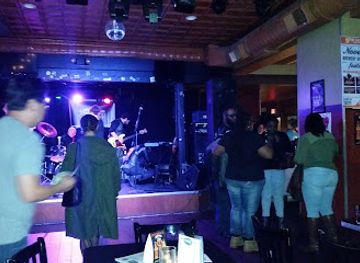
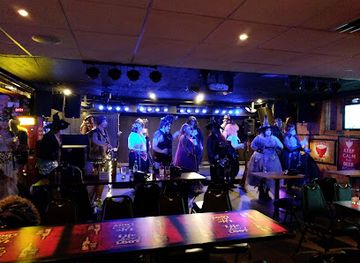
Live music bar
Log Cabin
Discover the lively Log Cabin in Grand Rapids, a hotspot for live music, great food, and unforgettable nights filled with karaoke and dancing.
14 min drive · 4.7 km from city centre
Best shops in Grand Rapids
Shopping in Grand Rapids combines farmers' markets, independent neighbourhood businesses, design-led retailers and everyday American commercial districts. Downtown Market is the main food-oriented destination, offering locally produced ingredients, prepared foods and specialist stalls, while Fulton Street Farmers Market has served as a longstanding meeting place for regional growers and shoppers. Eastown and Wealthy Street are associated with independent boutiques, gift shops, vintage finds, books and locally made goods, and the West Side adds small businesses near its brewery and restaurant corridors. Visitors interested in the city's furniture legacy may find contemporary homewares, design products and craft objects that echo Grand Rapids' manufacturing identity. West Michigan food products, coffee, beer-related merchandise, ceramics and artwork make more locally meaningful purchases than generic souvenirs. Standard shopping centres and national retailers are found beyond the central districts, generally requiring a car or local transport.
-
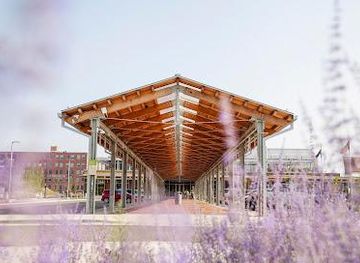
Market
Grand Rapids Downtown Market
Discover local flavors and artisanal delights at the Grand Rapids Downtown Market, a must-visit culinary destination.
18 min walk · 1.4 km from city centre
-
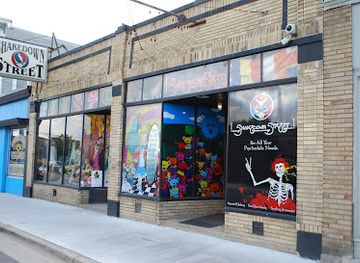
Clothing store
Shakedown Street
Explore Shakedown Street in Grand Rapids for unique clothing that captures the essence of local culture and creativity.
10 min drive · 3.5 km from city centre
-
Antique store
Wally's Treasures Mall (Vintage, Antiques, Collectibles, & Uniques)
Discover a treasure trove of antiques, collectibles, and vintage finds at Wally's Treasures Mall in Grand Rapids, Michigan.
18 min drive · 5.9 km from city centre
-
Gift shop
Spirit Dreams
Discover your spiritual side at Spirit Dreams, a unique gift shop in Grand Rapids offering aromatherapy, books, and metaphysical supplies.
6 min drive · 1.9 km from city centre
Get your free copy of our complete guide to Grand Rapids, delivered straight to you.
Everything on this page, from attractions and restaurants to essentials and local phrases, in one PDF you can read offline, print or share.
Already have an account? Sign in
Your Grand Rapids guide is ready.
We'll send it to · Not you? Sign out

Getting your guide ready…
We are putting together a fresh copy of the Grand Rapids guide. This can take up to a minute.
This can take a few moments. If your browser asks, choose Allow so the download can start. You'll find the guide in your Downloads folder.
Nothing happened? Download it again
Sorry, the guide is taking longer than usual. Please try again in a minute, or get it by email instead.
Grand Rapids essentials
Currency and Payment
Safety
Emergency Situations
Do's and Don'ts
Local Tips
From Eve
Local phrases worth knowing
You don't need to get them perfect. A few words go a long way, and locals appreciate the effort.
Basics
| English | Local | Say it |
|---|---|---|
| Hello | Hi | [hahy] |
| Goodbye | Bye | [bahy] |
| Yes | Yeah | [yeh] |
| No | Nope | [nohp] |
| Please/You're welcome | Please | [pleez] |
| Thank you | Thanks | [thangks] |
| Excuse me/Sorry | Excuse me | [ek-SKYOOZ mee] |
| How are you? | How are you doing? | [haw ar yoo doo-ing?] |
| Fine. And you? | Good. You? | [gud. yoo?] |
| Do you speak English? | Do you speak English? | [doo yoo speek Ing-glish?] |
| I don't understand | I don't get it | [ahy dohnt get it] |
Eating & Drinking
| English | Local | Say it |
|---|---|---|
| I'd like to see the menu, please | Can I see the menu? | [kan ahy see the menu?] |
| I don't eat meat | I don't eat meat | [ahy dohnt eet meet] |
| Cheers! | Cheers! | [cheerz] |
| I would like to pay, please | Can I pay, please | [kan ahy pay, please] |
Emergencies
| English | Local | Say it |
|---|---|---|
| Help! | Help! | [help] |
| Go away! | Go away! | [goh uh-way] |
| Call the Police! | Call the cops! | [kahl the cops] |
| Call a doctor! | Call a doctor! | [kahl ah dok-tur] |
| I'm lost | I'm lost | [ahym lost] |
| I'm ill | I'm sick | [ahym sik] |
Shopping
| English | Local | Say it |
|---|---|---|
| I'd like to buy... | I want to buy... | [ahy wawnt to buy] |
| I'm just looking | I'm just looking | [ahym jahst look-ing] |
| How much is it? | How much does it cost? | [haw much duhz it cost?] |
| That's too expensive | That's too much | [thats tooh much] |
| Can you lower the price? | Can you give me a discount? | [kan yoo giv mee ah dis-kownt?] |
Time & Numbers
| English | Local | Say it |
|---|---|---|
| What time is it? | What time is it? | [wut tahym iz it] |
| It's one o'clock | It's one o'clock | [its wun oh-klok] |
| Half past (10) | Half past ten | [haf past ten] |
| Morning | Morning | [mawr-ning] |
| Afternoon | Afternoon | [af-ter-noon] |
| Evening | Evening | [ee-ven-ing] |
| Yesterday | Yesterday | [yestur-day] |
| Today | Today | [tuh-day] |
| Tomorrow | Tomorrow | [tuh-maw-row] |
| 1 | One | [wun] |
| 2 | Two | [too] |
| 3 | Three | [three] |
| 4 | Four | [for] |
| 5 | Five | [fahyv] |
| 6 | Six | [siks] |
| 7 | Seven | [sev-uhn] |
| 8 | Eight | [ayt] |
| 9 | Nine | [nahyn] |
| 10 | Ten | [ten] |
Transport & Directions
| English | Local | Say it |
|---|---|---|
| Where's a/the...? | Where's the...? | [wheres thuh] |
| What's the address? | What's the address? | [whats thuh uh-dres] |
| Can you show me (on the map)? | Can you show me on the map? | [kan yoo show mee on thuh map] |
| When's the next (bus)? | When's the next bus? | [whens thuh nekst bus] |
| A ticket (to ....) | A ticket to ... | [ah tik-it too] |
History of Grand Rapids
Anishinaabe Lands and the Grand River
The Grand River valley is part of the traditional homeland of Anishinaabe peoples, including Ottawa, Ojibwe and Potawatomi communities whose lives were shaped by the river, its fisheries and surrounding woodland. Indigenous presence long predates the later settlement called Grand Rapids, and treaties and nineteenth-century United States expansion transformed control of the land. The river's rapids created an important geographic marker and later attracted mills and commercial activity. Understanding this earlier history places the city's development within a much longer cultural landscape rather than treating the nineteenth-century town as its beginning.
Louis Campau Establishes a Trading Post
French-Canadian fur trader Louis Campau established a trading post near the Grand River in 1826, an event conventionally associated with the founding of Grand Rapids. Campau traded with Indigenous people and settlers and helped create a permanent non-Indigenous community at a point where river transport and waterpower offered commercial advantages. Other settlers, including Baptist missionary William B. Slawson, contributed to the emerging village. The settlement's position beside the rapids soon encouraged sawmills, flour mills and general trade, giving the young community an economic purpose beyond its initial fur-trading connections.
From Village to Incorporated City
Grand Rapids developed rapidly during the 1830s and 1840s as roads, river commerce and milling drew merchants, craftspeople and farmers from the surrounding region. The settlement was incorporated as a village in 1838 and as a city in 1850. Bridges and improved transport strengthened links between the two banks of the Grand River, while churches, schools and commercial buildings established a more formal civic structure. The city's early prosperity depended on the processing and movement of timber and agricultural goods, with the river remaining both a practical resource and a defining element of its urban form.
The Rise of the Furniture City
During the late nineteenth and early twentieth centuries, Grand Rapids became widely known as the Furniture City. Local manufacturers benefited from timber, skilled labour, rail connections and access to national markets, producing household and office furniture on an increasingly industrial scale. Companies such as Berkey & Gay, Stickley Brothers and later office-furniture manufacturers helped establish a specialised business culture that continues to influence the region's design and manufacturing identity. Prosperity funded substantial homes, churches, schools and civic buildings, many of which survive in districts such as Heritage Hill.
Dutch Immigration and Civic Growth
Dutch immigration became an important part of Grand Rapids' social and religious history, particularly from the mid-nineteenth century onwards. Many newcomers were connected with the Reformed tradition and established congregations, schools, businesses and community institutions. Their influence remains visible in local religious architecture, family histories, food traditions and civic organisations, although Grand Rapids has always included many other communities as well. As industry expanded, the city became more ethnically and socially diverse, and its neighbourhoods grew around factories, streetcar routes, commercial corridors and the institutions serving working families.
A Modern Centre for Art and Public Life
After the industrial economy changed, Grand Rapids cultivated a broader identity built around education, healthcare, design, culture and entrepreneurship. The Gerald R. Ford Presidential Museum, opened in 1981, reflects the city's connection with the thirty-eighth United States president, who was raised in Grand Rapids. In the twenty-first century, public art and cultural programming gained particular visibility through ArtPrize, launched in 2009, while the revitalised riverfront, museums, gardens and brewery scene strengthened the city's appeal to visitors. These developments sit alongside continuing debates about neighbourhood change, inclusion and the legacy of industrial urban development.
Grand Rapids in Photos
Browse through our photo collection highlighting the charm and character of the destination.
Cities near Grand Rapids
The closest cities to Grand Rapids, if you have time for more than one stop.
-
-

-

-

-


Swipe for more cities
Explore more

Explore more of Michigan
Explore Michigan's stunning Great Lakes, vibrant cities, and untouched natural beauty. Discover the state's rich cultural heritage and endless outdoor adventures.
Explore Michigan