

Free Holland Travel Guide & Mobile App
Plan your Holland trip with Evendo. Get free guides to top attractions, restaurants, hotels, and bars. Web access or download the mobile app.




Holland, Michigan pairs Dutch-American heritage with Lake Michigan beaches, tulip displays, historic streets, museums and welcoming small-city culture.
Dutch Roots and American Shores
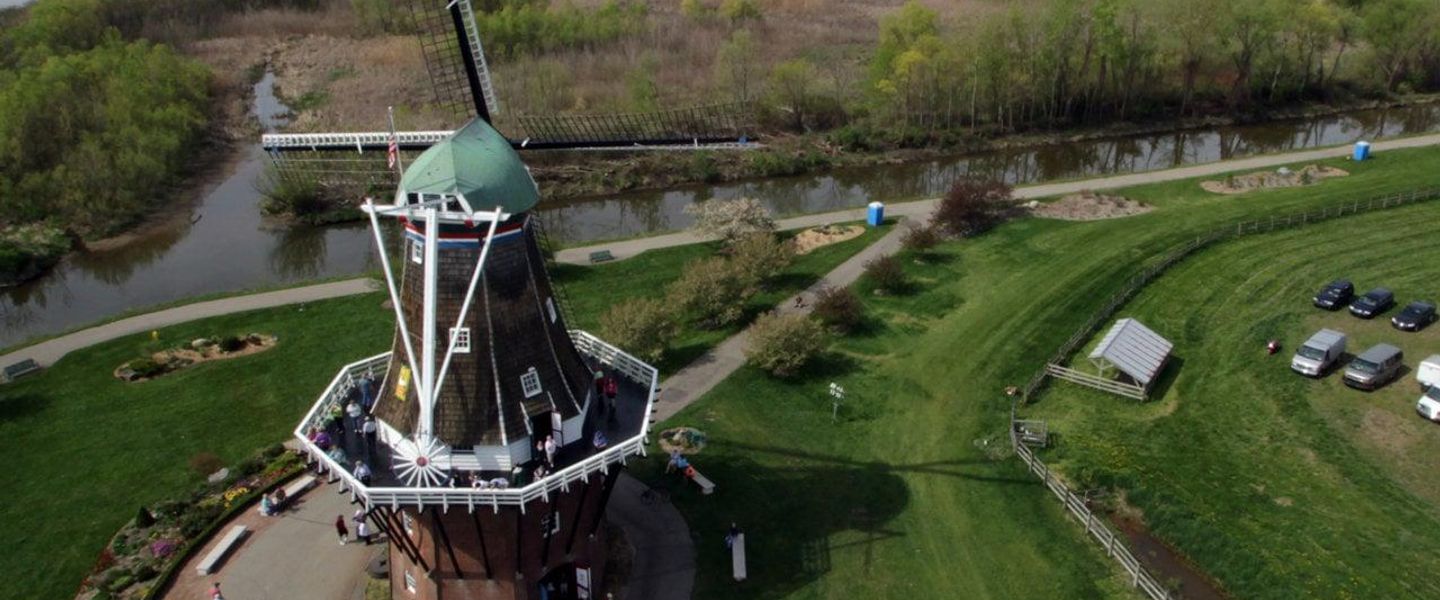
Holland stands on the eastern shore of Lake Michigan, where the broad waters of Lake Macatawa connect the city to the Great Lakes landscape. Founded in 1847 by Dutch immigrants led by the Reverend Albertus van Raalte, it retains a carefully cultivated Dutch-American identity without feeling like a historical replica. Street names, traditional bakeries, seasonal celebrations and the windmill at Windmill Island Gardens all recall the community's origins, while downtown Holland brings those traditions into an active modern setting.Read more about Holland
A Walkable Small-City Centre
When is the best time to visit Holland?
Best: June, August–September · 23–28°C| Month | High (°C) | Rainfall (mm) |
|---|---|---|
| January | 1 | 50 |
| February | 2 | 45 |
| March | 7 | 55 |
| April | 13 | 65 |
| May | 19 | 75 |
| June (best) | 24 | 85 |
| July | 28 | 95 |
| August (best) | 28 | 90 |
| September (best) | 23 | 85 |
| October | 16 | 75 |
| November | 9 | 70 |
| December | 2 | 60 |
Getting to and around Holland
How to get there
Transportation
Best attractions in Holland
Holland's principal attractions combine cultural history with access to the Great Lakes landscape. At Windmill Island Gardens, the working De Zwaan windmill stands among gardens and seasonal tulips, offering an accessible introduction to the city's Dutch heritage. The Holland Museum traces the community's Indigenous, Dutch and later American histories through exhibitions and local objects, while downtown streets provide a pleasant setting for independent shops, cafés and galleries. Hope College adds concerts, exhibitions and an academic presence to the central area. For open-air scenery, Kollen Park overlooks Lake Macatawa and provides paths and waterfront views, while Holland State Park, west of the city centre, has broad Lake Michigan beaches and a view towards the Holland Harbor Lighthouse, known as Big Red. During spring, Tulip Time extends sightseeing into public parks and streets with flower displays, parades and cultural performances.
-
 Tourist attraction
Holland State Park - Macatawa Campground
Experience the breathtaking beauty and outdoor adventure at Holland State Park - Macatawa Campground by Lake Michigan.
25 min drive · 8.3 km from city centre
-
Tourist attraction
Windmill Island Gardens
Immerse yourself in Dutch heritage and breathtaking landscapes at Windmill Island Gardens, a unique cultural and natural attraction in Holland, Michigan.
10 min drive · 3.4 km from city centre
-
Tourist attraction
Saugatuck Dunes State Park
Experience the serene beauty of Saugatuck Dunes State Park, a tranquil escape with stunning landscapes, diverse wildlife, and pristine beaches along Lake Michigan.
31 min drive · 11 km from city centre
-
Tourist attraction
Nelis' Dutch Village
Discover the enchanting experience of Nelis' Dutch Village, where Dutch culture, fun attractions, and unique shopping come together in Holland, Michigan.
15 min drive · 4.9 km from city centre


Best landmarks in Holland
Holland's most recognisable landmarks express its Dutch-American origins and its relationship with water. De Zwaan, a historic Dutch windmill at Windmill Island Gardens, is the city's defining cultural structure and a working example of the windmill tradition carried into Michigan. The Holland Harbor Lighthouse, widely known as Big Red, stands at the entrance to Lake Michigan from the channel and has become an emblem of the lakeshore, although viewing access depends on the surrounding public and private shoreline. Downtown buildings and civic spaces reflect the city's post-fire rebuilding and later commercial growth, while Hope College's historic campus provides an institutional layer to the centre. The Holland Museum, housed in a former nineteenth-century school building, is significant not only for its collections but also as a physical reminder of the community's educational and civic development. Together these places connect settlement, reconstruction, faith, industry and the Great Lakes.
-
Campground
Holland State Park - Macatawa Campground
Discover Holland State Park - Macatawa Campground, a picturesque blend of sandy shores, hiking trails, and family-friendly amenities along Lake Michigan.
25 min drive · 8.3 km from city centre
-
Tourist attraction
Windmill Island Gardens
Discover the charm of Dutch heritage at Windmill Island Gardens, a beautiful park featuring a historic windmill, stunning gardens, and cultural exhibits in Holland, MI.
10 min drive · 3.4 km from city centre
-
State park
Saugatuck Dunes State Park
Explore the stunning landscapes and diverse wildlife at Saugatuck Dunes State Park, a perfect destination for outdoor adventures and relaxation along Lake Michigan.
31 min drive · 11 km from city centre
-
Park
Tunnel Park
Explore Tunnel Park: A serene lakeside destination with beautiful beaches, playgrounds, and vibrant landscapes for all outdoor enthusiasts.
28 min drive · 9.5 km from city centre


Explore Holland on the map
Plan your Holland trip on one map. See where the top attractions, landmarks, restaurants, bars and hotels are, find what's near where you're staying, and book hotels and experiences in a few clicks.
Best hotels in Holland
Best restaurants in Holland
Holland's food culture reflects its Dutch-American origins as well as contemporary dining in a growing regional centre. Dutch bakeries are the most distinctive tradition, with visitors likely to encounter pastries such as banket, a filled almond pastry, alongside breads, cookies and seasonal specialities. Downtown restaurants range from casual cafés and brewpub-style venues to modern American kitchens, while the Holland Farmers Market brings local produce, baked goods and prepared foods into the centre when operating seasonally. Lake Michigan and nearby farmland shape the wider area's ingredients, although Holland's dining identity is more closely associated with bakery traditions and community celebrations than with a single signature savoury dish. New Holland Brewing helped establish a local craft-beer presence, and its beers appear alongside regional and American selections in restaurants and bars. Menus are generally informal, with international influences sharing space with familiar Midwestern cooking.
-
Restaurant
Boatwerks Waterfront Restaurant
Boatwerks Waterfront Restaurant: A premier dining destination offering exquisite American cuisine and breathtaking waterfront views.
9 min drive · 3.1 km from city centre
-
Steak
Crazy Horse Steak House
Experience culinary excellence at Crazy Horse Steak House in Holland, MI – where every bite is crafted with care.
13 min drive · 4.2 km from city centre
-
Fast Food
Chick-fil-A
Discover the taste of Southern hospitality at Chick-fil-A in Holland, where delicious chicken meets family-friendly dining.
15 min drive · 4.9 km from city centre
-
Traditional American
Windmill Restaurant
Discover delicious traditional American cuisine at Windmill Restaurant in Holland, MI - your go-to spot for breakfast and lunch delights.
8 min drive · 2.6 km from city centre


Best bars in Holland
Holland's evening scene is centred on downtown rather than a large club district. Breweries, pubs, cocktail-focused bars and restaurants provide the main social settings, with New Holland Brewing among the best-known names associated with the city's craft-beer culture. Hope College contributes concerts, theatre and other campus performances, while the Holland Civic Theatre and seasonal outdoor programming broaden the cultural options beyond drinking. Summer brings waterfront activity and evening events around parks and the lakeshore, although the beach area is quieter than the central commercial streets after dark. Nightlife tends to be relaxed and community-oriented, with live music and special events often more prominent than large nightclubs. Visitors should check current event information, as opening patterns and performances vary by season and by the college calendar.
-
Bar
Boatwerks Waterfront Restaurant
Experience the best of American cuisine at Boatwerks Waterfront Restaurant, where stunning waterfront views meet delicious food and live music.
9 min drive · 3.1 km from city centre
-
Pub
Salt & Pepper Savory Grill and Pub
Experience the vibrant flavors of Salt & Pepper Savory Grill and Pub, a culinary haven in Holland, Michigan, perfect for food lovers.
15 min drive · 5.0 km from city centre
-
Irish pub
The Curragh Irish Pub
Experience the warmth of Irish hospitality at The Curragh Irish Pub in Holland, Michigan, where delightful cuisine and drinks await.
8 min drive · 2.6 km from city centre
-
Grill
Hops at 84 East
Discover the unique flavors of Hops at 84 East, Holland's premier grill for craft beers and expertly grilled dishes.
8 min drive · 2.6 km from city centre


Best nightclubs in Holland
Holland's evening scene is centred on downtown rather than a large club district. Breweries, pubs, cocktail-focused bars and restaurants provide the main social settings, with New Holland Brewing among the best-known names associated with the city's craft-beer culture. Hope College contributes concerts, theatre and other campus performances, while the Holland Civic Theatre and seasonal outdoor programming broaden the cultural options beyond drinking. Summer brings waterfront activity and evening events around parks and the lakeshore, although the beach area is quieter than the central commercial streets after dark. Nightlife tends to be relaxed and community-oriented, with live music and special events often more prominent than large nightclubs. Visitors should check current event information, as opening patterns and performances vary by season and by the college calendar.
-
Bar
Itty Bitty Bar
Experience the lively atmosphere and craft beverages at Itty Bitty Bar in Holland, Michigan, where locals and tourists come together for a night of fun.
17 min drive · 5.5 km from city centre
-
Grill
Tap Room
Discover the vibrant dining experience at Tap Room, where delicious grilled favorites and local brews await in Holland, MI.
7 min drive · 2.2 km from city centre
-
Cocktail bar
Obstacle No. 1
Experience Holland's vibrant nightlife at Obstacle No. 1, the perfect cocktail bar for memorable evenings with unique drinks and a cozy atmosphere.
8 min drive · 2.7 km from city centre
-
Pub
Parrots Lounge
Experience the lively nightlife at Parrots Lounge, a beloved pub in Holland, Michigan, known for its entertainment, affordable drinks, and friendly atmosphere.
8 min drive · 2.5 km from city centre


Best shops in Holland
Shopping in Holland is concentrated in the walkable downtown, where independent boutiques, gift shops, galleries, bookshops and cafés occupy a compact commercial area. Dutch-themed goods, tulip products, locally made foods and traditional bakery items are common choices for visitors, while craft beer and regional provisions offer more contemporary souvenirs. The Holland Farmers Market, held seasonally, is useful for Michigan produce, baked goods, flowers and artisan products, although its selection reflects the time of year. Windmill Island Gardens and other heritage attractions also carry Dutch-inspired gifts, prints and garden-related items. Outside the central district, larger retail areas serve local residents with everyday shopping and national chains rather than historic character. The city's retail identity is therefore strongest where independent businesses, seasonal produce and Dutch-American motifs overlap, particularly during festival periods when special displays and temporary vendors add to the streetscape.
-
Shopping mall
The Shops at Westshore
Explore The Shops at Westshore in Holland, MI - your ultimate shopping destination with diverse stores and delightful dining options.
16 min drive · 5.4 km from city centre
-
Shopping mall
Town Center Holland
Explore the dynamic shopping and dining experience at Town Center Holland, a must-visit destination in Michigan for tourists and locals alike.
15 min drive · 4.9 km from city centre
-
Gift shop
Cherry Republic | Holland
Explore the flavors of Michigan at Cherry Republic in Holland, your destination for gourmet chocolates, fine wines, and unique gifts.
8 min drive · 2.7 km from city centre
-
Gift shop
Apothecary Gift Shop
Explore Holland's Apothecary Gift Shop for unique gifts, local crafts, and a delightful shopping experience full of surprises.
8 min drive · 2.7 km from city centre


Get your free copy of our complete guide to Holland, delivered straight to you.
Everything on this page, from attractions and restaurants to essentials and local phrases, in one PDF you can read offline, print or share.
Already have an account? Sign in
Your Holland guide is ready.
We'll send it to · Not you? Sign out

Getting your guide ready…
We are putting together a fresh copy of the Holland guide. This can take up to a minute.
This can take a few moments. If your browser asks, choose Allow so the download can start. You'll find the guide in your Downloads folder.
Nothing happened? Download it again
Sorry, the guide is taking longer than usual. Please try again in a minute, or get it by email instead.
Holland essentials
Currency and Payment
Safety
Emergency Situations
Do's and Don'ts
Local Tips
From Eve
Local phrases worth knowing
You don't need to get them perfect. A few words go a long way, and locals appreciate the effort.
Basics
| English | Local | Say it |
|---|---|---|
| Hello | Hallo | [HAH-loh] |
| Goodbye | Tot ziens | [toht zeens] |
| Yes | Ja | [yah] |
| No | Nee | [nay] |
| Please/You're welcome | Alstublieft | [ahl-stu-BLEEFT] |
| Thank you | Dank je | [dahnk yuh] |
| Excuse me/Sorry | Sorry | [SOH-ree] |
| How are you? | Hoe gaat het? | [hoo gahht het] |
| Fine. And you? | Goed. En met jou? | [khoot. en met yow] |
| Do you speak English? | Spreek je Engels? | [sprayk yuh ENG-uhls] |
| I don't understand | Ik begrijp het niet | [ihk buh-GRAYP het neet] |
Eating & Drinking
| English | Local | Say it |
|---|---|---|
| I'd like to see the menu, please | Mag ik de menukaart zien, alsjeblieft | [mahk ihk duh meh-NOO-kahrt zeen, ahl-suh-bleeft] |
| I don't eat meat | Ik eet geen vlees | [ihk ayt khayn flays] |
| Cheers! | Proost! | [prohst] |
| I would like to pay, please | Ik wil graag betalen, alsjeblieft | [ihk vill khrahkh buh-TAH-luhn, ahl-suh-bleeft] |
Emergencies
| English | Local | Say it |
|---|---|---|
| Help! | Help! | [help] |
| Go away! | Ga weg! | [gah vekh] |
| Call the Police! | Bel de politie! | [bel duh poh-lee-see] |
| Call a doctor! | Bel een dokter! | [bel ayn DAHK-tuhr] |
| I'm lost | Ik ben verdwaald | [ihk ben vuhrd-WAHLT] |
| I'm ill | Ik ben ziek | [ihk ben zik] |
Shopping
| English | Local | Say it |
|---|---|---|
| I'd like to buy... | Ik wil graag kopen... | [ihk vill khrahkh koh-puhn] |
| I'm just looking | Ik kijk alleen maar | [ihk kayk AHL-uhn mahr] |
| How much is it? | Hoeveel kost het? | [HOO-veyl kost het] |
| That's too expensive | Dat is te duur | [daht is tuh duhr] |
| Can you lower the price? | Kunt u de prijs verlagen? | [kunt uu duh prays vuh-RAH-khuhn] |
Time & Numbers
| English | Local | Say it |
|---|---|---|
| What time is it? | Hoe laat is het? | [hoo laht is het] |
| It's one o'clock | Het is een uur | [het is ayn uhr] |
| Half past (10) | Half elf | [hahlf elf] |
| Morning | Ochtend | [OHK-tuhnt] |
| Afternoon | Middag | [MIH-dukh] |
| Evening | Avond | [AH-vuhnt] |
| Yesterday | Gisteren | [GIH-stuh-ruhn] |
| Today | Vandaag | [vahn-DAHKH] |
| Tomorrow | Morgen | [MOHR-khuhn] |
| 1 | Een | [ayn] |
| 2 | Twee | [tway] |
| 3 | Drie | [dree] |
| 4 | Vier | [veer] |
| 5 | Vijf | [fayf] |
| 6 | Zes | [zehs] |
| 7 | Zeven | [ZAY-vuhn] |
| 8 | Acht | [ahkht] |
| 9 | Negen | [NAY-ghun] |
| 10 | Tien | [teen] |
Transport & Directions
| English | Local | Say it |
|---|---|---|
| Where's a/the...? | Waar is de...? | [vahr is duh] |
| What's the address? | Wat is het adres? | [vaht is het AH-druhs] |
| Can you show me (on the map)? | Kunt u mij laten zien (op de kaart)? | [kunt uu may LAH-tuhn zeen (op duh kahrt)] |
| When's the next (bus)? | Wanneer is de volgende (bus)? | [vahn-EHR is duh vohl-HUHN-duh (bus)] |
| A ticket (to ....) | Een kaartje (naar ....) | [ayn KAHRT-yuh (naar)] |
History of Holland
Ottawa Homeland and Great Lakes Trade
The Holland area lies within the traditional homeland of the Ottawa, or Odawa, people, whose communities used the western Michigan landscape and waterways long before European-American settlement. The region's location between Lake Michigan and inland waterways later supported fur trading, timber extraction and agricultural development. French and later British influence reached the wider Great Lakes, but the landscape remained shaped by Indigenous presence and movement. Any account of Holland's origins therefore begins before the arrival of Dutch immigrants, with the cultural and environmental history of the western Michigan shore providing the setting for the town that emerged in the nineteenth century.
Dutch Settlement in 1847
Holland was founded in 1847 by Dutch immigrants led by Albertus van Raalte, a minister who sought a new community where religious and social life could be organised according to the beliefs of the Seceders, a Dutch Protestant movement. The settlers purchased land near Black Lake, now Lake Macatawa, and developed farms, churches, schools and businesses. The settlement was named Holland in reference to the immigrants' homeland. Repeated hardship, including disease, difficult land clearance and limited early resources, tested the colony, but the community gradually established an enduring Dutch-American character that remains central to the city's cultural identity.
Churches, Colleges and Civic Growth
Religious institutions played a decisive role in Holland's early development. Hope College was established in 1866, growing from the community's educational tradition, while Western Theological Seminary, now Western Theological Seminary of the Reformed Church in America, was also founded in Holland that year. These institutions helped make the town a centre of Dutch Reformed education and supplied teachers, ministers and civic leaders. Holland became an incorporated city in 1867, by which time agriculture, trade and small-scale industry were expanding. The surviving college buildings, churches and established street pattern reflect the importance of faith, education and communal organisation in the city's formation.
The Great Fire of 1871
On 8 October 1871, a major fire swept through Holland as part of the widespread forest fires that affected the Great Lakes region that autumn. Much of the city was destroyed, leaving thousands of residents without homes and damaging businesses, churches and public buildings. Reconstruction followed quickly, aided by outside donations and the resilience of local institutions. The rebuilt city adopted more substantial construction in important areas, and this period helped shape the commercial centre visible today. Holland's fire is a defining episode in its history because it interrupted the first generation of settlement while accelerating the establishment of a more durable urban community.
Industry and a Changing Population
After reconstruction, Holland developed beyond its original agricultural and religious base. Furniture manufacturing, food processing and other industries became important sources of employment, while rail connections and improved roads strengthened links with Grand Rapids, the Lake Michigan shore and wider Michigan markets. Dutch ancestry remained prominent, but later migration brought new residents and cultural influences. The city also expanded around Lake Macatawa and the surrounding farmland, creating the mixture of industrial, residential and recreational landscapes found today. Its history is therefore not solely one of ethnic continuity: it is also a story of economic adaptation, urban growth and changing American identities.
Tulips and Public Heritage
Holland's modern public identity became closely associated with tulips during the twentieth century. The first Tulip Time festival was held in 1929, building on earlier efforts to plant bulbs and express the community's Dutch heritage through flowers, music and civic celebrations. The festival developed into an annual event featuring parades, performances and displays across the city. Windmill Island Gardens, opened in 1965, added a permanent cultural attraction centred on the working De Zwaan windmill, which was moved from the Netherlands to Holland in 1964. Together, Tulip Time and Windmill Island turned inherited traditions into a major part of the city's contemporary cultural landscape.
Holland in Photos
Browse through our photo collection highlighting the charm and character of the destination.
Cities near Holland
The closest cities to Holland, if you have time for more than one stop.
-

-

-

-

-


Swipe for more cities
Explore more

Explore more of Michigan
Explore Michigan's stunning Great Lakes, vibrant cities, and untouched natural beauty. Discover the state's rich cultural heritage and endless outdoor adventures.
Explore Michigan