

Free Central Michigan Travel Guide & Mobile App
Explore Central Michigan with free travel guides. Discover regional history, expert tips, proposed trips, and audio guides on web or mobile app.


Explore Central Michigan for Lansing’s civic heritage, university culture, river towns, forest trails, wetlands and gardens across the state’s inland heart.
Read more about Central Michigan
When is the best time to visit Central Michigan?
Best: June, August–September · 24–28°C| Month | High (°C) | Rainfall (mm) |
|---|---|---|
| January | 0 | 45 |
| February | 2 | 40 |
| March | 8 | 50 |
| April | 16 | 65 |
| May | 21 | 75 |
| June (best) | 26 | 85 |
| July | 29 | 90 |
| August (best) | 28 | 85 |
| September (best) | 24 | 80 |
| October | 17 | 65 |
| November | 10 | 55 |
| December | 3 | 50 |
Getting to and around Central Michigan
How to get there
Transportation
Top city travel guides in Central Michigan
The cities of Central Michigan, and the easiest places to base yourself.
-

-

-

-

-

-


Swipe for more cities
Destinations in Central Michigan
Resorts, valleys and scenic spots worth a trip of their own.
-

-

-

-


Swipe for more destinations
Best attractions in Central Michigan
Central Michigan’s attractions combine civic culture, university life, industrial heritage and accessible outdoor landscapes. Lansing anchors the region with the Michigan State Capitol, the Michigan History Center, Impression 5 Science Center, the Broad Art Museum and the parks and paths of the Grand and Red Cedar rivers. East Lansing adds Michigan State University’s campus, galleries, gardens and sporting culture. In Mount Pleasant, the Ziibiwing Center offers important interpretation of Anishinaabe history and culture, while the university gives the town a substantial programme of public events. Midland is known for Dow Gardens, the adjacent Whiting Forest canopy walk and the Midland Center for the Arts, creating a strong cluster of gardens, science and cultural programming. Bay City and Saginaw provide riverfront museums, historic districts and family attractions, while the Shiawassee National Wildlife Refuge offers birdwatching and wetland trails. State recreation areas, rail-trails, paddling routes and seasonal farms broaden the region’s appeal without requiring a single large national park.
-
State park
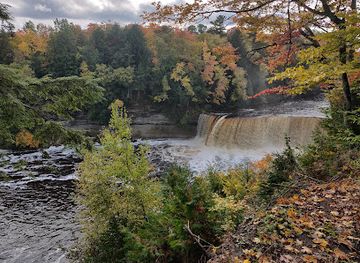
Tahquamenon Falls State Park
Explore the awe-inspiring Tahquamenon Falls State Park, home to stunning waterfalls, lush forests, and endless outdoor adventures in Michigan's Upper Peninsula.
-
Park
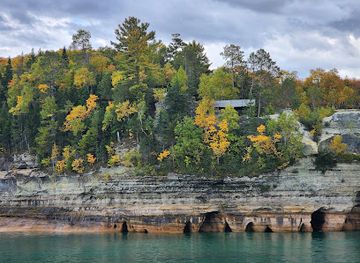
Pictured Rocks National Lakeshore
Explore Pictured Rocks National Lakeshore for stunning cliffs, clear lakes, and unparalleled outdoor adventures in Michigan's natural paradise.
-
Scenic spot
Kitch-iti-kipi
Experience the breathtaking beauty of Kitch-iti-kipi, Michigan's largest natural spring, where crystal-clear waters create a captivating natural spectacle.
-
Museum
Greenfield Village
Explore the fascinating history of America at Greenfield Village in Dearborn, Michigan, a living museum of innovation and heritage.

Best landmarks in Central Michigan
The Michigan State Capitol in Lansing is Central Michigan’s most recognisable civic landmark, a nineteenth-century domed building that expresses the state’s political development and remains an active seat of government. Nearby, the historic campus of Michigan State University gives East Lansing a distinctive institutional presence, with older academic buildings and landscaped grounds contrasting with newer research facilities. In Midland, the Dow Gardens landscape and its Whiting Forest canopy walk are prominent modern landmarks linked to the city’s industrial history and environmental ambitions. The Saginaw River is a defining geographical feature for Bay City, where bridges, historic commercial buildings and surviving waterfront structures recall the area’s lumber and shipping era. Saginaw’s historic neighbourhoods and civic buildings provide a further record of nineteenth- and twentieth-century growth. The Shiawassee National Wildlife Refuge is a natural landmark rather than a built monument, marking the importance of the region’s extensive wetlands to migratory birds and local ecology. Around Mount Pleasant, the Ziibiwing Center stands as an important cultural landmark for presenting the history and continuing presence of the Saginaw Chippewa Indian Tribe.
-
State park
Bay City State Park
Experience the serene beauty of Bay City State Park, where nature meets recreation along the shores of Saginaw Bay.
-
Nature preserve
Tobico Marsh Nature Area
Explore the tranquil beauty of Tobico Marsh Nature Area, a nature preserve in Bay City, Michigan, perfect for hiking, birdwatching, and connecting with nature.


Explore Central Michigan on the map
Plan your trip on one map. See where the top cities, national parks and sights are, and book hotels and experiences in a few clicks.
Best hotels in Central Michigan
Best restaurants in Central Michigan
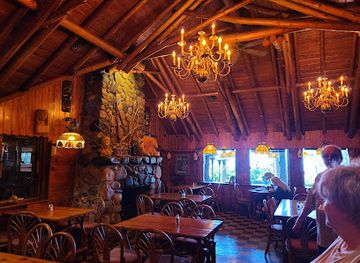
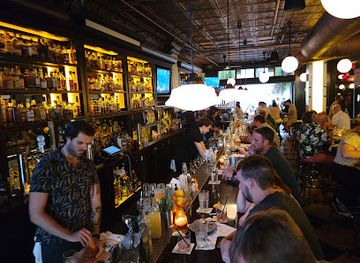
Dining in Central Michigan is shaped by Midwestern comfort food, agricultural produce, university communities and the region’s working river towns. Lansing and East Lansing offer the broadest choice, from international cooking and independent cafés to breweries, diners and contemporary restaurants serving seasonal Michigan ingredients. Farmers’ markets and farm shops provide apples, cherries, berries, vegetables, dairy products, baked goods and preserves, with availability changing through the year. Midland, Bay City and Saginaw combine established family restaurants, pubs and cafés with newer venues around their riverfronts and town centres. Mount Pleasant’s university population supports an informal and varied dining scene. Michigan craft beer is widely available, while local cider and bakery traditions are also easy to encounter. In rural districts, expect simpler menus, generous portions and earlier closing times than in the larger towns, and treat regional produce as a recurring theme rather than a single defining cuisine.
-
German
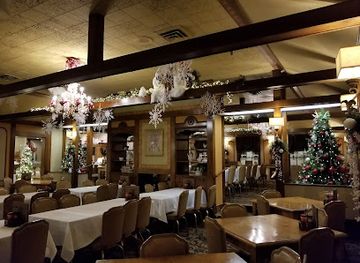
Bavarian Inn Restaurant
Savor authentic German cuisine at Bavarian Inn Restaurant in Frankenmuth - where hearty flavors meet family-friendly dining.
-
Restaurant
Legs Inn
Discover the rich flavors of Eastern Europe at Legs Inn – where delicious food meets stunning lakeside views.
-
Restaurant
Butcher's Union
Discover culinary excellence at Butcher's Union in Grand Rapids – where innovative cuisine meets vibrant atmosphere.
-
Grill
Pink Pony
Experience island dining at Pink Pony, where delicious food meets stunning views in the heart of Mackinac Island.

Best bars in Central Michigan
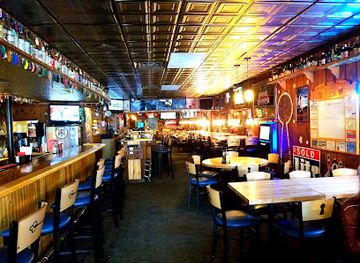
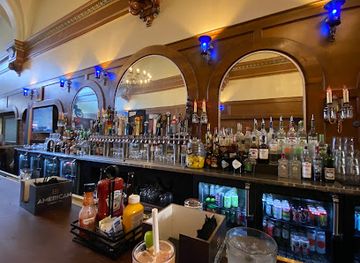
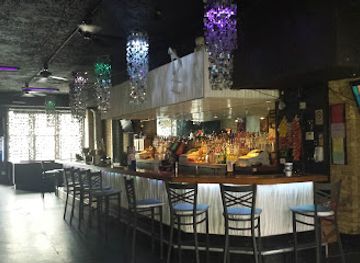
Central Michigan’s evening life is concentrated in Lansing, East Lansing and the larger river towns rather than spread evenly across the countryside. East Lansing has the region’s strongest concentration of student-oriented bars, casual restaurants and live events, while Lansing offers breweries, cocktail bars, music venues, theatres and pubs serving state employees, residents and visitors. Mount Pleasant also has a noticeable university-driven evening scene, with informal bars and occasional live entertainment. Bay City and downtown Saginaw provide traditional pubs, restaurants, breweries and selected music venues, often clustered near historic commercial or riverfront areas. Outside these centres, evenings are generally quieter and revolve around local taverns, restaurants, community events and accommodation-based dining. Opening hours and event programming change, so visitors should check individual venues and arrange transport in advance when staying in rural areas.
-
Bar
Keyhole Bar & Grill
Discover Keyhole Bar & Grill in Mackinaw City: A local favorite for delicious food, refreshing drinks, and a cozy atmosphere.
-
Pub
Grand Trunk Pub
Discover the authentic Irish pub experience in Downtown Detroit with a vibrant atmosphere, delicious food, and an extensive drink menu at Grand Trunk Pub.
-
American
Mountain Town Station Restaurant & Brew Pub
Experience the taste of America at Mountain Town Station Restaurant & Brew Pub, where delicious food meets local craft beers in a warm atmosphere.
-
Mexican
Mangos Mexican Cuisine and Tequila Bar
Experience the vibrant flavors of Mexico at Mangos Mexican Cuisine and Tequila Bar in East Tawas, MI, with a lively atmosphere and delicious dishes.

Best nightclubs in Central Michigan
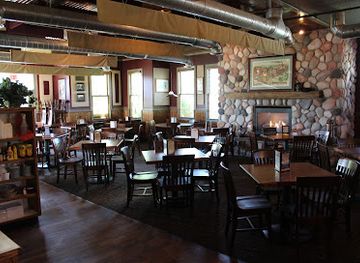
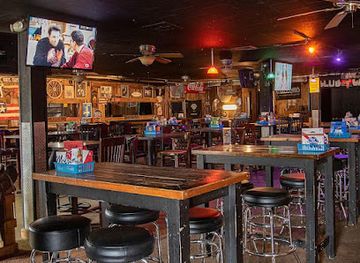
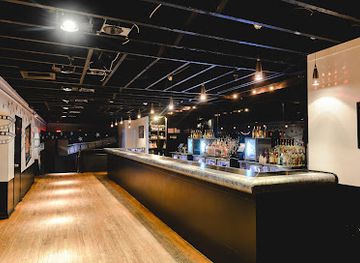
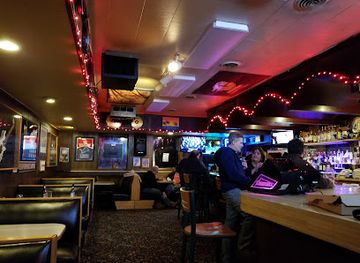
Central Michigan’s evening life is concentrated in Lansing, East Lansing and the larger river towns rather than spread evenly across the countryside. East Lansing has the region’s strongest concentration of student-oriented bars, casual restaurants and live events, while Lansing offers breweries, cocktail bars, music venues, theatres and pubs serving state employees, residents and visitors. Mount Pleasant also has a noticeable university-driven evening scene, with informal bars and occasional live entertainment. Bay City and downtown Saginaw provide traditional pubs, restaurants, breweries and selected music venues, often clustered near historic commercial or riverfront areas. Outside these centres, evenings are generally quieter and revolve around local taverns, restaurants, community events and accommodation-based dining. Opening hours and event programming change, so visitors should check individual venues and arrange transport in advance when staying in rural areas.
-
Grill
Club Canton Bar
Experience great barbecue and lively entertainment at Club Canton Bar, the go-to spot for fun nights out in Canton, MI.
-
Dance club
Necto
Discover Necto, a dynamic dance club in Ann Arbor, blending nightlife, live music, and inclusivity for an unforgettable experience.
-
Bar
Rubbles
Experience the lively atmosphere of Rubbles in Mt. Pleasant, Michigan, where friendly faces, karaoke nights, and great drinks await you!
-
Gay night club
Rumors Nightclub
Discover the electrifying nightlife at Rumors Nightclub, Grand Rapids’ premier gay club, offering unforgettable dance parties and vibrant entertainment.
Best shops in Central Michigan
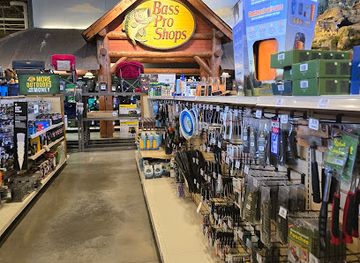
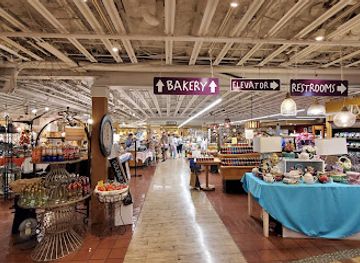
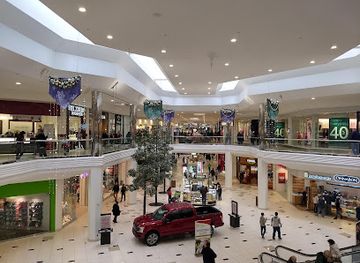
Shopping in Central Michigan is centred on practical high streets, independent businesses, university districts, farmers’ markets and specialist food shops rather than a single major luxury quarter. Lansing and East Lansing offer the widest mix of bookshops, clothing stores, cafés, galleries, vintage retailers and campus-oriented businesses, with larger retail areas on the urban outskirts. Midland, Bay City and Saginaw have traditional downtown shops, antique dealers, galleries and locally focused businesses, although opening patterns vary between districts. Farmers’ markets are useful places to find Michigan fruit, vegetables, baked goods, honey, preserves and seasonal gifts, particularly in warmer months. Craft shops and museum stores provide books, artwork and regionally themed products, while Indigenous artworks and educational materials should be purchased through reputable venues that identify artists and cultural context. In rural communities, shopping is often combined with a farm visit, local food stop or small-town main-street excursion.
-
Outlet mall
Great Lakes Crossing Outlets
Explore Great Lakes Crossing Outlets for unbeatable deals, a variety of dining options, and family-friendly entertainment in Auburn Hills, Michigan.
-
Gift shop
Bronner's CHRISTmas Wonderland
Discover the magic of Christmas at Bronner's CHRISTmas Wonderland, the world's largest Christmas store in charming Frankenmuth, Michigan.
-
Shopping mall
Frankenmuth River Place Shops
Experience the unique shopping and Bavarian charm at Frankenmuth River Place Shops, a must-visit destination for every traveler in Michigan.
-
Shopping mall
Twelve Oaks Mall
Discover shopping, dining, and entertainment at Twelve Oaks Mall, a premier retail destination in Novi, Michigan.

Get your free copy of our complete guide to Central Michigan, delivered straight to you.
Everything on this page, from attractions and restaurants to essentials and local phrases, in one PDF you can read offline, print or share.
Already have an account? Sign in
Your Central Michigan guide is ready.
We'll send it to · Not you? Sign out

Getting your guide ready…
We are putting together a fresh copy of the Central Michigan guide. This can take up to a minute.
This can take a few moments. If your browser asks, choose Allow so the download can start. You'll find the guide in your Downloads folder.
Nothing happened? Download it again
Sorry, the guide is taking longer than usual. Please try again in a minute, or get it by email instead.
Central Michigan essentials
Currency and Payment
Safety
Emergency Situations
Do's and Don'ts
Local Tips
From Eve
Local phrases worth knowing
You don't need to get them perfect. A few words go a long way, and locals appreciate the effort.
Basics
| English | Local | Say it |
|---|---|---|
| Hello | Hey there | [Hay thair] |
| Goodbye | See ya | [See yah] |
| Yes | Yep | [Yep] |
| No | Nah | [Nah] |
| Please/You're welcome | Sure thing | [Shur thing] |
| Thank you | Thanks | [Thangs] |
| Excuse me/Sorry | Pardon me | [Pardon me] |
| How are you? | How ya doin'? | [How yah doin'?] |
| Fine. And you? | Good. And you? | [Good. And yah?] |
| Do you speak English? | Can ya speak English? | [Can yah speak English?] |
| I don't understand | I ain't gettin' it | [I ain't gettin' it] |
Eating & Drinking
| English | Local | Say it |
|---|---|---|
| I'd like to see the menu, please | Can I see the menu? | [Can I see tha menu?] |
| I don't eat meat | I don't do meat | [I don't do meat] |
| Cheers! | Bottoms up! | [Bottoms up!] |
| I would like to pay, please | Can I get the check? | [Can I get tha check?] |
Emergencies
| English | Local | Say it |
|---|---|---|
| Help! | Help me! | [Help me!] |
| Go away! | Get lost! | [Get lost!] |
| Call the Police! | Call 911! | [Call 911!] |
| Call a doctor! | Get a doc! | [Get a doc!] |
| I'm lost | I can't find my way | [I can't find my way] |
| I'm ill | I'm not feelin' good | [I'm not feelin' good] |
Shopping
| English | Local | Say it |
|---|---|---|
| I'd like to buy... | I wanna buy... | [I wanna buy...] |
| I'm just looking | Just browsin' | [Just browsin'] |
| How much is it? | What’s the price? | [What’s tha price?] |
| That's too expensive | That's a bit pricey | [That's a bit pricey] |
| Can you lower the price? | Can ya knock off some? | [Can yah knock off some?] |
Time & Numbers
| English | Local | Say it |
|---|---|---|
| What time is it? | What time ya got? | [What time yah got?] |
| It's one o'clock | It's one | [It's one] |
| Half past (10) | Half past ten | [Half past ten] |
| Morning | Mornin' | [Mornin'] |
| Afternoon | Afternoon | [Afternoon] |
| Evening | Evenin' | [Evenin'] |
| Yesterday | Yesterday | [Yesterday] |
| Today | Today | [Today] |
| Tomorrow | Tomorrow | [Tomorrow] |
| 1 | One | [One] |
| 2 | Two | [Two] |
| 3 | Three | [Three] |
| 4 | Four | [Four] |
| 5 | Five | [Five] |
| 6 | Six | [Six] |
| 7 | Seven | [Seven] |
| 8 | Eight | [Eight] |
| 9 | Nine | [Nine] |
| 10 | Ten | [Ten] |
Transport & Directions
| English | Local | Say it |
|---|---|---|
| Where's a/the...? | Where's a...? | [Where's a...?] |
| What's the address? | What's the address? | [What's tha address?] |
| Can you show me (on the map)? | Can ya point it out? | [Can yah point it out?] |
| When's the next (bus)? | When's the next bus? | [When's tha next bus?] |
| A ticket (to ....) | A ticket to ... | [A ticket to ...] |
History of Central Michigan
Anishinaabe Homelands and Indigenous Continuity
Central Michigan lies within the historic homelands of Anishinaabe peoples, including the Ojibwe, Odawa and Potawatomi. Rivers, wetlands and forests supported travel, fishing, hunting, gathering and trade, while routes through the interior connected communities around the Great Lakes. The Saginaw Chippewa Indian Tribe of Michigan is based at Isabella Indian Reservation near Mount Pleasant. The Ziibiwing Center in Mount Pleasant presents Indigenous history and culture from an Indigenous perspective, helping visitors understand that this is not only an archaeological past but a continuing cultural presence.
French, British and Early American Control
European influence reached the region through the wider Great Lakes fur trade and imperial competition. French traders and missionaries operated within networks centred on the lakes and connecting rivers, before Britain took control after the Seven Years’ War. Following the American Revolution, the area became part of the United States’ Northwest Territory and later the Michigan Territory. Settlement expanded gradually, shaped by treaties, land surveys and the displacement of Indigenous communities, while waterways remained essential for movement through the interior.
Michigan Statehood and Lansing’s Capital
Michigan became a US state in 1837, and Lansing was selected as the state capital partly because its inland position was considered more secure than a location on the Great Lakes. The young capital developed around government, transport and the Grand River. The present Michigan State Capitol, completed in 1879, reflects the importance of state administration during this period. Lansing’s later identity was strengthened by Michigan Agricultural College, founded in East Lansing in 1855 and now Michigan State University.
Lumber, Rivers and the Coming of Rail
During the nineteenth century, Central Michigan’s rivers and railways helped move timber, grain and manufactured goods. Saginaw and Bay City grew as major lumber and shipping centres, while smaller communities expanded along rail lines and navigable waterways. Much of the original timber was cut by the early twentieth century, changing the economy and landscape. Riverfront warehouses, rail corridors and older commercial buildings in the Great Lakes Bay communities still reflect this period of rapid extraction, trade and settlement.
Industrial Expansion in the Twentieth Century
Central Michigan became closely associated with manufacturing, chemicals, agriculture and transport during the twentieth century. Midland’s growth was shaped particularly by the development of the chemical industry, while Bay City and Saginaw supported manufacturing and maritime trade. Lansing became an important centre for vehicle production and state employment, and Flint, on the region’s eastern edge, developed through the automotive industry. These industries brought jobs, migration and urban growth, but their later restructuring also left communities managing economic and environmental change.
Universities, Research and Regional Renewal
Higher education has had an enduring role in Central Michigan’s modern life. Michigan State University in East Lansing became a major research institution, while Central Michigan University helped shape Mount Pleasant’s economy and cultural life. Colleges and universities have supported public events, arts organisations, agricultural research and new businesses across the region. Alongside this academic presence, communities have invested in riverfronts, museums, trails, gardens and heritage interpretation as part of a broader transition from heavy industry and resource extraction towards education, services, culture and outdoor recreation.
Central Michigan in Photos
Browse through our photo collection highlighting the charm and character of the destination.
Neighbouring regions of Central Michigan
The closest regions to Central Michigan, if you have time for more than one.
-

-

-

-

-


Swipe for more regions
Explore more

Explore more of Michigan
Explore Michigan's stunning Great Lakes, vibrant cities, and untouched natural beauty. Discover the state's rich cultural heritage and endless outdoor adventures.
Explore Michigan