

Mississippi River, Minnesota Travel Guide
Discover the scenic beauty and rich history of the Mississippi River in Minnesota, from its serene headwaters at Lake Itasca to the vibrant cultural hubs of Minneapolis and St. Paul.
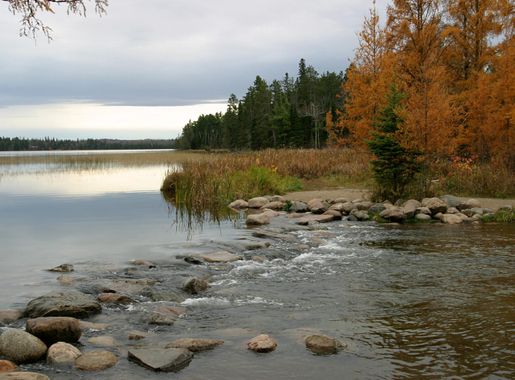
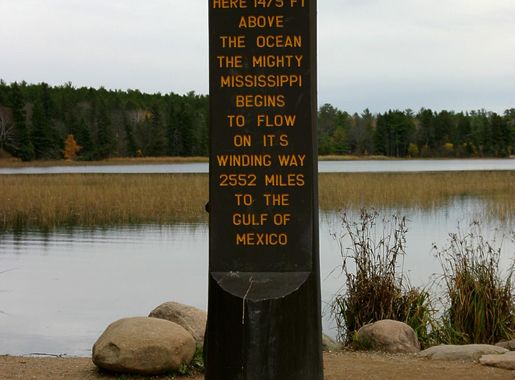
The Mississippi River in Minnesota offers a stunning array of landscapes and experiences for tourists. Starting from Lake Itasca, the river's headwaters, you can witness the humble beginnings of one of the world's great rivers. The river meanders through lush forests, serene lakes, and charming small towns, offering plenty of opportunities for sightseeing and outdoor activities. A visit to the Mississippi River in Minnesota is not complete without exploring the Great River Road, which follows the river's path and provides breathtaking views at every turn. The road passes through historic towns where you can enjoy local cuisine, explore quaint shops, and learn about the rich history of the area. Natural beauty abounds with numerous state parks and nature reserves along the way, perfect for hiking, fishing, and bird-watching. The Mississippi River is also a cultural treasure trove. In cities like Minneapolis and St. Paul, you can visit museums, art galleries, and theaters that celebrate the region's heritage. The river's role in trade and transportation is highlighted in various historical sites, making it a fascinating destination for history buffs. Whether you're seeking adventure, relaxation, or cultural experiences, the Mississippi River in Minnesota has something for everyone.

Know before you go
Hi, I'm Eve. Here are a few practical things to know before exploring Mississippi River.
- Visit Lake Itasca State Park to see the source of the Mississippi River.
- Drive along the Great River Road for picturesque views and charming small towns.
- Explore the river by kayaking or canoeing for a unique perspective.
- Don't miss the historic sites in Minneapolis and St. Paul that trace the river's importance.
- Try local cuisine in river towns, especially the fresh fish dishes.
- Pack binoculars for bird-watching in the numerous nature reserves along the river.
Explore Mississippi River: Things to Do, Places to Eat, Hotels & More
Handpicked recommendations for top attractions, local dining, accommodations, and more

Best attractions in Mississippi River
Top-rated picks
Best Attractions

Mississippi National River & Recreation Area
Discover the breathtaking landscapes and rich history of the Mississippi National River & Recreation Area, a top destination for outdoor lovers in Minnesota.

National Mississippi River Museum & Aquarium
Explore the National Mississippi River Museum & Aquarium, where history, nature, and fun intertwine along the banks of the majestic Mississippi River.

Itasca State Park
Explore the stunning landscapes and rich history of Itasca State Park, the birthplace of the Mississippi River in Minnesota's wilderness.

Mill Ruins Park
Explore Mill Ruins Park: A historic gem in Minneapolis where nature meets the remnants of the city's industrious past along the scenic Mississippi River.


Best restaurants in Mississippi River
Top-rated picks
Best Restaurants

Red Lobster
Experience the best of coastal cuisine at Red Lobster in Minneapolis – where fresh seafood meets family-friendly dining.

The Oceanaire Seafood Room
Experience the finest seafood dining at The Oceanaire Seafood Room in Minneapolis - where culinary excellence meets ocean-fresh flavors.

McCormick & Schmick's Seafood & Steaks
Experience exquisite seafood and steak at McCormick & Schmick's in Edina—where fine dining meets exceptional service.

Best bars in Mississippi River
Top-rated picks
Best Bars

Brick & Bourbon
Experience the vibrant culinary scene at Brick & Bourbon, a premier bar and grill in Maple Grove, MN, offering delicious food and a lively atmosphere.

Muddy Cow - Coon Rapids
Discover the vibrant dining experience at Muddy Cow - Coon Rapids, where unique burgers and a lively atmosphere await every visitor.

Lucky's 13 Pub
Discover Lucky's 13 Pub in Mendota, MN for a delightful American dining experience featuring breakfast, burgers, and a vibrant atmosphere.

Aster Cafe
Discover the vibrant atmosphere and delicious cuisine of Aster Cafe, a riverside gem in Minneapolis offering live music and stunning views.

Best nightclubs in Mississippi River
Top-rated picks
Best Nightclubs

Gay 90's Minneapolis
Join the celebration at Gay 90's Minneapolis, a premier gay bar and nightclub known for its vibrant atmosphere, drag shows, and unforgettable nightlife.

The Exchange & Alibi Lounge
Discover the pulse of Minneapolis nightlife at The Exchange & Alibi Lounge, where music, dancing, and unforgettable moments await.

Best shops in Mississippi River
Top-rated picks
Best Shops

National Mississippi River Museum & Aquarium
Discover the rich heritage and vibrant ecosystems of the Mississippi River at the National Mississippi River Museum & Aquarium in Dubuque, Iowa.

Cabela's
Discover a world of outdoor adventure at Cabela's in Rogers, Minnesota - your one-stop destination for hunting, fishing, and camping gear.

Walmart Supercenter
Discover unbeatable value and convenience at Walmart Supercenter in Winona, your ultimate shopping destination for groceries, clothing, and more.

LARK Toys
Discover the joy of play at LARK Toys, a magical toy store and amusement center in Kellogg, Minnesota, perfect for families and toy enthusiasts.

Explore Mississippi River on the Map
A handpicked selection of must-see spots in Mississippi River, mapped for you.
Mississippi River Essentials
-
The Mississippi River in Minnesota can be accessed via several major airports, including Minneapolis-Saint Paul International Airport (MSP), which is the closest and most convenient. From the airport, travelers can rent a car, take a shuttle, or use public transportation to reach various points along the river. Additionally, Amtrak offers rail services to several cities along the Mississippi River, and regional bus services provide further connectivity.
-
Transportation along the Mississippi River in Minnesota is diverse. Car rental is highly recommended for the flexibility to explore various scenic spots. Public transportation options include local buses and light rail services, especially around the Twin Cities area. Biking is also a popular way to navigate the river's trails. Riverboat cruises offer a unique perspective of the river, with several operators providing tours and day trips.
-
The official currency is the United States Dollar (USD). Credit and debit cards are widely accepted in most establishments, including hotels, restaurants, and shops. ATMs are readily available in urban areas, but it is advisable to carry some cash for use in rural areas or small towns where card payment options might be limited.
-
The Mississippi River area in Minnesota is generally safe for tourists. However, it is important to stay vigilant, especially in crowded areas and tourist hotspots. Certain neighborhoods in larger cities like Minneapolis and Saint Paul may have higher crime rates, particularly for petty crimes such as pickpocketing. Avoid walking alone at night in unfamiliar areas and always keep your belongings secure.
-
In case of emergency, dial 911 for immediate assistance. Hospitals and urgent care centers are available in major towns and cities along the river. It is recommended to have travel insurance that covers medical emergencies. For minor health issues, pharmacies are widely available. Keep a list of local emergency contacts and the address of your country's nearest consulate or embassy.
-
Fashion: Do dress casually and comfortably, especially for outdoor activities. Layers are advisable due to variable weather. Avoid overly formal attire unless attending a specific event. Religion: Do respect local religious practices and places of worship. Public Transport: Do be courteous and allow passengers to exit before boarding. Don't play loud music or talk loudly on your phone. Greetings: Do greet people with a smile and a handshake. A friendly 'hello' is appreciated. Eating & Drinking: Do try local specialties like walleye fish and wild rice dishes. Don’t forget to tip, typically 15-20% in restaurants.
-
To experience the Mississippi River like a local, visit farmers' markets and local diners. Engage with residents who are often eager to share their favorite spots and stories about the river. Don't miss scenic areas such as the Great River Bluffs State Park and Itasca State Park, where the river begins. Participating in local festivals and events, such as the Mississippi River Paddle Share program, can also provide unique insights and memorable experiences.
When is the best time to visit Mississippi River?
Useful Local Phrases for Mississippi River
You don't need to speak the language perfectly. Even learning a few simple words can make conversations warmer—and locals usually appreciate the effort.
— Eve

Here are the phrases I use most often in Mississippi River. Try a few—you'll be surprised how far they go! 😊
❤️
-
- HelloHowdy
[haw-dee] - GoodbyeSee ya later
[see ya lay-ter] - YesYep
[yep] - NoNah
[na] - Please/You're welcomePlease/No problem
[pleez / no prob-lem] - Thank youThanks a lot
[thanks uh lot] - Excuse me/SorryPardon me/My bad
[par-dun me / my bad] - How are you?How y'all doin'?
[how y'all doin'] - Fine. And you?Fine. And you?
[fine. and you?] - Do you speak English?Y'all speak English?
[y'all speak ing-lish?] - I don't understandI ain't catchin' on
[i ain't catch-in on]
- HelloHowdy
-
- I'd like to see the menu, pleaseI'd like to see the menu, please
[I'd like to see the menu, please] - I don't eat meatI don't eat meat
[I don't eat meat] - Cheers!Cheers!
[Cheers!] - I would like to pay, pleaseI would like to pay, please
[I would like to pay, please]
- I'd like to see the menu, pleaseI'd like to see the menu, please
-
- Help!Help!
[Help!] - Go away!Git!
[Git!] - Call the Police!Call the Sheriff!
[Call the Sheriff!] - Call a doctor!Call a doc!
[Call a doc!] - I'm lostI'm turned around
[I'm turned around] - I'm illI'm feelin' poorly
[I'm feelin' poorly]
- Help!Help!
-
- I'd like to buy...I'd like to buy...
[I'd like to buy...] - I'm just lookingI'm just lookin'
[I'm just look-in'] - How much is it?How much is it?
[How much is it?] - That's too expensiveThat's too pricey
[That's too pricey] - Can you lower the price?Can you drop the price?
[Can you drop the price?]
- I'd like to buy...I'd like to buy...
-
- What time is it?What time is it?
[What time is it?] - It's one o'clockIt's one o'clock
[It's one o'clock] - Half past (10)Half past ten
[Half past ten] - MorningMornin'
[Mornin'] - AfternoonAfternoon
[Afternoon] - EveningEvenin'
[Evenin'] - YesterdayYest'day
[Yest'day] - TodayToday
[Today] - TomorrowTomorra
[Tomorra] - 1One
[One] - 2Two
[Two] - 3Three
[Three] - 4Four
[Four] - 5Five
[Five] - 6Six
[Six] - 7Seven
[Seven] - 8Eight
[Eight] - 9Nine
[Nine] - 10Ten
[Ten]
- What time is it?What time is it?
-
- Where's a/the...?Where's a/the...?
[Where's a/the...?] - What's the address?What's the address?
[What's the address?] - Can you show me (on the map)?Can you show me (on the map)?
[Can you show me (on the map)?] - When's the next (bus)?When's the next (bus)?
[When's the next (bus)?] - A ticket (to ....)A ticket (to ....)
[A ticket (to ....)]
- Where's a/the...?Where's a/the...?
History of Mississippi River
-
Approximately 10,000 years ago, the last glacial period shaped the landscape of what is now Minnesota, carving out the path for the mighty Mississippi River. The river begins its journey at Lake Itasca, a modest, spring-fed lake in northern Minnesota. This humble beginning belies the river's eventual grandeur as it snakes through the state, collecting waters from numerous tributaries and growing in size and strength.
-
Long before European explorers arrived, the Mississippi River was a vital resource for Native American tribes such as the Dakota, Ojibwe, and Anishinaabe. These tribes relied on the river for fishing, transportation, and trade. The river also held spiritual significance, featuring prominently in many cultural practices and oral traditions. The river's abundant resources supported complex societies long before the arrival of European settlers.
-
In the 1600s, French explorers like Father Louis Hennepin and Pierre-Esprit Radisson ventured into the Mississippi River region. The river quickly became a crucial artery for the fur trade, with French voyageurs paddling their canoes loaded with beaver pelts and other furs destined for European markets. Trading posts and forts sprang up along the river, fostering interactions between Europeans and Native American tribes.
-
Fort Snelling, situated at the confluence of the Mississippi and Minnesota Rivers, was established in 1819. Its strategic location made it a key military outpost and a hub for trade and settlement. The fort played a significant role in the U.S. government's efforts to exert control over the region, facilitating treaties with Native American tribes and opening the land for European-American settlers.
-
In the mid-19th century, the vast forests of northern Minnesota fed a booming logging industry. The Mississippi River served as a critical transportation route for logs floated down from the forests to sawmills in cities like Minneapolis and St. Paul. The river's power was harnessed to drive sawmills, fueling the rapid growth of the Twin Cities and contributing to Minnesota's economic development.
-
The Mississippi River's Falls of St. Anthony, the only natural waterfall on the river, provided the necessary power for the industrial growth of Minneapolis. Meanwhile, St. Paul developed as a crucial transportation and trade hub, thanks in part to its location on the river. These twin cities flourished, becoming economic and cultural centers of the Upper Midwest, with the Mississippi River at their heart.
-
The 19th century saw the rise of riverboats on the Mississippi, transforming it into a bustling commercial highway. Steamboats carried goods and passengers up and down the river, linking Minnesota to markets as far south as New Orleans. This era of riverboat commerce brought prosperity to river towns and facilitated the exchange of goods, ideas, and cultures along the river's length.
-
By the 20th century, industrialization and urbanization had taken a toll on the Mississippi River's health. Pollution and habitat destruction threatened its ecosystems. In response, environmental conservation efforts emerged, aiming to protect and restore the river's natural beauty and biodiversity. Organizations like the Mississippi National River and Recreation Area advocate for sustainable use and preservation of this vital waterway.
Neighbouring destination travel guides
Browse our curated selection of top destinations, scenic points, and must-visit spots in the area.




Your all‑in‑one travel companion app
Explore expert travel guides, compare and book tours, experiences, hotels, and more—all from the palm of your hand. Download now for seamless trip planning wherever your wanderlust takes you.


Explore More of Itasca State Park

Looking beyond Mississippi River? Discover Itasca State Park for broader travel guides, local hot-spots, and regional highlights.
Explore Itasca State ParkExplore More of Minnesota

Looking beyond Mississippi River? Discover Minnesota for broader travel guides, local hot-spots, and regional highlights.
Explore MinnesotaMississippi River in Photos
Browse through our photo collection highlighting the charm and character of the destination.




Exploring the Majestic Mississippi River in Minnesota
The Mississippi River in Minnesota offers a stunning array of landscapes and experiences for tourists. Starting from Lake Itasca, the river's headwaters, you can witness the humble beginnings of one of the world's great rivers. The river meanders through lush forests, serene lakes, and charming small towns, offering plenty of opportunities for sightseeing and outdoor activities. A visit to the Mississippi River in Minnesota is not complete without exploring the Great River Road, which follows the river's path and provides breathtaking views at every turn. The road passes through historic towns where you can enjoy local cuisine, explore quaint shops, and learn about the rich history of the area. Natural beauty abounds with numerous state parks and nature reserves along the way, perfect for hiking, fishing, and bird-watching. The Mississippi River is also a cultural treasure trove. In cities like Minneapolis and St. Paul, you can visit museums, art galleries, and theaters that celebrate the region's heritage. The river's role in trade and transportation is highlighted in various historical sites, making it a fascinating destination for history buffs. Whether you're seeking adventure, relaxation, or cultural experiences, the Mississippi River in Minnesota has something for everyone.