

Free Great Plains Travel Guide & Mobile App
Explore Great Plains with free travel guides. Discover regional history, expert tips, proposed trips, and audio guides on web or mobile app.


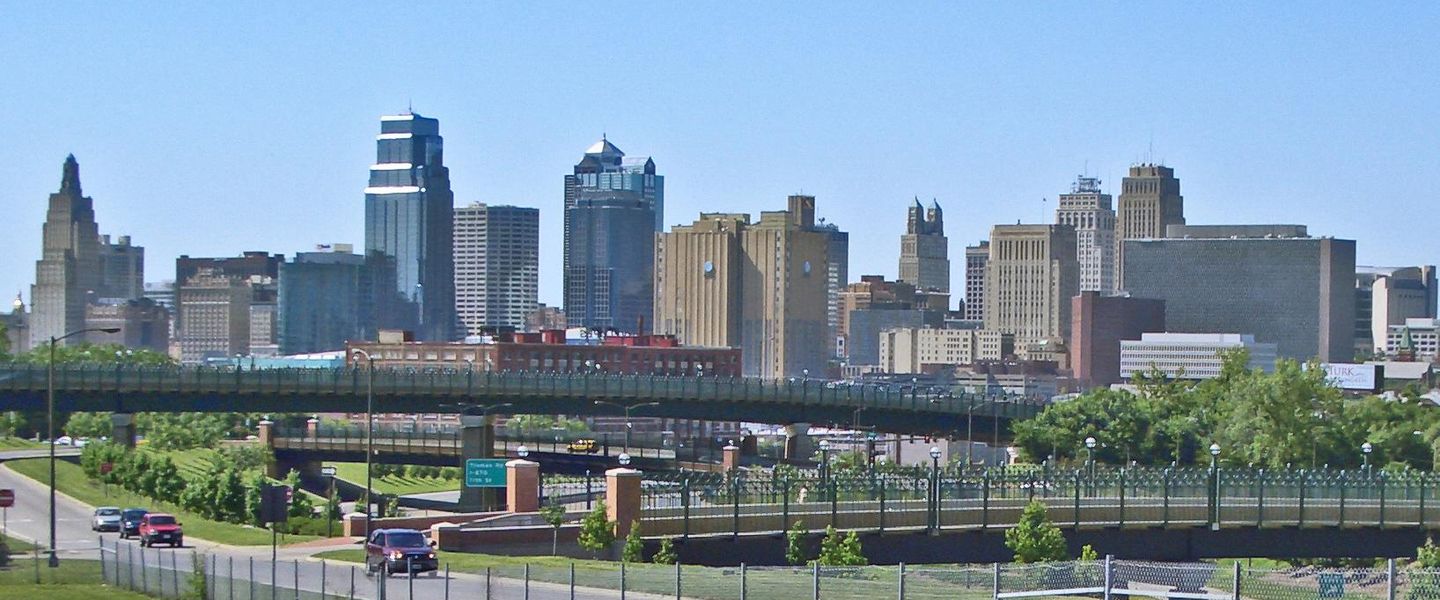


Explore Missouri’s Great Plains through Kansas City, St Joseph, river landscapes, frontier trails, regional food and open agricultural country.
Read more about Great Plains
When is the best time to visit Great Plains?
Best: May, September–October · 20–26°C| Month | High (°C) | Rainfall (mm) |
|---|---|---|
| January | 5 | 40 |
| February | 7 | 45 |
| March | 13 | 55 |
| April | 18 | 65 |
| May (best) | 24 | 75 |
| June | 29 | 80 |
| July | 33 | 90 |
| August | 32 | 85 |
| September (best) | 26 | 70 |
| October (best) | 20 | 60 |
| November | 12 | 50 |
| December | 6 | 45 |
Getting to and around Great Plains
How to get there
Transportation
Top city travel guides in Great Plains
The cities of Great Plains, and the easiest places to base yourself.
-

-

-

-

-

-


Swipe for more cities
Destinations in Great Plains
Resorts, valleys and scenic spots worth a trip of their own.
-

-
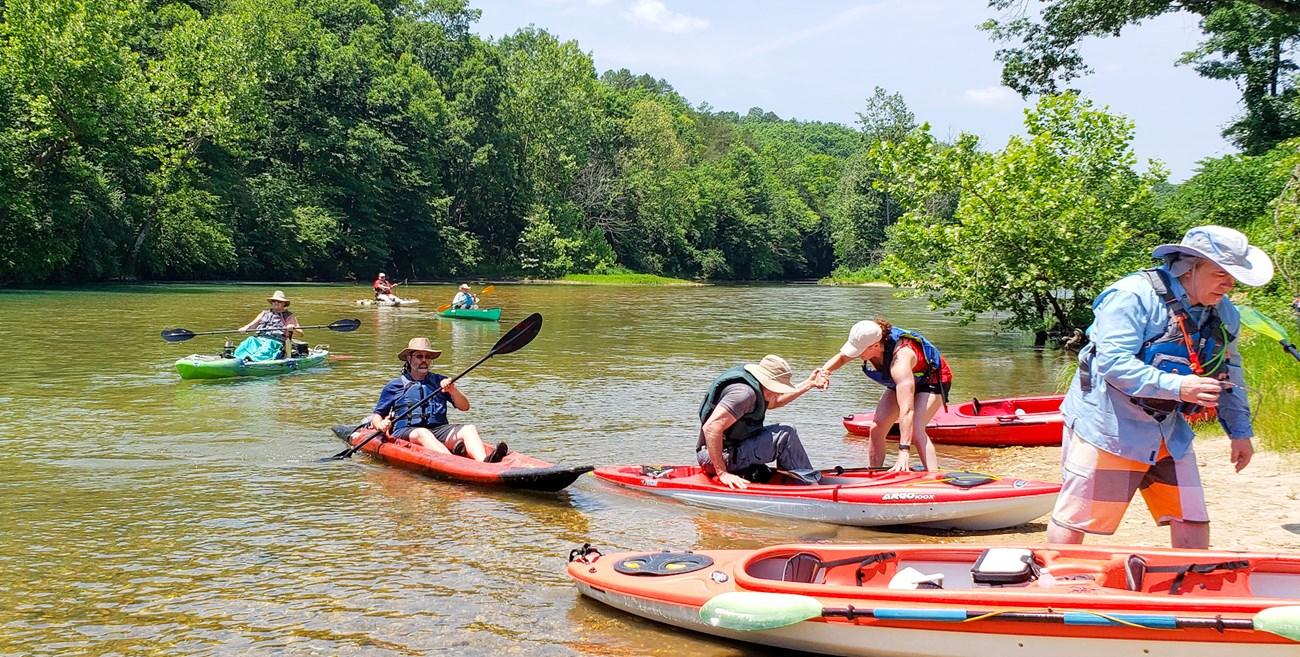 Stockton Lake
, Missouri, offers clear-water boating, sailing, fishing, beaches, forested coves and quiet lakeside recreation in the Ozarks through every season.
-


Swipe for more destinations
Best attractions in Great Plains
Attractions in Missouri’s Great Plains zone combine urban culture, river history and open agricultural landscapes. Kansas City offers major museums, public art, historic districts, jazz-related sites, sports and extensive parks, with the Missouri side providing the principal metropolitan base for visitors. Independence interprets the Santa Fe, Oregon and California trail era through museums and historic properties, while St Joseph focuses on the Missouri River port, Pony Express and frontier communications. Fort Osage National Historic Landmark, near Sibley, presents an early United States military and trading post above the river. Beyond the cities, the Missouri River floodplain and surrounding countryside support birdwatching, fishing, walking, cycling and scenic driving, although outdoor access is often dispersed rather than concentrated in one large protected park. Small communities, farm country and historic roads add context to the region’s agricultural character. Visitors interested in architecture can explore Kansas City’s historic neighbourhoods and civic buildings, while those interested in natural history will find changing river habitats, woodland edges and grassland remnants. The attraction landscape is therefore less about a single iconic natural monument than about the relationship between plains, river, settlement and movement west.
-
Art museum
The Nelson-Atkins Museum of Art
Explore the artistic treasures of The Nelson-Atkins Museum of Art in Kansas City, where culture, history, and stunning architecture come together.
-
Historical landmark
Union Station Kansas City
Explore the historical charm and diverse attractions of Union Station in Kansas City, a must-visit destination for every traveler.
-
War museum
National WWI Museum and Memorial
Explore the National WWI Museum and Memorial in Kansas City, an iconic tribute to the history and impact of World War I, offering breathtaking views and deep insights.
-
Tourist attraction
Fantastic Caverns
Discover the stunning beauty of Fantastic Caverns, the only drive-through cave in the U.S., and explore its fascinating rock formations in Springfield, Missouri.


Best landmarks in Great Plains
The Missouri River is the defining natural landmark of this part of the Great Plains, with broad floodplains, wooded banks and elevated bluffs that explain the location of many early settlements and military posts. Fort Osage National Historic Landmark stands on a prominent river bluff near Sibley, where its reconstructed buildings and setting convey the strategic importance of the waterway. In St Joseph, the preserved Patee House and other historic buildings recall the city’s nineteenth-century role as a port and overland gateway, while the Pony Express Monument commemorates the short-lived mail service that began there. Independence’s historic square and surrounding trail-related sites mark the point from which many emigrants prepared to cross the plains. Kansas City contributes a different group of landmarks, including the Country Club Plaza’s distinctive Spanish-inspired architecture, Union Station’s monumental Beaux-Arts building and the Liberty Memorial, a major First World War monument just outside the strict Great Plains transition but central to the metropolitan visitor experience. Together these places show how river geography, migration, commerce and twentieth-century urban ambition shaped western Missouri.
-
Historical landmark
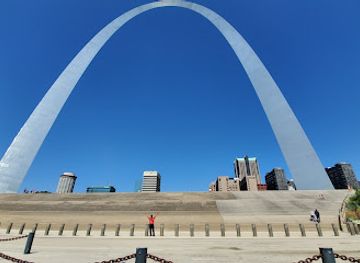
The Gateway Arch
Explore the Gateway Arch, an iconic symbol of American history and the tallest arch in the world, offering breathtaking views and fascinating exhibits.
-
Historical landmark
Gateway Arch National Park
Explore the iconic Gateway Arch, a monument to westward expansion, and delve into American history at this urban national park in St. Louis.
-
Tourist attraction
Mark Twain National Forest
Explore Missouri's vast Mark Twain National Forest: hiking, camping, scenic drives, and rich history in the heart of the Ozark Highlands.
-
Tourist attraction
Dickerson Park Zoo
Discover the amazing world of wildlife at Dickerson Park Zoo in Springfield, Missouri - a family-friendly destination for adventure and learning.



Explore Great Plains on the map
Plan your trip on one map. See where the top cities, national parks and sights are, and book hotels and experiences in a few clicks.
Best hotels in Great Plains
Best restaurants in Great Plains
Food in Missouri’s Great Plains region is led by Kansas City barbecue, a broad local tradition in which smoked meats, sauces and side dishes vary from one establishment to another. Barbecue restaurants range from long-established family businesses to contemporary dining rooms, and visitors should expect generous portions and a relaxed, informal setting. Kansas City also has strong Mexican, East Asian, South Asian, Middle Eastern and other international dining scenes, reflecting its metropolitan population. St Joseph and Independence offer cafés, bakeries, diners, pubs and independent restaurants, while rural communities tend towards locally oriented cafés, family restaurants and seasonal produce stands. The wider agricultural setting appears in farm produce, beef, pork, wheat products and Midwestern baking, though not every dish served locally is exclusive to Missouri. Farmers’ markets and specialist food shops can be good places to find regional preserves, baked goods and locally made products. Missouri wines and craft beers are available, but the region’s most distinctive culinary identity remains the combination of barbecue, river-city dining and practical Midwestern hospitality.
-
Restaurant
Stone Summit Steak & Seafood
Discover culinary excellence at Stone Summit Steak & Seafood in Wentzville - where delectable steak and seafood unite in an unforgettable dining experience.
-
American
Skillets
Discover hearty American cuisine at Skillets in West Plains - where delicious breakfast meets inviting ambiance.
-
Family-friendly
Ozark Cafe
Experience family-friendly dining at Ozark Cafe in West Plains - savor delicious breakfasts with southern hospitality.
-
Cajun
Shorty Pants Lakeside Cajun Restaurant & Marina
Experience authentic Cajun flavors at Shorty Pants Lakeside Restaurant & Marina - where great food meets stunning lakeside views.


Best bars in Great Plains
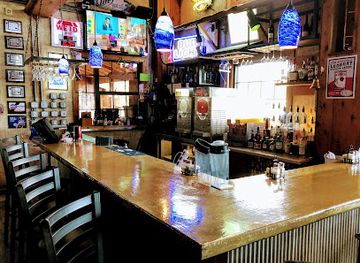
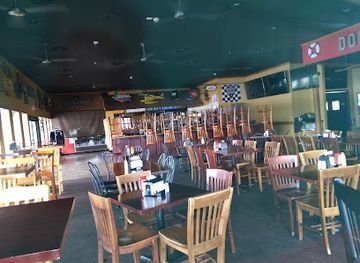
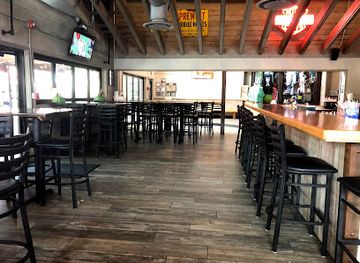
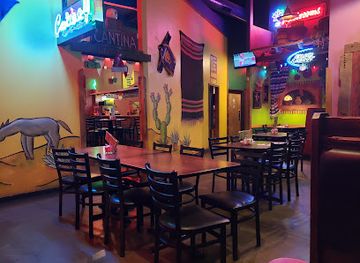
Nightlife is concentrated in Kansas City, where the Missouri side has a varied evening scene of cocktail bars, breweries, live-music rooms, jazz venues, restaurants and late-opening entertainment areas. The city’s jazz heritage remains important, although contemporary nightlife extends well beyond jazz into rock, hip-hop, electronic music and touring performances. St Joseph has a smaller selection of pubs, breweries, restaurants and live-music venues, while Independence is generally quieter after the historic sites close. In rural parts of the region, evenings centre on local bars, restaurants, community events and occasional live music rather than a large club scene. Missouri’s legal drinking age and licensing rules are national or state-level matters rather than special Great Plains customs, and opening arrangements vary by establishment. Visitors should use a taxi or app-based ride service where available, designate a driver for rural journeys and avoid presenting alcohol as the only way to engage with the area’s evening culture.
-
Grill
Dog Days Bar and Grill
Experience the vibrant atmosphere at Dog Days Bar and Grill in Osage Beach, where delicious food meets live music for an unforgettable outing.
-
Pub
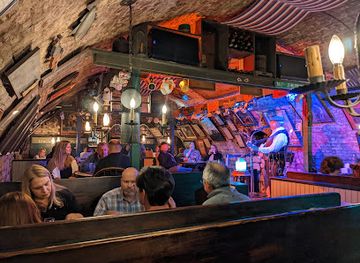
O'Malley's Pub
Discover the heart of Ireland in Weston, Missouri at O'Malley's Pub - a lively destination for food, drink, and friendship.
-
Grill
Backwater Jacks
Experience the vibrant flavors of American cuisine at Backwater Jacks, a lakeside gem in Osage Beach, MO, perfect for food lovers and fun seekers.
-
Mexican
El Charro Mexican Restaurant
Discover the vibrant flavors of Mexico at El Charro Mexican Restaurant in West Plains, MO, offering authentic dishes in a warm atmosphere.
Best nightclubs in Great Plains
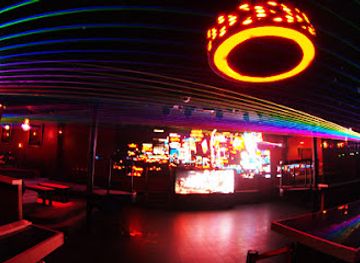
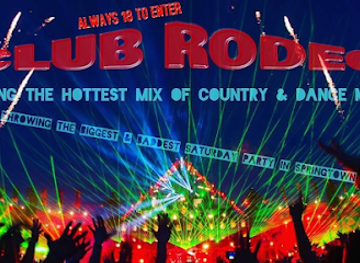
Nightlife is concentrated in Kansas City, where the Missouri side has a varied evening scene of cocktail bars, breweries, live-music rooms, jazz venues, restaurants and late-opening entertainment areas. The city’s jazz heritage remains important, although contemporary nightlife extends well beyond jazz into rock, hip-hop, electronic music and touring performances. St Joseph has a smaller selection of pubs, breweries, restaurants and live-music venues, while Independence is generally quieter after the historic sites close. In rural parts of the region, evenings centre on local bars, restaurants, community events and occasional live music rather than a large club scene. Missouri’s legal drinking age and licensing rules are national or state-level matters rather than special Great Plains customs, and opening arrangements vary by establishment. Visitors should use a taxi or app-based ride service where available, designate a driver for rural journeys and avoid presenting alcohol as the only way to engage with the area’s evening culture.
-
Night club
Aura
Dive into Kansas City's vibrant nightlife at Aura, a premier club featuring top DJs, stunning light shows, and a lively atmosphere for unforgettable nights.
-
Night club
Club Rodeo
Dive into the vibrant nightlife at Club Rodeo in Springfield, a premier destination for music, dancing, and unforgettable nights.
-
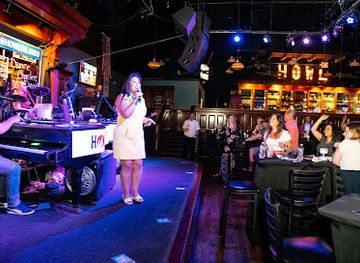
Bar
Howl at the Moon Kansas City
Discover the electrifying nightlife at Howl at the Moon Kansas City, where live music and vibrant cocktails create unforgettable memories in the heart of the city.
-
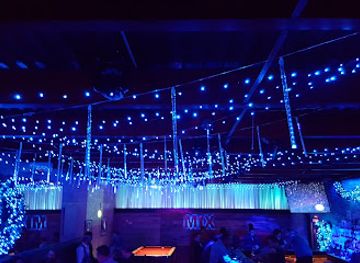
Lounge
Mix Ultralounge
Unwind at Mix Ultralounge, Springfield's top lounge for cocktails, vibrant drag shows, and an unforgettable nightlife experience.
Best shops in Great Plains
Shopping in Missouri’s Great Plains area ranges from major urban retail to small-town businesses and food markets. Kansas City provides the broadest choice, including independent boutiques, galleries, bookstores, specialist food shops and the Country Club Plaza, a historic open-air shopping district on the Missouri side of the metropolitan area. Downtown and neighbourhood districts offer a more local mix of design, clothing, records, gifts and crafts, while large commercial centres serve practical needs. St Joseph and Independence have traditional downtown streets with antiques, collectibles, books, local gifts and independent retailers, though individual businesses and opening arrangements change over time. Farmers’ markets are useful for seasonal produce, baked goods, preserves and locally made food, especially during the warmer months. Visitors seeking regional souvenirs can look for barbecue sauces, roasted coffee, Missouri-made beer or wine, ceramics, artwork and books about the trails and river cities. Rural shopping is often dispersed, so combine it with a town visit rather than expecting a continuous retail district across the open countryside.
-
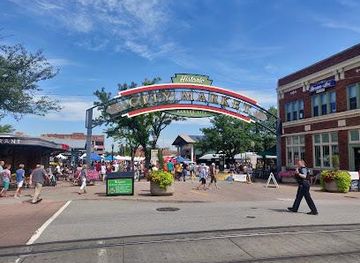
Farmers' market
City Market
Explore Kansas City's City Market: A vibrant farmers' market featuring fresh produce, local artisans, and a lively community atmosphere.
-
Shopping mall
Country Club Plaza
Discover the charm of Country Club Plaza, Kansas City's premier shopping destination featuring stunning architecture, exquisite dining, and vibrant cultural experiences.
-
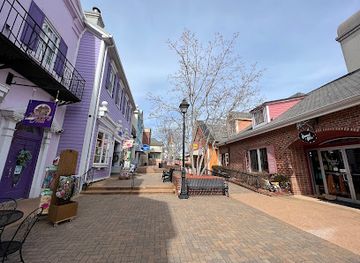
Gift shop
Grand Village Shops
Explore a unique shopping experience at Grand Village Shops in Branson, featuring boutiques, gift shops, and delightful dining options for all ages.
-
Shopping mall
Southern Hills Shopping Center
Experience a shopping paradise at Southern Hills Shopping Center in West Plains, MO, offering diverse retail, dining, and community events.


Get your free copy of our complete guide to Great Plains, delivered straight to you.
Everything on this page, from attractions and restaurants to essentials and local phrases, in one PDF you can read offline, print or share.
Already have an account? Sign in
Your Great Plains guide is ready.
We'll send it to · Not you? Sign out

Getting your guide ready…
We are putting together a fresh copy of the Great Plains guide. This can take up to a minute.
This can take a few moments. If your browser asks, choose Allow so the download can start. You'll find the guide in your Downloads folder.
Nothing happened? Download it again
Sorry, the guide is taking longer than usual. Please try again in a minute, or get it by email instead.
Great Plains essentials
Currency and Payment
Safety
Emergency Situations
Do's and Don'ts
Local Tips
From Eve
Local phrases worth knowing
You don't need to get them perfect. A few words go a long way, and locals appreciate the effort.
Basics
| English | Local | Say it |
|---|---|---|
| Hello | Howdy | [hau-dee] |
| Goodbye | See ya | [see yah] |
| Yes | Yep | [yehp] |
| No | Nope | [nohp] |
| Please/You're welcome | Please/You bet | [pleez/yu bet] |
| Thank you | Thanks | [thangks] |
| Excuse me/Sorry | Pardon me/Sorry | [par-don mee/sor-ree] |
| How are you? | How’s it going? | [howz it go-ing] |
| Fine. And you? | Good. And you? | [good. and you?] |
| Do you speak English? | Do ya speak English? | [doo yah speek ing-lish] |
| I don't understand | I ain't got it | [eye aynt got it] |
Eating & Drinking
| English | Local | Say it |
|---|---|---|
| I'd like to see the menu, please | Can I see the menu, please? | [kan eye see thuh men-yoo, pleez?] |
| I don't eat meat | I don't eat meat | [eye dont eet meet] |
| Cheers! | Cheers! | [cheerz] |
| I would like to pay, please | Can I pay, please? | [kan eye pay, pleez?] |
Emergencies
| English | Local | Say it |
|---|---|---|
| Help! | Help! | [help] |
| Go away! | Get lost! | [get lost] |
| Call the Police! | Call 911! | [call nine-one-one] |
| Call a doctor! | Call a doctor! | [call a doc-tor] |
| I'm lost | I’m lost | [eye'm lost] |
| I'm ill | I’m sick | [eye'm sick] |
Shopping
| English | Local | Say it |
|---|---|---|
| I'd like to buy... | I want to buy... | [eye want to buy...] |
| I'm just looking | I'm just browsing | [eye'm just brow-zing] |
| How much is it? | How much is it? | [how much is it?] |
| That's too expensive | That’s way too high | [thats way too high] |
| Can you lower the price? | Can ya drop the price? | [kan yah drop thuh price?] |
Time & Numbers
| English | Local | Say it |
|---|---|---|
| What time is it? | What time is it? | [what time is it?] |
| It's one o'clock | It's one o'clock | [its wun uh-clock] |
| Half past (10) | Half past ten | [half past ten] |
| Morning | Morning | [mor-ning] |
| Afternoon | Afternoon | [af-ter-noon] |
| Evening | Evening | [eev-ning] |
| Yesterday | Yesterday | [yes-ter-day] |
| Today | Today | [to-day] |
| Tomorrow | Tomorrow | [to-mor-row] |
| 1 | One | [wun] |
| 2 | Two | [too] |
| 3 | Three | [three] |
| 4 | Four | [for] |
| 5 | Five | [five] |
| 6 | Six | [six] |
| 7 | Seven | [sev-en] |
| 8 | Eight | [ate] |
| 9 | Nine | [nine] |
| 10 | Ten | [ten] |
Transport & Directions
| English | Local | Say it |
|---|---|---|
| Where's a/the...? | Where’s the...? | [where's thuh...?] |
| What's the address? | What’s the address? | [what's thuh ad-dress?] |
| Can you show me (on the map)? | Can ya show me (on the map)? | [kan yah show me (on thuh map)?] |
| When's the next (bus)? | When's the next (bus)? | [when's thuh next (bus)?] |
| A ticket (to ....) | A ticket (to ....) | [a tick-et (to ....)] |
History of Great Plains
Indigenous Nations and the Missouri River Plains
Long before European settlement, the western Missouri plains and river valleys were used and shaped by Indigenous peoples, including the Osage, Kansa, Missouria and other nations. Hunting, agriculture, trade and seasonal movement connected the Missouri River with the wider Great Plains. Later, forced removals and changing federal policies disrupted these communities, while the region became increasingly occupied by American settlers and military institutions. Indigenous history remains essential to understanding the landscape, even though many surviving visitor narratives have traditionally focused more heavily on later frontier travel.
French and Spanish Missouri
European influence in the Missouri country began under French colonial rule and continued under Spanish administration after France transferred Louisiana west of the Mississippi in the eighteenth century. The Missouri River became a route for commerce, settlement and communication, while fur trading and agricultural communities developed around river access. Although the largest early colonial centres were farther east and south, the western plains were drawn into these networks through trade with Indigenous nations and movement along the river. This period established the importance of waterways that later supported American expansion.
The Louisiana Purchase and Overland Trails
The United States acquired the Louisiana Territory from France in 1803, bringing the Missouri country into a rapidly expanding national frontier. Independence became a major outfitting point for the Santa Fe, Oregon and California trails, while river ports and settlements supplied travellers heading west. The overland journeys brought commerce and new infrastructure but also intensified pressure on Indigenous lands. Sites around Independence and Kansas City interpret this era, when western Missouri functioned as a threshold between established settlement and the Great Plains.
Fort Osage and the Missouri River Frontier
Established by the United States in 1808 on a bluff above the Missouri River, Fort Osage was part of the federal strategy to secure trade and diplomatic relations in the newly acquired territory. The reconstructed fort near Sibley illustrates the military, commercial and political importance of the river during the early national period. It was not simply an isolated outpost: it formed part of a contested network involving Indigenous diplomacy, traders, military movement and the expansion of American authority towards the plains.
St Joseph, Pony Express and the Telegraph
St Joseph grew as a Missouri River port and commercial centre during the nineteenth century. In 1860, the Pony Express began its westbound service from St Joseph, carrying mail across the plains to California, although the service lasted only eighteen months before the transcontinental telegraph made it obsolete. The city’s frontier significance also reflected steam navigation, warehousing, livestock commerce and rail connections. Today, museums and historic buildings there help place the Pony Express within a wider story of rapidly changing communications rather than treating it as an isolated adventure.
The Civil War and Border Conflict
Missouri’s position between free and slave states made it a crucial borderland during the American Civil War. Western Missouri experienced guerrilla warfare, military occupation, contested elections and severe disruption to civilian life. Kansas City and the surrounding counties were strategically important because of their location near the Kansas border and major transport routes. The conflict permanently affected settlement patterns and political memory across the region. Historic sites and museums interpret the war’s local consequences, including the tensions between Union, Confederate and divided civilian communities.
Railways, Stockyards and Agricultural Expansion
After the Civil War, railways transformed western Missouri’s relationship with the Great Plains. Kansas City became a major livestock, meatpacking, grain and wholesale centre, linking farms and ranches farther west with national markets. St Joseph also benefited from rail transport and river commerce, while smaller towns developed around depots, grain elevators and agricultural services. This period shifted the region from a frontier gateway towards an integrated commercial landscape. Agriculture remains visible in the broad fields and rural economies, although modern logistics, manufacturing and services now share the region’s economic base.
Twentieth-Century Urban and Cultural Growth
During the twentieth century, Kansas City expanded as a metropolitan centre whose Missouri and Kansas suburbs are divided by a state boundary but connected by employment, culture and transport. Jazz, barbecue, modernist architecture and civic institutions became important parts of the city’s national identity. St Joseph and Independence developed their own museums, neighbourhoods and heritage programmes, while the rural plains continued to change through mechanisation and population shifts. Contemporary western Missouri therefore combines historic river cities, suburban growth, agricultural country and cultural traditions that reach well beyond the old frontier narrative.
Great Plains in Photos
Browse through our photo collection highlighting the charm and character of the destination.
Neighbouring regions of Great Plains
The closest regions to Great Plains, if you have time for more than one.
-

-

-

-

-


Swipe for more regions
Explore more

Explore more of Missouri
Experience the diverse landscapes, rich history, and vibrant culture of Missouri, the heart of America, offering everything from bustling cities to serene natural escapes.
Explore Missouri