

Free Northeast Missouri Travel Guide & Mobile App
Explore Northeast Missouri with free travel guides. Discover regional history, expert tips, proposed trips, and audio guides on web or mobile app.


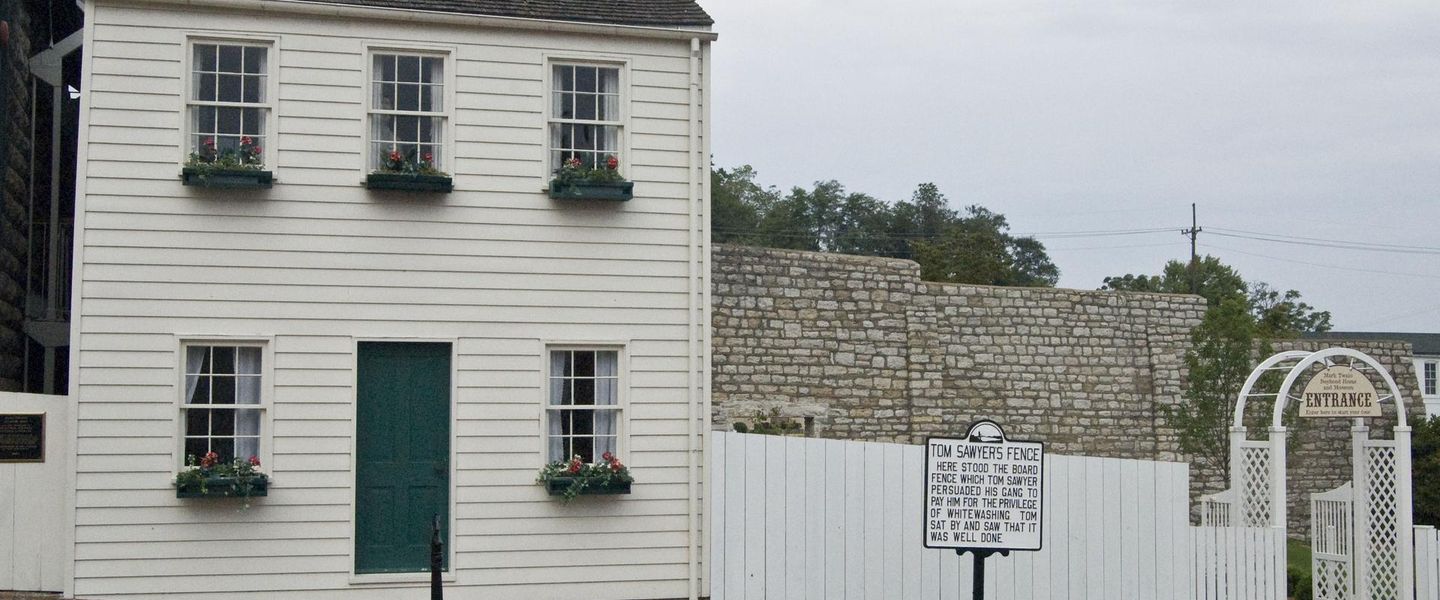


Explore Northeast Missouri for Mark Twain heritage, Mississippi River towns, Civil War sites, lakes, state parks and open Midwestern landscapes.
Read more about Northeast Missouri
When is the best time to visit Northeast Missouri?
Best: May, September–October · 19–26°C| Month | High (°C) | Rainfall (mm) |
|---|---|---|
| January | 4 | 40 |
| February | 7 | 40 |
| March | 13 | 50 |
| April | 19 | 60 |
| May (best) | 24 | 70 |
| June | 29 | 80 |
| July | 32 | 80 |
| August | 31 | 70 |
| September (best) | 26 | 60 |
| October (best) | 19 | 50 |
| November | 12 | 40 |
| December | 6 | 40 |
Getting to and around Northeast Missouri
How to get there
Transportation
Top city travel guides in Northeast Missouri
The cities of Northeast Missouri, and the easiest places to base yourself.
-

-

-
-


Swipe for more cities
Best attractions in Northeast Missouri
Northeast Missouri's attractions combine literary heritage, river scenery, outdoor recreation and sites connected with the state's turbulent nineteenth century. Hannibal is the principal cultural draw, with the Mark Twain Boyhood Home and Museum, the preserved townscape associated with Samuel Clemens and Mark Twain Cave nearby. The Mississippi Riverfront adds walks, viewpoints and historic context. Inland, Mark Twain Lake provides boating, fishing, swimming, camping and hiking around the Clarence Cannon Dam, while Thousand Hills State Park near Kirksville offers a quieter mix of woodland, shoreline and trails. The Battle of Athens State Historic Site near the Iowa boundary interprets a significant Civil War engagement, and Mormon historic sites around Caldwell and Daviess counties explore the 1830s settlement and conflict. Smaller communities contribute local museums, historic courthouses, churches and house districts rather than large-scale attractions. Wildlife watching, birding, paddling and scenic driving are especially rewarding in the river valleys and reservoir country, although facilities and access can be seasonal. The region's attractions are spread across a substantial rural area, so an itinerary organised by geographic sectors is more practical than trying to visit every site from one base.
-
Monument
The Gateway Arch
Discover the Gateway Arch, a stunning monument in St. Louis symbolizing American history and westward expansion.
-
Tourist attraction
Fantastic Caverns
Discover the enchanting underground world of Fantastic Caverns, the only ride-through cave in America, located in Springfield, MO.
-
Tourist attraction
Meramec Caverns
Explore the stunning Meramec Caverns: a natural wonder filled with breathtaking formations and endless adventures in Missouri.
-
Tourist attraction
Uranus Missouri Towne Center
Explore the whimsical Uranus Missouri Towne Center, a unique destination filled with candy, escape rooms, and outdoor adventures for the whole family.



Best landmarks in Northeast Missouri
-
Outdoor activity organiser
Mark Twain Cave
Explore the cave that inspired Tom Sawyer's adventures! Discover history, mystery, and natural beauty at Missouri's oldest show cave.
-
Tourist attraction
Missouri State Penitentiary
Explore the chilling history of 'The bloodiest 47 acres in America' with a guided tour of the infamous Missouri State Penitentiary.
-
Steak
Colton's Steak House & Grill
Kirksville's go-to spot for delicious steaks, ribs, and a fun, Western-themed dining experience the whole family will enjoy.
-
Mexican
El Espolon
Experience authentic Mexican cuisine in a family-friendly atmosphere at El Espolon, Sedalia's favorite spot for fresh and flavorful dishes.


Explore Northeast Missouri on the map
Plan your trip on one map. See where the top cities, national parks and sights are, and book hotels and experiences in a few clicks.
Best hotels in Northeast Missouri
Best restaurants in Northeast Missouri
Dining in Northeast Missouri reflects Midwestern farming, river-town commerce and small-scale local hospitality. Hannibal has the broadest concentration of restaurants, with cafés, diners, family-run establishments and places catering to visitors exploring the historic district and riverfront. Across the region, expect American comfort food, barbecue, burgers, fried chicken, sandwiches, pies and baked goods, alongside Mexican and other familiar international options in the larger towns. Farm-market produce, seasonal fruit, locally raised meat and preserves appear more often in summer and early autumn, while rural communities may have traditional cafés that function as important social meeting places. Mark Twain Lake and the smaller lake communities provide casual dining around recreation areas, though choices can be limited outside peak periods. Kirksville's university population supports a more varied everyday dining scene, including coffee shops and contemporary casual restaurants. Wine, craft beer and locally produced foods can be found at selected farms, tasting rooms and independent retailers, but offerings vary by season and should be checked before making a special journey.
-
Restaurant
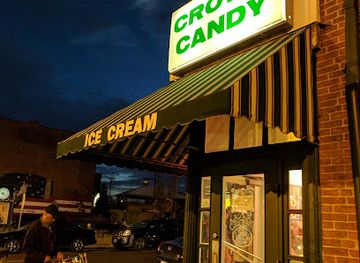
Crown Candy Kitchen
Discover the sweet traditions of St. Louis at Crown Candy Kitchen – where nostalgia meets delicious homemade treats!
-
American
Third Street Social
Discover vibrant American cuisine at Third Street Social in Lee's Summit – where every meal is a celebration of local flavors.
-
Brewpub
Flat Branch Pub & Brewing
Discover unique American cuisine and craft beers at Flat Branch Pub & Brewing in Columbia, Missouri's vibrant dining scene.
-
Steak
Twisted Tree Steakhouse
Experience culinary excellence at Twisted Tree Steakhouse - where premium steaks meet fresh seafood in an inviting atmosphere.


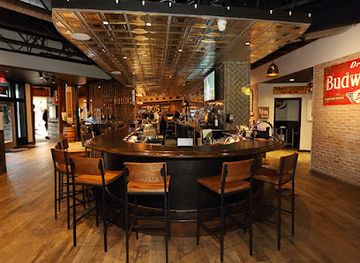
Best bars in Northeast Missouri
Nightlife in Northeast Missouri is modest and locally focused rather than built around large club districts. Hannibal offers the widest evening choice, with historic-pub settings, casual bars, restaurants, occasional live music and cultural programming connected with its river-town heritage. Kirksville's student population supports a younger bar and entertainment scene, although the character and opening arrangements of individual venues change over time. In smaller communities, evenings generally centre on independent restaurants, traditional bars, community events and live performances rather than nightclubs. Around Mark Twain Lake, summer weekends may bring a more social atmosphere at marinas and recreation areas, but this is seasonal and dispersed. Visitors should not expect late-night transport between towns, so arranging a designated driver or staying locally is sensible. Breweries, wineries and tasting rooms may provide an alternative to conventional nightlife, with a quieter emphasis on conversation and local products.
-
Grill
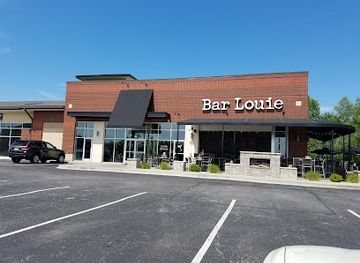
Bar Louie - Chesterfield
Discover the vibrant flavors and inviting atmosphere of Bar Louie - Chesterfield, a premier grill and bar for food lovers and social butterflies.
-
Grill
Oh Tommy's Pub & Grill
Discover the heart of Roach, MO, at Oh Tommy's Pub & Grill, where hearty American cuisine meets local charm in a lively pub atmosphere.
-
Steak
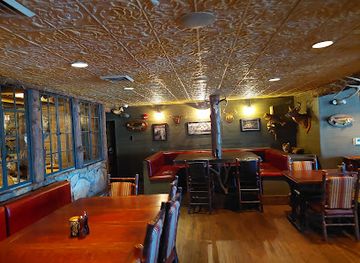
Rustic Oak Cabin Steakhouse
Delight in the savory offerings of Rustic Oak Cabin Steakhouse, where exquisite steaks meet a charming rustic ambiance in Perry, Missouri.
-
Bar
Buzzard Bar
Discover the best of dining and nightlife at Buzzard Bar in Ridgedale, Missouri, where local flavors meet a vibrant atmosphere.

Best nightclubs in Northeast Missouri
Nightlife in Northeast Missouri is modest and locally focused rather than built around large club districts. Hannibal offers the widest evening choice, with historic-pub settings, casual bars, restaurants, occasional live music and cultural programming connected with its river-town heritage. Kirksville's student population supports a younger bar and entertainment scene, although the character and opening arrangements of individual venues change over time. In smaller communities, evenings generally centre on independent restaurants, traditional bars, community events and live performances rather than nightclubs. Around Mark Twain Lake, summer weekends may bring a more social atmosphere at marinas and recreation areas, but this is seasonal and dispersed. Visitors should not expect late-night transport between towns, so arranging a designated driver or staying locally is sensible. Breweries, wineries and tasting rooms may provide an alternative to conventional nightlife, with a quieter emphasis on conversation and local products.
-
Night club
Aura
Discover the ultimate nightlife experience at Aura in Kansas City, where music, lights, and vibrant energy converge for unforgettable nights.
-
Night club
Virtue Night Club
Dive into the electrifying nightlife at Virtue Night Club in Grandview, Missouri, where music, dance, and strong drinks create unforgettable experiences.
-
Night club
The Pepper Lounge
Discover St. Louis' nightlife at The Pepper Lounge, a trendy nightclub offering cocktails, dancing, and exciting events in a vibrant atmosphere.
-
Night club
Zan The Club
Discover the electric nightlife at Zan The Club in Downtown Springfield, a vibrant venue for unforgettable music and events.
Best shops in Northeast Missouri
Shopping in Northeast Missouri is concentrated in small-town high streets, courthouse-square districts and the larger commercial areas of Hannibal and Kirksville. Hannibal is the strongest destination for literary souvenirs, books, local art, gifts and independent shops connected with Mark Twain, while its historic streets are suited to browsing rather than specialist luxury retail. Kirksville provides practical shopping and a selection of independent retailers serving the surrounding counties, with the university adding demand for books, clothing and cafés. Farmers' markets and seasonal roadside stands are useful places to look for local honey, preserves, baked goods, fruit, vegetables and other Missouri produce, although trading days vary by town and season. Galleries, craft shops, antique stores and handmade items appear throughout the region, particularly in historic communities and visitor-oriented parts of Hannibal. Visitors travelling around Mark Twain Lake may find outdoor equipment and locally made food products, but should not expect a continuous shopping district. A small regional food product, book or craft from an independent shop is generally a more representative purchase than a generic souvenir.
-
Outlet mall
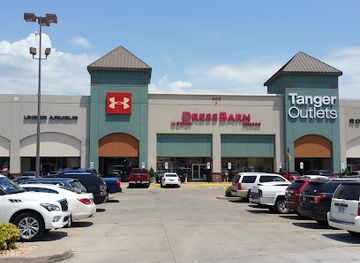
Tanger Outlets Branson
Discover unbeatable deals and a delightful shopping atmosphere at Tanger Outlets Branson, your ultimate retail destination in Missouri.
-
Gift shop
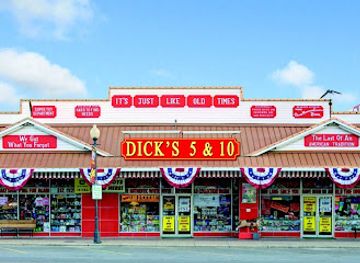
Dick's 5 & 10
Discover a whimsical shopping experience at Dick's 5 & 10 in Branson, featuring toys, candy, and unique souvenirs for every traveler.
-
Shopping mall
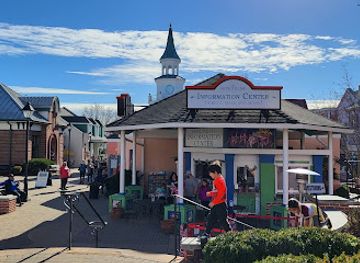
Grand Village Shops
Experience the unique shopping and festive atmosphere of Grand Village Shops, Branson's premier destination for delightful gifts and local crafts.
-
Shopping mall
The Shoppes at North Village
Discover a vibrant shopping and dining experience at The Shoppes at North Village in St. Joseph, Missouri, ideal for all visitors.
Get your free copy of our complete guide to Northeast Missouri, delivered straight to you.
Everything on this page, from attractions and restaurants to essentials and local phrases, in one PDF you can read offline, print or share.
Already have an account? Sign in
Your Northeast Missouri guide is ready.
We'll send it to · Not you? Sign out

Getting your guide ready…
We are putting together a fresh copy of the Northeast Missouri guide. This can take up to a minute.
This can take a few moments. If your browser asks, choose Allow so the download can start. You'll find the guide in your Downloads folder.
Nothing happened? Download it again
Sorry, the guide is taking longer than usual. Please try again in a minute, or get it by email instead.
Northeast Missouri essentials
Currency and Payment
Safety
Emergency Situations
Do's and Don'ts
Local Tips
From Eve
Local phrases worth knowing
You don't need to get them perfect. A few words go a long way, and locals appreciate the effort.
Basics
| English | Local | Say it |
|---|---|---|
| Hello | Howdy | [Hau-dee] |
| Goodbye | See ya later | [See ya lay-ter] |
| Yes | Yep | [Yep] |
| No | Nope | [Nope] |
| Please/You're welcome | Please / No problem | [Pleez / No prob-lem] |
| Thank you | Thanks a lot | [Thangs a lot] |
| Excuse me/Sorry | Excuse me / My bad | [Ex-kyoos mee / My bad] |
| How are you? | How ya doin'? | [How ya doin'?] |
| Fine. And you? | I’m good. And you? | [I’m good. And you?] |
| Do you speak English? | Can ya speak English? | [Can ya speak English?] |
| I don't understand | I ain't gettin' it | [I ain't gettin' it] |
Eating & Drinking
| English | Local | Say it |
|---|---|---|
| I'd like to see the menu, please | Can I see the menu, please? | [Can I see the menu, pleez?] |
| I don't eat meat | I don't eat meat | [I don't eat meat] |
| Cheers! | Cheers! | [Cheers!] |
| I would like to pay, please | Can I pay, please? | [Can I pay, pleez?] |
Emergencies
| English | Local | Say it |
|---|---|---|
| Help! | Help! | [Help!] |
| Go away! | Get outta here! | [Get outta here!] |
| Call the Police! | Call the cops! | [Call the cops!] |
| Call a doctor! | Get a doctor! | [Get a doctor!] |
| I'm lost | I'm lost | [I'm lost] |
| I'm ill | I'm sick | [I'm sick] |
Shopping
| English | Local | Say it |
|---|---|---|
| I'd like to buy... | I wanna buy... | [I wanna buy...] |
| I'm just looking | Just lookin' | [Just lookin'] |
| How much is it? | How much's this? | [How much's this?] |
| That's too expensive | That's too pricey | [That's too pry-see] |
| Can you lower the price? | Can ya bring down the price? | [Can ya bring down the pryce?] |
Time & Numbers
| English | Local | Say it |
|---|---|---|
| What time is it? | What time is it? | [What time is it?] |
| It's one o'clock | It's one o'clock | [It's one o'clock] |
| Half past (10) | Half past ten | [Half past ten] |
| Morning | Mornin' | [Mornin'] |
| Afternoon | Afternoon | [Afternoon] |
| Evening | Evenin' | [Evenin'] |
| Yesterday | Yesterday | [Yesterday] |
| Today | Today | [Today] |
| Tomorrow | Tomorrow | [Tomorrow] |
| 1 | One | [Wun] |
| 2 | Two | [Too] |
| 3 | Three | [Three] |
| 4 | Four | [For] |
| 5 | Five | [Fyv] |
| 6 | Six | [Siks] |
| 7 | Seven | [Sev-en] |
| 8 | Eight | [Ayt] |
| 9 | Nine | [Nyn] |
| 10 | Ten | [Ten] |
Transport & Directions
| English | Local | Say it |
|---|---|---|
| Where's a/the...? | Where's the...? | [Where's the...?] |
| What's the address? | What's the address? | [What's the address?] |
| Can you show me (on the map)? | Can ya show me on the map? | [Can ya show me on the map?] |
| When's the next (bus)? | When's the next bus? | [When's the next bus?] |
| A ticket (to ....) | A ticket to ... | [A ticket to ...] |
History of Northeast Missouri
Indigenous River and Prairie Communities
Long before European settlement, Indigenous peoples lived along the Mississippi River and across the prairies and wooded valleys of what is now Northeast Missouri. River corridors supported travel, fishing and trade, while inland communities used fertile soils and varied habitats. Later historic tribes, including the Osage and other peoples connected with the wider Missouri and Mississippi region, shaped the political landscape encountered by European and American settlers. Archaeological evidence and place names preserve only part of this earlier history, which remains important to understanding the region beyond its nineteenth-century towns.
French and American Settlement after 1803
The region became part of the United States through the Louisiana Purchase of 1803, after which American settlement expanded rapidly into northern Missouri. Towns grew along the Mississippi and at river landings, while farms, ferries, mills and roads spread through the interior. Hannibal developed as a river and commercial centre, benefiting from transport links and trade. The arrival of county governments, courts and land surveys gave the landscape much of the civic pattern still visible in courthouse squares and historic town centres.
Mormon Settlement and the Missouri Conflict, 1830s
Northeast Missouri was central to the early history of the Latter-day Saint movement. Communities were established around Caldwell and Daviess counties, including Far West and Adam-ondi-Ahman, but political, religious and economic tensions with neighbouring settlers intensified. The 1838 conflict led to armed confrontations, the imprisonment of Joseph Smith and the expulsion of Latter-day Saints from Missouri under an executive order issued by Governor Lilburn Boggs. Historic sites in the region preserve the memory of this formative and deeply contested period.
Hannibal and the Life of Mark Twain
Samuel Clemens was born in Florida, Missouri, but spent much of his youth in Hannibal, where the Mississippi River, steamboats, waterfront trades and local characters influenced the imagination of the future Mark Twain. His childhood in the town became a lasting source for The Adventures of Tom Sawyer and Adventures of Huckleberry Finn. Hannibal's preserved Clemens family home, riverfront setting and associated landmarks demonstrate how a nineteenth-century river town became inseparable from one of America's most influential literary identities.
Civil War Division and Border Conflict
Missouri's strategic position between the Union and Confederacy made Northeast Missouri a divided and often unstable region during the American Civil War. The Battle of Athens, fought in Clark County in August 1861, was a Union victory near the Iowa border. The Palmyra Massacre in October 1862, in which ten Confederate sympathisers were executed in retaliation for the capture of a Union supporter, remains one of the conflict's most controversial local episodes. Military occupation, guerrilla warfare and divided loyalties affected communities throughout the region.
Railways, Agriculture and Modern Reservoirs
During the late nineteenth and twentieth centuries, railways connected Northeast Missouri's market towns with larger regional centres, helping farmers move grain, livestock and manufactured goods. Agriculture remained the economic foundation, while education and public administration strengthened towns such as Kirksville. In the twentieth century, flood-control and water-supply projects reshaped parts of the landscape. Clarence Cannon Dam, completed in the 1980s, created Mark Twain Lake on the Salt River, adding a major recreation area to a region historically defined by farms, rivers and rail corridors.
Northeast Missouri in Photos
Browse through our photo collection highlighting the charm and character of the destination.
Neighbouring regions of Northeast Missouri
The closest regions to Northeast Missouri, if you have time for more than one.
-

-

-

-

-


Swipe for more regions
Explore more

Explore more of Missouri
Experience the diverse landscapes, rich history, and vibrant culture of Missouri, the heart of America, offering everything from bustling cities to serene natural escapes.
Explore Missouri