

Free Transnistria Travel Guide & Mobile App
Explore Transnistria with free travel guides. Discover regional history, expert tips, proposed trips, and audio guides on web or mobile app.


Explore Transnistria’s layered history, Dniester landscapes, Soviet-era streets and fortified heritage from Tiraspol to Bender.
Read more about Transnistria
When is the best time to visit Transnistria?
Best: June–August · 24–26°C| Month | High (°C) | Rainfall (mm) |
|---|---|---|
| January | 1 | 25 |
| February | 3 | 25 |
| March | 9 | 30 |
| April | 15 | 35 |
| May | 20 | 40 |
| June (best) | 24 | 45 |
| July (best) | 26 | 45 |
| August (best) | 25 | 40 |
| September | 21 | 35 |
| October | 15 | 30 |
| November | 8 | 25 |
| December | 2 | 25 |
Getting to and around Transnistria
How to get there
Transportation
Top city travel guides in Transnistria
The cities of Transnistria, and the easiest places to base yourself.
-

-


Swipe for more cities
Destinations in Transnistria
Resorts, valleys and scenic spots worth a trip of their own.
-

-
-

-

-

-


Swipe for more destinations
Best attractions in Transnistria
Transnistria’s attractions are primarily historical, political and architectural rather than resort-based. Tiraspol offers a concentrated introduction through its central avenues, museums, memorials, Orthodox churches, parks and riverside areas, with Soviet-era civic planning still prominent in the streetscape. The city’s museums and public monuments help explain the territory’s interpretation of its revolutionary, wartime and post-1992 history, although access and photography rules should be checked locally. Bender’s fortress is the region’s leading historic site, linking Ottoman frontier history with the strategic importance of the Dniester corridor. Rîbnița and Dubăsari provide a different perspective through industrial landscapes, river views and northern settlements. The Dniester itself supports quiet walks, seasonal outdoor recreation and views of agricultural countryside, but facilities are uneven and river conditions should be treated cautiously. Orthodox religious sites, including the Noul Neamț Monastery at Chițcani, add a spiritual and architectural dimension where access is available. Visits are best approached as carefully researched cultural travel, not as a conventional sightseeing circuit.
-
Winery
Castel Mimi
Experience the charm of Castel Mimi, a beautiful winery and castle in Moldova, where exquisite wines and rich history come together in stunning surroundings.
-
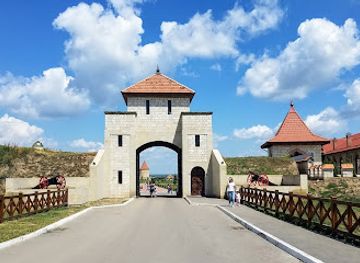
Tourist attraction
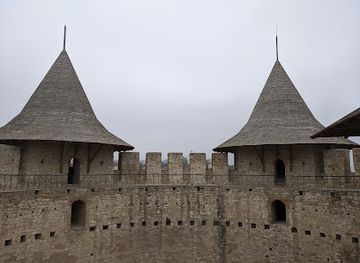
Tighina Fortress
Explore the rich history and stunning architecture of Tighina Fortress, a must-visit attraction in Bender, Moldova.
-
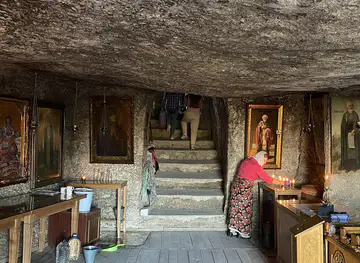
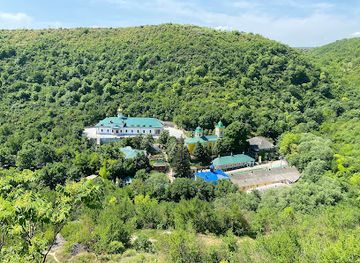
Monastery
Saharna Monastery
Experience the spiritual and natural beauty of Saharna Monastery, a serene pilgrimage site nestled in the heart of Moldova's picturesque countryside.
-
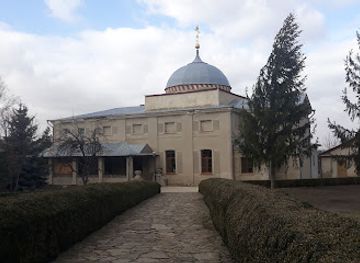
Monastery
Noul Neamt Monastery
Discover the tranquility and spiritual beauty of Noul Neamt Monastery in Moldova, a must-visit destination for tourists seeking peace and inspiration.

Best landmarks in Transnistria
Bender Fortress is Transnistria’s most consequential historic landmark, a substantial defensive complex whose position beside the Dniester reflects centuries of Ottoman, Moldavian and Russian strategic rivalry. In Tiraspol, the House of Soviets, Lenin monument, war memorials and other central civic structures form a coherent Soviet-era urban landscape rather than isolated monuments. The Memorial of Glory is particularly significant within the city’s commemorative geography, linking the Second World War and later military memory. Tiraspol’s Orthodox churches provide a contrasting architectural presence, while the Dniester embankment is the city’s defining natural edge. The Noul Neamț Monastery at Chițcani, where access is possible, represents the region’s continuing Orthodox heritage and rural setting. In the north, the industrial skyline around Rîbnița and the river landscapes near Dubăsari illustrate the role of Soviet manufacturing, power generation and the Dniester in shaping modern Transnistria. These landmarks should be visited with restraint: their political and military associations make photography and commentary more sensitive than at ordinary heritage sites.
-
River
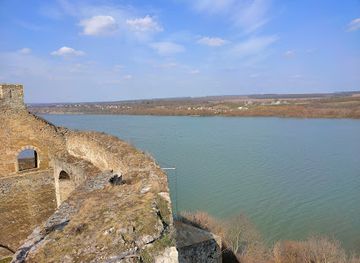
Dnister River
Explore the Dniester River: A historic waterway offering natural beauty and cultural richness in Eastern Europe.
-
 Monument
The Triumphal Arch
Discover Chișinău's Triumphal Arch: A historic monument and symbol of victory, located in the heart of the city on the Great National Assembly Square.
-
-
Memorial park
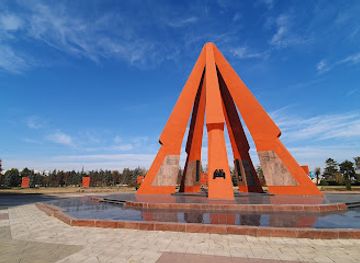
Eternity Memorial Complex
Discover the poignant beauty of Eternity Memorial Complex, a serene tribute to Moldova's heroes, where history and nature harmoniously intertwine.
Explore Transnistria on the map
Plan your trip on one map. See where the top cities, national parks and sights are, and book hotels and experiences in a few clicks.
Best hotels in Transnistria
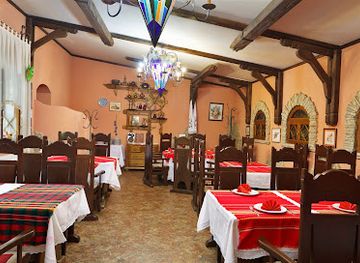
Best restaurants in Transnistria
Dining in Transnistria reflects the culinary overlap of Moldova, Ukraine and the wider former Soviet world. Menus commonly include soups, grilled meat, cabbage and potato dishes, filled pastries, salads, pickled vegetables and substantial breads, with seasonal fruit and vegetables from the surrounding agricultural districts. Tiraspol and Bender have the broadest choice of cafés, canteens and restaurants, while smaller towns offer a more limited, locally oriented selection. Moldovan-style dishes may appear alongside Russian and Ukrainian specialities, so terminology and recipes can vary from one establishment to another. Local wine and Kvint’s grape-based spirits are important parts of the region’s commercial identity, although visitors should check provenance and current availability. Markets can be useful for observing everyday food culture and buying produce, but hygiene standards and payment arrangements vary. Meal times, menus and service may be less predictable than in major international destinations, and carrying modest cash is prudent.
-
European
Pegas Terrace & Restaurant
Discover the exquisite European dining experience at Pegas Terrace & Restaurant in Chișinău - where local flavors meet stunning views.
-
Restaurant
Trattoria Della Nonna
Experience authentic Italian flavors at Trattoria Della Nonna in Chișinău - where every meal feels like home.
-
Bulgarian
Gök-Oguz
Discover Gök-Oguz: Chișinău's premier Bulgarian restaurant specializing in mouthwatering mutton barbecue and traditional dishes.
-
Modern European
Black Rabbit Gastro-Burrow
Discover modern European culinary delights at Black Rabbit Gastro-Burrow in Chișinău - where taste meets sophistication.

Best bars in Transnistria
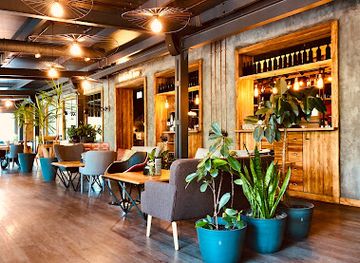
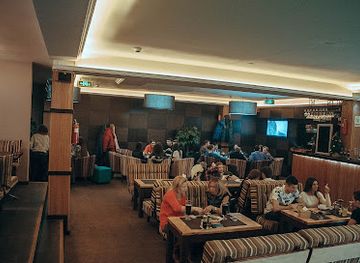
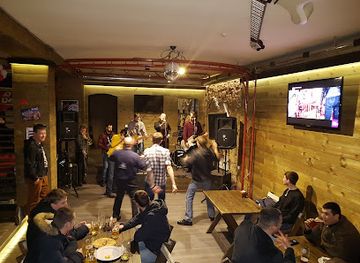
Evening culture is concentrated in Tiraspol and, to a lesser extent, Bender. Visitors will find cafés, restaurants, beer halls and bars serving local spirits and beer, while nightlife in smaller towns is generally quieter and more social than club-oriented. Tiraspol may offer live music, late-opening venues and occasional nightclub activity, but the scene is modest and subject to changing operating arrangements. Traditional drinking culture should not be treated as a requirement for experiencing the region; cafés, riverside walks and restaurants can provide more predictable evenings. Avoid venues or gatherings connected with political demonstrations, security activity or confrontational behaviour, and confirm safe transport back to accommodation before going out. Alcohol consumption can attract additional complications at checkpoints, so responsible behaviour and valid identification remain important.
-
Modern European
Black Rabbit Gastro-Burrow
Savor innovative dishes in a chic setting at Black Rabbit Gastro-Burrow, Chișinău's premier modern European restaurant.
-
Restaurant
Toscana
Experience authentic Italian cuisine in Tiraspol at Toscana, where every dish is a celebration of flavor and tradition.
-
Restaurant
PartyZAN Game Private Club
Discover the thrill of games and delicious cuisine at PartyZAN Game Private Club in Chișinău, a top choice for nightlife and entertainment.
-
Pub
Budweiser Grill & Pub
Experience the vibrant atmosphere of Budweiser Grill & Pub in Chișinău, where delicious grilled dishes meet a fantastic selection of local brews.
Best nightclubs in Transnistria
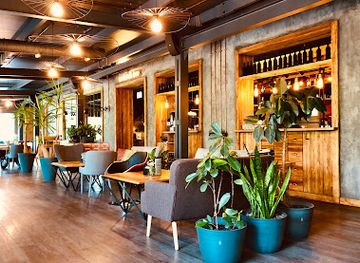
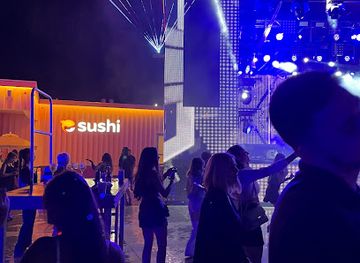
Evening culture is concentrated in Tiraspol and, to a lesser extent, Bender. Visitors will find cafés, restaurants, beer halls and bars serving local spirits and beer, while nightlife in smaller towns is generally quieter and more social than club-oriented. Tiraspol may offer live music, late-opening venues and occasional nightclub activity, but the scene is modest and subject to changing operating arrangements. Traditional drinking culture should not be treated as a requirement for experiencing the region; cafés, riverside walks and restaurants can provide more predictable evenings. Avoid venues or gatherings connected with political demonstrations, security activity or confrontational behaviour, and confirm safe transport back to accommodation before going out. Alcohol consumption can attract additional complications at checkpoints, so responsible behaviour and valid identification remain important.
-
Bar
Kira's Club
Experience the vibrant nightlife at Kira's Club in Chișinău, where delicious cocktails and unforgettable moments await in a lively atmosphere.
-
Night club
Edgo Night Club
Discover the vibrant nightlife at Edgo Night Club in Chișinău, where electrifying music meets a stylish atmosphere for an unforgettable experience.
-
Adult entertainment club
Up & Down Club
Discover Chișinău's vibrant nightlife at Up & Down Club, an electrifying adult entertainment venue with captivating performances and an indulgent atmosphere.
-
Night club
Bora Bora Night Club
Dive into the vibrant nightlife of Chișinău at Bora Bora Night Club, where music, dancing, and unforgettable experiences await every visitor.


Best shops in Transnistria
Shopping in Transnistria is centred on everyday markets, small independent shops and urban retail streets rather than large international brands. Tiraspol has the widest selection of clothing, household goods, books, food shops and cafés, while Bender and the northern towns provide more localised high-street and market shopping. Useful purchases may include packaged sweets, preserves, seasonal produce, locally made wine or Kvint products where legally available for onward travel, and small Soviet-themed souvenirs. Orthodox religious items and regional craft goods may be found near churches or markets, but quality and authenticity vary. The Transnistrian ruble is not a practical souvenir currency outside the territory, so spend or exchange it before departure and retain receipts for commercial goods. Check customs rules before taking alcohol, food, antiques or political memorabilia across an international border, and do not purchase military or archaeological objects whose provenance is unclear.
-
Shopping mall
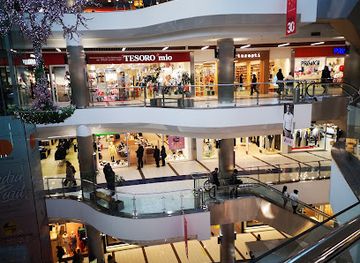
Shopping MallDova
Discover a shopping paradise at Shopping MallDova in Chișinău, where global brands meet local flair in a vibrant retail environment.
-
Farmers' market
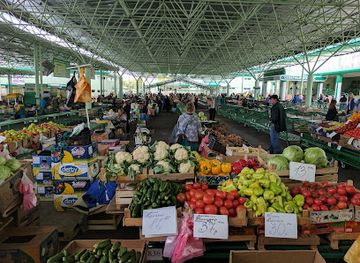
Green Market
Experience the vibrant local culture and flavors at Tiraspol's Green Market, a must-visit farmers' market filled with fresh produce and artisanal goods.
-
National park
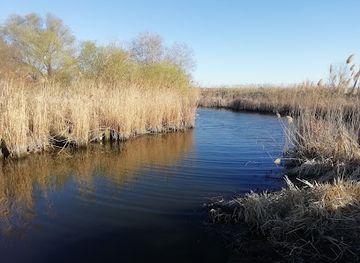
Lower Dniester National Park
Discover the natural wonder of Lower Dniester National Park in Ukraine, a haven for wildlife and adventure enthusiasts amidst breathtaking landscapes.
-
Shopping mall
Elat
Explore a vibrant shopping paradise at Elat Mall in Chișinău, where local charm meets global brands and delightful dining experiences.
Get your free copy of our complete guide to Transnistria, delivered straight to you.
Everything on this page, from attractions and restaurants to essentials and local phrases, in one PDF you can read offline, print or share.
Already have an account? Sign in
Your Transnistria guide is ready.
We'll send it to · Not you? Sign out

Getting your guide ready…
We are putting together a fresh copy of the Transnistria guide. This can take up to a minute.
This can take a few moments. If your browser asks, choose Allow so the download can start. You'll find the guide in your Downloads folder.
Nothing happened? Download it again
Sorry, the guide is taking longer than usual. Please try again in a minute, or get it by email instead.
Transnistria essentials
Currency and Payment
Safety
Emergency Situations
Do's and Don'ts
Local Tips
From Eve
Local phrases worth knowing
You don't need to get them perfect. A few words go a long way, and locals appreciate the effort.
Basics
| English | Local | Say it |
|---|---|---|
| Hello | Salut | [sah-loot] |
| Goodbye | La revedere | [lah reh-veh-deh-reh] |
| Yes | Da | [dah] |
| No | Nu | [noo] |
| Please/You're welcome | Te rog | [teh rog] |
| Thank you | Mulțumesc | [mool-tsu-mesk] |
| Excuse me/Sorry | Scuză-mă | [skoo-zah-mah] |
| How are you? | Ce mai faci? | [cheh mai fahch?] |
| Fine. And you? | Bine. Dar tu? | [bee-neh. dar too?] |
| Do you speak English? | Vorbești engleză? | [vor-besh-teh en-gleh-zah?] |
| I don't understand | Nu înțeleg | [noo in-tseh-leg] |
Eating & Drinking
| English | Local | Say it |
|---|---|---|
| I'd like to see the menu, please | Aș dori să văd meniul, te rog | [ash doh-ree sah vehd meh-nee-ul, teh rog] |
| I don't eat meat | Nu mănânc carne | [noo mah-nank kar-neh] |
| Cheers! | Noroc! | [noh-roc] |
| I would like to pay, please | Aș dori să plătesc, te rog | [ash doh-ree sah plah-tesk, teh rog] |
Emergencies
| English | Local | Say it |
|---|---|---|
| Help! | Ajutor! | [ah-zhoo-tor] |
| Go away! | Du-te! | [doo-teh] |
| Call the Police! | Sună la poliție! | [soo-nah lah poh-lee-tsyeh] |
| Call a doctor! | Sună un doctor! | [soo-nah oon dok-tor] |
| I'm lost | M-am pierdut | [mah-m pyehr-doot] |
| I'm ill | Sunt bolnav | [soont bol-nahv] |
Shopping
| English | Local | Say it |
|---|---|---|
| I'd like to buy... | Aș dori să cumpăr... | [ash doh-ree sah koom-per...] |
| I'm just looking | Mă uit doar | [muh oot doar] |
| How much is it? | Cât costă? | [koot koh-stah?] |
| That's too expensive | E prea scump | [eh preh skoomp] |
| Can you lower the price? | Poți să scazi prețul? | [pots sah skahz prehts-ul?] |
Time & Numbers
| English | Local | Say it |
|---|---|---|
| What time is it? | Ce oră este? | [cheh or-uh yeh-steh?] |
| It's one o'clock | Este ora unu | [yeh-steh or-uh oo-noo] |
| Half past (10) | Jumătate după (10) | [joo-mah-tah-teh doo-pah (10)] |
| Morning | Dimineața | [dee-mee-neh-tsah] |
| Afternoon | După-amiază | [doo-pah ah-mee-ah-zah] |
| Evening | Seara | [seh-ah-rah] |
| Yesterday | Ieri | [yehr] |
| Today | Astăzi | [ahs-tahz] |
| Tomorrow | Mâine | [mee-neh] |
| 1 | 1 | [unu] |
| 2 | 2 | [doi] |
| 3 | 3 | [trei] |
| 4 | 4 | [patru] |
| 5 | 5 | [cinci] |
| 6 | 6 | [șase] |
| 7 | 7 | [șapte] |
| 8 | 8 | [opt] |
| 9 | 9 | [nouă] |
| 10 | 10 | [zece] |
Transport & Directions
| English | Local | Say it |
|---|---|---|
| Where's a/the...? | Unde este un...? | [oon-deh yeh-steh oon...?] |
| What's the address? | Care este adresa? | [kah-reh yeh-steh ah-dreh-sah?] |
| Can you show me (on the map)? | Poți să-mi arăți (pe hartă)? | [pots sah-m yar-uhts (peh har-tah)?] |
| When's the next (bus)? | Când este următorul (autobuz)? | [kund yeh-steh oor-mah-toh-rool (au-toh-booz)?] |
| A ticket (to ....) | Un bilet (spre ....) | [oon bee-let (spre ....)] |
History of Transnistria
Early Moldavian and Dniester Frontier Settlements
The Dniester corridor has long been a zone of movement between the Eurasian steppe, the Black Sea hinterland and the principalities of eastern Europe. Medieval settlements in the wider region were connected with Moldavian political authority, Orthodox Christianity and river trade, while the frontier character of the area brought contact with neighbouring Ruthenian, Cossack, Jewish, Ottoman and other communities. The river was both a transport route and a strategic boundary, helping to shape the location of fortified settlements and market centres that later developed into towns such as Bender.
Ottoman Rule and Bender Fortress
Bender became an important Ottoman stronghold after the fortress and surrounding town were incorporated into the Ottoman sphere in the sixteenth century. Its position near the Dniester made it valuable for controlling routes between the Balkans, the Black Sea and the Moldavian lands. The fortress was repeatedly involved in the rivalry between the Ottoman Empire and Russia, and its surviving walls and towers remain the clearest architectural reminder of the region’s frontier history. The town is also known by the Russian name Bendery, reflecting the territory’s later linguistic and imperial layers.
Russian Imperial Expansion in the Nineteenth Century
Following the Russo-Turkish wars, the eastern bank of the Dniester increasingly came under Russian imperial administration. New administrative arrangements, military settlement and economic links with the wider empire altered the region’s demographic and commercial profile. Russian became increasingly important in public life alongside Romanian or Moldavian, Ukrainian and Yiddish. The development of roads, river transport and later rail connections tied the towns more closely to Odesa and other imperial centres, establishing patterns that continued into the twentieth century.
The Soviet Moldavian Autonomous and Socialist Eras
After the Russian Revolution and civil-war period, the territory became closely associated with Soviet Ukraine before much of it was incorporated into the Moldavian Soviet Socialist Republic in 1940. Soviet industrialisation transformed Tiraspol, Rîbnița, Dubăsari and other settlements through factories, power generation, collective agriculture and planned urban development. Russian-speaking workers and administrators arrived from across the Soviet Union, reinforcing the region’s industrial and linguistic distinctiveness. Wide avenues, factories, monuments and standardised apartment districts still express this period more strongly here than in much of Moldova.
The Second World War and Post-war Reconstruction
The region was occupied during the Second World War and experienced military destruction, persecution and the devastation of Jewish communities under Nazi and allied Romanian administration. The post-war Soviet authorities rebuilt towns and industry, while memorials to the war became central features of public space. Reconstruction also accelerated migration from other parts of the Soviet Union and expanded heavy industry along the Dniester. These demographic and economic changes helped create the strongly Russian- and Ukrainian-influenced urban culture that remains visible in Transnistria.
The Break-up of the Soviet Union and the 1992 Conflict
As the Soviet Union weakened, political disagreement intensified between authorities in Chișinău and the mainly Russian-speaking administration established east of the Dniester. Fighting in 1992, particularly around Bender and several river crossings, ended with a ceasefire rather than a comprehensive political settlement. A de facto Transnistrian administration has since controlled the territory, while Moldova and most of the international community continue to regard it as part of Moldova. Checkpoints, war memorials and the unresolved constitutional status are enduring legacies of the conflict.
A Contemporary De Facto Territory
Since the 1990s, Transnistria has maintained its own institutions, currency, symbols and security structures without broad international recognition. Russia has remained closely connected to the territory politically, economically and militarily, while Moldova has retained its internationally recognised sovereignty. Tiraspol’s public landscape consequently combines Soviet symbolism, local state-building and everyday commerce. The wider regional security environment became more sensitive after Russia’s full-scale invasion of Ukraine in 2022, making current official travel advice particularly important for anyone considering a visit.
Transnistria in Photos
Browse through our photo collection highlighting the charm and character of the destination.
Neighbouring regions of Transnistria
The closest regions to Transnistria, if you have time for more than one.
-

-

-

-

-


Swipe for more regions
Explore more

Explore more of Moldova
Discover Moldova: A tranquil haven of rich history, stunning vineyards, and captivating natural landscapes, perfect for an off-the-beaten-path European adventure.
Explore Moldova