

Beartooth Highway, Montana Travel Guide
Discover the breathtaking landscapes and diverse wildlife of Beartooth Highway, Montana's scenic route that offers an unforgettable journey through the heart of nature.
Beartooth Highway, located in Montana, United States, is a marvel of natural beauty and engineering. The highway stretches for 68 miles and is known for its breathtaking views, winding roads, and high elevations. As you drive along this scenic route, you'll be greeted by alpine meadows, crystal-clear lakes, and snow-capped peaks. The road itself reaches an elevation of 10,947 feet at Beartooth Pass, making it one of the highest highways in the United States. The highway is part of the greater Yellowstone ecosystem, which means you might catch a glimpse of various wildlife, including grizzly bears, elk, and mountain goats. Along the way, there are numerous pull-off points where you can stop to take in the panoramic views or enjoy a picnic. The beauty of the Beartooth Highway is not just in its destination but in the journey itself, offering a unique experience with every twist and turn. The best time to visit Beartooth Highway is during the summer months, as the road is often closed in the winter due to heavy snowfall. Make sure to check the current road conditions before planning your trip. Whether you're an avid hiker looking to explore the surrounding trails or a photographer eager to capture the stunning landscapes, Beartooth Highway offers something for everyone.

Know before you go
Hi, I'm Eve. Here are a few practical things to know before exploring Beartooth Highway.
- Check road conditions before your trip, as the highway is often closed in winter.
- Bring layers of clothing; weather can change quickly at high elevations.
- Fill up your gas tank before starting the drive; gas stations are sparse along the route.
- Pack a picnic and enjoy the scenic pull-off points.
- Don't forget your camera; the views are spectacular and worth capturing.
- Look out for wildlife, but maintain a safe distance.
Explore Beartooth Highway: Things to Do, Places to Eat, Hotels & More
Handpicked recommendations for top attractions, local dining, accommodations, and more

Best attractions in Beartooth Highway
Top-rated picks
Best Attractions

Lamar Valley
Explore the breathtaking landscapes and diverse wildlife of Lamar Valley, the Serengeti of North America, nestled in Yellowstone National Park.

Red Lodge Mountain
Discover the exhilarating beauty and adventure at Red Lodge Mountain Ski Resort in Montana, perfect for skiing, dining, and unforgettable winter experiences.

Dead Indian Summit Overlook
Experience the breathtaking views and rich history at Dead Indian Summit Overlook in Cody, Wyoming, a must-visit destination for nature lovers and photographers.

Rock Creek Vista
Discover the majestic beauty of Rock Creek Vista, a scenic viewpoint in Red Lodge, Montana, offering breathtaking landscapes and abundant wildlife.

Best landmarks in Beartooth Highway
Top-rated picks
Best Landmarks

Beartooth Scenic Byway - All American Road
Explore the breathtaking beauty of Beartooth Scenic Byway, a stunning journey through Montana's alpine landscapes and diverse wildlife, perfect for nature lovers.

US Forest Service Beartooth Ranger Station
Discover the breathtaking beauty of the Beartooth Mountains at the US Forest Service Beartooth Ranger Station, your gateway to nature's wonders.

Best restaurants in Beartooth Highway
Top-rated picks
Best Restaurants

The Buffalo Bar
Experience vibrant American dining at The Buffalo Bar in West Yellowstone—where delicious food meets lively atmosphere.

Slippery Otter Pub
Experience hearty American cuisine at Slippery Otter Pub in West Yellowstone - perfect for families and adventure seekers alike.

Bullwinkles Saloon & Eatery
Discover the heart of West Yellowstone at Bullwinkles Saloon & Eatery – where delicious American cuisine meets lively entertainment.

Firehole Bar-B-Que Co.
Experience authentic Montana barbecue at Firehole Bar-B-Que Co., where smoky flavors and friendly service come together in West Yellowstone.

Best bars in Beartooth Highway
Top-rated picks
Best Bars

Bogart's Restaurant
Discover Bogart's Restaurant in Red Lodge, where Mexican flavors meet pizza perfection in a warm and vibrant setting.

Red Lodge Pizza Co
Experience the flavors of Montana at Red Lodge Pizza Co, where delicious pizzas, burgers, and ice cream await in a warm, friendly environment.

Foster & Logans Pub & Grill
Discover the heart of Montana cuisine at Foster & Logans Pub & Grill, where delicious food meets a friendly atmosphere in Red Lodge.

Red Box Car
Experience the best of American comfort food at Red Box Car, a beloved restaurant in Red Lodge, Montana, known for its delicious breakfasts and burgers.

Best nightclubs in Beartooth Highway
Top-rated picks
Best Nightclubs

The Buffalo Bar
Experience the best of American cuisine and lively entertainment at The Buffalo Bar in West Yellowstone, a must-visit for all travelers.

Edgar Bar
Experience the best of Montana's culinary scene at Edgar Bar, where delicious steaks meet a vibrant bar atmosphere.

Foster & Logans Pub & Grill
Discover the heart of Red Lodge dining at Foster & Logans Pub & Grill, where hearty meals and local brews meet warm Montana hospitality.

Red Door Lounge
Experience the lively ambiance and exceptional cocktails at Red Door Lounge, Billings' favorite cocktail bar and American restaurant.

Best shops in Beartooth Highway
Top-rated picks
Best Shops

Beartooth Market
Discover the flavors of Montana at Beartooth Market, your local grocery destination in Red Lodge, offering fresh produce and unique regional products.

Montana Candy Emporium
Discover the delightful world of sweets at Montana Candy Emporium in Red Lodge, Montana - a true candy lover's paradise.

Top of The World Store
Explore unique souvenirs and local treasures at the Top of The World Store in Cody, Wyoming, your ideal pit stop for adventures.

Cooke City Store
Discover the charm of Cooke City Store, a historic general store offering local goods, groceries, and a taste of Montana culture in a scenic setting.

Explore Beartooth Highway on the Map
A handpicked selection of must-see spots in Beartooth Highway, mapped for you.
Beartooth Highway Essentials
-
Beartooth Highway is located in southern Montana, stretching into Wyoming. The nearest major airport is Billings Logan International Airport in Billings, Montana, approximately 120 miles from the highway's starting point. Alternatively, you can fly into Yellowstone Regional Airport in Cody, Wyoming, about 75 miles from the highway. From these airports, you can rent a car and drive to the Beartooth Highway. The route is best accessed by car due to its remote and scenic nature.
-
The most practical way to explore Beartooth Highway is by car. Rental cars are available at the nearby airports in Billings and Cody. The highway is not serviced by public transport, so having your own vehicle is essential. Be sure to fill up your gas tank before starting the drive, as gas stations are sparse along the route. During the summer months, motorcyclists also frequent the highway, taking advantage of its winding roads and stunning views.
-
The official currency in the United States is the US Dollar (USD). Credit cards are widely accepted at gas stations, restaurants, and hotels along the Beartooth Highway. However, it's a good idea to carry some cash, especially for small purchases or in case you encounter places that do not accept cards. ATMs are available in nearby towns such as Red Lodge, Montana, and Cooke City, Montana.
-
Beartooth Highway is generally a safe destination for tourists. However, the highway is known for its high elevation and steep, winding roads, so drive cautiously. Ensure your vehicle is in good condition before embarking on the trip. Wildlife such as bears and moose can be encountered; always keep a safe distance. There are no specific high-crime areas targeting tourists, but it is always best to stay vigilant and aware of your surroundings, especially in more isolated areas.
-
In case of emergency, dial 911 for immediate assistance. Cell phone service can be sporadic along the highway, so inform someone of your travel plans before you set off. Carry a basic first aid kit and emergency supplies in your vehicle. The nearest medical facilities are in Red Lodge, Montana, and Cody, Wyoming. It is recommended to have travel insurance that covers medical emergencies and vehicle breakdowns.
-
Fashion: Do dress in layers, as the weather can change rapidly at high altitudes. Wear sturdy footwear for any hiking activities. Religion: Do respect any Native American cultural sites you may encounter along the way. Public Transport: Don't expect public transport options; having your own vehicle is essential. Greetings: Do greet fellow travelers and locals with a friendly wave or nod. Eating & Drinking: Do try local eateries in nearby towns like Red Lodge and Cooke City. Don't litter; keep the pristine environment clean.
-
To experience Beartooth Highway like a local, start your journey early in the morning to avoid crowds and enjoy the sunrise over the mountains. Stop by the Top of the World Store, a quirky shop located at a high elevation, for snacks and souvenirs. Take your time to explore the numerous viewpoints and hiking trails. For a unique experience, visit during the late spring when the wildflowers are in bloom. Always check weather conditions and road closures before setting out, as the highway can be impassable during certain times of the year.
When is the best time to visit Beartooth Highway?
Useful Local Phrases for Beartooth Highway
You don't need to speak the language perfectly. Even learning a few simple words can make conversations warmer—and locals usually appreciate the effort.
— Eve

Here are the phrases I use most often in Beartooth Highway. Try a few—you'll be surprised how far they go! 😊
❤️
-
- HelloHowdy
[Hou-dee] - GoodbyeSee ya
[See yah] - YesYup
[Yuhp] - NoNope
[Nohp] - Please/You're welcomePlease n' thank ya
[Pleez n' thank yah] - Thank youMuch obliged
[Muhch uh-blahjed] - Excuse me/SorryPardon me
[Pahr-dun me] - How are you?Howdy
[Hou-dee] - Fine. And you?Just dandy. You?
[Just dan-dee. Yuh?] - Do you speak English?Ya speak English?
[Yah speak Ing-glish?] - I don't understandI reckon I don't get it
[I wreck-un I don't get it]
- HelloHowdy
-
- I'd like to see the menu, pleaseCan I take a gander at the menu?
[Can I take a gan-dur at the menu?] - I don't eat meatI ain't no meat eater
[I ain't noh meat ee-ter] - Cheers!Bottoms up!
[Baw-tums up!] - I would like to pay, pleaseCan I settle up, please
[Can I set-ul up, please]
- I'd like to see the menu, pleaseCan I take a gander at the menu?
-
- Help!SOS!
[S-O-S!] - Go away!Git!
[Git!] - Call the Police!Ring up the Sheriff!
[Ring up the Sheriff!] - Call a doctor!Call the Doc!
[Call the Doc!] - I'm lostI'm turned around
[I'm turned a-round] - I'm illI'm feelin' poorly
[I'm feel-in' poor-lee]
- Help!SOS!
-
- I'd like to buy...I'm fixin' to purchase...
[I'm fix-in' to pur-chase...] - I'm just lookingJust browsin'
[Just brow-zin'] - How much is it?How much for this?
[How much for this?] - That's too expensiveThat's a bit steep
[That's a bit steep] - Can you lower the price?Can ya do any better on the price?
[Can yah do any bet-ter on the price?]
- I'd like to buy...I'm fixin' to purchase...
-
- What time is it?What's the hour?
[What's the hour?] - It's one o'clockIt's one in the mornin'
[It's one in the morn-in'] - Half past (10)Ten-thirty
[Ten-thur-tee] - MorningMornin'
[Morn-in'] - AfternoonAfternoon
[After-noon] - EveningEvenin'
[Even-in'] - YesterdayYest'day
[Yest-day] - TodayToday
[Today] - TomorrowTomorrah
[Tomor-rah] - 1One
[Wun] - 2Two
[Too] - 3Three
[Three] - 4Four
[Fohr] - 5Five
[Fahv] - 6Six
[Siks] - 7Seven
[Sev-en] - 8Eight
[Ayt] - 9Nine
[Nahyn] - 10Ten
[Ten]
- What time is it?What's the hour?
-
- Where's a/the...?Where's the...
[Where's the...] - What's the address?What's the street?
[What's the street?] - Can you show me (on the map)?Can you point it out (on the map)?
[Can you point it out (on the map)?] - When's the next (bus)?When's the next bus rollin' by?
[When's the next bus rollin' by?] - A ticket (to ....)A ticket (to ...)
[A ticket (to ...)]
- Where's a/the...?Where's the...
History of Beartooth Highway
-
Beartooth Highway, officially known as U.S. Route 212, was the brainchild of engineering pioneer, Colonel Charles A. Lindbergh in the 1930s. The highway was designed to connect the northern entrance of Yellowstone National Park with Cooke City, Montana, and offer a scenic route through the rugged Beartooth Mountains. Construction began in 1931, amidst the Great Depression, providing much-needed jobs and economic stimulus to the local communities. The highway faced numerous engineering challenges, including steep grades, harsh weather conditions, and treacherous terrain, but was finally completed and opened to the public in 1936.
-
In 1989, Beartooth Highway was designated a National Scenic Byways All-American Road, recognizing its extraordinary scenic and recreational qualities. This prestigious designation highlighted its stunning landscapes, which include alpine tundra, glacial lakes, lush forests, and panoramic views of some of the highest peaks in the northern Rockies. The highway, spanning approximately 68 miles, quickly became a must-see destination for travelers seeking a unique and breathtaking driving experience.
-
One of the most significant events in the highway's recent history was the devastating landslide in 2005. In May of that year, heavy rains triggered a massive landslide that washed out sections of the highway near the Montana-Wyoming border. The destruction was so severe that it took over a year and millions of dollars to repair the road. The closure had a considerable impact on local tourism and economies, but the community rallied together, and by 2006, the highway was reopened, stronger and more resilient than ever.
-
Beartooth Highway is not only a marvel of engineering and natural beauty but also a corridor rich in Native American history and culture. The Crow Nation, or Apsáalooke, have lived in the region for centuries and consider the Beartooth Mountains sacred. The area is dotted with ancient trails, campsites, and spiritual sites that reflect the deep connection of the Crow people to the land. Travelers can learn about this heritage through interpretive signs and local museums, gaining a deeper appreciation for the cultural significance of the region.
-
Today, Beartooth Highway is celebrated not just for its historical importance but also for its role in promoting outdoor recreation and conservation. The highway provides access to countless recreational activities, including hiking, fishing, camping, and wildlife viewing. Conservation efforts have been crucial in preserving the pristine environment and ensuring that future generations can enjoy the natural wonders of the Beartooth Mountains. Organizations and volunteers work tirelessly to maintain the highway and its surroundings, balancing the needs of tourism with the imperative to protect the natural landscape.
Neighbouring destination travel guides
Browse our curated selection of top destinations, scenic points, and must-visit spots in the area.



Your all‑in‑one travel companion app
Explore expert travel guides, compare and book tours, experiences, hotels, and more—all from the palm of your hand. Download now for seamless trip planning wherever your wanderlust takes you.


Explore More of The Beartooth Mountains
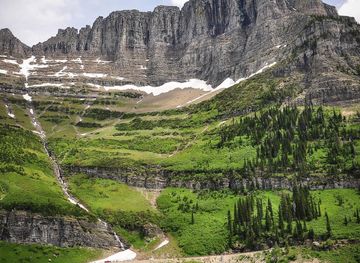
Looking beyond Beartooth Highway? Discover The Beartooth Mountains for broader travel guides, local hot-spots, and regional highlights.
Explore The Beartooth MountainsExplore More of Montana
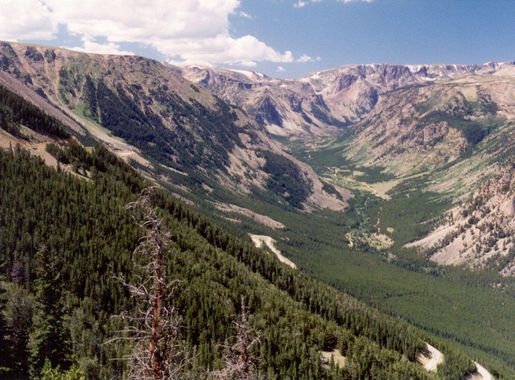
Looking beyond Beartooth Highway? Discover Montana for broader travel guides, local hot-spots, and regional highlights.
Explore MontanaBeartooth Highway in Photos
Browse through our photo collection highlighting the charm and character of the destination.


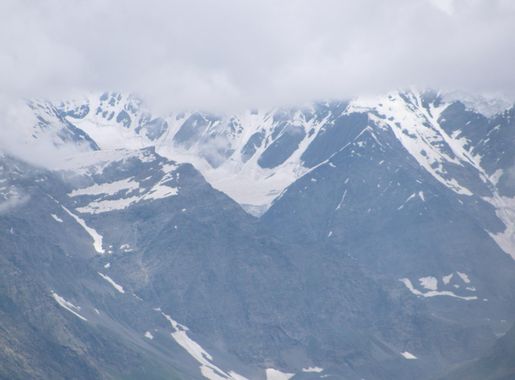
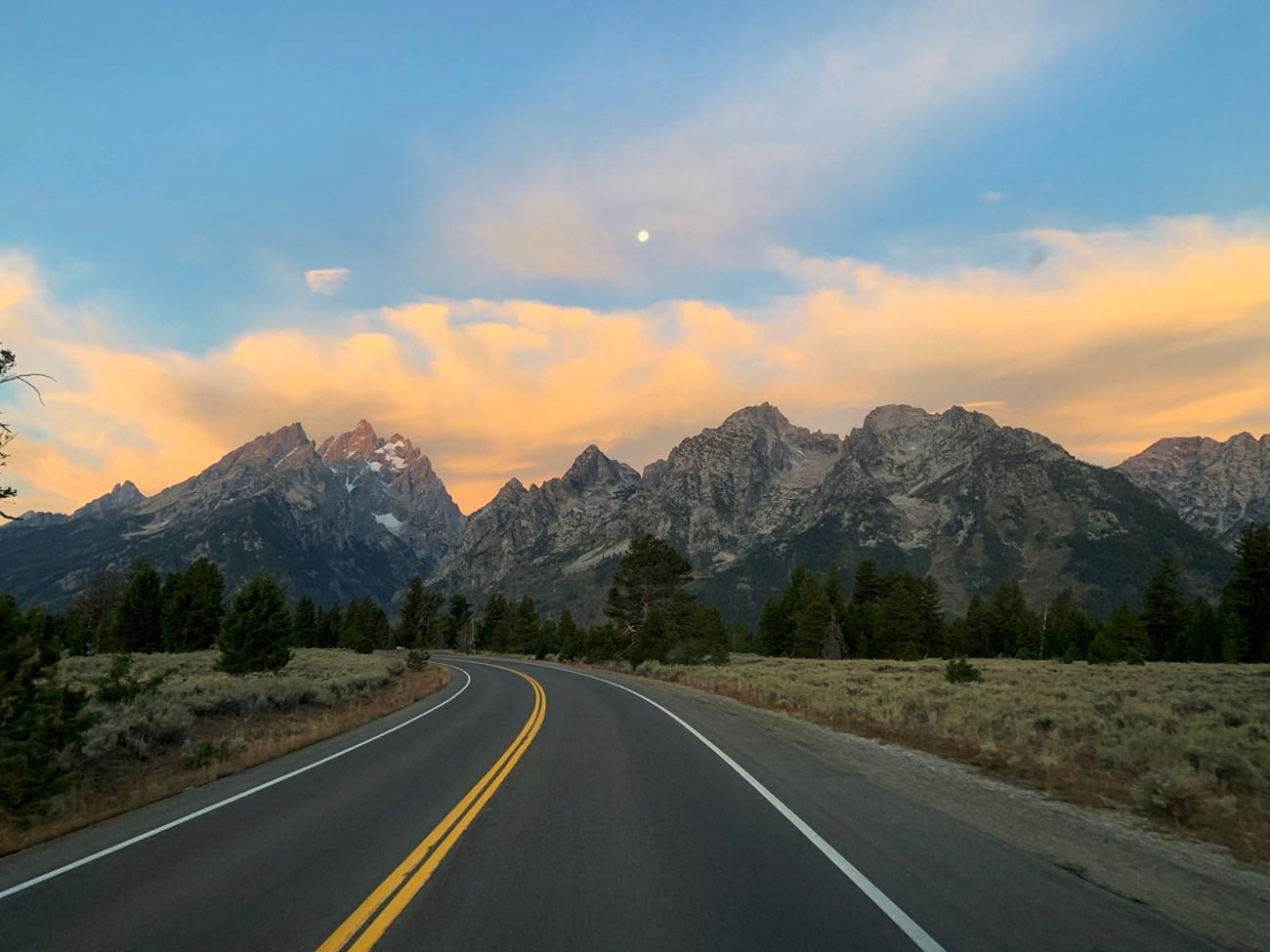
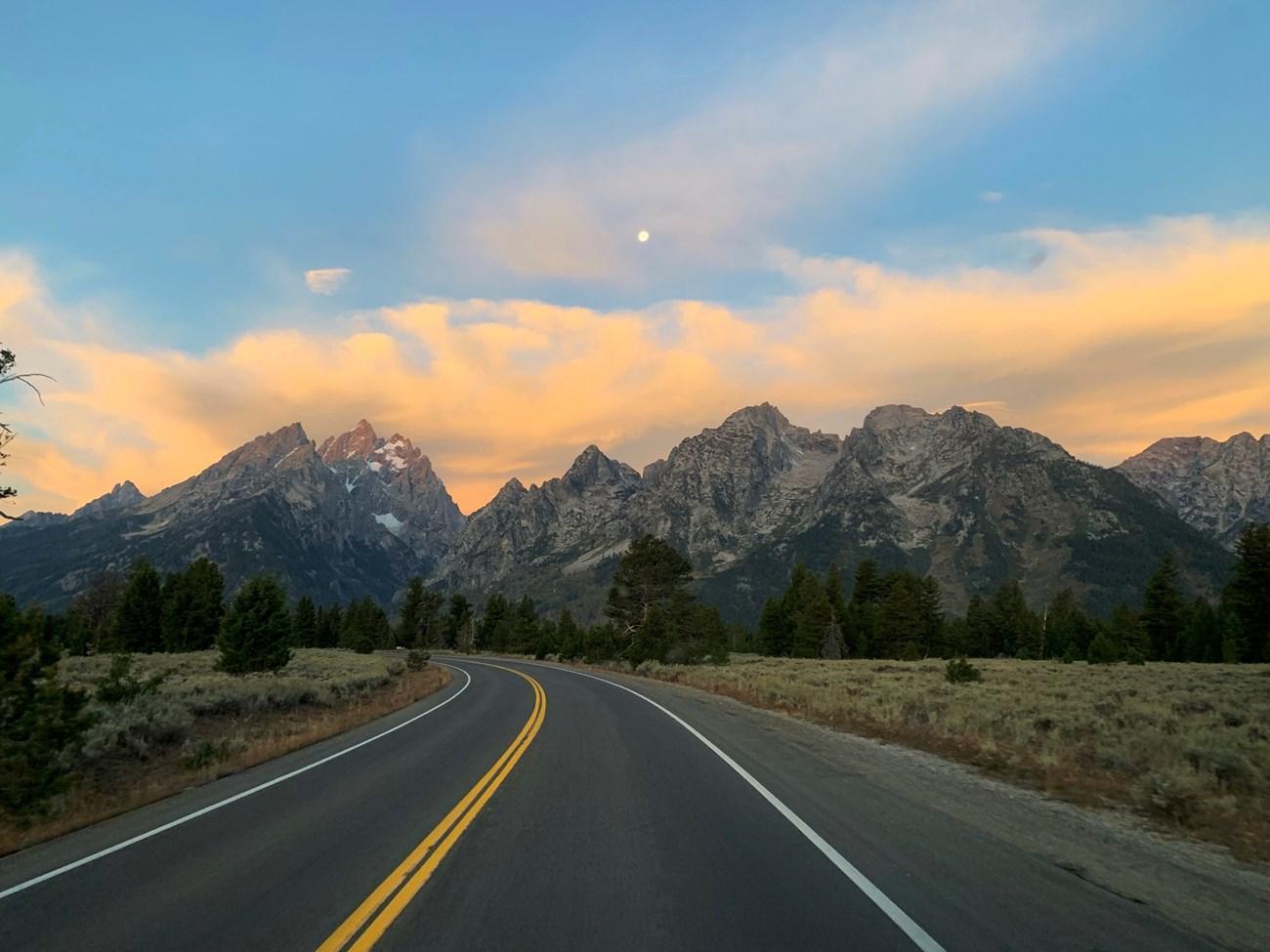
The Scenic Majesty of Beartooth Highway
Beartooth Highway, located in Montana, United States, is a marvel of natural beauty and engineering. The highway stretches for 68 miles and is known for its breathtaking views, winding roads, and high elevations. As you drive along this scenic route, you'll be greeted by alpine meadows, crystal-clear lakes, and snow-capped peaks. The road itself reaches an elevation of 10,947 feet at Beartooth Pass, making it one of the highest highways in the United States. The highway is part of the greater Yellowstone ecosystem, which means you might catch a glimpse of various wildlife, including grizzly bears, elk, and mountain goats. Along the way, there are numerous pull-off points where you can stop to take in the panoramic views or enjoy a picnic. The beauty of the Beartooth Highway is not just in its destination but in the journey itself, offering a unique experience with every twist and turn. The best time to visit Beartooth Highway is during the summer months, as the road is often closed in the winter due to heavy snowfall. Make sure to check the current road conditions before planning your trip. Whether you're an avid hiker looking to explore the surrounding trails or a photographer eager to capture the stunning landscapes, Beartooth Highway offers something for everyone.