

The Yellowstone Valley, Montana Travel Guide
Discover the breathtaking beauty and rich history of Yellowstone Valley in Montana, a haven for outdoor enthusiasts and nature lovers alike.
Nestled in the heart of Montana, the Yellowstone Valley is a treasure trove of natural beauty and wonder. This picturesque region is known for its sweeping landscapes, winding rivers, and abundant wildlife. The valley offers a serene escape for those seeking the tranquility of nature and the thrill of outdoor adventure. The Yellowstone River, the longest free-flowing river in the contiguous United States, meanders through the valley, providing ample opportunities for fishing, kayaking, and rafting. The surrounding mountains and forests are a hiker's paradise, with trails that offer breathtaking views and the chance to spot elk, bison, and even the occasional grizzly bear. In addition to its natural splendor, the Yellowstone Valley is steeped in history and culture. The nearby towns of Livingston and Gardiner offer charming shops, art galleries, and local eateries that reflect the spirit of the Old West. Visitors can also explore the fascinating history of the region at the Yellowstone Gateway Museum and other historical sites. Whether you're an avid outdoor enthusiast or simply looking to unwind in a stunning natural setting, the Yellowstone Valley promises an unforgettable experience. Its unique blend of natural beauty, adventure, and cultural richness makes it a must-visit destination for travelers of all types.

Know before you go
Hi, I'm Eve. Here are a few practical things to know before exploring The Yellowstone Valley.
- Visit during late spring or early fall for the best weather and fewer crowds.
- Pack layers; temperatures can vary greatly from day to night.
- Don't miss a scenic drive along the Beartooth Highway, one of the most beautiful routes in America.
- Bring binoculars for wildlife watching; early morning and late evening are the best times.
- Check local fishing regulations and obtain necessary permits for fishing in the Yellowstone River.
Top City Travel Guides in The Yellowstone Valley
The cities of The Yellowstone Valley, and the easiest places to base yourself.
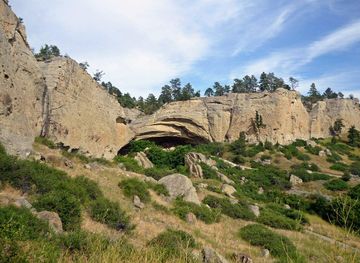

Destinations in The Yellowstone Valley
Resorts, valleys and scenic spots worth a trip of their own.


Explore The Yellowstone Valley: Things to Do, Places to Eat, Hotels & More
Handpicked recommendations for top attractions, local dining, accommodations, and more

Top Attractions & Sightseeing in The Yellowstone Valley
Top-rated picks
Best Attractions

Yellowstone National Park
Discover the awe-inspiring natural beauty and unique geothermal features of Yellowstone National Park, a top destination for outdoor enthusiasts and nature lovers.

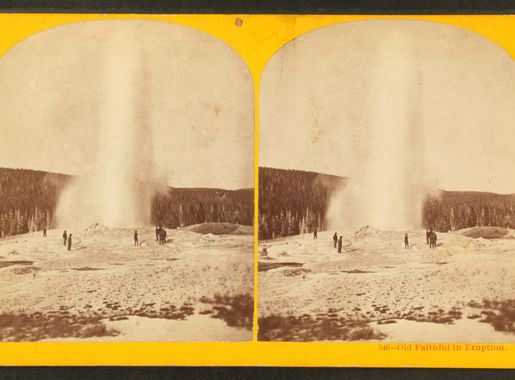
Old Faithful
Experience the breathtaking eruptions of Old Faithful, a must-see natural wonder in Yellowstone National Park, showcasing nature's extraordinary beauty and power.

Grizzly & Wolf Discovery Center
Discover the beauty and majesty of grizzly bears and wolves at the Grizzly & Wolf Discovery Center in West Yellowstone, Montana.

Little Bighorn Battlefield National Monument
Explore the historic Little Bighorn Battlefield National Monument, a site rich in Native American heritage and the legacy of the American West.


Best restaurants in The Yellowstone Valley
Top-rated picks
Best Restaurants

The Buffalo Bar
Experience the vibrant atmosphere and delicious American cuisine at The Buffalo Bar in West Yellowstone – where flavor meets fun!

Running Bear Pancake House
Experience delicious pancakes and hearty breakfasts at Running Bear Pancake House in West Yellowstone—your perfect start before exploring nature's wonders.

Slippery Otter Pub
Experience the flavors of America at Slippery Otter Pub in West Yellowstone—where delicious food meets friendly faces.

Firehole Bar-B-Que Co.
Experience unforgettable smoky flavors at Firehole Bar-B-Que Co., where exceptional barbecue meets warm hospitality in West Yellowstone.

Best bars in The Yellowstone Valley
Top-rated picks
Best Bars

The Buffalo Bar
Experience the vibrant flavors of American cuisine at The Buffalo Bar in West Yellowstone, the ideal spot for dining and relaxation.

Bullwinkles Saloon & Eatery
Discover the vibrant blend of American cuisine, local entertainment, and warm hospitality at Bullwinkles Saloon & Eatery in West Yellowstone.

Slippery Otter Pub
Experience the charm of the Slippery Otter Pub in West Yellowstone, serving delicious American cuisine and a family-friendly atmosphere just steps from nature's wonders.

Montana Brewing Company
Discover the heart of Billings at Montana Brewing Company, where craft beer meets delicious American cuisine in a lively atmosphere.

Best nightclubs in The Yellowstone Valley
Top-rated picks
Best Nightclubs

The Buffalo Bar
Experience the heart of American cuisine and vibrant nightlife at The Buffalo Bar in West Yellowstone, Montana.

Slippery Otter Pub
Experience warm hospitality and delicious American cuisine at Slippery Otter Pub, a family-friendly spot in West Yellowstone.

Edgar Bar
Experience the best of Montana's culinary scene at Edgar Bar, where delicious steaks meet a vibrant bar atmosphere.

Madison Crossing Lounge
Discover the flavors of American cuisine in a cozy lounge atmosphere at Madison Crossing Lounge, West Yellowstone's culinary gem.

Best shops in The Yellowstone Valley
Top-rated picks
Best Shops

Fishing Bridge - General Store
Discover unique gifts, essentials, and clothing at Fishing Bridge General Store, the perfect stop for Yellowstone Park adventurers.

Shiloh Crossing
Discover Shiloh Crossing, Billings' vibrant shopping mall featuring diverse stores and dining options for an unforgettable shopping experience.

Market Place
Discover local flavors and fresh produce at Market Place in West Yellowstone, your go-to supermarket for all culinary needs.

Mammoth General Store
Discover unique gifts and essentials at Mammoth General Store in Yellowstone National Park, your perfect shopping stop for adventure and memories.

Explore The Yellowstone Valley on the Map
A handpicked selection of must-see spots in The Yellowstone Valley, mapped for you.
The Yellowstone Valley Essentials
-
The Yellowstone Valley is located in Montana, United States. The nearest major airport is Bozeman Yellowstone International Airport (BZN), approximately 90 miles away. From the airport, you can rent a car, take a shuttle service, or use a taxi to reach the valley. Alternatively, you can drive from nearby cities such as Billings or Bozeman, which are well connected via Interstate 90.
-
While in the Yellowstone Valley, having a car is the most convenient way to explore the area. Car rentals are available at Bozeman Yellowstone International Airport and in major towns. For those preferring not to drive, local shuttle services and guided tours are available. Bicycles can also be rented for a more eco-friendly way to explore the valley. Note that public transportation options are limited in this rural area.
-
The official currency is the United States Dollar (USD). Credit and debit cards are widely accepted in hotels, restaurants, and shops. ATMs are available in larger towns, but it is advisable to carry some cash, especially when visiting remote areas or smaller establishments.
-
The Yellowstone Valley is generally a safe destination for tourists. However, as with any travel destination, it is important to take standard precautions. Avoid leaving valuables in your car or unattended in public places. While there are no specific high-crime areas targeting tourists, it is best to stay vigilant and be aware of your surroundings. Wildlife can pose a danger; always follow park guidelines and maintain a safe distance from animals.
-
In case of emergency, dial 911 for immediate assistance. Hospitals and medical facilities are available in larger towns such as Billings and Bozeman. It is recommended to have travel insurance that covers medical emergencies. For minor health issues, there are pharmacies in the major towns where you can purchase over-the-counter medications.
-
Fashion: Do dress in layers and be prepared for changing weather conditions. Avoid wearing strong perfumes as they can attract wildlife. Religion: Do be respectful when visiting any religious sites or ceremonies. Public Transport: Do plan ahead, as public transport options are limited. If using a shuttle service, book in advance. Greetings: Do greet people with a friendly 'hello' or 'hi.' A handshake is common in more formal settings. Eating & Drinking: Do try local dishes and specialties. Don't litter; always use trash bins or take your waste with you.
-
To experience the Yellowstone Valley like a local, visit the farmer's markets where you can buy fresh produce and locally made goods. Engage with local residents; they are often friendly and willing to share information about the area. Don't miss visiting iconic landmarks such as the Yellowstone River, Pompeys Pillar, and the many hiking trails that offer stunning views of the valley. For a unique experience, consider taking a guided fishing trip or a scenic float down the Yellowstone River.
When is the best time to visit The Yellowstone Valley?
Useful Local Phrases for The Yellowstone Valley
You don't need to speak the language perfectly. Even learning a few simple words can make conversations warmer—and locals usually appreciate the effort.
— Eve

Here are the phrases I use most often in The Yellowstone Valley. Try a few—you'll be surprised how far they go! 😊
❤️
-
- HelloHowdy
[Ha-dee] - GoodbyeSee ya later
[See ya lay-ter] - YesYup
[Yup] - NoNope
[Nope] - Please/You're welcomePlease/No problem
[Please/No prob-lum] - Thank youThanks a lot
[Thangs a lot] - Excuse me/SorryPardon me/Sorry 'bout that
[Par-don me/Sorry 'bout that] - How are you?How ya doin'?
[How ya do-in'?] - Fine. And you?Good, you?
[Good, you?] - Do you speak English?Do ya speak English?
[Do ya speak English?] - I don't understandI ain't followin'
[I ain't follow-in']
- HelloHowdy
-
- I'd like to see the menu, pleaseCan I see the menu, please?
[Can I see the men-u, please?] - I don't eat meatI don't do meat
[I don't do meat] - Cheers!Cheers!
[Cheers!] - I would like to pay, pleaseCan I get the check, please?
[Can I get the check, please?]
- I'd like to see the menu, pleaseCan I see the menu, please?
-
- Help!Help!
[Help!] - Go away!Get lost!
[Get lost!] - Call the Police!Call the cops!
[Call the cops!] - Call a doctor!Get a doctor!
[Get a doc-tor!] - I'm lostI’m turned around
[I’m turned a-round] - I'm illI ain't feelin' well
[I ain't feel-in' well]
- Help!Help!
-
- I'd like to buy...I wanna buy...
[I wanna buy...] - I'm just lookingJust lookin'
[Just look-in'] - How much is it?What’s the price?
[What’s the price?] - That's too expensiveThat ain't worth it
[That ain't worth it] - Can you lower the price?Can ya bring down the price?
[Can ya bring down the price?]
- I'd like to buy...I wanna buy...
-
- What time is it?What time ya got?
[What time ya got?] - It's one o'clockIt's one o'clock
[It's one o'clock] - Half past (10)Half past ten
[Half past ten] - MorningMornin'
[Mornin'] - AfternoonAfternoon
[Afternoon] - EveningEvenin'
[Evenin'] - YesterdayYesterday
[Yesterday] - TodayToday
[Today] - TomorrowTomorrow
[Tomorrow] - 1One
[One] - 2Two
[Two] - 3Three
[Three] - 4Four
[Four] - 5Five
[Five] - 6Six
[Six] - 7Seven
[Seven] - 8Eight
[Eight] - 9Nine
[Nine] - 10Ten
[Ten]
- What time is it?What time ya got?
-
- Where's a/the...?Where's the...?
[Where's the...?] - What's the address?What’s the address?
[What’s the address?] - Can you show me (on the map)?Can ya show me on the map?
[Can ya show me on the map?] - When's the next (bus)?When’s the next bus?
[When’s the next bus?] - A ticket (to ....)A ticket to...
[A ticket to...]
- Where's a/the...?Where's the...?
History of The Yellowstone Valley
-
The Yellowstone Valley has been home to various Native American tribes for thousands of years. Tribes such as the Crow, Shoshone, and Sioux have lived, hunted, and conducted spiritual practices in the valley. The Crow tribe, in particular, considers the valley as their ancestral homeland and has a deep spiritual connection to the land. The rich cultural traditions and histories of these tribes are integral to understanding the valley's past.
-
The famous Lewis and Clark Expedition, commissioned by President Thomas Jefferson, passed through the Yellowstone Valley in 1806. Guided by Sacagawea, the explorers documented the valley's unique geography, flora, and fauna. Their journey through the valley provided valuable information and paved the way for future exploration and settlement in the region.
-
In 1872, Yellowstone National Park was established as the first national park in the United States and the world. The park's creation, which includes parts of the Yellowstone Valley, marked a significant milestone in conservation history. The natural wonders of the park, such as geysers, hot springs, and diverse wildlife, have attracted millions of visitors and highlighted the importance of preserving natural landscapes.
-
The completion of the Northern Pacific Railway in 1883 was a transformative event for the Yellowstone Valley. The railway connected the valley to the rest of the United States, facilitating the transportation of goods and people. This development spurred economic growth, leading to the establishment of new towns and industries, and significantly increased tourism to Yellowstone National Park.
-
The discovery of gold in the mid-19th century brought a wave of prospectors to Montana, including the Yellowstone Valley. The gold rush led to the rapid development of mining towns and an influx of settlers seeking fortune. While many mining ventures were short-lived, the gold rush played a crucial role in the valley's demographic and economic transformation.
-
Though not directly in the Yellowstone Valley, the Battle of the Little Bighorn in 1876 had significant implications for the region. The battle, where the Lakota Sioux and Cheyenne warriors defeated the 7th Cavalry Regiment led by General Custer, marked a pivotal moment in the Great Sioux War. The event influenced U.S. government policies towards Native American tribes in the surrounding areas, including the Yellowstone Valley.
-
The early 20th century saw the rise of the conservation movement in the United States, with the Yellowstone Valley playing a central role. Influential figures like John Muir and Theodore Roosevelt championed the cause of preserving natural landscapes. The valley and its surrounding areas became focal points for conservation efforts, leading to the establishment of more protected areas and the promotion of sustainable tourism.
Neighbouring Regions of The Yellowstone Valley
The closest regions to The Yellowstone Valley, if you have time for more than one.
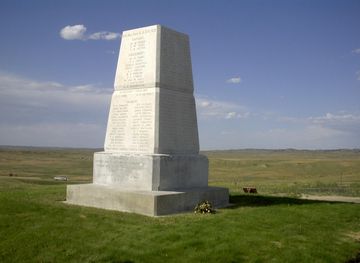

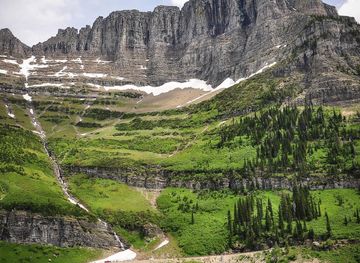
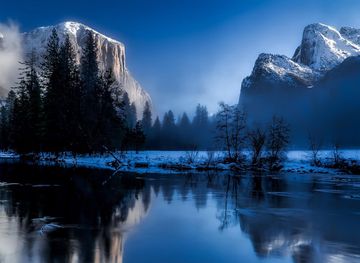


Your all‑in‑one travel companion app
Explore expert travel guides, compare and book tours, experiences, hotels, and more—all from the palm of your hand. Download now for seamless trip planning wherever your wanderlust takes you.


Explore More of Montana
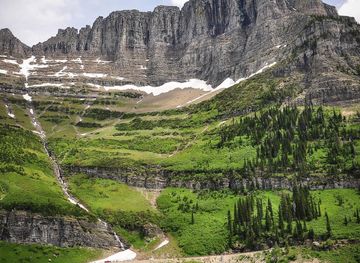
Looking beyond The Yellowstone Valley? Discover Montana for broader travel guides, local hot-spots, and regional highlights.
Explore MontanaThe Yellowstone Valley in Photos
Browse through our photo collection highlighting the charm and character of the destination.


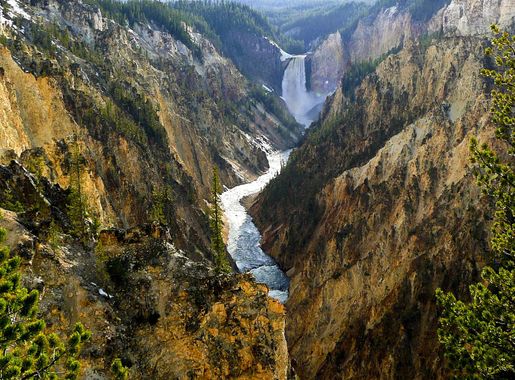




The Enchanting Yellowstone Valley
Nestled in the heart of Montana, the Yellowstone Valley is a treasure trove of natural beauty and wonder. This picturesque region is known for its sweeping landscapes, winding rivers, and abundant wildlife. The valley offers a serene escape for those seeking the tranquility of nature and the thrill of outdoor adventure. The Yellowstone River, the longest free-flowing river in the contiguous United States, meanders through the valley, providing ample opportunities for fishing, kayaking, and rafting. The surrounding mountains and forests are a hiker's paradise, with trails that offer breathtaking views and the chance to spot elk, bison, and even the occasional grizzly bear. In addition to its natural splendor, the Yellowstone Valley is steeped in history and culture. The nearby towns of Livingston and Gardiner offer charming shops, art galleries, and local eateries that reflect the spirit of the Old West. Visitors can also explore the fascinating history of the region at the Yellowstone Gateway Museum and other historical sites. Whether you're an avid outdoor enthusiast or simply looking to unwind in a stunning natural setting, the Yellowstone Valley promises an unforgettable experience. Its unique blend of natural beauty, adventure, and cultural richness makes it a must-visit destination for travelers of all types.