Free Bay of Kotor Travel Guide & Mobile App
Explore Bay of Kotor with free travel guides. Discover regional history, expert tips, proposed trips, and audio guides on web or mobile app.


Explore Montenegro’s Bay of Kotor for medieval towns, Venetian palaces, mountain scenery, island churches, seafood and Adriatic waterfronts.
Read more about Bay of Kotor
When is the best time to visit Bay of Kotor?
Best: June–July, September · 25–29°C| Month | High (°C) | Rainfall (mm) |
|---|---|---|
| January | 11 | 130 |
| February | 12 | 120 |
| March | 15 | 110 |
| April | 18 | 100 |
| May | 22 | 90 |
| June (best) | 26 | 80 |
| July (best) | 29 | 60 |
| August | 29 | 60 |
| September (best) | 25 | 80 |
| October | 21 | 110 |
| November | 16 | 130 |
| December | 12 | 140 |
Getting to and around Bay of Kotor
How to get there
Transportation
Top city travel guides in Bay of Kotor
The cities of Bay of Kotor, and the easiest places to base yourself.
-

-

-

-

-

-


Swipe for more cities
Destinations in Bay of Kotor
Resorts, valleys and scenic spots worth a trip of their own.
-

-

-


Swipe for more destinations
Best attractions in Bay of Kotor
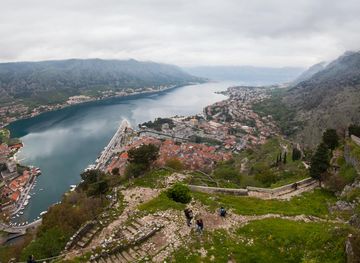
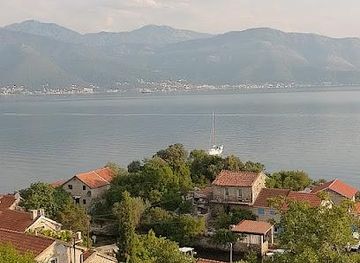
The Bay of Kotor’s attractions are concentrated along a narrow, visually dramatic shoreline. Kotor’s walled Old Town offers churches, palaces, museums and a climb to the Fortress of San Giovanni, while the Maritime Museum presents the area’s long connection with seafaring. Perast provides a smaller historic setting, with boat excursions to Our Lady of the Rocks and views of the island monastery of Saint George. Risan is important for its Roman mosaics, and Herceg Novi combines old fortresses, gardens, waterfront walks and cultural venues. Tivat has a more contemporary maritime atmosphere, alongside naval heritage connected with the former Arsenal. Beyond the built heritage, the bay supports swimming, kayaking, sailing, diving, paddleboarding and short coastal excursions. Mountain paths lead towards viewpoints above Kotor, Vrmac and the hinterland, though these routes require proper footwear, water and attention to weather. The Luštica Peninsula, on the bay’s outer edge, adds rural landscapes, coves and traditional stone settlements. Visitors should allow time for ordinary shoreline life as well as headline sights: small quays, church courtyards, fishing activity and changing views between the inner and outer bay are central to the region’s character.
-
Marina
Porto Montenegro
Discover Porto Montenegro, the epitome of luxury on the Adriatic, with its stunning marina, upscale shops, and exquisite dining options.
-
Tourist attraction
Kampana Tower
Experience breathtaking views and rich history at Kampana Tower, a must-visit attraction in Kotor, Montenegro.
-
Tourist attraction
Kotor Fortress
Experience breathtaking views and rich history at the iconic Kotor Fortress, a must-visit tourist attraction in Montenegro.
-
Ferry service
Ferry Kamenari
Enjoy breathtaking views and a quick connection between Kamenari and Lepetane with Ferry Kamenari, a must-visit attraction in Montenegro.


Best landmarks in Bay of Kotor
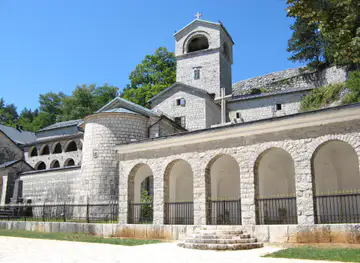
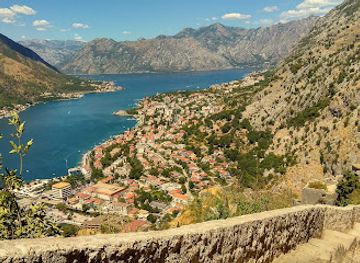
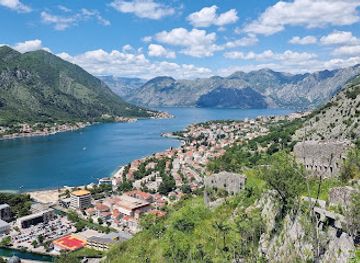
Kotor’s defensive walls and the uphill Fortress of San Giovanni form the bay’s most recognisable historic silhouette, rising above the compact Old Town and its cathedral, churches and palaces. The Cathedral of Saint Tryphon is a major Romanesque landmark, while the Maritime Museum occupies the historic Grgurina Palace. Across the water, Perast is distinguished by its Baroque waterfront and the two small islands facing it: Our Lady of the Rocks, with its church and museum, and Saint George, whose monastery is viewed primarily from the water. Risan’s Roman mosaics provide a more ancient landmark of the bay’s settlement history. In Herceg Novi, Forte Mare and Kanli Kula reflect the town’s strategic position near the entrance, while the Savina Monastery complex contributes an important religious and architectural presence. Tivat’s former naval Arsenal and the coastal fortifications around the bay represent its modern military significance. The Verige Strait, framed by steep mountains and passing boats, is itself a defining geographical landmark, showing why the bay has been valued as a harbour and defensive landscape for centuries.
-
Historical landmark
Old Town
Discover the historical wonders of Old Town Herceg Novi, a charming coastal destination with stunning architecture and a vibrant cultural scene.
-
National park
Lovćen National Park
Explore the breathtaking Lovćen National Park, where stunning landscapes and rich history await every traveler in Montenegro's natural paradise.
-
Tourist attraction
Kampana Tower
Experience stunning views and rich history at Kampana Tower, a must-visit landmark in Kotor, Montenegro.
-
Tourist attraction
Kotor Fortress
Discover the breathtaking views and rich history of Kotor Fortress, a must-visit tourist attraction overlooking the stunning Kotor Bay.
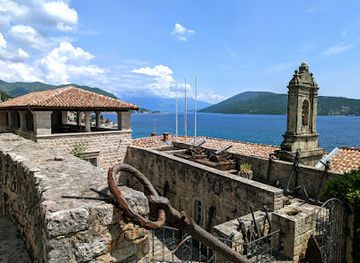
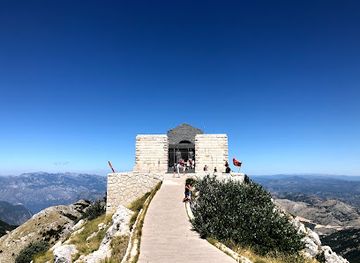
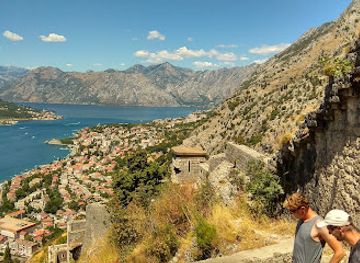
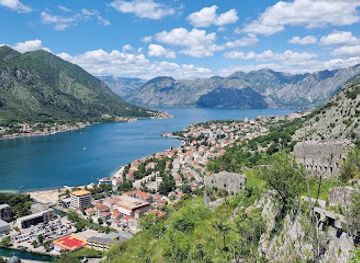
Explore Bay of Kotor on the map
Plan your trip on one map. See where the top cities, national parks and sights are, and book hotels and experiences in a few clicks.
Best hotels in Bay of Kotor
Best restaurants in Bay of Kotor
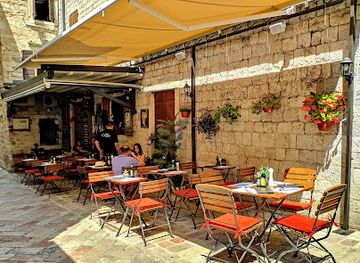
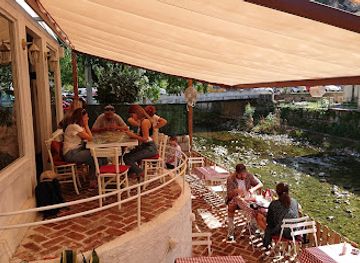
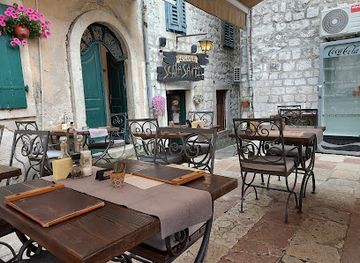
Dining around the Bay of Kotor draws on Adriatic seafood and the broader culinary traditions of Montenegro. Menus commonly include grilled fish, squid, octopus, prawns and mussels cultivated in the bay, alongside stewed seafood, seasonal vegetables, salads, olive oil and local herbs. Inland influences appear in smoked ham, cheeses, lamb and hearty meat dishes, while bread and simple pastries accompany many meals. Kotor and Herceg Novi have the widest range of restaurants and cafés, from traditional konobas to contemporary kitchens, while Perast and the smaller waterfront settlements are suited to slow meals with views across the water. Tivat offers a more modern dining scene alongside established local restaurants. Fish markets and seasonal produce shape home cooking, although availability varies by catch and time of year. Look for local wines and fruit brandies as well as regional cheeses, and expect seafood prices to reflect season, species and waterfront location rather than assume that every menu represents everyday local eating.
-
Restaurant
BBQ Tanjga
Discover the authentic taste of Montenegro at BBQ Tanjga, where delicious grilled dishes meet stunning views in Kotor.
-
Family-friendly
Restaurant City
Experience delightful family-friendly dining at Restaurant City in Kotor with local flavors and warm hospitality.
-
Restaurant
La Catedral Pasta Bar
Experience authentic Mediterranean flavors at La Catedral Pasta Bar in Kotor - where every pasta dish tells a story.
-
Restaurant
Restobar Taraca
Experience delightful vegan and vegetarian cuisine at Restobar Taraca in Dobrota, Montenegro – where fresh ingredients meet culinary creativity.
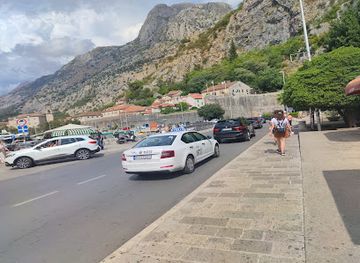
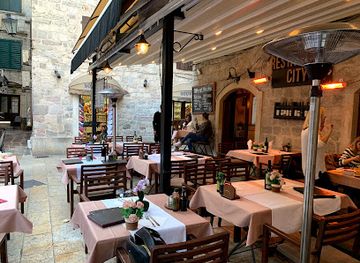
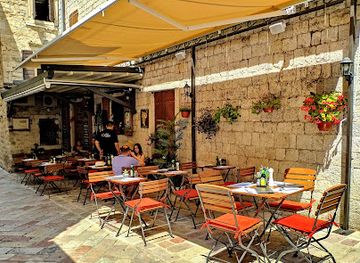
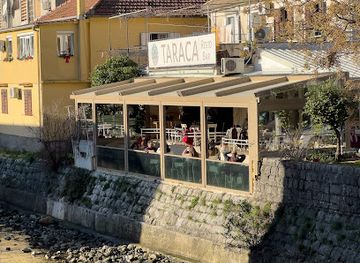
Best bars in Bay of Kotor
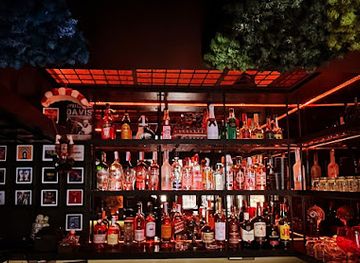
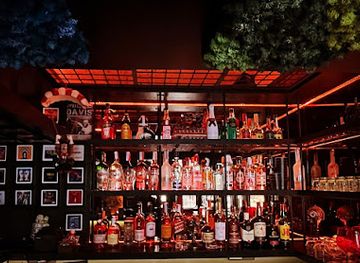
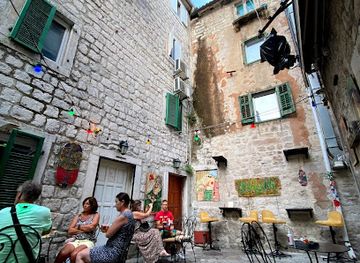
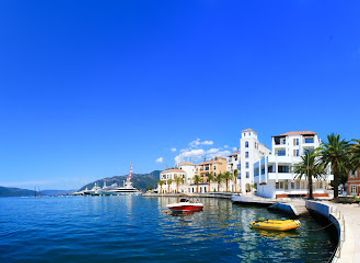
Evening life in the Bay of Kotor is varied but generally more relaxed than the large resort scenes elsewhere on the Adriatic. Kotor’s Old Town has wine bars, cafés, pubs and late-opening venues, with nightlife concentrated in a small walkable area and becoming busier in summer. Herceg Novi combines waterfront cafés, traditional bars and occasional live music with promenades that remain active after dinner. Tivat has the region’s most contemporary evening atmosphere, including polished bars and marina-facing venues around Porto Montenegro, while Perast and the smaller villages are better suited to a quiet drink or a long meal. Seasonal concerts and cultural programming add to the summer calendar, but schedules change from year to year. In rural parts of the bay, evening entertainment usually centres on family-run restaurants, local cafés and taverns rather than nightclubs, and visitors should not expect late-night transport to every shoreline settlement.
-
Cocktail bar
The Nitrox Pub & Eatery
Experience Kotor's vibrant nightlife at The Nitrox Pub & Eatery, where unique cocktails meet a lively atmosphere in a historic setting.
-
Restaurant
La Catedral Pasta Bar
Discover La Catedral Pasta Bar in Kotor – a delightful Italian restaurant offering authentic pasta dishes in a cozy atmosphere, perfect for food lovers.
-
Restaurant
Restobar Taraca
Discover Restobar Taraca, where exquisite vegan and vegetarian dishes meet stunning views in the heart of Dobrota, Montenegro.
-
Restaurant
Konoba Scala Santa
Experience authentic Montenegrin cuisine with stunning views at Konoba Scala Santa in the heart of Kotor.
Best nightclubs in Bay of Kotor
Evening life in the Bay of Kotor is varied but generally more relaxed than the large resort scenes elsewhere on the Adriatic. Kotor’s Old Town has wine bars, cafés, pubs and late-opening venues, with nightlife concentrated in a small walkable area and becoming busier in summer. Herceg Novi combines waterfront cafés, traditional bars and occasional live music with promenades that remain active after dinner. Tivat has the region’s most contemporary evening atmosphere, including polished bars and marina-facing venues around Porto Montenegro, while Perast and the smaller villages are better suited to a quiet drink or a long meal. Seasonal concerts and cultural programming add to the summer calendar, but schedules change from year to year. In rural parts of the bay, evening entertainment usually centres on family-run restaurants, local cafés and taverns rather than nightclubs, and visitors should not expect late-night transport to every shoreline settlement.
-
Cocktail bar
The Nitrox Pub & Eatery
Discover the charm of Kotor at The Nitrox Pub & Eatery, where exceptional cocktails and local flavors blend seamlessly in a cozy atmosphere.
-
Jazz
Jazz Club Evergreen
Experience the vibrant jazz scene at Jazz Club Evergreen in Kotor, Montenegro, where soulful music meets exquisite drinks in a cozy atmosphere.
-
Bar
Letrika Caffe Bar
Experience Kotor's vibrant nightlife at Letrika Caffe Bar, where eclectic drinks and lively ambiance create unforgettable memories.
-
Bar
The Clubhouse
Discover the vibrant atmosphere of The Clubhouse, a perfect spot to relax and socialize along the stunning waterfront of Porto Montenegro.

Best shops in Bay of Kotor
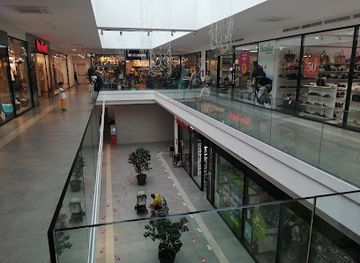
Shopping in the Bay of Kotor is strongest in historic town centres, waterfront lanes and open-air markets rather than in large retail districts. Kotor’s Old Town has shops selling local wine, rakija, olive oil, honey, dried herbs, jewellery, books, artwork and maritime-themed souvenirs, alongside galleries and boutiques. Herceg Novi is known for independent shops and everyday markets, while Tivat combines local food and craft purchases with more contemporary retail around its marina and town centre. Perast is small, with a limited selection of galleries, souvenirs and locally made goods. Look for Montenegrin cheeses, smoked ham, preserved foods, honey and regional wines, but check packaging and customs rules before taking food home. Handmade textiles, ceramics, woodwork and paintings can make more meaningful purchases than generic beach merchandise. Market stock and opening arrangements vary seasonally, so shopping is best treated as part of exploring each town rather than as a single destination activity.
-
Shopping mall
Shopping Centre Kamelija
Explore the vibrant Shopping Centre Kamelija in Kotor, your one-stop destination for shopping, dining, and entertainment in Montenegro.
-
Shopping mall
Butiko Shopping Center
Explore Butiko Shopping Center, a vibrant shopping oasis in Montenegro offering a blend of local and international brands for every traveler.
-
Supermarket
VOLI
Voli Supermarket in Tivat offers an extensive range of local delicacies and international products, perfect for tourists exploring Montenegro's culinary scene.
-
Supermarket
iDEA
Explore the heart of Kotor at iDEA Supermarket, where local flavors meet everyday essentials in a vibrant shopping destination.

Get your free copy of our complete guide to Bay of Kotor, delivered straight to you.
Everything on this page, from attractions and restaurants to essentials and local phrases, in one PDF you can read offline, print or share.
Already have an account? Sign in
Your Bay of Kotor guide is ready.
We'll send it to · Not you? Sign out

Getting your guide ready…
We are putting together a fresh copy of the Bay of Kotor guide. This can take up to a minute.
This can take a few moments. If your browser asks, choose Allow so the download can start. You'll find the guide in your Downloads folder.
Nothing happened? Download it again
Sorry, the guide is taking longer than usual. Please try again in a minute, or get it by email instead.
Bay of Kotor essentials
Currency and Payment
Safety
Emergency Situations
Do's and Don'ts
Local Tips
From Eve
Local phrases worth knowing
You don't need to get them perfect. A few words go a long way, and locals appreciate the effort.
Basics
| English | Local | Say it |
|---|---|---|
| Hello | Zdravo | [Zdra-vo] |
| Goodbye | Doviđenja | [Do-vi-đen-ya] |
| Yes | Da | [Da] |
| No | Ne | [Ne] |
| Please/You're welcome | Molim | [Mo-lim] |
| Thank you | Hvala | [Hva-la] |
| Excuse me/Sorry | Izvinite | [Iz-vi-ni-te] |
| How are you? | Kako ste? | [Ka-ko ste] |
| Fine. And you? | Dobro. A vi? | [Do-bro. A vi] |
| Do you speak English? | Da li govorite engleski? | [Da li go-vo-ri-te en-gles-ki] |
| I don't understand | Ne razumem | [Ne ra-zu-mem] |
Eating & Drinking
| English | Local | Say it |
|---|---|---|
| I'd like to see the menu, please | Želeo bih da vidim meni, molim | [Že-le-o bih da vi-dim me-ni, mo-lim] |
| I don't eat meat | Ne jedem meso | [Ne je-dem me-so] |
| Cheers! | Živeli! | [Ži-ve-li] |
| I would like to pay, please | Želeo bih da platim, molim | [Že-le-o bih da pla-tim, mo-lim] |
Emergencies
| English | Local | Say it |
|---|---|---|
| Help! | Pomoć! | [Po-moć] |
| Go away! | Odlazi! | [Od-la-zi] |
| Call the Police! | Pozovite policiju! | [Po-zo-vi-te po-li-ci-ju] |
| Call a doctor! | Pozovite doktora! | [Po-zo-vi-te dok-to-ra] |
| I'm lost | Izgubio sam se | [Iz-gu-bi-o sam se] |
| I'm ill | Bolestan sam | [Bo-le-stan sam] |
Shopping
| English | Local | Say it |
|---|---|---|
| I'd like to buy... | Želeo bih da kupim... | [Že-le-o bih da ku-pim] |
| I'm just looking | Samo gledam | [Sa-mo gled-am] |
| How much is it? | Koliko košta? | [Ko-li-ko ko-šta] |
| That's too expensive | To je previše skupo | [To je pre-vi-še sku-po] |
| Can you lower the price? | Možete li spustiti cenu? | [Mo-že-te li spu-sti-ti ce-nu] |
Time & Numbers
| English | Local | Say it |
|---|---|---|
| What time is it? | Koliko je sati? | [Ko-li-ko je sa-ti] |
| It's one o'clock | Jedan je čas | [Je-dan je čas] |
| Half past (10) | Pola (10) | [Po-la (10)] |
| Morning | Jutro | [Ju-tro] |
| Afternoon | Popodne | [Po-pod-ne] |
| Evening | Veče | [Ve-che] |
| Yesterday | Juče | [Ju-che] |
| Today | Danas | [Da-nas] |
| Tomorrow | Sutra | [Su-tra] |
| 1 | Jedan | [Je-dan] |
| 2 | Dva | [Dva] |
| 3 | Tri | [Tri] |
| 4 | Četiri | [Če-ti-ri] |
| 5 | Pet | [Pet] |
| 6 | Šest | [Šest] |
| 7 | Sedam | [Se-dam] |
| 8 | Osam | [O-sam] |
| 9 | Devet | [De-vet] |
| 10 | Deset | [De-set] |
Transport & Directions
| English | Local | Say it |
|---|---|---|
| Where's a/the...? | Gde je...? | [Gde je] |
| What's the address? | Koja je adresa? | [Ko-ja je a-dre-sa] |
| Can you show me (on the map)? | Možete li mi pokazati (na mapi)? | [Mo-že-te li mi po-ka-za-ti (na ma-pi)] |
| When's the next (bus)? | Kada je sledeći (autobus)? | [Ka-da je sle-de-ći (au-to-bus)] |
| A ticket (to ....) | Karta (do ...) | [Kar-ta (do ...)] |
History of Bay of Kotor
Prehistoric and Illyrian Settlement
The shores and hinterland of the Bay of Kotor have been occupied since prehistoric times, with archaeological remains showing settlement, agriculture and maritime activity long before the Roman period. Illyrian communities controlled parts of the eastern Adriatic and used the sheltered inlet as a natural harbour. The difficult terrain created numerous defensible sites, while the bay’s connected waterways supported contact between inland communities and the sea. Much of the early archaeological record is fragmentary, but it establishes the long continuity of habitation beneath the later medieval towns.
Roman Rhizinium and Imperial Roads
The Roman settlement of Rhizinium, at present-day Risan, was an important centre in the bay. Roman influence brought roads, administration, trade and architectural forms to a region already connected to Adriatic commerce. Mosaic floors discovered at Risan provide some of the clearest surviving evidence of elite Roman life in the area. Kotor’s later development occurred nearby at a strategically valuable harbour, and the Roman period helped integrate the bay into wider imperial networks linking the eastern Adriatic with the Balkans.
Medieval Kotor and the Littoral States
After the decline of Roman authority, the bay passed through the influence of Byzantine, local South Slavic and Serbian rulers. Kotor developed as a fortified maritime and commercial centre, while religious communities founded churches and monasteries around the shoreline. The town’s cathedral, defensive walls and urban plan reflect this medieval growth. Perast and other settlements also benefited from seaborne trade, although political control shifted repeatedly as regional powers competed for ports and routes along the eastern Adriatic.
Venetian Kotor and Perast, 1420–1797
The Republic of Venice controlled Kotor for much of the period from 1420 until the fall of the Venetian Republic in 1797. Venetian rule shaped the bay’s architecture, maritime economy and political institutions, leaving a particularly strong mark on Kotor and Perast. Merchant families built stone palaces, churches and defensive works, while local seafarers served in Adriatic commerce and naval activity. The period explains the mixture of Gothic, Renaissance and Baroque details that remains visible in the old towns and waterfront settlements.
Habsburg and Austro-Hungarian Naval Influence
Following the Napoleonic upheavals, the Bay of Kotor became part of the Habsburg realm and later Austria-Hungary. Its protected waters were developed as a major naval base, especially around Kotor and Tivat. Forts, barracks, roads, quays and military installations altered the landscape and connected the bay more closely to imperial transport and defence systems. Tivat’s naval heritage, including the former Arsenal area, is a prominent surviving reminder of this period, while fortifications on the surrounding heights reveal the strategic importance of the inlet.
Yugoslav Period and Maritime Modernisation
After the First World War, the bay became part of the Kingdom of Serbs, Croats and Slovenes and subsequently larger Yugoslav states. Its naval and maritime functions continued in new political circumstances, while tourism gradually became increasingly important. Roads, accommodation and public infrastructure expanded along the coast, bringing more visitors to Kotor, Herceg Novi and the surrounding settlements. The period also strengthened the bay’s role as both a working maritime environment and one of the Adriatic’s established holiday regions.
The 1979 Earthquake and Conservation
A major earthquake struck Montenegro’s coast in April 1979, severely damaging Kotor, Perast, Herceg Novi and other settlements around the bay. Historic buildings, churches and fortifications required extensive restoration, supported by national and international conservation efforts. Kotor’s Old Town and the surrounding natural and cultural setting were later recognised by UNESCO as a World Heritage site. The earthquake remains an important part of the modern history of the bay, since present-day preservation, rebuilding and visitor management are closely connected to its aftermath.
Bay of Kotor in Photos
Browse through our photo collection highlighting the charm and character of the destination.
Neighbouring regions of Bay of Kotor
The closest regions to Bay of Kotor, if you have time for more than one.
-

-

-
-

-


Swipe for more regions