

Free Middle Atlas Travel Guide & Mobile App
Explore Middle Atlas with free travel guides. Discover regional history, expert tips, proposed trips, and audio guides on web or mobile app.


Explore Morocco’s Middle Atlas for cedar forests, upland lakes, Amazigh culture, cool mountain towns and spacious highland landscapes.
Read more about Middle Atlas
When is the best time to visit Middle Atlas?
Best: June–August · 24–27°C| Month | High (°C) | Rainfall (mm) |
|---|---|---|
| January | 8 | 55 |
| February | 9 | 50 |
| March | 13 | 45 |
| April | 17 | 40 |
| May | 20 | 25 |
| June (best) | 24 | 15 |
| July (best) | 27 | 10 |
| August (best) | 26 | 10 |
| September | 23 | 15 |
| October | 18 | 25 |
| November | 12 | 40 |
| December | 8 | 50 |
Getting to and around Middle Atlas
How to get there
Transportation
Top city travel guides in Middle Atlas
The cities of Middle Atlas, and the easiest places to base yourself.
-

-


Swipe for more cities
Destinations in Middle Atlas
Resorts, valleys and scenic spots worth a trip of their own.
-

-


Swipe for more destinations
Best attractions in Middle Atlas
The Middle Atlas offers a predominantly outdoor attraction landscape, with cedar forests, upland lakes, limestone plateaux, springs and broad pastoral valleys rather than a dense chain of monumental sites. Ifrane National Park is the region’s best-known protected area, combining woodland, open highlands and habitats for Barbary macaques. The forests near Azrou are particularly accessible, while Dayet Aoua and other upland wetlands provide opportunities for quiet walks and birdwatching when water levels and access conditions permit. Around Khenifra, the upper Oum Er-Rbia and nearby springs create a greener contrast with the surrounding plateaux. Ifrane itself contributes landscaped streets, winter recreation and a cool-climate resort setting, while Azrou’s souk and craft traditions provide a more strongly commercial and locally rooted experience. Longer drives towards Midelt reveal increasingly dry, spacious terrain and changing mountain vegetation. Walking, horse riding, wildlife observation and scenic road journeys are the principal activities; visitors should arrange guides for remote routes and remember that protected forests are working landscapes shared with herders and local communities.
-
 Tourist attraction
ATLAS
Explore ATLAS in Maaziz, Morocco, where stunning landscapes meet rich cultural heritage for a truly unforgettable travel experience.
Best landmarks in Middle Atlas
-
Tourist attraction
Bab Boujloud
Discover the enchanting Bab Boujloud, the iconic gateway to Fes, showcasing stunning Moroccan architecture and a vibrant cultural atmosphere.
-
Historical landmark
Lahdim Square
Discover the vibrant culture and rich history at Lahdim Square, the heart of Meknès, Morocco, where tradition meets lively local life.
-
Historical landmark
Site Archéologique de Volubilis
Discover the captivating ruins of Volubilis, where ancient Roman history meets stunning Moroccan landscapes in a UNESCO World Heritage site.
-
Garden
Jnan Sbil
Explore the lush landscapes and serene beauty of Jnan Sbil, Fes's premier garden and a tranquil escape from city life.


Explore Middle Atlas on the map
Plan your trip on one map. See where the top cities, national parks and sights are, and book hotels and experiences in a few clicks.
Best hotels in Middle Atlas
Best restaurants in Middle Atlas
Dining in the Middle Atlas is shaped by Moroccan home cooking, market produce and the needs of mountain communities rather than by a single emblematic regional cuisine. In Ifrane, Azrou and Khenifra, restaurants and cafés commonly serve tagines, couscous, harira, brochettes, salads, fresh bread and sweet mint tea, while rural stops may offer simpler meals based on seasonal ingredients. Apples and other orchard produce are associated with parts of the upland economy, and local markets are useful for finding fruit, nuts, honey and dairy products. Azrou and Khenifra have a more everyday souk-and-café atmosphere, whereas Ifrane offers a broader choice of hotel dining and contemporary Moroccan cooking. Mountain towns are also good places to try seasonal soups, grilled meats and regional breads, though menus vary considerably. Vegetarian travellers should explain their requirements clearly, and visitors planning to eat outside the main towns should carry provisions because cafés and restaurants become sparse on remote roads.
-
Guest house
Dar Roumana
Discover authentic Moroccan hospitality at Dar Roumana – your serene retreat with exquisite Mediterranean dining in Fez's historic Medina.
-
Moroccan
Restaurant Ouliya
Discover authentic Moroccan flavors at Restaurant Ouliya in Fes—where tradition meets hospitality in every dish.
-
Grill
BaB Atlas : Café & Restaurant
Experience authentic Moroccan flavors at BaB Atlas Café & Restaurant in El Hajeb—where delicious grilled dishes meet warm hospitality.
-
Restaurant
Café Restaurant AL Akhaouaine
Experience authentic Moroccan cuisine at Café Restaurant AL Akhaouaine in Timahdite - where flavors meet tradition.


Best bars in Middle Atlas
Evening life in the Middle Atlas is generally low-key and centred on cafés, hotel restaurants, traditional tea rooms and local eating places rather than dedicated nightclubs. Ifrane has the widest choice of polished hotel lounges and cafés, with activity increasing during school holidays and winter weekends, while Azrou and Khenifra are more closely tied to everyday Moroccan café culture and market-town routines. Alcohol is available in some licensed hotels and restaurants, but it is not a defining part of social life and should not be assumed to be sold in smaller settlements. Live music and community celebrations may occur during seasonal events, although schedules change and should be checked locally. In rural districts, evenings are best suited to an early meal, conversation and stargazing, with limited transport after dark; arrange a taxi or accommodation transfer in advance rather than expecting a late public service.
-
Bar
La Pergola
Discover the vibrant culinary scene of Marrakech at La Pergola, where Moroccan flavors meet live jazz in a lively bar and restaurant atmosphere.
-
Restaurant
Le Bistro Arabe - Moroccan Jazz Restaurant in Marrakech
Experience the fusion of Moroccan cuisine and live jazz at Le Bistro Arabe, the ultimate dining destination in Marrakech.
-
Moroccan
Comptoir Darna
Experience the vibrant fusion of Moroccan cuisine, nightlife, and culture at Comptoir Darna in Marrakech.
-
Cafe
Cafe Clock
Discover the vibrant blend of Moroccan culture, music, and cuisine at Cafe Clock in Marrakesh, a cherished gathering place for locals and travelers.


Best nightclubs in Middle Atlas
Evening life in the Middle Atlas is generally low-key and centred on cafés, hotel restaurants, traditional tea rooms and local eating places rather than dedicated nightclubs. Ifrane has the widest choice of polished hotel lounges and cafés, with activity increasing during school holidays and winter weekends, while Azrou and Khenifra are more closely tied to everyday Moroccan café culture and market-town routines. Alcohol is available in some licensed hotels and restaurants, but it is not a defining part of social life and should not be assumed to be sold in smaller settlements. Live music and community celebrations may occur during seasonal events, although schedules change and should be checked locally. In rural districts, evenings are best suited to an early meal, conversation and stargazing, with limited transport after dark; arrange a taxi or accommodation transfer in advance rather than expecting a late public service.
-
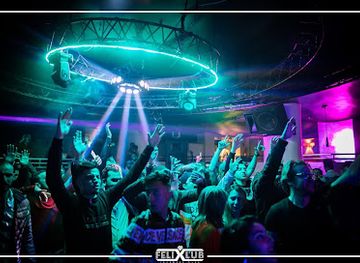
Disco club
Felix Club Fes
Discover the vibrant nightlife at Felix Club Fes, a premier disco club offering unforgettable dance experiences and lively entertainment in Morocco.
-
Disco club
ActOr's Night-club
Dive into Fes' nightlife at ActOr's Night-club, a vibrant disco club where music, dance, and unforgettable moments await every night.
-
Night club
Progrès
Discover the vibrant nightlife at Progrès in Fes, a dynamic night club perfect for dancing, socializing, and experiencing local music culture.
-
Night club
Army Officers Club
Discover the vibrant nightlife of Fes at the Army Officers Club, where music, dancing, and local culture come together in an electrifying atmosphere.

Best shops in Middle Atlas
Shopping in the Middle Atlas is focused on souks, practical local products and mountain crafts rather than large retail complexes. Azrou is one of the most useful places for browsing woven goods, carpets, woodwork, leather items and everyday market produce, while Khenifra serves as an important commercial centre for surrounding rural communities. Ifrane has shops aimed more at visitors and residents of the resort and education town, including Moroccan handicrafts, food products and cold-weather clothing. Weekly markets are valuable for seeing the region’s trading culture and buying seasonal fruit, nuts, honey, herbs and other produce, but market days differ by town and should be confirmed locally. Look for work made from wool, woven textiles and carved wood, asking about provenance and materials rather than assuming that every item is locally produced. Bargaining is normal in many souks but should remain polite; fixed-price shops, cooperatives and established craft sellers offer a clearer way to support producers and avoid rushed purchases.
-
Coffee shop
moulin traditionel oubaba
Discover the heart of Moroccan coffee culture at Moulin Traditionel Oubaba, where aromatic brews and local charm await every visitor.
-
Shopping mall
Sook | سوق الأربعاء
Explore the vibrant local culture and unique shopping experiences at Sook | سوق الأربعاء, a premier shopping destination in Morocco.
-
Clothing store
BOULOUIZ SHOP
Explore Bouloiuz Shop in Imouzzer Marmoucha for unique Moroccan fashion and an unforgettable shopping experience.
-
Store
Boutique Khalid
Discover authentic Moroccan crafts and souvenirs at Boutique Khalid in Taferdouste - a treasure trove of local artistry.


Get your free copy of our complete guide to Middle Atlas, delivered straight to you.
Everything on this page, from attractions and restaurants to essentials and local phrases, in one PDF you can read offline, print or share.
Already have an account? Sign in
Your Middle Atlas guide is ready.
We'll send it to · Not you? Sign out

Getting your guide ready…
We are putting together a fresh copy of the Middle Atlas guide. This can take up to a minute.
This can take a few moments. If your browser asks, choose Allow so the download can start. You'll find the guide in your Downloads folder.
Nothing happened? Download it again
Sorry, the guide is taking longer than usual. Please try again in a minute, or get it by email instead.
Middle Atlas essentials
Currency and Payment
Safety
Emergency Situations
Do's and Don'ts
Local Tips
From Eve
Local phrases worth knowing
You don't need to get them perfect. A few words go a long way, and locals appreciate the effort.
Basics
| English | Local | Say it |
|---|---|---|
| Hello | سلام | [salaam] |
| Goodbye | إلى اللقاء | [ila liqaa] |
| Yes | نعم | [na'am] |
| No | لا | [laa] |
| Please/You're welcome | من فضلك | [min fadlik] |
| Thank you | شكرا | [shukran] |
| Excuse me/Sorry | عفوا | [afwan] |
| How are you? | كيف حالك؟ | [kayfa halak?] |
| Fine. And you? | بخير. وأنت؟ | [bikhayr. wa anta?] |
| Do you speak English? | هل تتحدث الإنجليزية؟ | [hal tatahaddath al-ingliziyya?] |
| I don't understand | لا أفهم | [laa afham] |
Eating & Drinking
| English | Local | Say it |
|---|---|---|
| I'd like to see the menu, please | أود رؤية القائمة، من فضلك | [awad ru'yat al-qa'ima, min fadlik] |
| I don't eat meat | لا أتناول اللحم | [laa atanaawal al-lahm] |
| Cheers! | في صحتك! | [fi sihatak!] |
| I would like to pay, please | أود الدفع، من فضلك | [awad ad-da'f, min fadlik] |
Emergencies
| English | Local | Say it |
|---|---|---|
| Help! | مساعدة! | [musaa'ada!] |
| Go away! | ابتعد! | [ibta'id!] |
| Call the Police! | اتصل بالشرطة! | [ittasil bil-shurta!] |
| Call a doctor! | اتصل بالطبيب! | [ittasil bil-tabeeb!] |
| I'm lost | أنا ضائع | [ana da'i'] |
| I'm ill | أنا مريض | [ana marid] |
Shopping
| English | Local | Say it |
|---|---|---|
| I'd like to buy... | أود شراء... | [awad shir'a...] |
| I'm just looking | أنا فقط أنظر | [ana faqat anzur] |
| How much is it? | كم ثمنه؟ | [kam thamanuh?] |
| That's too expensive | هذا مكلف جدا | [hatha mukallif jidan] |
| Can you lower the price? | هل يمكنك تخفيض السعر؟ | [hal yumkinuka takhfid as-si'r?] |
Time & Numbers
| English | Local | Say it |
|---|---|---|
| What time is it? | كم الساعة؟ | [kam as-saa'a?] |
| It's one o'clock | الساعة الواحدة | [as-saa'a al-wahidah] |
| Half past (10) | نصف (10) | [nisf (10)] |
| Morning | صباح | [sabah] |
| Afternoon | بعد الظهر | [ba'ad al-dhuhr] |
| Evening | مساء | [masaa'] |
| Yesterday | أمس | [ams] |
| Today | اليوم | [al-yawm] |
| Tomorrow | غدا | [ghadan] |
| 1 | واحد | [wahid] |
| 2 | اثنان | [ithnayn] |
| 3 | ثلاثة | [thalatha] |
| 4 | أربعة | [arba'a] |
| 5 | خمسة | [khamsa] |
| 6 | ستة | [sitta] |
| 7 | سبعة | [sab'a] |
| 8 | ثمانية | [thamaniya] |
| 9 | تسعة | [tis'a] |
| 10 | عشرة | [ashara] |
Transport & Directions
| English | Local | Say it |
|---|---|---|
| Where's a/the...? | أين ...؟ | [ayna ...?] |
| What's the address? | ما هو العنوان؟ | [ma huwa al-unwan?] |
| Can you show me (on the map)? | هل يمكنك أن تريني (على الخريطة)؟ | [hal yumkinuka an turini (ala al-kharita)?] |
| When's the next (bus)? | متى يأتي (الحافلة) التالية؟ | [mata ya'ti (al-hafilah) at-taliya?] |
| A ticket (to ....) | تذكرة (إلى ....) | [tadhkara (ila ....)] |
History of Middle Atlas
Early pastoral and Amazigh settlement
The Middle Atlas has long been occupied by pastoral and farming communities who adapted to its plateaux, springs and seasonal grasslands. Archaeological evidence from the wider Moroccan interior points to prehistoric occupation and long-established herding traditions, although many upland communities are better understood through continuing patterns of land use than through a single monumental archaeological site. Amazigh-speaking groups developed social, economic and political networks suited to a mountainous environment, moving livestock between lower winter settlements and higher summer pastures.
Medieval routes and the rise of market centres
During the medieval period, the Middle Atlas connected the old urban centres of northern Morocco with the central plains and routes towards the south-east. Towns and villages on its margins served as places for exchange between agricultural districts, pastoral groups and caravan networks. Sefrou, on the north-western edge of the mountain system, became an important commercial centre, while religious institutions, local saints’ shrines and seasonal markets helped organise community life across the surrounding countryside.
Amazigh confederations and the Zayane
The central Middle Atlas was shaped by powerful Amazigh confederations, including the Zayane around Khenifra. Their authority rested on alliances, pastoral resources and control of movement through valleys and plateaux rather than on a single centralised state. Khenifra’s historical identity remains closely linked with Moha ou Hammou Zayani, a prominent leader who opposed the extension of French control. His resistance is remembered as part of the region’s broader history of negotiation and conflict between central government, local communities and foreign power.
The French protectorate and the conquest of the mountains
After the establishment of the French protectorate in 1912, the Middle Atlas became a major theatre of military expansion and political consolidation. French forces faced sustained resistance from Amazigh groups, and control of mountain passes, market towns and grazing territories was achieved gradually rather than immediately. Roads, administrative posts and forestry stations altered the movement of people and goods. This period also established Ifrane as a planned upland resort and strengthened the state management of the region’s cedar forests.
Forestry, cedar and changing rural economies
The Middle Atlas contains some of Morocco’s most important cedar woodland, particularly around Ifrane and Azrou. Cedar was used locally for building and fuel and later became subject to increasingly formal state forestry policies. Management has brought tensions involving conservation, grazing, fire risk and the needs of nearby communities. In the modern period, agriculture, livestock, forestry, tourism and public-sector employment have combined in different proportions from one valley to another, while population movement has changed many rural economies.
Modern conservation and mountain tourism
Since independence, protected landscapes such as Ifrane National Park have given greater prominence to the Middle Atlas as a destination for nature travel, walking and winter recreation. Conservation efforts focus on cedar ecosystems, upland wetlands and wildlife including Barbary macaques, but protection remains linked to questions of water use, grazing and local livelihoods. Ifrane, Azrou and Khenifra now present different faces of the region: resort and education town, forest market centre, and historically important provincial gateway.
Middle Atlas in Photos
Browse through our photo collection highlighting the charm and character of the destination.
Neighbouring regions of Middle Atlas
The closest regions to Middle Atlas, if you have time for more than one.
-

-

-

-

-


Swipe for more regions
Explore more

Explore more of Morocco
Discover Morocco: A land of rich history, vibrant culture, and stunning landscapes, where ancient traditions meet modern allure.
Explore Morocco