

Free Rif Mountains Travel Guide & Mobile App
Explore Rif Mountains with free travel guides. Discover regional history, expert tips, proposed trips, and audio guides on web or mobile app.


Explore Morocco’s Rif Mountains for blue-painted medinas, cedar valleys, Mediterranean coastlines, Amazigh heritage and rewarding mountain walks.
Read more about Rif Mountains
When is the best time to visit Rif Mountains?
Best: July–September · 25–27°C| Month | High (°C) | Rainfall (mm) |
|---|---|---|
| January | 13 | 100 |
| February | 14 | 90 |
| March | 16 | 80 |
| April | 18 | 70 |
| May | 21 | 60 |
| June | 24 | 40 |
| July (best) | 27 | 20 |
| August (best) | 27 | 20 |
| September (best) | 25 | 40 |
| October | 22 | 60 |
| November | 18 | 80 |
| December | 14 | 90 |
Getting to and around Rif Mountains
How to get there
Transportation
Top city travel guides in Rif Mountains
The cities of Rif Mountains, and the easiest places to base yourself.
-

-

-

-

-

-


Swipe for more cities
Destinations in Rif Mountains
Resorts, valleys and scenic spots worth a trip of their own.
-

-

-

-


Swipe for more destinations
Best attractions in Rif Mountains
The Rif’s attractions are defined by variety rather than a single monumental sight. Chefchaouen’s blue medina provides a memorable starting point, with steep lanes, small squares and views towards the surrounding hills. Nearby Akchour offers access to wooded valleys, waterfalls and river scenery on the edge of Talassemtane National Park, while the park itself contains limestone landscapes, forests and walking routes best approached with preparation and local advice. In the central Rif, roads around Bab Berred, Ketama and the high valleys lead through more sparsely settled mountain country, although facilities are limited. The Mediterranean coast supplies a contrasting experience around Al Hoceima, where beaches, cliffs, coves and marine environments form part of Al Hoceima National Park. Tetouan adds a major historic, artistic and architectural dimension at the western edge of the range. Outdoor activities include hiking, birdwatching, scenic driving, swimming in suitable coastal areas and exploring rural settlements, but weather and road conditions can change quickly. The region is most rewarding when its towns, protected landscapes and communities are treated as connected parts of a mountain environment rather than as isolated photo stops.
-
Historical landmark
Baelo Claudia
Explore Baelo Claudia, an ancient Roman city with stunning ruins and breathtaking coastal views in the heart of Cádiz, Spain.
-
Tourist attraction
Hercules Caves
Explore the majestic Hercules Caves in Tangier, a blend of natural beauty and rich mythology that captivates every traveler.
-
Historical landmark
Grand Socco
Experience the vibrant culture and history at Grand Socco, Tangier's bustling heart where tradition meets modernity.
-
Park
Rmilat Park
Discover the tranquil beauty of Rmilat Park in Tangier, a perfect escape for nature lovers and those seeking relaxation amidst stunning landscapes.


Best landmarks in Rif Mountains
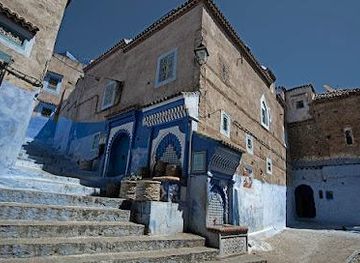
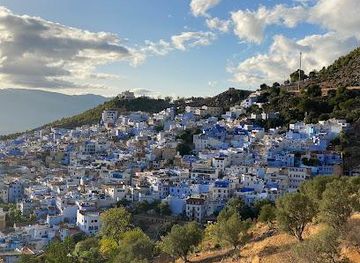
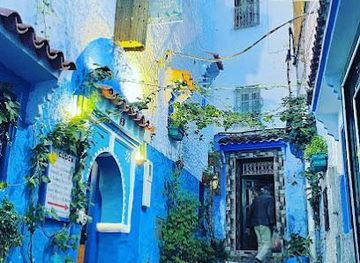
Chefchaouen’s blue-painted medina is the Rif’s most recognisable built landmark, its compact lanes and whitewashed houses reflecting the town’s Andalusian and northern Moroccan heritage. The kasbah at its centre contains a garden and museum space and anchors the historic settlement, while the Spanish Mosque on the hill above town provides a familiar viewpoint across the rooftops and surrounding mountains. Tetouan’s medina, at the western edge of the Rif, is distinguished by its Andalusian-influenced urban fabric and is recognised as a UNESCO World Heritage Site; it should be understood as a historic city gateway to the range rather than a mountain village. In the east, Al Hoceima’s position above the Mediterranean gives the town a strong coastal identity, with cliffs, beaches and offshore formations forming the region’s natural landmarks. Inland, the limestone gorges and forested heights of Talassemtane National Park are more important as a landscape than as a single monument. The central Rif’s high ridges, including the Jebel Tidirhine massif, express the scale and remoteness of the range, although access and viewpoints depend on roads, weather and local conditions.
-
Park
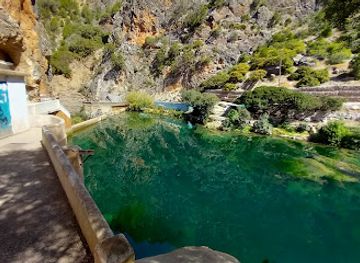
Waterfalls Akchour
Explore the breathtaking Waterfalls of Akchour in Morocco, a stunning natural paradise with scenic hikes and refreshing waters that captivate every visitor.
-
Historical landmark
Chefchaouen Medina
Discover the charm of Chefchaouen Medina, Morocco's blue-washed jewel, rich in history, culture, and stunning mountain scenery.
-
Historical landmark
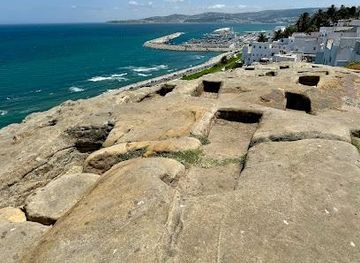
Tombeaux Phéniciens
Discover the enigmatic Tombeaux Phéniciens in Tangier, a historical landmark that unveils the rich Phoenician heritage of Morocco's coastal city.
-
Mosque
Bouzafer Mosque
Discover the tranquil beauty of Bouzafer Mosque in Chefchaouen, a stunning example of Moroccan architecture surrounded by breathtaking landscapes.
Explore Rif Mountains on the map
Plan your trip on one map. See where the top cities, national parks and sights are, and book hotels and experiences in a few clicks.
Best hotels in Rif Mountains
Best restaurants in Rif Mountains
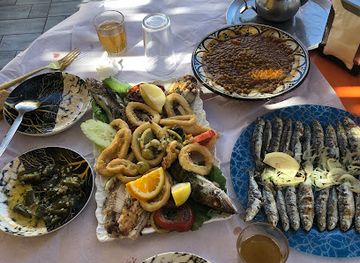
Rifian food combines northern Moroccan staples with ingredients from mountain farms and the Mediterranean shore. In Chefchaouen, Tetouan and Al Hoceima, visitors will find tagines, couscous, harira, brochettes, salads, fresh bread and sweet mint tea, alongside restaurants serving grilled fish and seafood near the coast. Rural cooking makes generous use of olive oil, seasonal vegetables, pulses, goat and sheep products, herbs and locally produced honey. Fresh cheese and simple breads are particularly appropriate choices in highland areas, while coastal towns offer sardines and other locally landed fish when available. Small cafés and neighbourhood eateries are generally more useful than formal dining rooms for tasting everyday food, though better-established tourism centres have a wider range of Moroccan and international menus. Markets provide fruit, olives, nuts and pastries for walking days, but remote mountain villages may have few food outlets, so visitors should plan provisions ahead. Agricultural products vary by altitude and season, making the journey between coast and uplands part of the culinary interest.
-
Hotel
Farah Hotel Tanger
Hillside luxury overlooking Tangier Bay: pools, spa serenity, Moroccan flavors, and panoramic bliss await at this 5-star retreat just steps from the sea.
-
Moroccan
Cafe Clock
Vibrant medina hub in Chefchaouen blending modern Moroccan eats like camel burgers with rooftop views, live music, and cultural workshops for an unforgettable Rif escape.
-
Moroccan
Coffee Clock
Experience authentic Moroccan flavors and hands-on cooking classes at Coffee Clock in the heart of Chefchaouen.
-
Moroccan
Restaurant Bab Ssour
Experience authentic Moroccan cuisine at Restaurant Bab Ssour in Chefchaouen - a feast for your senses amidst stunning blue architecture.
Best bars in Rif Mountains
Evening life in the Rif is generally low-key and centred on cafés, family restaurants, hotel terraces and traditional social spaces rather than a large nightclub scene. Chefchaouen has the widest choice of visitor-oriented cafés and restaurants, with evenings often spent walking the medina or sitting in a square rather than drinking in bars. Tetouan offers a broader urban programme, including cafés, cultural venues and occasional live music, while Al Hoceima has a more seasonal coastal atmosphere with restaurants and promenades busier in summer. Alcohol is available in some licensed hotels, restaurants and tourist establishments, but it is not served everywhere and should be consumed discreetly, particularly in conservative rural areas and during Ramadan. In mountain villages, evenings are quiet and accommodation may provide the main social setting. Check local arrangements rather than expecting fixed opening hours or a late-night entertainment district.
-
Mountain range
Rif
Explore the breathtaking landscapes and rich culture of the Rif Mountains, a paradise for adventurers and nature lovers in Morocco.
-
Restaurant
Zahra : Café & Restaurant
Discover the flavors of Morocco at Zahra: Café & Restaurant, where exceptional cuisine meets warm hospitality in the heart of Centre Ait Youssef Ali.
-
Restaurant
La Casa del Amrous
Discover La Casa del Amrous in Imzouren, where traditional Moroccan flavors meet modern flair in a cozy dining atmosphere.
-
Restaurant
El Baraka : Café & Restaurant
Experience authentic Moroccan flavors at El Baraka Café & Restaurant in Center Ait Youssef Ou Ali, a must-visit dining gem for tourists.
Best nightclubs in Rif Mountains
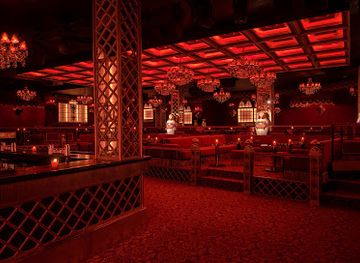
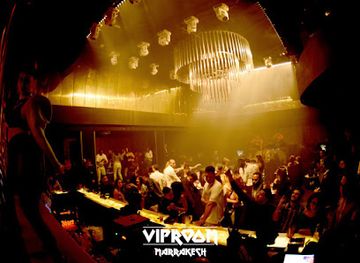
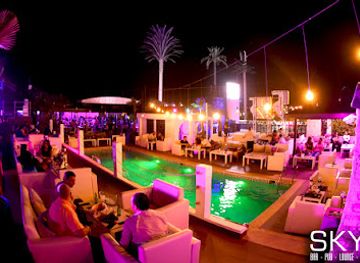
Evening life in the Rif is generally low-key and centred on cafés, family restaurants, hotel terraces and traditional social spaces rather than a large nightclub scene. Chefchaouen has the widest choice of visitor-oriented cafés and restaurants, with evenings often spent walking the medina or sitting in a square rather than drinking in bars. Tetouan offers a broader urban programme, including cafés, cultural venues and occasional live music, while Al Hoceima has a more seasonal coastal atmosphere with restaurants and promenades busier in summer. Alcohol is available in some licensed hotels, restaurants and tourist establishments, but it is not served everywhere and should be consumed discreetly, particularly in conservative rural areas and during Ramadan. In mountain villages, evenings are quiet and accommodation may provide the main social setting. Check local arrangements rather than expecting fixed opening hours or a late-night entertainment district.
-
Night club
BABOUCHKA
Discover the pulse of Marrakech nightlife at Babouchka, where music, dance, and culture converge in an unforgettable experience.
-
Restaurant
Montecristo
Experience the culinary delights and vibrant nightlife of Montecristo, the perfect blend of dining and dancing in Marrakech.
-
Disco club
SECRET ROOM MARRAKECH
Dive into the heart of Marrakech's nightlife at Secret Room, a vibrant disco club featuring top DJs, energetic crowds, and unforgettable nights of dancing.
-
Night club
555 Famous Club Marrakech
Explore the vibrant nightlife of Marrakech at 555 Famous Club, where music, dance, and unforgettable memories come together.
Best shops in Rif Mountains
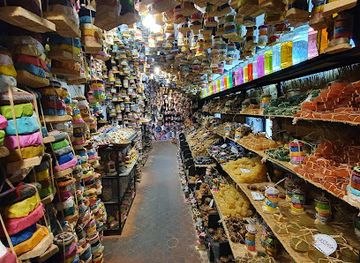
Shopping in the Rif is strongest in medinas, weekly markets and small town centres rather than in large retail districts. Chefchaouen is known for visitor-oriented craft shops selling woven textiles, blankets, leather goods, pottery, baskets, soap and regional food products, although quality and provenance vary and bargaining is customary in many independent shops. Tetouan offers a deeper urban craft tradition, including artisanal work associated with northern Morocco and the city’s historic medina. Al Hoceima is a practical place for buying provisions, fish-related products and everyday goods before travelling into the eastern mountains. Rural souks are useful for observing local trade and buying seasonal fruit, olives, honey, olive oil, nuts and dairy products, but their days differ between communities and they are not designed solely for tourists. In remote villages, choices may be limited to basic shops, so purchase food, water and walking supplies in larger towns. Choose handmade items carefully, ask about materials and avoid buying archaeological objects, protected natural specimens or products of uncertain legality.
-
Shopping mall
Tanger City Center
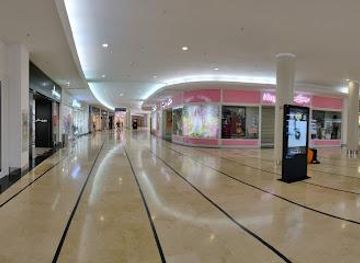
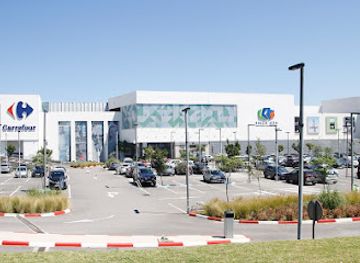
Experience the vibrant shopping and dining scene at Tanger City Center, your ultimate destination in Tangier, Morocco.
-
Shopping mall
Socco Alto
Discover the vibrant shopping scene at Socco Alto, Tangier's premier mall with international brands, local delights, and diverse dining options.
-
Shopping mall
Dépôt Nomade
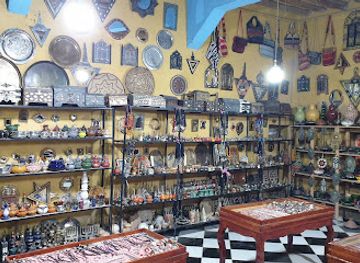
Explore unique Moroccan craftsmanship at Dépôt Nomade, Hassilabied's vibrant shopping mall filled with culture and exquisite souvenirs.
-
Organic shop
La Botica De La Abuela De Aladdin
Discover the aromatic world of organic products at La Botica De La Abuela De Aladdin in Chefchaouen, a sensory delight for every traveler.
Get your free copy of our complete guide to Rif Mountains, delivered straight to you.
Everything on this page, from attractions and restaurants to essentials and local phrases, in one PDF you can read offline, print or share.
Already have an account? Sign in
Your Rif Mountains guide is ready.
We'll send it to · Not you? Sign out

Getting your guide ready…
We are putting together a fresh copy of the Rif Mountains guide. This can take up to a minute.
This can take a few moments. If your browser asks, choose Allow so the download can start. You'll find the guide in your Downloads folder.
Nothing happened? Download it again
Sorry, the guide is taking longer than usual. Please try again in a minute, or get it by email instead.
Rif Mountains essentials
Currency and Payment
Safety
Emergency Situations
Do's and Don'ts
Local Tips
From Eve
Local phrases worth knowing
You don't need to get them perfect. A few words go a long way, and locals appreciate the effort.
Basics
| English | Local | Say it |
|---|---|---|
| Hello | Azul | [Ah-zool] |
| Goodbye | Besslama | [Bess-lah-mah] |
| Yes | Iyeh | [Ee-yeh] |
| No | Ula | [Oo-lah] |
| Please/You're welcome | Afak | [Ah-fak] |
| Thank you | Shukran | [Shoo-kraan] |
| Excuse me/Sorry | Smah li | [Smah lee] |
| How are you? | Kif dayr? | [Keef die-r?] |
| Fine. And you? | Labas. W nta? | [Lah-bas. W en-ta?] |
| Do you speak English? | Wash kat-hder l’anglais? | [Wash kat-hder lahn-glay?] |
| I don't understand | Ana ma fhemtsh | [Ana ma fehm-tesh] |
Eating & Drinking
| English | Local | Say it |
|---|---|---|
| I'd like to see the menu, please | Bghit nshuf l-menu, afak | [Bghit n-shoof l-menu, ah-fak] |
| I don't eat meat | Ana ma naklsh l-hmra | [Ana ma nak-lash l-h-mra] |
| Cheers! | Saha! | [Sah-ha!] |
| I would like to pay, please | Bghit n-khdem, afak | [Bghit n-kh-dem, ah-fak] |
Emergencies
| English | Local | Say it |
|---|---|---|
| Help! | Awn! | [A-own!] |
| Go away! | Ruh! | [Roo-h!] |
| Call the Police! | Ittaslu b-l-bolis! | [Itt-as-loo b-l-bol-ees!] |
| Call a doctor! | Ittaslu b-docteur! | [Itt-as-loo b-doct-our!] |
| I'm lost | Ana d-dakh | [Ana d-dah-kh] |
| I'm ill | Ana marid | [Ana mar-eed] |
Shopping
| English | Local | Say it |
|---|---|---|
| I'd like to buy... | Bghit n-shtari... | [Bghit n-sh-ta-ri...] |
| I'm just looking | Ana ghir kan-shuf | [Ana gheer kan-shoof] |
| How much is it? | Shhal hya? | [Shal hi-ya?] |
| That's too expensive | Had zyada ghali | [Had zyada ghal-ee] |
| Can you lower the price? | Wash mumkin t-khfid thman? | [Wash moom-kin t-kh-feed th-man?] |
Time & Numbers
| English | Local | Say it |
|---|---|---|
| What time is it? | Shhal f-l-waqt? | [Shal f-l-waqt?] |
| It's one o'clock | Hya wahed | [Hee-ya wah-hid] |
| Half past (10) | Nss l-‘ashra | [Ness l-‘ash-ra] |
| Morning | Sbah | [Sbah] |
| Afternoon | Bahr | [Bahr] |
| Evening | Lila | [Lee-la] |
| Yesterday | Lbareh | [Lba-reh] |
| Today | Lyoum | [Lyo-om] |
| Tomorrow | Ghad | [Ghad] |
| 1 | Wahed | [Wah-hid] |
| 2 | Jj | [Jee] |
| 3 | Tlata | [Tla-ta] |
| 4 | Rb’ | [Rab-eh] |
| 5 | Khamsa | [Khams-a] |
| 6 | Sitta | [Sit-ta] |
| 7 | Seb’a | [Seb-a] |
| 8 | Tmenya | [T-meen-ya] |
| 9 | Tst’a | [Ts-ta] |
| 10 | A’shra | [A-shra] |
Transport & Directions
| English | Local | Say it |
|---|---|---|
| Where's a/the...? | Fin kayn...? | [Fin kayn...?] |
| What's the address? | Shno l-‘adress? | [Shno l-‘ad-res?] |
| Can you show me (on the map)? | Wash t-mken t-showfni (f-l-karta)? | [Wash t-m-ken t-show-fnee (f-l-karta)?] |
| When's the next (bus)? | Fash kayn l-bus l-jay? | [Fash kayn l-bus l-jay?] |
| A ticket (to ....) | Tiket (l... ) | [Tee-ket (l... )] |
History of Rif Mountains
Prehistoric and Ancient Mountain Communities
The Rif has been inhabited since prehistoric times, with archaeological evidence from caves and coastal areas indicating long human use of its valleys and shorelines. Its difficult terrain encouraged settlement in dispersed communities rather than one dominant urban centre. In antiquity, the mountains formed part of the wider cultural world of northern Mauretania and the western Mediterranean, linked by trade and seasonal movement. Roman influence reached parts of northern Morocco, although the high Rif remained less urbanised and less directly controlled than the plains around major ancient centres.
Islamic and Medieval Northern Morocco
From the early Islamic period, the Rif became part of the changing political and commercial networks of Morocco and the western Mediterranean. Mountain communities retained considerable local autonomy while interacting with dynasties ruling from cities such as Fez and, later, Tetouan. The region’s religious landscape developed through mosques, rural shrines and Islamic learning, while coastal ports and mountain passes connected inland settlements with Andalusian and Mediterranean trade. The medinas of northern towns preserve elements of this long exchange between Morocco, Iberia and the wider Islamic world.
Andalusian Refugees and the Growth of Tetouan
After the Christian conquest of Muslim Granada in 1492, many Andalusian refugees settled in northern Morocco, helping to reshape Tetouan and communities across the western Rif. Their influence remains visible in urban architecture, courtyard houses, crafts, music and elements of local cuisine. Tetouan became an important centre of Andalusian Moroccan culture and a focus of trade between the Mediterranean coast and the mountain hinterland. This migration added a distinct Iberian dimension to a region already marked by Amazigh, Arab and Mediterranean connections.
European Pressure and the Spanish Protectorate
European military and commercial pressure intensified in the nineteenth century, culminating in the division of Morocco into protectorate zones in 1912. The northern Rif fell largely within the Spanish Protectorate, while Tangier had a separate international administration and most of Morocco came under French control. Spanish influence affected roads, ports, administration and architecture, particularly around Tetouan, coastal towns and Al Hoceima. In the mountains, however, colonial authority was uneven and repeatedly challenged by local communities.
The Rif War and Abd el-Krim, 1921–1926
The Rif War began after the defeat of Spanish forces at Annual in 1921, when Rifian groups under the leadership of Abd el-Krim established the Rif Republic. Its forces controlled much of the northern mountains and created administrative and military structures that challenged both Spanish and, later, French power. A combined Franco-Spanish campaign eventually defeated the republic in 1926. The conflict remains central to Rifian historical memory and is one of the most important anti-colonial episodes in twentieth-century North African history.
Post-Protectorate Development and Migration
Morocco regained independence in 1956, but the Rif faced difficult economic conditions, limited infrastructure and political tensions during the decades that followed. Many inhabitants migrated to Moroccan cities or to Europe, creating enduring family and commercial links with Spain, Belgium, the Netherlands and France. Roads, schools, coastal tourism and communications have expanded, though remote mountain districts remain less connected than the national urban centres. Migration and remittances continue to influence housing, livelihoods and social life across the region.
Environmental Protection and Contemporary Tourism
The late twentieth and early twenty-first centuries brought greater attention to the Rif’s forests, watersheds, Mediterranean coastline and biodiversity. Talassemtane National Park protects important mountain landscapes around the western Rif, while Al Hoceima National Park combines coastal and terrestrial environments in the east. Walking, nature tourism and visits to Chefchaouen have grown alongside established domestic and coastal tourism. The challenge is to improve access and local economic opportunity without placing excessive pressure on water supplies, forests, fragile trails or village life.
Rif Mountains in Photos
Browse through our photo collection highlighting the charm and character of the destination.
Neighbouring regions of Rif Mountains
The closest regions to Rif Mountains, if you have time for more than one.
-

-

-

-

-


Swipe for more regions
Explore more

Explore more of Morocco
Discover Morocco: A land of rich history, vibrant culture, and stunning landscapes, where ancient traditions meet modern allure.
Explore Morocco