

Free Moulouya Travel Guide & Mobile App
Explore Moulouya with free travel guides. Discover regional history, expert tips, proposed trips, and audio guides on web or mobile app.


Explore Moulouya’s changing landscapes, from Midelt’s high plateaux and historic kasbahs to Beni Snassen valleys, orchards and Mediterranean wetlands.
Read more about Moulouya
When is the best time to visit Moulouya?
Best: May–June, October · 23–29°C| Month | High (°C) | Rainfall (mm) |
|---|---|---|
| January | 15 | 25 |
| February | 16 | 29 |
| March | 18 | 23 |
| April | 21 | 20 |
| May (best) | 25 | 14 |
| June (best) | 29 | 7 |
| July | 33 | 2 |
| August | 32 | 4 |
| September | 29 | 8 |
| October (best) | 23 | 17 |
| November | 18 | 23 |
| December | 15 | 25 |
Getting to and around Moulouya
How to get there
Transportation
Top city travel guides in Moulouya
The cities of Moulouya, and the easiest places to base yourself.
-

-

-

-


Swipe for more cities
Destinations in Moulouya
Resorts, valleys and scenic spots worth a trip of their own.
-

-

-

-


Swipe for more destinations
Best attractions in Moulouya
Moulouya’s attractions are defined by changing landscapes rather than one concentrated collection of monuments. Around Midelt, visitors find high plateaux, orchard country and mountain roads leading towards the Middle and High Atlas. Missour and Guercif provide access to broad semi-arid scenery, rural markets and the visual scale of the central basin. Taourirt’s kasbah is the region’s most substantial historic architectural site, while the railway town also illustrates the importance of modern transport through eastern Morocco. In the lower basin, Berkane is a base for the Beni Snassen mountains, the Zegzel valley and the archaeological cave at Taforalt. These areas combine gorges, cultivated slopes, prehistoric heritage and village landscapes, often requiring a guide or private transport. Near the Mediterranean, the Moulouya mouth at Ras El Ma offers wetlands, riverine habitats and coastal scenery, with the resort beaches around Saïdia nearby but distinct from the river’s protected environment. The region suits travellers interested in geology, archaeology, rural life, birdwatching, walking and historic routes more than those seeking a dense sequence of conventional museums or attractions.
-
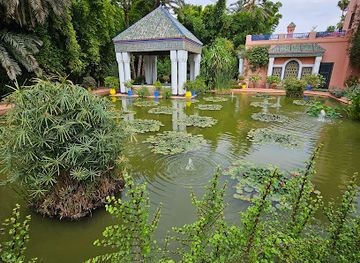
Jardin Majorelle
Discover the serene beauty of Jardin Majorelle, a stunning botanical garden in Marrakesh that offers a vibrant escape into nature and art.
-
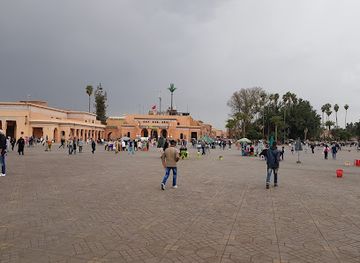
Jemaa el-Fnaa
Experience the vibrant culture of Marrakesh at Jemaa el-Fnaa, where markets, food, and entertainment come together in a mesmerizing atmosphere.
-
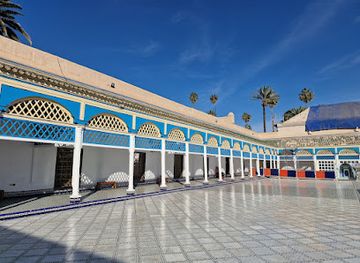
Bahia Palace
Experience the splendor of Bahia Palace, a historical landmark in Marrakesh that showcases exquisite Moroccan architecture and lush gardens.
-
Hassan Tower
Explore the grandeur of Hassan Tower in Rabat, a historical landmark that showcases Morocco's architectural brilliance and rich cultural heritage.

Best landmarks in Moulouya
The most recognisable built landmark in the Moulouya corridor is Taourirt Kasbah, whose rammed-earth walls, courtyards and decorated interiors express the political importance of the route through eastern Morocco. It is associated with the Glaoui family and stands as a reminder that kasbahs were working centres of power and administration as well as fortified residences. At Taforalt, the Grotte des Pigeons is a landmark of archaeological rather than monumental architecture: the cave preserves evidence of prehistoric communities in the Beni Snassen and gives the surrounding landscape an importance reaching far beyond its scenery. The Zegzel valley is a natural and cultural landmark, with a narrow gorge, cultivated slopes and mountain settlements that show how people have adapted to the range’s dry climate. Farther south, the broad Moulouya valley itself is the defining geographical landmark, changing from high inland plateaux to agricultural plains and finally to wetlands at Ras El Ma. These places are significant because they reveal the region’s connected histories of water, movement, settlement and defence.
-
Tourist attraction
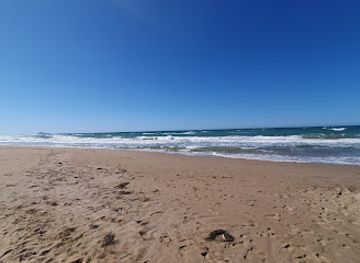
Embouchure Oued Moulouya
Experience the breathtaking beauty of Embouchure Oued Moulouya, where the river meets the Mediterranean, offering nature lovers a tranquil escape in Saidia.
-
 Tourist attraction
Guercif el khorjiya moulouya
Experience the tranquility and natural beauty of Guercif el Khorjiya Moulouya, a hidden gem in Morocco's stunning landscapes.
Explore Moulouya on the map
Plan your trip on one map. See where the top cities, national parks and sights are, and book hotels and experiences in a few clicks.
Best hotels in Moulouya
Best restaurants in Moulouya
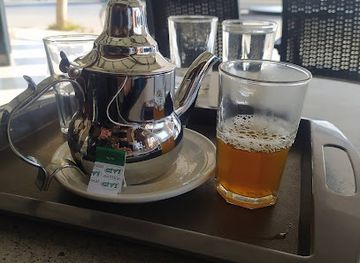
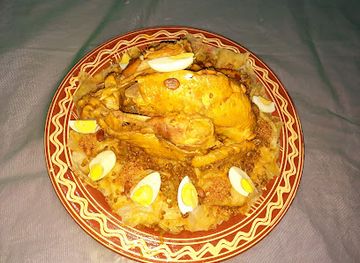
Food in the Moulouya follows the contrast between upland farming, steppe markets and the irrigated lower plain. Town restaurants and cafés serve Moroccan staples such as tajines, couscous, brochettes, harira and pastilla, while roadside stops generally focus on grilled meats, salads, bread and sweet mint tea. Midelt is associated with apple-growing country, and the lower Moulouya around Berkane is known for citrus cultivation; seasonal fruit, olives, vegetables and dates appear in markets and home cooking. Rural meals may be arranged through guesthouses or local hosts rather than found as a formal restaurant service. Near the Mediterranean, fish and seafood become more prominent, although the best choice depends on the particular coastal settlement and daily supply. Look for busy local cafés, municipal markets and modest family restaurants rather than expecting a large fine-dining scene. Alcohol is not a defining part of regional dining and may be unavailable outside licensed hotels or restaurants.
-
Restaurant
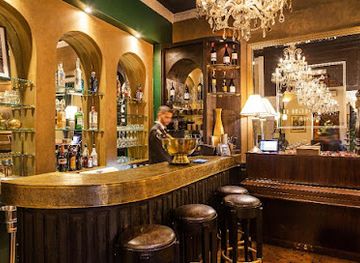
Le Bistro Arabe - Moroccan Jazz Restaurant in Marrakech
Experience exquisite Moroccan cuisine paired with live jazz at Le Bistro Arabe in Marrakech's historic Medina.
-
Restaurant
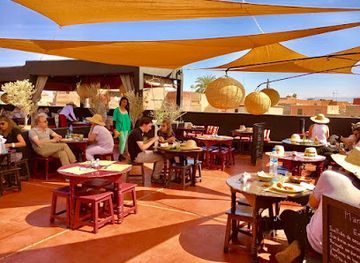
Le terrasse des épices
Experience authentic Moroccan cuisine with stunning views at Le Terrasse des Épices in Marrakech's vibrant Medina.
-
Restaurant
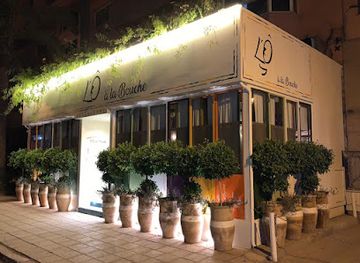
L'Ô à la Bouche
Experience authentic Moroccan cuisine at L'Ô à la Bouche in Marrakesh - a blend of tradition and modernity.
-
Moroccan
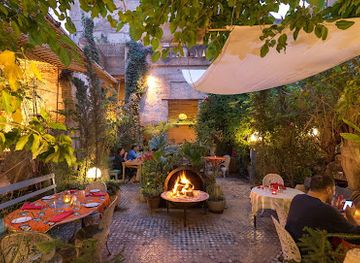
The Ruined Garden
Experience authentic Moroccan cuisine amidst lush gardens at The Ruined Garden in Fes – a serene escape into local culture.
Best bars in Moulouya
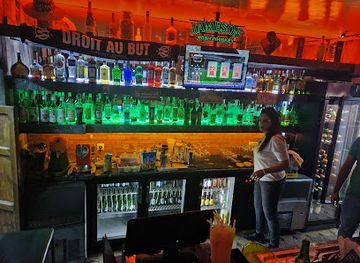
Evening life in Moulouya is generally low-key and centred on cafés, family restaurants, tea, conversation and television rather than a dedicated club circuit. Midelt, Guercif, Taourirt and Berkane have the greatest concentration of cafés and casual evening venues, while smaller settlements close earlier and rural areas offer little organised nightlife. In the lower valley and around the Mediterranean coast, hotel bars and seasonal leisure venues may provide a more resort-oriented evening atmosphere, particularly near Saïdia, which is close to but separate from the Moulouya mouth. Traditional cafés are useful places to observe everyday town life, but visitors should dress and behave discreetly, especially in conservative neighbourhoods. Live music and celebrations are more often connected with private occasions or seasonal events than with permanent venues. Licensed alcohol service is limited compared with major Moroccan cities, so it is sensible to check arrangements at accommodation before planning an evening out.
-
Pub
O’Mulligan Resto Pub
Experience the vibrant nightlife of Marrakech at O’Mulligan Resto Pub, where delicious food and refreshing drinks await every traveler.
-
Grill
Café Al miaraj
Discover the charm of Café Al miaraj in Guercif, where delicious grilled dishes meet a warm, inviting atmosphere.
-
Bar
مقهى ومطعم فضاء الخيمة
Experience authentic Moroccan flavors at مقهى ومطعم فضاء الخيمة, the premier grill restaurant in Outat el Haj.
-
Grill
Café et restaurant Al baraka
Discover the rich flavors of Moroccan cuisine at Café et Restaurant Al Baraka, a culinary gem in Taddart offering grilled delights and warm hospitality.
Best nightclubs in Moulouya
Evening life in Moulouya is generally low-key and centred on cafés, family restaurants, tea, conversation and television rather than a dedicated club circuit. Midelt, Guercif, Taourirt and Berkane have the greatest concentration of cafés and casual evening venues, while smaller settlements close earlier and rural areas offer little organised nightlife. In the lower valley and around the Mediterranean coast, hotel bars and seasonal leisure venues may provide a more resort-oriented evening atmosphere, particularly near Saïdia, which is close to but separate from the Moulouya mouth. Traditional cafés are useful places to observe everyday town life, but visitors should dress and behave discreetly, especially in conservative neighbourhoods. Live music and celebrations are more often connected with private occasions or seasonal events than with permanent venues. Licensed alcohol service is limited compared with major Moroccan cities, so it is sensible to check arrangements at accommodation before planning an evening out.
-
Disco club
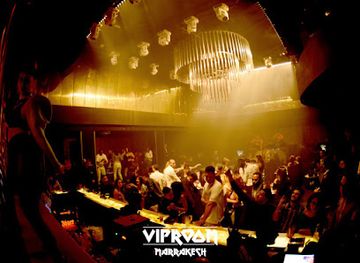
SECRET ROOM MARRAKECH
Experience the vibrant nightlife of Marrakech at Secret Room, an electrifying disco club with unforgettable music and ambiance.
-
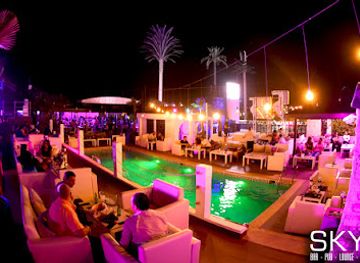
555 Famous Club Marrakech
Discover the electrifying nightlife of Marrakech at 555 Famous Club, where music and luxury blend for an unforgettable evening in the heart of the city.
-
Night club
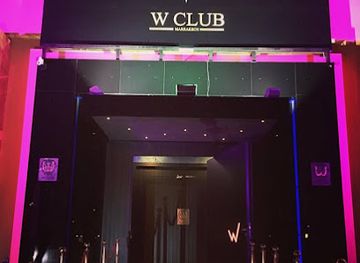
W Club Marrakech
Dive into the vibrant nightlife at W Club Marrakech, where music, dance, and unforgettable moments await in the heart of the city.
-
Disco club
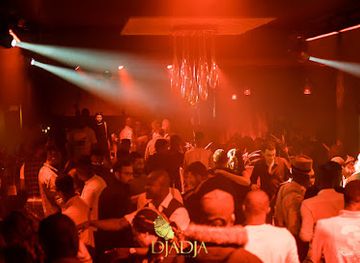
DjaDja Afro Club
DjaDja Afro Club: Casablanca's premier destination for Afrobeat music, dancing, and vibrant nightlife experiences.
Best shops in Moulouya
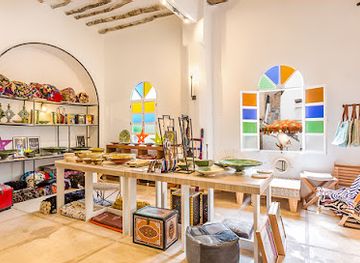
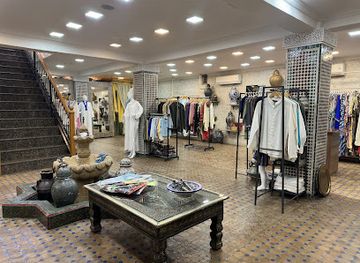
Shopping in Moulouya is primarily local and practical, with the best variety found in the markets and central streets of Midelt, Guercif, Taourirt and Berkane. Weekly souks and permanent produce markets bring together fruit, vegetables, olives, spices, bread, household goods and clothing, while the lower valley is a good place to look for seasonal citrus and other agricultural products. Midelt’s position in an orchard-growing area makes apples and related preserves a natural purchase when in season, though availability changes through the year. Small craft and household stalls may offer woven goods, leather, pottery or metalwork, but quality and provenance vary, so ask vendors about the maker and use respectful bargaining. Berkane and nearby towns have a more cultivated agricultural retail character, whereas inland markets serve rural communities across wider distances. For dependable souvenirs, choose packaged food products, locally made textiles or small craft items, and remember that archaeological objects, fossils and protected natural materials should never be removed from the region.
-
Gift shop
Dar Bouchaib
Explore the vibrant treasures of Dar Bouchaib in Marrakesh, where unique souvenirs, jewelry, and cosmetics await to enrich your Moroccan experience.
-
Store
Max & Jan Medina
Explore the vibrant fashion of Morocco at Max & Jan Medina, a boutique in Marrakesh offering unique clothing and accessories.
-
Gift shop
mohameds shop
Explore authentic Moroccan handicrafts at Mohamed's Shop, the perfect destination for unique gifts and souvenirs in Marrakesh.
-
Store
Karim Bouriad Bazar - Moroccan Caftan Marrakech
Discover the artistry of Moroccan fashion with exquisite caftans at Karim Bouriad Bazar in the heart of Marrakech's Medina.

Get your free copy of our complete guide to Moulouya, delivered straight to you.
Everything on this page, from attractions and restaurants to essentials and local phrases, in one PDF you can read offline, print or share.
Already have an account? Sign in
Your Moulouya guide is ready.
We'll send it to · Not you? Sign out

Getting your guide ready…
We are putting together a fresh copy of the Moulouya guide. This can take up to a minute.
This can take a few moments. If your browser asks, choose Allow so the download can start. You'll find the guide in your Downloads folder.
Nothing happened? Download it again
Sorry, the guide is taking longer than usual. Please try again in a minute, or get it by email instead.
Moulouya essentials
Currency and Payment
Safety
Emergency Situations
Do's and Don'ts
Local Tips
From Eve
Local phrases worth knowing
You don't need to get them perfect. A few words go a long way, and locals appreciate the effort.
Basics
| English | Local | Say it |
|---|---|---|
| Hello | سلام | [Salam] |
| Goodbye | وداعا | [Wada'an] |
| Yes | نعم | [Na'am] |
| No | لا | [La] |
| Please/You're welcome | من فضلك | [Min fadlik] |
| Thank you | شكرا | [Shukran] |
| Excuse me/Sorry | عذرًا | [Udhuran] |
| How are you? | كيف حالك؟ | [Kayfa halak?] |
| Fine. And you? | بخير. وأنت؟ | [Bikhair. Wa anta?] |
| Do you speak English? | هل تتحدث الإنجليزية؟ | [Hal tatahaddath al-ingliziya?] |
| I don't understand | لا أفهم | [La afham] |
Eating & Drinking
| English | Local | Say it |
|---|---|---|
| I'd like to see the menu, please | أود رؤية القائمة، من فضلك | [Awad ru'yat al-qaimah, min fadlik] |
| I don't eat meat | لا آكل اللحم | [La akul al-lahm] |
| Cheers! | صحتين | [Sahtein] |
| I would like to pay, please | أود الدفع، من فضلك | [Awad al-daf', min fadlik] |
Emergencies
| English | Local | Say it |
|---|---|---|
| Help! | ساعدني! | [Sa'idni!] |
| Go away! | اذهب بعيدًا! | [Idhab ba'id!] |
| Call the Police! | اتصل بالشرطة! | [Ittasil bil-shurtah!] |
| Call a doctor! | اتصل بالطبيب! | [Ittasil bil-tabeeb!] |
| I'm lost | أنا ضائع | [Ana dhai'] |
| I'm ill | أنا مريض | [Ana marid] |
Shopping
| English | Local | Say it |
|---|---|---|
| I'd like to buy... | أود شراء... | [Awad shira'] |
| I'm just looking | أنا فقط أنظر | [Ana faqat anzur] |
| How much is it? | كم ثمنه؟ | [Kam thamanuh?] |
| That's too expensive | هذا مكلف جدًا | [Hatha mukallaf jiddan] |
| Can you lower the price? | هل يمكنك تخفيض السعر؟ | [Hal yumkinuka takhfidh al-si'r?] |
Time & Numbers
| English | Local | Say it |
|---|---|---|
| What time is it? | كم الساعة؟ | [Kam al-saa'a?] |
| It's one o'clock | الساعة الواحدة | [Al-saa'a al-wahidah] |
| Half past (10) | نصف (10) | [Nisf (10)] |
| Morning | صباحًا | [Sabaahan] |
| Afternoon | ظهرًا | [Zuhraan] |
| Evening | مساءً | [Masa'an] |
| Yesterday | أمس | [Ams] |
| Today | اليوم | [Al-yawm] |
| Tomorrow | غدًا | [Ghadan] |
| 1 | واحد | [Wahid] |
| 2 | اثنان | [Ithnain] |
| 3 | ثلاثة | [Thalatha] |
| 4 | أربعة | [Arba'a] |
| 5 | خمسة | [Khamsa] |
| 6 | ستة | [Sitta] |
| 7 | سبعة | [Sab'a] |
| 8 | ثمانية | [Thamaniya] |
| 9 | تسعة | [Tis'a] |
| 10 | عشرة | [Ashra] |
Transport & Directions
| English | Local | Say it |
|---|---|---|
| Where's a/the...? | أين ...؟ | [Ayn ...?] |
| What's the address? | ما هو العنوان؟ | [Ma huwa al-'unwan?] |
| Can you show me (on the map)? | هل يمكنك إظهاري (على الخريطة)؟ | [Hal yumkinuka idharni (ala al-kharita)?] |
| When's the next (bus)? | متى يأتي (الباص) التالي؟ | [Mata ya'ti (al-bas) al-tali?] |
| A ticket (to ....) | تذكرة (إلى ...) | [Tadhkirah (ila ...)] |
History of Moulouya
Prehistoric Taforalt and the Beni Snassen
The Grotte des Pigeons at Taforalt, near the Beni Snassen mountains, is one of the most important prehistoric sites in North Africa. Excavations have documented human occupation extending deep into the Late Stone Age, including remains associated with hunter-gatherer communities and changing funerary practices. The cave demonstrates that eastern Morocco was not an empty frontier in prehistory but part of a wider Mediterranean and Maghreb world of movement, adaptation and exchange.
Indigenous Amazigh landscapes and early settlement
Before the rise of modern states, the Moulouya basin was inhabited and traversed by Amazigh communities whose social, agricultural and pastoral organisation adapted to mountains, steppes and river oases. The valley’s importance came from its water sources and its position between the interior plateaux, the Middle Atlas and the eastern borderlands. Many place names, settlement patterns and rural traditions still reflect the long presence of Amazigh-speaking communities, although the region is culturally diverse and identities vary from one locality to another.
Roman and late-antique eastern Morocco
Roman power reached parts of northern and eastern Morocco, though its strongest urban centres lay elsewhere in the country. The Moulouya corridor occupied a frontier position between Roman-controlled territories and regions beyond sustained imperial administration. Roads, military movement and agricultural settlement connected the eastern Maghreb to Mediterranean networks, while later centuries brought changing political authority and the gradual transformation of older settlement systems. Visitors should distinguish this broad frontier history from the Roman monuments of Volubilis, which lie outside the Moulouya region.
Islamisation and medieval trade routes
From the early Islamic period, the Moulouya basin became part of the political and commercial geography of Morocco and the western Maghreb. River valleys and passes linked inland communities with the Mediterranean, eastern Morocco and routes towards the Sahara. Dynasties including the Idrisids, Almoravids, Almohads and later Moroccan ruling houses exercised authority unevenly across these landscapes. Rather than one continuous imperial centre, the region developed through a mixture of fortified settlements, tribal territories, agricultural communities and travel routes.
Sultanate authority and the Taourirt kasbah
Taourirt’s large kasbah reflects the importance of controlling routes through eastern Morocco. Its most recognisable surviving form is associated with the Glaoui family, whose leaders held substantial influence under the Moroccan sultanate in the nineteenth and early twentieth centuries. The kasbah functioned as a political residence and fortified centre rather than merely a decorative palace. Its earthen architecture illustrates how authority, defence and local building traditions were combined in a region where movement across the basin was strategically important.
French Protectorate and modern transport
During the French Protectorate, the Moulouya basin was drawn more tightly into modern systems of administration, road building, rail transport and resource extraction, while eastern Morocco also remained shaped by the presence of the Spanish Protectorate farther north. Taourirt became an important railway junction on the route towards Oujda, and roads strengthened links between agricultural towns, mining districts and military settlements. These changes altered patterns of travel and trade without replacing older pastoral, market and family networks.
Agriculture, water and the contemporary basin
In the twentieth and twenty-first centuries, dams, irrigation schemes and agricultural investment have helped transform parts of the Moulouya basin, especially around the lower valley and Berkane’s citrus-growing plain. The same development has made water management increasingly important. The river’s flow supports farming and wetlands but is affected by drought, abstraction and changing rainfall. Contemporary Moulouya is therefore shaped by a continuing balance between agricultural production, expanding settlements, ecosystem protection and the preservation of archaeological and rural heritage.
Moulouya in Photos
Browse through our photo collection highlighting the charm and character of the destination.
Neighbouring regions of Moulouya
The closest regions to Moulouya, if you have time for more than one.
-

-

-

-

-


Swipe for more regions
Explore more

Explore more of Morocco
Discover Morocco: A land of rich history, vibrant culture, and stunning landscapes, where ancient traditions meet modern allure.
Explore Morocco