

Nyaung-U (Bagan) Travel Guide - Free
Explore Nyaung-U in Bagan with Evendo's free guide. Find the best shops, historic streets, restaurants, and gems on web or mobile.


Nyaung-U in Bagan, Myanmar, pairs Shwezigon Pagoda, market streets and Irrawaddy views with practical access to the ancient temple plain and local life.
A Living Gateway to Ancient Bagan
Nyaung-U is the most practical and animated base for exploring Bagan, lying north-east of the principal temple plain on the eastern bank of the Ayeyarwady River. It is a working Myanmar town rather than a purely archaeological enclave: motorbikes weave through dusty streets, local buses and taxis connect with nearby villages, and market stalls fill the air with the colours and aromas of everyday trade. Visitors staying here are close to Bagan’s monumental pagodas while remaining among ordinary shops, teahouses, workshops and residential lanes.Read more about Nyaung-U
Pagodas, Markets and Everyday Life
Beyond the Town
Best attractions in Nyaung-U
Nyaung-U’s central attractions combine religious heritage with everyday town life. Shwezigon Pagoda is the essential local visit, with its monumental gilded stupa, surrounding shrines and enduring importance as a pilgrimage site. Nyaung-U Market offers a different kind of discovery: visitors can browse produce, betel, thanaka, woven goods and household merchandise while observing the routines of the surrounding communities. The streets between the market and Shwezigon are useful for seeing teahouses, small workshops and local commerce rather than a polished tourist quarter. From the town, transport leads south into the Bagan Archaeological Zone, where hundreds of surviving temples and pagodas form a broad cultural landscape; these sites are nearby but should not be confused with landmarks inside Nyaung-U itself. The Ayeyarwady riverfront and surrounding rural roads provide quieter views of palms, cultivated land and village life, subject to local access and seasonal conditions.
-
Place of worship
Shwezigon Pagoda
Explore the breathtaking Shwezigon Pagoda in Bagan, a sacred site showcasing Myanmar's rich spiritual heritage and architectural brilliance.
18 min walk · 1.5 km from neighbourhood centre
-
Observation deck
Bagan Viewing Tower (Bagan Nan Myint Tower)
Experience breathtaking views and rich cultural heritage at the Bagan Viewing Tower, the ultimate destination for a panoramic perspective of ancient Bagan.
10 min drive · 3.2 km from neighbourhood centre
-
Buddhist temple
That Bin Nyu Temple
Discover the enchanting That Bin Nyu Temple in Old Bagan, a breathtaking Buddhist site showcasing stunning architecture and rich cultural heritage.
17 min drive · 5.7 km from neighbourhood centre
-
Buddhist temple
Htilominlo Pahto
Discover the spiritual heart of Bagan at Htilominlo Pahto, a stunning Buddhist temple showcasing exquisite architecture and rich cultural heritage.
11 min drive · 3.7 km from neighbourhood centre



Best landmarks in Nyaung-U
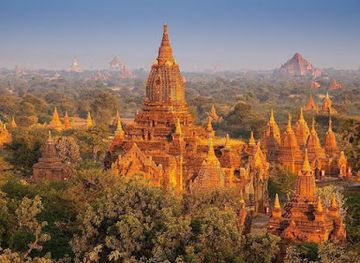
Shwezigon Pagoda is Nyaung-U’s defining landmark and one of the most important monuments associated with the Bagan cultural landscape. Its large gilded stupa, broad enclosure and surrounding shrines reflect the religious and artistic ambitions of the Pagan kingdom, while the presence of nat images illustrates the way Buddhist devotion and older spiritual traditions coexist in Myanmar. Nyaung-U Market is a less monumental but highly significant landmark of town life, occupying a central role in the exchange of food, household necessities and regional goods. The town’s low-rise streets, roadside teahouses and modest commercial buildings provide a useful contrast to Bagan’s brick temples. The Ayeyarwady riverfront, reached from Nyaung-U by local roads, adds a geographical landmark to the area’s identity, linking the settlement with the river routes that have long shaped central Myanmar’s movement and trade.
-
Place of worship
Shwezigon Pagoda
Explore the awe-inspiring Shwezigon Pagoda in Nyaung-U, a symbol of Myanmar's spiritual heritage and architectural brilliance.
18 min walk · 1.5 km from neighbourhood centre
-
Observation deck
Bagan Viewing Tower (Bagan Nan Myint Tower)
Experience breathtaking views of Bagan's ancient temples from the Bagan Viewing Tower, a stunning observation deck in Myanmar.
10 min drive · 3.2 km from neighbourhood centre
-
 Buddhist temple
Htilominlo Pahto
Discover the enchanting Htilominlo Pahto, a breathtaking Buddhist temple in Bagan, showcasing ancient artistry and spiritual serenity amidst stunning landscapes.
11 min drive · 3.7 km from neighbourhood centre
-
Buddhist temple
Sulamani Temple
Explore the stunning Sulamani Temple in Nyaung-U, a remarkable Buddhist temple showcasing ancient Myanmar's architectural and cultural heritage.
14 min drive · 4.7 km from neighbourhood centre


Explore Nyaung-U on the map
A handpicked selection of must-see spots in Nyaung-U, mapped for you.
Best hotels in Nyaung-U
Best restaurants in Nyaung-U
Dining in Nyaung-U is shaped by its role as a regional market town and gateway to Bagan. Along the main streets and around the hotel area, visitors find Burmese restaurants serving rice, curries, noodle dishes, salads and grilled foods, alongside simple cafés and teahouses where sweet tea, snacks and light breakfasts are part of the daily rhythm. The local market is useful for seeing ingredients and regional produce, although visitors should choose cooked food carefully and use reputable water. Menus may also include Shan, Chinese and broadly international dishes aimed at travellers, but the most characteristic meals are generally informal rather than elaborate. Restaurants and cafés can be spread along busy roads rather than concentrated in one pedestrian dining quarter, and services may vary with season, electricity and local conditions. Vegetarian options are often available, though it is worth checking ingredients and preparation clearly.
-
Burmese
Queen
Experience authentic Burmese cuisine at Queen Restaurant in Bagan - a delightful journey through Myanmar's rich culinary landscape.
8 min drive · 2.6 km from neighbourhood centre
-
Restaurant
Treasure Cafe & Restaurant (ဒေါင်းလန်းကြီး ထမင်းဆိုင်)
Discover delightful flavors at Treasure Cafe & Restaurant in Nyaung-U - where local cuisine meets global tastes in a cozy setting.
15 min drive · 4.9 km from neighbourhood centre
-
Restaurant
Tharabar Three Myanmar Curry (သရပါသရီး)
Experience authentic Burmese cuisine at Tharabar Three in Nyaung-U - a paradise for curry lovers with fresh ingredients and warm hospitality.
15 min drive · 5.2 km from neighbourhood centre
-
Restaurant
Mi San Restaurant
Experience authentic Burmese cuisine at Mi San Restaurant in Old Bagan - where tradition meets taste amidst ancient wonders.
18 min drive · 5.9 km from neighbourhood centre


Best bars in Nyaung-U
Nyaung-U has a restrained evening scene rather than a dedicated nightlife district. After dark, activity centres on Burmese restaurants, hotel dining rooms, small cafés and occasional terraces where visitors and local residents eat, talk and watch the traffic settle. Alcohol may be available in some restaurants and accommodation venues, but opening arrangements and licensing can change, and the town is not known for a substantial club circuit. The most distinctive evening atmosphere comes from the illuminated approach to Shwezigon Pagoda, quiet streets around the market and the wider darkness of the archaeological landscape, where access and photography rules require care. Visitors should avoid treating temple compounds as entertainment spaces, keep noise low near homes and religious sites, and arrange transport in advance if returning from a restaurant outside the main centre.
-
Restaurant
Weather Spoon's Restaurant and Bar
Experience the authentic taste of Myanmar at Weather Spoon's Restaurant and Bar, where local flavors come alive in a cozy setting.
13 min walk · 1.1 km from neighbourhood centre
-
Bar
HTI Bar & Restaurant
Indulge in delightful cocktails and exquisite European dishes at HTI Bar & Restaurant, the perfect venue for relaxation in Nyaung-U.
15 min walk · 1.2 km from neighbourhood centre
-
Bar
Bagan Zay
Discover Bagan Zay: A lively bar in Nyaung-U where tourists can unwind, enjoy local drinks, and soak in the vibrant atmosphere of Bagan's nightlife.
14 min walk · 1.1 km from neighbourhood centre
-
Bar
Erawati Raft
Discover the charm of Erawati Raft, where stunning river views and a vibrant atmosphere meet in the heart of Old Bagan.
19 min drive · 6.2 km from neighbourhood centre


Best nightclubs in Nyaung-U
Nyaung-U has a restrained evening scene rather than a dedicated nightlife district. After dark, activity centres on Burmese restaurants, hotel dining rooms, small cafés and occasional terraces where visitors and local residents eat, talk and watch the traffic settle. Alcohol may be available in some restaurants and accommodation venues, but opening arrangements and licensing can change, and the town is not known for a substantial club circuit. The most distinctive evening atmosphere comes from the illuminated approach to Shwezigon Pagoda, quiet streets around the market and the wider darkness of the archaeological landscape, where access and photography rules require care. Visitors should avoid treating temple compounds as entertainment spaces, keep noise low near homes and religious sites, and arrange transport in advance if returning from a restaurant outside the main centre.
-
Dinner theater
Nanda Restaurant And Puppet Show
Discover the rich flavors and enchanting puppet shows at Nanda Restaurant, a unique dining experience in Nyaung-U, Myanmar.
7 min drive · 2.2 km from neighbourhood centre
-
Bar
HTI Bar & Restaurant
Discover HTI Bar & Restaurant in Nyaung-U for a perfect blend of local flavors and vibrant cocktails, ideal for unwinding after visiting Bagan's ancient wonders.
15 min walk · 1.2 km from neighbourhood centre
-
Bar
Bagan Zay
Discover the vibrant nightlife at Bagan Zay, a welcoming bar in Nyaung-U offering a delightful escape after exploring Bagan's ancient wonders.
14 min walk · 1.1 km from neighbourhood centre
-
Bar
Erawati Raft
Discover tranquility at Erawati Raft, where refreshing drinks meet the serene beauty of the Ayeyarwady River in Old Bagan.
19 min drive · 6.2 km from neighbourhood centre


Best shops in Nyaung-U
Shopping in Nyaung-U is centred on practical local commerce rather than a concentrated boutique scene. Nyaung-U Market is the principal place to browse fresh produce, spices, betel ingredients, thanaka, clothing, household goods and snacks, with the best sense of its trading character generally found in the morning. Small shops along the main roads sell drinks, toiletries, travel necessities and locally made items, while stalls near religious sites may offer lacquerware, woven products, paintings and souvenirs associated with Bagan. Quality and provenance vary, so visitors should ask questions and avoid buying antiques or archaeological material whose legal status is unclear. The market is also a place to observe how Nyaung-U serves nearby residents, not simply a retail attraction for tourists. Bargaining may be appropriate for some goods, but it should be conducted courteously and without disrupting vendors’ work.
-
Clothing store
Shwe Wah Thein - Myanmar Handicraft Shop
Explore Shwe Wah Thein, Nyaung-U's premier destination for authentic Myanmar clothing and handcrafted artisan goods, celebrating local culture and craftsmanship.
16 min drive · 5.2 km from neighbourhood centre
-
Souvenir store
Souvenir Shops
Discover the artistic charm of Old Bagan's souvenir shops, where unique crafts and local culture come together in a vibrant shopping experience.
17 min drive · 5.7 km from neighbourhood centre
-
Souvenir store
A Hla Kyi Myanmar Thanakha
Explore A Hla Kyi Myanmar Thanakha in Old Bagan for unique souvenirs and a taste of authentic Burmese culture, including traditional Thanakha products.
17 min drive · 5.7 km from neighbourhood centre
-
Souvenir store
Quality Bagan Shop
Explore Quality Bagan Shop for unique souvenirs and handcrafted treasures that capture the spirit of Old Bagan, Myanmar.
18 min drive · 6.2 km from neighbourhood centre


Nyaung-U essentials
Getting There
Getting Around
Safety
Emergency Situations
Do's and Don'ts
Local Tips

From Eve
Local phrases worth knowing
You don't need to get them perfect. A few words go a long way, and locals appreciate the effort.
Basics
| English | Local | Say it |
|---|---|---|
| Hello | မင်္ဂလာပါ | [mengala ba] |
| Goodbye | သွားမည် | [swamai] |
| Yes | ဟုတ်ပါ | [hout ba] |
| No | မဟုတ်ပါ | [mahout ba] |
| Please/You're welcome | ကျေးဇူးတင်ပါ | [kyay-zu-taung ba] |
| Thank you | ကျေးဇူးတင်ပါသည် | [kyay-zu-taung ba ne] |
| Excuse me/Sorry | ခဏရေးပါ | [kanyei ba] |
| How are you? | ဘယ်လို့ရှိရင်လဲ | [beya yar shin le] |
| Fine. And you? | ခင်ဗျားသောနော် | [khan pya thone] |
| Do you speak English? | အဂၤလို့ပြောသလဲ | [agaloy pyau sa le] |
| I don't understand | အိမ်မှာမဟုတ်ပါ | [ain ma mahout ba] |
Eating & Drinking
| English | Local | Say it |
|---|---|---|
| I'd like to see the menu, please | မီနူးကိုကြည့်ရအောင် | [menu ko kra yau aung] |
| I don't eat meat | အခုပြုလုပ်တဲ့ထမင်မဟုတ်ပါ | [akhu loutae hman mahout ba] |
| Cheers! | အလင်းလိုက် | [alang loi] |
| I would like to pay, please | ငယ်တန်းကျေးဇူးပါတယ် | [neit tan kyayzu ba tai] |
Emergencies
| English | Local | Say it |
|---|---|---|
| Help! | အကူအညီ | [aku anyi] |
| Go away! | လှောက်လှောက် | [hauk hauk] |
| Call the Police! | ရဲစွန်းလားရပ် | [yei swanla raat] |
| Call a doctor! | အဆက်အဖြီ | [ahka ahpyi] |
| I'm lost | ကျေးဇူးပဲ့မှာရဲ့တဲ့ | [kyayzu pyo ma yae tai] |
| I'm ill | ကျေးဇူးပဲ့အိမ်ပျက်နော် | [kyayzu pyo ain pyak nau] |
Shopping
| English | Local | Say it |
|---|---|---|
| I'd like to buy... | ကျေးဇူးပဲ့ထု | [kyayzu pyo] |
| I'm just looking | ကျေးဇူးသွားရော | [kyayzu swamau] |
| How much is it? | အစဲ့ဘာလဲ | [ahte bale] |
| That's too expensive | ဒီထိုင်ပျက်ကျနော် | [di htuing pyak kyon] |
| Can you lower the price? | စျေးတယ်စျေးပြောတယ် | [zyei tai zyei pyau tai] |
Time & Numbers
| English | Local | Say it |
|---|---|---|
| What time is it? | ဘယ်နေ့ဘဲလဲ | [be nay bale] |
| It's one o'clock | တစ်ရက်နာရီပါ | [tzae yat naari ba] |
| Half past (10) | ဆယ်သား (ဆယ်) | [hsai sa tu] |
| Morning | နန်းကျွန်း | [nan kwun] |
| Afternoon | နေ့ဖလ | [ne pala] |
| Evening | နောက် | [nauk] |
| Yesterday | မနေ | [mane] |
| Today | ယနေ | [yane] |
| Tomorrow | မနက် | [mank] |
| 1 | တစ် | [tzae] |
| 2 | နှစ် | [nhae] |
| 3 | သုံး | [soon] |
| 4 | လေး | [lei] |
| 5 | ငါး | [nga] |
| 6 | ခြောက် | [khyauk] |
| 7 | ရှစ် | [ye nhae] |
| 8 | ရှေ့ | [ye ne] |
| 9 | ကင် | [kang] |
| 10 | ဆယ် | [hsai] |
Transport & Directions
| English | Local | Say it |
|---|---|---|
| Where's a/the...? | ဘယ်နှစ်လဲလဲ...? | [be nhae le le...?] |
| What's the address? | လိုအပ်လဲလဲ...? | [loi hpal le le...?] |
| Can you show me (on the map)? | မြင်ရတယ်လဲ...? | [ming yatai le...?] |
| When's the next (bus)? | မနေ့စွန်းလဲ...? | [ne be swan le...?] |
| A ticket (to ....) | လွှဲပျက်လဲလဲ... | [la pyak le le...] |
History of Nyaung-U
A Settlement beside the Pagan Kingdom
Nyaung-U developed within the wider cultural landscape of Pagan, the medieval kingdom that flourished along the Ayeyarwady between roughly the eleventh and thirteenth centuries. The area’s location near the river and the routes leading towards the royal and religious centre made it part of a wider network of farming villages, pilgrimage destinations and trading places. Although the great monuments are spread across the archaeological plain rather than concentrated in Nyaung-U itself, the town’s existence is closely tied to that historic landscape and its continuing Buddhist importance.
Shwezigon and Buddhist Pilgrimage
Nyaung-U’s most important historic monument is Shwezigon Pagoda. Construction was begun under King Anawrahta in the eleventh century and completed under King Kyansittha, traditionally in the early twelfth century. Its gilded stupa became an important pilgrimage centre and is associated with relic veneration and images of the 37 nats, or pre-Buddhist spirits incorporated into Myanmar religious practice. The pagoda helped establish the area as a place of enduring religious significance, a role that continues long after the Pagan kingdom declined.
River Trade and Regional Town Life
After the Pagan period, settlements around the river continued to depend on agriculture, pilgrimage and regional exchange. Nyaung-U’s position near the Ayeyarwady gave it practical importance as goods and travellers moved through central Myanmar, while the nearby temple plain remained a source of religious and artistic prestige. The town’s market tradition reflects this continuing role: rather than functioning solely as a service centre for visitors, it has long served surrounding communities with food, household supplies and locally produced goods.
Archaeology and Modern Tourism
During the colonial and post-colonial periods, Bagan’s monuments increasingly attracted archaeologists, pilgrims and travellers, while Nyaung-U grew as the principal access point for the historic zone. Roads, rail connections and air services reinforced its gateway role, and hotels, restaurants and transport services expanded with tourism. The relationship remains carefully balanced: Nyaung-U is a contemporary town with its own commercial life, while nearby monuments are managed as a nationally significant archaeological landscape. Conservation concerns, changing access arrangements and visitor numbers continue to shape how the area is experienced.
Nyaung-U in Photos
Browse through our photo collection highlighting the charm and character of the destination.
Neighbourhoods near Nyaung-U
The closest neighbourhoods to Nyaung-U, if you have time for more than one stop.
-

-


Swipe for more neighbourhoods
Explore more

Explore more of Bagan
Bagan, Myanmar, reveals thousands of ancient Buddhist temples across a riverine plain, with sunrise vistas, lacquerware, local food and living heritage.
Explore Bagan