

Free Tanintharyi Region Travel Guide & Mobile App
Explore Tanintharyi Region with free travel guides. Discover regional history, expert tips, proposed trips, and audio guides on web or mobile app.


Explore Tanintharyi Region for Andaman coast towns, island landscapes, maritime history, tropical forests and distinctive southern Myanmar food.
Read more about Tanintharyi Region
When is the best time to visit Tanintharyi Region?
Best: December–February · 30–32°C| Month | High (°C) | Rainfall (mm) |
|---|---|---|
| January (best) | 30 | 10 |
| February (best) | 32 | 9 |
| March | 34 | 20 |
| April | 35 | 60 |
| May | 32 | 250 |
| June | 32 | 500 |
| July | 31 | 600 |
| August | 31 | 600 |
| September | 31 | 500 |
| October | 31 | 300 |
| November | 31 | 100 |
| December (best) | 30 | 30 |
Getting to and around Tanintharyi Region
How to get there
Transportation
Best attractions in Tanintharyi Region
Tanintharyi’s attractions combine coastal scenery, maritime culture and extensive natural landscapes rather than a dense concentration of monumental sights. Dawei offers historic streets, Buddhist monasteries, traditional houses and access to beaches along the surrounding coast, while Myeik provides waterfront walks, markets and a strong sense of a working port shaped by centuries of Andaman trade. Kawthaung has a frontier-town atmosphere and views across the water towards Thailand. The Myeik Archipelago is the region’s major natural draw, with forested islands, reefs, mangroves, beaches and channels explored by boat when conditions and permissions permit. Lampi Marine National Park protects important terrestrial and marine habitats and has links to conservation and community-based tourism, although access is carefully regulated and operational arrangements can change. Inland districts offer tropical forest, rivers and agricultural landscapes, but travel beyond established towns requires close attention to security and local permissions. Visitors should treat the region’s environment as fragile: coral, sea grass, mangroves and wildlife are vulnerable to careless anchoring, litter and collecting. Rather than a conventional sightseeing circuit, Tanintharyi suits travellers interested in slow coastal journeys, local markets, boat-based landscapes and the relationship between communities and the sea.
-
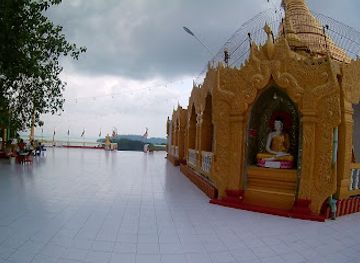
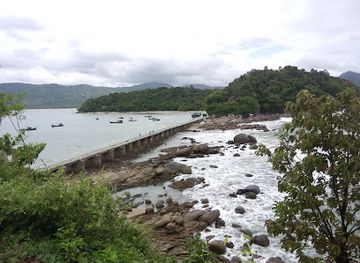
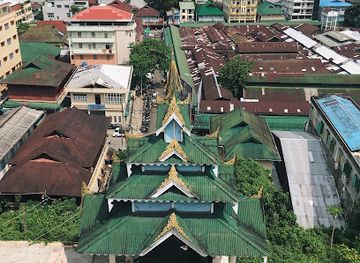
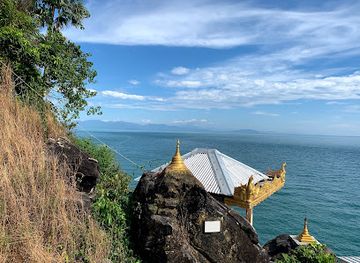
Pagoda
Pyi Daw Aye Pagoda
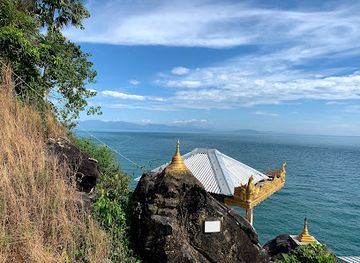
Experience the tranquil beauty of Pyi Daw Aye Pagoda, a stunning Buddhist temple in Kawthoung with breathtaking views and rich cultural heritage.
-
Pagoda
Myaw Yit Pagoda
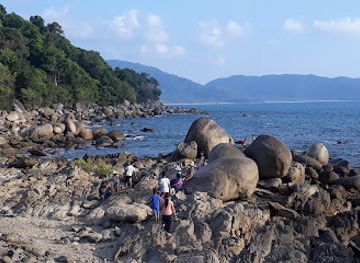
Explore the serene beauty of Myaw Yit Pagoda in Dawei, where spirituality meets stunning ocean views.
-
Pagoda
Thein Daw Gyi Pagoda
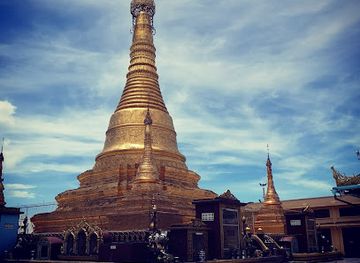
Explore the serene beauty and intricate architecture of Thein Daw Gyi Pagoda in Myeik, a must-see spiritual landmark in Myanmar.
-
Pagoda
Shin Maw Pagoda
Explore the enchanting Shin Maw Pagoda in Myanmar, a magnificent spiritual site adorned with intricate architecture and lush gardens.
Best landmarks in Tanintharyi Region
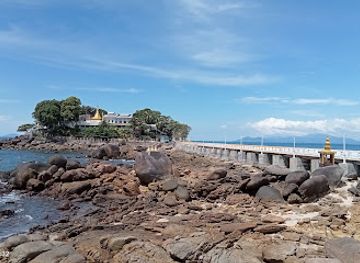
Dawei’s historic core contains surviving colonial-era administrative and commercial buildings alongside Buddhist monasteries and traditional timber houses, illustrating the town’s development as a port under British rule. Myeik’s waterfront and older urban quarters are important landmarks of the region’s maritime history: narrow streets, trading houses, religious buildings and working harbour activity reveal its long connection with the Andaman Sea. Kawthaung’s position beside the Pak Chan River gives it a distinctive frontier setting, with views across the water towards Thailand and a townscape shaped by trade and migration. Beyond the urban centres, the chain of islands in the Myeik Archipelago is Tanintharyi’s defining geographical landmark. Forested slopes, limestone outcrops, tidal channels, beaches and reefs form an expansive seascape rather than one isolated monument. Lampi Island and its surrounding protected waters are especially significant for their combination of rainforest, mangrove, coral and cultural landscapes. Access to these places depends on security, conservation rules, weather and local permissions, so their importance should not be confused with unrestricted tourist accessibility.
-
Pagoda
Myaw Yit Pagoda
Experience the tranquility of Myaw Yit Pagoda in Dawei, where lush landscapes meet spiritual serenity amidst stunning ocean views.
-
Pagoda
Thein Daw Gyi Pagoda
Experience the spiritual serenity and architectural beauty of Thein Daw Gyi Pagoda, a must-visit gem in Myeik, Myanmar.
-
Pagoda
Shin Maw Pagoda
Explore Shin Maw Pagoda, a serene and culturally rich landmark in Myanmar, perfect for spiritual seekers and history enthusiasts alike.
-
Buddhist temple
Shwe Taung Zar Pagoda
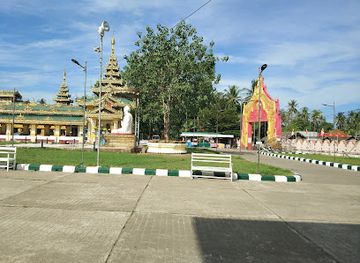
Explore the stunning Shwe Taung Zar Pagoda in Dawei, Myanmar - a serene Buddhist temple embodying rich culture and breathtaking architecture.
Explore Tanintharyi Region on the map
Plan your trip on one map. See where the top cities, national parks and sights are, and book hotels and experiences in a few clicks.
Best hotels in Tanintharyi Region
Best restaurants in Tanintharyi Region
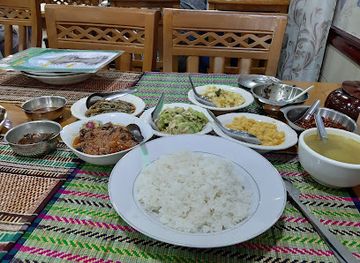
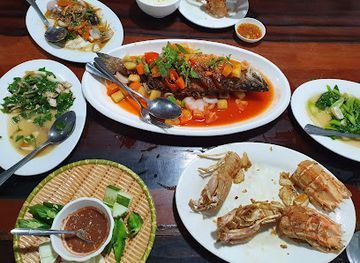
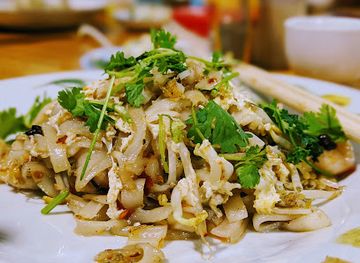
Tanintharyi’s food reflects its position between Myanmar, Thailand and the wider Andaman Sea. Seafood is prominent in coastal towns, with fish, prawns, crab and shellfish appearing in curries, broths, salads and grilled dishes where supplies allow. Rice remains central, while sour, salty and chilli-rich flavours are often balanced with herbs, fermented ingredients and tropical produce. Dawei and Myeik have teashops, market stalls, small family restaurants and seafood establishments serving practical local meals; Kawthaung’s borderland setting adds further Thai and Malay influence. Look for regional versions of Myanmar curries, noodle dishes, grilled seafood and salads rather than expecting a single dish to define the region. Betel, coconuts, bananas and other tropical crops are important to the local economy and may appear in markets and snacks. Dining standards and choice become simpler outside the main towns, and island excursions may rely on food arranged in advance. Bottled or properly treated water is advisable, and visitors should choose busy establishments with good food turnover when refrigeration is uncertain.
-
Burmese
Aye Myit Tar Burmese Resturant
Discover the essence of Myanmar's culinary heritage at Aye Myit Tar Burmese Restaurant in Mandalay – where every dish tells a story.
-
Restaurant
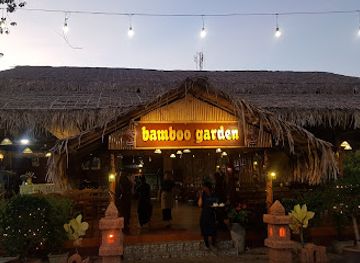
Bamboo Garden
Experience the flavors of Myanmar at Bamboo Garden in Dawei - where local cuisine meets serene ambiance.
-
Seafood
Shwe Hnin Si
Discover delicious seafood dishes at Shwe Hnin Si in Myeik - a culinary gem showcasing Myanmar's vibrant maritime flavors.
-
Restaurant
U Mg Win
Experience authentic Burmese cuisine at U Mg Win in Myeik – where tradition meets taste in every delightful dish.
Best bars in Tanintharyi Region
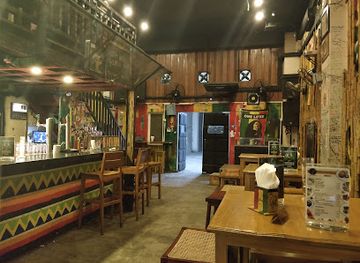
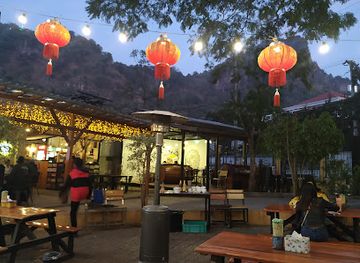
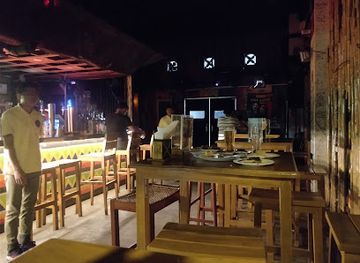
Evening life in Tanintharyi is generally subdued and centred on teashops, family restaurants, beer stations, hotel lounges and traditional drinking places rather than a large nightclub circuit. Dawei and Myeik offer the broadest choice of casual dining and social venues, while Kawthaung has a more commercial border-town atmosphere and some evening establishments serving local residents and visitors. Smaller towns and island communities tend to close early, with the sea, markets and morning work patterns shaping the rhythm of the day. Live music and informal gatherings may occur, but venues and opening arrangements are changeable and should be checked locally. Alcohol is not necessary for engaging with the region’s evening culture; a teashop, riverside meal or quiet walk through a settled town can be more representative. Visitors should follow local advice about curfews, avoid political gatherings and take extra care when returning over poorly lit roads.
-
Bar
7th Joint Bar & Grill
Discover the vibrant nightlife of Yangon at 7th Joint Bar & Grill, where delicious food and refreshing drinks await in a lively atmosphere.
-
Grill
TGI-Bar
Discover TGI-Bar in Taunggyi, where mouthwatering grilled dishes and a vibrant atmosphere await every visitor!
-
Pagoda
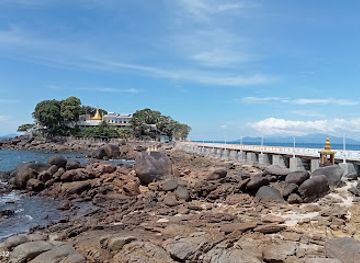
Myaw Yit Pagoda
Experience tranquility and cultural richness at Myaw Yit Pagoda in Dawei, where nature meets spirituality in perfect harmony.
-
Bar
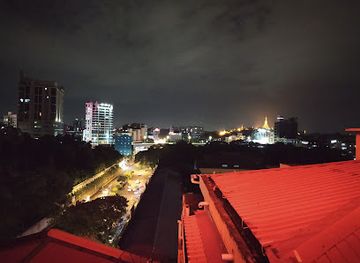
Tony Bar
Experience stunning views and a vibrant atmosphere at Tony Bar, Yangon’s premier rooftop destination for exquisite drinks and unforgettable memories.
Best nightclubs in Tanintharyi Region
Evening life in Tanintharyi is generally subdued and centred on teashops, family restaurants, beer stations, hotel lounges and traditional drinking places rather than a large nightclub circuit. Dawei and Myeik offer the broadest choice of casual dining and social venues, while Kawthaung has a more commercial border-town atmosphere and some evening establishments serving local residents and visitors. Smaller towns and island communities tend to close early, with the sea, markets and morning work patterns shaping the rhythm of the day. Live music and informal gatherings may occur, but venues and opening arrangements are changeable and should be checked locally. Alcohol is not necessary for engaging with the region’s evening culture; a teashop, riverside meal or quiet walk through a settled town can be more representative. Visitors should follow local advice about curfews, avoid political gatherings and take extra care when returning over poorly lit roads.
-
Disco club
Pioneer
Discover the electrifying nightlife at Pioneer Disco Club in Yangon, where music, dance, and fun come together for an unforgettable evening.
-
Bar
7th Joint Bar & Grill
Discover the vibrant nightlife at 7th Joint Bar & Grill in Yangon, where local music and delicious food create an unforgettable experience.
-
 Resort hotel
Grand Andaman Hotel
Unwind in luxury at Grand Andaman Hotel on Thathay Kyun Island, where stunning views and adventure await every traveler.
-
Resort hotel
Victoria Cliff Resort (Nyaung Oo Phee)
Discover tranquility and luxury at Victoria Cliff Resort, a premier destination in Nyaung Oo Phee, Myanmar, offering stunning views and exceptional service.

Best shops in Tanintharyi Region
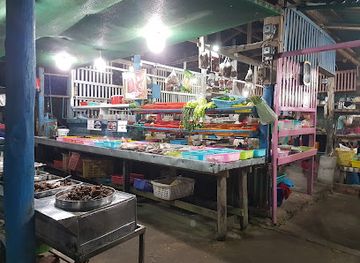
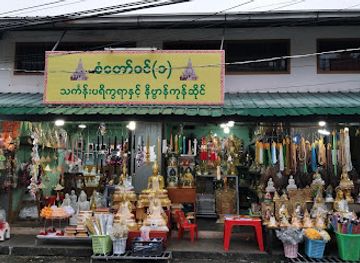
Shopping in Tanintharyi is oriented towards local markets, practical goods and regional produce rather than large-scale retail. Dawei and Myeik have the broadest selection of market stalls, small independent shops, textiles, household goods, snacks and fresh food, while Kawthaung’s border-town commerce reflects connections with Thailand and maritime trade. Visitors may find dried seafood, spices, betel-related products, tropical fruit, woven items and modest handicrafts, although quality and availability vary. Market purchases should be made respectfully and without photographing traders or stalls without permission. Small producers and community-based tourism initiatives may offer locally made crafts, but ethical purchasing matters: avoid coral, shells, wildlife products and antiquities. Travellers staying in remote coastal areas should buy essentials in the main towns, since island shops have limited stock and may not accept cards. Myanmar kyat in small notes is useful for markets, transport and informal purchases, while fragile or perishable goods require careful packing for long journeys.
-
Seafood
Shwe Hnin Si
Experience the best of Myeik's seafood culture at Shwe Hnin Si, where fresh flavors meet traditional culinary artistry.
-
Pagoda
Myaw Yit Pagoda
Experience the tranquility and cultural richness of Myaw Yit Pagoda in Dawei, a serene retreat nestled in stunning natural surroundings.
-
Pagoda
Thein Daw Gyi Pagoda
Explore the majestic Thein Daw Gyi Pagoda in Myeik, a serene tourist attraction blending spiritual heritage and stunning architecture for a memorable visit.
-
Buddhist temple
Shwe Taung Zar Pagoda
Experience the spiritual tranquility of Shwe Taung Zar Pagoda, a breathtaking Buddhist temple in Dawei, Myanmar, perfect for reflection and cultural immersion.
Get your free copy of our complete guide to Tanintharyi Region, delivered straight to you.
Everything on this page, from attractions and restaurants to essentials and local phrases, in one PDF you can read offline, print or share.
Already have an account? Sign in
Your Tanintharyi Region guide is ready.
We'll send it to · Not you? Sign out

Getting your guide ready…
We are putting together a fresh copy of the Tanintharyi Region guide. This can take up to a minute.
This can take a few moments. If your browser asks, choose Allow so the download can start. You'll find the guide in your Downloads folder.
Nothing happened? Download it again
Sorry, the guide is taking longer than usual. Please try again in a minute, or get it by email instead.
Tanintharyi Region essentials
Currency and Payment
Safety
Emergency Situations
Do's and Don'ts
Local Tips
From Eve
Local phrases worth knowing
You don't need to get them perfect. A few words go a long way, and locals appreciate the effort.
Basics
| English | Local | Say it |
|---|---|---|
| Hello | မင်္ဂလာပါ | [mingalar par] |
| Goodbye | ဂုဏ်ယူပါ | [gun yu par] |
| Yes | ဟုတ်ပါသည် | [hout par de] |
| No | မဟုတ်ပါဘူး | [ma hout par bu] |
| Please/You're welcome | ကျေးဇူးပြုပါ | [kyeizu pyu par] |
| Thank you | ကျေးဇူးတင်ပါတယ် | [kyeizu tin par de] |
| Excuse me/Sorry | တောင်းပန်ပါတယ် | [taung pan par de] |
| How are you? | နေကြတယ်လား | [nay kyaw de la] |
| Fine. And you? | အဆင်ပြေပါတယ်။ သင်呢? | [a sin pye par de. thin ne?] |
| Do you speak English? | အင်္ဂလိပ်ဘာသာပြောနိုင်ပါသလား? | [english bar tha pyaw nai par tha la?] |
| I don't understand | နားမလည်ပါဘူး | [nar ma laye par bu] |
Eating & Drinking
| English | Local | Say it |
|---|---|---|
| I'd like to see the menu, please | မီနူးကိုကြည့်ချင်ပါတယ် | [menu ko kyaw chin par de] |
| I don't eat meat | သားငါးမစားပါ | [tha nga ma sar par] |
| Cheers! | ကျန်းမာရေးအတွက် | [kyaung mar yay a twat] |
| I would like to pay, please | ငွေပေးချင်ပါတယ် | [ngwe pay chin par de] |
Emergencies
| English | Local | Say it |
|---|---|---|
| Help! | ကူညီပါ! | [ku nyi par!] |
| Go away! | ထွက်ပါ! | [htwet par!] |
| Call the Police! | ရဲတပ်ဖွဲ့ကိုခေါ်ပါ! | [yay tat phwe ko khaw par!] |
| Call a doctor! | ဆရာဝန်ကိုခေါ်ပါ! | [saya wun ko khaw par!] |
| I'm lost | လမ်းလွဲနေပါတယ် | [lan hle nay par de] |
| I'm ill | ကျန်းမာမှုမရှိပါ | [kyaung mar hmu ma shi par] |
Shopping
| English | Local | Say it |
|---|---|---|
| I'd like to buy... | ဝယ်ချင်ပါတယ်... | [we chin par de...] |
| I'm just looking | ကြည့်နေပါတယ် | [kyaw nay par de] |
| How much is it? | ဘယ်လောက်လဲ? | [be laut le?] |
| That's too expensive | အထက်တန်ပါတယ် | [a thak tan par de] |
| Can you lower the price? | ဈေးလျော့ပေးမလား? | [zei lyaw pay ma la?] |
Time & Numbers
| English | Local | Say it |
|---|---|---|
| What time is it? | ယခုအချိန်ဘယ်လောက်လဲ? | [ya khu a hkyin be laut le?] |
| It's one o'clock | နေ့လျှင်တစ်နာရီ | [nay hlyin ta na ye] |
| Half past (10) | ဆယ့်နှစ်နာရီ | [saye hnint na ye] |
| Morning | မနက် | [ma net] |
| Afternoon | နေ့လယ် | [nay lae] |
| Evening | ညလယ် | [nya lae] |
| Yesterday | မနေ့က | [ma nay ka] |
| Today | ဒီနေ့ | [di nay] |
| Tomorrow | မနက်ဖြန် | [ma net pyan] |
| 1 | ၁ | [one] |
| 2 | ၂ | [two] |
| 3 | ၃ | [three] |
| 4 | ၄ | [four] |
| 5 | ၅ | [five] |
| 6 | ၆ | [six] |
| 7 | ၇ | [seven] |
| 8 | ၈ | [eight] |
| 9 | ၉ | [nine] |
| 10 | ၁၀ | [ten] |
Transport & Directions
| English | Local | Say it |
|---|---|---|
| Where's a/the...? | ဘယ်မှာ...ရှိလဲ? | [be hma...shi le?] |
| What's the address? | လိပ်စာဘယ်လိုလဲ? | [leit sa be lo le?] |
| Can you show me (on the map)? | မြေပုံပေါ်မှာပြပါ | [myae pone par hma pya par] |
| When's the next (bus)? | နောက်ထပ်(ဘတ်စ်)ဘယ်အချိန်လဲ? | [naut htat (bus) be a hkyin le?] |
| A ticket (to ....) | လက်မှတ်(သို့...) | [let hmat (tho...)] |
History of Tanintharyi Region
Early Andaman-Sea Trade and Settlement
The Tanintharyi coast has long been shaped by movement across the Andaman Sea rather than by inland connections alone. River mouths and sheltered harbours linked local communities with Mon, Malay, Indian, Chinese and Thai traders, carrying forest products, fish, rice and other goods. Archaeological evidence and historical references point to a succession of coastal settlements and trading sites, although the region’s early history is less completely documented than that of central Myanmar. Its geography encouraged maritime exchange, while mountain ranges and dense forests limited easy communication with the interior.
Dawei and Myeik under Regional Kingdoms
Dawei, historically known in English as Tavoy, and Myeik, historically recorded as Mergui, were contested ports within the political orbit of larger mainland and peninsular states. Their allegiance shifted at different times among Burmese kingdoms, Siamese authorities and local power holders. These changes reflected the value of the ports as gateways to the Andaman Sea and the Malay Peninsula. The resulting cultural mixture remains visible in architecture, religious practice, foodways and the region’s long-standing outward-looking commercial identity.
The Konbaung Expansion and Borderland Politics
During the eighteenth century, the expanding Konbaung dynasty strengthened Burmese control over the southern corridor, while Siam also sought influence along the coast and its hinterland. The frontier was not a simple line: control depended on ports, river valleys, tributary relationships and military campaigns. This period helped establish the political geography later inherited by colonial administrators. It also left a legacy of contested sovereignty that is important when understanding Tanintharyi’s position between the Burmese heartland, the Thai borderlands and the maritime world.
British Annexation and the Tenasserim Province
Britain annexed the coastal Tenasserim territories after the First Anglo-Burmese War under the Treaty of Yandabo in 1826. Dawei and Myeik became colonial ports, and British administration reorganised taxation, landholding and trade. The colonial economy expanded through rice cultivation, timber extraction, fishing and later rubber and tin production. Roads, administrative buildings and commercial houses altered the towns, while Indian and Chinese migration added further layers to urban society. The name Tenasserim remained widely used during the colonial period.
War and Occupation in the Twentieth Century
The region was drawn into the Second World War when Japanese forces occupied Burma and the southern coastal corridor. Ports, roads and airfields acquired military importance, and local communities experienced requisitioning, displacement and wartime disruption. After independence in 1948, Tanintharyi’s borderland geography and difficult communications contributed to prolonged armed conflict involving the central state and ethnic armed organisations. These histories continue to influence transport, administration and perceptions of security in parts of the region.
Modern Maritime Trade, Extraction and Conservation
Post-independence Tanintharyi has remained economically associated with fishing, rubber, betel, mining, timber and cross-border commerce, while the Andaman islands have attracted growing conservation and tourism interest. Lampi Marine National Park, established in the Myeik Archipelago, reflects efforts to protect mangroves, reefs, forests and culturally important coastal waters. At the same time, infrastructure proposals and extractive industries have generated debate about land rights, environmental pressure and local livelihoods. The region’s present character is therefore shaped by both commercial development and the need to safeguard fragile coastal ecosystems.
Tanintharyi Region in Photos
Browse through our photo collection highlighting the charm and character of the destination.
Neighbouring regions of Tanintharyi Region
The closest regions to Tanintharyi Region, if you have time for more than one.
-

-

-

-

-


Swipe for more regions
Explore more

Explore more of Myanmar (Burma)
Discover Myanmar: A land of golden pagodas, ancient temples, and breathtaking natural beauty, where warm hospitality and rich culture await every traveler.
Explore Myanmar (Burma)